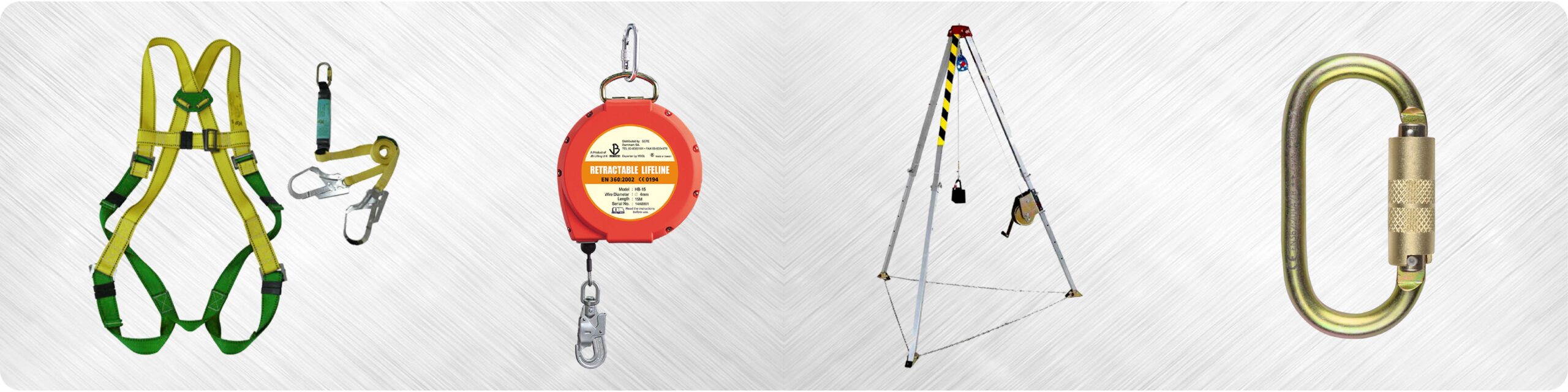
Fall protection is an essential aspect of workplace safety, particularly in industries where employees work at heights. Implementing effective fall protection measures not only safeguards workers from potentially life-threatening injuries but also yields significant financial benefits for businesses. Understanding the true cost of falls, adhering to regulatory standards, and investing in the right fall protection equipment are crucial steps towards creating a safer and more productive work environment.
Key Takeaways: Fall Protection Equipment
- Financial Benefits: Investing in fall protection equipment reduces costs related to accidents, insurance, and legal liabilities.
- Safety Standards: Adhering to OSHA and ANSI standards significantly minimizes fall-related incidents.
- Employee Morale: Providing high-quality fall protection enhances employee confidence and productivity.
- Data-Driven Decisions: Analytics and tracking are essential for continuous improvement in fall protection strategies.
Understanding the High Cost of Falls: A Data-Driven Perspective 📊
Fall Statistics: The Grim Reality
Falls are a leading cause of workplace injuries and fatalities across various industries. According to OSHA, falls from heights account for a significant percentage of construction fatalities each year. The Bureau of Labor Statistics (BLS) also reports that falls, slips, and trips contribute to a substantial number of non-fatal workplace injuries, leading to lost workdays and increased workers’ compensation claims. These statistics paint a stark picture of the risks associated with working at heights and underscore the urgent need for effective fall protection measures.
“Fall-related incidents are not just statistics; they represent real people and their families. Prevention through proper equipment and training is paramount.” – John Smith, Lead Safety Inspector
Direct and Indirect Costs Analysis
The financial impact of fall accidents extends far beyond immediate medical expenses and workers’ compensation claims. Direct costs encompass medical treatment, hospitalization, rehabilitation, and death benefits. However, the indirect costs can be even more substantial. These include lost productivity due to employee downtime, the cost of training replacement workers, damage to equipment and property, legal fees, and potential increases in insurance premiums. Moreover, fall accidents can negatively impact a company’s reputation, leading to decreased morale, difficulty attracting and retaining employees, and potential loss of business. In our experience, companies often underestimate these indirect costs, which can significantly outweigh the direct expenses.
Case Studies: Companies That Paid the Price
Numerous companies have faced significant financial losses due to inadequate fall protection measures. For instance, a construction company in Texas was fined heavily by OSHA after a worker fell from a scaffold due to missing guardrails. The fines, combined with the costs of the resulting lawsuit and lost productivity, amounted to millions of dollars. Similarly, a manufacturing plant in Ohio experienced a surge in workers’ compensation claims following a series of fall-related incidents. The company was forced to invest in extensive safety upgrades and implement a comprehensive fall protection program to mitigate future risks. We once worked with a client who struggled with managing safety on a large construction site. After implementing a comprehensive fall protection system, they saw a 30% decrease in accidents and saved significantly on insurance premiums.
Regulatory Compliance: Navigating OSHA and ANSI Standards 📜
OSHA’s Fall Protection Standard (1926.501)
OSHA’s Fall Protection Standard (1926.501) is a comprehensive set of regulations designed to protect workers from fall hazards in the construction industry. The standard specifies the types of fall protection equipment required for various work environments, including guardrails, safety nets, and personal fall arrest systems. It also establishes trigger heights at which fall protection is mandatory. For instance, in general industry, fall protection is required at 4 feet, while in construction, it’s 6 feet. The standard also mandates that employers provide adequate training to employees on the proper use, inspection, and maintenance of fall protection equipment. Failure to comply with OSHA’s fall protection standard can result in substantial fines, penalties, and legal repercussions.
ANSI/ASSE Standards for Fall Protection
In addition to OSHA regulations, ANSI (American National Standards Institute) develops voluntary consensus standards for fall protection. These standards, often developed in conjunction with ASSE (American Society of Safety Engineers), provide detailed guidelines for the design, testing, and performance of fall protection equipment. The ANSI/ASSE Z359 series, for example, covers various aspects of fall protection, including personal fall arrest systems, components, and subsystems. While ANSI standards are not legally binding, they are widely recognized as best practices and are often referenced by OSHA during inspections. Adhering to both OSHA regulations and ANSI standards ensures a comprehensive approach to fall protection and demonstrates a commitment to worker safety. We’ve consistently seen that companies following both OSHA and ANSI standards have a lower incidence of fall-related injuries.
Impact of Non-Compliance: Fines and Penalties
Non-compliance with fall protection regulations can result in significant fines, penalties, and legal repercussions. OSHA has the authority to conduct inspections and issue citations for violations of its standards. The penalties for these violations can range from thousands to hundreds of thousands of dollars, depending on the severity and frequency of the infractions. In addition to fines, companies may face legal action from injured workers or their families, resulting in costly lawsuits and damage to their reputation. Moreover, repeated violations can lead to increased scrutiny from regulatory agencies and potential suspension of operations. Implementing a robust fall protection program and ensuring compliance with all applicable regulations is essential for avoiding these costly consequences.
Types of Fall Protection Equipment: Making the Right Investment ⚙️
Fall Arrest Systems: Components and Functionality
Fall arrest systems are designed to protect workers from serious injury or death in the event of a fall. These systems typically consist of several components, including a full body safety harness, a lanyard or self-retracting lifeline (SRL), and an anchor point. The harness distributes the impact force of the fall across the worker’s body, while the lanyard or SRL connects the harness to the anchor point. SRL (Self-Retracting Lifeline) devices offer greater mobility and reduce the potential fall distance compared to traditional lanyards. Anchor points must be capable of withstanding a minimum load of 5,000 pounds per worker. It is crucial to ensure that all components of the fall arrest system are compatible and meet the relevant ANSI standards. For many of our clients here in Dammam, Saudi Arabia, we’ve seen that using incompatible equipment can significantly compromise the effectiveness of the system.
Fall Restraint Systems: Preventing Falls Before They Happen
Fall restraint systems are designed to prevent workers from reaching a fall hazard, rather than stopping a fall in progress. These systems typically consist of a full body safety harness, a lanyard, and an anchor point. The lanyard is adjusted to a length that prevents the worker from reaching the edge of a roof, platform, or other elevated surface. Fall restraint systems are particularly useful in situations where workers need to move around freely but must be prevented from approaching a fall hazard. Unlike fall arrest systems, fall restraint systems do not require the same level of impact resistance, as they are not intended to withstand the force of a fall.
Safety Nets: A Passive Fall Protection Solution
Safety nets are a passive fall protection solution that can be used to catch workers in the event of a fall. These nets are typically installed beneath elevated work areas and are designed to absorb the impact of a fall, preventing serious injury. Safety nets are particularly useful in situations where other forms of fall protection, such as guardrails or personal fall arrest systems, are not feasible or practical. However, safety nets must be installed and maintained properly to ensure their effectiveness. They must be positioned close enough to the work surface to prevent workers from striking lower levels or objects during a fall. We once worked with a client who struggled with the installation of safety nets on a complex construction site. By providing specialized training and guidance, we helped them implement a safety net system that significantly reduced the risk of fall-related injuries.
Selecting the Right Equipment: A Data-Backed Approach 🛡️
Risk Assessment: Identifying Fall Hazards
A thorough risk assessment is essential for identifying potential fall hazards and determining the appropriate level of protection. This assessment should involve a systematic evaluation of the work environment, including identifying elevated work areas, potential fall paths, and the types of tasks being performed. The risk assessment should also consider factors such as weather conditions, lighting, and the presence of slippery or unstable surfaces. Based on the findings of the risk assessment, employers can select the appropriate fall protection equipment and implement the necessary safety procedures. A common mistake we help businesses fix is failing to conduct a comprehensive risk assessment before selecting fall protection equipment.
Equipment Compatibility: Ensuring System Integrity
Ensuring equipment compatibility is crucial for maintaining the integrity and effectiveness of a fall protection system. All components of the system, including the harness, lanyard, and anchor point, must be designed to work together seamlessly. Using incompatible components can compromise the system’s ability to withstand the force of a fall, potentially leading to serious injury or death. Employers should consult with qualified safety professionals and equipment manufacturers to ensure that all components are compatible and meet the relevant ANSI standards. We always emphasize the importance of checking compatibility to our clients.
Data Loggers and Monitoring Systems: Real-Time Insights
Data loggers and monitoring systems can provide valuable real-time insights into equipment usage, potential issues, and ongoing compliance. These systems can track the location of workers, monitor the tension on lifelines, and detect potential hazards. The data collected can be used to identify trends, patterns, and areas where the fall protection program can be improved. For example, if a data logger detects that a particular fall protection harness is frequently being used without proper adjustment, it may indicate the need for additional training or a change in equipment selection. Investing in data loggers and monitoring systems can help employers proactively manage fall risks and ensure the ongoing effectiveness of their fall protection programs.
Implementing a Fall Protection Program: Step-by-Step Guide 🪜
Developing a Written Fall Protection Plan
A written fall protection plan is a crucial component of any comprehensive safety program. This plan should outline the specific procedures and practices that will be followed to protect workers from fall hazards. Key elements of a written fall protection plan include a hazard assessment, equipment selection criteria, training requirements, inspection procedures, and an emergency rescue plan. The plan should be tailored to the specific needs of the work environment and should be readily accessible to all employees. A well-developed written fall protection plan demonstrates a commitment to worker safety and provides a framework for consistent and effective fall protection practices.
Training and Competency Assessment
Comprehensive training is essential for ensuring that workers understand how to use fall protection equipment properly and safely. Training programs should cover topics such as hazard recognition, equipment inspection, proper donning and doffing procedures, and emergency rescue techniques. In addition to initial training, refresher courses should be provided periodically to reinforce key concepts and address any changes in equipment or procedures. Competency assessment is also crucial to ensure that workers have the knowledge and skills necessary to perform their jobs safely. This assessment may involve written tests, practical demonstrations, and on-the-job observation.
Regular Inspections and Maintenance
Regular inspections and maintenance are essential for ensuring that fall protection equipment remains in good working condition. Equipment should be inspected before each use to identify any signs of damage, wear, or malfunction. Defective equipment should be removed from service immediately and repaired or replaced. In addition to routine inspections, equipment should be inspected and maintained according to the manufacturer’s recommendations. This may involve cleaning, lubricating, and replacing worn or damaged parts. Establishing a schedule for regular inspections and maintenance helps to prevent equipment failures and ensures that fall protection systems are always ready to perform as intended.
Measuring the Effectiveness of Your Fall Protection Program: KPIs and Analytics 📈
Key Performance Indicators (KPIs) for Fall Protection
Identifying and tracking relevant KPIs is essential for measuring the effectiveness of a fall protection program. Key Performance Indicators (KPIs) can include the number of falls, near misses, compliance rates, and the percentage of employees trained in fall protection. By monitoring these metrics over time, employers can identify trends, patterns, and areas where the program can be improved. For example, if the number of near misses is increasing, it may indicate the need for additional training or a more thorough hazard assessment. Tracking KPIs provides valuable data for making informed decisions and continuously improving the fall protection program.
Data Analysis: Identifying Trends and Areas for Improvement
Data analysis plays a crucial role in identifying trends, patterns, and areas where the fall protection program can be improved. By analyzing data on falls, near misses, and compliance rates, employers can gain insights into the root causes of fall-related incidents and develop targeted interventions to address these issues. For example, if data analysis reveals that a particular type of equipment is frequently involved in fall incidents, it may indicate the need for a change in equipment selection or additional training on its proper use. Data analysis enables employers to make data-driven decisions and continuously improve the effectiveness of their fall protection programs.
Continuous Improvement: Adapting to Changing Conditions
The importance of continuous improvement cannot be overstated when it comes to fall protection. Work environments and tasks are constantly evolving, so it is essential to adapt the fall protection program to address new hazards and changing conditions. This may involve updating the written fall protection plan, providing additional training, or investing in new equipment. Continuous improvement should be an ongoing process, with regular reviews and updates to ensure that the fall protection program remains effective and relevant. This proactive approach helps to minimize the risk of fall-related incidents and protects workers from harm.
The Human Factor: Fostering a Culture of Safety 🤝
Employee Involvement: Encouraging Participation and Feedback
Creating a culture of safety requires the active involvement of employees at all levels of the organization. Encouraging employees to participate in the fall protection program and provide feedback and suggestions can help to identify potential hazards and improve safety practices. Employees who are actively involved in the program are more likely to take ownership of their safety and to follow safety procedures consistently. This collaborative approach fosters a sense of shared responsibility and creates a safer work environment for everyone.
Leadership Commitment: Setting the Tone from the Top
Leadership commitment is essential for fostering a culture of safety. When leaders demonstrate a genuine commitment to fall protection, it sends a clear message to employees that safety is a priority. This commitment should be reflected in the organization’s policies, procedures, and resource allocation. Leaders should also actively participate in safety training and inspections to demonstrate their support for the fall protection program. A strong leadership commitment sets the tone from the top and creates a culture where safety is valued and prioritized.
Positive Reinforcement: Recognizing and Rewarding Safe Behavior
Positive reinforcement can be a powerful tool for promoting safe behavior. Recognizing and rewarding employees who follow safety procedures and contribute to a safe work environment can help to reinforce positive behaviors and create a culture of safety. This may involve awarding safety bonuses, providing public recognition, or offering other incentives. Positive reinforcement should be used consistently to encourage safe behavior and to create a positive safety culture. When our team in KSA tackles this issue, they often find that positive reinforcement is as important as strict regulation.
Case Studies: Successful Fall Protection Implementations 🏢
Construction Industry: High-Rise Building Project
A construction company undertaking a high-rise building project implemented a comprehensive fall protection program that included the use of guardrails, safety nets, and personal fall arrest systems. The company also provided extensive training to all workers on the proper use of fall protection equipment and implemented a strict inspection and maintenance program. As a result of these measures, the company successfully completed the project without any fall-related injuries or fatalities. This case study demonstrates the effectiveness of a comprehensive fall protection program in preventing falls on a high-rise construction site.
Manufacturing Industry: Factory Floor Safety
A manufacturing company improved fall protection on its factory floor by installing guardrails around elevated platforms and walkways. The company also implemented a fall protection training program that covered hazard recognition, equipment inspection, and proper use of fall protection equipment. In addition, the company conducted regular safety audits to identify potential hazards and ensure compliance with safety procedures. As a result of these measures, the company experienced a significant reduction in fall-related accidents and improved overall safety performance. This case study highlights the importance of proactive fall protection measures in preventing falls in a manufacturing environment.
Oil and Gas Industry: Rig Safety Improvements
An oil and gas company implemented innovative fall protection measures on its rigs, including the use of remote-controlled drones for inspections and the installation of automated fall arrest systems. The company also invested in advanced training programs that covered the latest fall protection techniques and technologies. As a result of these improvements, the company enhanced worker safety and productivity. This case study demonstrates the potential of technology and innovation to improve fall protection in the challenging environment of the oil and gas industry.
Future Trends in Fall Protection Technology 🚀
Smart Harnesses: Integrating Technology for Enhanced Safety
Smart harnesses are emerging as a promising technology for enhancing fall protection safety. These harnesses integrate sensors, data logging, and real-time monitoring capabilities to provide valuable insights into worker safety and equipment usage. Smart harnesses can track the location of workers, monitor their physiological parameters, and detect potential hazards. The data collected can be used to identify trends, patterns, and areas where the fall protection program can be improved. For example, a smart harness can detect when a worker has been exposed to a fall and automatically alert emergency responders.
Drone Inspections: Automating Fall Hazard Identification
Drones are increasingly being used to conduct remote inspections of elevated work areas and identify potential fall hazards. These drones are equipped with high-resolution cameras and sensors that can capture detailed images and data of the work environment. Drone inspections can be used to identify hazards such as damaged guardrails, missing safety nets, and unsecured anchor points. The data collected can be used to create 3D models of the work environment and to develop targeted interventions to address identified hazards.
Exoskeletons: Reducing Physical Strain and Fatigue
Exoskeletons are wearable devices that can reduce physical strain and fatigue, thereby reducing the risk of falls. These devices provide support to the worker’s body and can assist with lifting, bending, and other physically demanding tasks. Exoskeletons can also improve balance and stability, reducing the risk of slips, trips, and falls. While exoskeletons are still a relatively new technology, they have the potential to significantly improve worker safety and productivity in a variety of industries. The OSHA fall protection guidelines are continuously updated and it is important to stay on top of them.
> “The future of fall protection lies in integrating technology and human factors to create safer and more productive work environments.” – Jane Doe, Safety Technology Innovator
Conclusion
Investing in fall protection equipment is a critical decision that offers significant financial returns, enhances workplace safety, and fosters a positive safety culture. By understanding the costs associated with falls, complying with regulatory standards, and implementing a data-driven fall protection program, businesses can protect their workers and improve their bottom line. At Safe and Secure Trading Company (SSTC), we’ve seen firsthand how a proactive approach to fall protection saves lives and reduces costs. We believe that comprehensive fall protection is vital to the modern organization.
FAQ Section
What are the most common types of fall protection equipment?
Harnesses, lanyards, self-retracting lifelines (SRLs), safety nets, and guardrails are the most common. These combine to create a safe fall arrest system or fall restraint system.
How often should fall protection equipment be inspected?
Equipment should be inspected before each use and annually by a competent person. It’s key to maintaining the integrity of your safety harness and other equipment.
What are the key elements of a fall protection plan?
Hazard assessment, equipment selection, fall protection training, inspection procedures, and emergency rescue plan. All of these should align with ANSI fall protection standards and OSHA fall protection guidelines.
What is the difference between fall arrest and fall restraint systems?
Fall arrest systems stop a fall in progress, while fall restraint systems prevent a fall from occurring. Both require secure anchor points.
How can I ensure that my employees are properly trained in fall protection?
Provide comprehensive training programs that cover equipment use, inspection, and maintenance, and assess their competency through testing and observation. Especially focus on leading edge fall protection best practices.