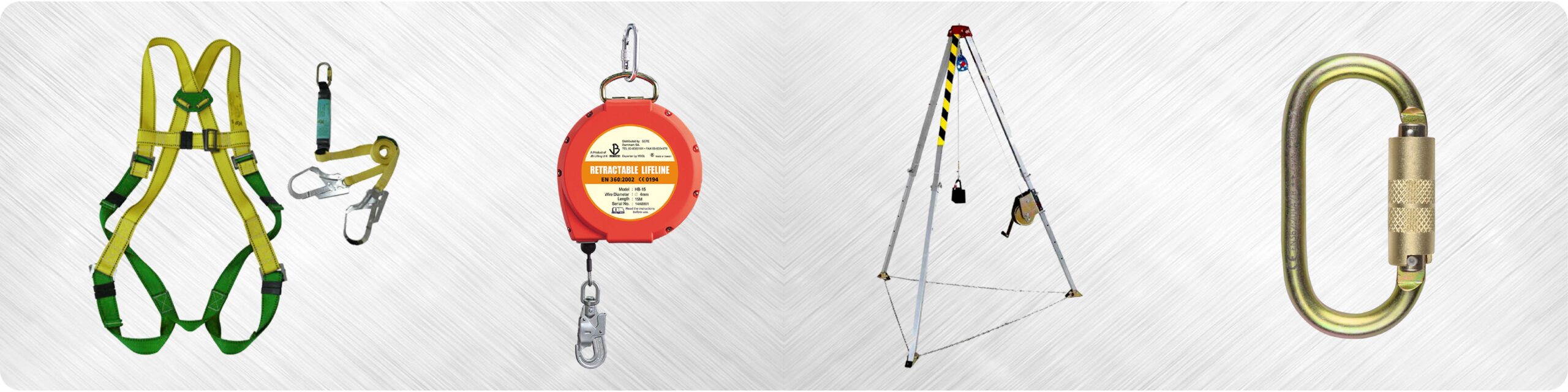
Choosing a Fall Protection Harness
Understanding Fall Protection Harnesses
What is a Fall Protection Harness?
A fall protection harness, often referred to as a full-body harness, is a crucial component of a personal fall arrest system. It’s designed to secure a worker at height, preventing serious injury or death in the event of a fall. Unlike a simple safety belt, a fall protection harness distributes fall forces across the thighs, pelvis, chest, and shoulders. This distribution minimizes the risk of concentrated pressure on any single part of the body, which can cause severe internal injuries.
The primary function of a fall protection harness is to safely arrest a fall. When properly connected to an anchorage point via a lanyard or self-retracting lifeline (SRL), the harness catches the worker before they hit a lower level or obstacle. This arresting action significantly reduces the impact forces experienced by the body.
It’s paramount to use a properly fitted and maintained fall protection harness. A loose harness can allow the worker to slip out during a fall, while an overly tight harness can restrict movement and cause discomfort, leading to reduced productivity. Regular inspections and proper storage are also essential to ensure the harness remains in good working condition and can perform its intended function when needed.
Why is Choosing the Right Harness Important?
Choosing the right fall protection harness is of utmost importance for several critical reasons. First and foremost, it plays a pivotal role in preventing serious injuries or fatalities in the event of a fall. A properly selected and fitted harness will distribute the forces of a fall across the body, minimizing the risk of trauma to any single area. This can be the difference between walking away from a fall and suffering life-altering injuries.
Compliance with OSHA standards and other safety regulations is another significant factor. OSHA mandates the use of appropriate fall protection equipment in many industries, and using the wrong harness can result in hefty fines and legal repercussions for employers. Ensuring that the harness meets the required safety standards is not only ethical but also a legal obligation.
Beyond safety and compliance, the right fall protection harness contributes to increased worker comfort and productivity. A comfortable harness allows workers to move freely and perform their tasks without unnecessary strain or discomfort. This, in turn, enhances their focus and efficiency, leading to better overall job performance. Investing in high-quality, well-fitting harnesses is an investment in both worker safety and productivity.
Key Factors to Consider When Choosing a Harness
Identifying Your Job-Specific Needs
Before selecting a fall protection harness, it’s essential to identify the specific needs of the job at hand. The type of work being performed significantly influences the choice of harness. For example, construction workers may require a harness with multiple attachment points for various tasks, while roofers may need a lightweight harness that allows for greater mobility. Tower climbers, on the other hand, might benefit from a harness with specialized features for ascending and descending structures.
Environmental conditions also play a crucial role in harness selection. In hot climates, a harness made from breathable materials can help reduce sweating and discomfort. In cold environments, a harness with extra padding can provide added warmth and insulation. Exposure to chemicals or corrosive substances may necessitate a harness made from materials resistant to degradation. Our team in Dubai often emphasizes this point, advising clients to prioritize material resilience when working in harsh environments.
The frequency of harness use is another factor to consider. Workers who wear a harness daily may require a more durable and comfortable model than those who only use it occasionally. Investing in a high-quality harness that can withstand frequent use will ultimately save money in the long run by reducing the need for replacements.
Harness Types and Their Applications
There are several types of fall protection harnesses, each designed for specific applications and work environments. Understanding the differences between these types is essential for selecting the most appropriate harness for the job.
- Dorsal D-Ring Harness: This is the standard harness for fall arrest. The D-ring is located on the back (dorsal) of the harness, between the shoulder blades. It’s designed to connect to a lanyard or SRL, arresting the fall and distributing the impact forces across the body. The dorsal D-ring harness is versatile and suitable for a wide range of applications, including construction, general industry, and maintenance.
- Side D-Ring Harness: Harnesses with side D-rings are primarily used for positioning and restraint. These D-rings are located on the hips and are used to keep the worker in a fixed position, preventing them from reaching a fall hazard. Side D-ring harnesses are commonly used in applications such as utility work and ironworking, where workers need to maintain a stable position while working at height.
- Shoulder D-Ring Harness: Shoulder D-ring harnesses are designed for retrieval in confined spaces. The D-rings are located on the shoulders, allowing for vertical lifting and lowering of the worker. These harnesses are essential for rescue operations and are often used in industries such as mining, wastewater treatment, and tank cleaning. We once had a client who needed to rescue a worker from a deep trench; the shoulder D-ring harness proved invaluable in safely extracting the individual.
- Arc Flash Harness: These harnesses are specifically designed to protect workers from electrical hazards. They are made from non-conductive materials and are often used by electricians and utility workers who work near energized equipment. Arc flash harnesses typically include features such as insulated D-rings and flame-resistant webbing to minimize the risk of electrical shock and burns.
Sizing and Fit: Ensuring a Snug and Safe Fit
Ensuring a snug and safe fit is crucial for the effectiveness of a fall protection harness. A properly fitted harness will distribute fall forces evenly across the body, minimizing the risk of injury. A loose or poorly fitted harness can allow the worker to slip out during a fall, while an overly tight harness can restrict movement and cause discomfort.
Measuring your torso length and waist size is the first step in determining the correct harness size. Most manufacturers provide sizing charts based on these measurements. It’s important to consult the manufacturer’s sizing guidelines and choose the harness size that corresponds to your measurements.
Adjusting the leg straps, shoulder straps, and chest straps is essential for achieving a snug and secure fit. Start by loosening all the straps before donning the harness. Once the harness is on, tighten the leg straps so that they are snug but not too tight, allowing enough room to slide a flat hand between the strap and your thigh. Next, adjust the shoulder straps so that the D-ring is positioned between your shoulder blades. Finally, tighten the chest strap so that it is snug but not restrictive.
Performing a suspension test is the best way to check for proper fit. With the help of a trained professional, hang in the harness to simulate a fall. This will allow you to identify any pressure points or areas where the harness is too loose or too tight. Adjust the straps as needed until you achieve a comfortable and secure fit.
Essential Features to Look For
Material Quality and Durability
The material quality and durability of a fall protection harness are critical factors in ensuring its effectiveness and longevity. The webbing, D-rings, and stitching must be able to withstand the rigors of the job and provide reliable protection in the event of a fall.
Nylon and polyester are the two most common materials used for harness webbing. Nylon is known for its strength and elasticity, making it a good choice for general-purpose harnesses. Polyester, on the other hand, is more resistant to abrasion and UV degradation, making it a better choice for harsh environments. While nylon is slightly more elastic, polyester’s durability often makes it the preferred choice for long-term use.
D-rings should be made from high-strength steel or aluminum alloy and must be able to withstand the forces of a fall. Look for D-rings that are stamped with a load rating and that meet ANSI standards. The stitching quality is also crucial. Reinforced stitching at stress points will help prevent the harness from tearing or unraveling during a fall. We often advise clients to inspect the stitching closely, as this is often the first area to show signs of wear and tear.
Adjustability and Comfort Features
Adjustability and comfort features are essential for ensuring that a fall protection harness can be worn comfortably and effectively for extended periods. A harness that is uncomfortable or difficult to adjust can lead to reduced productivity and an increased risk of accidents.
Padding on shoulder straps, leg straps, and back can significantly improve comfort, especially for workers who wear a harness for long hours. The padding helps to distribute pressure evenly and prevent chafing or rubbing. Ease of adjustment is also important. Look for a harness with easy-to-use buckles and adjusters that allow for quick and precise adjustments.
Breathable materials can help reduce sweating and discomfort, especially in hot climates. Mesh fabrics and moisture-wicking materials can help keep the worker cool and dry, improving overall comfort and productivity. Some harnesses also feature integrated tool loops and attachment points, allowing workers to carry their tools and equipment without compromising safety or comfort.
Safety Standards and Certifications
Understanding safety standards and certifications is paramount when selecting a fall protection harness. These standards ensure that the harness meets minimum performance requirements and provides adequate protection in the event of a fall.
OSHA regulations (29 CFR 1926.502) outline the requirements for fall protection in the construction industry. These regulations specify the types of fall protection equipment that must be used in various situations and the training requirements for workers who use fall protection equipment. Compliance with OSHA regulations is mandatory for all employers in the United States.
ANSI standards provide more detailed specifications for fall protection equipment. ANSI Z359.11 is the standard for full-body harnesses and specifies the performance requirements for harnesses used in fall arrest systems. ANSI standards are developed by industry experts and are widely recognized as the benchmark for safety and quality.
NIOSH approval indicates that the harness has been tested and certified by the National Institute for Occupational Safety and Health. NIOSH is a federal agency responsible for conducting research and making recommendations for the prevention of work-related injuries and illnesses. Checking for NIOSH approval provides an additional level of assurance that the harness meets stringent safety standards.
Step-by-Step Guide to Selecting Your Harness
Step 1: Assess Your Workplace Hazards
Before choosing a fall protection harness, it’s crucial to conduct a thorough assessment of the workplace hazards. This assessment will help you identify potential fall distances, evaluate the presence of sharp edges or other hazards, and determine the need for specialized features such as arc flash protection or confined space entry capabilities.
Identifying potential fall distances is essential for selecting the appropriate lanyard or SRL. The fall distance is the vertical distance a worker could fall before the fall arrest system engages. This distance must be taken into account when choosing a lanyard or SRL to ensure that the worker does not hit the ground or any other obstacle during a fall.
Evaluating the presence of sharp edges or other hazards is also important. Sharp edges can damage the webbing of a harness or lanyard, compromising its strength and effectiveness. If sharp edges are present, consider using a harness with abrasion-resistant webbing or providing additional edge protection. Considering the need for specialized features is also crucial. For example, workers who are exposed to electrical hazards should use an arc flash harness, while those who work in confined spaces may need a harness with shoulder D-rings for retrieval.
Step 2: Determine the Appropriate Harness Type
Once you have assessed the workplace hazards, the next step is to determine the appropriate harness type for the specific job requirements. This involves matching the harness type to the specific tasks being performed, choosing a harness with the correct D-ring configuration, and ensuring compatibility with other fall protection equipment such as lanyards and SRLs.
Matching the harness type to the specific job requirements is essential. As discussed earlier, different types of harnesses are designed for different applications. For example, a dorsal D-ring harness is suitable for general fall arrest, while a side D-ring harness is better for positioning and restraint.
Choosing a harness with the correct D-ring configuration is also important. The D-ring configuration should match the type of work being performed and the other fall protection equipment being used. Ensuring compatibility with other fall protection equipment is crucial. The harness, lanyard, and SRL must all be compatible with each other to ensure that the fall arrest system functions properly.
Step 3: Try On and Adjust the Harness
Trying on and adjusting the harness is a critical step in ensuring a proper fit and comfortable wear. This involves loosening all straps before donning the harness, ensuring a snug but not overly tight fit, and checking for freedom of movement and comfort.
Loosening all straps before donning the harness makes it easier to put on and adjust. Start by loosening the leg straps, shoulder straps, and chest strap. Ensuring a snug but not overly tight fit is essential for both safety and comfort. The harness should fit snugly against the body, but not so tightly that it restricts movement or causes discomfort.
Checking for freedom of movement and comfort is also important. Once the harness is adjusted, move around and perform some of the tasks you will be doing while wearing the harness. This will help you identify any areas where the harness is too tight or restrictive.
Step 4: Perform a Pre-Use Inspection
Performing a pre-use inspection is a critical step in ensuring that the fall protection harness is in good working condition and safe to use. This involves inspecting the webbing for cuts, tears, or abrasions, checking D-rings for damage or distortion, and verifying that all buckles and adjusters are functioning properly.
Inspecting webbing for cuts, tears, or abrasions is essential. These types of damage can weaken the webbing and compromise its strength. If any damage is found, the harness should be removed from service immediately. Checking D-rings for damage or distortion is also important. D-rings that are bent, cracked, or otherwise damaged should be replaced immediately.
Verifying that all buckles and adjusters are functioning properly is crucial. Buckles and adjusters that are loose, broken, or difficult to operate should be repaired or replaced. Remember, a thorough pre-use inspection can prevent accidents and save lives.
Maintaining Your Fall Protection Harness
Cleaning and Storage Best Practices
Proper cleaning and storage are essential for maintaining the integrity and longevity of your fall protection harness. Dirt, grime, and exposure to harsh chemicals can degrade the materials and compromise the harness’s ability to perform its intended function.
Cleaning the harness with mild soap and water is the recommended method. Avoid using harsh detergents or solvents, as these can damage the webbing and other components. Gently scrub the harness with a soft brush or cloth, paying attention to areas that are particularly dirty or stained. Rinse thoroughly with clean water and allow the harness to air dry completely before storing it.
Storing the harness in a cool, dry place away from direct sunlight is crucial. Exposure to direct sunlight can cause the webbing to fade and weaken over time. Avoid storing the harness in damp or humid environments, as this can promote the growth of mold and mildew. Storing the harness in a clean, dry bag or container will help protect it from dust, dirt, and other contaminants.
Avoiding exposure to chemicals or corrosive substances is also important. If the harness comes into contact with chemicals, clean it immediately with mild soap and water. Store the harness away from areas where chemicals are used or stored.
Regular Inspection and Replacement Schedules
Regular inspection and adherence to replacement schedules are vital for ensuring the continued safety and effectiveness of your fall protection harness. Regular inspections can help identify potential problems before they lead to accidents, while following manufacturer’s recommendations for replacement intervals ensures that the harness is always in good working condition.
Performing daily pre-use inspections is a must. Before each use, visually inspect the harness for any signs of damage, wear, or deterioration. Pay close attention to the webbing, D-rings, buckles, and adjusters. Any harness that shows signs of damage should be removed from service immediately.
Conducting regular inspections by a competent person is also essential. A competent person is someone who has the knowledge, training, and experience to identify hazards and implement corrective actions. A competent person should inspect the harness at least every six months, or more frequently if it is used in harsh environments. Following manufacturer’s recommendations for replacement intervals is crucial. Most manufacturers recommend replacing a fall protection harness after a certain number of years, regardless of its condition. This is because the materials used in the harness can degrade over time, even if they show no visible signs of damage.
Expert Quote
“Regular inspection of your fall protection harness is not just a formality, it’s a lifeline. Look for any signs of wear, tear, or damage before each use. Your safety depends on it.” – John Smith, Lead Safety Inspector
Troubleshooting Common Harness Issues
Slipping Straps and How to Fix Them
Slipping straps can be a common and frustrating issue with fall protection harnesses. Straps that constantly slip can compromise the fit of the harness and reduce its effectiveness in the event of a fall.
Ensuring proper adjustment of straps is the first step in preventing slippage. Make sure that the straps are snug but not overly tight, and that they are properly threaded through the buckles and adjusters. Using friction buckles can help prevent slippage. Friction buckles are designed to grip the webbing and prevent it from sliding through the buckle. Replacing worn or damaged straps may be necessary if the straps are stretched out or frayed. Worn straps are more likely to slip and should be replaced immediately.
Discomfort and Pressure Points
Discomfort and pressure points can be a major distraction for workers who wear a fall protection harness for extended periods. A harness that is uncomfortable can lead to reduced productivity and an increased risk of accidents.
Adjusting the harness for a better fit is the first step in alleviating discomfort. Make sure that the harness is properly sized and adjusted to your body. Adding padding to pressure points can also help. Foam or gel padding can be added to the shoulder straps, leg straps, and back to provide additional cushioning and support. Choosing a harness with more comfortable design features can also make a difference. Look for a harness with padded straps, breathable materials, and ergonomic design.
Identifying Damage and When to Retire a Harness
Identifying damage and knowing when to retire a harness is crucial for ensuring worker safety. A damaged harness may not provide adequate protection in the event of a fall, and should be removed from service immediately.
Cuts, tears, or abrasions in the webbing are a clear indication that the harness should be retired. These types of damage can significantly weaken the webbing and compromise its strength. Damaged or distorted D-rings should also be replaced immediately. D-rings that are bent, cracked, or otherwise damaged may not be able to withstand the forces of a fall.
Failed buckles or adjusters are another reason to retire a harness. Buckles and adjusters that are loose, broken, or difficult to operate should be replaced immediately. Any evidence of fall arrest is a clear indication that the harness should be retired. A harness that has been subjected to a fall should never be used again, even if it shows no visible signs of damage.
Expert Tips for Fall Protection Harness Safety
The Importance of Proper Training
Proper training is paramount for ensuring the safe and effective use of fall protection harnesses. Training should cover all aspects of harness use, from donning and adjusting the harness to inspecting it for damage and understanding fall protection principles and regulations.
Hands-on training for donning, adjusting, and inspecting harnesses is essential. Workers should be trained on how to properly put on and adjust the harness to ensure a snug and comfortable fit. They should also be trained on how to inspect the harness for damage and identify potential problems.
Understanding fall protection principles and regulations is crucial. Workers should be familiar with OSHA regulations and other relevant safety standards. They should also understand the principles of fall arrest and how fall protection systems work. Rescue procedures in the event of a fall should also be covered in training. Workers should know what to do in the event of a fall, including how to rescue the fallen worker and provide first aid.
Integrating Harness Use with Other Safety Measures
Integrating harness use with other safety measures is essential for creating a comprehensive fall protection plan. While harnesses are an important component of fall protection, they should not be the only safety measure in place.
Using guardrails and safety nets where possible is always recommended. Guardrails and safety nets provide a physical barrier that prevents workers from falling in the first place. Implementing a comprehensive fall protection plan is crucial. The plan should include hazard assessments, written procedures, and training for all workers who are exposed to fall hazards.
Promoting a culture of safety on the job site is essential. A culture of safety encourages workers to identify and report hazards, follow safety procedures, and look out for each other. Safety should be a top priority on every job site.
Staying Updated on the Latest Safety Standards
Staying updated on the latest safety standards is crucial for ensuring that your fall protection program is effective and compliant. Safety standards are constantly evolving, and it is important to stay abreast of the latest changes.
Following OSHA updates and revisions is essential. OSHA regularly updates its regulations to reflect the latest advances in safety technology and best practices. Participating in safety conferences and training programs can help you stay informed about the latest safety standards. These events provide opportunities to learn from industry experts and network with other safety professionals.
Consulting with safety experts and equipment manufacturers is also a good way to stay updated on the latest safety standards. Safety experts and equipment manufacturers can provide valuable insights and guidance on fall protection best practices. By following these expert tips, you can create a safer work environment and protect your workers from fall hazards.
Conclusion
Choosing the right fall protection harness involves careful consideration of job-specific needs, harness types, fit, and essential features. Maintaining your harness through proper cleaning, storage, and inspections ensures its continued effectiveness. By following this guide, you’ve gained the knowledge to select, use, and maintain a fall protection harness that keeps you safe and compliant with safety standards. We’re confident that you can now make informed decisions about your fall protection equipment.
FAQ Section
Q: How often should I inspect my fall protection harness?
A: You should perform a pre-use inspection of your harness every time before you wear it. A competent person should also conduct a more thorough inspection at least every six months, or more frequently if the harness is used in harsh conditions.
Q: What are the key signs that a fall protection harness needs to be replaced?
A: Replace your harness immediately if you notice any cuts, tears, or abrasions in the webbing; damaged or distorted D-rings; failed buckles or adjusters; or any evidence that the harness has been subjected to a fall.
Q: Can I wash my fall protection harness in a washing machine?
A: No, you should never wash your harness in a washing machine. Use mild soap and water and gently scrub the harness with a soft brush or cloth. Rinse thoroughly with clean water and allow it to air dry.
Q: What should I do if my fall protection harness gets exposed to chemicals?
A: If your harness comes into contact with chemicals, clean it immediately with mild soap and water. Consult the manufacturer’s instructions for specific cleaning recommendations.
Q: Is it okay to store my fall protection harness in the back of my truck?
A: No, you should never store your harness in direct sunlight or in a damp environment. Store it in a cool, dry place away from chemicals and extreme temperatures.
Q: What is the difference between a full-body harness and a body belt?
A: A full-body harness distributes fall forces across the thighs, pelvis, chest, and shoulders, while a body belt only secures around the waist. Full-body harnesses are the recommended fall arrest system, while body belts are only used for positioning.
Q: Can I use any lanyard with my fall protection harness?
A: No, you should only use lanyards that are compatible with your harness and that meet the appropriate safety standards. Ensure that the lanyard is the correct length for the job and that it is properly attached to the anchorage point.
Q: How do I know if I have the right size fall protection harness?
A: The harness should fit snugly but not too tightly. You should be able to slide a flat hand between the leg straps and your thigh. The D-ring should be positioned between your shoulder blades.
Q: What is an arc flash harness and when should I use one?
A: An arc flash harness is designed to protect workers from electrical hazards. It is made from non-conductive materials and should be used by electricians and utility workers who work near energized equipment.
Q: What is a confined space harness used for?
A: A confined space harness has D-rings on the shoulders that allow for vertical lifting and lowering of a worker. They’re essential for rescue operations and often used in industries such as mining, wastewater treatment, and tank cleaning.
| Harness Type |
Typical Applications |
Key Features |
| Dorsal D-Ring Harness |
Construction, general industry, maintenance |
Standard for fall arrest; D-ring on the back |
| Side D-Ring Harness |
Utility work, ironworking |
For positioning and restraint; D-rings on the hips |
| Shoulder D-Ring Harness |
Mining, wastewater treatment, tank cleaning |
For retrieval in confined spaces; D-rings on the shoulders |
| Arc Flash Harness |
Electrical work, utility work |
Protection from electrical hazards; non-conductive materials |