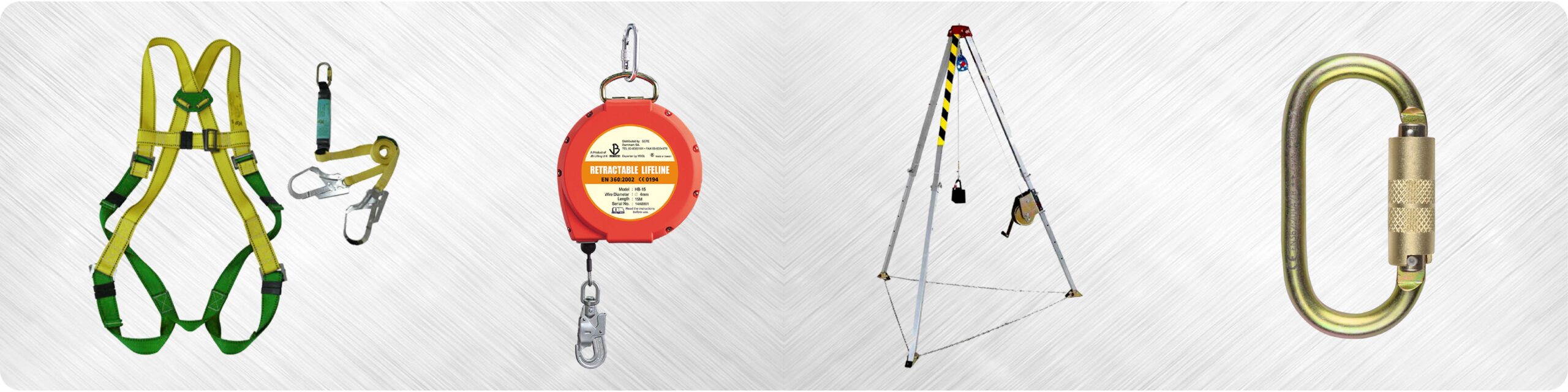
Fall protection is paramount in any industry where workers face the risk of falling from heights. Sadly, even with established safety regulations and equipment, accidents still occur, often due to avoidable fall protection mistakes. At Safe and Secure Trading Company, we’ve witnessed firsthand how these errors can lead to severe injuries or even fatalities. This article highlights common fall protection fails, providing actionable insights to prevent them and promote a safer working environment.
1. 💡 Neglecting Pre-Use Inspections: A Costly Oversight
A critical aspect of workplace safety is diligently performing pre-use inspections of all fall protection equipment. This proactive measure can identify potential defects or damage that could compromise the equipment’s integrity during a fall. Failing to inspect equipment regularly can lead to catastrophic consequences, making it a costly oversight that no organization can afford. For many of our clients here in Dammam, we’ve emphasized that a simple checklist and a few minutes of inspection time can significantly reduce the risk of fall-related incidents.
1.1 The Inspection Checklist: Ensuring Every Component is Ready
A comprehensive inspection checklist is crucial for ensuring every component of your fall protection equipment is ready for use. This checklist should include detailed examination of various parts. Let’s look into some crucial components for your inspection.
- Harness Straps: Always meticulously look for cuts, frays, or chemical damage on the harness straps. These signs of wear can significantly weaken the straps, making them susceptible to failure during a fall.
- Buckles and D-Rings: Check buckles and D-rings for deformation, cracks, or corrosion. These components must be in perfect condition to ensure a secure connection and reliable performance.
- Lanyards and Lifelines: Verify that lanyards and lifelines are of the proper length and integrity. Ensure there are no signs of fraying, cuts, or other damage that could compromise their strength.
1.2 The Impact of Daily Wear and Tear on Safety Equipment
Daily wear and tear can significantly impact the effectiveness of safety equipment. Over time, even the most robust equipment can degrade due to constant use, exposure to the elements, and accidental damage. Recognizing the importance of retiring damaged equipment immediately is essential to preventing accidents. We’ve seen how companies that diligently track inspection dates and equipment history are better positioned to maintain a safe working environment.
1.3 Real-World Consequences: Case studies of accidents caused by faulty equipment
Real-world case studies vividly illustrate the dire consequences of using faulty fall protection equipment. A construction worker in Riyadh, for example, fell from scaffolding when his lanyard snapped due to undetected fraying. Another incident involved a technician who suffered severe injuries because a corroded D-ring on his harness failed during a fall. These tragic examples underscore the critical need for thorough and routine inspections to prevent similar accidents. “Regular inspections are not just a formality; they are a lifeline,” says John Smith, Lead Safety Inspector.
2. ❌ Improper Harness Fit: Compromising Protection
A properly fitted safety harness is essential for fall protection. An ill-fitting harness can compromise the wearer’s safety during a fall. An improper fit can cause the harness to shift, leading to injury or even complete ejection from the harness. Here at Safe and Secure Trading Company, we prioritize proper training and guidance on achieving a snug, secure fit to ensure maximum protection for workers at height.
2.1 Understanding the Importance of a Snug, Secure Fit
Understanding the importance of a snug, secure fit is paramount. A loose harness can shift during a fall, concentrating the impact forces on specific areas of the body, leading to serious injuries. Properly adjusted harnesses distribute these forces more evenly, reducing the risk of trauma. We always emphasize the importance of demonstrating proper adjustment techniques to our clients to ensure optimal safety.
2.2 Different Body Types, Different Harnesses: Selecting the Right Size
Different body types require different harnesses to ensure a proper fit. Selecting the right size is crucial for comfort and safety. Providing guidance on harness sizing and adjustment options can help workers find the best fit for their individual needs. We also consider gender-specific harness designs, which can enhance comfort and functionality for female workers.
2.3 Training and Competency: Ensuring Proper Harness Application
Training and competency are vital for ensuring proper harness application. Hands-on training programs and certifications equip workers with the knowledge and skills to correctly don and adjust their harnesses. Regular refresher courses reinforce best practices and keep workers up-to-date on the latest safety standards. “A well-trained worker is a safe worker,” says Fatima Al-Mansoori, Safety Training Coordinator.
3. ⚓ Incorrect Anchor Point Selection: A Foundation for Failure
Selecting the correct anchor point is a cornerstone of effective fall protection. An improperly chosen anchor point can undermine the entire system, creating a foundation for failure. At Safe and Secure Trading Company, we stress the importance of verifying adequate strength and carefully considering placement to minimize swing fall hazards. Compliance with regulatory standards is also essential to ensure the anchor point can withstand the forces generated during a fall.
3.1 Load Capacity: Verifying Adequate Strength
Verifying adequate strength is critical when selecting an anchor point. Understanding the weight requirements for anchor points is crucial to ensure they can withstand the forces generated during a fall. Calculating fall forces and selecting appropriate anchors is essential for maintaining a safe working environment. Anchor points must meet or exceed OSHA fall protection standards to provide reliable support.
3.2 Placement Considerations: Minimizing Swing Fall Hazards
Placement considerations are vital for minimizing swing fall hazards. Positioning anchor points directly overhead helps prevent pendulum-like swinging during a fall, which can cause serious injuries. Avoiding obstructions and sharp edges that could damage the lifeline is also essential for maintaining the integrity of the fall protection system. Swing falls can significantly increase the risk of colliding with objects or structures during a fall.
3.3 Certification and Compliance: Meeting Regulatory Standards
Certification and compliance are essential for meeting regulatory standards. Ensuring anchor points are certified and regularly inspected provides assurance that they meet required safety standards. Following OSHA guidelines for anchor point installation and maintenance helps maintain a safe working environment and prevent potential violations. We always advise our clients to keep detailed records of anchor point certifications and inspections to demonstrate compliance.
4. ⛔ Ignoring Fall Clearance: The Distance to Safety
Fall clearance is the unobstructed vertical distance required below a walking-working surface to prevent a worker from contacting a lower level in the event of a fall. Ignoring this critical factor can lead to severe injuries or fatalities, as workers may strike the ground or other objects before their fall arrest system can fully deploy. At Safe and Secure Trading Company, we emphasize the importance of accurately calculating fall distance and implementing appropriate measures to address low-level fall hazards.
4.1 Calculating Required Fall Distance
Calculating required fall distance involves several factors, including lanyard length, deceleration distance, and a safety factor. Accounting for these elements ensures that there is sufficient clearance to prevent a worker from hitting the ground during a fall. Using online calculators and tools can simplify the process of determining clearance requirements, but it’s essential to understand the underlying principles to ensure accuracy. Proper calculation of fall clearance is a fundamental aspect of fall prevention.
4.2 Low-Level Fall Hazards: Special Considerations
Low-level fall hazards require special considerations due to the limited fall distance available. Addressing fall protection for low-height work areas often involves implementing alternative fall protection measures, such as guardrails or safety nets. In some cases, a personal fall arrest system may not be feasible, making it necessary to explore other options to mitigate the risk. We’ve found that a combination of engineering controls and administrative procedures can be effective in managing low-level fall hazards.
4.3 Planning for Rescue: A Critical Component of Fall Protection
Planning for rescue is a critical component of fall protection. Developing a comprehensive rescue plan in case of a fall ensures that workers can be retrieved quickly and safely. Training employees on rescue procedures and equipment is essential for executing a successful rescue. The rescue plan should address potential suspension trauma and provide guidance on proper techniques for lowering a fallen worker to the ground.
5. 🧵 Using Damaged or Modified Equipment: A Recipe for Disaster
Using damaged or modified equipment is a recipe for disaster, plain and simple. Altering fall protection gear can compromise its structural integrity and void any safety certifications, leading to catastrophic failures during a fall. At Safe and Secure Trading Company, we always caution against modifying equipment and stress the importance of identifying damage through regular inspections. Following manufacturer guidelines for replacement procedures ensures that equipment remains reliable and effective.
5.1 Understanding the Risks of Altering Equipment
Understanding the risks of altering equipment is crucial for preventing accidents. Modifying fall protection gear can void warranties and compromise safety certifications, potentially leading to equipment failure during a fall. Discussing the potential for catastrophic failure helps workers understand the seriousness of using altered equipment. We emphasize that any modification, no matter how minor, can significantly reduce the equipment’s ability to protect the user.
5.2 Identifying Damage: What to Look For
Identifying damage involves inspecting for cuts, abrasions, corrosion, and other signs of wear. Removing damaged equipment from service immediately prevents its accidental use and potential for failure. Regular inspections should be conducted before each use to ensure that the equipment is in good working condition. We provide detailed inspection checklists to help workers identify common types of damage.
5.3 Replacement Procedures: Following Manufacturer Guidelines
Replacement procedures should always follow manufacturer guidelines. Using only approved replacement parts and components ensures compatibility and maintains the equipment’s integrity. Adhering to manufacturer specifications for equipment maintenance helps extend its lifespan and maintain its effectiveness. We always advise our clients to consult the manufacturer’s instructions before attempting any repairs or replacements.
6. 🚫 Lack of Proper Training: Setting the Stage for Accidents
A lack of proper safety training sets the stage for accidents, as workers may not understand how to use fall protection equipment correctly or recognize potential hazards. At Safe and Secure Trading Company, we believe that comprehensive training programs are essential for covering all aspects of fall protection, from harness inspection to rescue procedures. Regular refresher courses reinforce knowledge and skills, ensuring that workers stay up-to-date on the latest safety practices.
6.1 Comprehensive Training Programs: Covering All Aspects of Fall Protection
Comprehensive training programs should cover all aspects of fall protection, including harness inspection, fit, and adjustment. Workers also need to understand anchor point selection and usage, as well as fall clearance calculations and rescue procedures. These programs should be hands-on and interactive, allowing workers to practice using the equipment and applying the concepts they’ve learned. We tailor our training programs to meet the specific needs of each client, ensuring that they address the unique hazards of their workplace.
6.2 Regular Refresher Courses: Reinforcing Knowledge and Skills
Regular refresher courses are essential for reinforcing knowledge and skills. Annual training updates can reflect regulatory changes and best practices, ensuring that workers are always using the most current information. Hands-on practice and scenario-based simulations help workers retain what they’ve learned and apply it in real-world situations. We recommend that refresher courses be conducted at least annually, or more frequently if there have been significant changes in procedures or equipment.
6.3 Documentation and Record-Keeping: Demonstrating Compliance
Documentation and record-keeping are essential for demonstrating compliance with safety regulations. Maintaining records of employee training and certifications provides evidence that workers have received the necessary instruction. Tracking equipment inspections and maintenance helps ensure that equipment is in good working condition. We provide our clients with tools and templates for documenting training and inspections, making it easier to maintain compliance.
7. 🚧 Neglecting Environmental Factors: Adapting to Changing Conditions
Neglecting environmental factors can significantly increase the risk of falls. Conditions like wind, rain, and ice can make surfaces slippery and unstable, while confined spaces present unique fall hazards. Working at night reduces visibility, making it harder to identify potential dangers. At Safe and Secure Trading Company, we emphasize the importance of adapting fall protection measures to changing conditions to ensure worker safety.
7.1 Weather Considerations: Wind, Rain, and Ice
Weather considerations require adjusting fall protection measures in adverse weather conditions. Using specialized equipment for wet or icy environments, such as non-slip footwear and waterproof harnesses, can help prevent slips and falls. High winds can also make it difficult to maintain balance, so it’s important to take extra precautions when working in windy conditions. We provide guidance on selecting appropriate equipment for different weather conditions.
7.2 Confined Spaces: Unique Fall Hazards
Confined spaces present unique fall hazards due to their limited access and potential for atmospheric hazards. Implementing specialized fall protection systems for confined spaces, such as tripod and winch systems, is essential for ensuring worker safety. Training employees on confined space entry and rescue procedures is also crucial, as rescue operations in confined spaces can be complex and dangerous. We offer specialized training programs for workers who enter confined spaces.
7.3 Night Work: Enhancing Visibility and Safety
Night work requires enhancing visibility and safety. Using reflective clothing and lighting can improve visibility, making it easier for workers to see potential hazards. Implementing additional safety measures, such as increasing the number of spotters and conducting more frequent inspections, can compensate for reduced visibility. We provide a range of high-visibility clothing and lighting solutions to enhance worker safety at night.
8. 🎯 Not Having a Rescue Plan: The Critical Aftermath
Not having a rescue plan is a critical oversight that can turn a fall into a tragedy. Even with the best fall protection equipment, accidents can still happen, and a swift and effective rescue is essential for minimizing injuries and preventing fatalities. At Safe and Secure Trading Company, we emphasize the importance of developing a comprehensive rescue plan that addresses immediate response, equipment and training, and communication protocols.
8.1 Immediate Response: The Golden Hour
Immediate response is critical, as the “golden hour” following a fall is crucial for minimizing long-term health consequences. Understanding the physiological effects of suspension trauma and how to mitigate them is essential for providing timely and effective care. Suspension trauma can occur when a worker is suspended in a harness for an extended period, leading to a buildup of blood in the legs and a decrease in blood flow to the brain. We provide training on recognizing and treating suspension trauma.
8.2 Equipment and Training: Essential for a Successful Rescue
Equipment and training are essential for a successful rescue. Specialized rescue equipment, such as descent devices and rope systems, allows rescuers to safely lower a fallen worker to the ground. Regularly practicing rescue scenarios helps ensure that rescuers are prepared to respond quickly and effectively in an emergency. We provide a range of rescue equipment and training programs to help our clients develop effective rescue plans.
8.3 Communication Protocols: Ensuring a Coordinated Effort
Clear communication protocols are essential for ensuring a coordinated rescue effort. Establishing clear communication channels between workers, supervisors, and emergency responders helps ensure that everyone is on the same page. Designating an emergency contact person who can coordinate the rescue effort is also crucial. We provide guidance on developing effective communication protocols for rescue operations.
9. 🛡️ Overlooking the Importance of Equipment Compatibility
Overlooking the importance of equipment compatibility can lead to serious safety risks. Mixing and matching incompatible components can compromise the entire system’s integrity, potentially leading to equipment failure during a fall. At Safe and Secure Trading Company, we always recommend using components from the same manufacturer or those certified for compatibility. Regular system testing validates performance and ensures that the fall protection system meets safety standards.
9.1 Mixing and Matching: Understanding the Risks
Mixing and matching fall protection equipment components from different manufacturers can be dangerous. Incompatible components can compromise the entire system’s integrity, potentially leading to equipment failure during a fall. Always use components from the same manufacturer or those certified for compatibility to ensure proper function. We always emphasize that incompatible equipment can lead to catastrophic consequences.
9.2 System Testing: Validating Performance
Regularly testing the entire fall protection system is crucial to ensure it meets safety standards. Documenting test results and making necessary adjustments helps maintain the system’s effectiveness over time. System testing should be conducted by qualified professionals who understand the principles of fall protection. We offer system testing services to help our clients ensure their fall protection systems are safe and reliable.
9.3 Expert Consultation: Seeking Guidance
Seeking guidance from safety professionals or equipment manufacturers can help ensure proper compatibility. Consulting with experts can provide valuable insights and recommendations for selecting and using fall protection equipment. Staying up-to-date on industry best practices and standards is also essential for maintaining a safe working environment. We provide expert consultation services to help our clients develop comprehensive fall protection programs.
10. 🚦 Failure to Enforce Safety Policies: The Human Element
Failure to enforce safety policies can undermine even the best fall protection programs. Safety policies are only effective if they are consistently enforced and followed by all employees. Clear communication, accountability, and continuous improvement are essential for creating a culture of safety in the workplace. At Safe and Secure Trading Company, we work with our clients to develop and implement effective safety policies that are tailored to their specific needs.
10.1 Clear Communication: Setting Expectations
Clear communication is essential for setting expectations. Regular safety meetings and training sessions can reinforce safety policies and promote awareness. Visual reminders and signage can also help remind workers of the importance of following safety protocols. We provide a range of communication tools and resources to help our clients promote safety in the workplace.
10.2 Accountability: Holding Employees Responsible
Accountability is crucial for holding employees responsible for following safety policies. Implementing disciplinary measures for non-compliance can help deter unsafe behavior. Rewarding safe behavior and recognizing employees who consistently follow safety protocols can also help create a culture of safety. We work with our clients to develop fair and consistent disciplinary policies.
10.3 Continuous Improvement: Adapting to Changing Needs
Continuous improvement involves regularly reviewing and updating safety policies to reflect changes in the workplace. Soliciting feedback from employees can help identify areas for improvement and ensure that safety policies are effective. We work with our clients to develop a process for continuously improving their safety programs.
Conclusion
Avoiding fall protection mistakes is essential for maintaining a safe working environment and preventing injuries. By diligently performing pre-use inspections, ensuring proper harness fit, selecting correct anchor points, and calculating fall clearance, companies can significantly reduce the risk of falls. Additionally, proper training, adapting to environmental factors, and having a rescue plan are crucial for protecting workers at height. “Fall prevention is everyone’s responsibility,” says Aisha Khan, Workplace Safety Advocate. We, at Safe and Secure Trading Company, are dedicated to providing the expertise and resources necessary to establish a secure work environment for your team.
FAQ Section
Q: How often should fall protection equipment be inspected?
A: Fall protection equipment should be inspected before each use and at least annually by a competent person.
Q: What are the key components of a fall arrest system?
A: A fall arrest system typically includes an anchor point, a body harness, and a connecting device (e.g., lanyard or lifeline).
Q: What is the maximum freefall distance allowed by OSHA?
A: OSHA generally limits the maximum freefall distance to 6 feet.
Q: How do I choose the right size safety harness?
A: Consult the manufacturer’s sizing chart and follow their instructions for proper fit and adjustment.
Q: What should be included in a fall rescue plan?
A: A fall rescue plan should include procedures for immediate response, specialized rescue equipment, and clear communication protocols.
Q: What is suspension trauma, and how can it be prevented?
A: Suspension trauma is a condition that can occur when a person is suspended in a harness for an extended period. It can be prevented by prompt rescue and the use of suspension trauma straps.
Q: What are the OSHA requirements for fall protection in construction?
A: OSHA requires fall protection for construction workers at heights of 6 feet or more above a lower level. Specific requirements vary depending on the type of work being performed.
Q: Can I modify my fall protection equipment?
A: No, modifying fall protection equipment is generally not allowed, as it can compromise its structural integrity and void safety certifications.
Q: What is the role of safety training in preventing falls?
A: Safety training provides workers with the knowledge and skills they need to use fall protection equipment correctly and recognize potential hazards.
Q: How do I select an appropriate anchor point?
A: Select an anchor point that is capable of supporting the intended load and is located directly overhead to minimize swing fall hazards.