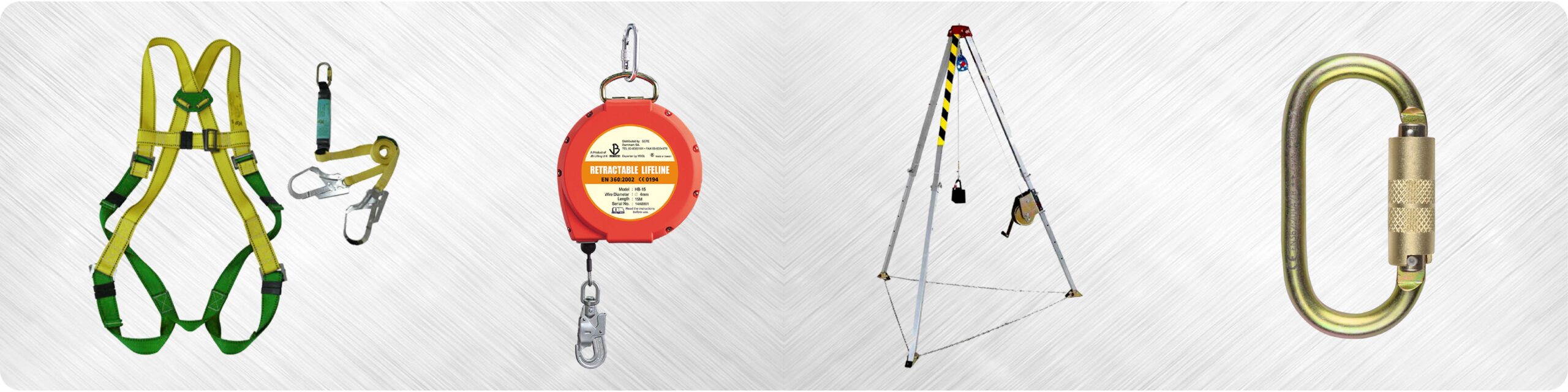
Many misconceptions surround fall protection, leading to unsafe practices and increased risks on construction sites and other work environments. At Safe and Secure Trading Company (SSTC), we’re dedicated to dispelling these fall protection myths and promoting a culture of safety. Understanding the truth about fall protection is crucial for preventing injuries and saving lives. Let’s delve into some common fall protection myths and set the record straight.
1. Myth: Fall Protection is Only Necessary for High Falls
💡 The perception that fall protection is only needed for significant heights is a dangerous misconception. Many believe that if a fall isn’t from a great height, the risk of serious injury is minimal. This couldn’t be further from the truth. At SSTC, we emphasize that even a fall from a relatively low height can result in severe injuries or even fatalities.
1.1. The “Four-Foot Rule” and Lower Heights
The idea of a “four-foot rule,” where fall protection becomes mandatory only at or above four feet, can lead to a false sense of security. While OSHA regulations do specify height requirements for certain industries, the risk of injury exists at any height. A fall from just a few feet can result in fractures, sprains, concussions, or other serious trauma. It’s crucial to recognize that the potential for harm is not solely determined by height. We always advise our clients to consider the specific hazards of their work environment.
1.2. Slips, Trips, and Falls on the Same Level
Fall protection isn’t just about preventing falls from heights; it also involves mitigating slips, trips, and falls on the same level. These incidents often result from hazards like wet floors, uneven surfaces, or clutter in walkways. Implementing measures to prevent these types of falls, such as proper housekeeping, anti-slip footwear, and hazard marking, is an essential aspect of a comprehensive fall protection program. We have observed that many companies overlook this aspect, focusing solely on height-related risks.
1.3. Injury Statistics
Statistics paint a clear picture of the dangers of low-height falls. According to the National Safety Council, a significant percentage of fall-related injuries and fatalities occur from heights of less than ten feet. These numbers highlight the importance of implementing fall protection measures regardless of the perceived risk. “A proactive approach to safety, regardless of height, significantly reduces workplace accidents,” says Michael Davis, Safety Consultant.
2. Myth: Any Harness Will Do
✅ A common fall protection myth is the belief that any safety harness will suffice in preventing injuries during a fall. This couldn’t be further from the truth. Using the wrong type of harness or a poorly fitted harness can be as dangerous as not using one at all. At SSTC, we stress the importance of selecting the right harness for the specific job and ensuring it fits properly.
2.1. Harness Types and Applications
There are various types of harnesses, each designed for specific applications. Full body harnesses are the most common type and are suitable for a wide range of tasks. Chest harnesses are sometimes used for positioning but are not suitable for fall arrest. Understanding the differences between these types and selecting the appropriate one for the task at hand is crucial for ensuring worker safety. For many of our clients here in Dammam, we’ve seen that using the wrong type of harness significantly increases the risk of injury.
2.2. Proper Fit and Adjustment
A properly fitted harness is essential for effective fall protection. A harness that is too loose can allow the worker to slip out during a fall, while a harness that is too tight can restrict movement and cause discomfort, potentially leading to other safety issues. Ensure that the harness is adjusted correctly, with straps snug but not overly tight, and that the D-ring is positioned properly between the shoulder blades.
2.3. Inspection and Maintenance
Regular inspection and maintenance are crucial for ensuring the effectiveness of safety harnesses. Before each use, workers should inspect the harness for any signs of wear, damage, or deterioration. This includes checking the straps, buckles, D-rings, and stitching. Any harness that shows signs of damage should be taken out of service immediately. Proper storage and cleaning can also help extend the lifespan of a harness. We at SSTC recommend daily inspections, in line with OSHA regulations.
3. Myth: Lanyards Are All the Same
➡️ Lanyards are a critical component of a personal fall arrest system, but the fall protection myth that all lanyards are created equal is dangerous. Different lanyards serve different purposes, and using the wrong type can compromise safety. Understanding the nuances of lanyard length, shock absorption, and compatibility is essential for effective fall protection.
3.1. Lanyard Length and Free Fall Distance
The length of a lanyard directly impacts the free fall distance during a fall. A longer lanyard allows for a greater free fall distance, increasing the forces experienced by the worker when the fall is arrested. It’s crucial to select a lanyard that is appropriate for the specific work environment and to minimize the potential free fall distance. At SSTC, we always advise our clients to calculate the fall distance carefully when selecting lanyards.
3.2. Shock-Absorbing Lanyards vs. Standard Lanyards
Shock-absorbing lanyards are designed to reduce the impact forces experienced during a fall. These lanyards incorporate a section that tears or elongates under force, dissipating energy and reducing the stress on the worker’s body. Standard lanyards, on the other hand, do not have this feature and can transmit the full force of the fall to the worker, potentially causing serious injury. Always use shock-absorbing lanyards in fall arrest systems unless a qualified person determines they are not suitable for the application.
3.3. Compatibility with Harness and Anchorage
Ensuring that the lanyard is compatible with both the harness and the anchorage point is crucial for proper fall protection. The lanyard’s connectors must be able to securely attach to the harness’s D-ring and the anchorage point. Using incompatible components can compromise the integrity of the entire fall protection system. We’ve seen instances where incompatible connections have led to catastrophic failures during a fall.
4. Myth: A Strong Anchorage Point is Enough
✨ While a strong anchorage point is undoubtedly critical for fall protection, the fall protection myth that it’s the only factor that matters is a dangerous oversimplification. The anchorage point must meet specific strength requirements and be properly located to effectively arrest a fall.
4.1. Anchorage Point Strength Requirements
OSHA regulations specify minimum strength requirements for anchorage points used in personal fall arrest systems. Generally, an anchorage point must be capable of supporting 5,000 pounds per worker attached, or be designed, installed, and used under the supervision of a qualified person as part of a complete personal fall arrest system which maintains a safety factor of at least two. Meeting these strength requirements is essential for ensuring that the anchorage point can withstand the forces generated during a fall.
4.2. Types of Acceptable Anchorage Points
Acceptable anchorage points can include structural members, such as I-beams or columns, specifically designed and certified anchorage connectors, or properly installed and rated anchor bolts. It’s crucial to verify that the anchorage point is suitable for fall protection and that it meets the required strength standards. Our team at SSTC can help you identify and assess suitable anchorage points for your specific needs.
4.3. The Danger of Makeshift Anchorages
Using makeshift anchorages that are not designed or tested for fall protection is extremely dangerous. Examples of makeshift anchorages include pipes, railings, or other structural elements that may not be strong enough to withstand the forces generated during a fall. These types of anchorages can fail during a fall, rendering the fall protection system ineffective and potentially causing serious injury or death.
5. Myth: Fall Protection is Too Expensive
💰 The fall protection myth that implementing safety measures is prohibitively expensive often leads to neglecting worker safety. In reality, the costs associated with falls—both financial and human—far outweigh the investment in fall protection. Furthermore, many affordable and effective fall protection solutions are available.
5.1. Cost-Benefit Analysis
The cost-benefit analysis of fall protection clearly demonstrates the value of investing in safety. Falls can result in significant expenses, including medical bills, workers’ compensation claims, lost productivity, and legal liabilities. These costs can quickly add up and have a devastating impact on a company’s bottom line. Implementing fall protection measures can significantly reduce the risk of falls, minimizing these expenses and improving overall profitability.
5.2. Affordable Fall Protection Solutions
There are many affordable fall protection solutions available, such as guardrails, safety nets, and personal fall arrest systems. Guardrails are a cost-effective way to protect workers from falls on walking and working surfaces. Safety nets can provide a passive fall protection solution in situations where guardrails are not feasible. Personal fall arrest systems, when used correctly, can provide a reliable means of fall protection for workers at height. SSTC is committed to providing cost-effective solutions that meet your specific needs.
5.3. Long-Term Savings
Investing in fall protection can lead to long-term savings by reducing workers’ compensation claims, lost productivity, and legal liabilities. A safe work environment can also improve employee morale and reduce turnover, further contributing to long-term cost savings. By prioritizing safety, companies can create a more productive and profitable work environment.
6. Myth: Training Isn’t Necessary If Workers Are Experienced
🧑🏭 The assumption that experienced workers don’t need fall protection training is a dangerous fall protection myth. Even seasoned professionals may not be up-to-date on the latest regulations, best practices, or proper use of equipment. Comprehensive training is essential for ensuring that all workers understand the risks associated with falls and how to protect themselves.
6.1. Changing Regulations and Best Practices
Fall protection regulations and best practices are constantly evolving. Staying current with these changes requires ongoing training and education. Experienced workers may not be aware of the latest updates, potentially leading to unsafe practices. Regular training sessions can help ensure that all workers are informed about the latest requirements and best practices.
6.2. Proper Use of Equipment
Even experienced workers may not know how to properly use fall protection equipment without training. Safety harnesses, lanyards, and other components of a personal fall arrest system must be used correctly to be effective. Training should cover proper inspection, fitting, and use of all fall protection equipment. We’ve encountered situations where experienced workers were using equipment incorrectly, unknowingly putting themselves at risk.
6.3. Rescue Procedures
Training workers on rescue procedures in case of a fall is a critical aspect of a comprehensive fall protection program. Workers should know how to safely rescue a suspended colleague and provide basic first aid. Having a well-defined rescue plan and trained personnel can significantly improve the chances of a positive outcome in the event of a fall.
7. Myth: Fall Protection Slows Down Work
⏱️ The fall protection myth that implementing safety measures slows down work is often used as an excuse to cut corners and compromise worker safety. However, proper planning and the use of efficient fall protection systems can actually improve productivity by increasing worker confidence and reducing fear.
7.1. Pre-Planning and Hazard Assessment
Thorough pre-planning and hazard assessment can streamline work processes and integrate fall protection seamlessly. By identifying potential fall hazards before work begins, companies can implement appropriate fall protection measures without disrupting the workflow. This proactive approach can actually save time and improve efficiency in the long run.
7.2. Efficient Fall Protection Systems
Many efficient fall protection systems are available that minimize delays and maximize productivity. These systems are designed to be easy to use and allow workers to move freely while remaining protected from falls. Investing in these types of systems can help improve both safety and productivity.
7.3. Improved Worker Confidence and Productivity
Fall protection can improve worker confidence and reduce fear, leading to increased productivity. When workers feel safe, they are more likely to focus on their tasks and work efficiently. A safe work environment can also improve employee morale and reduce turnover, further contributing to increased productivity.
8. Myth: Guardrails are Always Sufficient
🚧 While guardrails are a valuable fall protection method, the fall protection myth that they are always sufficient is misleading. Guardrails aren’t always feasible or practical in every situation. Understanding their limitations and knowing when to use alternative fall protection methods is essential for comprehensive safety.
8.1 Situational Limitations of Guardrails
There are instances where guardrails might not be feasible, such as on sloped roofs or during specific construction phases where temporary access is required. In these situations, relying solely on guardrails is not a viable option. We often encounter projects where the environment is constantly changing, making fixed guardrails impractical.
8.2 Alternative Fall Protection Methods
When guardrails can’t be implemented, alternative methods like safety nets or personal fall arrest systems become crucial. Safety nets offer a passive fall protection solution, while personal fall arrest systems provide individual protection for workers at height. Selecting the appropriate alternative method depends on the specific hazards and work environment.
8.3 Combining Fall Protection Strategies
The most effective approach often involves a combination of different fall protection methods to achieve comprehensive safety. For example, using guardrails in conjunction with personal fall arrest systems can provide an extra layer of protection. Integrating multiple strategies ensures that all potential fall hazards are adequately addressed.
9. Myth: Fall Protection Guarantees Zero Risk
⚠️ While fall protection significantly reduces the risk of falls, the fall protection myth that it guarantees zero risk is unrealistic. Even with proper safety measures in place, residual risks remain due to factors like human error or equipment malfunction. Continuous improvement and vigilance are essential.
9.1 Residual Risks and Human Error
Even with the best fall protection systems, residual risks can still exist. Human error, such as improper use of equipment or failure to follow safety procedures, can compromise the effectiveness of fall protection. Regular training and reinforcement of safety protocols are crucial for minimizing these risks.
9.2 Continuous Improvement
Continuous assessment and improvement of fall protection programs are essential for minimizing risks. Regularly reviewing incident reports, conducting safety audits, and seeking feedback from workers can help identify areas for improvement. A proactive approach to safety ensures that fall protection measures remain effective over time.
9.3 Incident Reporting and Analysis
Reporting and analyzing incidents, even near misses, is crucial for identifying areas for improvement in fall protection programs. By understanding the root causes of incidents, companies can implement targeted interventions to prevent future occurrences. A culture of open communication and transparency is essential for effective incident reporting.
10. Myth: Personal Fall Arrest Systems Prevent All Injuries
🤕 A common fall protection myth is that personal fall arrest systems completely eliminate the risk of injury during a fall. While these systems are designed to arrest a fall and minimize impact forces, they do not guarantee complete safety. Factors like suspension trauma and swing fall hazards can still pose a risk.
10.1. Suspension Trauma
Suspension trauma, also known as orthostatic intolerance, is a potentially life-threatening condition that can occur when a worker is suspended in a harness after a fall. The prolonged pressure on the legs can restrict blood flow and lead to unconsciousness or death. Prompt rescue and proper medical attention are crucial for preventing serious consequences.
10.2. Swing Fall Hazards
Swing falls occur when a worker falls while moving horizontally away from the anchorage point. The resulting swing can cause the worker to collide with objects or structures, potentially resulting in serious injury. Careful planning and proper placement of anchorage points are essential for minimizing the potential for swing falls.
10.3 Importance of a Fall Protection Plan
A comprehensive fall protection plan should address all aspects of fall safety, including rescue and medical attention. The plan should outline procedures for responding to falls, providing first aid, and arranging for medical transport. Having a well-defined plan in place can significantly improve the chances of a positive outcome in the event of a fall.
11. Myth: You Can Just “Wing It” with Fall Protection
📝 The fall protection myth that you can “wing it” without a formal plan is incredibly dangerous. Effective fall protection requires careful planning, regular inspections, and thorough documentation. A haphazard approach can leave workers vulnerable to serious injuries.
11.1. Formal Fall Protection Plans
A written and comprehensive fall protection plan is essential for ensuring worker safety. The plan should outline specific procedures for identifying and mitigating fall hazards, selecting and using fall protection equipment, and responding to falls. A well-defined plan provides a framework for consistent and effective fall protection.
11.2. Regular Inspections
Regular inspections of all fall protection equipment are crucial for identifying any signs of wear, damage, or deterioration. Inspections should be conducted before each use and documented to ensure that equipment is in good working condition. Any damaged or defective equipment should be taken out of service immediately.
11.3 Documentation and Record-Keeping
Maintaining detailed records of all training, inspections, and equipment maintenance is essential for demonstrating compliance with OSHA regulations and ensuring accountability. Accurate records can also help identify trends and areas for improvement in the fall protection program.
12. Myth: Fall Protection is Only Important for Large Companies
🏢 The fall protection myth that safety is only a concern for big corporations is inaccurate. OSHA regulations apply to all employers, regardless of size. Small businesses have the same responsibility to protect their workers from fall hazards as large companies do.
12.1. OSHA Applies to All Employers
OSHA regulations are designed to protect all workers, regardless of the size of their employer. Small businesses may face unique challenges in implementing fall protection programs, but they are not exempt from the requirements. Understanding and complying with OSHA regulations is essential for all employers.
12.2 Small Business Resources
Many resources are available to help small businesses implement effective fall protection programs. OSHA offers free consultations, training materials, and other resources to assist small businesses in complying with safety regulations. Taking advantage of these resources can help small businesses create a safe work environment for their employees.
12.3. Prevention is Cost-Effective for Everyone
Preventing falls is always more cost-effective than dealing with the aftermath. Falls can result in significant expenses, including medical bills, workers’ compensation claims, and lost productivity. Investing in fall protection is a smart business decision that can save money and protect workers.
“Effective fall protection is not just a legal requirement; it’s a moral imperative.” – John Smith, Lead Safety Inspector
In conclusion, understanding and dispelling these fall protection myths is crucial for creating a safer work environment. By prioritizing safety and implementing comprehensive fall protection programs, companies can protect their workers from falls and prevent serious injuries. We at Safe and Secure Trading Company are committed to providing the expertise and resources you need to create a safe and secure workplace. We believe in proactive safety measures, and by implementing these strategies, we can significantly reduce workplace accidents.
FAQ Section
Q: What is a personal fall arrest system (PFAS)?
A: A personal fall arrest system (PFAS) is a combination of equipment used to protect workers from falls when working at heights. It typically includes an anchorage point, a connecting device (such as a lanyard), and a full body harness. The PFAS is designed to arrest a fall and minimize the impact forces on the worker’s body.
Q: What are the key components of a fall protection program?
A: The key components of a fall protection program include hazard assessment, written fall protection plan, proper equipment selection and use, training, regular inspections, and rescue procedures.
Q: How often should fall protection equipment be inspected?
A: Fall protection equipment should be inspected before each use by the worker and at least annually by a competent person. Inspections should check for any signs of wear, damage, or deterioration.
Q: What is the minimum height requirement for fall protection in general industry?
A: In general industry, OSHA requires fall protection to be provided at 4 feet above a lower level. However, specific requirements may vary depending on the industry and type of work being performed.
Q: What is suspension trauma and how can it be prevented?
A: Suspension trauma is a potentially life-threatening condition that can occur when a worker is suspended in a harness after a fall. It can be prevented by ensuring prompt rescue, using a suspension trauma safety strap, and providing proper training on rescue procedures.
Q: What should be included in a fall protection training program?
A: A fall protection training program should include information on hazard identification, proper use of fall protection equipment, inspection procedures, rescue procedures, and relevant OSHA regulations.
Q: How can employers ensure that workers are using fall protection equipment correctly?
A: Employers can ensure that workers are using fall protection equipment correctly by providing thorough training, conducting regular inspections, and enforcing safety policies.
Q: What are some common fall hazards in the construction industry?
A: Common fall hazards in the construction safety industry include unprotected edges, holes, scaffolds, ladders, and roofs.
Q: What is the difference between fall prevention and fall arrest?
A: Fall prevention aims to eliminate or minimize the risk of a fall occurring, while fall arrest is designed to stop a fall once it has occurred.
Q: What is the role of a competent person in a fall protection program?
A: A competent person has the knowledge, training, and experience to identify fall hazards and implement corrective measures. They are also responsible for inspecting fall protection equipment and ensuring that workers are using it correctly.
Q: How does a hazard assessment contribute to fall protection?
A: A hazard assessment identifies potential fall hazards within a workplace. This allows for the implementation of specific controls and fall prevention strategies. We, as part of SSTC, believe that these assessments are the cornerstone of a robust safety plan.
Q: What are OSHA regulations regarding fall protection?
A: OSHA regulations set specific requirements for fall protection in various industries. These regulations cover the use of equipment, training, and the creation of a safe work environment. Staying compliant with these regulations is essential for avoiding penalties and ensuring worker safety.
Q: What types of PPE are important for fall protection?
A: Beyond harnesses and lanyards, other personal protective equipment (PPE), like helmets and appropriate footwear, play a vital role in fall protection. These items help to mitigate potential injuries if a fall occurs.
Q: How can fall arrest systems be properly maintained to ensure worker safety?
A: Proper maintenance involves regular inspections, cleaning, and replacement of worn parts. Follow the manufacturer’s guidelines and keep a record of all maintenance activities. We ensure that the systems we recommend meet the highest standards of durability and reliability.