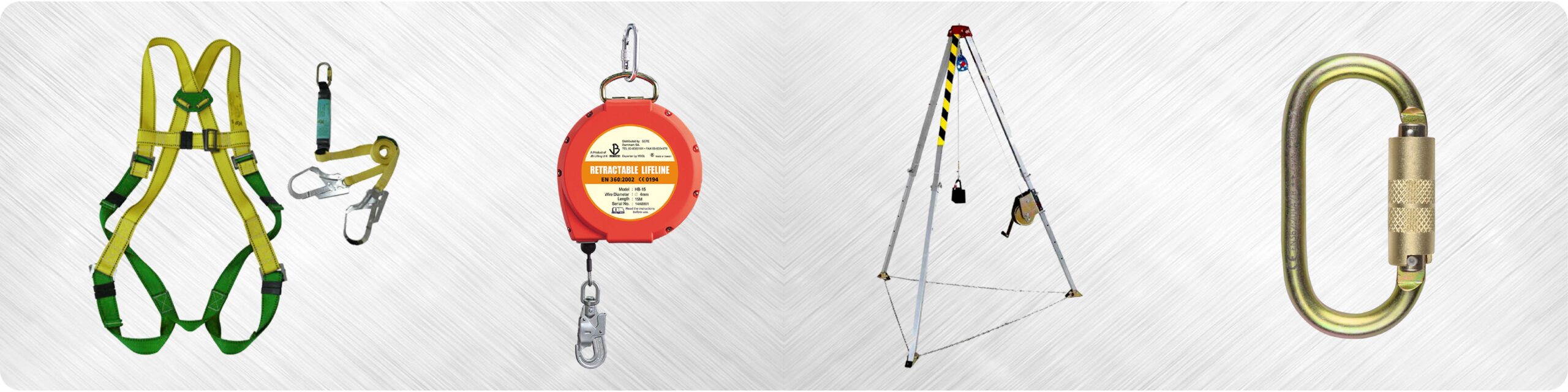
Fall protection is a critical aspect of workplace safety, especially in industries like construction, manufacturing, and oil and gas. However, misconceptions about fall protection are common and can lead to dangerous practices. At Safe and Secure Trading Company (SSTC), we’re committed to providing our clients with the knowledge and resources they need to create a safe working environment. For many of our clients here in Dammam, we’ve seen that a lack of understanding about fall protection can have severe consequences. This article aims to debunk some of the most prevalent fall protection myths to help you protect your workers and comply with safety regulations.
1. Myth: Fall Protection is Only Needed for High Heights
💡 Many people believe that fall protection is only necessary when working at significant heights. This is a dangerous misconception. While the risk of severe injury or fatality increases with height, falls from even relatively low levels can result in serious harm.
1.1 The “Four-Foot Fall” Reality
✅ OSHA regulations mandate fall protection at different heights depending on the industry: four feet in general industry, five feet in maritime, and six feet in construction. These regulations are in place because falls from these heights can cause fractures, sprains, concussions, and other injuries. It is important to understand that even a short fall can lead to long-term disability or even death. Ignoring these regulations puts workers at unnecessary risk and can lead to significant legal repercussions for employers.
1.2 Slips, Trips, and Falls on the Same Level
➡️ It’s easy to overlook the importance of fall prevention measures for slips and trips on walking/working surfaces, regardless of height. These types of incidents are a leading cause of workplace injuries. Simple measures such as good housekeeping practices, like keeping walkways clear of debris and spills, can significantly reduce the risk of falls. Proper footwear with good traction is also essential, especially in environments where slippery surfaces are common. Hazard identification, such as marking uneven surfaces or potential tripping hazards, can further enhance safety. We’ve seen that proactively addressing these hazards prevents many accidents.
1.3 Case Studies: Low-Height Fall Accidents
💡 Real-world examples demonstrate the potential severity of low-height falls. For example, a construction worker falling from a stepladder while installing drywall can suffer a head injury or broken bones. In a warehouse, a worker tripping over a box and falling onto a concrete floor can sustain a concussion or spinal injury. These incidents highlight that the height of the fall is not the only factor determining the severity of the injury. The surface onto which someone falls and the way they land also play critical roles. Investing in comprehensive workplace safety programs reduces the likelihood of these incidents.
2. Myth: Any Anchorage Point Will Do
✨ Another common fall protection myth is that any available structure can serve as an adequate anchorage point. This couldn’t be further from the truth. Anchorage points must be capable of withstanding significant force to safely arrest a fall. Using an inadequate anchorage point can result in the anchor failing, rendering the entire fall protection system useless.
2.1 Anchorage Point Strength Requirements
✅ OSHA standards require anchorage points to withstand a force of 5,000 pounds per employee attached, or be designed with a safety factor of at least two. This means that the anchorage point must be able to handle twice the maximum force expected during a fall. Engineering controls, such as designing and installing certified anchorage points, are crucial. A qualified person must inspect these anchorages to ensure they meet safety requirements and can withstand the necessary loads. We have seen incidents where using substandard anchorage points leads to complete system failure during a fall, resulting in serious injuries.
2.2 Common Anchorage Point Misconceptions
➡️ Common mistakes in selecting anchorage points include using pipes, railings, or temporary structures not designed for fall arrest forces. These structures may appear sturdy but often lack the necessary strength to withstand the sudden impact of a fall. For instance, a standard handrail is designed to prevent accidental leaning or bumping, not to stop a falling person. Using such structures as anchorage points creates a false sense of security and can have catastrophic consequences. Always verify that the anchorage point has been specifically engineered and certified for fall protection purposes.
2.3 Proper Anchorage Point Identification and Inspection
💡 Proper anchorage point identification and inspection are critical components of a comprehensive fall protection program. Visual inspection should look for signs of damage, corrosion, or deformation. Load testing, conducted by a qualified professional, can verify the anchorage point’s ability to withstand the required forces. Documentation of these inspections is essential for demonstrating compliance with OSHA regulations and ensuring the ongoing safety of workers. We recommend our clients to establish a regular inspection schedule and keep detailed records.
3. Myth: A Safety Harness is All You Need
➡️ Many believe that simply wearing a safety harness is sufficient for fall protection. While a safety harness is an essential component, it is only one part of a complete fall arrest system. Neglecting other critical elements, such as the correct anchorage connector and a suitable lifeline or lanyard, can render the harness ineffective.
3.1 The Importance of a Complete Fall Arrest System
✅ A complete fall arrest system includes a safety harness, an anchorage connector, and a lifeline or lanyard. Each component must be compatible with the others and designed to work together. The anchorage connector securely attaches the lifeline or lanyard to the anchorage point. The lifeline or lanyard connects the harness to the anchorage connector, providing a means of arresting a fall. Using mismatched or incompatible components can compromise the system’s integrity and increase the risk of injury. At SSTC, we emphasize the importance of selecting and using complete, compatible fall arrest systems.
3.2 Harness Fit and Adjustment
💡 The proper fit and adjustment of a safety harness are crucial for its effectiveness. A harness that is too loose or too tight will not function correctly during a fall. A loose harness can allow the worker to slip out, while a tight harness can cause discomfort and restrict movement, leading to fatigue and potential safety hazards. Regular checks to ensure the harness fits snugly but allows for freedom of movement are essential. Employees should be trained on how to properly adjust their harnesses and inspect them for damage before each use. We often find that workers are unaware of the correct adjustment procedures.
3.3 Post-Fall Suspension Trauma
➡️ Suspension trauma, also known as orthostatic intolerance, is a serious risk following a fall while suspended in a safety harness. When a person is suspended vertically, blood can pool in the legs, leading to a drop in blood pressure and potential loss of consciousness. Prompt rescue is essential to prevent serious injury or death. Fall protection training should include information on the risks of suspension trauma and the importance of having a rescue plan in place. At SSTC, we advise our clients to implement self-rescue techniques and provide training on how to assist a suspended worker safely.
4. Myth: Lanyards Don’t Expire
✨ Another fall protection myth revolves around the lifespan of lanyards. Many believe that lanyards last indefinitely, as long as they appear undamaged. However, lanyards can degrade over time due to environmental factors and normal wear and tear, even if there is no visible damage.
4.1 Lanyard Material Degradation
✅ Lanyard materials can degrade due to exposure to sunlight, chemicals, and abrasion. UV radiation from sunlight can weaken synthetic fibers, reducing their strength and elasticity. Chemicals, such as solvents and acids, can also damage lanyard materials, making them more susceptible to breakage. Abrasion from rubbing against rough surfaces can wear down the fibers, compromising their integrity. Regular inspection is critical to identifying signs of degradation, but even seemingly undamaged lanyards can be weakened internally. At SSTC, we recommend a proactive replacement schedule to ensure maximum safety.
4.2 Inspection Frequency and Criteria
💡 Lanyards should be inspected before each use and at regular intervals, such as monthly or quarterly, depending on the work environment. Inspection criteria should include checking for cuts, abrasions, fraying, and deformation. Any lanyard showing signs of damage should be immediately removed from service. Detailed inspection logs should be maintained to track the condition of each lanyard and ensure timely replacement. Workers should be trained on how to conduct thorough harness inspection and lifeline safety.
4.3 Manufacturer’s Recommendations and Service Life
➡️ It is essential to follow the manufacturer’s recommendations for lanyard service life and replacement. Manufacturers often provide specific guidelines based on the lanyard material and intended use. Some lanyards may have a limited service life, regardless of their condition, while others may require more frequent inspection and replacement. Ignoring these recommendations can compromise the safety of the fall protection system. We always advise our clients to consult the manufacturer’s documentation and adhere to their guidelines.
5. Myth: Fall Protection Training is a One-Time Event
✨ A dangerous fall protection myth is that once an employee completes fall protection training, they are set for life. Fall protection is not a static subject. Regulations change, new equipment is introduced, and best practices evolve. Ongoing training and refresher courses are essential to keep workers informed and competent.
5.1 The Need for Ongoing Training and Refresher Courses
✅ Fall protection training should be ongoing and include refresher courses to reinforce knowledge and address changes in regulations or equipment. These refresher courses should cover hazard identification, equipment inspection, and proper usage techniques. Documenting training activities is essential for demonstrating compliance with OSHA regulations and tracking employee competency. We recommend annual refresher training to keep workplace safety top of mind.
5.2 Training Content and Competency Assessment
💡 Comprehensive fall protection training should include hazard identification, equipment inspection, proper usage techniques, and rescue procedures. Training should also address the specific hazards and fall protection requirements of the work environment. Assessing employee competency through practical exercises and written tests is crucial to ensure they have understood the training material and can apply it correctly. We offer customized training programs tailored to the specific needs of our clients.
5.3 Addressing Language Barriers and Learning Styles
➡️ Fall protection training programs must be tailored to address language barriers and different learning styles among employees. Using visual aids, hands-on demonstrations, and interactive exercises can enhance understanding and retention. Providing training materials in multiple languages ensures that all employees can access and comprehend the information. We pride ourselves on delivering inclusive and effective training programs that cater to diverse audiences.
6. Myth: Fall Protection is Too Expensive
✨ Some employers believe that fall protection is too expensive and that the cost outweighs the benefits. This is a short-sighted view that ignores the significant costs associated with fall-related accidents. Investing in fall protection is not just a regulatory requirement, it’s a smart business decision.
6.1 The Cost of Accidents vs. Prevention
✅ The costs associated with fall-related accidents can be substantial, including medical expenses, lost productivity, workers’ compensation claims, and legal liabilities. These costs can quickly add up and significantly impact a company’s bottom line. Investing in fall prevention is a cost-effective way to prevent accidents and save money in the long run. A safe workplace also improves employee morale and reduces absenteeism. We have helped many clients implement fall protection programs that have resulted in significant cost savings.
6.2 Cost-Effective Fall Protection Solutions
💡 There are many cost-effective fall protection solutions available, such as guardrails, safety nets, and personal fall arrest systems. Guardrails provide a physical barrier that prevents workers from falling, while safety nets catch workers who do fall. Personal fall arrest systems consist of a safety harness, lanyard, and anchorage point that work together to arrest a fall. Grants and incentives are also available to help companies implement fall protection programs. We can assist our clients in identifying and implementing the most cost-effective solutions for their specific needs.
6.3 Return on Investment (ROI) of Fall Protection
➡️ The ROI of fall protection can be demonstrated by quantifying the benefits of reduced accidents, improved morale, and enhanced productivity. A reduction in accidents leads to lower medical expenses and workers’ compensation claims. Improved morale results in higher employee engagement and retention. Enhanced productivity stems from fewer disruptions due to accidents and injuries. By investing in fall protection, companies can create a safer and more productive work environment.
7. Myth: Using a Safety Net Eliminates the Need for Other Fall Protection
✨ The final fall protection myth we’ll address is the belief that using a safety net eliminates the need for other fall protection measures. While safety nets are an effective means of catching falling workers, they should not be the sole method of fall protection. A layered approach, combining safety nets with other measures, provides the best level of protection.
7.1 Safety Net Limitations and Proper Installation
✅ Safety nets have limitations and require proper installation, inspection, and maintenance. They must be appropriately sized and positioned to catch falling workers. The net must also be strong enough to withstand the impact of a falling person. Regular inspections should be conducted to check for damage, such as tears or holes. Improper installation or maintenance can compromise the net’s effectiveness. It is essential to follow the manufacturer’s guidelines and have a qualified person oversee the installation and inspection process. We always emphasize the importance of proper net maintenance.
7.2 Combining Safety Nets with Other Fall Protection Measures
💡 Safety nets should be used in conjunction with other fall protection measures, such as guardrails and personal fall arrest systems. Guardrails provide a physical barrier to prevent falls, while personal fall arrest systems arrest a fall in progress. Using a combination of these measures provides a layered approach to fall protection, minimizing the risk of injury. For instance, workers could use a safety harness and lanyard while working near the edge of a safety net, providing dual protection.
7.3 Net Load Testing and Certification
➡️ Load testing safety nets ensures they meet safety standards. The net is subjected to a simulated fall to verify its ability to withstand the impact. Certified safety nets have been tested and approved by a qualified person. Using certified safety nets provides assurance that they meet the necessary safety requirements. Documentation of load testing and certification should be maintained to demonstrate compliance with OSHA regulations. We advise our clients to only use certified nets that have passed rigorous testing.
> “Fall protection is not just about following regulations; it’s about ensuring that every worker goes home safe at the end of the day.” – John Smith, Lead Safety Inspector
In conclusion, understanding and debunking these fall protection myths is crucial for creating a safe and compliant work environment. Remember, fall protection is not just a matter of following regulations, but a commitment to protecting the lives and well-being of your workers. By investing in proper equipment, training, and procedures, you can significantly reduce the risk of fall-related accidents and create a safer, more productive workplace. We at SSTC are committed to helping you achieve these goals.
Key takeaways from this article include:
1. Fall protection is needed at all heights, not just high ones.
2. Anchorage points must meet specific strength requirements.
3. A safety harness is only one component of a complete fall arrest system.
We’re here to help you build a culture of safety within your organization.
FAQ Section
Q: What are the most common causes of falls in the workplace?
A: The most common causes of falls include slips and trips on walking/working surfaces, falls from ladders and scaffolds, and falls through unprotected openings. Poor housekeeping, inadequate lighting, and lack of fall protection equipment also contribute to fall-related accidents.
Q: How often should fall protection equipment be inspected?
A: Fall protection equipment, such as safety harnesses, lanyards, and lifelines, should be inspected before each use and at regular intervals, such as monthly or quarterly, depending on the work environment. Detailed inspection logs should be maintained to track the condition of each piece of equipment.
Q: What are the OSHA requirements for fall protection training?
A: OSHA requires employers to provide fall protection training to all employees who may be exposed to fall hazards. The training must cover hazard identification, equipment inspection, proper usage techniques, and rescue procedures. Training must be ongoing and include refresher courses to reinforce knowledge and address changes in regulations or equipment.
Q: How can I determine the appropriate type of fall protection for my workplace?
A: Determining the appropriate type of fall protection requires a thorough assessment of the work environment and the specific fall hazards present. Factors to consider include the height of the work, the type of surface, the presence of obstacles, and the mobility requirements of the workers. Consulting with a qualified safety professional can help you identify the best fall protection solutions for your needs.
Q: What should I do if a fall accident occurs in my workplace?
A: If a fall accident occurs, the first priority is to provide medical assistance to the injured worker. The incident should be thoroughly investigated to determine the cause and prevent future occurrences. The incident should also be reported to OSHA, as required by law. Implementing corrective actions, such as improving fall protection measures or providing additional training, is essential.
Q: What role does the Safety and Secure Trading Company (SSTC) play in supporting companies with fall protection?
A: Safe and Secure Trading Company (SSTC) is dedicated to delivering the highest standards of quality in the provision of safety equipment, fall protection training, and consultancy services. We work with you to protect your staff, minimize risks, and ensure full compliance with all OSHA regulations to minimize the risk of workplace injury.
Q: Where can I source high-quality fall protection equipment?
A: Finding reliable and high-quality safety equipment is critical, and SSTC has a comprehensive inventory to keep your personnel safe and secure. Here is a sample of what we can provide.
| Equipment Type |
Description |
Key Features |
| Safety Harnesses |
Full body harnesses designed for comfort and safety |
Adjustable straps, multiple D-rings, durable materials |
| Lanyards |
Shock-absorbing lanyards to reduce impact force |
Various lengths, double-locking snap hooks, high tensile strength |
| Lifelines |
Vertical and horizontal lifelines for flexible movement |
Self-retracting, durable cables, easy installation |
| Anchorage Connectors |
Secure attachment points for fall arrest systems |
Variety of types (beam clamps, D-rings, etc.), high load capacity |
| Safety Nets |
Mesh nets to catch falling workers or debris |
High-strength fibers, UV resistance, custom sizes |
| Guardrails |
Physical barriers to prevent falls from edges |
Modular design, easy installation, OSHA compliant |