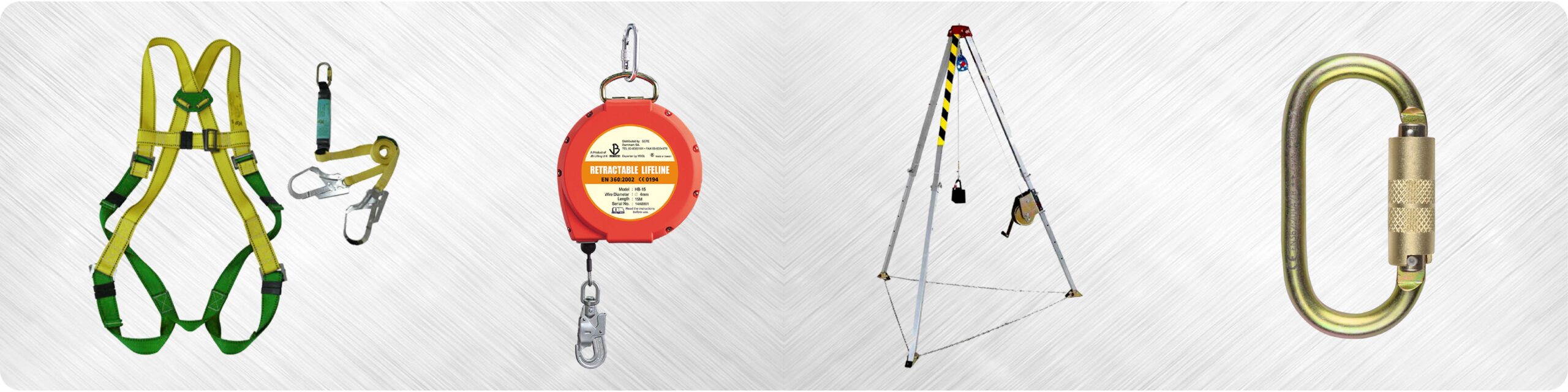
In many industries, “working at height” is part of the daily routine. But it also introduces significant risks. Whether you’re on a construction site, maintaining a telecommunications tower, or cleaning windows on a skyscraper, the need for effective fall protection needed is paramount. At Safe and Secure Trading Company (SSTC), we’re dedicated to promoting workplace safety by providing expert guidance and top-quality equipment. Understanding the diverse applications of fall protection equipment and adhering to safety regulations can significantly reduce the risk of accidents and injuries. Here are some of the many industries and scenarios where fall protection needed.
1. ✅ Warehouses & Distribution Centers: Overhead Safety is Key
Warehouses and distribution centers often utilize high-rack storage systems to maximize space. This creates significant fall hazards. Workers accessing these elevated areas are at risk of falls from heights, especially when handling heavy or unstable loads. At SSTC, fall protection needed in these environments is one of our main priorities.
1.1 High-Rack Storage Hazards
High-rack storage systems, while efficient, pose numerous risks. Unstable loads and improper stacking can lead to items falling and potentially causing workers to lose their balance. The fast pace of warehouse operations can also contribute to accidents if safety protocols are not strictly followed. In our experience, proper training and awareness can dramatically reduce these risks.
1.2 Importance of Safety Harnesses and Lanyards
Safety harnesses and lanyards are critical components of a personal fall arrest system (PFAS). They are designed to secure workers to a fixed anchor point. Proper fitting and regular inspection of these items are essential. An ill-fitting harness or a damaged lanyard may not provide adequate protection in the event of a fall. For our clients in Jeddah, we always emphasize the importance of daily inspections.
1.3 Safe Access Solutions
Providing safe access to elevated areas is crucial for fall prevention. Scissor lifts, mobile elevated work platforms (MEWPs), and rolling ladders with guardrails are all viable options. Each solution has its own set of operating requirements. Thorough training is essential to ensure that workers use these solutions safely and effectively. We’ve seen that clients who invest in quality access solutions also see a reduction in accidents.
2. 💡 Telecommunications Towers: A Risky Climb
Working on telecommunications towers is inherently dangerous due to the height and exposure to various weather conditions. Tower climbers face risks every day. From equipment handling to the ever-present threat of a fall, fall protection needed is crucial.
2.1 The Unique Challenges of Tower Work
Tower climbers face numerous challenges, including strong winds, extreme temperatures, and the need to carry heavy equipment while ascending and descending the tower. The complexity of the work and the height at which it’s performed increase the risk of accidents. We know that the correct fall protection equipment is only part of the solution; comprehensive training is essential.
2.2 Fall Arrest Systems for Tower Climbers
Specific fall arrest systems are designed for tower climbers. Full-body harnesses, self-retracting lifelines (SRLs), and positioning lanyards provide the necessary protection. These systems allow climbers to move freely while remaining securely attached to the tower. Regular inspection and maintenance are essential to ensure these systems function correctly.
2.3 Regular Inspections and Maintenance
Regularly inspecting and maintaining fall protection equipment is paramount to its effectiveness. Damaged or worn equipment should be immediately replaced to prevent accidents. We advise our clients to keep a detailed log of inspections and maintenance to ensure accountability. A proactive approach to equipment maintenance can save lives.
3. ➡️ Rooftop Maintenance and Repair: Overlooking Overlooked Dangers
Rooftop maintenance and repair often involve working at heights with numerous potential hazards. Skylights, unprotected edges, and slippery surfaces all contribute to the risk of falls. A comprehensive fall prevention plan is essential for ensuring worker safety on rooftops. For many of our clients here in Dammam, we’ve seen that even simple measures like clearly marking skylights can greatly improve safety.
3.1 Identifying Rooftop Fall Hazards
Common rooftop fall hazards include skylights (which may not support a worker’s weight), unprotected edges, and slippery surfaces caused by weather or debris. Properly identifying and mitigating these hazards is the first step in fall prevention. A thorough risk assessment should be conducted before any work begins.
3.2 Guardrails and Safety Netting
Guardrails and safety netting are effective solutions for preventing falls from rooftops. Guardrails provide a physical barrier along unprotected edges, while safety netting catches workers in the event of a fall. The choice between these solutions depends on the specific characteristics of the rooftop and the nature of the work being performed.
3.3 Personal Fall Arrest Systems (PFAS)
Personal Fall Arrest Systems (PFAS) consist of a harness, lanyard, and anchor point. They are used to stop a worker’s fall before they hit the ground or a lower level. Proper anchor points are crucial for the effectiveness of a PFAS. Rescue plans should also be in place to quickly retrieve a worker who has fallen.
4. ✨ Window Cleaning: More Than Meets the Eye
High-rise window cleaning is a specialized profession with significant risks. Suspension equipment failure, adverse weather conditions, and the height itself all pose dangers. Stringent safety measures and certified training are crucial for protecting window cleaners. At SSTC, fall protection needed in this industry is often overlooked.
4.1 Risks of High-Rise Window Cleaning
The risks involved in high-rise window cleaning are substantial. Suspension equipment can fail, weather conditions can change rapidly, and the height can exacerbate the consequences of even a minor accident. Robust safety protocols and emergency procedures are essential to mitigate these risks.
4.2 Suspended Scaffolds and Rope Access Techniques
Suspended scaffolds and rope access techniques are common methods for high-rise window cleaning. Both require certified training and specialized equipment. Suspended scaffolds provide a stable platform for workers, while rope access techniques allow for greater flexibility and access to difficult-to-reach areas.
4.3 Anchor Point Certification
Certified anchor points are essential for all window cleaning operations. These anchor points must be capable of supporting the weight of the workers and their equipment. Regular inspections and certifications are necessary to ensure the anchor points remain safe and reliable. The peace of mind that comes from certified anchor points is invaluable.
5. ✅ Utility Work: Power Lines and Poles
Utility work, particularly involving power lines and poles, presents significant hazards. Electrocution and falls from utility poles are among the most serious risks. Adhering to strict safety procedures and using appropriate fall protection equipment is critical for preventing accidents. We emphasize safety protocols for our clients.
5.1 The Dangers of Working Near Power Lines
Working near power lines carries the risk of electrocution. Contact with live wires can be fatal. Workers must maintain proper clearance and follow strict safety protocols to prevent electrical accidents. Regular safety briefings and ongoing training are essential.
5.2 Pole Climbing Techniques and Equipment
Safe pole climbing techniques and specialized equipment are necessary for utility workers. Body belts, positioning lanyards, and fall restriction devices help prevent falls. Workers must be trained in proper climbing techniques and equipment use. A well-trained worker is a safe worker.
5.3 Clearance Requirements and Safety Procedures
Maintaining proper clearance from power lines is crucial for preventing electrocution. Strict safety procedures must be followed at all times. These procedures include de-energizing lines whenever possible and using insulated tools and equipment. Safety is a continuous process, not a one-time event.
6. 💡 Aircraft Maintenance: Reaching New Heights
Maintaining aircraft involves working at heights on wings and fuselages. Stable platforms and harnesses are essential for preventing falls. Fall protection training is critical for aviation mechanics to ensure they understand the unique hazards of their work environment.
6.1 Working on Aircraft Wings and Fuselage
Working on aircraft wings and fuselage presents various fall risks. The curved surfaces and varying heights require careful attention to safety. Stable platforms and harnesses are essential for maintaining balance and preventing falls. The specific fall protection needed depends on the task at hand.
6.2 Mobile Work Platforms and Scaffolding
Mobile work platforms and specialized scaffolding are commonly used in aircraft maintenance. These platforms provide a stable and secure working environment. They also allow mechanics to easily access different parts of the aircraft. The design and maintenance of these platforms are crucial for safety.
6.3 Fall Protection Training for Aviation Mechanics
Specialized fall protection training is essential for aviation mechanics. They need to understand the unique hazards of their work environment and how to use fall protection equipment effectively. Training should cover proper harness fitting, anchor point selection, and rescue procedures. Continuous education is key to maintaining a safe work environment.
7. ➡️ Confined Spaces: Vertical Entry and Exit
Confined spaces pose various hazards, especially during entry and exit from vertical openings. Tripod and winch systems are used to safely raise and lower workers into and out of these spaces. Atmospheric monitoring and comprehensive rescue plans are also essential. The risk of falls inside these spaces is very real.
7.1 Identifying Fall Hazards in Confined Spaces
Potential fall hazards in confined spaces include slippery surfaces, obstacles, and vertical openings. During entry and exit, workers are particularly vulnerable to falls. Proper lighting and clear pathways are essential for reducing these risks. A thorough hazard assessment should always be conducted.
7.2 Tripod and Winch Systems
Tripod and winch systems are used to safely raise and lower workers into and out of confined spaces. These systems provide a controlled and secure method of entry and exit. Regular inspection and maintenance of the equipment are essential for ensuring its reliability.
7.3 Atmospheric Monitoring and Rescue Plans
Atmospheric monitoring is crucial for ensuring the safety of workers inside confined spaces. Hazardous gases and oxygen deficiencies can pose serious risks. Comprehensive rescue plans should be in place to quickly retrieve workers in the event of an emergency. We always stress the importance of these plans to our clients.
8. ✨ Performing Arts: Stage and Rigging Safety
Theaters and arenas present unique fall risks associated with stage rigging, lighting systems, and elevated platforms. Harnesses and lifelines are used to protect stage technicians from falls. Regular inspections of rigging equipment are essential for ensuring its safety and reliability. Entertainment also has its dangers.
8.1 Fall Risks in Theaters and Arenas
Working on stage rigging, lighting systems, and elevated platforms in theaters and arenas involves significant fall risks. The height and complexity of the equipment require careful attention to safety. Fall protection needed often includes specialized gear.
8.2 Harnesses and Lifelines for Stage Technicians
Harnesses and lifelines are essential for protecting stage technicians from falls. These systems allow technicians to move freely while remaining securely attached to a fixed point. Proper fitting and regular inspection of the equipment are critical.
8.3 Regular Inspections of Rigging Equipment
Regularly inspecting all rigging equipment is essential for ensuring its safety and reliability. Worn or damaged equipment should be immediately replaced. Detailed inspection logs should be maintained to track the condition of the equipment.
9. ✅ Bridge Inspection and Maintenance: A Balancing Act
Inspecting and maintaining bridges involves unique challenges, including working over water and at significant heights. Under-Bridge Inspection Vehicles (UBIVs) and other specialized equipment are used to safely access bridge structures. Personal Fall Arrest Systems are also essential for bridge workers.
9.1 The Challenges of Bridge Work
Inspecting and maintaining bridges presents unique challenges, such as working over water and at significant heights. The environment can be unpredictable. Proper planning and safety measures are critical for preventing accidents.
9.2 Under-Bridge Inspection Vehicles (UBIVs)
UBIVs and other specialized equipment are used to safely access bridge structures. These vehicles allow inspectors to reach areas that would otherwise be inaccessible. Regular maintenance and inspection of the UBIVs are essential.
9.3 Personal Fall Arrest Systems for Bridge Workers
Personal Fall Arrest Systems are essential for bridge workers. These systems consist of a harness, lanyard, and anchor point. Proper anchor points are crucial for the effectiveness of a PFAS. Workers must be trained in the proper use of the equipment and rescue procedures.
10. 💡 Tree Trimming and Arboriculture: Above Ground Work
Tree trimming and arboriculture involve climbing trees, which presents various hazards. Falling branches, unstable limbs, and electrical hazards are among the most serious risks. Climbing ropes, harnesses, and other specialized equipment are used for safe tree trimming.
10.1 The Dangers of Tree Climbing
Tree climbing involves various hazards, including falling branches, unstable limbs, and electrical hazards. The height and instability of the environment increase the risk of accidents. Proper training and equipment are essential for safe tree trimming.
10.2 Climbing Ropes and Harnesses
Climbing ropes, harnesses, and other specialized equipment are used for safe tree trimming. These tools allow arborists to move freely and safely within the tree. Regular inspection and maintenance of the equipment are essential.
10.3 Training and Certification for Arborists
Training and certification are essential for arborists to ensure they understand safe work practices and equipment use. Certified arborists are trained to identify hazards and use fall protection equipment effectively. Ongoing education is important for staying up-to-date on the latest safety standards.
11. ➡️ Grain Bins and Silos: Preventing Entrapment
Grain bins and silos pose various dangers, including grain engulfment and falls from ladders and platforms. Lifelines and retrieval systems are used for safely entering and exiting these facilities. Lockout/tagout procedures are essential for preventing equipment from starting while workers are inside.
11.1 Hazards Inside Grain Storage Facilities
Hazards inside grain storage facilities include grain engulfment and falls from ladders and platforms. Grain can shift and quickly bury workers, leading to suffocation. Proper safety measures are essential for preventing accidents.
11.2 Lifelines and Retrieval Systems
Lifelines and retrieval systems are used for safely entering and exiting grain storage facilities. These systems provide a means of rescue in the event of an engulfment or fall. Regular inspection and maintenance of the equipment are essential.
11.3 Lockout/Tagout Procedures
Lockout/tagout procedures are essential for preventing equipment from starting while workers are inside grain storage facilities. These procedures ensure that machinery is de-energized and cannot be accidentally activated. Consistent adherence to these procedures is critical for safety.
| Industry |
Common Fall Hazards |
Recommended Fall Protection |
| Warehouses |
High-rack storage, unstable loads |
Safety harnesses, lanyards, MEWPs |
| Telecommunications |
Tower climbing, weather conditions |
Full-body harnesses, SRLs, positioning lanyards |
| Rooftop Maintenance |
Skylights, unprotected edges |
Guardrails, safety netting, PFAS |
| Window Cleaning |
Suspension equipment failure, height |
Suspended scaffolds, rope access |
| Utilities |
Power lines, pole climbing |
Body belts, positioning lanyards |
| Aircraft Maintenance |
Wings and fuselage, varying heights |
Mobile work platforms, scaffolding |
| Confined Spaces |
Vertical openings, slippery surfaces |
Tripod and winch systems, lifelines |
| Performing Arts |
Stage rigging, elevated platforms |
Harnesses, lifelines |
| Bridge Work |
Working over water, heights |
UBIVs, PFAS |
| Arboriculture |
Tree climbing, unstable limbs |
Climbing ropes, harnesses |
| Grain Storage |
Grain engulfment, falls |
Lifelines, retrieval systems |
“Effective fall protection needed is not just about providing equipment; it’s about creating a culture of safety and ensuring that every worker understands the risks and how to mitigate them.” – John Smith, Lead Safety Inspector
Top 3 Critical Elements for Effective Fall Protection:
1. Comprehensive Training Programs
2. Regular Equipment Inspections
3. Robust Rescue Plans
Conclusion
As we’ve explored, fall protection needed extends far beyond construction sites. From warehouses to theaters, many industries require robust safety measures to protect workers at height. At Safe and Secure Trading Company, we’re committed to providing the expertise and equipment you need to create a safe working environment. Remember, investing in fall prevention is an investment in your most valuable asset: your people. We can help you protect them.
FAQ Section
Q: What are the primary components of a Personal Fall Arrest System (PFAS)?
A: A PFAS typically includes a full-body harness, a lanyard or lifeline, and a secure anchor point. These components work together to arrest a fall and minimize the risk of injury. The anchor point must be able to support at least 5,000 pounds per worker.
Q: How often should fall protection equipment be inspected?
A: Fall protection equipment should be inspected before each use by the worker. Additionally, a competent person should conduct a more thorough inspection at least annually, or more frequently depending on the work environment and usage. Records of these inspections should be maintained.
Q: What is the role of training in fall protection?
A: Training is crucial for ensuring that workers understand the hazards associated with working at heights and how to use fall protection equipment properly. Training should cover topics such as hazard identification, equipment inspection, proper harness fitting, and rescue procedures. Refresher training should be conducted regularly to reinforce safe work practices.
Q: What are some common mistakes to avoid when using fall protection equipment?
A: Common mistakes include using damaged or improperly fitted equipment, failing to properly inspect equipment before use, and using anchor points that are not strong enough to support the load. Additionally, workers should avoid altering or modifying fall protection equipment in any way. Always follow the manufacturer’s instructions.
Q: How do safety regulations impact fall protection requirements?
A: Safety regulations such as those from OSHA fall protection set minimum standards for fall protection in various industries. These regulations specify the types of fall protection equipment required, the training necessary for workers, and the procedures that must be followed to ensure safety. Compliance with these regulations is essential for protecting workers and avoiding penalties.
Q: What is the importance of having a rescue plan in place?
A: A rescue plan is essential for quickly and safely retrieving a worker who has fallen. The plan should outline the procedures for rescuing the worker, the equipment needed, and the personnel responsible for carrying out the rescue. The plan should be regularly reviewed and practiced to ensure its effectiveness. Time is of the essence in a rescue situation.
Q: How can employers create a culture of safety regarding fall protection?
A: Employers can create a culture of safety by prioritizing workplace safety, providing comprehensive training, involving workers in safety planning, and regularly inspecting equipment and work practices. Additionally, employers should encourage workers to report hazards and unsafe conditions without fear of reprisal. A strong safety culture can significantly reduce the risk of accidents and injuries.
Q: What are the specific requirements for scaffolding safety?
A: Scaffolding safety requires that scaffolds be erected on stable footing, be properly braced, and have guardrails and toeboards to prevent falls. Workers on scaffolds must use fall protection, such as harnesses and lanyards, when working at heights above a certain level (typically 10 feet). Regular inspections of scaffolds are essential to ensure their safety.
Q: What are the best practices for ladder safety?
A: Ladder safety involves selecting the right ladder for the job, ensuring the ladder is in good condition, and setting it up properly. Ladders should be placed on a stable surface and secured to prevent slipping. Workers should maintain three points of contact when climbing and avoid carrying heavy loads. Never stand on the top rung of a ladder.
Q: What is the role of elevated work platforms in fall prevention?
A: Elevated work platforms provide a stable and secure working environment for workers at heights. They eliminate the need for ladders or scaffolds in many situations. Proper training is essential for operating elevated work platforms safely. Regular inspections and maintenance are also important.
Q: How can rooftop safety be improved?
A: Rooftop safety can be improved by installing guardrails around unprotected edges, using safety netting, and requiring workers to use personal fall arrest systems. Skylights should be clearly marked and protected. Regular inspections of rooftops are essential for identifying and mitigating hazards.
Q: What is the impact of weather conditions on fall protection?
A: Weather conditions such as rain, snow, and wind can significantly increase the risk of falls. Slippery surfaces and reduced visibility can make it difficult to maintain balance and control. Work at heights should be postponed during adverse weather conditions whenever possible. When work must continue, extra precautions should be taken to ensure safety.
Q: How does industrial safety relate to fall protection?
A: Industrial safety encompasses all aspects of safety in industrial environments, including fall protection. A comprehensive industrial safety program should include policies and procedures for preventing falls, providing fall protection equipment, and training workers on safe work practices. Fall protection is a critical component of industrial safety.
Q: What are the guidelines for anchor point selection?
A: Anchor points must be capable of supporting at least 5,000 pounds per worker, or be designed by a qualified person to maintain a safety factor of at least two. Anchor points should be located above the worker’s head whenever possible to minimize the fall distance. They should also be free of sharp edges and other hazards that could damage the fall protection equipment.
Q: What are the key elements of a comprehensive fall protection plan?
A: A comprehensive fall protection plan should include a hazard assessment, written policies and procedures, training programs, equipment inspections, and rescue plans. The plan should be tailored to the specific needs of the workplace and regularly reviewed and updated. It should also be effectively communicated to all workers.
Q: How does fall protection contribute to overall construction safety?
A: Fall protection is a critical component of overall construction safety. Falls are a leading cause of injuries and fatalities in the construction industry. By implementing effective fall protection measures, construction companies can significantly reduce the risk of accidents and create a safer working environment.
Q: What are the long-term benefits of investing in fall protection?
A: Investing in fall protection can lead to significant long-term benefits, including reduced workers’ compensation costs, improved employee morale, and increased productivity. A safe workplace is a more productive workplace. Additionally, it helps to protect your company’s reputation and avoid costly fines and legal liabilities.