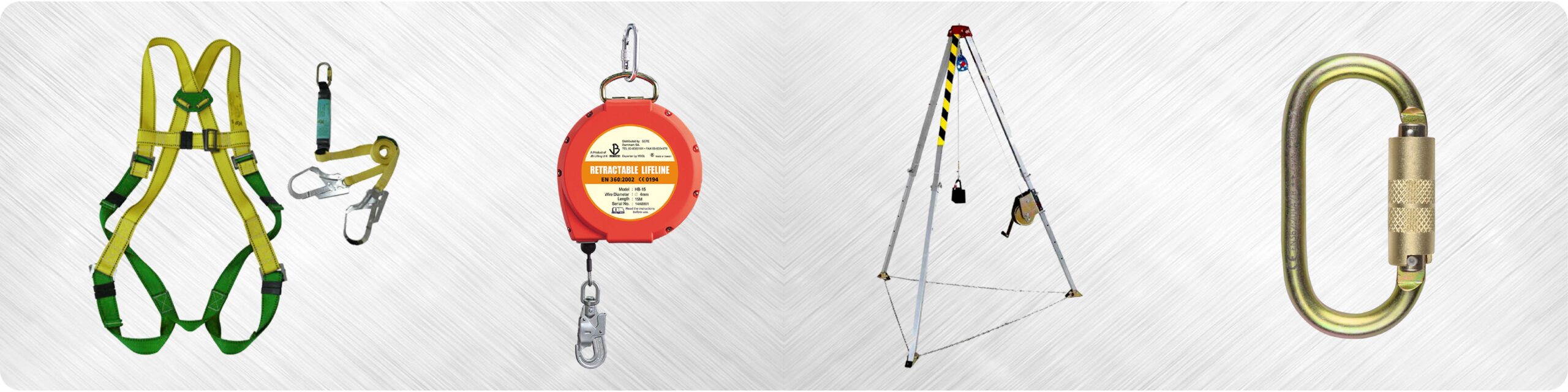
Fall protection is more than just a set of rules; it’s a commitment to saving lives. Each year, falls remain a leading cause of workplace fatalities and injuries, particularly in industries like construction, manufacturing, and warehousing. A comprehensive fall protection plan is essential for creating a safe work environment and ensuring that employees return home safely each day. Our approach at Safe and Secure Trading Company (SSTC) emphasizes not only compliance with regulations but also the implementation of proactive strategies that minimize risks and foster a culture of safety.
The Evolving Landscape of Fall Protection
In today’s dynamic work environments, fall protection is no longer a static concept. Advancements in technology, changes in OSHA regulations, and a growing awareness of workplace safety have transformed the landscape of fall prevention. Staying ahead of these changes is crucial for maintaining a safe and compliant workplace. At SSTC, we continually update our knowledge and practices to incorporate the latest innovations and best practices in fall protection.
Why Fall Protection is More Critical Than Ever
The importance of a robust fall protection plan cannot be overstated, especially given current trends.
- Rising workplace accident rates: In recent years, we’ve observed a concerning surge in workplace accident rates, highlighting the urgent need for proactive measures. According to the National Safety Council, preventable injuries are on the rise, underscoring the necessity of comprehensive safety protocols. This increase is a stark reminder that traditional safety measures may not be sufficient, and a more vigilant approach is required. We once had a client who experienced a preventable fall incident due to a lack of updated fall protection equipment. By implementing a more rigorous fall protection plan that includes regular equipment inspections and employee training, we helped them significantly reduce their risk of future incidents.
- The increasing cost of workplace injuries: The financial and human impact of workplace injuries is substantial. The Liberty Mutual Workplace Safety Index reports that serious, nonfatal workplace injuries cost U.S. businesses billions of dollars annually in workers’ compensation, medical expenses, and lost productivity. Beyond the financial burden, the human cost of these injuries is immeasurable, affecting families and communities. Therefore, investing in a comprehensive fall protection strategy is not only ethically sound but also financially prudent.
- Enhanced OSHA scrutiny and stricter penalties: Staying compliant in a changing regulatory environment is paramount. OSHA has increased its scrutiny of workplace safety practices and is imposing stricter penalties for violations. Failure to comply with OSHA regulations can result in significant fines, legal liabilities, and reputational damage. A proactive fall protection plan ensures compliance and demonstrates a commitment to employee safety, which can mitigate the risk of costly penalties. When our team in Dubai tackles this issue, they often find that clients who proactively address fall protection are better positioned to navigate OSHA inspections and avoid penalties.
Key Components of an Effective Fall Protection Plan
A comprehensive fall protection plan encompasses several key components, each designed to address specific aspects of fall prevention. These components include risk assessment, selection of appropriate fall protection systems, comprehensive training, and the implementation of engineering controls. By integrating these elements, businesses can create a robust and effective fall protection strategy.
Risk Assessment: The Foundation of Fall Prevention
Risk assessment is the cornerstone of any effective fall protection plan. It involves identifying potential fall hazards, evaluating the likelihood and severity of potential incidents, and prioritizing risks for mitigation. A thorough risk assessment provides the foundation for selecting appropriate fall protection systems and implementing targeted fall prevention measures.
- Conducting thorough site-specific hazard analyses: A comprehensive hazard analysis involves a systematic evaluation of the workplace to identify potential fall hazards. This includes assessing the layout of the work area, the types of tasks performed, and the equipment used. Site-specific hazard analyses should be conducted regularly and updated as conditions change. We once worked with a construction company that initially overlooked the risk of falls from scaffolding during dismantling. By conducting a thorough site-specific hazard analysis, we identified this previously unnoticed risk and implemented appropriate fall protection measures.
- Identifying potential fall hazards: From open edges to skylights: Potential fall hazards can range from obvious dangers like open edges and unprotected skylights to less apparent risks such as slippery surfaces and uneven flooring. Identifying these hazards requires a keen eye and a thorough understanding of the work environment. Skylights, in particular, are a common source of falls, as they may not always be easily visible or properly marked.
- Prioritizing risks based on severity and likelihood: Not all fall hazards pose the same level of risk. Some hazards may be more likely to result in a fall, while others may have the potential for more severe injuries. Prioritizing risks based on severity and likelihood allows businesses to focus their resources on the most critical areas. For example, a fall from a great height without any fall protection equipment should be prioritized over a slip on a slightly uneven surface.
Fall Protection Systems: Choosing the Right Equipment
Selecting the right fall protection systems is crucial for mitigating the risks identified during the risk assessment process. Different types of fall protection equipment are designed for specific applications and work environments. Choosing the appropriate equipment ensures that employees are adequately protected and that the fall protection plan is effective.
- Guardrail systems: Temporary and permanent solutions: Guardrail systems provide a physical barrier that prevents workers from falling from elevated surfaces. They are available in both temporary and permanent configurations, making them suitable for a wide range of applications. Temporary guardrail systems are often used during construction or maintenance activities, while permanent guardrail systems are typically installed in areas where fall hazards are ongoing.
- Safety net systems: When and where they are most effective: Safety net systems are designed to catch workers in the event of a fall, minimizing the risk of serious injury. They are particularly effective in situations where other forms of fall protection are not feasible or practical, such as bridge construction or demolition work. Safety nets must be installed and maintained properly to ensure their effectiveness.
- Personal fall arrest systems (PFAS): Harnesses, lanyards, and anchor points: Personal fall arrest systems (PFAS) consist of a full-body safety harness, a lanyard, and an anchor point. These systems are designed to arrest a worker’s fall and minimize the impact force on the body. PFAS are commonly used in situations where workers need to move freely while working at heights. Recent innovations in materials have led to the development of lighter and more comfortable harnesses, improving worker compliance and overall safety.
Training and Competency: Empowering Your Workforce
Even the best fall protection equipment is ineffective if employees are not properly trained on how to use it. Comprehensive training programs are essential for ensuring that workers understand the risks associated with working at heights and are competent in the proper use of fall protection equipment. Training should include both classroom instruction and hands-on practice.
- Comprehensive training programs for all employees: Classroom and hands-on training: Training programs should cover a range of topics, including hazard identification, proper use of fall protection equipment, inspection procedures, and emergency response protocols. Hands-on training allows employees to practice using fall protection equipment under the supervision of a qualified instructor. At SSTC, we emphasize the importance of practical training to reinforce classroom learning.
- Regular refresher courses to maintain proficiency: Keeping skills sharp: Fall protection skills can deteriorate over time if they are not regularly reinforced. Refresher courses should be conducted periodically to ensure that employees maintain their proficiency in the proper use of fall protection equipment. These courses should also cover any updates to fall protection regulations or best practices.
- Designating competent persons for fall protection oversight: Assigning responsibility and accountability: A competent person is an individual who is qualified to identify fall hazards and has the authority to take corrective action. Designating competent persons for fall protection oversight ensures that there is someone on-site who is responsible for ensuring that the fall protection plan is implemented effectively. This person should also be responsible for conducting regular inspections of fall protection equipment and work areas.
Implementing Engineering Controls for Fall Prevention
Engineering controls involve modifying the work environment to eliminate or reduce fall hazards. These controls are often the most effective way to prevent falls, as they address the root cause of the hazard rather than relying solely on personal fall protection equipment. Engineering controls can include designing out fall hazards during the planning phase, using temporary platforms and scaffolding, and implementing fall-resistant construction techniques.
Eliminating Hazards at the Source
Eliminating hazards at the source is the most effective way to prevent falls. This involves identifying and addressing potential fall hazards during the design and planning phases of a project. By eliminating hazards before work begins, businesses can significantly reduce the risk of falls.
- Designing out fall hazards during the planning phase: This may involve modifying the design of a building or structure to eliminate the need for workers to work at heights. For example, parapet walls can be designed to be high enough to prevent falls, eliminating the need for guardrails.
- Using temporary platforms and scaffolding to minimize risk: Temporary platforms and scaffolding can provide a safe working surface for workers who need to work at heights. These platforms should be designed and constructed to meet or exceed OSHA standards. Staying on top of design changes is critical to ensure that these platforms remain safe and effective.
- Implementing fall-resistant construction techniques: Fall-resistant construction techniques involve using methods and materials that reduce the risk of falls during construction. This may include using pre-fabricated components, installing guardrails early in the construction process, and using fall-resistant decking materials.
Staying Ahead of the Curve: New Trends in Fall Protection
The field of fall protection is constantly evolving, with new technologies and best practices emerging regularly. Staying ahead of these trends is crucial for maintaining a safe and compliant workplace. Some of the most promising new trends in fall protection include smart technology and wearable devices.
Smart Technology and Wearable Devices
Smart technology and wearable devices are revolutionizing the field of fall protection. These technologies can provide real-time monitoring of worker safety, automated alerts for fall detection, and data-driven insights for continuous improvement. By embracing these innovations, businesses can enhance their fall protection programs and create a safer work environment.
- Real-time monitoring of worker safety: GPS and sensor integration: Wearable devices equipped with GPS and sensors can track worker location, movement, and physiological data in real-time. This information can be used to monitor worker safety and identify potential hazards. For example, if a worker enters a hazardous area without proper fall protection equipment, an alert can be sent to the worker and their supervisor.
- Automated alerts for fall detection: Immediate response capabilities: Some wearable devices are equipped with fall detection technology that can automatically detect when a worker has fallen. When a fall is detected, an alert is sent to emergency services, allowing for a rapid response. These alerts can significantly reduce the time it takes to get help to an injured worker.
- Data-driven insights for continuous improvement: Analytics for proactive safety measures: The data collected by smart technology and wearable devices can be used to identify trends and patterns that can inform proactive safety measures. For example, if a particular area of a worksite is frequently associated with near-miss incidents, steps can be taken to address the underlying hazards.
The Role of Regular Inspections and Maintenance
Regular inspections and maintenance are essential for ensuring that fall protection equipment remains in good working order and that it is used properly. Inspections should be conducted before each use, as well as on a regular schedule. Maintenance should be performed as needed to repair or replace damaged equipment.
Ensuring Equipment Integrity
Ensuring the integrity of fall protection equipment is critical for worker safety. Equipment that is damaged or not properly maintained may not perform as intended in the event of a fall. Regular inspections and maintenance can help to identify and address potential problems before they lead to an accident.
- Pre-use inspections: A critical first step: Before each use, workers should inspect their fall protection equipment for any signs of damage, wear, or corrosion. This includes checking the safety harness for frayed straps, broken buckles, and damaged D-rings. Lanyards should be inspected for cuts, abrasions, and deformation.
- Scheduled maintenance and repairs: Preventing equipment failure: Fall protection equipment should be maintained and repaired according to the manufacturer’s instructions. This may include cleaning, lubricating, and replacing worn parts. Scheduled maintenance can help to prevent equipment failure and extend the lifespan of the equipment.
- Proper storage of fall protection equipment: Extending the lifespan of your gear: Fall protection equipment should be stored in a clean, dry place away from direct sunlight and extreme temperatures. Proper storage can help to prevent damage and extend the lifespan of the equipment. Harnesses should be hung up to prevent the straps from becoming tangled or damaged.
Mitigating Liability: Protecting Your Business
A comprehensive fall protection plan not only protects workers but also protects businesses from liability. By implementing a robust plan and maintaining accurate records, businesses can demonstrate due diligence and mitigate the risk of costly litigation.
Documentation and Record-Keeping
Accurate documentation and record-keeping are essential for demonstrating compliance with fall protection regulations and for mitigating liability. Records should be maintained for all training, inspections, and incidents.
- Maintaining accurate records of training, inspections, and incidents: Demonstrating due diligence: Records of training should include the dates of training, the names of the employees who were trained, and the topics that were covered. Inspection records should include the dates of inspections, the findings of the inspections, and any corrective actions that were taken. Incident reports should include a detailed description of the incident, the injuries that were sustained, and the corrective actions that were taken.
- Developing a robust emergency response plan: Preparing for the worst: An emergency response plan should outline the steps that will be taken in the event of a fall. This includes providing first aid, contacting emergency services, and investigating the incident. A well-developed emergency response plan can help to minimize the impact of a fall and ensure that injured workers receive prompt medical attention.
- Consulting with legal experts to ensure compliance: Avoiding costly litigation: Consulting with legal experts can help businesses to ensure that their fall protection plans comply with all applicable regulations. Legal experts can also provide guidance on how to mitigate liability in the event of a fall.
“Investing in fall protection is not just about compliance; it’s about creating a culture of safety that values the well-being of every worker.” – John Smith, Lead Safety Inspector
Case Studies: Real-World Examples of Successful Fall Protection Plans
Analyzing real-world examples of successful fall protection plans can provide valuable insights and lessons learned. These case studies demonstrate the effectiveness of proactive fall prevention strategies and the importance of continuous improvement.
Analyzing successful fall prevention strategies in various industries
Successful fall prevention strategies vary depending on the industry and the specific work environment. However, some common elements include a strong commitment from management, comprehensive training programs, and the use of appropriate fall protection equipment.
Learning from past incidents to prevent future accidents
Analyzing past incidents can help businesses to identify weaknesses in their fall protection plans and to take corrective action. By learning from past mistakes, businesses can prevent future accidents and create a safer work environment.
Quantifying the ROI of investing in fall protection
Investing in fall protection can provide a significant return on investment (ROI). By preventing falls, businesses can reduce workers’ compensation costs, medical expenses, and lost productivity. In addition, a strong fall protection program can improve employee morale and reduce the risk of costly litigation.
According to a study by the Center for Construction Research and Training (CPWR), every dollar invested in safety and health programs can yield a return of $4 to $6.
Overcoming Challenges in Implementing a Fall Protection Plan
Implementing a fall protection plan can be challenging, particularly in complex or dynamic work environments. Common challenges include addressing misconceptions about fall protection, securing buy-in from management and employees, and adapting the plan to changing work environments.
Addressing common misconceptions about fall protection: Separating fact from fiction.
One common misconception is that fall protection is only necessary for high-rise construction projects. In reality, falls can occur from any elevated surface, even a few feet above the ground. Another misconception is that fall protection equipment is uncomfortable and cumbersome. Modern fall protection equipment is designed to be lightweight and comfortable, making it easier for workers to wear it properly.
Securing buy-in from management and employees: Creating a safety-first culture.
Securing buy-in from management and employees is essential for the success of any fall protection plan. Management must demonstrate a strong commitment to safety and provide the resources necessary to implement the plan effectively. Employees must understand the importance of fall protection and be actively involved in the planning and implementation process.
Adapting the plan to changing work environments.
Work environments are constantly changing, and fall protection plans must be adapted to keep pace. This may involve updating the risk assessment, selecting different fall protection equipment, or providing additional training. Regular reviews of the fall protection plan can help to ensure that it remains effective.
Conclusion: Building a Culture of Safety
A comprehensive fall protection plan is an investment in the safety and well-being of your workforce. By implementing the key components outlined in this tutorial, businesses can create a safer work environment, reduce the risk of falls, and mitigate liability. A culture of safety is not just a set of rules; it’s a mindset that values the lives and well-being of every employee.
Recap of Achievement
We’ve journeyed through the essential elements of a robust fall protection plan, from conducting thorough risk assessments to leveraging smart technology for real-time monitoring. We’ve underscored the significance of regular inspections, comprehensive training, and the pivotal role of documentation in mitigating liability. Remember, fall protection is a continuous process, demanding constant vigilance and adaptation.
- Reviewing the key components of a fall protection plan.
- Emphasizing the importance of continuous improvement.
- The future of fall protection: Embracing innovation and technology.
We are confident that by implementing these strategies, you can significantly enhance the safety of your workplace and protect your most valuable asset: your employees.
FAQ Section
Q: What are the most common fall hazards in the workplace?
A: The most common fall hazards include unprotected edges, openings in floors or walls, slippery surfaces, ladders, and scaffolding. Identifying these hazards is the first step in developing an effective fall protection plan.
Q: How often should fall protection equipment be inspected?
A: Fall protection equipment should be inspected before each use, as well as on a regular schedule. Regular inspections can help to identify damage or wear that could compromise the equipment’s effectiveness.
Q: Who is responsible for ensuring that fall protection is in place at a worksite?
A: Employers are ultimately responsible for ensuring that fall protection is in place at a worksite. However, everyone on the worksite has a role to play in maintaining a safe environment. Supervisors should ensure that employees are properly trained and using fall protection equipment correctly. Employees should be vigilant about identifying hazards and following safety procedures.
Q: What are the penalties for violating OSHA fall protection regulations?
A: Penalties for violating OSHA fall protection regulations can be substantial. Fines can range from thousands of dollars for minor violations to hundreds of thousands of dollars for repeated or willful violations. In addition, employers may face criminal charges in cases where a worker is killed or seriously injured as a result of a fall.
Q: How can I create a culture of safety in my workplace?
A: Creating a culture of safety requires a strong commitment from management, comprehensive training programs, and the active involvement of employees. Management must demonstrate that safety is a top priority by providing the resources necessary to implement a fall protection plan effectively. Employees must understand the importance of fall protection and be empowered to identify hazards and suggest improvements.
Q: What is a competent person in regards to fall protection?
A: A competent person, in the context of fall protection, is someone capable of identifying hazards related to falls and who has authorization to correct them promptly. This individual should possess a comprehensive understanding of applicable regulations, equipment usage, and site-specific safety protocols. Their responsibilities often include conducting regular inspections, providing training to other employees, and ensuring that all fall protection systems are properly implemented and maintained.
Q: How does a Safety Harness protect you from falls?
A: A safety harness, as part of a Personal Fall Arrest System (PFAS), is designed to distribute the force of a fall across the wearer’s body, minimizing the risk of injury. It connects to an anchor point via a lanyard or lifeline. Should a fall occur, the harness keeps the worker upright, preventing them from slipping out and reducing the impact force on any single part of the body. The harness ensures that the deceleration forces are safely managed, reducing the potential for serious injuries during a fall arrest.