Choosing a Fall Protection System
The selection of a proper fall protection system is paramount to ensuring worker safety in environments where falls are a potential hazard. Falls remain a leading cause of workplace injuries and fatalities, making it essential for employers and safety managers to implement comprehensive fall protection measures. By carefully assessing risks and choosing the appropriate fall protection system, companies can significantly reduce the likelihood of accidents and create a safer working environment.
Introduction: Why Choosing the Right Fall Protection Matters
The consequences of falls in the workplace can be devastating, leading to severe injuries, long-term disabilities, and even fatalities. A robust fall protection system is not just a regulatory requirement; it’s a moral imperative to protect workers from harm. We at Safe and Secure Trading Company (SSTC) recognize the critical nature of this responsibility.
Statistics paint a grim picture of the frequency and severity of fall-related incidents. According to the 2026 National Safety Council data, falls continue to be a leading cause of workplace fatalities. These incidents not only result in immense personal suffering but also carry significant financial burdens for companies in terms of workers’ compensation, lost productivity, and potential legal liabilities. Choosing the right fall protection can dramatically lower these risks.
There are several common types of fall protection systems, each designed for specific situations and hazards. These include fall arrest systems, fall restraint systems, safety nets, guardrails, and warning line systems. A fall arrest system is designed to safely stop a worker’s fall, while a fall restraint system prevents a worker from reaching a fall hazard altogether. Understanding the differences and appropriate applications of each system is crucial for effective fall protection.
Investing in proper fall protection is not merely an expense; it’s a strategic investment that yields significant returns. The cost of implementing a comprehensive fall protection program pales in comparison to the potential costs associated with a single fall-related accident. By prioritizing worker safety and investing in quality fall protection equipment, companies can minimize risks, enhance productivity, and foster a culture of safety.
Mistake #1: Not Conducting a Thorough Hazard Assessment
A comprehensive hazard assessment is the cornerstone of any effective fall protection program. Without a clear understanding of the potential fall hazards present in a workplace, it’s impossible to select and implement the appropriate fall protection measures. At SSTC, we emphasize the importance of starting with a detailed evaluation.
One of the most common mistakes is overlooking temporary or changing hazards. Construction sites, for example, are dynamic environments where fall hazards can arise quickly due to ongoing work activities. Weather conditions, such as rain or ice, can also create slippery surfaces and increase the risk of falls. Our team in Dubai frequently encounters this issue due to the rapid pace of construction projects.
Identifying potential fall hazards requires a systematic approach. This includes inspecting all work areas for edges, holes, unprotected sides, slippery surfaces, and unstable structures. For example, a seemingly minor hole in a floor can pose a significant tripping hazard if not properly covered or marked. Don’t forget to evaluate scaffolding and elevated platforms for proper setup and load capacities.
Using a checklist can help ensure that all potential fall hazards are identified during the assessment process. The checklist should include items such as:
- Unprotected edges and sides
- Floor and roof openings
- Scaffolding and elevated platforms
- Ladders and stairways
- Slippery surfaces
- Unstable structures
- Weather-related hazards
Documenting the findings of the hazard assessment is crucial for future reference and for developing a comprehensive fall protection plan. The documentation should include details about the identified hazards, the location of the hazards, and the recommended control measures. This documentation should be regularly reviewed and updated as conditions change. We had a client who avoided a costly accident because their detailed documentation helped them quickly identify a newly created hazard.
Mistake #2: Ignoring the Hierarchy of Fall Protection Controls
The hierarchy of fall protection controls provides a systematic approach to minimizing fall hazards, prioritizing the most effective strategies. This hierarchy consists of elimination, prevention, and control measures, with personal fall arrest systems (PFAS) being the last line of defense.
Eliminating fall hazards is the most effective strategy, as it removes the risk entirely. This can be achieved by redesigning tasks or processes to avoid working at heights. For example, assembling components at ground level instead of on an elevated platform eliminates the fall hazard.
Preventing falls involves implementing measures that physically prevent workers from reaching fall hazards. Guardrails are a common example of a prevention measure, providing a physical barrier that prevents workers from falling off edges or into openings. Safety nets are another effective prevention measure, providing a soft landing surface in case of a fall.
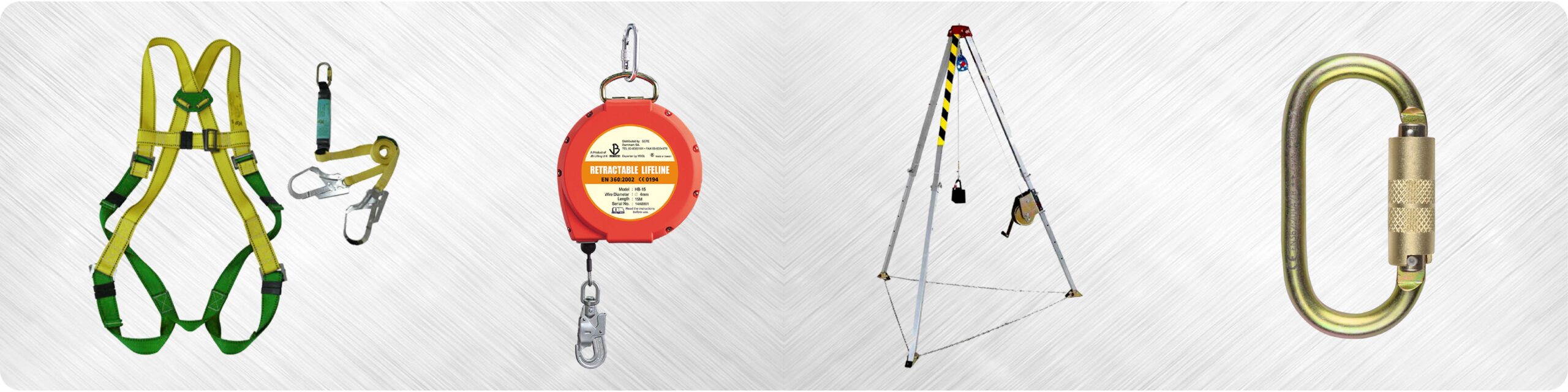
When elimination and prevention are not feasible, personal fall arrest systems (PFAS) can be used as a last resort to control the consequences of a fall. A PFAS consists of an anchorage point, a body harness, and a connecting device (such as a lanyard or self-retracting lifeline). The system is designed to safely stop a worker’s fall and minimize the risk of injury. It is crucial to remember PFAS systems are only effective when properly used, inspected, and maintained. We at SSTC always emphasize that prevention is better than cure.
> “The best fall protection is the one you don’t need.” – John Smith, Lead Safety Inspector
Mistake #3: Selecting the Wrong Type of Fall Protection System
Choosing the right type of fall protection system is crucial for ensuring worker safety. Different systems are designed for different situations and hazards, and using the wrong system can compromise its effectiveness. One of the primary distinctions is between fall arrest and fall restraint systems.
A fall arrest system is designed to safely stop a worker’s fall after it has occurred. This type of system is typically used when a worker could potentially fall from a height. It includes a full-body harness, a lanyard or self-retracting lifeline (SRL), and an anchorage point. The system must be capable of arresting the fall within a safe distance and minimizing the impact force on the worker’s body.
A fall restraint system, on the other hand, is designed to prevent a worker from reaching a fall hazard altogether. This type of system is typically used when a worker needs to work near an edge or opening but does not need to move freely. It also includes a full-body harness, a lanyard, and an anchorage point, but the lanyard is shorter than the distance to the edge, preventing the worker from reaching the fall hazard.
Understanding the limitations of each type of system is crucial for making the right choice. A fall arrest system requires sufficient fall clearance to function properly, while a fall restraint system may restrict a worker’s movement and make it difficult to perform certain tasks. Choosing the right system requires careful consideration of the specific task, the work environment, and the worker’s needs. Our consultants often help clients weigh these factors during the selection process.
Mistake #4: Improperly Inspecting Fall Protection Equipment
Regular inspection of fall protection equipment is essential for ensuring its continued effectiveness. Damage, wear, corrosion, and defects can compromise the integrity of the equipment and increase the risk of failure in the event of a fall. Pre-use and periodic inspections are crucial for identifying and addressing potential problems.
Pre-use inspections should be conducted by the worker before each use of the equipment. This includes visually inspecting the harness webbing for cuts, tears, or abrasion; checking the buckles and D-rings for damage or deformation; and inspecting the lanyard or SRL for fraying, kinks, or corrosion. Any equipment that shows signs of damage or wear should be removed from service immediately.
Periodic inspections should be conducted by a competent person at regular intervals, typically every six months to one year. These inspections are more thorough than pre-use inspections and may involve load testing or other specialized procedures. The purpose of periodic inspections is to identify hidden damage or defects that may not be apparent during a visual inspection.
Commonly overlooked areas during inspections include the harness webbing near the D-rings, the lanyard attachment points, and the SRL retraction mechanism. These areas are subject to high stress and wear and are more likely to develop problems. It’s important to pay close attention to these areas during inspections. We once helped a client identify a critical defect in an SRL that was only visible upon close inspection.
Establishing a system for documenting inspections and tracking equipment lifespan is essential for maintaining a safe and compliant fall protection program. The documentation should include the date of the inspection, the name of the inspector, the findings of the inspection, and any actions taken to address identified problems. This documentation should be kept for the lifespan of the equipment.
Mistake #5: Using Incompatible or Mismatched Components
Using compatible components within a fall protection system is essential for ensuring its safety and effectiveness. Mixing components from different manufacturers or using components that are not designed to work together can compromise the integrity of the system and increase the risk of failure in the event of a fall.
Each component of a fall protection system is designed to meet specific safety standards and to work in conjunction with other components. When components are mismatched or incompatible, the system may not perform as intended, potentially leading to serious injury or death. For example, using a lanyard with a lower weight capacity than the harness can result in the lanyard breaking during a fall.
Understanding the weight capacity and compatibility of each component is crucial for selecting the right equipment. The weight capacity of each component should be clearly marked on the equipment, and workers should be trained to recognize and understand these markings. It’s also important to consult the manufacturer’s instructions to ensure that components are compatible.
Ensuring that all components meet relevant safety standards is also essential. In the United States, fall protection equipment must meet the requirements of OSHA and ANSI standards. These standards specify the minimum performance requirements for fall protection equipment, including strength, durability, and compatibility.
Using only manufacturer-approved components for repairs or replacements is crucial for maintaining the integrity of the system. Unauthorized repairs or replacements can compromise the safety of the equipment and void the manufacturer’s warranty. It’s always best to consult with a qualified professional or the manufacturer before making any repairs or replacements.
Mistake #6: Incorrectly Calculating Fall Clearance
Accurate fall clearance calculations are essential for ensuring the effectiveness of fall arrest systems. Fall clearance is the vertical distance required to safely arrest a fall without the worker impacting a lower level or obstruction. Incorrect calculations can result in serious injury or death in the event of a fall.
Several factors affect fall clearance, including the lanyard length, deceleration distance, worker height, and a safety factor. The lanyard length is the distance from the anchorage point to the worker’s D-ring. The deceleration distance is the distance the lanyard stretches during a fall. The worker height is the distance from the worker’s D-ring to their feet. A safety factor is added to account for any uncertainties or variations in the calculations.
Common mistakes in calculating fall clearance include underestimating lanyard stretch and neglecting swing fall hazards. Lanyard stretch can vary depending on the type of lanyard and the weight of the worker. Swing fall hazards occur when the anchorage point is not directly overhead, causing the worker to swing like a pendulum during a fall. This can increase the fall distance and the risk of impacting an obstruction.
Using a fall clearance calculator can help accurately determine the required clearance. These calculators take into account all of the relevant factors and provide a more precise estimate of the fall clearance. Several online fall clearance calculators are available for free, or you can consult with a qualified safety professional.
Ensuring that there is sufficient clearance below the work area to prevent contact with lower levels is crucial. This may require raising the anchorage point, using a shorter lanyard, or relocating the work area. It’s also important to consider the potential for swing fall hazards and to minimize these hazards by positioning anchorage points directly overhead whenever possible.
Here’s an example HTML table illustrating different lanyard lengths and the resulting fall clearance needed:
| Lanyard Length (ft) |
Deceleration Distance (ft) |
Worker Height (ft) |
Safety Factor (ft) |
Total Fall Clearance Needed (ft) |
| 6 |
3.5 |
6 |
2 |
17.5 |
| 4 |
3.5 |
6 |
2 |
15.5 |
| 6 |
3.5 |
5.5 |
2 |
17 |
Mistake #7: Failing to Provide Adequate Training
Comprehensive fall protection training is essential for all workers who may be exposed to fall hazards. Training should cover hazard identification, equipment inspection, system selection, proper usage techniques, and emergency procedures. Without proper training, workers may not be able to recognize fall hazards or use fall protection equipment effectively.
Training should cover topics such as:
- Identifying potential fall hazards
- Inspecting fall protection equipment for damage or defects
- Selecting the appropriate fall protection system for the task
- Properly donning and adjusting a full-body harness
- Connecting and disconnecting lanyards and SRLs
- Calculating fall clearance
- Understanding swing fall hazards
- Emergency procedures in the event of a fall
Providing hands-on training and practical exercises is crucial for reinforcing knowledge and skills. Workers should be given the opportunity to practice using fall protection equipment in a safe and controlled environment. This allows them to become familiar with the equipment and to develop the skills necessary to use it effectively.
Documenting training and ensuring that workers are competent in using fall protection equipment is also essential. The documentation should include the date of the training, the names of the workers who attended, the topics covered, and the results of any assessments or evaluations. This documentation should be kept for the duration of the worker’s employment.
Regular refresher training is necessary to reinforce knowledge and skills and to address any changes in regulations or equipment. Refresher training should be conducted at least annually, or more frequently if there are significant changes in the work environment or fall protection equipment. At SSTC, we believe in continuous learning to keep workers safe.
Mistake #8: Ignoring Swing Fall Hazards
Swing falls occur when a worker falls from a position where the anchorage point is not directly overhead. In this scenario, the worker swings like a pendulum during the fall, increasing the fall distance and the risk of impacting an obstruction. Swing falls can significantly increase the severity of injuries compared to straight vertical falls.
The risks associated with swing falls include:
- Increased fall distance
- Impact with obstructions
- Increased force on the body
- Potential for head injury
Minimizing swing fall hazards requires careful planning and positioning of anchorage points. Whenever possible, anchorage points should be located directly overhead to prevent swing falls. If this is not possible, the anchorage point should be located as close to overhead as possible and the work area should be clear of any obstructions.
Using self-retracting lifelines (SRLs) can also help reduce swing fall potential. SRLs allow the worker to move freely within a certain radius of the anchorage point, while still providing fall protection. If a fall occurs, the SRL will quickly lock and arrest the fall, minimizing the swing fall distance.
Planning work activities to avoid swing fall scenarios is also important. This may involve relocating the work area, using different equipment, or changing the sequence of tasks. By carefully considering the potential for swing falls and taking steps to minimize these hazards, companies can significantly improve worker safety.
Mistake #9: Not Having a Rescue Plan in Place
A comprehensive rescue plan is crucial in case of a fall, regardless of the fall protection measures in place. Even with the best fall protection equipment, there is always a risk of a fall occurring. A rescue plan ensures that workers can be rescued quickly and safely in the event of a fall, minimizing the risk of serious injury or death.
A comprehensive rescue plan should include the following components:
- Notification procedures: How to report a fall and summon help.
- Trained rescue personnel: Workers who are trained and equipped to perform rescues safely.
- Rescue equipment: Equipment necessary to perform rescues, such as ropes, harnesses, and lowering devices.
- Emergency medical services: Coordination with local emergency medical services to ensure prompt medical attention.
Ensuring that rescue personnel are properly trained and equipped to perform rescues safely is essential. Rescue personnel should be trained in basic first aid, CPR, and fall protection rescue techniques. They should also be familiar with the rescue equipment and how to use it properly.
Practicing rescue drills can help ensure that workers are prepared to respond effectively in the event of a fall. Rescue drills should be conducted regularly, at least annually, and should involve all members of the rescue team. These drills can help identify any weaknesses in the rescue plan and provide an opportunity to improve the team’s response.
Regularly reviewing and updating the rescue plan is also important. The rescue plan should be reviewed and updated at least annually, or more frequently if there are significant changes in the work environment or fall protection equipment. The review should consider any lessons learned from previous incidents or rescue drills and should incorporate any new best practices or regulations.
Conclusion: Avoiding Common Mistakes for a Safer Workplace
Avoiding these common mistakes is crucial for creating a safer workplace and preventing fall-related injuries and fatalities. By conducting thorough hazard assessments, implementing the hierarchy of fall protection controls, selecting the right type of fall protection system, properly inspecting equipment, and providing adequate training, companies can significantly reduce the risk of falls. We at SSTC are dedicated to helping companies achieve these goals.
Implementing a robust fall protection system program brings numerous benefits, including reduced injuries, improved productivity, lower workers’ compensation costs, and enhanced employee morale. A proactive approach to fall protection not only protects workers but also strengthens a company’s reputation and bottom line.
Remember, continuous improvement is key to maintaining a safe and effective fall protection program. Regularly review your program, seek feedback from workers, and stay up-to-date on the latest regulations and best practices. Safe and Secure Trading Company is here to support you in your efforts to create a safe and secure work environment. We strive to provide the best guidance on the proper selection of a fall protection system, including fall arrest system and fall restraint system options, ensuring your team has the right fall protection equipment. Don’t forget the importance of a safety harness, lifeline, and secure anchorage point. We also stress the importance of adhering to OSHA fall protection standards and conducting a thorough fall hazard assessment for your personal fall arrest system. Finally, be vigilant with PFAS inspection protocols.
We believe in equipping you with the knowledge and tools you need to prioritize safety.
FAQ Section
Q: How often should fall protection equipment be inspected?
A: Fall protection equipment should be inspected before each use by the worker and at least annually by a competent person.
Q: What are the key components of a personal fall arrest system (PFAS)?
A: A PFAS consists of an anchorage point, a body harness, and a connecting device (such as a lanyard or self-retracting lifeline).
Q: What is the difference between a fall arrest system and a fall restraint system?
A: A fall arrest system is designed to safely stop a worker’s fall after it has occurred, while a fall restraint system prevents a worker from reaching a fall hazard altogether.
Q: How do I calculate fall clearance?
A: Fall clearance is calculated by adding the lanyard length, deceleration distance, worker height, and a safety factor. Use a fall clearance calculator for accuracy.
Q: What should be included in fall protection training?
A: Training should cover hazard identification, equipment inspection, system selection, proper usage techniques, and emergency procedures.
Q: What is a swing fall hazard?
A: A swing fall hazard occurs when a worker falls from a position where the anchorage point is not directly overhead, causing the worker to swing like a pendulum during the fall.
Q: Why is a rescue plan important?
A: A rescue plan ensures that workers can be rescued quickly and safely in the event of a fall, minimizing the risk of serious injury or death.