The Fallacy of “It Won’t Happen Here”
It’s a common misconception that fall protection is only necessary in obvious high-risk zones, like towering scaffolding or precarious rooftops. Many believe that as long as they’re not excessively high up, they’re safe. But the truth is, falls can happen anywhere, often in the most unexpected places. We can’t let our guard down, even in areas that seem relatively harmless.
Imagine this: A worker is moving boxes in a seemingly innocuous storage area. They stumble over a misplaced item and fall, hitting their head on a hard surface. A near-miss that could have been much worse. That’s why a comprehensive approach to fall protection places is crucial. It’s not just about preventing falls from great heights; it’s about identifying and mitigating potential fall hazards in all areas of the workplace. This means looking beyond the obvious and considering every potential risk.
1. The Overlooked Loading Dock
✅ Loading docks are a hub of activity, but they often harbor overlooked fall protection places. While we usually associate falls with heights, even the relatively short drop from a loading dock edge can result in serious injuries. The constant movement of goods, equipment, and personnel creates a dynamic environment where distractions are common and the potential for slips or trips is ever-present. This makes loading docks more dangerous than many realize.
The Hidden Heights of Deliveries
The edge of a loading dock, even at what seems like a low height, can pose a significant fall hazard. Consider the scenarios: a worker backing up while carrying a heavy load, someone momentarily distracted by a phone call, or a simple misstep. These seemingly minor occurrences can lead to serious falls. We need to consider the dangers involved with these areas.
Distractions are rampant on loading docks, and the potential for slips or trips near the edge is always a concern. Wet floors, uneven surfaces, and misplaced objects can all contribute to a fall. Solutions like safety gates, guardrails, and highly visible warning signs are essential for mitigating these risks. For many of our clients here in Dammam, we’ve seen a dramatic reduction in accidents after implementing these safety measures.
Equipment Malfunctions & Unexpected Rollaways
It’s not just people who can fall off loading docks; equipment can too. Forklifts and other machinery can accidentally roll off the edge, especially during loading and unloading operations. This poses a risk not only to the equipment itself but also to any workers in the vicinity. We’ve even heard anecdotal stories of forklifts rolling backwards off the edge of a loading dock.
Securing equipment is paramount. Wheel chocks, parking brakes, and regular maintenance checks are crucial for preventing unexpected rollaways. Proper loading dock maintenance, including regular inspections and prompt repairs, also plays a vital role in ensuring fall safety and preventing accidents. At SSTC, we’ve consulted with many businesses to implement effective equipment securing procedures.
2. The Humble Maintenance Pit
💡 Often overlooked, maintenance pits, commonly found in automotive shops and industrial facilities, represent a significant fall protection challenge. Workers often descend into these pits to perform repairs and maintenance on vehicles and equipment. Despite their seemingly innocuous nature, these pits pose a significant risk of falls, leading to potential injuries. Proper precautions are an absolute must.
More Than Just Oil Changes
Maintenance pits are more than just places for oil changes. They’re confined spaces with hard surfaces, making falls particularly dangerous. A slip or trip inside a pit can result in serious head trauma, broken bones, or other debilitating injuries. It’s easy to underestimate the hazards present in such a small area.
Solutions like pit covers, guardrails, and safety netting are essential for protecting workers from falls into maintenance pits. Regular inspections and maintenance of these safety measures are crucial for ensuring their continued effectiveness. At Safe and Secure Trading Company, we always recommend a combination of physical barriers and stringent safety protocols to minimize the risk of accidents.
The Danger of Distraction in Tight Spaces
Working in tight, confined spaces like maintenance pits can lead to complacency. Workers may become so focused on the task at hand that they forget about the potential hazard identifications around them. This can lead to lapses in judgment and an increased risk of accidents. Constant awareness and strict adherence to safety protocols are essential for preventing falls.
> “Complacency is the biggest enemy in confined spaces. Always double-check your surroundings and never assume anything.” – John Miller, Lead Safety Inspector
It is important to ensure workers are consistently reminded of the potential dangers involved in their daily work. Effective safety training is essential to keep workers aware of the potential risks.
3. The Treacherous Mezzanine
➡️ Mezzanines are efficient for maximizing storage space in warehouses and industrial settings. However, they can also create unexpected fall protection places. These elevated platforms, while useful for storing materials and equipment, present several potential fall hazards that must be addressed to ensure worker safety. We encourage businesses to carefully consider the fall protection needs of their mezzanines.
Maximizing Space, Maximizing Risk
Mezzanines, while offering valuable storage solutions, inherently increase the risk of falls due to their elevated position. Falls can occur from the edge of the mezzanine itself, from stairways leading up to it, or from ladder access points. The higher the mezzanine, the greater the potential for serious injury. We’ve seen firsthand how a lack of adequate safety measures can lead to devastating consequences.
Solutions like handrails, safety gates, and proper signage are crucial for mitigating these risks. Handrails provide a physical barrier to prevent falls from the edge of the mezzanine, while safety gates control access to stairways and ladders. Clear and visible signage serves as a constant reminder of potential hazards. In our experience, a comprehensive approach that combines physical barriers with effective communication is the most effective way to prevent accidents.
Improper Storage & Overloaded Platforms
Exceeding weight limits on mezzanines is a recipe for disaster. Overloaded platforms can collapse, leading to serious injuries or even fatalities. Similarly, improperly stored items can fall from heights, creating secondary fall safety hazards for workers below. We emphasize the importance of adhering to weight limits and implementing proper storage procedures.
Regular inspections of mezzanines are essential for identifying potential hazard identifications, such as overloaded platforms or improperly stored items. Implementing and enforcing strict weight limits, along with providing adequate training on proper storage techniques, can significantly reduce the risk of accidents. For many of our clients here in Dammam, we’ve seen that implementing these measures results in a safer and more organized workplace.
4. The Not-So-Safe Stairwell
✅ Stairwells are an everyday part of most workplaces, making it easy to overlook their potential dangers. However, especially in industrial environments, stairwells can pose a significant fall protection risk. Poorly maintained steps, inadequate lighting, and slippery surfaces can all contribute to slips, trips, and falls. It is important to ensure that stairwells are well-maintained and well-lit.
Everyday Ascent, Everyday Risk
The risk of falls in stairwells is often underestimated. Steps can become worn, cracked, or covered in slippery substances. Inadequate lighting can obscure potential hazard identifications, making it difficult to see where you’re going. These factors, combined with the inherent risk of navigating stairs, make stairwells a potential fall protection hazard. We’ve encountered many businesses that overlook the importance of stairwell safety.
Solutions like non-slip treads, sturdy handrails, and improved lighting can significantly reduce the risk of falls in stairwells. Non-slip treads provide better traction, while handrails offer support and stability. Adequate lighting ensures that potential hazard identifications are clearly visible. Regular maintenance and cleaning are also essential for keeping stairwells safe.
The Hazards of Carrying Heavy Loads
Carrying heavy materials up and down stairs increases the risk of falls. The added weight can throw off your balance, making it more difficult to maintain control. Improper lifting techniques can also contribute to accidents. It is important to remind workers of these issues.
Proper lifting techniques and mechanical assistance, such as hand trucks or forklifts, can significantly reduce the risk of falls while carrying heavy loads on stairs. Providing adequate training on safe lifting practices and encouraging the use of mechanical aids can help prevent accidents. We at Safe and Secure Trading Company always recommend assessing the weight and size of the load before attempting to carry it on stairs.
5. The Unassuming Walk-in Freezer
💡 Walk-in freezers, commonly found in restaurants and food processing facilities, present unique fall protection places due to icy floors. Condensation and ice accumulation are common occurrences, creating slippery surfaces that can lead to slips and falls. The cold temperatures can also exacerbate the effects of a fall. Ensuring safety in these environments requires special attention.
Icy Conditions, Serious Consequences
Icy floors are the primary fall protection hazard in walk-in freezers. Even a small patch of ice can cause a serious fall, especially when combined with the hard, unforgiving surfaces typically found in these environments. The risk is further compounded by the fact that workers often wear bulky clothing and gloves, which can restrict their movement and dexterity. We’ve seen instances where seemingly minor slips in freezers have resulted in significant injuries.
Solutions like non-slip footwear, floor mats, and regular ice removal protocols are essential for mitigating these risks. Non-slip footwear provides better traction on icy surfaces, while floor mats offer a more stable footing. Regular ice removal helps prevent the accumulation of ice in the first place. Implementing these measures can significantly reduce the risk of falls.
The Rush to Resupply & Safety Oversights
The pressure to quickly resupply walk-in freezers can lead to safety oversights. Workers may rush in and out of the freezer, ignoring potential hazard identifications and failing to take proper precautions. This can significantly increase the risk of accidents. We understand the demands of the food service industry, but safety must always be a priority.
Consistent adherence to safety protocols is crucial for preventing falls in walk-in freezers. This includes wearing appropriate footwear, using floor mats, and taking the time to properly assess the environment before entering. Regular safety training and reminders can help reinforce these practices. At Safe and Secure Trading Company, we always emphasize the importance of a proactive approach to safety.
6. Rooftop HVAC Units: An Invisible Threat
➡️ Rooftop HVAC units often fall into the “out of sight, out of mind” category when it comes to fall protection places. However, accessing and maintaining these units can be surprisingly dangerous. Even seemingly small heights on a rooftop can lead to serious injuries. Neglecting fall protection in these areas is a serious oversight.
Out of Sight, Out of Mind, Out of Protection
The dangers of accessing rooftop HVAC units are often underestimated. Workers may be required to navigate ladders, traverse slippery surfaces, and work near unprotected edges. The combination of height and potential hazard identifications makes these tasks inherently risky. We’ve consulted with numerous businesses that were unaware of the fall protection requirements for rooftop HVAC maintenance.
Solutions such as designated walkways, guardrails, and personal fall arrest systems are essential for protecting workers from falls while accessing and maintaining rooftop HVAC units. Designated walkways provide a safe path to the unit, while guardrails prevent falls from unprotected edges. Personal fall arrest systems offer a last line of defense in the event of a fall. These solutions provide comprehensive fall protection.
Weather Hazards & Equipment Instability
Inclement weather conditions, such as high winds or rain, can significantly increase the risk of falls on rooftops. Strong winds can throw workers off balance, while rain can create slippery surfaces. Equipment instability, such as loose panels or unsecured tools, can also pose a fall protection hazard. Being unprepared for these issues is a dangerous prospect.
Securing equipment and conducting regular inspections are crucial for preventing accidents related to weather and equipment instability. Ensuring that all tools and materials are properly secured can prevent them from becoming projectiles in high winds. Regular inspections can identify and address potential hazard identifications before they lead to accidents.
7. The Laboratory Environment
✅ Laboratories, while primarily associated with chemical and biological hazard identifications, also present potential fall protection places. Spills of liquids and chemicals can create slippery surfaces, increasing the risk of falls. The use of specialized equipment and the need for concentration can also contribute to accidents. Comprehensive safety plans are very important.
Chemical Spills & Slick Surfaces
Spills of liquids and chemicals are a common occurrence in laboratories, creating slippery surfaces that can lead to falls. Even small spills can pose a significant fall protection hazard, especially when combined with the use of laboratory equipment. Workers may be carrying glassware or other delicate items, making a fall even more dangerous. We’ve seen instances where seemingly minor spills have resulted in serious injuries.
Solutions like slip-resistant flooring, spill containment measures, and appropriate footwear can significantly reduce the risk of falls in laboratories. Slip-resistant flooring provides better traction, while spill containment measures prevent spills from spreading. Appropriate footwear offers protection from chemical exposure and provides additional grip. We advise a combination of solutions.
The Distractions of Research & Safety Lapses
The intense concentration required for scientific research can lead to safety lapses. Workers may become so focused on their experiments that they forget about potential hazard identifications around them. This can lead to accidents, including falls. Maintaining safety awareness is essential in a lab environment.
Consistent application of safety protocols is crucial for preventing falls in laboratories. This includes regular reminders about potential hazard identifications, proper use of equipment, and adherence to spill containment procedures. Regular safety training can help reinforce these practices and ensure that workers are always aware of the risks. Safe and Secure Trading Company strongly recommends the need for regular lab safety audits.
8. Around Machinery & Equipment
💡 Areas around large machinery and equipment are often subject to unexpected liquid leaks, grease, and tripping hazards, all creating potential fall protection places. Oil, coolant, and other fluids can accumulate on the floor, creating slippery surfaces. Cables, hoses, and other equipment can also create tripping hazards. Addressing these problems promptly is essential.
Unexpected leaks & Trips Hazards
Unexpected liquid leaks and tripping hazards are common occurrences around large machinery. These hazard identifications can create dangerous conditions that lead to falls. Workers may be distracted by the task at hand, making them less likely to notice potential fall protection hazards. We’ve seen numerous instances where simple cleanup and maintenance could have prevented accidents.
Regular inspections and designated walkways can significantly reduce the risk of falls around machinery. Regular inspections can identify and address potential hazard identifications, such as leaks and tripping hazards. Designated walkways provide a safe path for workers to navigate around the machinery. Safe and Secure Trading Company is always ready to consult on optimal workflow designs.
The Need for Clear Pathways & Emergency Access
Clear pathways are essential for safe access to machinery. Workers need to be able to move freely around the equipment without encountering fall protection hazards. Quick access to emergency stop buttons and first aid measures is also crucial in the event of an accident. Ensuring quick access is an important step in creating a safer environment.
Maintaining clear pathways, providing adequate lighting, and ensuring easy access to emergency equipment are crucial for preventing accidents around machinery. Regular training on emergency procedures can also help workers respond quickly and effectively in the event of a fall. Safe and Secure Trading Company firmly believes these steps are vital to any plant safety program.
9. Inside Storage Tanks & Silos
➡️ Working inside storage tanks and silos, even when seemingly empty, presents significant fall protection places and engulfment hazards. These confined spaces can contain unstable materials, reduced visibility, and other hazard identifications that increase the risk of accidents. Proper safety protocols are paramount when working in these environments.
Confined Spaces, Confined Risks
Confined spaces, such as storage tanks and silos, present unique challenges for fall protection. The limited space, unstable materials, and reduced visibility can all contribute to falls. Workers may be required to climb ladders, navigate narrow passages, and work in awkward positions. The risk of engulfment by stored materials is also a serious concern. We strongly advise a complete understanding of the risk assessments before working in such conditions.
Permit-required confined space entry procedures and fall protection systems are essential for protecting workers from falls inside storage tanks and silos. Permit-required entry procedures ensure that all potential hazard identifications are identified and addressed before work begins. Fall protection systems, such as harnesses and lifelines, can prevent falls from heights.
The Challenge of Rescue & Communication
Planning and readiness for quick rescue from confined spaces is crucial. In the event of a fall or other emergency, timely rescue can be the difference between life and death. Communication is also essential for ensuring that workers inside the tank or silo can communicate with those outside. A carefully developed plan and constant communication are essential.
Regular training on rescue procedures and the establishment of clear communication protocols can significantly improve the chances of a successful rescue. This includes training on how to use rescue equipment, how to communicate effectively in confined spaces, and how to respond to different types of emergencies. Regular drills can also help workers practice these skills and identify any weaknesses in the rescue plan.
Conclusion: A Culture of Comprehensive Fall Protection
As we’ve explored, fall protection places extend far beyond the obvious high-altitude zones. From the overlooked loading dock to the treacherous mezzanine and even the unassuming walk-in freezer, potential fall hazards lurk in unexpected corners of our workplaces. It’s crucial to look beyond the obvious when assessing fall hazards. Effective risk assessment, comprehensive safety training, and the consistent application of safety regulations are essential.
Remember that fall protection is not just about preventing falls from great heights; it’s about identifying and mitigating potential risks in all areas. By implementing comprehensive fall protection plans, investing in quality safety equipment, and fostering a safety-conscious culture, we can significantly reduce the risk of falls and create a safer, more secure working environment for everyone. We are dedicated to helping you create and maintain this culture in your workplace.
FAQ Section
Q: What are the primary causes of falls in the workplace?
A: The primary causes of falls include slippery surfaces, tripping hazards, inadequate fall protection equipment, and human error. Poor lighting, lack of safety training, and failure to follow established safety procedures also contribute significantly to workplace falls.
Q: How can I identify potential fall protection places in my workplace?
A: Conduct a thorough risk assessment of your entire workplace, paying attention to areas where workers are exposed to heights, slippery surfaces, or tripping hazards. Consult with your employees to gather their insights and experiences. Look for areas where falls have occurred in the past, even if they were minor incidents. Regular inspections and hazard identification exercises can help you identify potential fall protection places before they lead to accidents.
Q: What type of safety equipment is most effective for fall protection?
A: The most effective safety equipment depends on the specific fall protection hazards in your workplace. Common examples include:
- Guardrails: Provide a physical barrier to prevent falls from edges and elevated platforms.
- Safety nets: Catch workers in the event of a fall, minimizing the risk of serious injury.
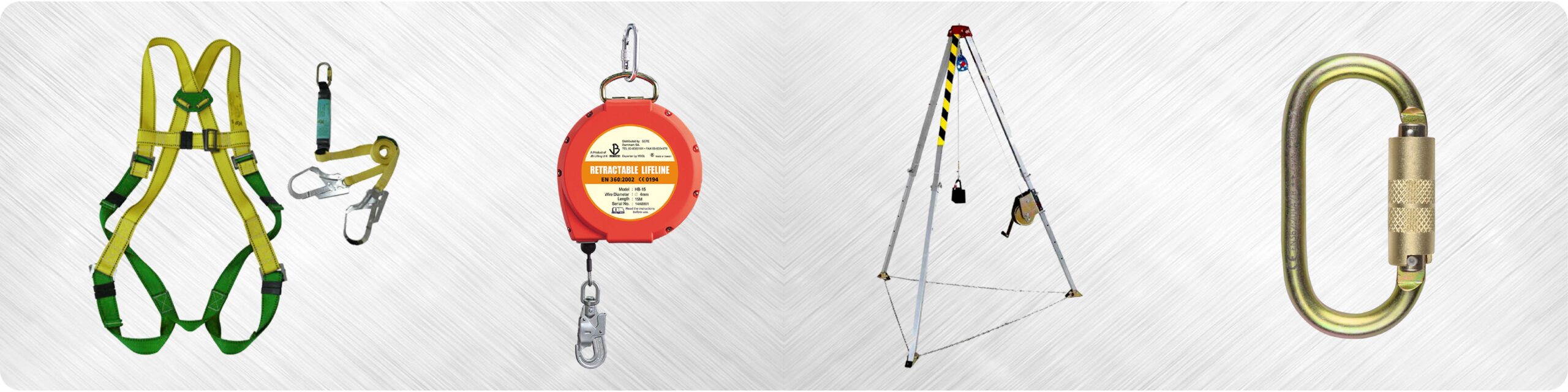
- Personal fall arrest systems (PFAS): Consist of a harness, lanyard, and anchor point that arrest a fall and prevent the worker from hitting the ground.
- Non-slip footwear: Provides better traction on slippery surfaces.
Q: How often should safety training be conducted on fall protection?
A: Safety training on fall protection should be conducted regularly, at least annually, and more frequently if there are changes in workplace conditions or procedures. New employees should receive comprehensive training before being allowed to work in areas where there is a risk of falls. Refresher training should be provided periodically to reinforce safe work practices and address any emerging hazard identifications.
Q: What are some common safety regulations related to fall protection?
A: Common safety regulations related to fall protection include requirements for guardrails on elevated platforms, the use of personal fall protection equipment when working at heights, and the implementation of fall protection plans. These regulations also specify the types of training that workers must receive and the procedures that must be followed to ensure fall safety.
Here is an example of a table that could be used to track incidents, as per your requirements.
| Date |
Location |
Description of Incident |
Injuries |
Corrective Actions Taken |
| [date] |
Loading Dock |
Worker slipped on wet surface and fell. |
Minor bruises |
Area cleaned and marked; non-slip footwear provided. |
| [date] |
Mezzanine |
Object fell from mezzanine; narrowly missed worker. |
None |
Storage procedures reviewed; netting installed. |
| [date] |
Stairwell |
Worker tripped on broken step. |
Sprained ankle |
Step repaired; stairwell lighting improved. |
| [date] |
Rooftop HVAC |
Worker nearly slipped due to high winds |
None |
Work suspended until weather improved; better harnesses provided |