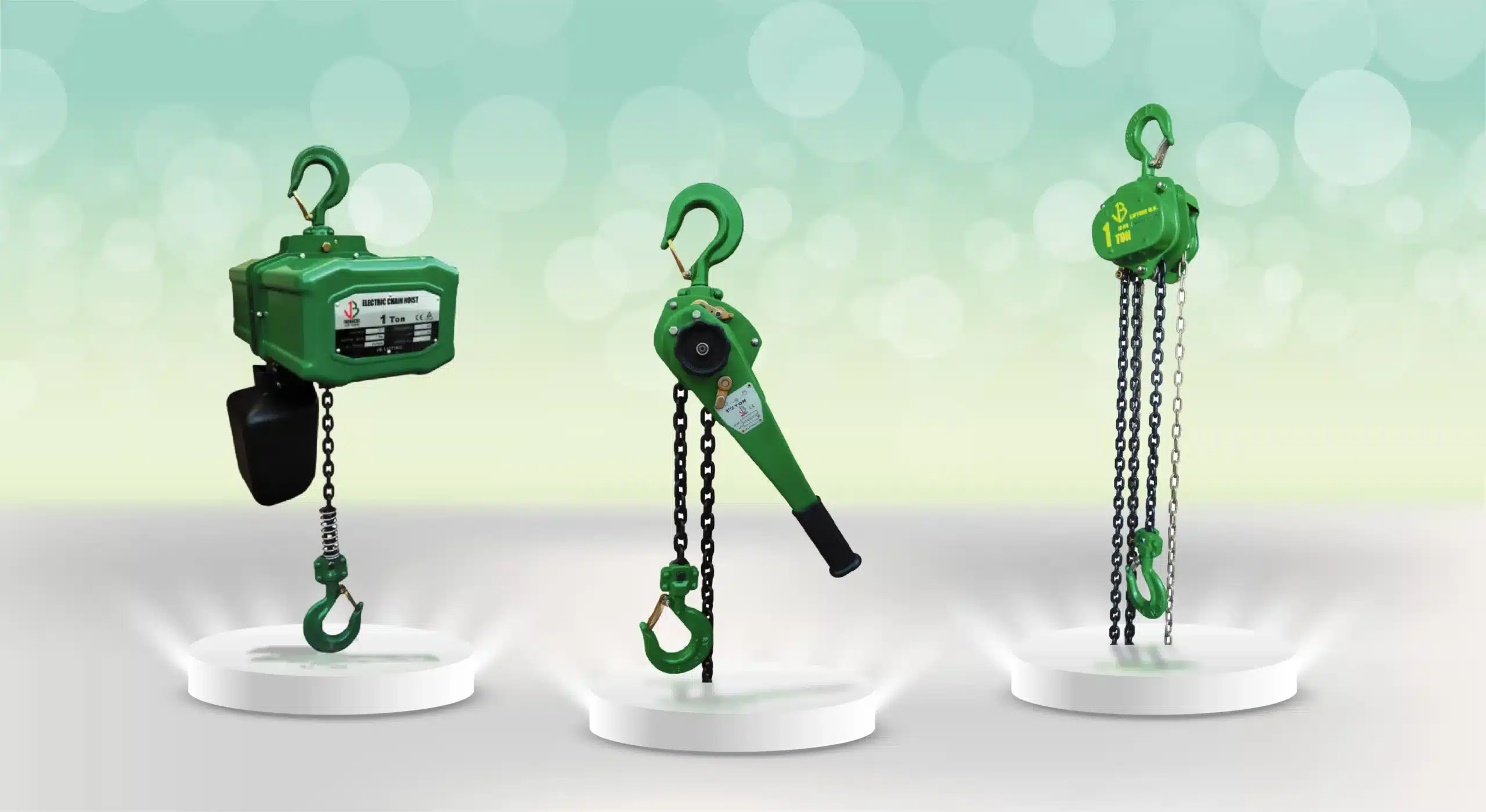
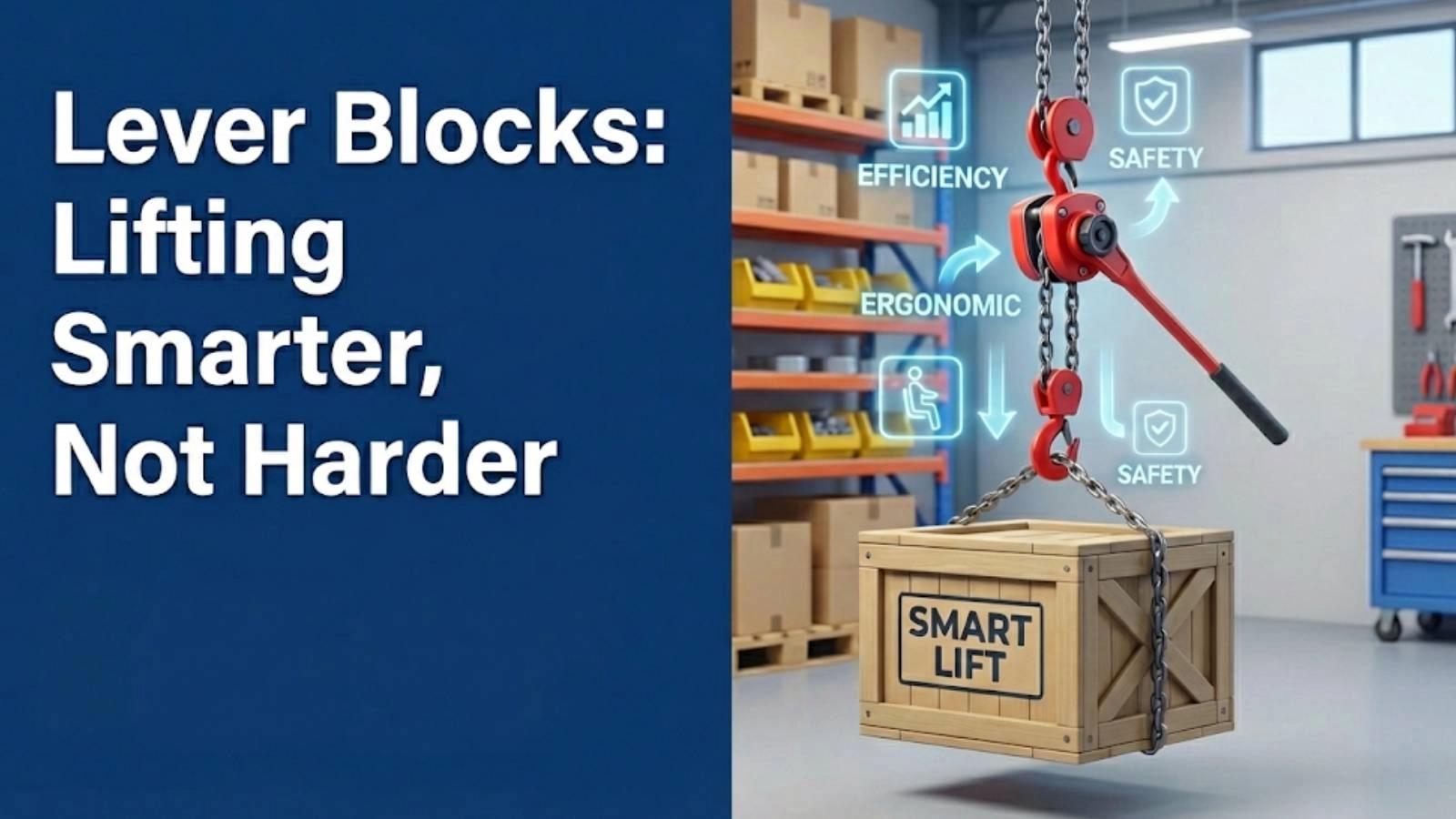
Lever block advantages are numerous, making them indispensable tools across various industries. These manual hoists provide a reliable and efficient method for lifting, pulling, and positioning heavy loads in situations where powered equipment may not be feasible or available. From construction sites to manufacturing plants, lever blocks offer a versatile and cost-effective solution for material handling challenges. Understanding the key lever block advantages is crucial for maximizing their utility and ensuring safe operation.
1. ✅ Increased Lifting Capacity: A Major Advantage
Lever blocks are designed to provide significant mechanical advantage, enabling operators to lift loads far exceeding what they could manage manually. This increased lifting capacity is a major advantage, particularly in industries dealing with heavy materials or equipment. With a lever block, even a single worker can safely and efficiently lift loads weighing several tons, significantly reducing the risk of strain or injury.
1.1. Mistake: Underestimating Load Limits
One common mistake is failing to properly assess the weight of the load before using the lever block. Underestimating the load can lead to using a lever block with a lower load capacity than required, leading to potential failure. This can result in damage to equipment, injury to personnel, and costly delays.
1.2. Solution: Correct Load Assessment
To avoid this, always verify the load weight and compare it against the lever block’s marked capacity. Choose a lever block with a sufficient safety margin beyond the estimated load weight. This ensures that the lever block is operating within its safe working load (SWL) and reduces the risk of overload.
1.3. SSTC Insight
Many of our clients here in Dammam find that investing in a lever block with a higher load capacity than immediately needed is more economical in the long run. This allows for greater flexibility in handling a wider range of loads without the need to purchase additional equipment. We always advise our clients to overestimate when possible.
2. ✅ Enhanced Portability and Ease of Use
Lever blocks are relatively lightweight and compact, making them highly portable and easy to use in various locations. Unlike bulky or stationary lifting equipment, lever blocks can be easily transported to the work site and set up quickly. This portability makes them ideal for applications in remote or confined spaces where maneuverability is limited.
2.1. Mistake: Ignoring Weight and Size
A common mistake is ignoring the weight and size of the lever block when selecting one for a particular application. Selecting a lever block that is too heavy or bulky for the application or work environment can make the task harder. This can also result in overlooking the physical strain on operators using oversized or cumbersome equipment.
2.2. Solution: Choosing the Right Size
Consider the weight and dimensions of the lever block for ease of transport and maneuverability. Opt for lightweight and compact models designed for convenient use in confined spaces. This ensures that the lever block can be easily positioned and operated without causing unnecessary strain on the operator.
2.3. Expert Quote
“Portability is key in dynamic work environments. A lighter, more compact lever block can significantly improve worker efficiency and reduce fatigue.” – John Smith, Safety Engineer
3. ✅ Improved Safety Features and Operation
Modern lever blocks are equipped with various safety features designed to protect both the operator and the load. These features include overload protection mechanisms, slip-resistant handles, and durable chains. Overload protection prevents the lever block from being used beyond its rated capacity, reducing the risk of failure. Slip-resistant handles provide a secure grip, even in wet or oily conditions.
3.1. Mistake: Neglecting Safety Checks
Failing to inspect the lever block for damage or wear before each use is a dangerous mistake. Ignoring safety features like overload protection or slip-resistant handles can lead to accidents. This means always checking for wear and tear on the lifting equipment.
3.2. Solution: Prioritizing Safety
Implement a pre-use inspection checklist to identify potential hazards. Ensure the lever block has essential safety features and that they are functioning correctly. This includes checking the chain for kinks or damage, verifying the proper operation of the load-holding mechanism, and ensuring that the overload protection is functioning as intended.
3.3. Image Placeholder
4. ✅ Versatile Applications Across Industries
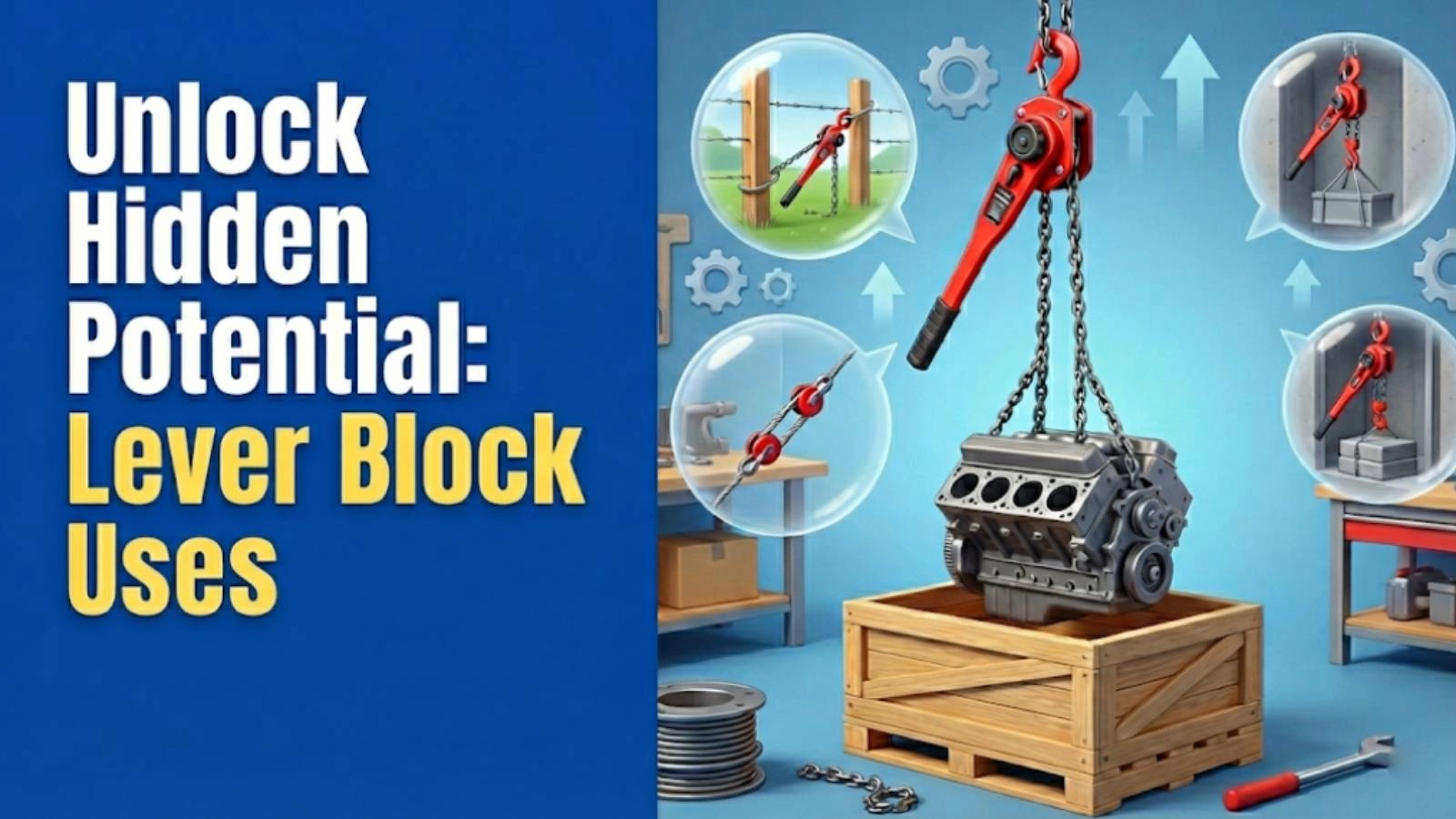
Lever blocks are incredibly versatile tools that can be used in a wide range of applications across various industries. They are commonly used for lifting, pulling, and positioning heavy loads in construction, manufacturing, mining, and transportation. Lever blocks can also be used for rigging, tensioning cables, and securing loads. Their adaptability makes them an essential piece of equipment for many businesses.
4.1. Mistake: Limiting to Basic Lifting
Assuming lever blocks are only suitable for simple vertical lifting tasks is a common mistake. This ignores their potential for pulling, tensioning, and positioning loads. To fully utilize a lever block, it is important to understand all its applications.
4.2. Solution: Exploring Versatility
Recognize that lever blocks can be used in various orientations and applications. Utilize them for horizontal pulling, cable tensioning, and precise load positioning tasks. This allows for greater flexibility and efficiency in completing a wider range of tasks. For many of our clients here in Jubail, we’ve seen that utilizing lever blocks horizontally significantly reduces project times.
4.3. Link Bait: Statistic
Did you know that lever blocks can reduce the time required for certain lifting tasks by up to 40% compared to manual methods? This increased efficiency can lead to significant cost savings and improved productivity.
5. ✅ Cost-Effective Lifting Solution
Compared to powered lifting equipment, lever blocks offer a cost-effective solution for many lifting applications. They require no electricity or fuel to operate, reducing energy costs and eliminating the need for power cords or generators. Lever blocks are also relatively inexpensive to purchase and maintain, making them a budget-friendly option for businesses of all sizes. They are also an excellent alternative to a chain hoist in many circumstances.
5.1. Mistake: Focusing Only on Initial Cost
Choosing the cheapest lever block without considering its long-term durability or maintenance requirements is a mistake. Ignoring the potential for increased productivity and reduced labor costs is also something to avoid. This can result in buying an inferior product that will cost more in the long run.
5.2. Solution: Evaluating Total Cost of Ownership
Assess the lever block’s build quality, warranty, and expected lifespan. Consider the savings from improved efficiency and reduced downtime. This ensures that you are making a sound investment that will provide long-term value. A critical thing to remember is that a lever block’s load capacity can greatly affect its utility for your jobs.
5.3. SSTC Recommendation
We at SSTC recommend considering the total cost of ownership. While a cheaper option may seem attractive initially, the long-term costs of maintenance and potential downtime can quickly outweigh the initial savings. We work to ensure we offer the best options for your budget.
6. Common Error: Improper Chain Maintenance
The chain is a critical component of a lever block, and proper maintenance is essential for ensuring its safe and reliable operation. Neglecting chain maintenance can lead to increased wear, corrosion, and potential failure. Regular inspection, lubrication, and cleaning are necessary to prolong the life of the chain and prevent accidents.
6.1. Mistake: Neglecting Chain Lubrication
Failing to regularly lubricate the chain leads to increased wear and corrosion. Using incorrect lubricants that can damage the chain or attract dirt and debris is also problematic. You should always use the correct lubricant.
6.2. Solution: Implementing a Lubrication Schedule
Establish a routine lubrication schedule using a manufacturer-recommended lubricant. Clean the chain before lubricating to remove contaminants that can accelerate wear. This helps to keep the chain in good condition and prevents premature failure. Always refer to the manufacturer’s instructions for proper maintenance procedures.
7. Common Error: Incorrect Rigging Practices
Rigging refers to the methods and equipment used to attach the lever block to the load and the support structure. Incorrect rigging practices can create dangerous situations and increase the risk of accidents. It is essential to use appropriate slings, shackles, and other rigging hardware and to follow proper load securement procedures.
7.1. Mistake: Using Damaged Slings or Shackles
Attaching the lever block to damaged or undersized slings and shackles is dangerous. Overlooking signs of wear or deformation on rigging hardware can lead to failure. Always use the correct gear, and ensure it is rated to hold the weight of the objects to be lifted.
7.2. Solution: Rigging Inspection and Training
Implement a rigging inspection program to identify and replace damaged hardware. Train operators on proper rigging techniques and load securement procedures. This ensures that all rigging hardware is in good condition and that operators know how to use it safely. Also, remember that different hoists offer different levels of load capacity.
8. Common Error: Overloading the Lever Block
Overloading a lever block is one of the most dangerous mistakes that can be made. Exceeding the safe working load (SWL) can cause the lever block to fail, resulting in the load dropping and potentially causing serious injury or damage. It is essential to know the lever block’s rated capacity and to never exceed it.
8.1. Mistake: Exceeding the Safe Working Load (SWL)
Attempting to lift loads that exceed the lever block’s rated capacity is a major mistake. Not accounting for dynamic loading factors, such as sudden impacts or jerks, is also an issue. This can cause catastrophic failure of the equipment.
8.2. Solution: Strict Adherence to Load Limits
Clearly mark the SWL on the lever block and enforce strict adherence to load limits. Use load cells or other monitoring devices to ensure loads remain within safe limits. This helps to prevent overloading and ensures the safe operation of the lever block. Never guess; always confirm the load’s weight.
9. Common Error: Using in Hazardous Environments
Using a standard lever block in hazardous environments can create a risk of explosion or fire. It is essential to use lever blocks that are specifically designed and rated for use in these environments. These lever blocks are constructed of materials that will not create sparks or generate heat, reducing the risk of ignition.
9.1. Mistake: Using Non-Spark Proof Equipment
Using standard lever blocks in environments with flammable materials is very risky. Creating a risk of explosion or fire can be catastrophic. Always ensure that you follow safety guidelines for the location in which you are working.
9.2. Solution: Explosion Proof Equipment
Always ensure the lever block is rated for use in explosive environments. Regularly check for damage to spark-proof features. This helps to prevent accidents and ensures the safety of personnel and equipment. Safe and Secure Trading Company can help you find the right lever block for your needs.
10. ✅ Summary: Top 3 Lever Block Advantages
Lever blocks offer numerous benefits, making them essential tools for various lifting and pulling applications. From increased lifting capacity to enhanced portability and versatility, lever blocks provide a reliable and cost-effective solution for material handling challenges.
10.1. Summary List
Here’s a summary of the top 3 advantages of lever blocks:
1. High Lifting Capacity: Enables lifting of heavy loads with relative ease.
2. Portability: Easy to move and use in different locations.
3. Versatility: Adaptable for various lifting and pulling applications.
11. Common Error: Lack of Training
Proper training is essential for the safe and effective use of lever blocks. Untrained operators are more likely to make mistakes that can lead to accidents or equipment damage. Training should cover topics such as proper rigging techniques, load securement procedures, and pre-use inspection checklists.
11.1. Mistake: Untrained Operators
Allowing untrained operators to use lever blocks can cause serious injury or damage to equipment. Only trained employees should operate these devices. Regular training should be conducted to ensure everyone is familiar with the safety requirements.
11.2. Solution: Certified Training
Provide certified training to all employees who will use lever blocks. Ensure that all operators understand proper use of the equipment. This helps to prevent accidents and ensures the safe operation of the lever block. When it comes to safety and industrial lifting, trust the experts at Safe and Secure Trading Company. We want to make sure that you can avoid any common errors.
12. Conclusion
Lever block advantages are undeniable, offering solutions for a multitude of lifting challenges. From enhanced lifting capacity to improved safety features, these manual hoists provide a versatile and cost-effective alternative to powered equipment. However, it’s essential to avoid common mistakes such as improper chain maintenance, incorrect rigging practices, and overloading. By adhering to proper safety procedures and implementing regular inspection and maintenance schedules, businesses can maximize the benefits of lever blocks while minimizing the risk of accidents. We are dedicated to ensuring that your operations are both safe and efficient.
FAQ Section
Q: What is a lever block and what is it used for?
A: A lever block is a manual hoist used for lifting, pulling, and positioning heavy loads. It utilizes a lever mechanism to provide mechanical advantage, allowing operators to lift loads that would be impossible to lift manually. Lever blocks are commonly used in construction, manufacturing, mining, and other industries where heavy materials need to be moved. They are also an excellent alternative to a “come along” in many circumstances.
Q: What are the main advantages of using a lever block?
A: The main lever block advantages include increased lifting capacity, enhanced portability, improved safety features, versatile applications, and cost-effectiveness. Lever blocks allow operators to lift heavy loads with relative ease, can be easily transported to different work sites, are equipped with safety features to protect both the operator and the load, can be used in a variety of applications, and are relatively inexpensive to purchase and maintain.
Q: How do I choose the right lever block for my needs?
A: When choosing a lever block, consider the load capacity, lift height, chain length, and safety features. Select a lever block with a sufficient load capacity for the heaviest loads you will be lifting. Ensure that the lift height and chain length are appropriate for your application. Look for safety features such as overload protection, slip-resistant handles, and durable chains. It’s also advisable to consider the reputation and reliability of the manufacturer. A higher load capacity will greatly extend the amount of jobs that the lever block can be used for.
Q: What are some common mistakes to avoid when using a lever block?
A: Common mistakes to avoid include underestimating load limits, neglecting safety checks, limiting the lever block to basic lifting tasks, focusing only on initial cost, improper chain maintenance, incorrect rigging practices, overloading the lever block, using the lever block in hazardous environments, and lack of training. Avoiding these mistakes can help to ensure safe and efficient operation.
Q: How do I maintain a lever block to ensure its safe and reliable operation?
A: To maintain a lever block, implement a routine lubrication schedule using a manufacturer-recommended lubricant. Clean the chain before lubricating to remove contaminants that can accelerate wear. Implement a rigging inspection program to identify and replace damaged hardware. Provide certified training to all employees who will use lever blocks. Regularly inspect the lever block for damage or wear. By implementing these maintenance procedures, you can help to ensure the safe and reliable operation of the lever block. Always remember hoist safety when using these devices.
Q: Can a lever block be used horizontally for pulling applications?
A: Yes, lever blocks can be used horizontally for pulling applications. They are commonly used for tensioning cables, moving equipment, and other pulling tasks. When using a lever block horizontally, ensure that the load is properly secured and that the lever block is aligned with the direction of pull. Be sure to also inspect the material handling properties of the lever block.
Q: What safety features should I look for in a lever block?
A: Important safety features to look for in a lever block include overload protection, slip-resistant handles, durable chains, and load-holding mechanisms. Overload protection prevents the lever block from being used beyond its rated capacity, reducing the risk of failure. Slip-resistant handles provide a secure grip, even in wet or oily conditions. Durable chains are essential for withstanding heavy loads and preventing breakage. Load-holding mechanisms ensure that the load remains securely in place, even if the operator releases the lever.
Q: Are lever blocks suitable for use in hazardous environments?
A: Standard lever blocks are not suitable for use in hazardous environments. However, lever blocks that are specifically designed and rated for use in hazardous environments are available. These lever blocks are constructed of materials that will not create sparks or generate heat, reducing the risk of ignition. Always ensure that you are using the appropriate lever block for the environment in which you are working. Remember, lever block advantages can only be realized with proper use.
Q: What type of training is required for operating a lever block safely?
A: Training for operating a lever block safely should cover topics such as proper rigging techniques, load securement procedures, pre-use inspection checklists, and the safe working load (SWL) of the lever block. Trainees should also learn how to identify potential hazards and how to respond in emergency situations. Certified training programs are available from various organizations and are highly recommended for all lever block operators.