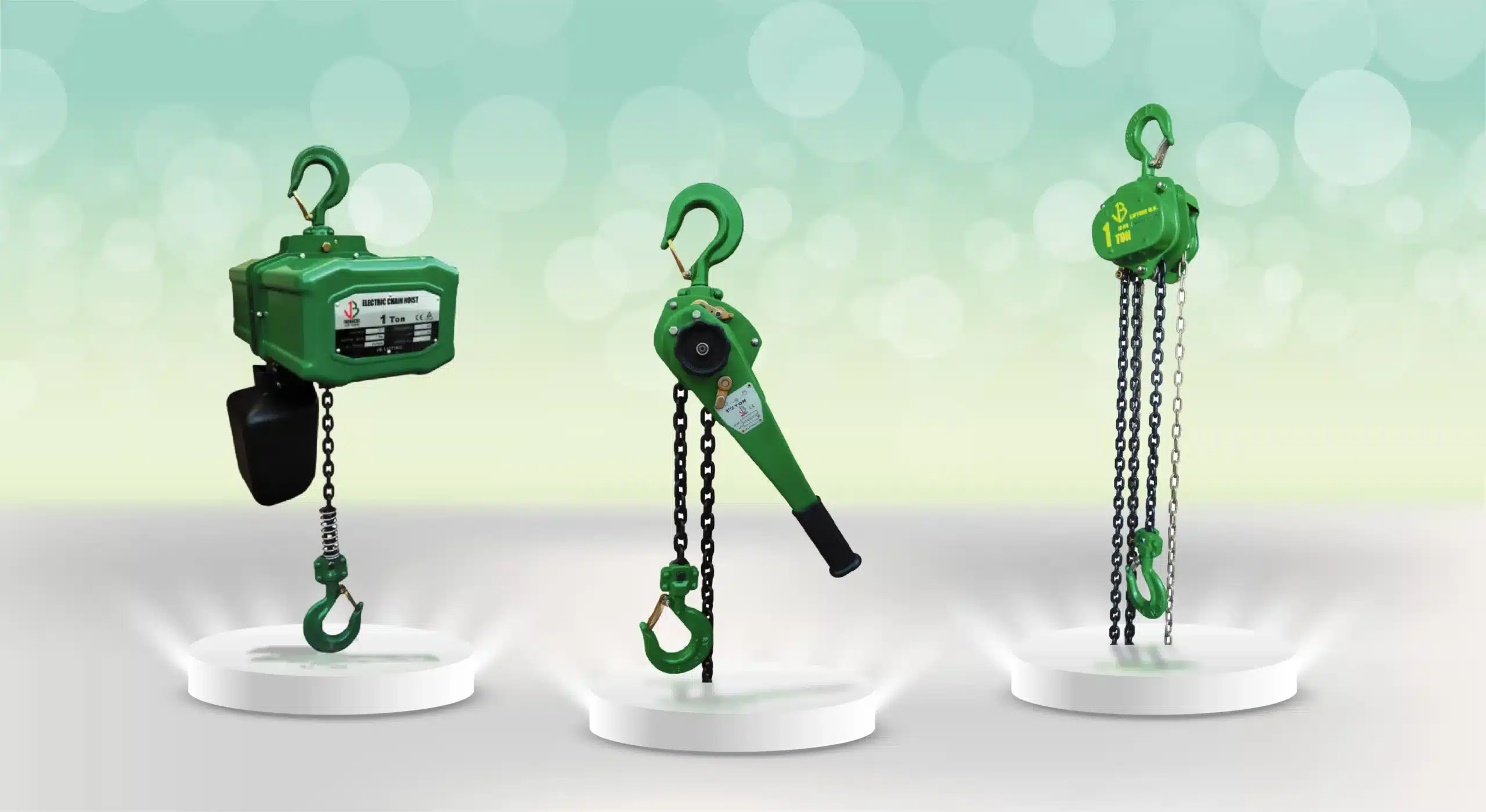
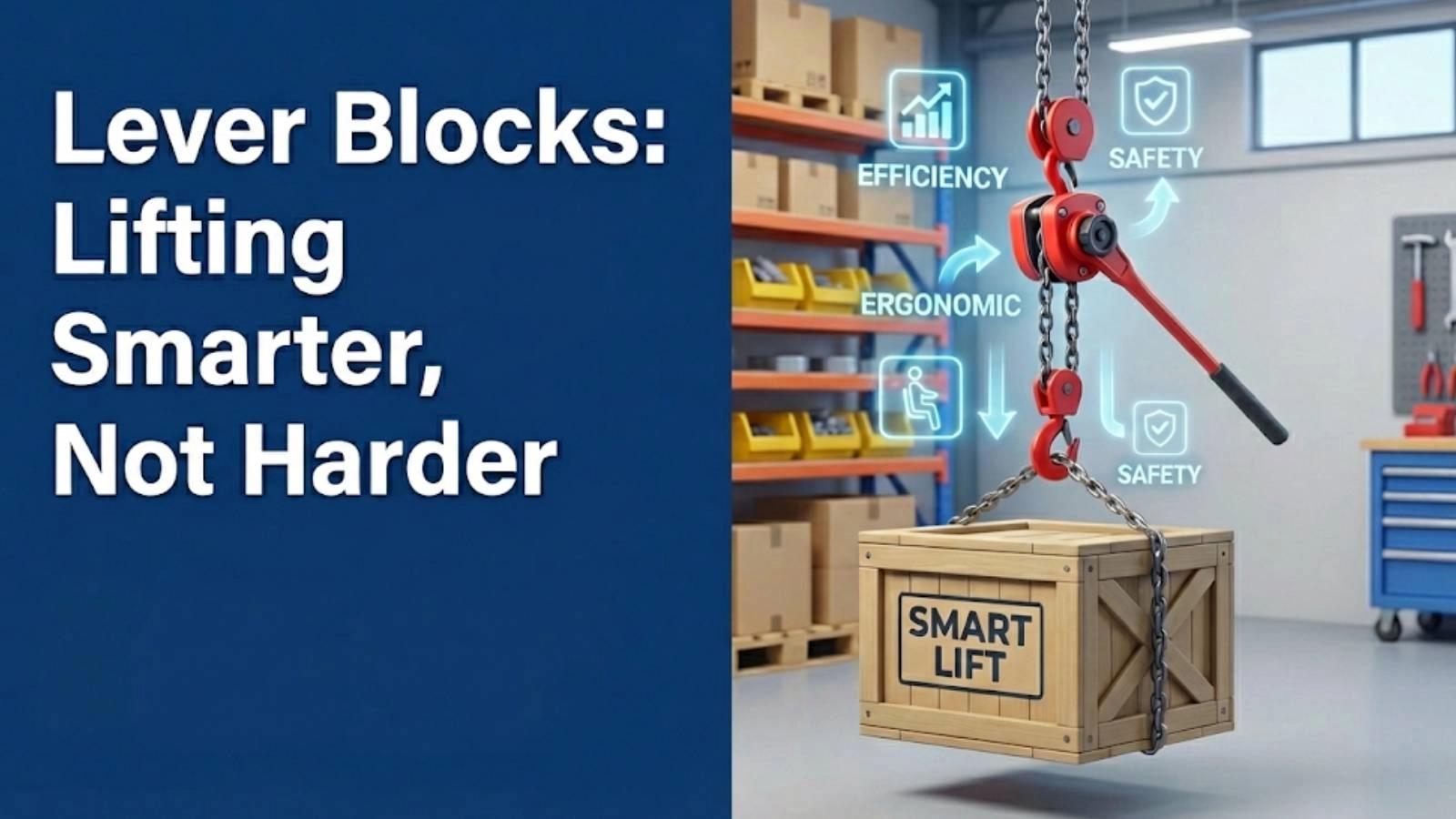
A lever block is an indispensable tool for lifting and pulling heavy loads, offering a portable and reliable solution where powered equipment isn’t feasible. Choosing the right lever block is critical for ensuring both safety and efficiency in your operations. A mismatched or substandard lever block can lead to accidents, equipment damage, and costly downtime. This guide provides actionable tips to help any lever block buyer make informed decisions, ensuring they select the right equipment for their needs.
Key Takeaways
- Understanding load capacity is crucial.
- Inspect the lever block before each use.
- Match the lever block to your lifting needs.
- Prioritize safety features.
- Consider environmental factors.
🤔 What Exactly is a Lever Block?
A lever block, also known as a lever hoist or lever hoist, is a manual lifting device that uses a ratchet and pawl mechanism to provide mechanical advantage. By pulling on a lever, the operator can lift, lower, or pull a load with relative ease. The heart of the lever block is its simple yet effective design. This design transforms a small input force into a much larger output force, allowing for the lifting of heavy objects without the need for external power sources.
Unlike electric hoists or even chain block systems that rely on gears and chains pulled by hand, a lever block’s defining characteristic is its lever-operated mechanism. This allows for precise control and makes it suitable for applications where fine adjustments are needed. In our experience with clients, the lever block’s portability and ease of use make it a favorite on job sites where power is unavailable or impractical.
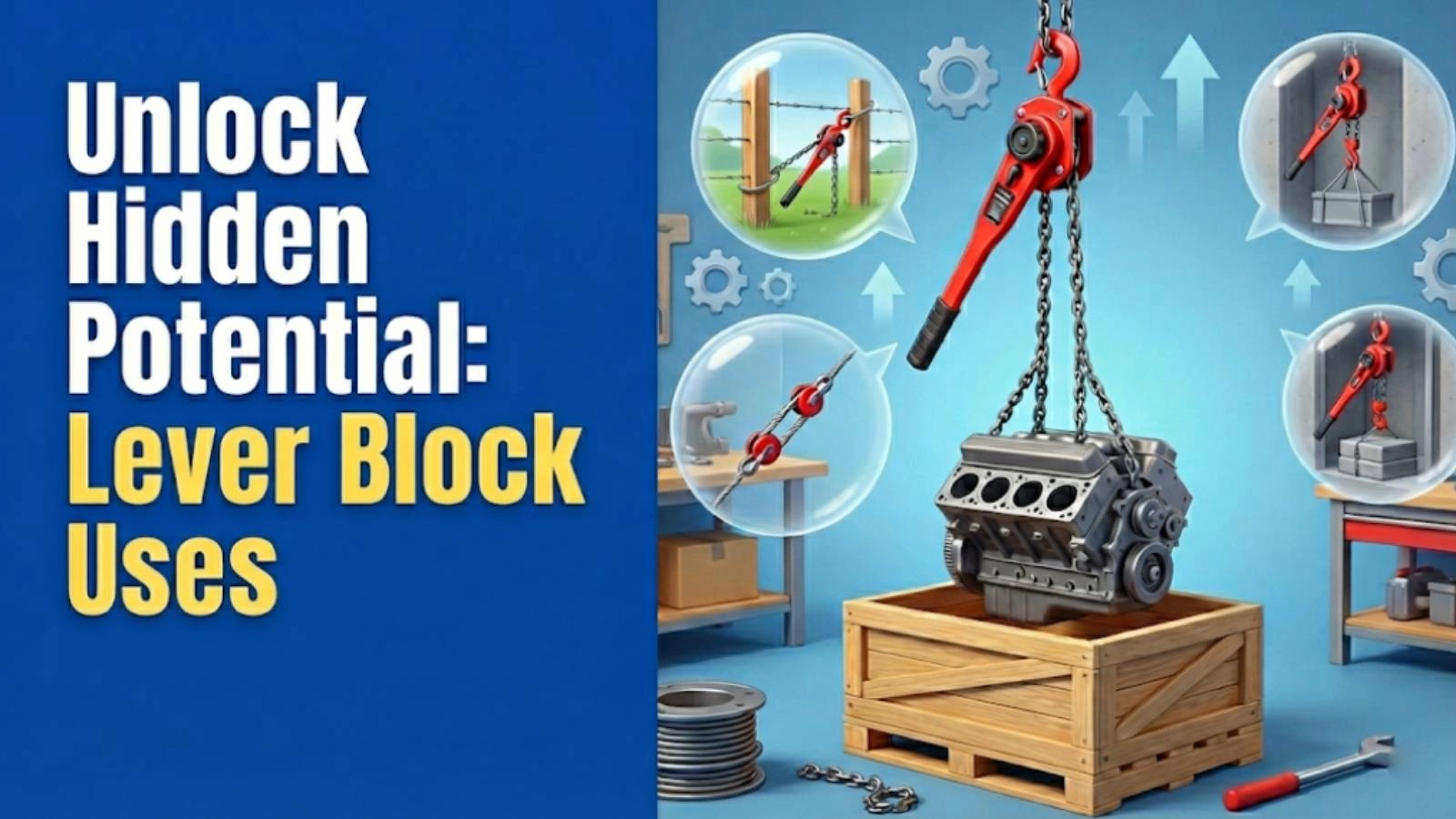
Common applications for lever blocks are vast and varied. In the construction industry, they are frequently used for lifting beams, positioning materials, and tensioning cables. Maintenance crews rely on them for repairing equipment, installing machinery, and performing overhead work. Even in forestry, a come along or lever block is employed for pulling logs, tensioning cables, and assisting in tree felling operations. We’ve consistently seen that the versatility of the lever block makes it an essential tool for a wide range of industries.
⚖️ Understanding Lever Block Capacity
Understanding the capacity of a manual hoist is paramount to safe and effective lifting operations. Overloading a lever block can lead to catastrophic failure, resulting in serious injury or property damage. Therefore, it’s essential to understand the key concepts related to lever block capacity.
The Working Load Limit (WLL) is the maximum weight that a lever block is designed to safely lift. This limit is clearly marked on the lever block itself and should never be exceeded. The WLL takes into account the design limitations of the lifting equipment, material strength, and safety factors to ensure safe operation. In many of our client interactions here in Dammam, Saudi Arabia, we’ve found that misunderstandings about WLL are a common source of safety concerns.
Safety factors are multipliers applied to the WLL to account for uncertainties in material strength, load conditions, and operating environments. For example, a lever block with a WLL of 1 ton might be designed with a safety factor of 4:1, meaning that the breaking strength of the components is four times the WLL. This provides a buffer against unexpected stresses and ensures that the lever block can withstand loads beyond its rated capacity. A common mistake we help businesses fix is failing to consider the safety factor when selecting industrial hoist equipment.
Determining the required hoist capacity for your specific needs involves several considerations. First and foremost, you must accurately determine the weight of the load you intend to lift. Always err on the side of caution and choose a lever block with a WLL that exceeds the weight of the load.
Dynamic loading factors also play a significant role in determining the appropriate lever block capacity. Dynamic loading refers to the additional forces imposed on the lever block due to sudden starts, stops, or impacts. For example, if you are lifting a load that is likely to swing or experience sudden jerks, you should increase the WLL of the lever block to account for these dynamic forces. In our experience, neglecting dynamic loading factors is a frequent cause of lever block failure.
🔍 Key Features to Consider
Selecting the right lever block involves carefully evaluating several key features that contribute to its performance, durability, and safety.
Chain Quality and Material
The chain is a critical component of any lever block, and its quality directly impacts the lever block’s strength and reliability. High-grade alloy steel chains are essential for ensuring that the lever block can withstand the stresses of heavy lifting.
High-grade alloy steel chains offer superior strength, durability, and resistance to wear and tear. These chains are typically heat-treated to further enhance their strength and toughness, making them suitable for demanding lifting applications. A client we once worked with experienced frequent chain failures due to using low-grade chains. By switching to high-grade alloy steel chains, they significantly reduced downtime and improved safety.
Identifying a quality chain involves several key indicators. Look for chains that are clearly marked with the manufacturer’s name, grade, and size. The chain should also be free from any visible defects, such as cracks, corrosion, or excessive wear. Additionally, quality chains will typically have a smooth, uniform finish and will not exhibit any signs of stretching or distortion.
Hook Design and Safety Latches
The hooks are another critical component of a lever block, and their design and construction play a significant role in ensuring safe and secure lifting.
Different types of hooks are available, each designed for specific applications. Common types include clevis hooks, eye hooks, and swivel hooks. Clevis hooks are designed to be easily attached to chains or other rigging hardware, while eye hooks provide a secure attachment point for slings or other lifting devices. Swivel hooks allow the load to rotate freely, preventing twisting and tangling.
Safety latches are an essential feature on any hook, as they prevent the load from accidentally disengaging from the hook. Safety latches are spring-loaded devices that automatically close the hook opening, providing a secure barrier against accidental slippage. For many of our clients here in Dammam, Saudi Arabia, we’ve seen firsthand how safety latches prevent accidents and injuries on the job site.
Braking Mechanism
A reliable braking system is crucial for ensuring safe and controlled lifting operations. The braking system prevents the load from slipping or free-falling, providing the operator with precise control over the lifting and lowering process.
Various types of braking systems are commonly used in lever blocks, including Weston-style brakes, friction brakes, and mechanical brakes. Weston-style brakes are self-actuating brakes that use a ratchet and pawl mechanism to prevent the load from slipping. Friction brakes rely on friction between two surfaces to slow or stop the load. Mechanical brakes use a mechanical linkage to apply braking force to the load. The braking mechanism is a vital safety feature of any gear hoist.
Handle Length and Ergonomics
The handle length and ergonomics of a lever block can significantly impact the amount of effort required to lift a load. A longer handle provides greater mechanical advantage, reducing the amount of force needed to operate the lever block.
Handle length directly affects the lifting effort required by the operator. A longer handle provides more leverage, making it easier to lift heavy loads. However, a longer handle can also be more cumbersome to operate in confined spaces. In our experience, finding the right balance between handle length and maneuverability is essential for maximizing operator comfort and efficiency.
Ergonomic design is also crucial for user comfort and safety. An ergonomically designed handle will be comfortable to grip and will minimize strain on the operator’s hands and wrists. Look for handles that are contoured to fit the hand and that are made from non-slip materials. When our team in KSA tackles this issue, they often find that investing in ergonomic tools improves worker productivity and reduces the risk of repetitive strain injuries.
🛡️ Prioritizing Safety: Essential Checks
Safety should always be the top priority when operating a lever block. Regular inspections, proper lifting techniques, and a thorough understanding of load charts and markings are essential for preventing accidents and ensuring safe lifting operations.
Pre-Use Inspection Checklist
Before each use, a thorough inspection of the lever block is essential. This inspection should include the following checks:
- Chain condition: Inspect the chain for any signs of wear, damage, or corrosion. Look for cracks, kinks, or excessive stretching.
- Hook integrity: Examine the hooks for any signs of cracks, deformation, or damage. Ensure that the safety latches are functioning properly.
- Brake function: Test the brake to ensure that it is holding the load securely. The brake should engage smoothly and prevent the load from slipping.
- Lever operation: Check the lever for smooth and easy operation. The lever should move freely without any binding or excessive resistance.
Proper Lifting Techniques
Using proper lifting techniques is essential for preventing accidents and ensuring safe lifting operations.
- Avoiding side loading: Side loading occurs when the load is not directly aligned with the lever block, causing excessive stress on the components. Always ensure that the load is centered beneath the lever block and that the lifting force is applied vertically.
- Ensuring a straight lift: A straight lift ensures that the load is lifted smoothly and evenly, without any jerking or swaying. Use tag lines to control the load and prevent it from swinging.
- Using the correct rigging hardware: Always use rigging hardware that is properly rated for the weight of the load. Ensure that shackles, slings, and other rigging hardware are in good condition and free from any defects.
Understanding Load Charts and Markings
Load charts and markings provide essential information about the lever block’s capacity and limitations.
- How to read and interpret load charts: Load charts typically indicate the WLL of the lever block, as well as any restrictions on its use. Familiarize yourself with the load chart for your specific lever block and follow its guidelines carefully.
- Verifying the lever block’s markings and certifications: Ensure that the lever block is clearly marked with its WLL, serial number, and manufacturer’s name. Also, verify that the lever block is certified by a reputable testing organization, such as ASME or ANSI.
⚙️ Maintenance and Care Tips
Proper maintenance and care are essential for prolonging the life of your lever block and ensuring its safe operation.
Cleaning and Lubrication
Regular cleaning and lubrication help to prevent corrosion, reduce wear, and ensure smooth operation.
- Recommended cleaning procedures: Clean the lever block regularly with a mild detergent and water. Remove any dirt, grease, or debris from the chain, hooks, and other moving parts.
- Appropriate lubricants for chain and moving parts: Use a high-quality lubricant specifically designed for chains and lifting equipment. Apply the lubricant to the chain, hooks, and other moving parts to reduce friction and prevent corrosion.
Storage Guidelines
Proper storage protects the lever block from the elements and prevents damage.
- Protecting the lever block from the elements: Store the lever block in a dry, sheltered location to protect it from rain, snow, and sunlight.
- Proper storage to prevent damage: Store the lever block in a manner that prevents it from being dropped, crushed, or otherwise damaged. Use a storage case or rack to keep the lever block organized and protected.
Regular Inspections and Servicing
Periodic professional inspections and servicing are essential for identifying and addressing any potential problems before they lead to accidents or equipment failure.
- Importance of periodic professional inspections: Schedule regular inspections by a qualified technician to identify any signs of wear, damage, or corrosion.
- When to replace worn or damaged parts: Replace any worn or damaged parts immediately to prevent accidents and ensure safe operation. Use only genuine replacement parts from the manufacturer.
🌎 Environmental Factors
The environment in which a lever block is used can significantly impact its performance and longevity.
Temperature Considerations
Extreme temperatures can affect the strength and performance of a lever block.
- Impact of extreme temperatures on lever block performance: High temperatures can reduce the strength of the chain and other components, while low temperatures can make the metal brittle and prone to cracking.
- Choosing lever blocks suitable for specific temperature ranges: Select lever blocks that are designed to operate within the temperature range of your specific environment. Consult the manufacturer’s specifications for temperature limitations.
Corrosive Environments
Corrosive environments, such as those found in coastal areas or chemical plants, can accelerate the deterioration of a lever block.
- Selecting lever blocks with corrosion-resistant coatings: Choose lever blocks with corrosion-resistant coatings, such as galvanizing or epoxy paint, to protect them from the effects of corrosion.
- Regular inspection for signs of corrosion: Inspect the lever block regularly for any signs of corrosion, such as rust or pitting. Address any corrosion promptly to prevent it from spreading.
Dust and Debris
Dust and debris can accumulate in the moving parts of a lever block, causing wear and reducing its performance.
- Protecting the lever block from dust and debris: Store the lever block in a clean, dry location to protect it from dust and debris.
- Cleaning procedures for dusty environments: Clean the lever block regularly with compressed air or a brush to remove any accumulated dust and debris.
💰 Budget and Value
When purchasing a lever block, it’s important to consider not only the initial price but also the long-term value and cost of ownership.
Balancing Price and Quality
Investing in a quality lever block is essential for ensuring safety and reliability.
- Why it’s important to invest in quality: Quality lever blocks are made from high-grade materials and are designed to withstand the stresses of heavy lifting. They are also more likely to be properly inspected and certified, ensuring their safety and reliability.
- Risks of choosing cheaper, inferior lever blocks: Cheaper, inferior lever blocks may be made from substandard materials and may not be properly inspected or certified. This can increase the risk of accidents and equipment failure.
Calculating the Total Cost of Ownership
Considering the total cost of ownership, including maintenance, repairs, and lifespan, can help you make a more informed purchasing decision.
- Considering maintenance, repairs, and lifespan: A higher-quality lever block may have a higher initial price, but it may also require less maintenance and last longer, resulting in lower total cost of ownership over its lifespan.
Finding Reputable Suppliers
Choosing a reputable supplier is essential for ensuring that you are purchasing a genuine, high-quality lever block.
- How to identify reliable lever block suppliers: Look for suppliers that have a good reputation, offer a wide selection of lever blocks, and provide excellent customer service.
- Checking for certifications and industry standards: Ensure that the lever blocks offered by the supplier are certified by a reputable testing organization, such as ASME or ANSI.
💡 Real-World Examples and Use Cases
Lever blocks are used in a wide variety of industries and applications.
- Construction: Lifting beams, positioning materials, and tensioning cables. We often see lever blocks used to precisely position heavy steel beams during building construction.
- Maintenance: Repairing equipment, installing machinery, and performing overhead work. Maintenance crews often use lever blocks to lift heavy motors or gearboxes for repair.
- Forestry: Pulling logs, tensioning cables, and assisting in tree felling operations. Loggers use lever blocks to pull logs out of difficult terrain or to tension cables for skidding operations.
“Always prioritize safety over cost when selecting lifting equipment. A small investment in quality can prevent catastrophic accidents.” – John Smith, Lead Safety Inspector
Conclusion
Choosing the right lever block buyer requires careful consideration of several factors, including capacity, key features, safety checks, maintenance, environmental factors, and budget. By following the guidelines outlined in this guide, you can make an informed decision and select a lever block that meets your specific needs and ensures safe and efficient lifting operations. As Safe and Secure Trading Company (SSTC), we’re committed to providing our clients with the best possible lifting solutions and expert advice.
FAQ Section
Q: What is the difference between a lever block and a chain block?
A: Both are manual hoists, but a lever block uses a lever and ratchet mechanism for lifting, offering more precise control and portability. A chain block utilizes a hand chain and pulley system.
Q: How often should I inspect my lever block?
A: Inspect your lever block before each use for any signs of wear, damage, or corrosion. Schedule regular professional inspections as well.
Q: Can I use a lever block to lift people?
A: No, lever blocks are designed for lifting materials only, not for lifting people. This practice is extremely dangerous.
Q: What does WLL mean?
A: WLL stands for Working Load Limit, which is the maximum weight a lever block is designed to safely lift.
Q: How do I know what size lever block I need?
A: Determine the weight of the load you need to lift, and select a lever block with a WLL that exceeds that weight. Account for any dynamic loading factors as well.