Lever Block Capacity Explained
A lever block is an essential piece of equipment in various industries, providing a reliable method for lifting and moving heavy loads. Understanding lever block capacity is crucial for ensuring safe and efficient operations. At Safe and Secure Trading Company (SSTC), we prioritize safety and aim to provide comprehensive guidance on using lifting equipment properly. This tutorial will walk you through the essential aspects of lever block capacity, covering everything from basic terminology to advanced troubleshooting tips.
Understanding Lever Block Basics
What is a Lever Block?
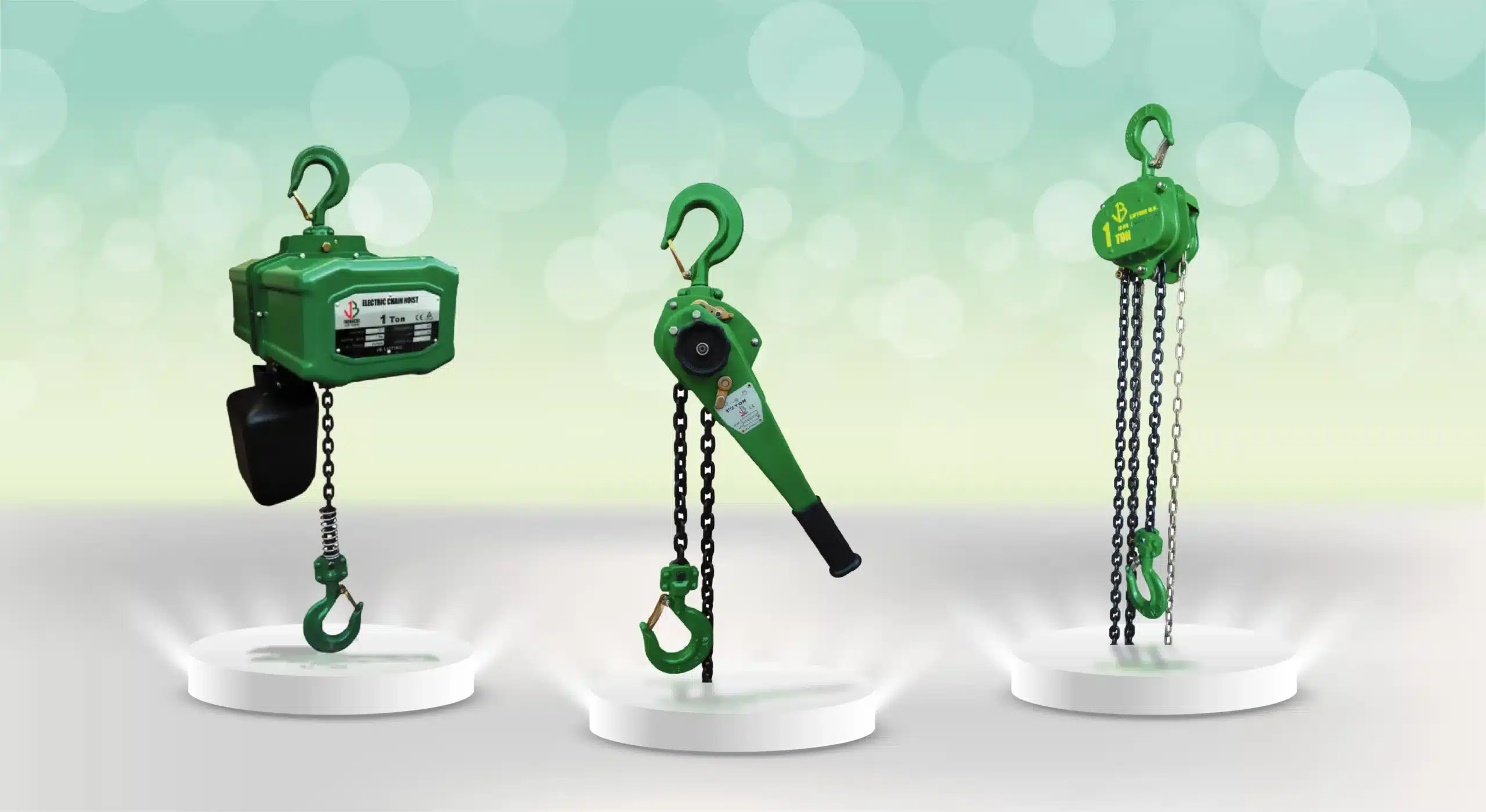
A lever block, also known as a chain hoist or lever hoist, is a manual lifting device used to lift, pull, and position heavy loads. It operates using a lever and gears to provide mechanical advantage, allowing a user to lift substantial weights with relatively little effort. This makes lever blocks invaluable in situations where powered lifting equipment is not available or practical.
The core principle behind a lever block is simple: it multiplies the force applied to the lever arm through a series of gears. This mechanical advantage allows the user to lift heavy objects with a significantly reduced force. For example, a lever block with a 4:1 mechanical advantage means that for every one unit of force applied to the lever, the block can lift four units of weight.
How it Works: Mechanical Advantage Explained Simply for Beginners
The lever block’s operation relies on a ratchet and pawl mechanism, which ensures the load remains securely in place once lifted. When the lever is pulled, the chain moves through the block, raising or lowering the load. The pawl engages with the ratchet wheel to prevent the chain from slipping back, providing a secure hold.
To further illustrate, imagine you’re using a lever block to lift an engine in your garage. By pulling the lever, you’re engaging a series of gears that multiply your force. The ratchet and pawl mechanism acts like a set of tiny, reliable brakes, holding the engine securely at each point of the lift. This controlled, step-by-step movement makes lever blocks incredibly safe and precise for overhead lifting tasks.
Common Uses: Construction, Workshops, Garages, and More
Lever blocks are used in a wide range of industries and applications due to their versatility and ease of use. In construction, they are used for lifting materials, positioning structures, and rigging heavy components. Workshops and garages often employ lever blocks for engine lifting, machinery maintenance, and general material handling. Even in forestry, lever blocks are essential tools.
Their portability and manual operation make them ideal for remote or confined spaces where electric or hydraulic hoists may not be suitable. We once had a client in the construction industry who relied on lever blocks to install steel beams in tight urban environments. The ability to precisely position heavy beams in areas with limited access was crucial to the project’s success.
Key Terminology: SWL, WLL, and Capacity
Understanding the terminology associated with lever block capacity is essential for safe and effective operation. The terms Safe Working Load (SWL), Working Load Limit (WLL), and Rated Capacity are often used interchangeably, but it’s important to understand their specific meanings to prevent accidents and ensure compliance with safety regulations.
Defining Safe Working Load (SWL): What it Means and Why It’s Important
Safe Working Load (SWL) refers to the maximum load that a lever block is designed to lift safely. This load is determined by the manufacturer and is typically marked on the block’s label. The SWL takes into account various factors, including the strength of the components, the design of the block, and the intended use. Exceeding the SWL can lead to equipment failure, injury, or even death.
The SWL is not just a number; it’s a critical safety guideline that should never be ignored. We at SSTC emphasize the importance of adhering to the SWL to ensure the safety of workers and the integrity of the lifting equipment. Ignoring the SWL is like ignoring the speed limit on a highway—you might get away with it for a while, but eventually, there will be consequences.
Understanding Working Load Limit (WLL): How It Differs from SWL
Working Load Limit (WLL) is another term for the maximum load that a lever block is designed to lift. In many modern standards, WLL has replaced SWL, but the meaning remains the same. WLL represents the load that the equipment can safely handle under normal operating conditions. It is often used in conjunction with a safety factor, which is a multiplier that reduces the WLL to account for uncertainties and potential risks.
The key difference between SWL and WLL is that WLL is often used in a more comprehensive safety assessment. For example, when our team in Dubai tackles this issue, they often find that regulations require a specific safety factor to be applied to the WLL, further reducing the allowable load. This ensures an extra margin of safety in demanding environments.
Explaining Rated Capacity: The Maximum Load the Block is Designed to Lift
Rated Capacity is the maximum weight a lever block is engineered to handle. It’s the definitive limit set by the manufacturer, often displayed prominently on the equipment. This rating considers the strength of all components – the chain, hooks, gears, and lever – and is determined through rigorous testing. Exceeding the rated capacity is extremely dangerous and can cause catastrophic failure.
To put it plainly, the rated capacity is the “do not exceed” mark. Think of it as the red line on your car’s tachometer; going over it risks serious damage. Make sure you are selecting the correct gear for your lever block capacity. Always ensure the load weight is well below the rated capacity to maintain a safe working environment.
Determining Lever Block Capacity
Reading the Manufacturer’s Label
The most reliable way to determine a lever block’s capacity is by reading the manufacturer’s label. This label typically contains essential information about the block, including the SWL, WLL, and other relevant specifications. Always refer to the manufacturer’s label before using a lever block.
Locating the Capacity Markings: Where to Find the Information on the Block
The capacity markings are usually found on the body of the lever block, often near the lever or the hook. Look for a clearly visible plate or stamped marking that indicates the SWL or WLL. The markings should be durable and resistant to wear and tear. If the label is missing or illegible, the lever block should not be used until the capacity can be verified.
[IMAGE: Close-up photo of a lever block’s label, clearly showing the capacity markings and units of measurement.]
Understanding the Units of Measurement: Tons, Kilograms, Pounds
Lever block capacity can be expressed in various units of measurement, including tons, kilograms, and pounds. It’s essential to understand these units and be able to convert between them if necessary. For example, 1 metric ton is equal to 1000 kilograms, and 1 short ton is equal to 2000 pounds. Always ensure that you are using the correct units when determining the load weight and selecting the appropriate lever block.
Here’s a quick conversion reference for you:
| Unit |
Conversion |
| 1 Metric Ton |
1000 Kilograms |
| 1 Short Ton |
2000 Pounds |
| 1 Kilogram |
2.20462 Pounds |
Identifying the Chain or Wire Rope Grade
The grade of the chain or wire rope used in a lever block plays a critical role in determining its overall capacity. Higher-grade chains and ropes are stronger and can withstand greater loads. Identifying the grade of the chain or rope is essential for ensuring that the lever block is used within its intended limits.
Why Chain/Rope Grade Matters: Its Impact on Overall Capacity
The chain or wire rope is a primary load-bearing component of the lever block. Its tensile strength directly affects the maximum weight the block can safely lift. Using a chain or rope with a lower grade than specified by the manufacturer can lead to catastrophic failure and serious accidents.
How to Identify the Grade: Look for Markings on the Chain or Rope
The grade of the chain or rope is typically marked on the links or the rope itself. Look for stamped markings or color codes that indicate the grade. Common grades for chains include Grade 80, Grade 100, and Grade 120. For wire ropes, look for markings that indicate the wire type and construction.
[IMAGE: A detailed image showing how to identify the grade markings on a lever block chain.]
Matching the Chain/Rope to the Block’s Specifications
Always ensure that the chain or rope used with a lever block matches the manufacturer’s specifications. Using a mismatched chain or rope can compromise the safety and integrity of the lifting system. If you are unsure about the correct chain or rope grade, consult the manufacturer’s documentation or a qualified rigger.
Calculating Capacity Based on Components (Advanced)
In some situations, the manufacturer’s label may be missing or damaged, making it necessary to calculate the lever block capacity based on the strength of its individual components. This method requires a thorough understanding of the materials and engineering principles involved. It is important to note that this calculation should only be performed by qualified individuals with the necessary expertise.
When to Calculate Capacity: If the Label is Missing or Damaged
If the manufacturer’s label is missing or illegible, it may be necessary to calculate the lever block capacity based on the strength of its components. This is a complex process that requires detailed knowledge of the materials and engineering principles involved. Always exercise caution and consult a qualified professional if you are unsure about the capacity of a lever block.
Understanding Component Strengths: Chain, Hooks, and Lever
The capacity of a lever block is limited by the weakest component in the system. Therefore, it’s essential to understand the strength of each component, including the chain, hooks, and lever. The strength of each component is typically expressed in terms of its tensile strength or breaking strength.
Formulas for Calculating Capacity (Simplified for Beginners)
While a full engineering calculation is complex, a simplified estimate can be made by identifying the component with the lowest rated strength and applying a safety factor. For example, if the chain has a breaking strength of 10,000 lbs and a safety factor of 4 is required, the estimated capacity would be 2,500 lbs.
Important Safety Note: This calculation is for informational purposes only. Always defer to the manufacturer’s label when available. If there’s any doubt, consult a professional rigger.
Maximizing Lever Block Efficiency (Safely!)
Choosing the Right Lever Block for the Job
Selecting the appropriate lever block for the task at hand is paramount for ensuring safety and efficiency. Factors such as load weight, lift height, and environmental conditions should all be taken into consideration when choosing a lever block.
Assessing the Load Weight: Accurately Determine the Weight of the Object
Before using a lever block, accurately determine the weight of the object to be lifted. Exceeding the lever block capacity is a serious safety hazard. Use a load cell or other weight-measuring device to ensure that the load weight is within the lever block’s limits.
Considering the Lift Height: Ensuring the Chain/Rope is Long Enough
Ensure that the chain or rope is long enough to accommodate the required lift height. Using a lever block with an insufficient chain length can create hazardous situations and limit the block’s effectiveness. Always verify that the chain length is adequate before beginning the lift.
Environmental Factors: Temperature, Weather, and Corrosive Substances
Environmental factors such as temperature, weather, and corrosive substances can affect the performance and lifespan of a lever block. Extreme temperatures can weaken the components, while corrosive substances can cause rust and other damage. Choose a lever block that is designed to withstand the specific environmental conditions in which it will be used.
Proper Rigging Techniques
Proper rigging techniques are essential for safe and effective lever block operation. Using the correct slings and attachments, avoiding sharp bends, and ensuring a balanced load distribution are all critical for preventing accidents and maximizing efficiency.
Using the Correct Slings and Attachments
Use slings and attachments that are appropriate for the load weight and the type of object being lifted. Ensure that the slings and attachments are in good condition and free from damage or defects. Always follow the manufacturer’s instructions for proper use and maintenance.
Avoiding Sharp Bends or Kinks in the Chain/Rope
Sharp bends or kinks in the chain or rope can significantly reduce its strength and increase the risk of failure. Avoid creating sharp bends or kinks during rigging and lifting operations. Use proper rigging hardware to maintain a smooth and even load distribution.
Ensuring a Secure and Balanced Load Distribution
Ensure that the load is securely attached to the lever block and that the weight is evenly distributed. An unbalanced load can create instability and increase the risk of accidents. Use multiple slings or attachments to distribute the weight evenly and maintain a stable lifting configuration.
[IMAGE: Diagram illustrating proper rigging techniques for a lever block, showing correct sling placement and load distribution.]
Safe Operation Practices
Safe operation practices are essential for preventing accidents and injuries when using lever blocks. Pre-use inspections, smooth and controlled lifting, and keeping clear of the load path are all critical for maintaining a safe working environment.
Pre-Use Inspection: Checking for Wear, Damage, or Defects
Before each use, inspect the lever block for signs of wear, damage, or defects. Check the chain or rope for kinks, corrosion, or broken strands. Inspect the hooks for bending, cracking, or deformation. Ensure that the lever operates smoothly and that the brake mechanism is functioning properly.
Smooth and Controlled Lifting: Avoiding Sudden Jerks or Drops
Lift the load smoothly and in a controlled manner, avoiding sudden jerks or drops. Jerky movements can create excessive stress on the lever block and increase the risk of failure. Maintain a steady and consistent lifting speed to ensure a safe and controlled operation.
Keeping Clear of the Load Path: Ensuring a Safe Working Environment
Keep clear of the load path during lifting operations to avoid being struck by the load or falling objects. Establish a designated safety zone around the lifting area and ensure that all personnel are aware of the potential hazards. Always prioritize safety and maintain a clear and unobstructed work area.
Common Mistakes and How to Avoid Them
Overloading the Lever Block
Overloading a lever block is one of the most dangerous mistakes that can be made. It can lead to catastrophic failure, resulting in serious injury or death. Understanding the dangers of overloading and how to prevent it is crucial for ensuring a safe working environment.
The Dangers of Exceeding the Capacity: Chain Breakage, Equipment Failure, Injury
Exceeding the lever block capacity puts excessive stress on the components, increasing the risk of chain breakage, hook deformation, and other equipment failures. These failures can cause the load to drop unexpectedly, resulting in serious injury or death. Never exceed the lever block’s rated capacity.
How to Prevent Overloading: Using a Load Cell or Other Weight-Measuring Device
To prevent overloading, use a load cell or other weight-measuring device to accurately determine the weight of the object to be lifted. This will help you select the appropriate lever block and ensure that you stay within its capacity limits. Regular calibration of the weight-measuring device is also important to maintain accuracy.
Recognizing Signs of Overloading: Excessive Strain, Unusual Noises
Be aware of the signs of overloading, such as excessive strain on the chain or rope, unusual noises coming from the lever block, or difficulty operating the lever. If you notice any of these signs, immediately stop the lifting operation and reduce the load weight.
Using Damaged or Worn Equipment
Using damaged or worn equipment is another common mistake that can lead to accidents and injuries. Regular inspections and maintenance are essential for identifying and addressing potential problems before they become safety hazards.
Identifying Common Types of Damage: Bent Hooks, Cracked Housings, Worn Chains
Common types of damage to look for include bent hooks, cracked housings, worn chains, and damaged levers. Any of these conditions can compromise the safety and integrity of the lever block. If you find any damage, remove the lever block from service and have it repaired or replaced.
The Importance of Regular Inspections: Establishing a Maintenance Schedule
Establish a regular inspection schedule to identify and address potential problems before they become safety hazards. Inspections should be performed by qualified personnel and should include a thorough examination of all components. Document all inspections and maintain records of any repairs or replacements.
When to Replace Components or the Entire Block: Safety Guidelines
Follow the manufacturer’s safety guidelines for when to replace components or the entire lever block. Generally, components should be replaced if they show signs of significant wear, damage, or corrosion. If the lever block has been subjected to overloading or other abuse, it should be removed from service and replaced.
Ignoring Environmental Factors
Ignoring environmental factors can also lead to equipment failure and accidents. Extreme temperatures, corrosive substances, and improper storage can all affect the performance and lifespan of a lever block.
The Impact of Extreme Temperatures: Heat Treating and Cold Weather Considerations
Extreme temperatures can weaken the components of a lever block, reducing its capacity and increasing the risk of failure. High temperatures can cause the metal to lose its strength, while low temperatures can make it brittle. Choose a lever block that is designed to withstand the specific temperature range in which it will be used.
Corrosion Prevention: Protecting the Block from Rust and Other Damage
Corrosive substances can cause rust and other damage to the lever block, compromising its strength and integrity. Protect the lever block from exposure to corrosive substances by cleaning it regularly and applying a protective coating. Store the lever block in a dry and well-ventilated area to prevent corrosion.
Proper Storage: Keeping the Block Clean and Dry When Not in Use
Proper storage is essential for maintaining the condition and extending the lifespan of a lever block. Store the lever block in a clean and dry area, away from direct sunlight and extreme temperatures. Protect it from dust, dirt, and other contaminants.
Maintenance and Inspection
Regular Inspection Checklist
Regular inspections are crucial for maintaining the safety and reliability of lever blocks. A comprehensive inspection checklist should include visual checks, functional testing, and chain/rope lubrication.
Visual Inspection: Checking for Obvious Damage or Wear
The visual inspection should cover all parts of the lever block, including the chain, hooks, body, and lever. Look for any signs of damage, wear, or corrosion. Check for bent or cracked hooks, worn or damaged chain links, and any other visible defects.
Functional Testing: Ensuring Smooth Operation and Proper Braking
Functional testing involves operating the lever block to ensure that it functions smoothly and that the braking mechanism is working properly. Check that the lever moves freely and that the chain engages properly. Verify that the brake holds the load securely without slippage.
Chain/Rope Lubrication: Maintaining Optimal Performance
Proper lubrication is essential for maintaining the optimal performance of the chain or rope. Lubricate the chain or rope regularly with a high-quality lubricant to reduce friction and prevent wear. Follow the manufacturer’s recommendations for the type and frequency of lubrication.
Documenting Inspections: Keeping Records of Findings and Repairs
Keep detailed records of all inspections, including the date, findings, and any repairs or replacements made. This documentation provides a valuable history of the lever block’s condition and can help identify potential problems before they become safety hazards.
Professional Servicing
While regular maintenance can be performed in-house, professional servicing is recommended for complex repairs or certifications. Engaging qualified service providers ensures that the lever block is properly maintained and meets all safety standards.
When to Seek Professional Help: Complex Repairs or Certifications
Seek professional help when complex repairs are needed, such as replacing damaged gears or overhauling the braking mechanism. Professional servicing is also necessary for obtaining certifications that demonstrate compliance with safety standards.
Finding Qualified Service Providers: Checking Credentials and Experience
When selecting a service provider, check their credentials and experience. Ensure that they are certified and have a proven track record of providing quality service. Ask for references and verify their qualifications before entrusting them with your lever block.
Benefits of Professional Maintenance: Extended Lifespan and Improved Safety
Professional maintenance offers numerous benefits, including extended lifespan of the lever block, improved safety, and compliance with safety regulations. Regular professional servicing can identify and address potential problems before they lead to costly repairs or accidents.
Troubleshooting Common Issues
Chain Slippage
Chain slippage is a common issue that can occur with lever blocks. It can be caused by worn pawls, contaminated chain, or other factors.
Causes of Chain Slippage: Worn Pawls, Contaminated Chain
Worn pawls are a common cause of chain slippage. The pawls are small, spring-loaded levers that engage with the chain to prevent it from slipping backward. If the pawls are worn or damaged, they may not engage properly, allowing the chain to slip. A contaminated chain, covered in dirt and grime, will also cause the chain to slip.
Solutions: Cleaning, Lubricating, or Replacing the Chain/Pawls
To resolve chain slippage, start by cleaning and lubricating the chain. If the slippage persists, inspect the pawls for wear or damage. If the pawls are worn, they should be replaced. In some cases, the entire chain may need to be replaced if it is excessively worn or damaged.
Lever Jamming
Lever jamming can be a frustrating and potentially dangerous issue. It can be caused by obstructions, bent components, or other factors.
Causes of Lever Jamming: Obstructions, Bent Components
Obstructions in the lever mechanism can cause the lever to jam. This can be caused by dirt, debris, or other foreign objects. Bent components, such as the lever arm or the ratchet wheel, can also cause the lever to jam.
Solutions: Removing Obstructions, Repairing or Replacing Damaged Parts
To resolve lever jamming, start by inspecting the lever mechanism for obstructions. Remove any dirt, debris, or other foreign objects that may be causing the jamming. If the jamming persists, inspect the components for bending or damage. Replace any damaged parts to restore smooth lever operation.
Load Not Holding
If the lever block is not holding the load securely, it could indicate a brake failure or worn components. This is a serious safety issue that should be addressed immediately.
Causes of Load Not Holding: Brake Failure, Worn Components
Brake failure is a common cause of the load not holding. The braking mechanism is designed to prevent the load from slipping backward. If the brake is not functioning properly, the load may not be held securely. Worn components, such as the brake pads or the ratchet wheel, can also cause the load not to hold.
Solutions: Inspecting and Repairing the Braking Mechanism, Replacing Worn Parts
To resolve the load not holding issue, inspect the braking mechanism for damage or wear. Replace any worn brake pads or other components. If the brake is not functioning properly, it may need to be repaired or replaced. Ensure that all repairs are performed by qualified personnel.
> “Always double-check your equipment before starting any lifting operation. A few extra minutes of inspection can prevent serious accidents and save lives.” – John Smith, Lead Safety Inspector
Expert Tips and Best Practices
Choosing the Right Chain for Your Lever Block
Selecting the correct chain for your lever block is essential for ensuring safe and efficient operation. The chain must be compatible with the lever block and strong enough to handle the intended load.
Consider the Material: Alloy Steel vs. Other Options
Alloy steel chains are the most common and recommended choice for lever blocks due to their high strength and durability. Other chain materials may not be suitable for heavy-duty lifting applications. Always choose an alloy steel chain that meets or exceeds the lever block’s specifications.
Check the Diameter: Ensuring a Proper Fit for Your Block
The chain diameter must be compatible with the lever block’s chain wheel and pawl mechanism. Using a chain that is too small or too large can cause slippage, jamming, or other problems. Consult the manufacturer’s specifications to determine the correct chain diameter for your lever block.
Regularly Inspect your chain: Catching damage before it leads to failure
Regularly inspect the chain for signs of wear, damage, or corrosion. Look for stretched links, cracks, or other defects. Replace the chain immediately if any damage is found. A damaged chain can fail unexpectedly, causing serious injury or death.
Improving Lifting Efficiency
Improving lifting efficiency can save time and reduce the risk of accidents. Proper lubrication, a clean working environment, and proper storage are all essential for maximizing lifting efficiency.
Use proper lubrication: Reducing friction and wear
Proper lubrication reduces friction and wear on the lever block’s moving parts, making it easier to operate and extending its lifespan. Lubricate the chain, lever mechanism, and other moving parts regularly with a high-quality lubricant.
Maintain a clean working environment: Preventing contamination
A clean working environment prevents dirt, debris, and other contaminants from entering the lever block and causing damage or malfunction. Keep the lever block clean and free from obstructions.
Store properly: Protect your equipment from the elements
Proper storage protects the lever block from the elements and prevents corrosion or other damage. Store the lever block in a dry, clean, and protected area when not in use.
Conclusion
You’ve successfully learned about lever block capacity, how to determine it, and how to maximize its efficiency while maintaining safety. By understanding the key terminology, performing regular inspections, and following safe operating practices, you can ensure that your lever block operates safely and efficiently for years to come. We at SSTC are dedicated to providing you with the knowledge and equipment you need to ensure a safe and productive working environment. We are confident that following this guide will enhance your understanding of lever block capacity.
FAQ Section
Q: What is the difference between SWL and WLL?
A: SWL (Safe Working Load) and WLL (Working Load Limit) both refer to the maximum load a lever block is designed to lift safely. In modern standards, WLL has largely replaced SWL, but their meanings remain the same.
Q: How often should I inspect my lever block?
A: Lever blocks should be inspected before each use and regularly, based on usage frequency and environmental conditions. A thorough inspection should be conducted at least every three months.
Q: What should I do if I suspect my lever block is overloaded?
A: Immediately stop the lifting operation and reduce the load weight. Inspect the lever block for any signs of damage or strain. If you are unsure about the capacity of the lever block, consult a qualified professional.
Q: Can I use a longer chain than the one that came with my lever block?
A: Using a longer chain than the one specified by the manufacturer is not recommended, as it can affect the lever block’s capacity and safety. Always use a chain that meets the manufacturer’s specifications.
Q: How do I choose the right lever block for my job?
A: Consider the load weight, lift height, and environmental conditions when choosing a lever block. Select a lever block with a capacity that exceeds the load weight and a chain length that is adequate for the lift height. Choose a lever block that is designed to withstand the specific environmental conditions in which it will be used.