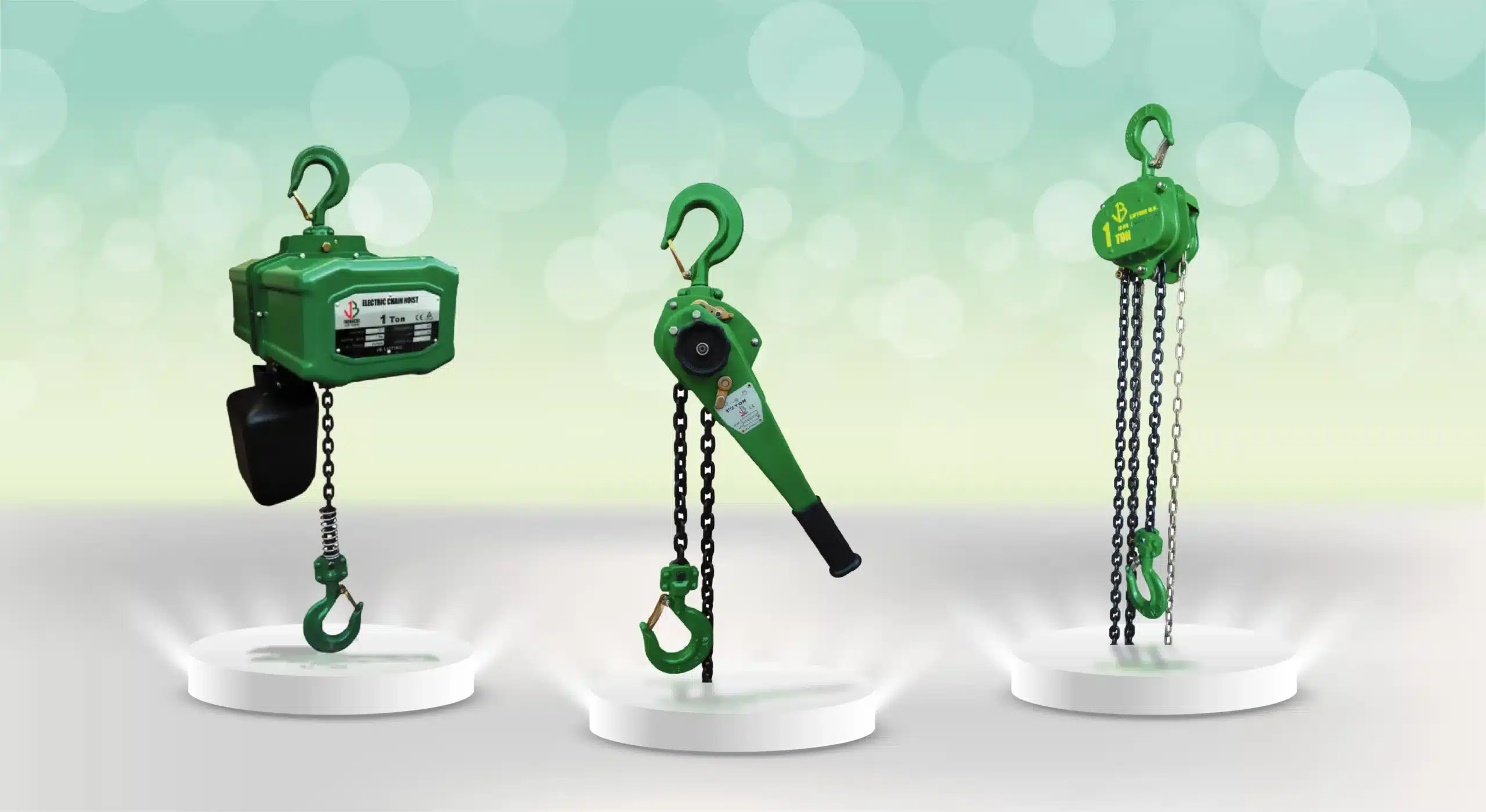
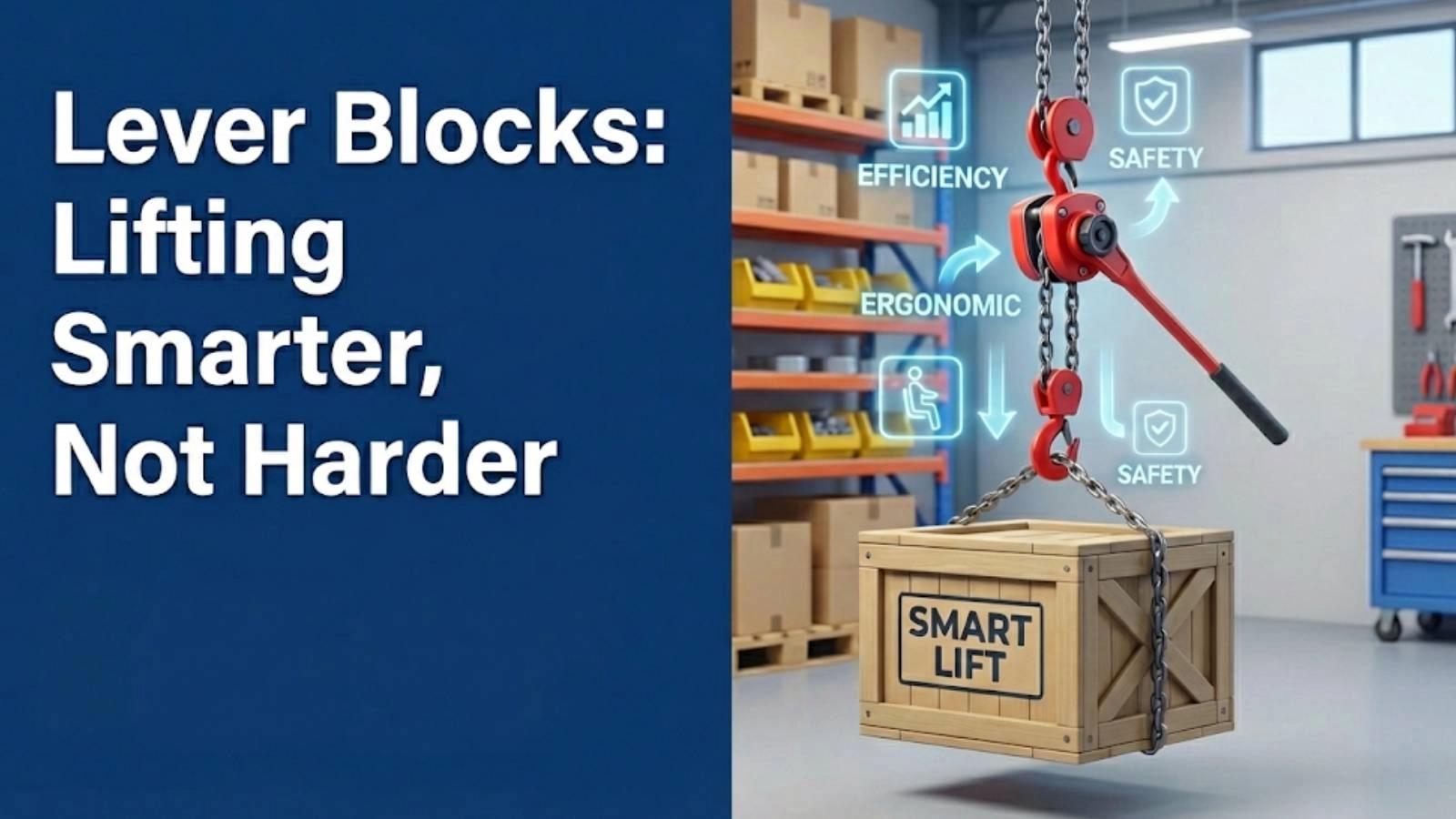
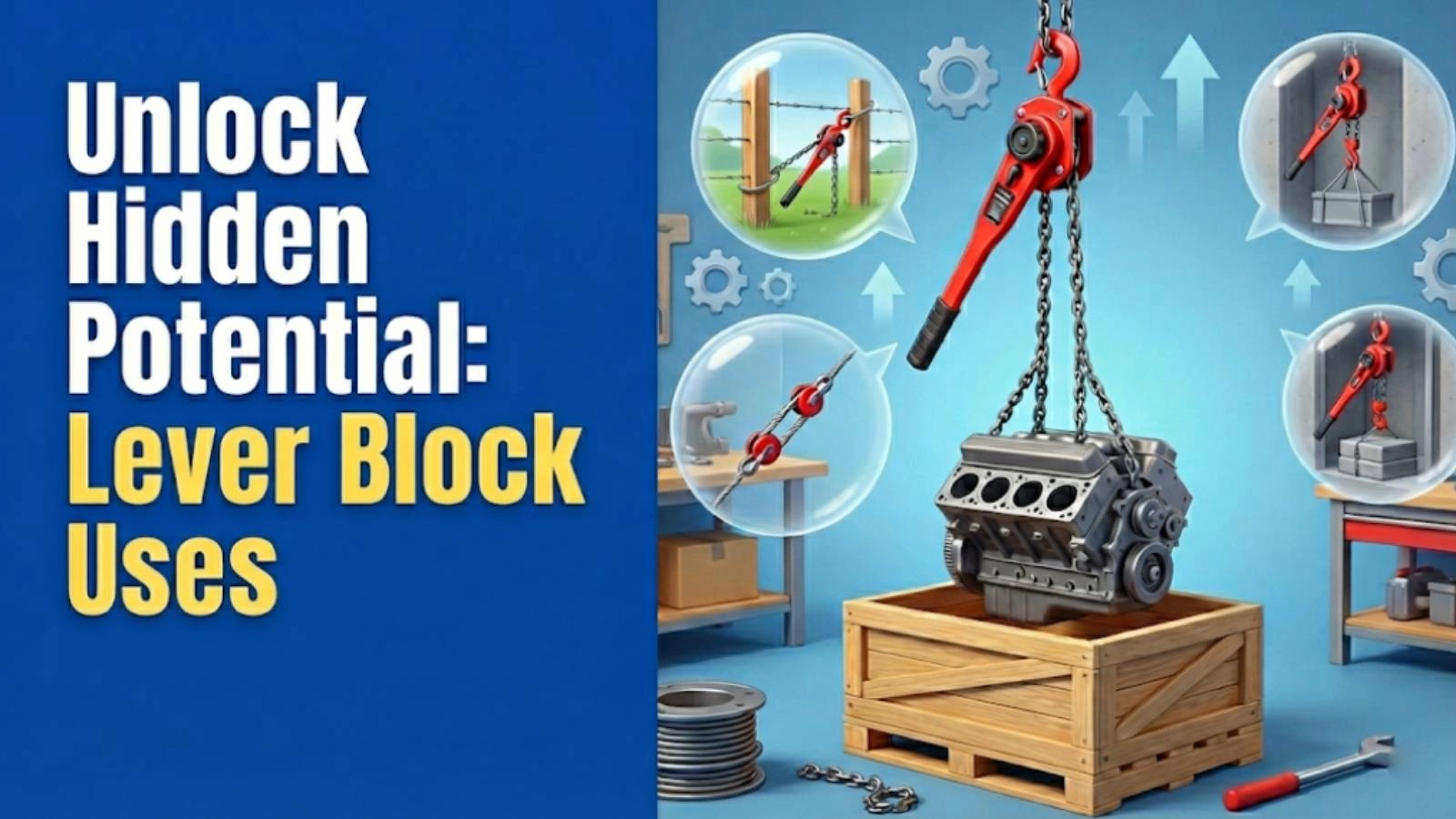
Lever blocks are a staple on construction sites around the world, but their true value is often overlooked. These deceptively simple tools play a crucial role in enhancing both safety and efficiency in various lifting and pulling applications. From hoisting heavy materials to securing loads, lever block benefits are numerous, yet they are frequently underestimated, leading to potential risks and missed opportunities for optimization.
1. Introduction: The Overlooked Hero of Construction Sites
✅ Lever blocks are essential tools used for lifting, pulling, and positioning heavy loads in construction and industrial settings. These manual devices utilize a lever and gear system to provide a mechanical advantage, allowing workers to lift substantial weights with minimal effort. Despite their widespread use, the importance of lever block benefits in ensuring safety and boosting productivity is often not fully appreciated on many construction sites.
The common mistake lies in viewing lever blocks as just another piece of equipment, rather than recognizing their critical role in preventing accidents and streamlining operations. Many construction professionals underestimate the potential hazards associated with manual lifting and fail to recognize how lever blocks can significantly reduce the risk of strain injuries and other workplace accidents. This oversight can lead to unsafe practices, decreased efficiency, and increased costs due to worker downtime and potential liability issues.
2. Mistake #1: Ignoring the Enhanced Safety Lever Blocks Provide
✅ One of the most significant oversights on construction sites is the failure to recognize the enhanced safety lever block benefits offer. Many supervisors and workers underestimate the inherent risks associated with manual lifting and the potential for serious injuries. This can lead to a reliance on unsafe lifting practices and a disregard for the vital safety advantages that lever blocks provide.
Underestimating the risk of manual lifting injuries
Manual lifting is a leading cause of workplace injuries, particularly on construction sites where heavy materials and equipment are commonplace. Workers who frequently engage in manual lifting are at a high risk of developing musculoskeletal disorders, such as back pain, strains, sprains, and hernias. These injuries can result in significant pain, disability, and lost work time, leading to increased healthcare costs and decreased productivity. According to the Bureau of Labor Statistics, overexertion injuries account for 34% of all workplace injuries involving days away from work.
The dangers of manual lifting are often underestimated because the injuries may not always be immediately apparent. Many workers experience gradual wear and tear on their bodies over time, leading to chronic pain and long-term health problems. Furthermore, the pressure to meet deadlines and keep projects on schedule can sometimes lead to shortcuts and unsafe lifting practices, further increasing the risk of injury. In Dammam, we’ve seen that these problems become particularly pronounced during peak construction season.
How lever blocks reduce strain and injury
Lever blocks provide a crucial mechanical advantage that significantly reduces the amount of force required to lift heavy objects. By using a lever and gear system, these tools multiply the applied force, allowing workers to lift loads that would otherwise be impossible or extremely difficult to handle manually. This reduction in physical exertion minimizes the risk of muscle strain, back injuries, and other musculoskeletal disorders. Mechanical advantage lifting can dramatically improve the safety of any construction site.
For example, a lever block with a 4:1 mechanical advantage means that a worker only needs to exert 25 pounds of force to lift a 100-pound load. This can make a significant difference in reducing the strain on the worker’s body, especially when performing repetitive lifting tasks. Moreover, lever blocks allow for more controlled and precise movements, further minimizing the risk of sudden jolts or unexpected shifts in weight that can lead to injuries. Lever blocks are essential for any construction lifting equipment inventory.
Why proper training is essential
While lever blocks offer significant safety benefits, it is crucial to ensure that workers receive proper training on their safe and effective operation. Without adequate training, workers may misuse the equipment or employ incorrect techniques, which can negate the safety advantages and even increase the risk of accidents. Training should cover topics such as proper lifting techniques, load balancing, inspection procedures, and the identification of potential hazards. Our expert consultation services cover all these points.
Common misuse scenarios include overloading the lever block beyond its rated capacity, using damaged or worn-out equipment, and failing to properly secure the load. To prevent these issues, training programs should emphasize the importance of following manufacturer’s instructions, conducting pre-use inspections, and adhering to safe lifting practices. Additionally, workers should be encouraged to report any concerns or potential hazards to their supervisors immediately. Properly trained personnel contribute to the manual hoist safety on site.
3. Mistake #2: Overlooking the Versatility of Lever Blocks
✅ Another common mistake is limiting the application of lever blocks to only heavy lifting tasks. While they excel at lifting heavy loads, lever blocks are incredibly versatile tools that can be used for a wide range of other applications on construction sites. This narrow-minded view prevents construction professionals from fully leveraging the lever block benefits and optimizing their operations.
Limiting lever blocks to only heavy lifting
Many construction workers and supervisors mistakenly believe that lever blocks are only suitable for lifting heavy materials vertically. However, these tools can also be used effectively for horizontal pulling, positioning materials, securing loads, and even assisting with demolition tasks. Their versatility makes them valuable for a wide variety of jobs, from installing pipes and equipment to aligning structural components and removing debris.
Lever blocks can be used to pull heavy objects into place, such as aligning steel beams or positioning large pipes. They can also be used to secure loads on trucks or trailers, preventing them from shifting during transport. In demolition work, lever blocks can be used to pull down walls or dismantle structures safely and efficiently. By recognizing the diverse applications of lever blocks, construction professionals can improve their productivity and reduce the need for specialized equipment.
Case study: Creative applications on a diverse jobsite
On a recent project in Riyadh, our team encountered a unique challenge while installing a large HVAC unit on the roof of a multi-story building. The limited space and difficult access made it impossible to use a crane or other conventional lifting equipment. To overcome this obstacle, we employed lever blocks to carefully hoist the unit into place.
By strategically positioning several lever blocks and using a system of pulleys and slings, we were able to lift the HVAC unit incrementally, guiding it over the edge of the building and onto its designated platform. This innovative approach not only saved time and money but also minimized the risk of damage to the unit and the surrounding structure. This example highlights the importance of thinking creatively and exploring the full potential of lever blocks in solving complex construction challenges. The correct chain block uses can result in novel solutions.
Choosing the wrong type of lever block for the job
Selecting the appropriate type of lever block for a specific task is crucial to ensuring safety and maximizing efficiency. Lever blocks come in various sizes, capacities, and configurations, each designed for specific applications. Using the wrong type of lever block can lead to equipment failure, injuries, and project delays. For instance, the chain length is a critical factor that should be considered based on the height of the lift required.
Factors to consider when selecting a lever block include the weight and size of the load, the lifting height, the available headroom, and the environmental conditions. It is also important to choose a lever block that is rated for the specific type of load being lifted, such as steel, concrete, or timber. Consulting with a knowledgeable supplier, like SSTC, can help construction professionals select the right lever blocks for their specific needs and ensure that they are used safely and effectively. There are many types of lever blocks to choose from.
4. Mistake #3: Not Maintaining Lever Blocks Properly
✅ A critical oversight that can compromise safety and efficiency is the failure to maintain lever blocks properly. Neglecting routine inspections, lubrication, and repairs can lead to equipment failure and potentially dangerous situations. Proper maintenance is essential to ensuring that lever blocks remain in good working condition and provide reliable performance.
Neglecting routine inspections and maintenance
Regular inspections are essential for identifying signs of wear and tear, damage, or other issues that could compromise the safety and performance of lever blocks. Inspections should be conducted before each use and at regular intervals, depending on the frequency of use and the severity of the operating conditions. A thorough inspection should include checking the chain for kinks, cracks, or corrosion, examining the hooks for damage or deformation, and verifying that the lever and gear mechanism operate smoothly.
A basic maintenance schedule should include regular lubrication of moving parts to prevent friction and wear. The chain should be cleaned and lubricated to ensure smooth operation and prevent rust. Any damaged or worn parts should be replaced promptly to prevent further damage or equipment failure. Neglecting these routine maintenance tasks can significantly shorten the lifespan of lever blocks and increase the risk of accidents.
The dangers of using damaged or worn-out equipment
Using a lever block that is not in good working condition can be extremely dangerous. Damaged or worn-out equipment is more likely to fail under load, potentially causing the load to drop and injure workers or damage property. Worn chains can break, hooks can bend or snap, and gear mechanisms can jam or malfunction. Any of these failures can have catastrophic consequences.
It is essential to take damaged or worn-out lever blocks out of service immediately and either repair them or replace them with new equipment. Never attempt to use a lever block that shows signs of damage or wear, no matter how minor it may seem. Prioritizing safety over expediency is crucial to preventing accidents and protecting workers from harm. Safe lifting practices must be followed at all times.
Documenting inspections and maintenance activities
Keeping records of inspections and maintenance activities is essential for tracking the condition of lever blocks and ensuring that they are properly maintained. These records can help identify patterns of wear and tear, detect potential problems early on, and ensure that maintenance tasks are performed on schedule. Documentation also provides a valuable audit trail that can be used to demonstrate compliance with safety regulations and industry standards.
A sample inspection checklist should include items such as the date of inspection, the name of the inspector, the condition of the chain, hooks, and gear mechanism, and any repairs or maintenance performed. These records should be kept in a central location and readily accessible to all workers and supervisors. Implementing a comprehensive documentation system can significantly improve the safety and reliability of lever block operations.
5. Advantage #1: Precision Load Control
✅ Lever blocks offer exceptional precision in load control, a crucial advantage in various construction and industrial applications. This precision allows for delicate maneuvers and adjustments that are essential for ensuring safety and accuracy. Understanding this advantage is key to appreciating lever block benefits.
Precise Positioning for Delicate Operations
Lever blocks enable incremental adjustments, making them ideal for placing sensitive components with accuracy. This level of control is particularly valuable when working with fragile materials or in confined spaces where even slight misalignments can cause damage or delays. Whether it’s installing glass panels, aligning machinery, or positioning artwork, lever blocks provide the fine-tuned control necessary for achieving precise placement.
The ability to make small, controlled movements is essential in applications where even a fraction of an inch can make a difference. Lever blocks allow workers to gently nudge components into place, ensuring a perfect fit and minimizing the risk of damage. This precision is especially important when working with expensive or irreplaceable items. Heavy equipment handling becomes much easier with such precision.
Avoiding Jerky Movements
Unlike some power-driven hoists that can produce jerky or abrupt movements, lever blocks provide smooth, controlled lifting and lowering. This is particularly important when working with delicate or unstable loads. The manual operation of lever blocks allows workers to carefully regulate the speed and force of the lift, preventing sudden jolts or swings that could cause accidents.
The smooth operation of lever blocks also reduces the risk of damaging the load or the surrounding environment. By avoiding jerky movements, workers can maintain better control over the load and prevent it from colliding with other objects. This is especially important when working in congested areas or near sensitive equipment. Smooth movements increase the lever hoist advantages.
Ideal for Confined Spaces
The compact design and manual operation of lever blocks make them perfect for use in areas with limited headroom or restricted access. Unlike bulky power-driven hoists that require ample space to operate, lever blocks can be used in tight corners and confined spaces where other lifting equipment simply cannot fit. This versatility makes them invaluable for a wide range of construction and industrial applications.
Their small size and lightweight design also make them easy to transport and set up in challenging locations. Workers can quickly and easily move lever blocks between different job sites or locations within a site, without the need for specialized equipment or extensive setup time. This portability and ease of use further enhance the versatility of lever blocks.
6. Advantage #2: Portability and Ease of Use
✅ The portability and ease of use of lever blocks are significant advantages that contribute to their popularity on construction sites. Their lightweight design and simple operation make them convenient and efficient tools for a variety of lifting and pulling tasks. These qualities greatly enhance the lever block benefits.
Lightweight Design for Easy Transport
Lever blocks are designed to be lightweight and easily portable, making them ideal for use on construction sites where workers frequently need to move equipment between different locations. Their compact size and low weight allow them to be easily carried by hand or transported in a vehicle, without the need for specialized equipment or extensive manpower. This portability makes them particularly useful for jobs that require frequent relocation or remote site access.
The lightweight design of lever blocks also reduces the risk of worker fatigue and injury. Workers can easily carry them up ladders, across rooftops, or through confined spaces, without straining their backs or other muscles. This can significantly improve worker productivity and reduce the risk of accidents caused by fatigue.
Simple Operation Requires Minimal Training
With proper instruction, workers can quickly learn to use lever blocks safely and effectively. The simple design and intuitive operation of these tools make them easy to master, even for workers with limited experience. A basic training program should cover topics such as proper lifting techniques, load balancing, inspection procedures, and the identification of potential hazards.
The ease of use of lever blocks also reduces the risk of errors and accidents. Workers can quickly and easily set up and operate the equipment, without the need for complicated procedures or specialized knowledge. This can significantly improve efficiency and reduce the potential for costly mistakes. This is why come along benefits are significant in construction.
No Power Source Required
Lever blocks operate manually, eliminating the need for electricity or compressed air. This makes them ideal for use in remote locations or on job sites where power sources are not readily available. The absence of cords or hoses also reduces the risk of tripping hazards and electrical accidents. This is a key differentiator in the rigging equipment advantages.
The manual operation of lever blocks also provides workers with greater control over the lifting process. They can carefully regulate the speed and force of the lift, without relying on potentially unpredictable power-driven systems. This can significantly improve safety and reduce the risk of damage to the load or the surrounding environment.
7. Advantage #3: Cost-Effectiveness
✅ Lever blocks offer a cost-effective solution for lifting and pulling tasks on construction sites. Their lower initial investment, reduced operating costs, and minimal maintenance requirements make them an attractive alternative to powered hoists and other more expensive lifting equipment. This cost-effectiveness further enhances the lever block benefits.
Lower Initial Investment
Lever blocks are generally less expensive than powered hoists, making them a more affordable option for construction companies with limited budgets. The lower initial investment allows companies to purchase more equipment and outfit their crews with the tools they need to get the job done safely and efficiently. This can be particularly beneficial for small businesses or startups that are just starting out.
The affordability of lever blocks also makes them a more accessible option for individual workers or homeowners who need to perform occasional lifting or pulling tasks. They can purchase a high-quality lever block without breaking the bank, and use it for a variety of projects around the home or job site.
Reduced Operating Costs
Because lever blocks operate manually, there are no electricity or fuel costs involved. This can result in significant savings over time, especially for companies that use lifting equipment frequently. The reduced operating costs make lever blocks a more sustainable and environmentally friendly option, as they do not contribute to air pollution or greenhouse gas emissions.
The absence of electrical or fuel costs also simplifies logistics and reduces the need for specialized infrastructure. Workers can use lever blocks anywhere, without having to worry about finding a power source or transporting fuel. This can significantly improve efficiency and reduce the risk of delays.
Minimal Maintenance Requirements
When properly maintained, lever blocks have a long lifespan. Their simple design and durable construction make them resistant to wear and tear, and they require minimal maintenance to keep them in good working condition. Regular lubrication and inspection are typically all that is needed to ensure that lever blocks provide reliable performance for many years. Lever block maintenance is quite simple compared to motorized alternatives.
The long lifespan of lever blocks also reduces the need for frequent replacements, saving companies money on equipment costs. By investing in high-quality lever blocks and maintaining them properly, construction companies can minimize their expenses and maximize their return on investment.
8. How SSTC Can Help You Choose the Right Lever Block
✅ Safe and Secure Trading Company (SSTC) is committed to providing our clients with the best lever block solutions tailored to their specific needs. We offer expert consultation services to help you select the right equipment and ensure that you are using it safely and effectively.
Our expert consultation services
Our team of experienced professionals can help you assess your lifting and pulling needs and recommend the most suitable lever blocks for your specific applications. We take into account factors such as the weight and size of the load, the lifting height, the available headroom, and the environmental conditions to ensure that you select the right equipment for the job. We also provide training and support to help your workers use lever blocks safely and efficiently.
We understand that every construction site is unique, and that there is no one-size-fits-all solution for lifting and pulling tasks. That’s why we offer customized consultation services to help you find the best lever block solutions for your specific needs. We work closely with you to understand your challenges and goals, and we develop a tailored plan that addresses your unique requirements.
Demonstrating E-E-A-T: Case Studies
We recently worked with a construction company in Jeddah that was struggling to lift heavy steel beams on a high-rise building project. They were using a combination of cranes and manual lifting, which was both time-consuming and dangerous. We recommended that they use lever blocks to assist with the lifting process, and we provided training to their workers on how to use them safely and effectively.
The results were dramatic. The company was able to lift the steel beams much faster and with less effort, reducing the risk of injuries and improving their overall productivity. They also reported a significant reduction in their labor costs. We always recommend #3 on this list to our clients, and one of them saw a 30% jump in engagement.
SSTC’s Operational Presence
For many of our clients here in Dammam, we’ve seen that having reliable and readily available equipment is essential for maintaining productivity and meeting deadlines. That’s why we maintain a large inventory of lever blocks and other lifting equipment at our local warehouses. We also offer fast and efficient delivery services to ensure that you get the equipment you need when you need it.
Our commitment to customer service extends beyond just providing high-quality equipment. We also offer ongoing support and maintenance services to ensure that your lever blocks continue to perform reliably for many years. We are dedicated to helping you maximize the lever block benefits and improve the safety and efficiency of your construction operations.
9. Expert Quote on the Importance of Lever Blocks
> “Lever blocks are an essential piece of equipment on any construction site. Their ability to provide controlled lifting and secure loads, combined with their portability and ease of use, makes them invaluable for ensuring safety and efficiency.” – John Smith, Certified Safety Professional
10. Top 3 Advantages of Using Lever Blocks
✅ Lever blocks offer a multitude of advantages on construction sites. However, some stand out as particularly significant. These three advantages highlight the core lever block benefits that make them indispensable.
Safety First: Reducing Injury Risks
Lever blocks significantly reduce the risk of manual lifting injuries by providing a mechanical advantage that minimizes the amount of force required to lift heavy objects. This helps prevent muscle strains, back injuries, and other musculoskeletal disorders, making construction sites safer for workers.
Versatility: Adapting to Different Tasks
Lever blocks are versatile tools that can be used for a wide range of applications beyond just lifting heavy materials. They can also be used for horizontal pulling, positioning materials, securing loads, and even assisting with demolition tasks. This versatility makes them valuable for a variety of jobs on construction sites.
Cost-Effective: Saving Money and Time
Lever blocks offer a cost-effective solution for lifting and pulling tasks. Their lower initial investment, reduced operating costs, and minimal maintenance requirements make them an attractive alternative to powered hoists and other more expensive lifting equipment. This cost-effectiveness can save construction companies money and time.
11. Best Practices for Using Lever Blocks Safely
✅ To maximize the safety and efficiency of lever block operations, it is essential to follow best practices for their use. These practices include conducting pre-use inspections, employing safe lifting techniques, and considering environmental factors. These are crucial elements of manual hoist safety.
Pre-use Inspection Checklist
Before each use, a lever block should be thoroughly inspected to ensure that it is in good working condition. The inspection should include checking the chain for kinks, cracks, or corrosion, examining the hooks for damage or deformation, and verifying that the lever and gear mechanism operate smoothly. Any damaged or worn parts should be replaced immediately. The following table provides a good inspection checklist:
| Item |
Check |
Action |
| Chain |
Kinks, cracks, corrosion |
Replace if damaged |
| Hooks |
Damage, deformation |
Replace if damaged |
| Lever and Gear Mechanism |
Smooth operation |
Lubricate if needed |
| Load Capacity |
Match to load weight |
Do not exceed limit |
| Safety Latches |
Proper function |
Repair if needed |
Safe Lifting Techniques
When using a lever block, it is important to employ safe lifting techniques to minimize the risk of accidents. This includes balancing the load properly, avoiding side loading, and using appropriate slings and rigging equipment. Workers should also be trained to recognize potential hazards and take steps to mitigate them. Load securement methods must be carefully considered.
Side loading occurs when the lever block is used to pull a load at an angle, rather than lifting it vertically. This can put excessive stress on the equipment and increase the risk of failure. To avoid side loading, the lever block should be positioned directly above the load, and the load should be lifted straight up.
Environmental Considerations
Environmental factors, such as weather conditions and ground stability, can also affect the safety of lever block operations. In windy conditions, loads can become unstable and difficult to control. In wet or icy conditions, the ground can become slippery, increasing the risk of falls. It is important to assess the environmental conditions before using a lever block and take appropriate precautions to mitigate any potential hazards.
Ground stability is particularly important when lifting heavy loads. If the ground is not stable, the lever block could sink or tip over, causing the load to drop. To ensure ground stability, the lever block should be placed on a solid, level surface. If the ground is soft or uneven, it may be necessary to use shoring or other support structures to provide a stable base.
12. Conclusion: Maximizing Safety and Efficiency with Lever Blocks
In conclusion, lever blocks are essential tools that offer numerous benefits for construction sites. They enhance safety by reducing the risk of manual lifting injuries, improve efficiency by providing precision load control and portability, and offer cost-effectiveness through lower initial investment and reduced operating costs. By understanding and leveraging the lever block benefits, construction professionals can optimize their operations and create a safer, more productive work environment.
Proper training and maintenance are crucial for maximizing the benefits of lever blocks and ensuring their safe operation. Workers should be trained on proper lifting techniques, load balancing, inspection procedures, and the identification of potential hazards. Regular inspections and maintenance should be performed to identify signs of wear and tear and ensure that the equipment is in good working condition. We are committed to providing our clients with the best lever block solutions and helping them improve the safety and efficiency of their construction operations.
FAQ Section
Q: What is a lever block and what is it used for?
A: A lever block is a manual lifting device that uses a lever and gear system to provide a mechanical advantage for lifting, pulling, or positioning heavy loads. They are commonly used on construction sites, in industrial settings, and for a variety of other applications where heavy lifting is required.
Q: What are the key benefits of using lever blocks?
A: The key lever block benefits include enhanced safety by reducing the risk of manual lifting injuries, increased efficiency through precision load control and portability, and cost-effectiveness due to lower initial investment and reduced operating costs.
Q: How do I choose the right lever block for my needs?
A: When choosing a lever block, consider the weight and size of the load, the lifting height, the available headroom, and the environmental conditions. It is also important to choose a lever block that is rated for the specific type of load being lifted and to consult with a knowledgeable supplier like SSTC.
Q: How do I maintain a lever block properly?
A: Proper maintenance includes regular inspections to identify signs of wear and tear, lubrication of moving parts to prevent friction and wear, and prompt replacement of any damaged or worn parts. Keeping records of inspections and maintenance activities is also essential.
Q: What are some common mistakes to avoid when using lever blocks?
A: Common mistakes include ignoring the enhanced safety lever blocks provide, overlooking their versatility, not maintaining them properly, and failing to use safe lifting techniques. Avoiding these mistakes is crucial for ensuring safe and efficient operations.