Lever Block: Right Choice?
Lever blocks are essential tools in various industries, providing a portable and efficient means for lifting heavy loads. Whether you’re in construction, manufacturing, or even forestry, understanding the capabilities and limitations of lever block lifting is crucial for ensuring safety and maximizing productivity. This comprehensive guide will delve into the intricacies of lever blocks, helping you determine if they are the right choice for your specific lifting needs.
Key Takeaways
- Lever blocks offer portable and precise lifting for various applications.
- Safety is paramount: Always inspect before use and adhere to weight limits.
- Choose the right lever block based on your load requirements and environment.
What is Lever Block Lifting and Why Use It? 💡
Understanding Lever Blocks
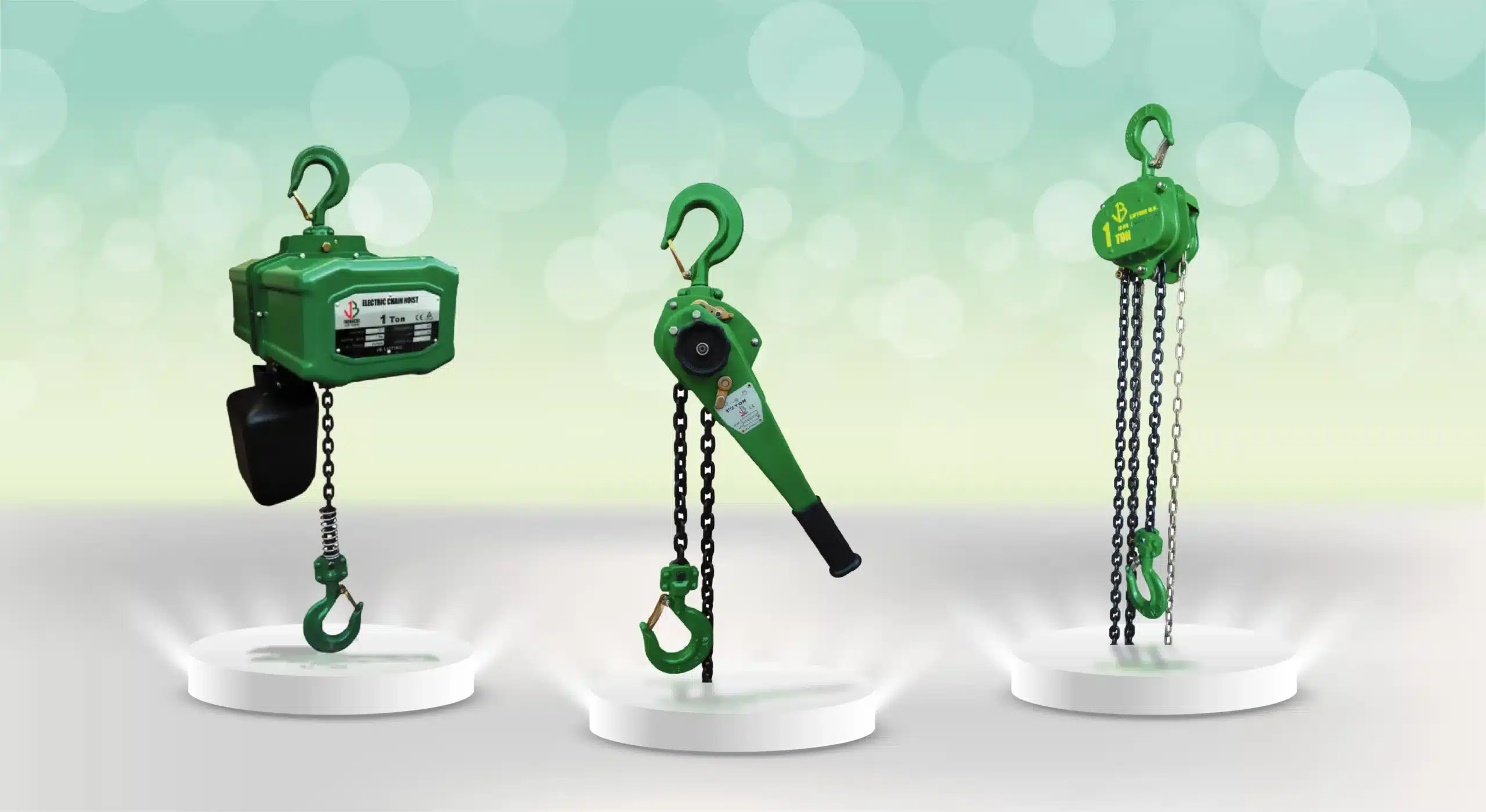
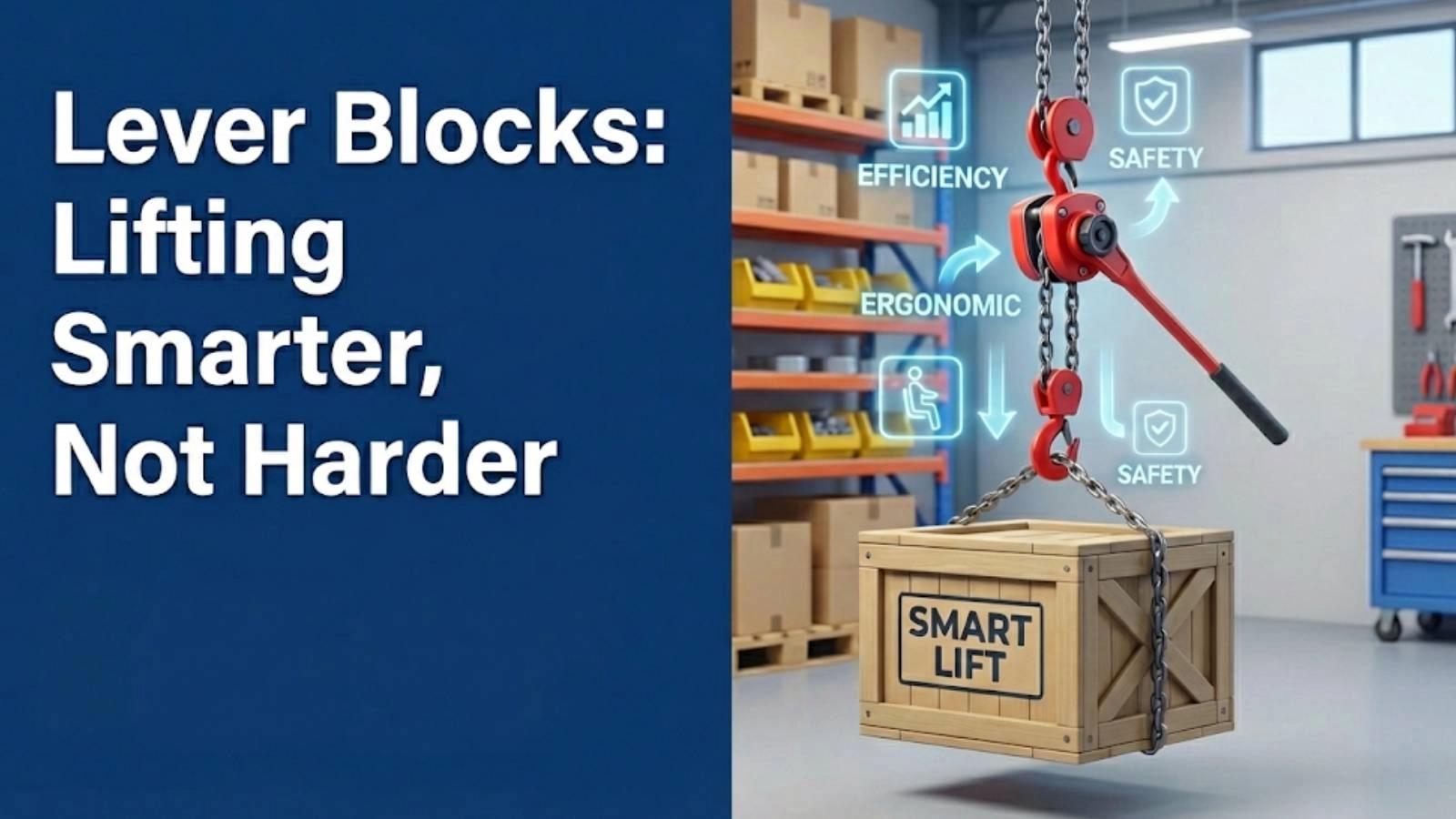
A lever block, also known as a chain lever hoist or simply a lever hoist, is a manual lifting device that uses a lever and ratchet mechanism to lift, lower, and sometimes pull heavy loads. Its basic components include a lever handle, a load chain, upper and lower hooks, a ratchet wheel, and a braking mechanism. The chain is looped around gears inside the block. Pulling the lever causes the gears to turn and lift or lower the load attached to the lower hook.
The mechanical advantage offered by a lever block is significant. For example, a lever block with a 4:1 mechanical advantage means that for every one unit of force applied to the lever, the block can lift four units of weight. This makes it possible for a single person to lift loads that would otherwise require multiple people or heavy machinery. This mechanical advantage is crucial in scenarios where precision and controlled movement are essential.
[IMAGE: Diagram of a lever block showing its main components: lever, chain, hooks, and ratchet mechanism]
Benefits of Using Lever Blocks
One of the primary benefits of using lever blocks is their portability. Unlike cranes or electric hoists that require significant infrastructure and power sources, lever blocks are lightweight and can be easily transported to different locations. This makes them ideal for use in construction sites, remote locations, and situations where space is limited.
Precision is another key advantage. Lever blocks offer controlled lifting and lowering capabilities, allowing for fine adjustments and precise positioning of loads. This is particularly important in manufacturing and assembly processes where accuracy is paramount. The ability to incrementally move heavy objects with a high degree of control minimizes the risk of damage and ensures accurate placement.
Lever blocks are also cost-effective compared to other industrial lifting methods. They require no electricity, reducing energy costs and eliminating the need for complex wiring. Their simple design translates to lower maintenance costs and a longer lifespan, making them a practical investment for businesses of all sizes. They provide a cost-effective solution for occasional or specialized lifting tasks.
Common Applications of Lever Blocks
In construction, lever blocks are frequently used for lifting and positioning materials on-site, such as steel beams, concrete panels, and pipes. Their portability and precision make them invaluable for tasks that require careful alignment and placement. They’re also used for tensioning cables and securing loads.
Manufacturing plants utilize lever blocks for the assembly and maintenance of machinery. They are used to lift heavy components into place, align parts during assembly, and perform repairs on equipment. The controlled lifting and lowering capabilities of lever blocks ensure that machinery is handled safely and efficiently.
The automotive industry also benefits from lever blocks, particularly in engine removal and repair. Mechanics use lever blocks to lift engines out of vehicles, allowing for easier access and repair. Their compact size and ease of use make them ideal for working in tight engine compartments.
Even in forestry, lever blocks find applications in log skidding and tree felling. They can be used to pull logs out of difficult terrain or to control the direction of falling trees. Their portability and rugged construction make them well-suited for use in harsh outdoor environments. Their ability to provide controlled tension is valuable for directional felling.
[IMAGE: Photo of a lever block being used in a construction site to lift a steel beam]
Is a Lever Block Right for Your Lifting Job? 🤔
Assessing Your Lifting Needs
Before deciding whether a lever block is the right tool for your lifting job, it’s essential to assess your specific needs. Start by determining the maximum weight you need to lift. This will help you choose a lever block with an appropriate Working Load Limit (WLL).
Next, calculate the required chain length based on the lifting height. Ensure that the chain is long enough to reach the desired height without being overextended. Also, consider the working environment. Is it indoors or outdoors? Are there extreme temperatures or potential hazards that could affect the lever block’s performance?
When to Choose a Lever Block
Choose a lever block when you have limited access, meaning situations where cranes or forklifts can’t reach. Lever blocks are ideal for tight spaces and remote locations where maneuverability is restricted. They offer a practical solution for lifting tasks in confined areas.
Another scenario is when there’s no power source. Portable hoist options like lever blocks are perfect for remote locations without electricity. Their manual operation makes them independent of external power sources, ensuring reliable lifting capabilities in any environment. This is especially valuable in emergency situations or in areas where electrical infrastructure is unavailable.
Lever blocks are also suitable for precise positioning, where jobs require fine adjustments. Their controlled lifting and lowering capabilities allow for accurate placement of loads, minimizing the risk of damage and ensuring precise alignment. This is crucial in manufacturing and assembly processes where accuracy is paramount.
When Not to Choose a Lever Block
Avoid using a lever block when dealing with extremely heavy loads, i.e. exceeding the lever block’s weight capacity. Attempting to lift loads beyond the WLL can lead to equipment failure and serious accidents. Always choose a lifting device with a WLL that meets or exceeds your lifting requirements.
Manual lifting via a lever block is also not suitable for repetitive lifting, where situations requiring continuous or high-speed lifting are involved. Lever blocks are designed for occasional or specialized lifting tasks, not for continuous operation. Using them for repetitive lifting can lead to operator fatigue and decreased efficiency.
Lack of training is another reason not to choose a lever block. When users are not properly trained on safe operation, accidents can occur. Ensure that all operators are thoroughly trained on the proper use of lever blocks and understand the associated safety precautions. Proper training minimizes the risk of injury and ensures safe and efficient lifting operations.
Essential Safety Tips for Lever Block Lifting ⚠️
Pre-Use Inspection Checklist
Before each use, conduct a thorough inspection of the chain condition, checking for wear, kinks, or damage. Look for any signs of corrosion, stretching, or broken links. Replace the chain immediately if any damage is detected.
Inspect the hook integrity, looking for cracks, bends, or deformation. Ensure that the safety latch is functioning properly and that the hook is free from any defects. Replace the hook if any damage is found.
Verify the lever function, ensuring smooth operation and secure locking. Check that the lever moves freely and that the ratchet mechanism engages properly. If the lever is stiff or the ratchet is not functioning correctly, do not use the lever block.
Always verify the load capacity. Ensure the WLL is clearly marked and not exceeded. Never attempt to lift loads that exceed the rated capacity of the lever block. Overloading can lead to equipment failure and serious accidents.
[IMAGE: Close-up photo showing how to inspect a lever block chain for damage.]
Safe Operating Procedures
Proper rigging is essential for safe lever block operation. Use appropriate slings and attachment points to secure the load. Ensure that the slings are in good condition and have a WLL that meets or exceeds the weight of the load.
Ensure load balancing by distributing the load evenly. Unevenly distributed loads can cause instability and increase the risk of accidents. Adjust the rigging to ensure that the load is balanced and stable before lifting.
Establish clear communication by using hand signals or verbal cues with team members. Effective communication is crucial for coordinating the lifting process and preventing misunderstandings. Use standardized hand signals or verbal cues to communicate instructions and warnings.
Avoid shock loading by lifting and lowering loads smoothly. Sudden jerks or impacts can overload the lever block and increase the risk of equipment failure. Lift and lower loads gradually and avoid any sudden movements.
Common Mistakes to Avoid
The most common mistake, and the most dangerous, is exceeding the weight limit. Always check the WLL of the lever block and ensure that the load does not exceed this limit. Overloading is a leading cause of accidents and equipment failure.
Another mistake is using damaged equipment. Neglecting pre-use inspections can result in using a lever block that is damaged or defective. Always perform a thorough inspection before each use to identify any potential hazards.
Improper sling use, i.e. using incorrect or worn slings, can compromise the safety of the lifting operation. Ensure that the slings are appropriate for the load and in good condition. Replace any worn or damaged slings immediately.
Standing under a suspended load is a critical safety hazard. Never stand or allow anyone else to stand under a load that is being lifted or suspended. If the lever block fails, the load could fall and cause serious injury or death.
“Always prioritize safety when using lever blocks. A thorough inspection and understanding of the load capacity can prevent serious accidents.” – John Smith, Certified Safety Inspector
Choosing the Right Lever Block: Key Features to Consider ⚙️
Weight Capacity (WLL)
Understanding Working Load Limit (WLL) and its importance is paramount. The WLL is the maximum weight that the lever block is designed to safely lift. Exceeding the WLL can lead to equipment failure and serious accidents.
Select a lever block with a WLL that meets or exceeds your needs. It’s always better to choose a lever block with a higher WLL than you anticipate needing, as this provides an added margin of safety.
Consider a safety factor (e.g., 4:1 or 5:1) for added protection. A safety factor is a multiple by which the WLL is multiplied to determine the breaking strength of the lever block. A higher safety factor provides greater protection against overloading and equipment failure.
Chain Material and Grade
Alloy Steel Chain offers high strength and durability for heavy lifting. Alloy steel chains are designed to withstand the rigors of heavy lifting and provide a long service life.
Understanding different grades (e.g., Grade 80, Grade 100) and their applications is crucial. Grade 80 chains are commonly used for general lifting applications, while Grade 100 chains offer even greater strength and durability for more demanding tasks. The higher the grade, the stronger the chain.
Hook Design and Safety Latches
Self-Closing Latches prevent accidental disengagement of the load. These latches ensure that the load remains securely attached to the hook, even if the lever block is subjected to vibration or movement.
Swivel Hooks allow for easy positioning and prevent chain twisting. Swivel hooks rotate freely, allowing the load to be positioned without twisting the chain. This reduces the risk of damage to the chain and makes the lifting operation easier.
Forged Steel Hooks ensure strength and resistance to deformation. Forged steel hooks are designed to withstand the stresses of heavy lifting and resist deformation. They provide a strong and reliable connection between the lever block and the load.
[IMAGE: Illustration comparing different types of lever block hooks and their safety features.]
Build Quality and Durability
Heavy-Duty Construction ensures long-term reliability in harsh environments. Look for lever blocks that are built with robust materials and construction techniques. This will ensure that the lever block can withstand the rigors of heavy use and provide a long service life.
Choose materials suitable for outdoor use to ensure corrosion resistance. If the lever block will be used outdoors, select a model with corrosion-resistant materials. This will protect the lever block from the elements and prevent rust and corrosion.
Select a lever block that is easy to clean and service for ease of maintenance. A lever block that is easy to maintain will provide a longer service life and ensure that it is always in good working condition. Look for models with easily accessible parts and simple lubrication requirements.
Step-by-Step Guide to Using a Lever Block 🪜
Setting Up the Lever Block
Secure the Top Hook by attaching it to a suitable anchor point. Ensure that the anchor point is strong enough to support the weight of the load and the lever block. Use appropriate shackles or other hardware to secure the hook to the anchor point.
Attach the Load by using appropriate slings or shackles. Select slings that are suitable for the load and in good condition. Use shackles to connect the slings to the load and the lever block.
Lifting the Load
Engage the Ratchet Mechanism, ensuring the lever is properly engaged. The ratchet mechanism is what allows the lever block to lift and lower the load. Ensure that the lever is properly engaged and that the ratchet is functioning correctly before lifting the load.
Operate the Lever by using smooth, controlled strokes. Avoid jerking or sudden movements, as this can overload the lever block and increase the risk of accidents. Use smooth, controlled strokes to lift the load gradually and safely.
Lowering the Load
Release the Ratchet Mechanism, carefully lowering the load. The ratchet mechanism must be released to lower the load. Use caution when releasing the ratchet, as the load will begin to descend immediately.
Control the Descent, preventing sudden drops. Lower the load gradually and avoid any sudden movements. Use the lever to control the speed of the descent and prevent the load from dropping too quickly.
Troubleshooting Common Issues
Identify and resolve chain blockages when chain jamming occurs. Chain jamming can occur if the chain is twisted or damaged. Inspect the chain and remove any obstructions. If the chain is damaged, replace it immediately.
Address issues with the ratchet mechanism if the load is slipping. A slipping load indicates that the ratchet mechanism is not functioning correctly. Inspect the ratchet and repair or replace it as needed.
[IMAGE: Step-by-step diagrams showing how to lift and lower a load safely with a lever block.]
Maintaining Your Lever Block for Longevity 💪
Regular Cleaning and Lubrication
Remove Dirt and Debris, preventing wear and tear on the chain and gears. Regular cleaning helps to remove dirt, grime, and other contaminants that can cause wear and tear on the lever block. Use a brush or cloth to clean the chain and gears.
Lubricate Moving Parts, ensuring smooth operation and preventing corrosion. Lubrication is essential for smooth operation and preventing corrosion. Apply lubricant to the chain, gears, and other moving parts on a regular basis.
Choose appropriate lubricants for your lever block based on recommended lubricants. Use a lubricant that is specifically designed for lever blocks. Consult the manufacturer’s recommendations for the best lubricant to use.
Inspecting for Wear and Damage
Check for elongation, cracks, or corrosion in the chain inspection. Regularly inspect the chain for signs of wear and damage. Look for elongation, cracks, corrosion, or any other defects. Replace the chain immediately if any damage is detected.
Look for bends, cracks, or wear on the latch during hook inspection. Inspect the hooks for bends, cracks, wear, or any other defects. Ensure that the safety latches are functioning properly. Replace the hooks immediately if any damage is detected.
Ensure smooth operation and secure locking by examining the lever inspection. Inspect the lever for smooth operation and secure locking. Ensure that the lever moves freely and that the ratchet mechanism engages properly. If the lever is stiff or the ratchet is not functioning correctly, do not use the lever block.
Proper Storage
Store in a Dry Place, preventing corrosion and damage. Store the lever block in a dry place to prevent corrosion and damage. Avoid storing it in damp or humid environments.
Shield from rain, sun, and extreme temperatures, protecting from the elements. Protect the lever block from the elements by storing it in a covered location. Avoid exposing it to direct sunlight, rain, or extreme temperatures.
Lever Block Lifting: Real-World Examples and Case Studies 🏢
Construction Site Efficiency
Example: Lifting steel beams for building frameworks. Lever blocks are commonly used on construction sites to lift heavy steel beams into place for building frameworks. Their portability and precision make them ideal for this application.
Improved Efficiency: Reduced labor and faster construction times. By using lever blocks, construction workers can lift heavy steel beams into place more quickly and efficiently. This reduces labor costs and speeds up construction times.
Manufacturing Plant Maintenance
Example: Moving heavy machinery components for repair. Lever blocks are used in manufacturing plants to move heavy machinery components for repair. Their controlled lifting and lowering capabilities make them ideal for this application.
Reduced Downtime: Faster repairs and less production disruption. By using lever blocks, maintenance workers can repair heavy machinery components more quickly and efficiently. This reduces downtime and minimizes production disruption.
Automotive Repair Shop
Example: Removing engines from vehicles. Lever blocks are used in automotive repair shops to remove engines from vehicles. Their compact size and ease of use make them ideal for working in tight engine compartments.
Enhanced Safety: Reduced risk of injury for mechanics. By using lever blocks, mechanics can remove engines from vehicles more safely and efficiently. This reduces the risk of injury and improves workplace safety.
Advanced Techniques and Best Practices 🏆
Using Multiple Lever Blocks
Ensure even weight distribution when lifting with multiple blocks using load distribution techniques. When lifting heavy loads with multiple lever blocks, it is important to ensure that the weight is evenly distributed between the blocks. This prevents overloading and reduces the risk of equipment failure.
Coordinate the lifting process for smooth operation using synchronization techniques. When using multiple lever blocks, it is important to synchronize the lifting process to ensure smooth operation. This can be achieved by using a central control system or by coordinating the movements of the lever blocks manually.
Rigging Techniques
Prevent damage to the load by using spreader bars. Spreader bars are used to distribute the weight of the load evenly and prevent damage. They are particularly useful when lifting loads that are long or flexible.
Ensure proper weight distribution on slings by calculating sling angles. The angle of the slings affects the weight distribution. It is important to calculate the sling angles to ensure that the weight is evenly distributed and that the slings are not overloaded.
Advanced Inspection Techniques
Use methods like ultrasonic testing to detect hidden defects with Non-Destructive Testing (NDT). NDT methods, such as ultrasonic testing, can be used to detect hidden defects in lever blocks. These methods are non-destructive, meaning that they do not damage the lever block during the inspection process.
Here is an example of an HTML table summarizing common defects and inspection methods:
| Defect Type |
Inspection Method |
Description |
| Chain Wear |
Visual Inspection, Measurement |
Check for elongation, corrosion, and worn links. Measure chain length to ensure it’s within acceptable limits. |
| Hook Cracks |
Visual Inspection, Dye Penetrant Testing |
Examine hooks for surface cracks and deformations. Dye penetrant testing can reveal hairline fractures. |
| Lever Damage |
Visual Inspection, Functional Test |
Inspect lever for bends, cracks, and proper engagement. Ensure smooth operation of the ratchet mechanism. |
| Gear Wear |
Visual Inspection, Ultrasonic Testing |
Check gears for worn teeth and damage. Ultrasonic testing can detect internal flaws. |
Conclusion
Lever block lifting offers a versatile and efficient solution for many lifting challenges. By understanding their capabilities, adhering to safety guidelines, and properly maintaining your equipment, you can maximize their benefits. For many of our clients here in Dammam, Saudi Arabia, we’ve seen that proper training is the key to safe and effective lever block use. Remember, safety is paramount. By following these guidelines, you’ll be well-equipped to make informed decisions about incorporating lever block lifting into your operations.
FAQ Section
What is the maximum weight a lever block can lift?
The maximum weight a lever block can lift varies depending on the model. Always check the Working Load Limit (WLL) marked on the block before use.
How often should I inspect my lever block?
Inspect your lever block before each use and perform a more thorough inspection at least every three months.
Can I use a lever block in wet conditions?
Yes, but choose a lever block with corrosion-resistant materials and ensure proper lubrication after use.
What are the main differences between a lever block and a chain block?
A lever block uses a lever and ratchet mechanism, while a chain block uses a hand chain and gears. Lever blocks are generally more portable and better suited for precise positioning.
Where can I find replacement parts for my lever block?
Contact the manufacturer or a reputable supplier of lifting equipment for genuine replacement parts.