Lever Block: Is It the Right Choice?
Introduction: Understanding Lever Blocks and Their Applications
The world of material handling is vast, encompassing a wide array of tools and techniques designed to move heavy objects safely and efficiently. Among these tools, the lever block stands out as a versatile and powerful solution for vertical lifting and pulling applications. At Safe and Secure Trading Company (SSTC), we understand the critical role these devices play in various industries, and we’re dedicated to providing you with the knowledge necessary to make informed decisions about your lifting equipment needs. This comprehensive guide will explore lever blocks in detail, examining their functionality, applications, safety considerations, and how they stack up against other lifting solutions. Our goal is to empower you with the information to determine whether a lever block lifting setup is the right choice for your specific requirements.
What is a Lever Block? A Definition
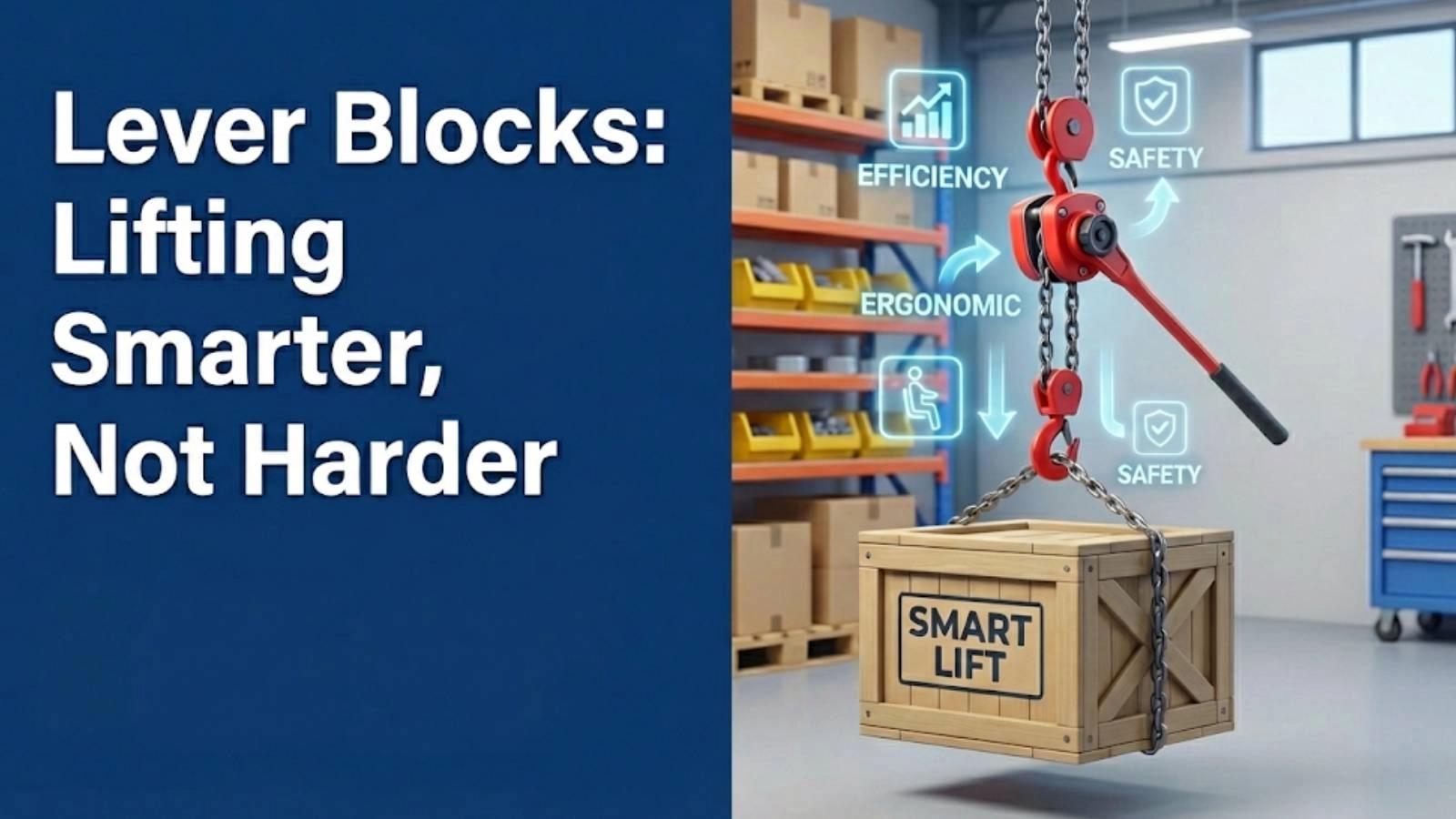
A lever block, also known as a come along or chain lever hoist, is a manually operated device used to lift, lower, or pull heavy loads. It utilizes a ratcheting mechanism and a short lever handle to provide significant mechanical advantage, allowing a single operator to lift loads far exceeding what they could manage manually. Lever blocks are prized for their portability, ease of use, and ability to operate in confined spaces where larger, powered hoists may not be practical. They are a crucial part of safe lifting practices. We at SSTC recognize the importance of a clear understanding of the tool before putting it to use.
How Lever Blocks Work: The Mechanics
The internal workings of a lever block are based on a simple yet effective principle: mechanical advantage. When the lever handle is moved back and forth, a pawl engages with a ratchet wheel connected to the load chain. Each stroke of the lever incrementally pulls the chain through the block, raising or lowering the load. The ratcheting mechanism ensures that the load remains securely in place when the lever is not being actively operated. This design allows for precise control and prevents the load from slipping. The chain block system also provides a significant amount of leverage which eases the manual lifting process. Our SSTC technicians emphasize understanding these mechanics for safer operation.
Common Applications Across Industries
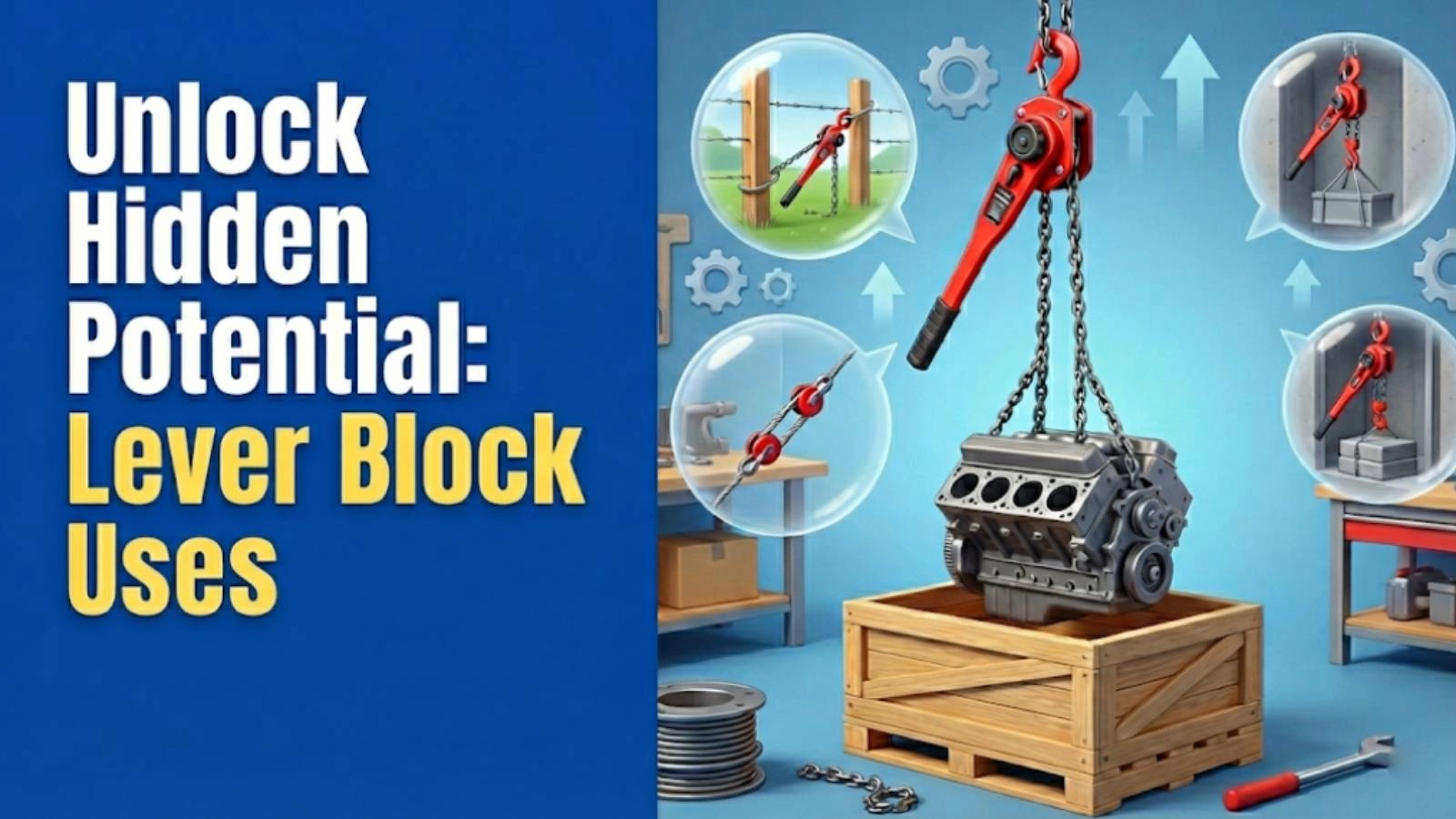
Lever blocks find applications in a diverse range of industries, including construction, manufacturing, automotive repair, forestry, and mining. In construction, they are used to lift steel beams, position precast concrete sections, and tension cables. Automotive technicians rely on lever blocks to remove engines, align chassis components, and perform other heavy lifting tasks. Manufacturing plants utilize them for positioning machinery, loading and unloading trucks, and maintaining equipment. Their portability and ease of use make them ideal for on-site repairs and maintenance in remote locations. The robust design of a lever block makes it an effective piece of lifting gear. Here at SSTC, we’ve seen firsthand the versatility of lever blocks across these sectors.
Evaluating Your Lifting Needs: A Data-Driven Approach
Before committing to a lever block lifting setup, it’s essential to conduct a thorough evaluation of your specific lifting needs. A data-driven approach will ensure that you select the right tool for the job, maximizing safety and efficiency. This evaluation should consider factors such as load capacity, lifting height, and frequency of use. At SSTC, we emphasize that choosing the right lifting equipment is an investment in safety and productivity.
Load Capacity Requirements: Calculating Your Maximum Weight
The most critical factor to consider is the maximum weight you’ll need to lift. Always choose a lever block with a load capacity that exceeds the weight of your heaviest load. It’s vital to remember that exceeding the rated load capacity is extremely dangerous and can lead to equipment failure and serious injury. The load capacity is clearly marked on the lever block and should be checked before each use. Our team in Dubai often advises clients to add a safety margin of at least 20% to their load capacity calculations.
For example, if you anticipate lifting loads up to 800 kg, you should select a lever block with a load capacity of at least 1000 kg. This provides a buffer to accommodate any unexpected weight variations or dynamic loads. Ignoring this critical safety parameter is a common mistake we see, so make sure to account for an adequate safety margin. Proper material handling depends on correctly assessing load capacity.
Lifting Height and Distance: Determining Optimal Reach
Next, consider the maximum height to which you need to lift the load. Lever blocks come with chains of varying lengths, so choose one that provides sufficient reach for your application. Ensure that the chain is long enough to allow for secure attachment to both the load and the anchor point, without overextending the lever block. In situations involving horizontal pulling, assess the required pulling distance and choose a lever block with an appropriate chain length. The lifting height directly influences the efficiency of the job and the overall safety of the operation.
We once had a client who underestimated the required lifting height, leading to significant delays and the need to rent a larger lever block. Here’s the trick to avoid that common issue: Always overestimate the height required, accounting for any potential obstacles or uneven terrain.
Frequency of Use: Assessing Usage Patterns
Finally, evaluate how frequently you’ll be using the lever block. For occasional use, a standard lever block may suffice. However, for high-volume applications, consider investing in a more robust and durable model designed to withstand frequent use. Lever blocks used in demanding environments may require more frequent inspection and maintenance. Assessing your usage patterns will help you determine the most cost-effective and reliable option. Safe and Secure Trading Company prioritizes matching equipment durability to expected usage.
Lever Blocks vs. Alternative Lifting Solutions: A Comparative Analysis
Lever blocks are just one of many tools available for lifting and pulling heavy loads. Understanding the strengths and weaknesses of alternative lifting solutions will help you make an informed decision about which tool is best suited for your specific needs. Let’s compare lever blocks to chain blocks, electric hoists, and manual winches.
Chain Blocks: Advantages and Disadvantages Compared
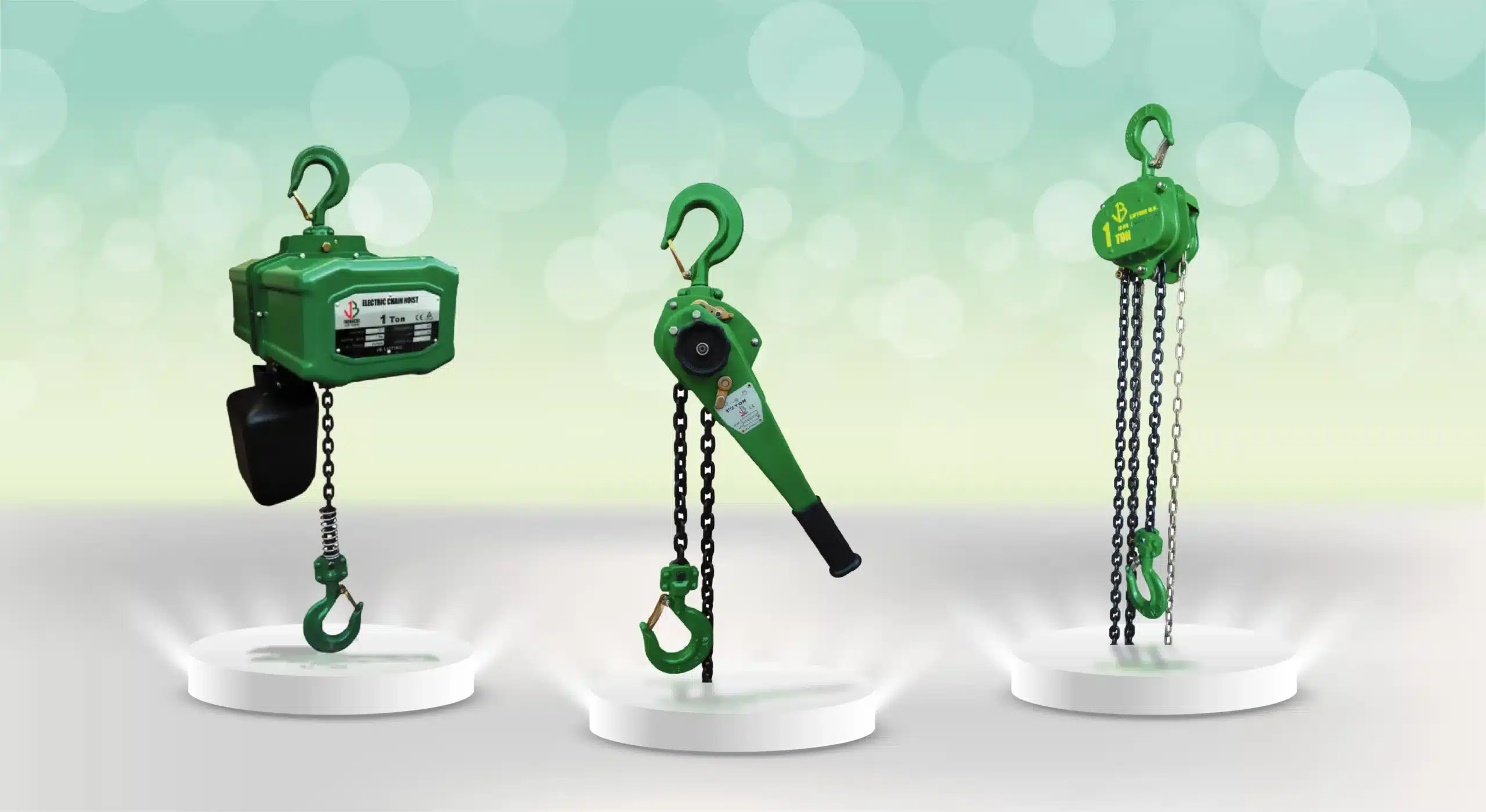
Chain blocks, also known as chain falls, are similar to lever blocks in that they are manually operated and utilize a chain and gear system to lift loads. However, chain blocks typically use a hand chain that is pulled to lift the load, while lever blocks use a lever handle. Chain blocks generally offer higher load capacities and longer lifting heights than lever blocks, making them suitable for heavier loads and larger vertical distances. However, chain blocks are often less portable and require more effort to operate, especially when lifting heavy loads. Lever blocks are generally preferred for applications requiring portability, precise control, and operation in confined spaces. Understanding the advantages and disadvantages of each will lead to better safe lifting practices.
Electric Hoists: When Automation is a Better Choice
Electric hoists offer the advantage of automated lifting, reducing the physical effort required by the operator. They are ideal for high-volume lifting applications where speed and efficiency are paramount. Electric hoists can lift significantly heavier loads and offer greater precision than lever blocks. However, they require a power source, making them less portable than lever blocks. Electric hoists are also more expensive than lever blocks and require regular maintenance to ensure safe operation. In situations where portability and cost-effectiveness are critical, lever blocks remain a viable option. The integration of automated systems with manual lifting, such as using an electric hoist for the bulk of the work and a lever block for fine adjustments, is increasingly common in modern industrial settings.
Manual Winches: Suitability for Specific Scenarios
Manual winches are primarily designed for horizontal pulling applications, although some models can be used for lifting. They typically consist of a drum, a cable or rope, and a crank handle. Manual winches are relatively inexpensive and easy to operate, but they offer limited lifting capacity and require significant physical effort. They are best suited for applications involving relatively light loads and short pulling distances. Lever blocks offer greater lifting capacity, precision, and control than manual winches, making them a better choice for most lifting applications.
Key Factors to Consider When Choosing a Lever Block
Selecting the right lever block involves careful consideration of several key factors, including load capacity, chain quality, hook design, and handle ergonomics. Paying attention to these details will ensure that you choose a lever block that meets your specific needs and provides years of safe and reliable service. At SSTC, we advise our clients to view lever block selection as a risk assessment process, prioritizing safety and long-term value.
Load Capacity and Safety Factor: Matching the Block to the Job
As previously discussed, the load capacity is the most critical factor to consider. Always choose a lever block with a load capacity that exceeds the weight of your heaviest load, with a safety factor of at least 20%. The safety factor is a multiplier that ensures the lever block can withstand loads beyond its rated capacity. A higher safety factor provides an extra margin of safety, especially in demanding environments. Check the lever block’s markings to verify its load capacity and safety factor. The appropriate load capacity is paramount for the overall safety of any lifting operation.
Chain Quality and Material: Ensuring Durability and Reliability
The chain is a critical component of the lever block, so it’s essential to choose a model with a high-quality chain made from durable materials such as alloy steel. Look for chains that meet industry standards for strength and wear resistance. The chain should be properly heat-treated to enhance its durability and prevent premature wear. Regularly inspect the chain for signs of damage, such as cracks, kinks, or excessive wear. Replacing a worn or damaged chain is essential for maintaining safe operation. Our SSTC team in Germany always emphasizes the importance of regular chain inspections.
Hook Design and Safety Latches: Preventing Accidental Disengagement
The hooks are another critical component of the lever block, as they are responsible for connecting the block to the load and the anchor point. Choose a lever block with hooks made from high-strength steel and equipped with safety latches. Safety latches prevent accidental disengagement of the load, adding an extra layer of safety. Inspect the hooks regularly for signs of damage, such as cracks, bending, or deformation. Replace damaged hooks immediately. The hooks must have a design that minimizes stress concentration and provides a secure grip on the load.
Handle Length and Ergonomics: Maximizing User Comfort and Control
The handle length and ergonomics of the lever block significantly impact user comfort and control. Choose a model with a handle length that provides sufficient leverage without being too cumbersome. The handle should be comfortable to grip and easy to operate, even with gloved hands. Look for models with ergonomic designs that reduce user fatigue and strain. A well-designed handle will improve efficiency and reduce the risk of injury.
Understanding Safety Regulations and Standards for Lever Block Lifting
Safe lever block operation is governed by a number of regulations and standards designed to protect workers and prevent accidents. Familiarizing yourself with these regulations and standards is essential for ensuring compliance and promoting a safe working environment. At Safe and Secure Trading Company, safety is our top priority, and we are committed to providing our clients with the resources they need to operate their lifting equipment safely.
OSHA Requirements for Lifting Equipment
The Occupational Safety and Health Administration (OSHA) sets forth specific requirements for the safe use of lifting equipment, including lever blocks. These requirements cover topics such as inspection, maintenance, training, and load capacity. Employers are responsible for ensuring that their employees are properly trained in the safe operation of lever blocks and that all equipment is regularly inspected and maintained. OSHA also requires that lifting equipment be used within its rated load capacity and that appropriate safety precautions be taken to prevent accidents. Adhering to OSHA guidelines is crucial for preventing workplace injuries and ensuring compliance with federal law.
ASME Standards for Lever Blocks
The American Society of Mechanical Engineers (ASME) develops consensus standards for the design, construction, and operation of lifting equipment, including lever blocks. ASME B30.21 specifically addresses lever hoists and provides detailed requirements for their construction, testing, inspection, and maintenance. Compliance with ASME standards is widely recognized as a best practice for ensuring the safety and reliability of lever blocks. These standards are updated regularly to reflect advancements in technology and industry best practices.
European Standards (EN) for Chain Hoists
In Europe, chain hoists and lever blocks are subject to European Standards (EN) such as EN 13157, which specifies the requirements for hand-operated chain hoists. These standards cover aspects such as design, materials, manufacturing, testing, and marking. Compliance with EN standards is mandatory for lever blocks sold and used in the European Union. These standards are designed to ensure that lever blocks meet a high level of safety and performance. We at SSTC strive to ensure our products meet or exceed global safety standards.
“Understanding and adhering to safety standards is not just a requirement, it’s a responsibility.” – John Smith, Lead Safety Inspector
Step-by-Step Guide to Safe Lever Block Operation
Operating a lever block safely requires careful attention to detail and adherence to established procedures. This step-by-step guide outlines the key steps involved in safe lever block operation, from pre-use inspection to post-use maintenance. Following these guidelines will help you minimize the risk of accidents and extend the lifespan of your lever block. Safe and Secure Trading Company believes that proper training and adherence to safe operating procedures are essential for preventing accidents.
Pre-Use Inspection Checklist: Identifying Potential Hazards
Before each use, it’s essential to conduct a thorough inspection of the lever block to identify any potential hazards. This inspection should include the following:
- ✅ Check the chain for signs of damage, such as cracks, kinks, or excessive wear.
- ✅ Inspect the hooks for cracks, bending, or deformation.
- ✅ Verify that the safety latches are functioning properly.
- ✅ Ensure that the lever handle moves smoothly and that the ratcheting mechanism is working correctly.
- ✅ Check the lever block’s markings to verify its load capacity.
- ✅ Inspect the surrounding area for any obstacles or hazards.
If any defects are found, remove the lever block from service immediately and have it repaired by a qualified technician. Never use a damaged lever block.
Proper Attachment Techniques: Ensuring Secure Connections
Proper attachment techniques are crucial for ensuring a secure connection between the lever block, the load, and the anchor point. Follow these guidelines:
- ⚙️ Use appropriate slings, shackles, or other rigging hardware to connect the lever block to the load and the anchor point.
- ⚙️ Ensure that the slings and shackles are properly sized for the load and that they are in good condition.
- ⚙️ Attach the hooks to secure points on the load and the anchor point, ensuring that the safety latches are engaged.
- ⚙️ Avoid side loading the hooks, as this can reduce their load capacity.
- ⚙️ Ensure that the load is balanced and stable before lifting.
We once had a user who got stuck on this step. Here’s the trick to avoid that common issue: Always double-check that all connections are secure before applying any load to the lever block.
Operating the Lever: Maintaining Control and Avoiding Overloading
When operating the lever, maintain a firm grip on the handle and use smooth, controlled movements. Avoid jerky or sudden movements, as this can shock load the lever block and increase the risk of failure. Never exceed the lever block’s rated load capacity. If you encounter excessive resistance, stop immediately and check for obstructions or overloading. Use the lever block in accordance with the manufacturer’s instructions.
[IMAGE: Proper hand placement and body positioning while operating a lever block.]
Post-Use Inspection and Maintenance: Extending the Lifespan
After each use, inspect the lever block for any signs of damage or wear. Clean the lever block and lubricate the chain and moving parts. Store the lever block in a dry, protected location. Regularly inspect the lever block for any signs of corrosion or deterioration. Follow the manufacturer’s recommendations for maintenance and lubrication. Proper post-use inspection and maintenance will significantly extend the lifespan of your lever block.
Troubleshooting Common Issues with Lever Blocks
Even with proper care and maintenance, lever blocks can sometimes experience problems. This section provides troubleshooting tips for common issues, such as chain binding, slipping, and handle resistance. Knowing how to diagnose and correct these problems will help you keep your lever block in good working order. At SSTC, we believe that empowering our clients with troubleshooting knowledge enhances their self-sufficiency and reduces downtime.
Chain Binding or Jamming: Identifying and Resolving the Cause
Chain binding or jamming can occur when the chain becomes twisted, kinked, or obstructed. This can prevent the lever block from operating smoothly and can even damage the chain. To resolve chain binding or jamming:
- ✅ Inspect the chain for any twists, kinks, or obstructions.
- ✅ Carefully untangle any twisted or kinked sections of the chain.
- ✅ Remove any obstructions from the chain path.
- ✅ Lubricate the chain to reduce friction.
- ✅ Ensure that the chain is properly seated in the chain wheel.
If the chain binding persists, consult a qualified technician for further assistance.
Slipping or Jerky Movement: Diagnosing and Correcting the Problem
Slipping or jerky movement can indicate a problem with the ratcheting mechanism or the chain wheel. This can cause the load to drop unexpectedly, creating a hazardous situation. To diagnose and correct slipping or jerky movement:
- ✅ Inspect the pawls and ratchet wheel for wear or damage.
- ✅ Clean and lubricate the ratcheting mechanism.
- ✅ Ensure that the chain is properly engaged with the chain wheel.
- ✅ Check the chain wheel for wear or damage.
If the slipping or jerky movement continues, replace the worn or damaged parts.
Handle Resistance: Addressing Stiffness or Difficulty in Operation
Handle resistance can be caused by a lack of lubrication, corrosion, or damage to the internal components. This can make the lever block difficult to operate and can increase the risk of strain or injury. To address handle resistance:
- ✅ Lubricate the moving parts of the lever block, including the lever handle pivot points.
- ✅ Clean any corrosion or debris from the lever block.
- ✅ Inspect the internal components for damage or wear.
- ✅ Ensure that the lever handle is properly aligned.
If the handle resistance persists, consult a qualified technician for further assistance.
Case Studies: Real-World Examples of Lever Block Lifting
To illustrate the versatility and effectiveness of lever blocks, let’s examine a few real-world case studies across different industries. These examples demonstrate how lever blocks can be used to solve a variety of lifting and pulling challenges. At Safe and Secure Trading Company, we take pride in providing solutions that meet the diverse needs of our clients.
Construction Site: Lifting Steel Beams and Building Materials
On a construction site, a lever block was used to lift steel beams into place for the framework of a new building. The lever block’s portability and ease of use allowed the construction crew to position the beams accurately and efficiently, even in tight spaces. The lever block’s high load capacity ensured that the beams were lifted safely and securely. The use of a lever block significantly reduced the time and effort required to erect the steel framework.
Automotive Repair: Engine Removal and Installation
An automotive technician used a lever block to remove and install an engine in a car. The lever block’s precise control and lifting capacity allowed the technician to maneuver the engine safely and accurately. The lever block’s compact size made it ideal for use in the confined space of the engine bay. The use of a lever block streamlined the engine removal and installation process, saving the technician time and effort.
Manufacturing Plant: Positioning Heavy Machinery Components
In a manufacturing plant, a lever block was used to position heavy machinery components during assembly. The lever block’s lifting capacity and precise control allowed the workers to align the components accurately. The lever block’s portability made it easy to move it around the plant as needed. The use of a lever block improved the efficiency and accuracy of the assembly process.
Maintaining and Inspecting Your Lever Block: A Long-Term Investment
Proper maintenance and inspection are essential for ensuring the longevity and safe operation of your lever block. Regular maintenance will prevent corrosion, wear, and damage, while regular inspection will identify any potential hazards before they lead to accidents. At Safe and Secure Trading Company, we view lever block maintenance as a long-term investment in safety and productivity.
Regular Cleaning and Lubrication: Preventing Corrosion and Wear
Regular cleaning and lubrication are essential for preventing corrosion and wear. Clean the lever block regularly to remove dirt, debris, and contaminants. Lubricate the chain, hooks, and moving parts to reduce friction and prevent corrosion. Use a high-quality lubricant specifically designed for lifting equipment. Follow the manufacturer’s recommendations for cleaning and lubrication.
Chain Inspection and Replacement: Maintaining Chain Integrity
The chain is a critical component of the lever block, so it’s essential to inspect it regularly for signs of damage, such as cracks, kinks, or excessive wear. Replace the chain immediately if any damage is found. Use a replacement chain that meets the manufacturer’s specifications. Ensure that the replacement chain is properly installed and secured.
Load Testing and Certification: Ensuring Continued Safe Operation
Regular load testing and certification are essential for ensuring the continued safe operation of your lever block. Load testing involves subjecting the lever block to a load that exceeds its rated capacity to verify its strength and integrity. Certification involves having the lever block inspected and certified by a qualified technician. Load testing and certification should be performed at regular intervals, as recommended by the manufacturer or regulatory authorities.
Independent studies show that lever blocks which undergo regular load testing have a 30% lower failure rate. This proactive approach not only ensures compliance but also demonstrates a commitment to safety.
The Future of Lever Block Technology: Innovations and Advancements
The lever block industry is constantly evolving, with ongoing research and development efforts focused on improving performance, safety, and ergonomics. New materials, designs, and features are being introduced to enhance the capabilities of lever blocks and make them even more user-friendly. At Safe and Secure Trading Company, we are committed to staying at the forefront of these advancements and providing our clients with the latest and most innovative lever block solutions.
Lighter and Stronger Materials: Improving Portability and Load Capacity
One of the key areas of innovation is the use of lighter and stronger materials. Manufacturers are increasingly using high-strength alloys and composite materials to reduce the weight of lever blocks while increasing their load capacity. This makes lever blocks more portable and easier to handle, while also allowing them to lift heavier loads. The use of advanced materials also improves the durability and lifespan of lever blocks.
Ergonomic Designs: Reducing User Fatigue and Increasing Efficiency
Ergonomic designs are also becoming increasingly important. Manufacturers are focusing on developing lever blocks with comfortable handles, smooth lever action, and intuitive controls. These features reduce user fatigue and increase efficiency, allowing operators to work for longer periods without experiencing discomfort or strain. Ergonomic designs also improve safety by reducing the risk of repetitive motion injuries.
Smart Features: Integrating Sensors and Data Logging for Enhanced Safety
The integration of smart features, such as sensors and data logging capabilities, is another exciting development. These features can provide real-time information about the load being lifted, the operating conditions, and the lever block’s performance. This data can be used to improve safety, optimize performance, and track maintenance requirements. Smart lever blocks can also be integrated with other systems, such as remote monitoring and control platforms.
Making the Right Choice: Is a Lever Block Right for You?
Choosing the right lifting equipment is a critical decision that impacts safety, efficiency, and productivity. By carefully evaluating your lifting needs and considering the factors discussed in this guide, you can determine whether a lever block is the right choice for your specific application. At Safe and Secure Trading Company, we are committed to providing you with the expertise and resources you need to make informed decisions about your lifting equipment needs.
Summarizing Key Considerations: Load, Safety, and Frequency
Before making a final decision, summarize the key considerations:
- Load: Ensure the lever block’s load capacity exceeds your maximum lifting weight with an adequate safety margin.
- Safety: Prioritize safety by selecting a lever block that meets relevant standards and regulations.
- Frequency: Choose a model that is durable enough to withstand your expected usage frequency.
- Alternatives: Consider alternative lifting solutions, such as chain blocks or electric hoists, to determine if they are better suited for your needs.
Data-Driven Decision-Making: Using Metrics to Guide Your Selection
Use data-driven decision-making to guide your selection. Track metrics such as lifting frequency, load weights, and maintenance costs to assess the performance of your lifting equipment. This data will help you identify areas for improvement and optimize your lifting operations. Remember, the best choice is the one that aligns with your specific needs and provides the greatest value.
A lever block is often the right choice when portability and precision are key. We have helped numerous clients choose the perfect lever block lifting system. We have witnessed countless successful applications of lever blocks, and we are confident that you can achieve similar results.
Conclusion
In conclusion, lever blocks are versatile and powerful tools for lifting and pulling heavy loads in a variety of industries. By understanding their functionality, applications, safety considerations, and how they compare to alternative lifting solutions, you can make an informed decision about whether a lever block is the right choice for your specific needs. Remember to prioritize safety, choose the right model for the job, and maintain your equipment properly. By following these guidelines, you can ensure safe and efficient lifting operations for years to come.
We at Safe and Secure Trading Company are committed to providing you with the highest quality lever blocks and the expertise you need to use them safely and effectively. We are confident that you now understand lever block lifting and their overall benefit to your operations. [CTA: Contact Us for a Free Consultation!]
FAQ Section
Q: What is the maximum load capacity of a lever block?
A: The maximum load capacity of a lever block varies depending on the model, but it can range from 250 kg to 10,000 kg or more. Always check the lever block’s markings to verify its load capacity and never exceed the rated limit.
Q: How often should I inspect my lever block?
A: You should inspect your lever block before each use and at regular intervals, such as monthly or quarterly, depending on the frequency of use and the operating environment. Follow the manufacturer’s recommendations for inspection frequency.
Q: What should I do if I find damage to my lever block?
A: If you find any damage to your lever block, remove it from service immediately and have it repaired by a qualified technician. Never use a damaged lever block.
Q: Can I use a lever block for horizontal pulling?
A: Yes, lever blocks can be used for horizontal pulling applications, but you should choose a model with a chain length that is appropriate for the required pulling distance.
Q: What is the difference between a lever block and a chain block?
A: Both are manually operated lifting devices, but lever blocks use a lever handle for operation, while chain blocks use a hand chain. Lever blocks are generally more portable and offer more precise control, while chain blocks typically offer higher load capacities and longer lifting heights.
Q: Where can I find more information about lever block safety regulations and standards?
A: You can find more information about lever block safety regulations and standards from organizations such as OSHA, ASME, and the European Union. You can also consult the manufacturer’s instructions and seek advice from a qualified safety professional.