The humble lever block, once relegated to the realm of simple heavy lifting, is experiencing a renaissance. While its primary function remains assisting in raising weighty objects, ingenious minds are discovering new and unexpected lever block uses across a multitude of industries. This article aims to explore these creative applications, showcasing how this seemingly simple tool is making a significant impact in diverse fields. Join us as we uncover the surprising versatility of lever blocks.
1. Introduction: The Lever Block Renaissance ✅
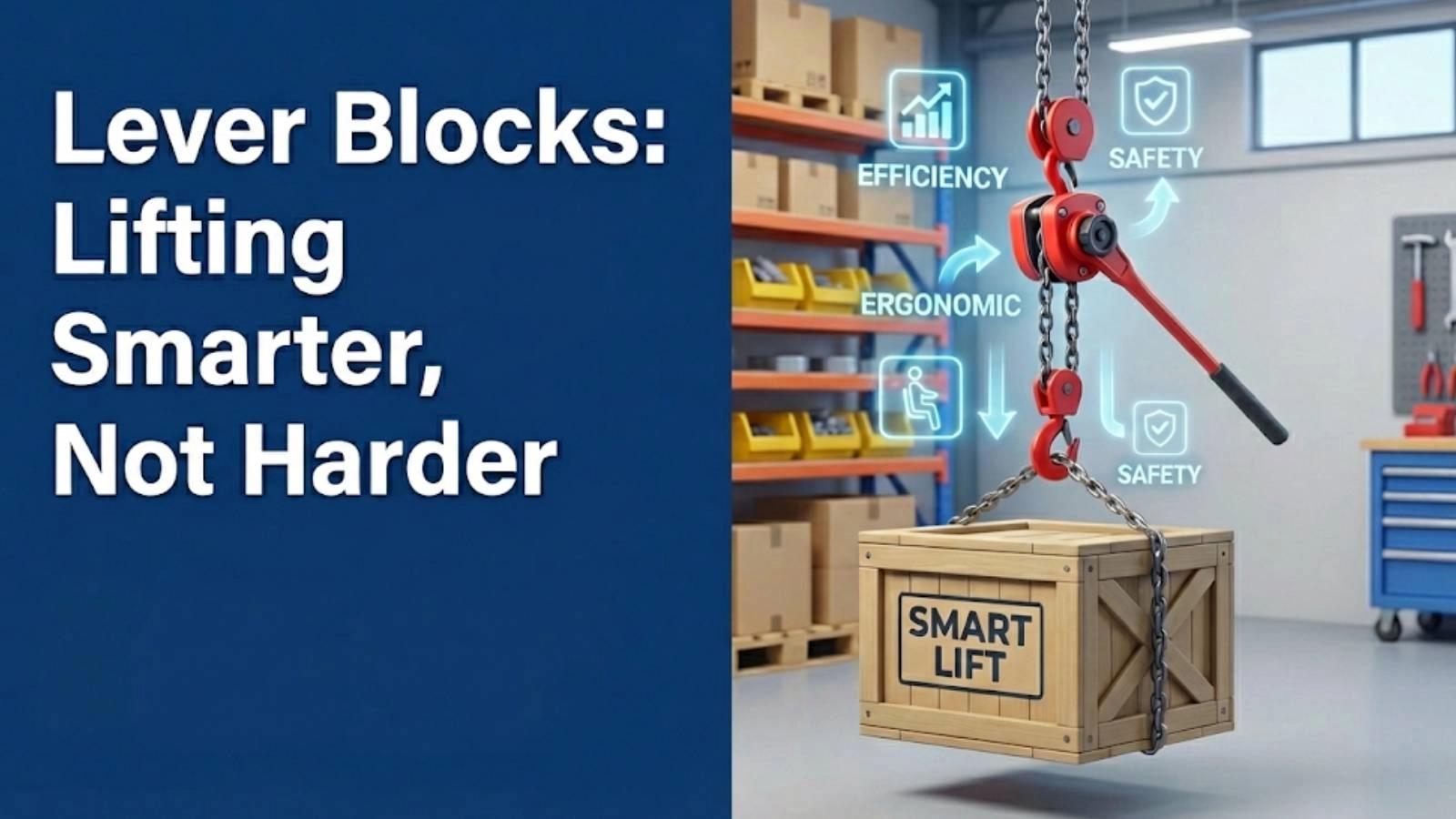
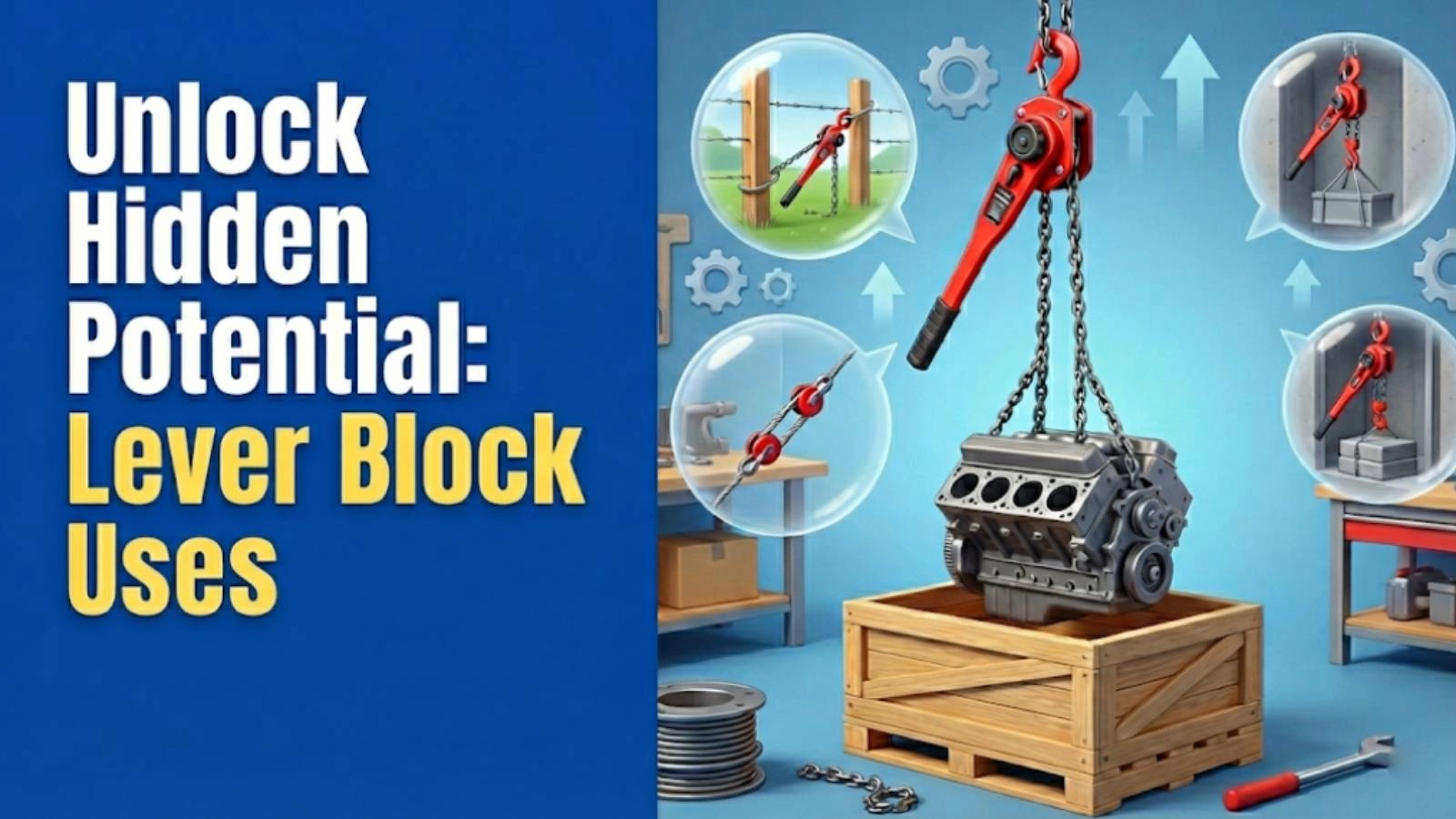
Lever blocks have traditionally been employed for lifting heavy objects, using a system of gears and a lever to multiply force. This allows a single person to lift loads far exceeding their individual strength. However, the modern landscape is seeing an exciting evolution, with professionals finding innovative applications that extend far beyond basic lifting. We will explore these creative and unexpected lever block uses, demonstrating how they are enhancing efficiency, safety, and precision across various sectors.
2. Lever Blocks for Precision Alignment in Manufacturing 💡
Lever blocks are increasingly valuable for fine-tuning the alignment of machinery and components in manufacturing settings. Their ability to apply controlled force makes them ideal for ensuring equipment is perfectly aligned, which significantly improves accuracy and minimizes errors in production processes. For instance, in automated assembly lines, lever blocks can be used to precisely align robotic arms, ensuring they perform their tasks with pinpoint accuracy, particularly in environments like those we see in our work throughout Jubail.
Laser Alignment Enhancement
Lever blocks, when used in conjunction with laser alignment tools, provide an extra level of precision. The lever block can make minute adjustments to the position of heavy machinery, allowing the laser to accurately measure alignment and ensure the equipment is operating within tolerance. This combination is particularly useful for aligning large-scale industrial equipment such as turbines or generators.
Reducing Vibration and Wobble
Misalignment can cause excessive vibration and wobble in machinery, leading to premature wear and tear, and potentially catastrophic failures. By using lever blocks to ensure perfect alignment, these vibrations can be significantly reduced, extending the lifespan of the equipment and preventing costly downtime. We often see this benefit in the plants we serve in the Eastern Province.
Improving Product Quality
Precise alignment is crucial for maintaining consistent product quality. If machinery is misaligned, it can lead to variations in the manufacturing process, resulting in defects and inconsistencies in the final product. By using lever blocks to ensure equipment is perfectly aligned, manufacturers can maintain a higher level of quality control and reduce the number of defective products.
3. Enhancing Ergonomics: Lever Blocks as Assistive Tools ➡️
Lever blocks can significantly reduce physical strain and improve ergonomics in tasks that involve heavy lifting or pulling. By providing a mechanical advantage, they minimize the amount of force required by workers, reducing the risk of injury and improving overall comfort. This is particularly beneficial in construction, where manual lifting and pulling are common.
Preventing Back Injuries
Back injuries are a leading cause of workplace disability, particularly in industries that require heavy lifting. Lever blocks can drastically reduce the strain on workers’ backs by providing a mechanical advantage when lifting or moving heavy objects. This can help prevent back injuries and improve the overall health and well-being of workers.
Reducing Muscle Fatigue
Repetitive lifting and pulling can lead to muscle fatigue, which can increase the risk of errors and injuries. Lever blocks help reduce muscle fatigue by minimizing the amount of force required to perform these tasks. This allows workers to work more efficiently and safely for longer periods.
Promoting a Safer Workplace
By reducing the risk of injuries and muscle fatigue, lever blocks contribute to a safer workplace overall. When workers are less strained and fatigued, they are more alert and less likely to make mistakes that could lead to accidents. This promotes a positive safety culture and reduces the likelihood of workplace incidents.
4. Lever Blocks in Urban Forestry and Tree Relocation 🌳
Lever blocks are increasingly being used in urban forestry for safely relocating large trees in urban environments. This involves using lever blocks to carefully lift and move trees without causing significant damage to their root systems. This approach is invaluable for urban greening projects, allowing for the preservation and relocation of mature trees.
Minimizing Root Damage
One of the biggest challenges in tree relocation is minimizing damage to the root system. Lever blocks allow arborists to lift and support the tree in a way that reduces stress on the roots. By carefully controlling the lifting process, they can minimize root breakage and ensure the tree has a better chance of survival after being transplanted.
Safe Lifting and Transport
Moving large trees can be dangerous, especially in urban environments with limited space and potential obstacles. Lever blocks provide a safe and controlled way to lift and transport trees, minimizing the risk of accidents and injuries. The controlled lifting action prevents sudden movements that could damage the tree or endanger workers.
Environmental Benefits
Relocating mature trees, rather than cutting them down, has significant environmental benefits. Mature trees provide shade, reduce air pollution, and contribute to the overall biodiversity of urban areas. By using lever blocks to relocate trees, urban forestry projects can help preserve these environmental benefits and create greener, more sustainable cities.
5. Innovative Rigging Techniques in Film and Theater 🎬
In the world of film and theater, lever blocks are being used to create dynamic rigging systems for suspending actors, creating special effects, and moving set pieces. Their ability to provide controlled and precise movement makes them ideal for these applications. The safe lever block uses are critical in these settings.
Smooth and Controlled Movements
Lever blocks allow for smooth and controlled movements of actors and set pieces, creating a more realistic and engaging performance. The precise control they offer is crucial for achieving the desired effect in complex rigging systems. This is particularly important when suspending actors in mid-air, where smooth and controlled movements are essential for safety and realism.
Silent Operation
In many film and theater productions, noise is a major concern. Lever blocks operate relatively silently compared to other lifting mechanisms, making them ideal for use during performances or filming. This allows for seamless transitions and prevents distractions for the audience or viewers.
Enhanced Safety Features
When used in film and theater, safety is paramount. Modern lever blocks come with enhanced safety features, such as overload protection and locking mechanisms, to ensure the safety of actors and crew. These features provide an extra layer of security and prevent accidents from occurring.
6. Lever Blocks in Off-Road Vehicle Recovery 🧭
Lever blocks are invaluable tools for recovering stuck or disabled off-road vehicles. Their ability to provide significant pulling power, even in remote locations, makes them a favorite among off-road enthusiasts. They offer a reliable way to extract vehicles from mud, sand, or other difficult terrain. We find many of our customers operating in remote oil and gas fields depend on this application.
Compact and Portable
Compared to other vehicle recovery methods, such as winches, lever blocks are compact and portable. This makes them easy to carry in a vehicle and use in remote locations where space is limited. Their small size and lightweight design make them a practical choice for off-road adventurers.
Powerful Pulling Force
Despite their small size, lever blocks can generate a significant amount of pulling force. This allows them to extract even heavy vehicles from difficult situations. The mechanical advantage they provide multiplies the pulling force applied by the user, making it possible to move vehicles that would otherwise be impossible to budge.
Safe Vehicle Recovery
When used properly, lever blocks provide a safe and controlled way to recover vehicles. They allow the user to apply force gradually and precisely, minimizing the risk of damage to the vehicle or injury to themselves. Proper training and technique are essential for safe and effective vehicle recovery using lever blocks.
7. Marine Applications: Lever Blocks for Sailboat Rigging and Maintenance ⚓
Lever blocks play a crucial role in adjusting and maintaining sailboat rigging. They provide sailors with precise control over sail tension and trim, allowing them to optimize sail performance in various wind conditions. They are also used for tasks like raising masts and hauling sails.
Fine-Tuning Sail Performance
The ability to fine-tune sail performance is essential for maximizing a sailboat’s speed and efficiency. Lever blocks allow sailors to make precise adjustments to sail tension, angle, and shape, optimizing performance for different wind conditions. This level of control can make a significant difference in a race or during a long voyage.
Reducing Line Wear
Using lever blocks in rigging systems can reduce wear and tear on lines. The smooth and controlled action of the lever block minimizes friction and stress on the lines, extending their lifespan and reducing the need for frequent replacements. This can save sailors money and reduce the risk of rigging failures.
Easier Mast Handling
Raising and lowering a sailboat mast can be a challenging and potentially dangerous task. Lever blocks provide a mechanical advantage that makes mast handling easier and safer. They allow sailors to lift and lower the mast with greater control and less effort, reducing the risk of accidents and injuries.
8. Disaster Relief: Lever Blocks for Debris Removal and Rescue Operations 🚑
In the aftermath of natural disasters, lever blocks play a critical role in debris removal and rescue operations. They can be used to lift heavy objects, clear pathways, and assist in freeing trapped individuals. Their versatility and portability make them invaluable tools for emergency responders.
Clearing Obstacles Quickly
After a disaster, time is of the essence. Lever blocks allow rescue teams to quickly clear obstacles and create pathways for emergency vehicles and personnel. Their ability to lift heavy debris and move obstructions out of the way can save valuable time and potentially save lives.
Lifting Heavy Debris
Lever blocks are capable of lifting and moving heavy debris, such as concrete slabs, fallen trees, and damaged vehicles. This allows rescue teams to access trapped individuals and clear areas for search and rescue operations. Their ability to handle heavy loads makes them an essential tool for disaster relief.
Aiding Rescue Teams
Lever blocks assist rescue teams in a variety of ways, from lifting heavy objects to stabilizing structures. They provide a mechanical advantage that allows rescuers to perform tasks that would otherwise be impossible or too dangerous. Their versatility and reliability make them an indispensable tool for disaster relief efforts.
9. Solar Panel Installation: Precision and Safety with Lever Blocks ☀️
Lever blocks are increasingly used in solar panel installation for the precise positioning and securing of panels. They aid in aligning panels for optimal sun exposure and improve safety during the installation process. This ensures that solar panels are installed efficiently and safely, maximizing their energy output.
Accurate Panel Placement
Accurate panel placement is essential for maximizing the energy output of a solar panel system. Lever blocks allow installers to precisely position and align panels, ensuring they are facing the sun at the optimal angle. This can significantly increase the amount of energy generated by the system.
Enhanced Worker Safety
Installing solar panels can be a dangerous task, especially on rooftops. Lever blocks provide a safe and controlled way to lift and position panels, reducing the risk of accidents and injuries. The controlled lifting action prevents sudden movements that could cause panels to fall or installers to lose their balance.
Increased Installation Efficiency
By providing a mechanical advantage and allowing for precise panel placement, lever blocks can increase the efficiency of solar panel installation. Installers can work more quickly and accurately, reducing the time and cost of the installation process. This makes solar energy more accessible and affordable for homeowners and businesses.
10. Expert Insights on the Future of Lever Block Technology 🧑💼
“Lever blocks are no longer just about heavy lifting. Their versatility and precision are unlocking entirely new possibilities across diverse sectors, from renewable energy to disaster response.” – Dr. Anya Sharma, Mechanical Engineering Professor
The future of lever block technology is bright, with ongoing advancements and emerging applications. Experts predict that lever blocks will become even more versatile and efficient, with features such as integrated sensors, wireless control, and improved materials. These advancements will further expand their use across various industries.
11. Top 3 Unexpected Lever Block Uses (Summary)
Lever blocks offer surprising versatility across a range of applications. Here’s a summary of the top three innovative uses discussed in this article:
1. Precision Alignment in Manufacturing: Ensuring machinery operates with pinpoint accuracy.
2. Ergonomic Assistance in Construction: Reducing worker strain and preventing injuries.
3. Solar Panel Installation: Precisely positioning panels for optimal energy generation.
12. Conclusion: Embracing the Versatility of Lever Blocks
As we’ve seen, lever blocks are far more than just simple lifting devices. Their diverse and unexpected lever block uses demonstrate their value in improving efficiency, safety, and precision across a wide range of industries, from manufacturing and construction to film and disaster relief. We, at Safe and Secure Trading Company, are excited to continue providing these essential tools and witnessing the innovative ways they are being used to solve complex challenges.
FAQ Section
Q: What is a lever block and how does it work?
A: A lever block is a mechanical device used to lift heavy objects. It utilizes a system of gears and a lever to multiply force, allowing a single person to lift loads far exceeding their individual strength. The operator pulls on a chain or lever, which rotates a series of gears that lift the load.
Q: What are the advantages of using a lever block compared to other lifting devices?
A: Lever blocks offer several advantages, including their compact size, portability, and ability to provide precise control over lifting and lowering operations. They are also relatively quiet compared to other lifting devices and do not require an external power source. They are useful in a variety of lever hoist applications.
Q: In what industries are lever blocks commonly used?
A: Lever blocks are used in a wide range of industries, including construction, manufacturing, marine, forestry, film, theater, and disaster relief. Their versatility and portability make them valuable tools for various tasks.
Q: How do I choose the right size lever block for my needs?
A: When choosing a lever block, it’s important to consider the weight and size of the load you will be lifting. Select a lever block with a safe working load (SWL) that exceeds the weight of the load. Also, consider the lifting height required and choose a lever block with an appropriate chain or cable length. Consider the various chain block uses and select accordingly.
Q: What are some important safety precautions to follow when using a lever block?
A: Always inspect the lever block before use to ensure it is in good working condition. Never exceed the safe working load (SWL). Ensure the load is properly secured before lifting. Keep clear of the load while it is being lifted or lowered. Use appropriate personal protective equipment (PPE), such as gloves and safety glasses. Ensure you follow safe lifting practices.
Q: How can lever blocks improve ergonomics in the workplace?
A: Lever blocks can improve ergonomics by reducing the amount of force required to lift or move heavy objects. This minimizes strain on workers’ bodies and reduces the risk of injuries such as back pain and muscle fatigue.
Q: What are some examples of innovative lever block uses in urban forestry?
A: In urban forestry, lever blocks are used to safely relocate large trees, minimizing damage to their root systems. They can also be used to lift and position heavy tree limbs during pruning operations.
Q: How are lever blocks used in film and theater productions?
A: Lever blocks are used in film and theater to create dynamic rigging systems for suspending actors, moving set pieces, and creating special effects. They provide precise control over movement and can be operated quietly.
Q: Can lever blocks be used for vehicle recovery?
A: Yes, lever blocks are valuable tools for recovering stuck or disabled off-road vehicles. They provide significant pulling power and are compact and portable.
Q: What are some marine applications of lever blocks?
A: Lever blocks are used in marine applications for adjusting and maintaining sailboat rigging. They provide precise control over sail tension and trim and are used for tasks like raising masts and hauling sails. These tools are an integral part of industrial rigging.
Q: How can lever blocks assist in disaster relief efforts?
A: Lever blocks are used in disaster relief to remove debris, lift heavy objects, and assist in freeing trapped individuals. Their versatility and portability make them invaluable tools for emergency responders. They are a core component of material handling solutions.
Q: What is the role of lever blocks in solar panel installation?
A: Lever blocks are used in solar panel installation for the precise positioning and securing of panels. They aid in aligning panels for optimal sun exposure and improve safety during the installation process.
Q: What are some potential advancements in lever block technology?
A: Potential advancements in lever block technology include integrated sensors, wireless control, improved materials, and enhanced safety features. These advancements will further expand their use across various industries.
Q: How does Safe and Secure Trading Company contribute to the advancement of safe lifting practices?
A: At Safe and Secure Trading Company, we prioritize safety and quality in all our products. We offer a range of lever blocks that meet or exceed industry standards. We also provide training and support to help our customers use lever blocks safely and effectively, promoting safer lifting practices across various industries. Winch alternatives, like lever blocks, are a safer option for many lifting applications.
Q: What makes lever blocks ergonomic lifting aids?
A: Lever blocks are ergonomic lifting aids due to their ability to reduce the physical strain required to lift heavy objects. By providing a mechanical advantage, they minimize the amount of force workers need to exert, leading to reduced muscle fatigue, and lower risk of injuries. This is crucial for construction site efficiency.
Q: How do pulley system benefits relate to lever block uses?
A: The mechanical advantage provided by a lever block is fundamentally based on pulley system benefits. The gears inside the lever block act as pulleys, allowing a user to lift loads much heavier than they could otherwise manage. This makes lever blocks an effective mechanical advantage tool.
Q: What lifting equipment innovations enhance lever block uses?
A: Lifting equipment innovations, such as improved materials, integrated load sensors, and wireless remote controls, significantly enhance lever block uses. These features contribute to increased safety, precision, and efficiency in a wide variety of applications. These innovations enhance construction site efficiency.