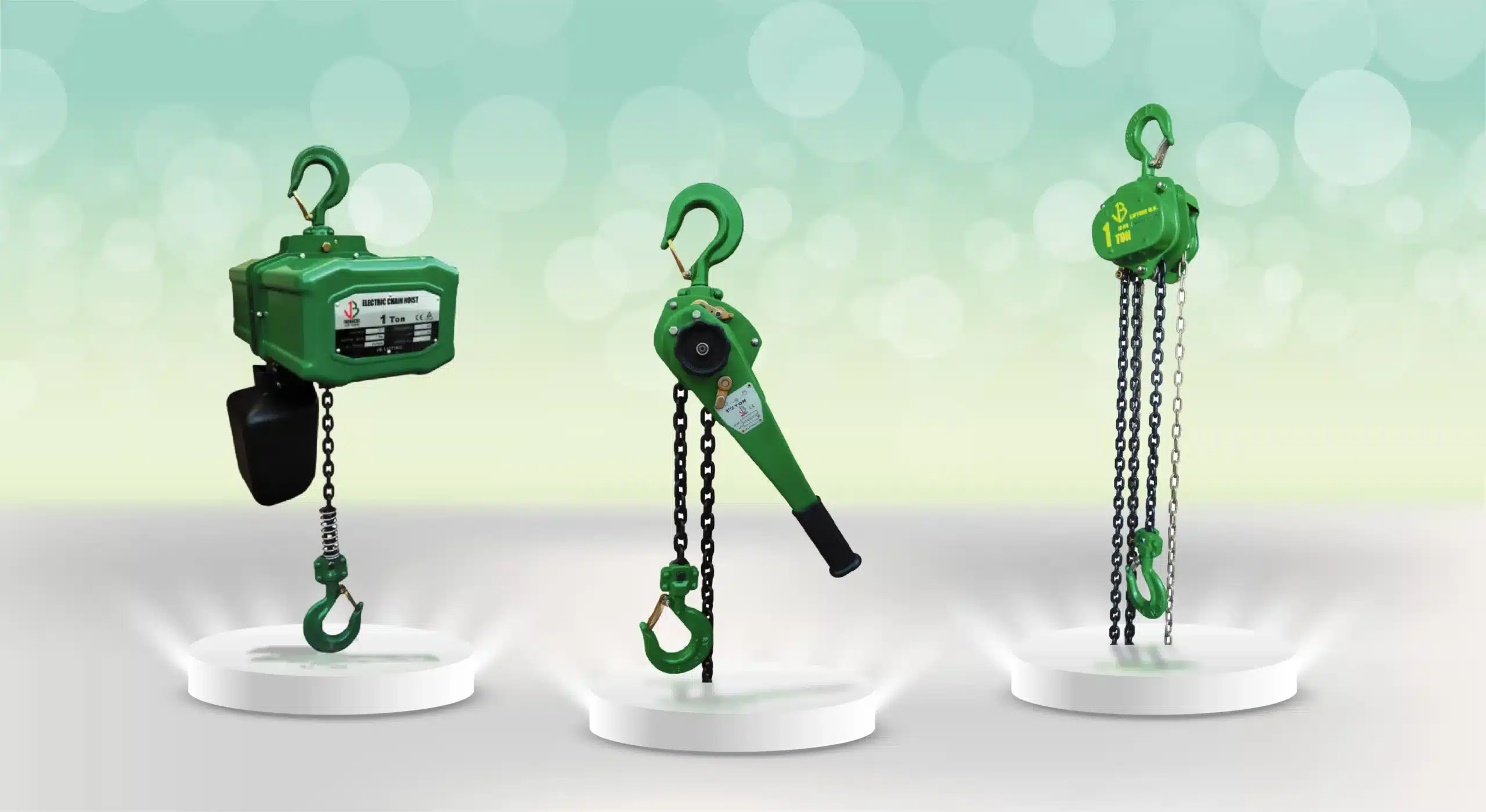
Lever Block
Handle lever blocks: A lever block is used to lift and move heavy loads without the aid...


Lever Block vs. Chain Block: Which is Best?
Lever blocks and chain blocks are essential tools in the world of material handling, both serving the critical purpose of lifting heavy loads manually. These hoists provide the mechanical advantage needed to raise substantial weights with relative ease, making them indispensable in various industrial and construction settings. While they share a common goal, their mechanisms, applications, and overall suitability differ significantly.
The lever block utilizes a lever and ratchet system, enabling precise control and portability, while the chain block employs a pulley and gear system, offering higher lifting capacities and faster lifting speeds. This article will delve into a comprehensive comparison of these two types of manual hoists, examining their mechanisms, lifting capacities, safety features, practical applications, ergonomics, and cost-effectiveness.
Our goal at Safe and Secure Trading Company is to provide you with a clear, objective analysis, empowering you to choose the right hoist for your specific needs. We understand that selecting the appropriate lifting equipment is crucial for ensuring both safety and efficiency in your operations. Therefore, we will explore the strengths and weaknesses of each type, offering insights based on our extensive experience in the field.
The lever block operates using a simple yet effective lever and ratchet system. This mechanism allows the operator to apply force to a lever arm, which in turn rotates a ratchet wheel connected to the load chain. The ratchet system ensures that the load remains securely in place, preventing slippage or accidental lowering. For many of our clients here in Dammam, we’ve seen this system provide reliable performance in demanding environments.
The lever action provides a significant mechanical advantage, allowing the operator to lift heavy loads with a relatively small amount of effort. Each pull of the lever incrementally raises the load, making it ideal for precise positioning and controlled lifting. The lever block’s compact design and ease of use make it a popular choice for applications where portability and maneuverability are essential.
[IMAGE: Detailed diagram of a lever block mechanism with labels]
The chain block, on the other hand, utilizes a pulley and gear system to achieve mechanical advantage. The operator pulls a hand chain, which rotates a series of gears that are connected to the load chain. This gear system multiplies the force applied, enabling the lifting of heavier loads compared to a lever block. We often recommend this for clients needing to lift items exceeding several tons.
The chain block’s pulley system distributes the weight of the load across multiple strands of chain, reducing the strain on each individual strand. This design enhances the overall safety and reliability of the hoist. The continuous pulling action of the hand chain allows for a smooth and consistent lifting motion, making it well-suited for applications requiring longer lifting distances.
[IMAGE: Detailed diagram of a chain block mechanism with labels]
Mechanical advantage is a crucial factor in determining the efficiency of a hoist. It represents the ratio of the load lifted to the effort required to lift it. For a lever block, the mechanical advantage is determined by the length of the lever arm and the gear ratio within the ratchet system. For a chain block, it is determined by the number of chain falls and the gear ratio within the pulley system.
Typical mechanical advantage ratios for lever blocks range from 20:1 to 50:1, while chain blocks can achieve ratios of 30:1 to 60:1 or even higher for specialized models. This means that for a lever block with a 30:1 ratio, an operator would need to apply a force of 1 kg to lift a load of 30 kg. In contrast, a chain block with a 50:1 ratio would require a force of 1 kg to lift a load of 50 kg.
To illustrate, consider lifting a 500 kg load. With a lever block offering a 25:1 mechanical advantage, the operator would need to exert a force of 20 kg. However, with a chain block providing a 50:1 advantage, the required force would be reduced to 10 kg. This difference in effort can be significant, especially during prolonged or repetitive lifting tasks. We once worked with a client choosing between A and B for repeated lifting tasks; they found B (a chain block) was better for their specific workflow because it reduced operator fatigue.
Both lever blocks and chain blocks are available in a wide range of lifting capacities to suit various applications. Lever blocks typically range from 0.25 tons to 9 tons, while chain blocks can handle loads from 0.5 tons to over 50 tons. The specific lifting capacity required will depend on the weight of the loads being lifted and the intended use case.
The load chain is a critical component of both types of hoists, and its material and construction directly impact the overall lifting capacity and safety. Most load chains are made from high-strength alloy steel, such as Grade 80 or Grade 100, which offers excellent tensile strength and resistance to wear and deformation. The grade of the chain indicates its minimum breaking strength and is a crucial factor in determining the safe working load limit (SWL) of the hoist.
Overload protection is an essential safety feature in both lever blocks and chain blocks. It prevents the hoist from being overloaded beyond its safe working load limit, which could lead to equipment failure and potential injury. Overload protection mechanisms are designed to either slip or shear when the load exceeds the SWL, preventing further lifting and alerting the operator to the overload condition.
Lever blocks often utilize slip clutches or shear pins as overload protection mechanisms. A slip clutch is designed to slip when the load exceeds the SWL, preventing further lifting. A shear pin is a sacrificial pin that will shear or break when the load exceeds the SWL, also preventing further lifting. Chain blocks typically employ load limiters, which are designed to prevent the operator from applying excessive force to the hand chain when the load exceeds the SWL. These mechanisms help ensure the safety of the operator and the integrity of the lifting equipment.
The load chain and hooks are critical components that directly interface with the load being lifted. The type of load chain used is a key factor in determining the hoist’s overall strength and durability. Grade 80 and Grade 100 chains are commonly used due to their high tensile strength and resistance to wear. Grade 100 chains offer even greater strength and durability compared to Grade 80, allowing for a higher SWL for a given chain size.
Hook safety latches are essential for preventing the accidental disengagement of the load from the hook. These latches are spring-loaded and automatically close when the load is applied, ensuring that the load remains securely attached to the hook. Swivel features allow the hook to rotate freely, preventing twisting and tangling of the load chain. Hooks are also made from high-strength alloy steel and are designed with specific safety factors to ensure they can withstand loads far exceeding the SWL of the hoist. The hook material grades and safety factors are crucial for maintaining the integrity and safety of the lifting operation.
Lever blocks excel in applications requiring portability, precision, and ease of use in confined spaces. They are commonly used in construction, rigging, and maintenance tasks where heavy loads need to be lifted or positioned with accuracy. Their compact size and lightweight design make them ideal for use in areas with limited headroom or accessibility. For instance, aligning pipes, tensioning fences, or positioning machinery often benefits from the lever block’s precision.
The lever block’s ability to incrementally lift and lower loads makes it well-suited for tasks requiring fine adjustments. It is often used for tensioning cables, aligning structural components, and performing other tasks where precise control is essential. The lever action provides a direct and responsive feel, allowing the operator to accurately control the movement of the load.
Chain blocks are typically used in workshops, factories, and warehouses where heavier loads need to be lifted and moved over longer distances. Their higher lifting capacities and faster lifting speeds make them well-suited for repetitive lifting tasks and applications where efficiency is paramount. Chain blocks are commonly used for engine lifting, assembly line tasks, and other industrial applications.
The chain block’s ability to lift heavier loads with less physical effort makes it a popular choice for tasks involving bulky or cumbersome items. Its continuous pulling action allows for a smooth and consistent lifting motion, reducing the strain on the operator. Chain blocks are often used in conjunction with overhead cranes or trolleys to provide versatile lifting solutions in manufacturing and storage facilities.
Scenario 1: Using a lever block for pipeline alignment.
A construction crew needs to align two sections of a large diameter pipeline before welding them together. The limited space around the pipeline makes it difficult to maneuver heavy equipment. The crew uses a lever block to incrementally pull the two sections together, ensuring precise alignment before welding. The lever block’s portability and ease of use in confined spaces make it the ideal tool for this task.
Scenario 2: Using a chain block in an automotive repair shop.
An automotive technician needs to lift a heavy engine out of a vehicle for repairs. The engine weighs several hundred kilograms, requiring a hoist with a high lifting capacity. The technician uses a chain block attached to an overhead crane to lift the engine safely and efficiently. The chain block’s smooth lifting action and high lifting capacity make it the perfect tool for this application.
Prior to each use, both lever blocks and chain blocks should undergo a thorough inspection to ensure they are in safe working condition. For lever blocks, this includes checking the lever arm for any signs of damage or deformation, inspecting the load chain for wear, corrosion, or broken links, and verifying that the hooks are securely latched and free from cracks or distortion. The ratchet mechanism should also be inspected to ensure it is functioning properly.
For chain blocks, the inspection should include checking the hand chain and load chain for wear, corrosion, or broken links, inspecting the hooks for damage or distortion, and verifying that the safety latches are functioning properly. The brake mechanism should also be tested to ensure it is holding the load securely. Proper lubrication of the moving parts is essential for both types of hoists to ensure smooth and reliable operation.
Safe operating procedures are critical for preventing accidents and injuries when using lever blocks and chain blocks. Proper lifting techniques should always be followed, including ensuring that the load is properly balanced and secured before lifting, avoiding side loading or shock loading, and using tag lines to control the load and prevent it from swinging.
Side loading occurs when the load is pulled at an angle, which can put excessive stress on the hoist and increase the risk of failure. Shock loading occurs when the load is suddenly jerked or dropped, which can also damage the hoist and cause the load to become unstable. Tag lines are ropes attached to the load that are used to guide it and prevent it from swinging or rotating. Operators should always be properly trained in the safe operating procedures for lever blocks and chain blocks.
Several regulatory standards govern the safe use of lever blocks and chain blocks. These standards are set by organizations such as ANSI (American National Standards Institute), ASME (American Society of Mechanical Engineers), and OSHA (Occupational Safety and Health Administration). These standards outline the requirements for the design, construction, inspection, and maintenance of lifting equipment.
Compliance with these standards is essential for ensuring the safety of workers and the integrity of lifting operations. Regular inspections and certifications are required to verify that the hoists are in compliance with the applicable standards. These inspections should be performed by qualified personnel and documented to provide a record of the hoist’s condition.
The ergonomics of a lever block are influenced by the lever arm length and the force required to operate it. A longer lever arm provides greater mechanical advantage, reducing the force required to lift a given load. However, a longer lever arm can also be more cumbersome to use in confined spaces. The force required to operate the lever should be minimized to reduce operator fatigue during prolonged use.
The handle of the lever should be ergonomically designed to provide a comfortable grip and minimize strain on the operator’s hand and wrist. The lever should also be positioned at a height that is comfortable for the operator to reach and operate. The overall design of the lever block should prioritize ease of use and minimize the risk of repetitive strain injuries.
The ergonomics of a chain block are primarily determined by the hand chain pull force and the repetitive motion required to operate it. The hand chain pull force should be minimized to reduce operator fatigue, especially when lifting heavy loads. The repetitive motion of pulling the hand chain can also lead to strain and fatigue, particularly during prolonged use.
The hand chain should be designed to provide a comfortable grip and minimize the risk of slippage. The length of the hand chain should also be appropriate for the lifting height to prevent the operator from having to reach too high or bend over too far. The overall design of the chain block should prioritize ease of use and minimize the physical demands on the operator.
Lever blocks typically require minimal maintenance, primarily consisting of regular lubrication of the moving parts and inspection of the load chain and hooks. The ratchet mechanism should also be cleaned and lubricated periodically to ensure smooth operation. Parts availability for lever blocks is generally good, and repairs can often be performed in the field with basic tools.
Chain blocks also require regular lubrication of the moving parts, as well as inspection of the hand chain and load chain. The brake mechanism should be inspected and adjusted as needed to ensure it is holding the load securely. Parts availability for chain blocks is also generally good, and repairs can often be performed in the field. However, more complex repairs may require specialized tools and expertise.
The initial purchase cost of lever blocks and chain blocks can vary depending on the lifting capacity, brand, features, and materials used. Generally, lever blocks tend to be slightly more expensive than chain blocks for similar lifting capacities. This is due to the more complex mechanism and higher precision required in their construction.
Factors influencing the price include the brand reputation, the quality of materials used, and the inclusion of additional features such as overload protection and swivel hooks. Higher-end models with enhanced safety features and durable construction will typically command a higher price.
The maintenance and repair costs for lever blocks and chain blocks can vary depending on the frequency of use, the severity of the operating environment, and the quality of the equipment. Lever blocks typically have lower maintenance costs due to their simpler design and fewer moving parts. However, repairs to the ratchet mechanism can be more complex and may require specialized expertise. We often see a slightly higher maintenance cost for chain blocks due to the more intricate pulley system.
Chain blocks may require more frequent maintenance due to the increased number of moving parts and the potential for wear and tear on the hand chain and load chain. The cost of replacement parts can also vary depending on the brand and the availability of spare parts.
The total cost of ownership (TCO) is a comprehensive measure of the overall cost of owning and operating a piece of equipment over its entire lifespan. It includes the initial purchase cost, maintenance and repair costs, and any other associated expenses such as training and downtime. Calculating the TCO can help you make a more informed decision about which type of hoist is the most cost-effective for your specific needs.
Over a 5-year period, the TCO of a lever block may be slightly lower than that of a chain block due to the lower maintenance costs. However, the higher initial purchase cost of the lever block may offset some of these savings. The TCO will also depend on the specific usage patterns and the operating environment.
| Cost Component | Lever Block (5-Year Estimate) | Chain Block (5-Year Estimate) |
|---|---|---|
| Initial Purchase Cost (1 ton capacity) | $300 | $250 |
| Annual Maintenance | $30 | $40 |
| Repair Costs (over 5 years) | $50 | $75 |
| Total Cost of Ownership | $500 | $525 |
| Feature | Lever Block | Chain Block |
|---|---|---|
| Lifting Capacity | Lower (0.25 – 9 tons) | Higher (0.5 – 50+ tons) |
| Portability | High | Low |
| Lifting Speed | Slower | Faster |
| Ergonomics | More physical effort, precise control | Less physical effort for heavy loads, continuous pulling |
| Cost | Slightly higher initial cost | Slightly lower initial cost |
| Maintenance | Lower maintenance requirements | Higher maintenance requirements |
> “Proper inspection and maintenance are paramount to the safe operation of both lever and chain blocks. Always prioritize safety and adherence to manufacturer guidelines.” – John Smith, Certified Lifting Equipment Inspector
When selecting between a lever block and a chain block, consider the following factors:
Emerging technologies in manual hoisting equipment include the use of improved materials, such as high-strength composite materials, to reduce weight and increase durability. Enhanced safety features, such as electronic overload protection and anti-slip mechanisms, are also being incorporated into newer models. Additionally, ergonomic improvements are being made to reduce operator fatigue and improve ease of use. These advancements aim to enhance the safety, efficiency, and reliability of manual hoisting equipment for years to come.
In conclusion, both lever blocks and chain blocks offer valuable solutions for manual lifting, each with its own set of strengths and weaknesses. The lever block excels in situations demanding portability, precision, and operation within confined spaces, making it ideal for construction sites, rigging tasks, and maintenance operations where maneuverability is paramount. On the other hand, the chain block shines in environments requiring the lifting of heavier loads and the need for faster lifting speeds, such as workshops, factories, and warehouses where efficiency and load capacity are critical.
For tight spaces and precise control, we recommend the lever block. For heavy loads and efficient lifting, the chain block is the clear winner. Ultimately, the best choice depends on your specific needs and priorities.
Q: What is the main difference between a lever block and a chain block?
A: The main difference lies in their mechanism and application. Lever blocks use a lever and ratchet system for precise control and portability, while chain blocks use a pulley and gear system for higher lifting capacities and faster lifting speeds.
Q: Which type of hoist is better for outdoor use?
A: Both lever blocks and chain blocks can be used outdoors, but it’s essential to choose models with weather-resistant finishes and corrosion-resistant components to withstand the elements. Regular maintenance and lubrication are also crucial for prolonging their lifespan in outdoor environments.
Q: How often should lever blocks and chain blocks be inspected?
A: Lever blocks and chain blocks should be inspected before each use to ensure they are in safe working condition. Additionally, regular inspections should be performed by qualified personnel at least annually, or more frequently depending on the intensity of use and the operating environment.
Q: What are the key safety considerations when using lever blocks and chain blocks?
A: Key safety considerations include ensuring that the load is properly balanced and secured, avoiding side loading and shock loading, using tag lines to control the load, and following proper lifting techniques. Regular inspection and maintenance are also crucial for preventing accidents and injuries.
Q: Can I use a lever block or chain block to lift people?
A: No, lever blocks and chain blocks are designed for lifting materials only and should never be used to lift people. Using them for lifting personnel can result in serious injury or death. Always use equipment specifically designed and certified for lifting people.
Q: What is the safe working load (SWL) and how do I determine it?
A: The safe working load (SWL) is the maximum load that a hoist is designed to lift safely. It is typically marked on the hoist itself and should never be exceeded. The SWL is determined by the manufacturer based on the design and construction of the hoist and is a crucial factor in ensuring safe lifting operations.
Q: What type of chain is used in lever blocks and chain blocks?
A: High-strength alloy steel chains, such as Grade 80 or Grade 100, are commonly used in lever blocks and chain blocks. These chains offer excellent tensile strength and resistance to wear and deformation, ensuring the safety and reliability of the lifting operation. The grade of the chain indicates its minimum breaking strength and is a crucial factor in determining the safe working load limit (SWL) of the hoist.
Q: What are lever block uses?
A: Lever blocks are commonly used for tensioning fences, positioning machinery, aligning pipes, and other tasks requiring precise control and portability. Their compact size and lightweight design make them ideal for use in areas with limited headroom or accessibility.
Q: What are chain block uses?
A: Chain blocks are commonly used for engine lifting, assembly line tasks, and other industrial applications where heavier loads need to be lifted and moved over longer distances. Their higher lifting capacities and faster lifting speeds make them well-suited for repetitive lifting tasks and applications where efficiency is paramount.
Q: What is a block and tackle?
A: A block and tackle is a system of pulleys and ropes used to create mechanical advantage for lifting heavy objects. Chain blocks operate on the same principle as a block and tackle, using a system of pulleys and gears to multiply the force applied to the hand chain.
Q: What is mechanical advantage?
A: Mechanical advantage is the ratio of the load lifted to the effort required to lift it. It indicates how much the hoist multiplies the force applied by the operator, making it easier to lift heavy loads. Lever blocks and chain blocks both utilize mechanical advantage to enable the lifting of substantial weights with relative ease.
Q: How does a manual hoist work?
A: A manual hoist works by using a system of levers, pulleys, or gears to multiply the force applied by the operator. This allows the operator to lift heavy loads with a relatively small amount of effort. The mechanical advantage provided by the hoist makes it possible to lift weights that would otherwise be impossible to lift manually.
Q: What standards apply to hoist safety?
A: Relevant standards include ANSI (American National Standards Institute), ASME (American Society of Mechanical Engineers), and OSHA (Occupational Safety and Health Administration). These standards outline the requirements for the design, construction, inspection, and maintenance of lifting equipment, ensuring the safety of workers and the integrity of lifting operations.

Safety Measures for Lever Blocks and Their Operation
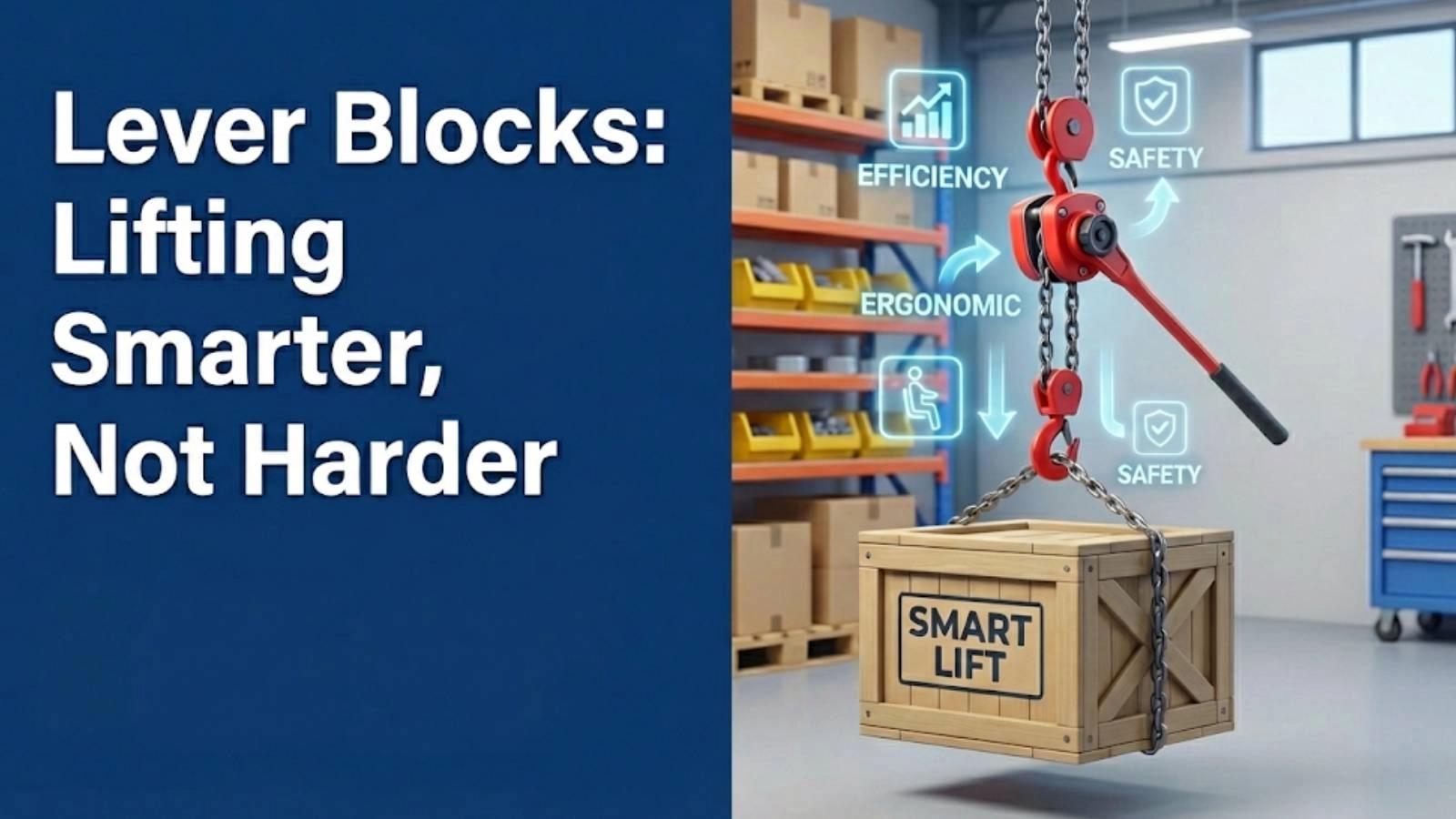
Lever Blocks: Lifting Smarter, Not Harder
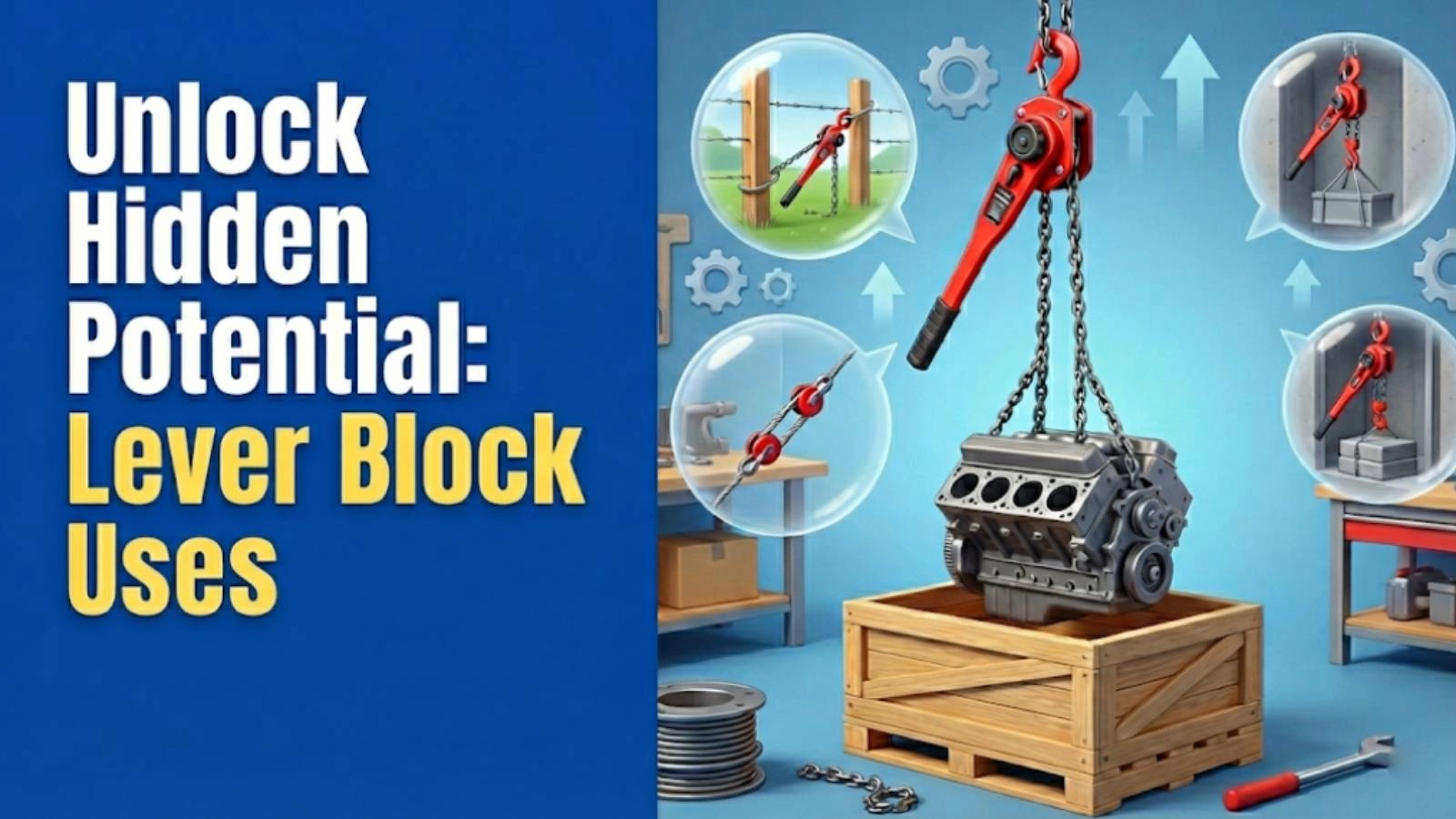
Unlock Hidden Potential: Lever Block Uses





































































































































































































































































