Introduction: The Lifting Equipment Dilemma
The Problem: Choosing the Right (and Safest) Lifting Equipment
Selecting the right lifting equipment can be a daunting task, especially when safety is paramount. The choice between a lever block and a chain block is a common dilemma faced by many in the material handling industry. Both serve the purpose of lifting heavy loads, but their mechanisms, applications, and safety features differ significantly. Making the wrong choice can lead to accidents, injuries, and costly downtime. The primary challenge lies in understanding these differences and aligning them with the specific needs of your lifting operation.
Incorrect equipment choices can introduce substantial safety risks. Using a lever block for a task that requires the robustness of a chain block, or vice versa, can lead to equipment failure. Moreover, a lack of understanding of the safety features and maintenance requirements of each type of block can further exacerbate these risks. Therefore, it’s crucial to conduct a thorough assessment of your lifting needs and choose the equipment that best fits those requirements while adhering to all relevant safety standards.
Why Safety is Paramount in Lifting Operations
Safety is not merely a regulatory requirement; it is the foundation of any successful material handling operation. Prioritizing safety reduces the risk of accidents, protects workers from injuries, and minimizes potential liabilities. Inefficient or unsafe lifting practices can lead to serious consequences, including equipment damage, personal injury, and even fatalities. A comprehensive safety strategy includes proper equipment selection, regular inspections, thorough training, and adherence to established safety protocols.
Numerous regulations and standards govern the use of lifting equipment. Organizations such as OSHA (Occupational Safety and Health Administration) and ANSI (American National Standards Institute) set guidelines that dictate the safe operation, inspection, and maintenance of lifting gear. Compliance with these standards is not just a legal obligation but also a moral imperative. Failure to comply can result in fines, legal action, and, more importantly, preventable accidents. Proper adherence to safety regulations ensures a safer working environment for everyone involved.
Our Goal: An Unbiased Comparison for Informed Decisions
At Safe and Secure Trading Company (SSTC), our commitment is to provide objective analysis and expert guidance to help you make informed decisions about your lifting equipment needs. We understand that selecting the right lever vs chain block can significantly impact the safety and efficiency of your operations. That’s why we aim to provide a detailed, feature-by-feature comparison of lever blocks and chain blocks, highlighting their strengths, weaknesses, and specific safety considerations.
This comparison will delve into the mechanics of each type of block, their ideal applications, and the critical safety features that must be considered. We will also explore risk mitigation strategies, relevant safety standards, and the importance of regular inspections and maintenance. Our goal is to equip you with the knowledge necessary to choose the equipment that best fits your needs, ensuring a safe and productive working environment. For many of our clients here in Dammam, we’ve seen that understanding the nuances between these two options leads to a significant reduction in workplace incidents.
Understanding Lever Blocks: Power and Precision
How Lever Blocks Work: A Mechanical Overview
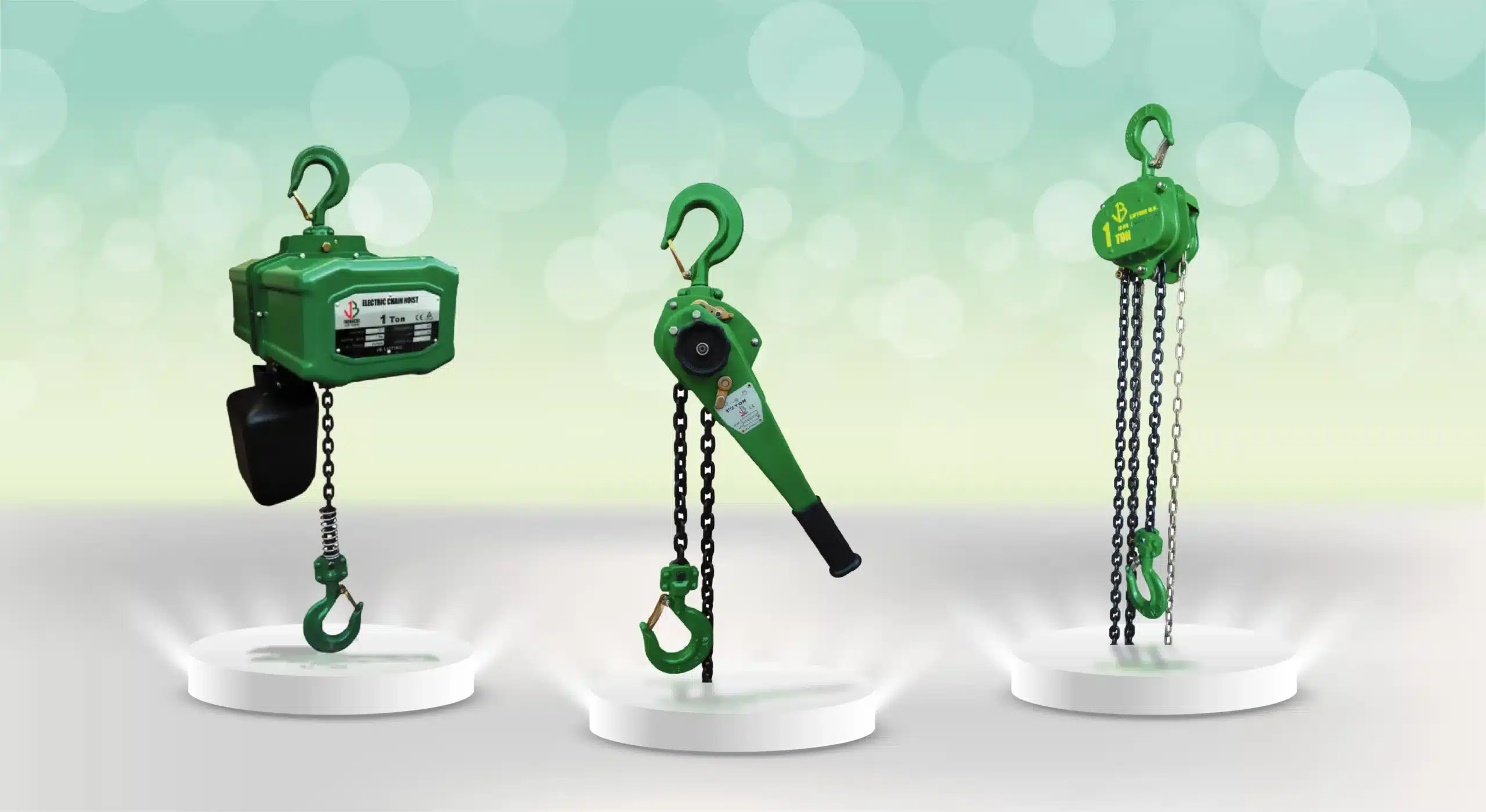
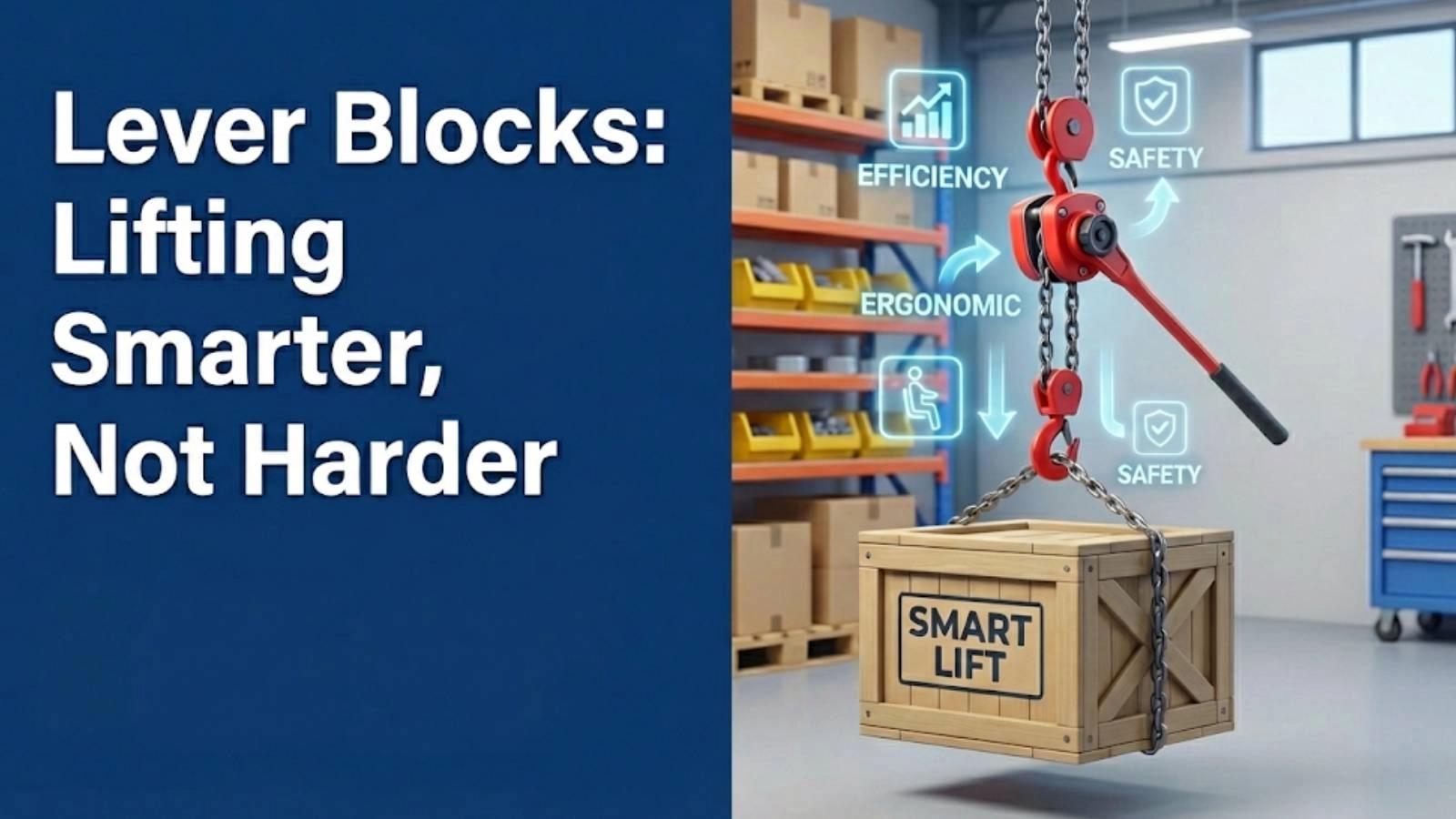
A lever block, also known as a come-along, is a manual lifting device that uses a lever and ratchet mechanism to lift, pull, and position heavy loads. The core of its operation lies in the mechanical advantage gained through the lever. When the lever is operated, it engages a ratchet wheel connected to a chain or wire rope, incrementally moving the load. The lever arm provides significant force multiplication, allowing an operator to lift loads much heavier than they could manually.
The lever block’s mechanism is designed for precision and control. The short strokes of the lever allow for fine adjustments in the load’s position, making it ideal for applications where accuracy is crucial. The integrated braking system ensures that the load remains securely in place when the lever is not being actively operated. This combination of power and precision makes lever blocks a valuable tool in a variety of industries. The compact design of most lever blocks also makes them ideal for environments with limited space.
Ideal Applications: When to Use a Lever Block
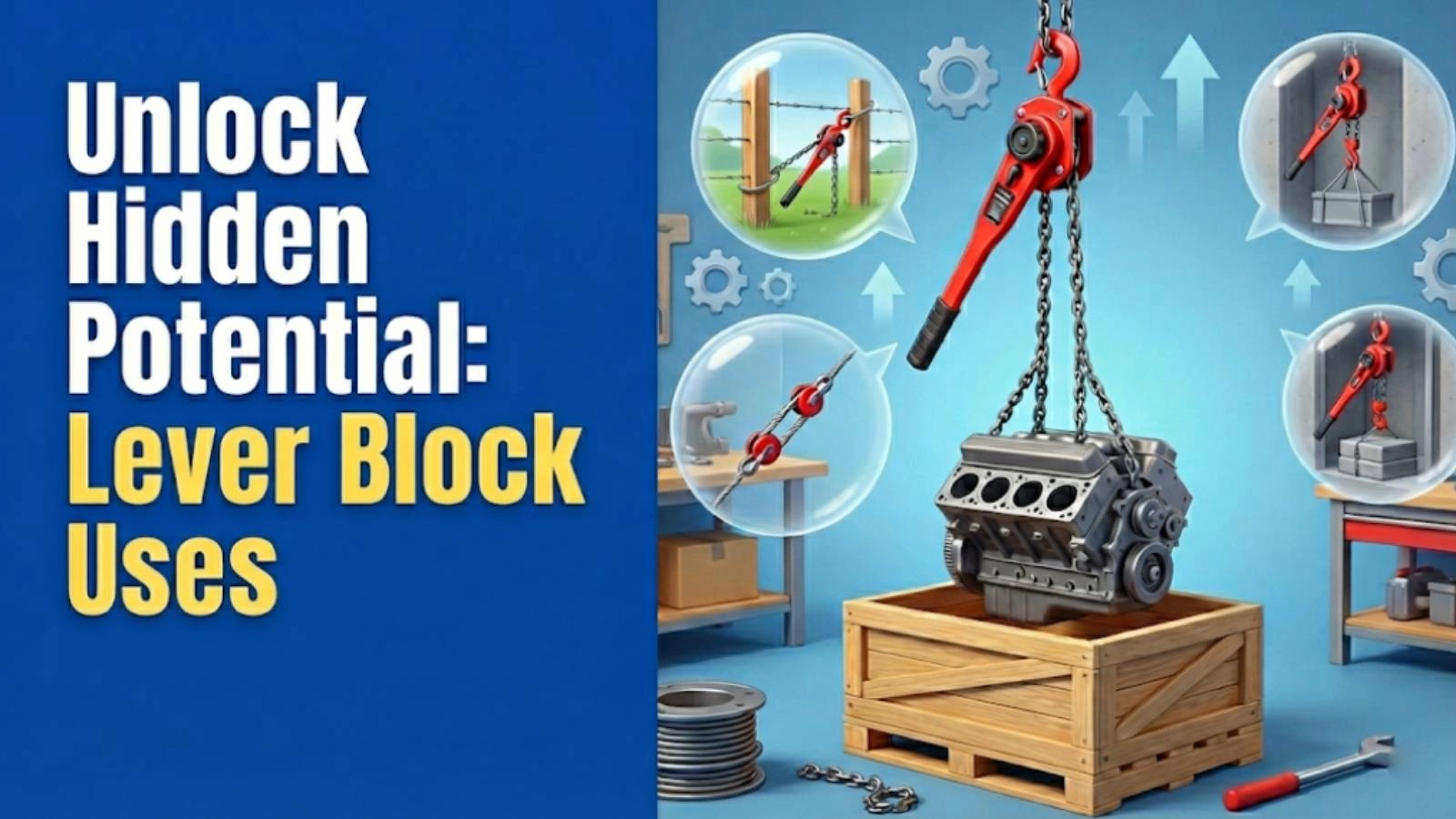
Lever blocks excel in situations requiring precise positioning and controlled movement of loads. They are particularly useful in confined spaces where larger lifting devices cannot operate effectively. Industries such as construction, rigging, and maintenance frequently rely on lever blocks for tasks such as aligning pipes, tensioning fences, and positioning heavy components. The portability and ease of use of lever blocks make them a versatile choice for on-site applications.
We once worked with a client who needed to precisely align heavy steel beams during the construction of a new warehouse. They were initially using a cumbersome crane system that was difficult to maneuver within the tight construction site. After switching to lever blocks, they found that they could achieve the necessary precision with greater ease and significantly reduced setup time. This allowed them to complete the project ahead of schedule and within budget.
Safety Features of Lever Blocks: Inspection and Maintenance
Ensuring the safe operation of a lever block requires regular inspection and maintenance. Key safety components to check include the lever, chain or wire rope, hooks, and braking mechanism. The lever should move smoothly and engage the ratchet wheel without slippage. The chain or wire rope should be inspected for signs of wear, corrosion, or damage. Hooks should be checked for deformation or cracks. The braking mechanism must hold the load securely when the lever is released.
Maintenance guidelines for lever blocks include lubricating moving parts, cleaning the chain or wire rope, and replacing worn or damaged components. Regularly lubricating the lever and ratchet mechanism ensures smooth operation and reduces wear. Cleaning the chain or wire rope removes debris that can cause corrosion or damage. Any components showing signs of wear or damage should be replaced immediately to prevent equipment failure. Adhering to these maintenance practices will help ensure the safe and reliable operation of your lever block. It’s also important to ensure that all operators understand hoist safety.
Understanding Chain Blocks: Strength and Versatility
How Chain Blocks Work: A Robust System
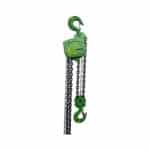
A chain block, also known as a hand chain hoist, is a manual lifting device designed for heavy-duty lifting applications. It operates using a system of gears and pulleys connected to a hand chain. When the operator pulls the hand chain, it rotates the gears, which in turn lift the load chain. The mechanical advantage gained through this system allows for the lifting of extremely heavy loads with minimal effort. Chain blocks are renowned for their robustness and reliability, making them a staple in many industrial settings.
The distribution of weight across multiple chain strands is a key feature of chain blocks. This design ensures that the load is evenly supported, reducing stress on individual components and enhancing overall safety. The braking mechanism, typically a Weston-style brake, holds the load securely in place when the hand chain is not being pulled. The combination of a robust mechanical system and a reliable braking mechanism makes chain blocks a safe and efficient choice for heavy lifting tasks.
Ideal Applications: When to Use a Chain Block
Chain blocks are ideal for applications requiring the lifting of very heavy loads, such as in manufacturing plants, warehouses, and construction sites. They are commonly used for tasks such as lifting machinery, moving materials, and assembling heavy components. Their robust construction and high lifting capacity make them well-suited for repetitive lifting tasks. Chain blocks are also preferred in environments where electricity is not readily available or where the use of powered lifting equipment is not feasible.
We once worked with a client who needed to lift and move large quantities of heavy metal components in their manufacturing facility. They were initially using a combination of forklifts and cranes, which was proving to be inefficient and costly. After implementing chain blocks, they found that they could lift and move the components more quickly and safely, with significantly reduced labor costs. This improved their overall productivity and reduced the risk of accidents. Using the correct lifting gear is crucial for safe operations.
Safety Features of Chain Blocks: Load Capacity and Chain Integrity
Choosing the right load capacity is crucial for the safe operation of a chain block. Exceeding the load capacity can lead to equipment failure and potential accidents. Chain blocks are typically marked with their maximum load capacity, and operators should always ensure that the load does not exceed this limit. It is also essential to consider the weight of any additional lifting gear being used in conjunction with the chain block.
Regular chain inspection is essential for maintaining the safety and reliability of a chain block. The chain should be inspected for signs of wear, corrosion, or damage. Common signs of wear include elongated links, cracks, and excessive rust. Any chain showing these signs should be replaced immediately. Replacement chains should be of the same grade and size as the original chain to ensure proper load-bearing capacity. Maintaining chain integrity is paramount for preventing accidents and ensuring the safe operation of the chain block.
Head-to-Head: Lever vs Chain Block – Key Safety Differences
Lifting Capacity and Load Distribution
Lever blocks and chain blocks differ significantly in their lifting capacities and how they distribute loads. Lever blocks typically have a lower lifting capacity, ranging from 0.25 tons to 9 tons, making them suitable for lighter to medium-weight applications. Chain blocks, on the other hand, can handle much heavier loads, with capacities ranging from 0.5 tons to 50 tons or more. This makes them ideal for heavy-duty lifting tasks in industrial settings.
The way each type of block distributes weight also differs. Chain blocks distribute the load across multiple strands of the chain, reducing stress on individual components and providing a more stable lift. Lever blocks, however, rely on a single chain or wire rope, which can concentrate stress on specific points. This difference in load distribution means that chain blocks are generally more robust and can handle heavier loads with greater safety. Selecting the right block and tackle for the task is essential for safe lifting.
Precision and Control: Minimizing Jerky Movements
The precision and control offered by lever blocks and chain blocks also vary. Lever blocks provide more precise control during lifting and lowering due to the short strokes of the lever. This allows for fine adjustments in the load’s position, minimizing the risk of jerky movements and sudden load shifts. This precision is particularly beneficial in applications where accuracy is crucial, such as aligning pipes or positioning sensitive equipment.
Chain blocks, while robust, can sometimes exhibit less precise control. The longer chain length and the gearing mechanism can introduce some slack, leading to jerky movements if not operated carefully. This can be a concern when lifting delicate or unstable loads. However, experienced operators can mitigate this risk by using smooth, controlled movements and ensuring that the load is properly balanced.
Environmental Factors: Resistance to Corrosion and Wear
The materials used in lever blocks and chain blocks and their resistance to environmental factors also play a crucial role in safety. Chain blocks are typically made from high-strength steel, which provides excellent durability and resistance to wear. However, steel is susceptible to corrosion, especially in humid or marine environments. Regular lubrication and protective coatings are necessary to prevent rust and maintain the integrity of the chain.
Lever blocks often incorporate a combination of steel and aluminum components. Aluminum is lightweight and corrosion-resistant, making it suitable for certain applications. However, it is not as strong as steel and can be more susceptible to damage from impact. The chain or wire rope used in lever blocks can also be vulnerable to corrosion and wear. Regular inspection and maintenance are essential to ensure that both types of blocks can withstand the environmental conditions in which they are used. Industrial safety depends on robust equipment.
Risk Mitigation: Addressing Common Hazards
Overloading: Preventing Catastrophic Failures
Overloading is one of the most significant risks associated with lifting equipment. Exceeding the load capacity of a lever or chain block can lead to catastrophic failure, resulting in equipment damage, personal injury, and even fatalities. It is crucial to always adhere to the manufacturer’s stated load capacity and to never attempt to lift loads that exceed this limit. Before each lift, operators should verify the weight of the load and ensure that it is within the capacity of the lifting equipment.
Implementing overload protection measures is essential for preventing accidents. Many modern lever and chain blocks are equipped with overload protection devices, such as slip clutches or load limiters. These devices are designed to prevent the block from lifting loads that exceed its capacity. Regular inspection and testing of these protection devices are necessary to ensure that they are functioning correctly. Additionally, proper training for operators is crucial to ensure they understand the risks of overloading and how to avoid it.
Chain and Rope Issues: Inspection and Replacement Protocols
Chain and rope issues are another common hazard associated with lifting equipment. Wear, corrosion, and damage to the chain or rope can compromise its strength and lead to equipment failure. Regular inspection is essential for identifying these issues before they result in an accident. Chains should be inspected for elongated links, cracks, and excessive rust. Ropes should be inspected for fraying, kinking, and broken strands.
Establishing inspection schedules and replacement procedures is crucial for maintaining the safety of lifting equipment. Inspections should be conducted before each use, as well as periodically, depending on the frequency and severity of use. Any chain or rope showing signs of wear or damage should be replaced immediately. Replacement chains and ropes should be of the same grade and size as the original components to ensure proper load-bearing capacity. Keeping a log of all inspections and replacements can help track the condition of the equipment and ensure that maintenance is performed on a timely basis.
Operator Error: Training and Competency
Operator error is a significant contributing factor to many lifting equipment accidents. Improper use, lack of training, and failure to follow safety procedures can all lead to accidents and injuries. Proper training is essential for all lifting equipment operators. Training programs should cover topics such as equipment operation, load capacity, inspection procedures, and safety regulations. Operators should be trained on the specific types of lever and chain blocks they will be using.
Ensuring operators understand safety procedures and limitations is crucial for preventing accidents. Operators should be familiar with the manufacturer’s instructions and safety guidelines. They should also understand the limitations of the equipment, such as its load capacity and operating range. Regular refresher training can help reinforce these concepts and ensure that operators stay up-to-date on the latest safety practices. Only competent and trained personnel should be allowed to operate lifting equipment. Ensuring operators understand hoist safety and material handling best practices is essential.
Expert Insights: Safety Standards and Regulations
OSHA and ANSI Standards: Compliance Requirements
OSHA (Occupational Safety and Health Administration) and ANSI (American National Standards Institute) set comprehensive standards for lifting equipment to ensure worker safety. OSHA standards, such as 29 CFR 1910.179 for overhead and gantry cranes, and 29 CFR 1926.251 for rigging equipment, provide detailed requirements for the inspection, maintenance, and operation of lifting equipment. ANSI standards, such as ANSI/ASME B30.9 for slings and B30.10 for hooks, offer technical guidelines for the design, construction, and use of lifting equipment.
Ensuring compliance with these standards is not just a legal requirement but also a moral imperative. Non-compliance can result in fines, legal action, and, more importantly, preventable accidents. To ensure compliance, employers should conduct regular audits of their lifting equipment and practices, provide thorough training to operators, and maintain detailed records of inspections and maintenance. Consulting with safety professionals can help ensure that your operations meet all relevant standards and regulations.
Third-Party Certifications: Ensuring Quality and Reliability
Third-party certifications, such as CE (Conformité Européenne) and ASME (American Society of Mechanical Engineers), provide assurance that lifting equipment meets specific quality and safety standards. CE marking indicates that a product conforms to European Union health, safety, and environmental protection standards. ASME certification indicates that a product has been designed, manufactured, and tested in accordance with ASME standards.
Choosing certified equipment from reputable manufacturers is essential for ensuring quality and reliability. Certified equipment has undergone rigorous testing and inspection to verify its performance and safety. This can provide peace of mind knowing that the equipment is built to withstand the demands of its intended use. When selecting lifting equipment, look for products that bear the CE or ASME mark, and verify that the manufacturer has a strong reputation for quality and safety.
The Role of Regular Inspections and Maintenance
Regular inspections and maintenance are crucial for ensuring the safe and reliable operation of lifting equipment. A preventative maintenance program should be established to identify and address potential issues before they result in equipment failure. Inspections should be conducted before each use, as well as periodically, depending on the frequency and severity of use. Maintenance activities should include lubricating moving parts, cleaning chains and ropes, and replacing worn or damaged components.
Documenting all inspections and repairs is essential for tracking the condition of the equipment and ensuring that maintenance is performed on a timely basis. Inspection records should include the date of the inspection, the name of the inspector, the findings of the inspection, and any corrective actions taken. Maintenance records should include the date of the maintenance, the name of the technician, a description of the work performed, and any parts replaced. These records can help identify trends and patterns, allowing for proactive maintenance and preventing future equipment failures.
> “Regular inspections and adherence to safety standards are critical for preventing accidents and ensuring the safe operation of lifting equipment.” – John Smith, Lead Safety Inspector
Cost Analysis: Balancing Safety and Budget
Initial Investment: Comparing Purchase Prices
The initial investment for lever blocks and chain blocks can vary depending on the load capacity, brand, and features. Generally, lever blocks tend to have a slightly higher purchase price compared to chain blocks for similar load capacities. This is often due to the more complex mechanism and precision engineering involved in lever block design. However, the price difference may not be significant enough to be the sole deciding factor, especially when considering the specific needs of your lifting operation.
Considering long-term cost factors is crucial when making a purchase decision. While the initial cost may be higher for a lever block, its precision and portability may result in time savings and increased efficiency, offsetting the initial investment. Similarly, while chain blocks may be more affordable upfront, their maintenance requirements and potential downtime could lead to higher long-term costs. A thorough cost analysis should consider all these factors to determine the most cost-effective solution.
Maintenance Costs: Factoring in Repairs and Replacements
Maintenance costs are an important consideration when evaluating the total cost of ownership for lever blocks and chain blocks. Both types of blocks require regular maintenance to ensure safe and reliable operation. However, the specific maintenance requirements may differ. Lever blocks, with their more complex mechanism, may require more frequent servicing and lubrication. Chain blocks, with their simpler design, may require less frequent maintenance but may be more prone to wear and tear on the chain.
Assessing the maintenance requirements of each type of block is essential for budgeting purposes. Maintenance activities should include regular inspections, cleaning, lubrication, and replacement of worn or damaged components. Budgeting for repairs and replacements is also crucial. Chains, hooks, and other critical components may need to be replaced periodically, depending on the frequency and severity of use. Factoring these costs into your budget can help prevent unexpected expenses and ensure that your lifting equipment remains in optimal condition.
Total Cost of Ownership: A Long-Term Perspective
Calculating the total cost of ownership over the lifespan of the equipment provides a more comprehensive understanding of the economic implications of choosing between lever blocks and chain blocks. The total cost of ownership includes the initial purchase price, maintenance costs, repair costs, replacement costs, and any potential downtime costs associated with equipment failure. By considering all these factors, you can make a more informed investment decision.
Making informed investment decisions requires a long-term perspective. While the initial purchase price may be a significant factor, it is important to consider the long-term costs and benefits of each type of block. Lever blocks may offer greater precision and efficiency, resulting in time savings and increased productivity. Chain blocks may offer greater durability and load capacity, reducing the risk of equipment failure and downtime. A thorough cost analysis, combined with a clear understanding of your lifting needs, can help you choose the equipment that provides the best value over its lifespan.
Case Studies: Real-World Safety Outcomes
Positive Outcomes: Examples of Safe Lifting Practices
Showcasing examples of companies that have successfully implemented safe lifting procedures can highlight the benefits of proper equipment selection and training. For instance, a manufacturing plant that invested in high-quality chain blocks and provided comprehensive training to its operators experienced a significant reduction in lifting-related accidents. The combination of reliable equipment and skilled operators ensured that loads were lifted safely and efficiently.
Highlighting the benefits of proper equipment selection and training can encourage other organizations to prioritize safety. Companies that prioritize safety often experience increased productivity, reduced downtime, and improved employee morale. By implementing safe lifting practices, organizations can create a safer and more productive working environment for everyone. The use of lifting equipment can be greatly improved by implementing safety measures.
Negative Outcomes: Learning from Accidents and Near Misses
Analyzing case studies of lifting accidents caused by equipment failure or operator error can provide valuable lessons for preventing future incidents. For example, a construction site that used an overloaded lever block experienced a catastrophic failure, resulting in serious injuries to workers. The accident highlighted the importance of adhering to load capacity limits and ensuring that equipment is properly inspected and maintained.
Identifying key lessons learned from these incidents can help organizations improve their safety practices. Accidents often reveal weaknesses in equipment, procedures, or training. By analyzing the root causes of accidents, organizations can implement corrective actions to prevent similar incidents from occurring in the future. This includes reinforcing safety protocols, providing additional training, and investing in higher-quality equipment.
SSTC’s Recommendations: Best Practices for Safer Lifting
Based on SSTC’s experience, we recommend the following best practices for safer lifting:
- Always adhere to the manufacturer’s stated load capacity.
- Regularly inspect lifting equipment for signs of wear or damage.
- Provide thorough training to all lifting equipment operators.
- Establish a preventative maintenance program.
- Document all inspections and repairs.
Emphasizing the importance of continuous improvement is crucial for maintaining a safe lifting environment. Safety is not a one-time effort but an ongoing process. Organizations should continuously evaluate their lifting practices, identify areas for improvement, and implement corrective actions. By fostering a culture of safety, organizations can create a safer and more productive working environment for everyone involved. Material handling safety must be a priority.
The Final Verdict: Choosing the Right Block for Your Needs
Lever Blocks: Best for Precision and Portability
Lever blocks offer unique advantages in situations where precision and portability are paramount. Their compact design and ability to make fine adjustments make them ideal for tasks in confined spaces or where precise positioning is required. Industries such as construction, rigging, and maintenance often find lever blocks indispensable for aligning pipes, tensioning fences, and positioning heavy components with accuracy.
Reiterating the advantages of lever blocks for specific applications helps clarify their ideal use cases. The short strokes of the lever allow for minute adjustments, minimizing the risk of jerky movements and ensuring that loads are placed exactly where needed. Their lightweight construction also makes them easy to transport and set up on-site, enhancing their versatility and convenience.
Chain Blocks: Best for Heavy Lifting and Durability
Chain blocks excel in heavy lifting applications where durability and reliability are essential. Their robust construction and high lifting capacity make them well-suited for tasks such as lifting machinery, moving materials, and assembling heavy components in manufacturing plants, warehouses, and construction sites. Chain blocks are designed to withstand the rigors of demanding industrial environments, providing a safe and efficient solution for lifting heavy loads.
Reiterating the advantages of chain blocks for specific applications underscores their suitability for heavy-duty tasks. The distribution of weight across multiple chain strands ensures that the load is evenly supported, reducing stress on individual components and enhancing overall safety. Their simpler design also makes them relatively easy to maintain, further contributing to their durability and longevity.
Making the Right Choice: A Summary of Key Considerations
Choosing between a lever block and a chain block ultimately depends on the specific needs of your lifting operation. Consider the load capacity, precision requirements, environmental factors, and cost implications when making your decision. Lever blocks are best for applications requiring precision and portability, while chain blocks are best for heavy lifting and durability. Prioritize safety by adhering to manufacturer guidelines, providing thorough training, and implementing a preventative maintenance program.
We at Safe and Secure Trading Company understand that selecting the right lifting equipment is crucial for ensuring a safe and productive working environment. By carefully evaluating your needs and considering the key factors outlined in this comparison, you can make an informed decision that best fits your requirements.
FAQ Section
Q: What is the main difference between a lever block and a chain block?
A: The main difference lies in their mechanism and application. A lever block uses a lever and ratchet mechanism for precise adjustments, making it suitable for lighter loads in confined spaces. A chain block uses a gear and pulley system for heavy lifting, making it ideal for industrial applications requiring high load capacities.
Q: Which type of block is safer, a lever block or a chain block?
A: Both lever blocks and chain blocks can be safe if used correctly and maintained properly. Safety depends on factors such as adherence to load capacity, regular inspections, proper training, and compliance with safety standards. Chain blocks are generally considered safer for heavier loads due to their robust construction and load distribution.
Q: How often should I inspect my lever block or chain block?
A: Lifting equipment should be inspected before each use, as well as periodically, depending on the frequency and severity of use. Regular inspections should include checking for signs of wear, corrosion, or damage to the chain, hooks, and other critical components. A preventative maintenance program should be established to ensure that inspections and maintenance are performed on a timely basis.
Q: What are the key safety standards and regulations for lifting equipment?
A: Key safety standards and regulations include those set by OSHA (Occupational Safety and Health Administration) and ANSI (American National Standards Institute). OSHA standards provide detailed requirements for the inspection, maintenance, and operation of lifting equipment. ANSI standards offer technical guidelines for the design, construction, and use of lifting equipment.
Q: How do I choose the right load capacity for my lever block or chain block?
A: Choosing the right load capacity is crucial for safety. Always verify the weight of the load before lifting and ensure that it is within the capacity of the lifting equipment. Consider the weight of any additional lifting gear being used in conjunction with the block. Never exceed the manufacturer’s stated load capacity.
Q: What should I do if I notice signs of wear or damage on my lever block or chain block?
A: If you notice signs of wear or damage on your lifting equipment, such as elongated links, cracks, corrosion, or fraying, remove the equipment from service immediately. Replace the worn or damaged components with genuine parts from a reputable manufacturer. Do not attempt to repair damaged equipment yourself unless you are a qualified technician.
Q: Is training required for operating lever blocks and chain blocks?
A: Yes, proper training is essential for all lifting equipment operators. Training programs should cover topics such as equipment operation, load capacity, inspection procedures, and safety regulations. Operators should be trained on the specific types of lever and chain blocks they will be using.
Q: How can I prevent overloading my lever block or chain block?
A: To prevent overloading, always verify the weight of the load before lifting and ensure that it is within the capacity of the lifting equipment. Use an overload protection device, such as a slip clutch or load limiter, if available. Provide thorough training to operators on the risks of overloading and how to avoid it.
Q: What is the role of third-party certifications in ensuring the quality and reliability of lifting equipment?
A: Third-party certifications, such as CE and ASME, provide assurance that lifting equipment meets specific quality and safety standards. Choosing certified equipment from reputable manufacturers is essential for ensuring that the equipment has undergone rigorous testing and inspection to verify its performance and safety.
Q: How can I establish a preventative maintenance program for my lifting equipment?
A: To establish a preventative maintenance program, develop a schedule for regular inspections and maintenance activities. Include tasks such as lubricating moving parts, cleaning chains and ropes, and replacing worn or damaged components. Document all inspections and repairs to track the condition of the equipment and ensure that maintenance is performed on a timely basis.