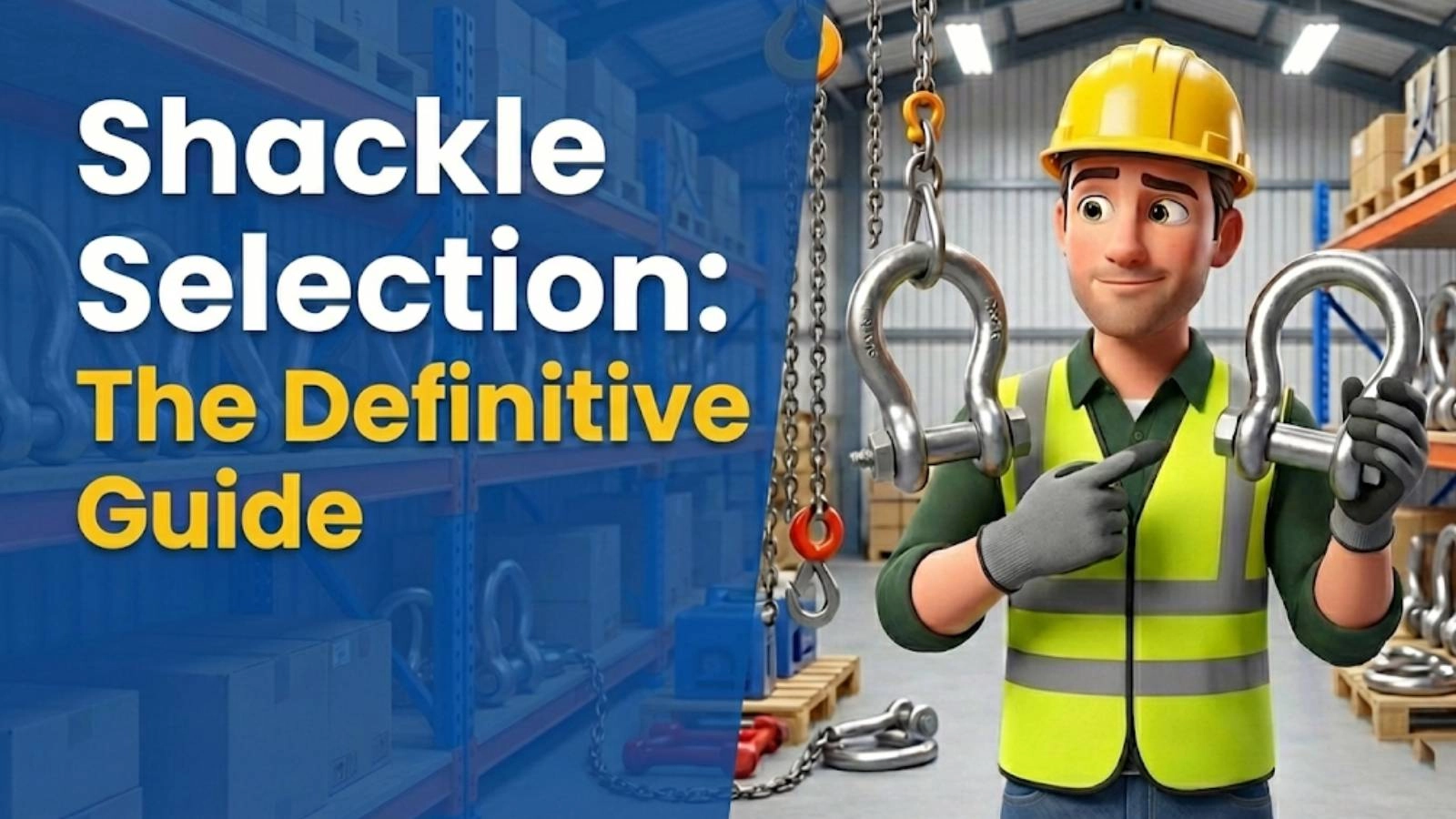
Lifting shackles are indispensable tools in a wide range of industries, from construction and manufacturing to marine and transportation. These seemingly simple devices play a critical role in securing and lifting heavy loads. However, their importance often leads to complacency regarding safety. This comprehensive guide aims to provide you with the knowledge and best practices necessary to ensure lifting shackle safety in your operations. Understanding the nuances of shackle selection, inspection, usage, and maintenance is crucial for preventing accidents and ensuring the well-being of your team. We at Safe and Secure Trading Company (SSTC) are committed to promoting safe lifting practices and providing the highest quality rigging equipment to our clients. Let’s dive into the essential aspects of lifting shackle safety.
Key Takeaways
- Lifting shackles are critical components in rigging operations, and their safety is paramount.
- Understanding and adhering to safety standards and regulations are essential for preventing accidents.
- Regular inspection, proper usage, and adequate maintenance are vital for ensuring the integrity of lifting shackles.
- Different types of shackles exist, each designed for specific applications and load requirements.
Introduction to Lifting Shackles and Their Importance
What are Lifting Shackles?
Lifting shackles are U-shaped or bow-shaped metal connectors used to join rigging components, such as slings, chains, and hooks, to a load. They provide a secure and reliable connection point for lifting and pulling applications. The basic function of a lifting shackle is to create a detachable link that can withstand significant tensile forces. The two main types of shackles are anchor shackles (also known as bow shackles) and chain shackles (also known as D-shackles).
The materials commonly used in shackle manufacturing are primarily alloy steel and carbon steel. Alloy steel shackles offer higher strength and durability, making them suitable for heavy-duty applications. Carbon steel shackles are more economical but may not be as strong as alloy steel. The choice of material depends on the specific application and the required shackle load capacity. We’ve consistently seen that using the right material for the job is a key factor in preventing accidents.
Why Lifting Shackle Safety Matters
The consequences of neglecting lifting shackle safety can be severe. Statistics on lifting-related accidents involving shackles highlight the importance of adhering to safety protocols. According to industry reports, a significant percentage of lifting accidents are attributed to shackle failure due to improper usage, inadequate inspection, or exceeding the working load limit (WLL).
The consequences of shackle failure can include serious injury to workers, damage to equipment and property, and costly delays in operations. In our experience with clients, a common mistake we help businesses fix is underestimating the importance of regular shackle inspections. We once worked with a client who struggled with frequent equipment breakdowns. By implementing a thorough inspection program, they saw a significant reduction in downtime and a safer working environment.
Furthermore, legal and regulatory compliance is a critical aspect of lifting shackle safety. Organizations such as OSHA (Occupational Safety and Health Administration) and ASME (American Society of Mechanical Engineers) have established standards and regulations that govern the use of lifting equipment, including shackles. Failure to comply with these regulations can result in fines, penalties, and legal liabilities. For many of our clients here in Dammam, Saudi Arabia, we’ve seen that understanding and adhering to these standards is essential for maintaining a safe and compliant operation.
📌 Understanding Lifting Shackle Safety Standards
Overview of Key Standards Organizations
Several organizations play a crucial role in setting the shackle safety standards for lifting operations globally. Understanding the roles and guidelines provided by these organizations is vital for ensuring compliance and promoting safety.
- American Society of Mechanical Engineers (ASME): ASME is a leading organization that develops standards and codes for mechanical engineering, including those related to lifting equipment. ASME B30.26 specifically addresses rigging hardware, including shackles, and provides requirements for design, manufacturing, testing, and inspection.
- Occupational Safety and Health Administration (OSHA): OSHA is a U.S. government agency responsible for ensuring safe and healthful working conditions for workers by setting and enforcing standards and by providing training, outreach, education, and assistance. OSHA regulations related to lifting equipment are found in 29 CFR 1926.251, which outlines requirements for rigging equipment for material handling.
- European Standards (EN): The European Standards, particularly those developed by the European Committee for Standardization (CEN), provide harmonized standards for lifting equipment within the European Union. EN standards cover various aspects of shackle design, testing, and usage.
- Other Relevant International Standards: Other relevant international standards include those developed by organizations such as CSA (Canadian Standards Association) in Canada and various national standards bodies in other countries. These standards often align with or reference ASME and EN standards.
Detailed Breakdown of ASME B30.26
ASME B30.26 is a critical standard for rigging hardware, including lifting shackles. A thorough understanding of its provisions is essential for ensuring safe lifting operations.
- Scope and Applicability: ASME B30.26 applies to the design, manufacturing, performance, inspection, testing, and maintenance of rigging hardware used for lifting and load handling. This standard covers shackles, as well as other rigging components such as hooks, links, and swivels.
- Requirements for Design, Manufacturing, and Testing: The standard specifies requirements for the design and manufacturing of shackles to ensure they meet specific strength and performance criteria. This includes requirements for material selection, dimensions, and manufacturing processes. Shackles must undergo rigorous testing to verify their load-bearing capacity and structural integrity.
- Inspection Criteria and Frequency: ASME B30.26 outlines detailed inspection criteria for shackles, including visual inspection for cracks, deformation, wear, and corrosion. The standard also specifies the frequency of inspections, which depends on the severity of usage and environmental conditions.
- Removal from Service Criteria: The standard provides clear guidelines for removing shackles from service if they exhibit any signs of damage or wear that could compromise their safety. This includes cracks, bends, excessive wear, corrosion, and any other defects that could affect their load-bearing capacity.
> “Regular inspections are the cornerstone of lifting shackle safety. Don’t skip them!” – Maria Rodriguez, Safety Compliance Officer
OSHA Regulations Related to Lifting Shackles
OSHA regulations are crucial for ensuring worker safety in lifting operations. Understanding and complying with these regulations is essential for preventing accidents and maintaining a safe working environment.
- Specific OSHA Standards Pertaining to Rigging Equipment (29 CFR 1926.251): OSHA 29 CFR 1926.251 specifically addresses the requirements for rigging equipment used for material handling. This standard outlines the general requirements for the use, inspection, and maintenance of rigging hardware, including shackles.
- Employer Responsibilities for Training and Inspection: OSHA regulations place significant responsibilities on employers to ensure that workers are properly trained in the safe use of lifting equipment. Employers must provide training on shackle inspection, proper usage, and the recognition of hazards associated with lifting operations. Regular inspections of rigging equipment are also mandatory, and employers must maintain records of these inspections. It is our experience at SSTC that companies with robust training programs experience far fewer accidents.
🔍 Comprehensive Shackle Inspection Procedures
Pre-Use Inspection Checklist
Before each use, a thorough inspection of lifting shackles is essential to identify any potential defects or damage that could compromise their safety. Here’s a detailed pre-use inspection checklist:
- Visual Inspection for Cracks, Bends, and Deformation: Carefully examine the shackle body and pin for any signs of cracks, bends, or deformation. These defects can significantly reduce the shackle’s load-bearing capacity.
- Checking for Proper Markings and Identification: Verify that the shackle has proper markings, including the manufacturer’s name or trademark, size, and WLL. These markings are essential for ensuring that the shackle is used within its specified limits.
- Verification of Shackle Size and WLL: Confirm that the shackle size and WLL are appropriate for the load and application. Using a shackle that is too small or has an insufficient WLL can lead to catastrophic failure.
- Inspection of Pin and Threads for Damage: Inspect the shackle pin and threads for damage, such as corrosion, wear, or deformation. Ensure that the pin can be fully engaged and that the threads are in good condition.
Periodic Inspection Guidelines
In addition to pre-use inspections, periodic inspections should be conducted at regular intervals to identify any hidden damage or wear that may not be apparent during a quick visual inspection.
- Frequency Recommendations Based on Usage and Environment: The frequency of periodic inspections depends on the severity of usage and environmental conditions. In harsh environments or with frequent use, inspections should be conducted more frequently. A general guideline is to inspect shackles monthly or quarterly, or more often if conditions warrant.
- Detailed Inspection Criteria for Wear, Corrosion, and Mechanical Damage: During periodic inspections, pay close attention to signs of wear, corrosion, and mechanical damage. Measure the shackle’s dimensions to check for excessive wear, and use appropriate methods to detect corrosion, such as visual inspection and non-destructive testing.
- Documentation Requirements for Inspection Results: Maintain detailed records of all inspections, including the date of inspection, the name of the inspector, the condition of the shackle, and any corrective actions taken. This documentation is essential for tracking the shackle’s history and ensuring that it remains safe for use.
Load Testing and Proof Testing
Load testing and proof testing are critical procedures for verifying the structural integrity of lifting shackles.
- Understanding Proof Load vs. Working Load Limit (WLL): The proof load is the load that a shackle is subjected to during testing to verify its strength and integrity. The WLL is the maximum load that a shackle is designed to carry in normal service. The proof load is typically higher than the WLL to provide a safety margin.
- When and How to Perform Load Testing: Load testing should be performed on new shackles before they are put into service, as well as after any repairs or modifications. The testing procedure involves applying a load to the shackle that is equal to or greater than the proof load and holding it for a specified period.
- Acceptance Criteria for Load Tests: After the load test, the shackle should be inspected for any signs of damage or deformation. If the shackle passes the test, it can be certified for use. If it fails, it must be removed from service.
| Inspection Type |
Frequency |
Criteria |
Documentation |
| Pre-Use Inspection |
Before each use |
Cracks, bends, markings, pin damage |
None required |
| Periodic Inspection |
Monthly/Quarterly |
Wear, corrosion, mechanical damage |
Inspection record |
| Load Testing |
Before first use, after repairs |
Proof load application, deformation check |
Test certificate |
🔩 Types of Lifting Shackles and Their Applications
Anchor Shackles (Bow Shackles)
Anchor shackles, also known as bow shackles, are characterized by their large, rounded bow shape, which provides a greater area for connecting multiple slings or other rigging hardware.
- Design Characteristics and Advantages: The bow shape of anchor shackles allows for a wider sling angle, reducing stress on the shackle and sling. This design makes them ideal for applications where multiple connections are required.
- Typical Applications: Anchor shackles are commonly used in applications such as connecting slings to loads, rigging cranes, and securing equipment in construction and marine environments.
Chain Shackles (D-Shackles)
Chain shackles, also known as D-shackles, have a narrower, D-shaped body, making them suitable for in-line pulling and lifting applications.
- Design Characteristics and Advantages: The D-shape of chain shackles allows for a higher WLL compared to anchor shackles of the same size. Their compact design makes them ideal for applications where space is limited.
- Typical Applications: Chain shackles are commonly used in applications such as connecting chains to loads, towing vehicles, and securing equipment in industrial settings.
Speciality Shackles
In addition to anchor and chain shackles, there are several types of specialty shackles designed for specific applications.
- Safety Bolt Shackles: Safety bolt shackles feature a bolt, nut, and cotter pin for secure closure. They are used in applications where the pin may be subjected to vibration or accidental dislodgement.
- Snap Shackles: Snap shackles have a spring-loaded gate that allows for quick and easy connection and disconnection. They are commonly used in marine and recreational applications.
- Swivel Shackles: Swivel shackles incorporate a swivel mechanism that allows the shackle to rotate freely, preventing twisting and kinking of the connected rigging hardware.
- Their Specific Uses and Limitations: Each type of specialty shackle has its specific uses and limitations. It is essential to select the appropriate shackle for the application and to follow the manufacturer’s instructions for safe usage.
Understanding Working Load Limit (WLL) and Safety Factors
The working load limit (WLL) is the maximum load that a shackle is designed to carry in normal service. Understanding the WLL and safety factors is crucial for preventing overloading and ensuring safe lifting operations.
- Definition of WLL and Its Significance: The WLL is typically marked on the shackle and should never be exceeded. Exceeding the WLL can lead to shackle failure and serious accidents.
- How Safety Factors Are Calculated and Applied: Safety factors are applied to the WLL to account for uncertainties in loading conditions and material properties. The safety factor is typically a ratio that is multiplied by the WLL to determine the maximum allowable load.
- Importance of Not Exceeding WLL: It is imperative to never exceed the WLL of a shackle. Overloading can cause the shackle to fail, resulting in injury, damage, and delays. We’ve consistently seen that adherence to WLL is the single most important factor in preventing shackle-related incidents.
🛠️ Best Practices for Safe Shackle Usage
Proper Shackle Selection
Selecting the right shackle for the job is paramount for ensuring shackle safety.
- Matching Shackle Type and Size to the Load and Application: Choose the shackle type and size based on the load weight, the angle of the load, and the specific requirements of the application. Ensure that the shackle’s WLL is sufficient for the load.
- Considering Environmental Factors: Environmental factors such as temperature and corrosive environments can affect shackle strength. Use shackles made of materials that are resistant to corrosion and that are suitable for the operating temperature.
Correct Shackle Installation
Proper shackle installation is critical to ensure safe and reliable connections.
- Ensuring Proper Pin Engagement: Ensure that the shackle pin is fully engaged and securely tightened. The pin should be screwed in completely and seated properly in the shackle body.
- Avoiding Side Loading: Side loading occurs when the load is applied at an angle to the shackle, which can significantly reduce its load-bearing capacity. Avoid side loading by using swivel shackles or other methods to ensure that the load is applied in line with the shackle body.
- Using Proper Tightening Techniques: Use appropriate tightening techniques to ensure that the shackle pin is securely fastened without over-tightening. Follow the manufacturer’s instructions for recommended torque values.
Avoiding Common Shackle Misuse Scenarios
Avoiding common shackle misuse scenarios is essential to prevent accidents and ensure shackle safety.
- Using Shackles as Makeshift Hooks: Never use shackles as makeshift hooks. Shackles are designed for specific loading conditions and should not be used for applications that they are not intended for.
- Exceeding WLL: Exceeding the WLL is a common cause of shackle failure. Always ensure that the load is within the shackle’s WLL.
- Improper Rigging Configurations: Improper rigging configurations can place excessive stress on shackles and other rigging hardware. Use proper rigging techniques and follow the recommendations of qualified rigging professionals.
🧰 Shackle Maintenance and Storage
Cleaning and Lubrication
Regular cleaning and lubrication are essential for maintaining shackle performance and preventing corrosion.
- Recommended Cleaning Procedures: Clean shackles regularly to remove dirt, debris, and contaminants. Use a mild detergent and water, and rinse thoroughly.
- Selecting Appropriate Lubricants: Use appropriate lubricants to protect shackles from corrosion and reduce wear. Select lubricants that are compatible with the shackle material and the operating environment.
Storage Guidelines
Proper storage is essential to protect shackles from damage and corrosion.
- Protecting Shackles from Corrosion and Damage: Store shackles in a dry, clean environment to protect them from corrosion and damage.
- Proper Storage Environment: Avoid storing shackles in direct sunlight or in areas where they may be exposed to corrosive chemicals or extreme temperatures.
Identifying and Replacing Damaged Shackles
Identifying and replacing damaged shackles is critical for maintaining shackle safety.
- Criteria for Removing Shackles from Service: Remove shackles from service if they exhibit any signs of damage, such as cracks, bends, excessive wear, or corrosion.
- Proper Disposal Methods: Dispose of damaged shackles in accordance with local regulations. Do not attempt to repair or reuse damaged shackles.
🚧 Case Studies: Learning from Accidents Involving Shackles
Real-World Examples of Shackle Failures
Analyzing real-world examples of shackle failures can provide valuable insights into the causes of accidents and how to prevent them.
- Analysis of Accidents Caused by Improper Shackle Usage or Maintenance: Many accidents involving shackles are caused by improper usage, such as exceeding the WLL or using shackles in unintended applications. Inadequate maintenance, such as neglecting to inspect and lubricate shackles, can also lead to failures.
- Lessons Learned from Each Case Study: Each case study provides valuable lessons for preventing similar accidents in the future. By understanding the causes of shackle failures, we can implement safety protocols and training programs to reduce the risk of accidents.
Preventing Similar Accidents
Implementing safety protocols based on case study findings is essential to prevent similar accidents.
- Implementing Safety Protocols Based on Case Study Findings: Develop and implement safety protocols based on the lessons learned from case studies. These protocols should address issues such as proper shackle selection, inspection, usage, and maintenance.
- Employee Training and Awareness Programs: Provide regular training and awareness programs for employees to ensure that they are knowledgeable about shackle safety and proper rigging practices.
🛡️ Implementing a Comprehensive Lifting Shackle Safety Program
Developing a Written Safety Plan
A written safety plan is an essential component of a comprehensive lifting shackle safety program.
- Defining Roles and Responsibilities: Clearly define the roles and responsibilities of employees involved in lifting operations. This includes assigning responsibility for shackle inspection, usage, and maintenance.
- Establishing Inspection Procedures: Establish detailed inspection procedures for shackles, including pre-use inspections, periodic inspections, and load testing.
- Creating a Training Program: Develop a training program that covers all aspects of shackle safety, including shackle selection, inspection, usage, and maintenance.
Employee Training and Competency Assessment
Employee training and competency assessment are critical for ensuring that workers are knowledgeable about shackle safety and proper rigging practices.
- Training on Shackle Inspection, Usage, and Maintenance: Provide comprehensive training on shackle inspection, usage, and maintenance. This training should cover the topics discussed in this guide, as well as any specific requirements for the work environment.
- Competency Testing and Certification: Conduct competency testing to verify that employees have the knowledge and skills necessary to safely use shackles. Provide certification for employees who successfully complete the training and testing.
Continuous Improvement and Auditing
Continuous improvement and auditing are essential for maintaining a high level of shackle safety.
- Regularly Reviewing and Updating the Safety Plan: Regularly review and update the safety plan to reflect changes in regulations, technology, and best practices.
- Conducting Safety Audits to Identify Areas for Improvement: Conduct regular safety audits to identify areas where the safety plan can be improved. These audits should involve a review of shackle inspection records, training programs, and work practices.
Conclusion
In conclusion, mastering lifting shackle safety involves a multifaceted approach that encompasses understanding safety standards, implementing rigorous inspection procedures, selecting the right shackle for the job, practicing safe usage, and maintaining equipment diligently. By adhering to these guidelines and safety standards, you can significantly reduce the risk of accidents and create a safer working environment. Understanding and implementing these best practices for lifting shackle safety is not just a regulatory requirement, but a commitment to protecting your team and ensuring the integrity of your operations. At Safe and Secure Trading Company, we are dedicated to providing you with the expertise and resources needed to maintain the highest standards of safety in your lifting operations.
FAQ Section
What is the most common cause of shackle failure?
Improper use and overloading are the most frequent causes of failure.
How often should lifting shackles be inspected?
Lifting shackles should be inspected before each use and periodically, based on usage and environmental conditions.
What do the markings on a shackle indicate?
Markings typically indicate the manufacturer, size, WLL (Working Load Limit), and traceability codes.
Can a bent shackle be repaired and reused?
No, bent or damaged shackles should never be repaired; they must be removed from service immediately.