

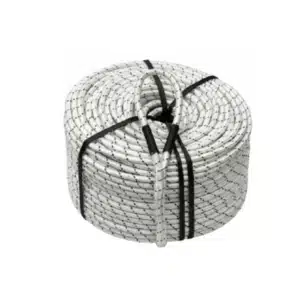
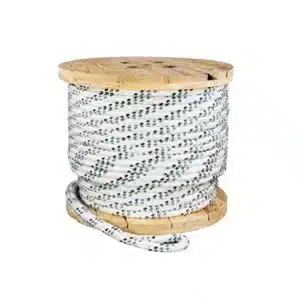
Dyneema Ropes
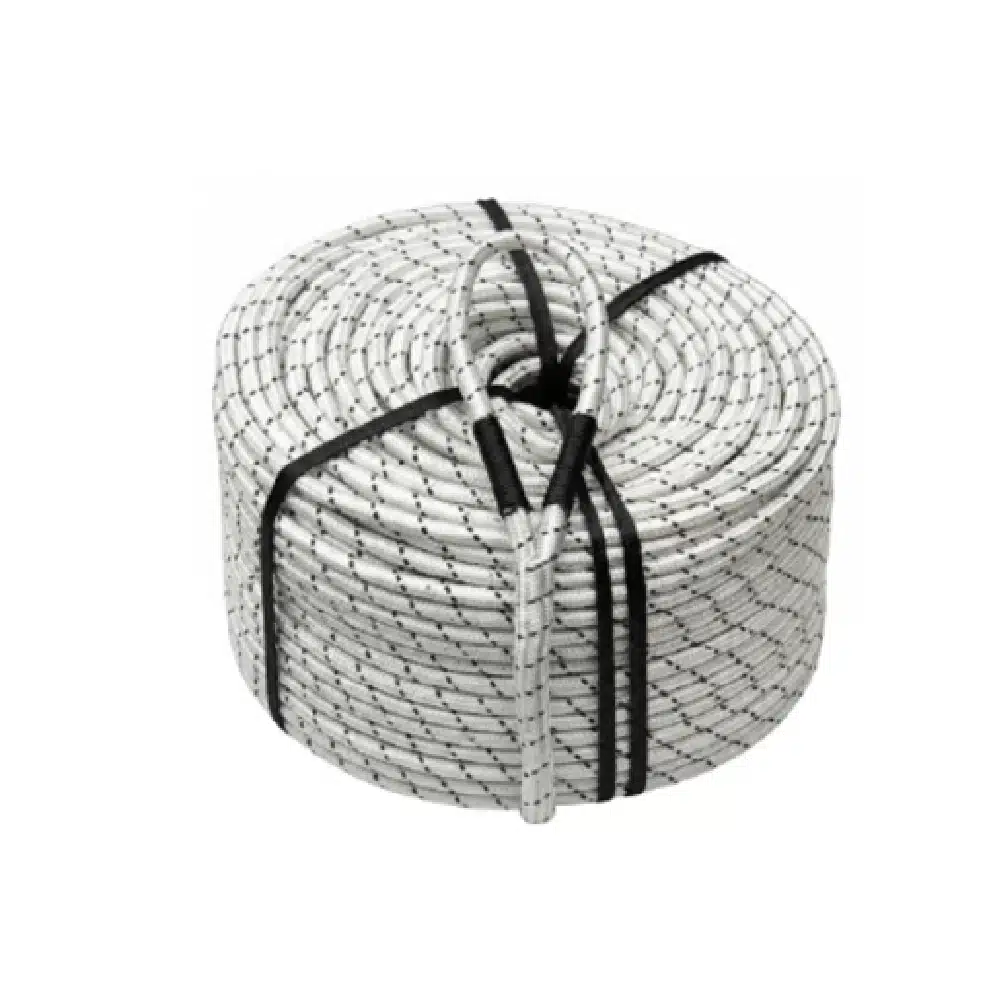
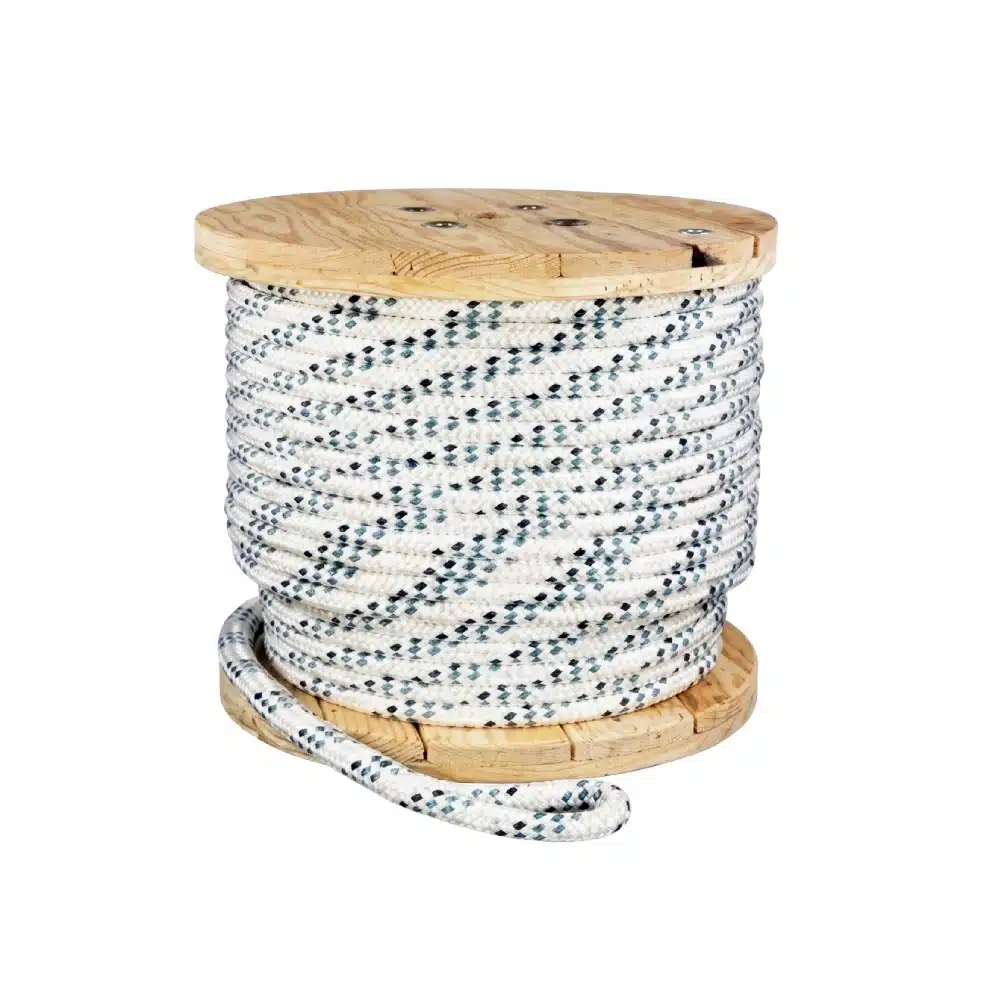
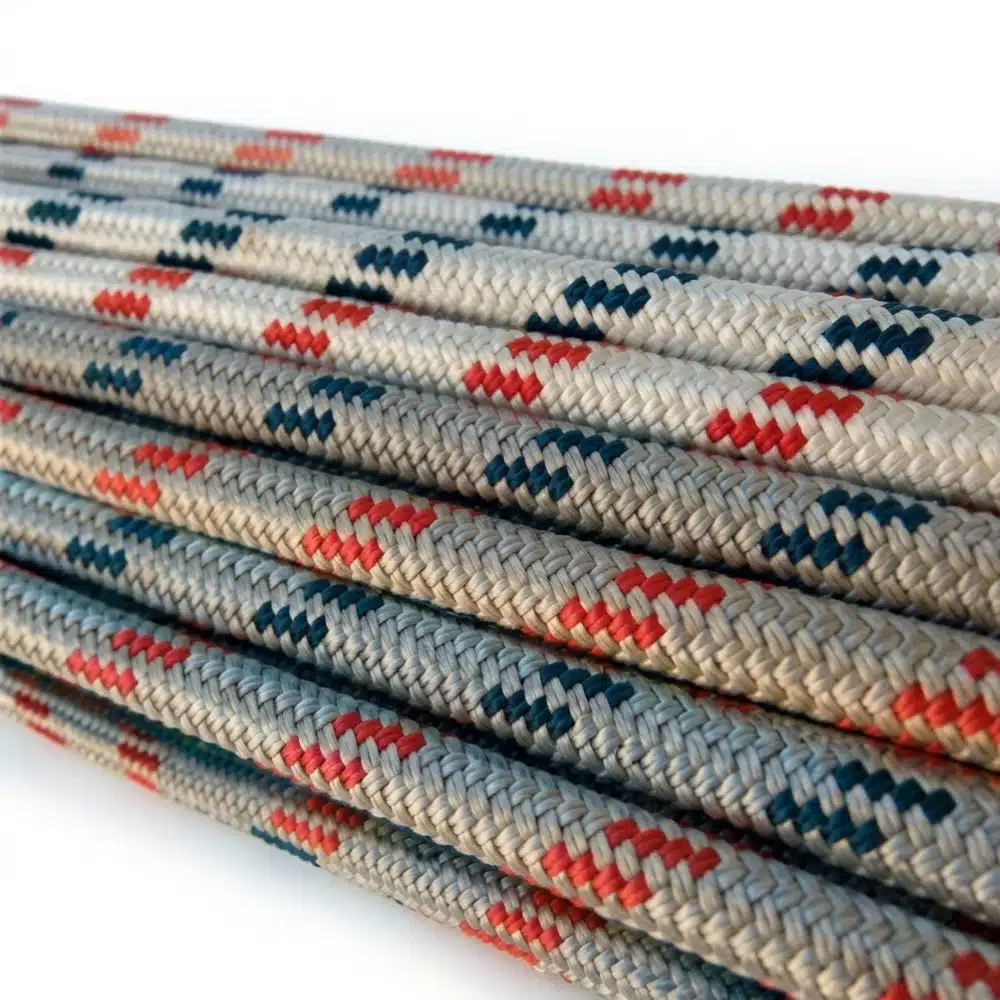
0.00 ر.س EX.VAT
- Superior Strength: Dyneema Ropes provide strength matching heavy steel cables.
- Lightweight Design: HMPE dyneema offers easy handling compared to heavy wires.
- Exceptional Durability: This dyneema cable withstands harsh industrial and marine environments.
- Low Stretch: Experience precision control using high-performance dyneema mooring rope.
High-Performance Dyneema Ropes for Industrial Solutions
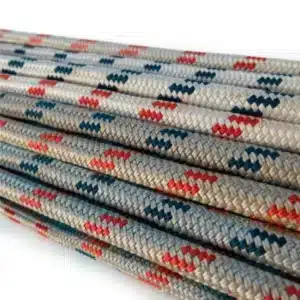
Dyneema Ropes serve as the premier standard for high-strength, low-weight rigging solutions across Saudi Arabian industrial and maritime sectors. Engineered from ultra-high-molecular-weight polyethylene, our HMPE dyneema products provide the ultimate alternative to traditional steel ropes, delivering exceptional durability and precise handling for your most demanding mooring and lifting operations in the region.
Features:
These features are designed to optimize your workflow and provide superior results in demanding industrial lifting and marine tasks:
- Superior Strength-to-Weight: These Dyneema Ropes offer strength levels matching heavy steel while remaining incredibly lightweight for handling.
- Advanced HMPE Material: Our HMPE dyneema construction ensures maximum resistance to abrasion, chemicals, and UV degradation in harsh desert climates.
- Minimal Stretch Characteristics: This dyneema cable exhibits low elongation, allowing for precise control and high safety margins during heavy-load operations.
- Floating Capability: The unique density of this cable dyneema allows it to float on water, simplifying complex maritime and offshore tasks.
Technical Specifications:
Our synthetic rope solutions meet stringent industrial quality and performance requirements for the Saudi market. Each line features precise engineering parameters to handle intensive loads efficiently.
- Material: High-performance Ultra-High-Molecular-Weight Polyethylene (HMPE).
- Construction: Parallel core or braided construction for optimal load distribution.
- Chemical Resistance: Highly resistant to moisture, oils, and common industrial chemicals.
- Safety Factor: Engineered for high breaking strength with low creep properties.
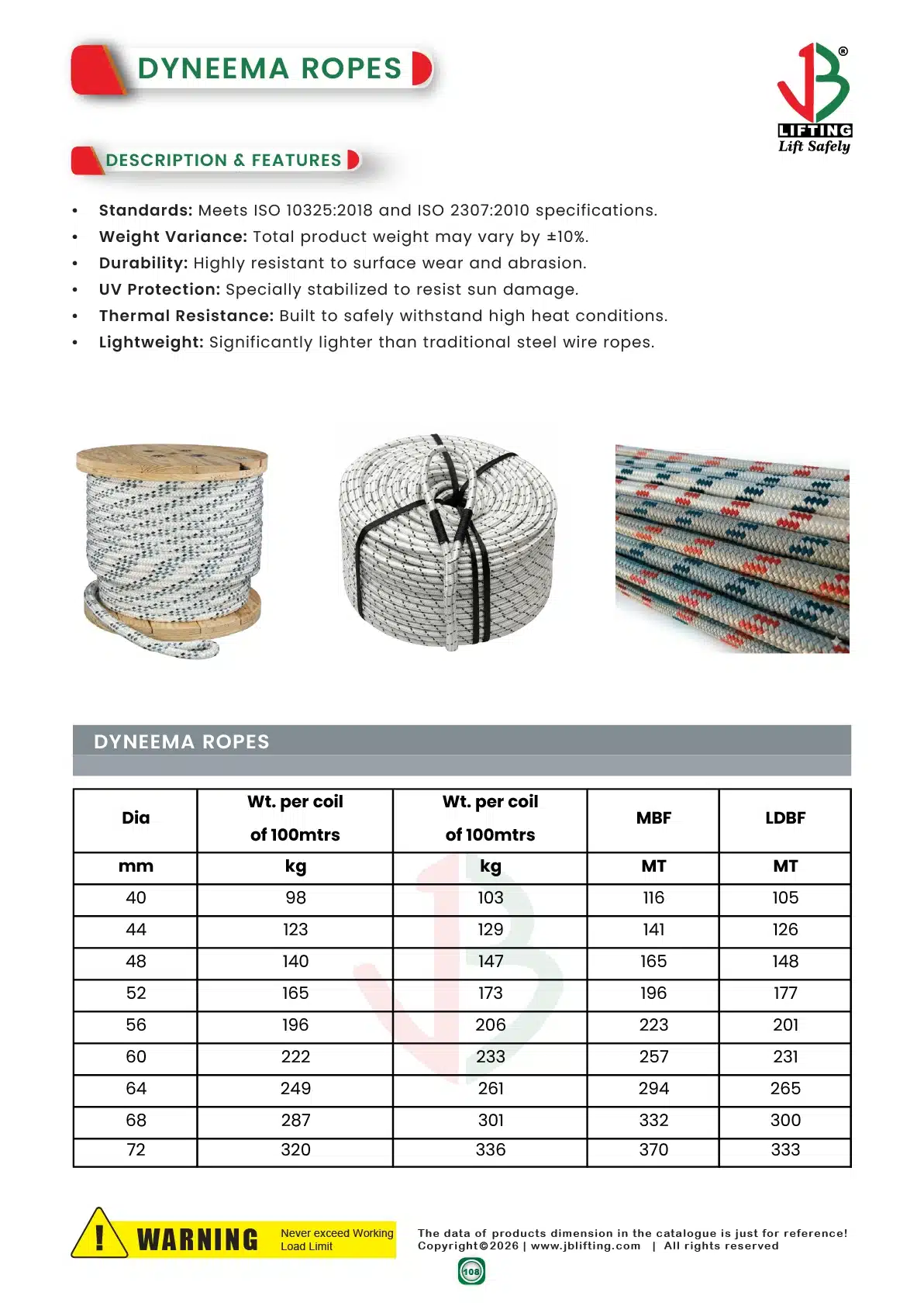
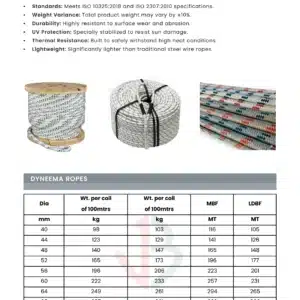
Data Table:
| DIA | WT. PER COIL OF 100MTRS |
WT. PER COIL OF 100MTRS |
MBF | LDBF | Order & Pricing |
|---|---|---|---|---|---|
| MM | KG | KG | MT | MT | |
| 40 | 98 | 103 | 116 | 105 | |
| 44 | 123 | 129 | 141 | 126 | |
| 48 | 140 | 147 | 165 | 148 | |
| 52 | 165 | 173 | 196 | 177 | |
| 56 | 196 | 206 | 223 | 201 | |
| 60 | 222 | 233 | 257 | 231 | |
| 64 | 249 | 261 | 294 | 265 | |
| 68 | 287 | 301 | 332 | 300 | |
| 72 | 320 | 336 | 370 | 333 | |
Applications:
These synthetic ropes are essential for high-tension and heavy-load sectors. They are vital for providing reliable performance in the following environments:
- Marine & Shipping: Used as a durable dyneema mooring rope for large vessels and offshore platforms.
- Industrial Lifting: Acting as a high-strength dyneema wire replacement for safe crane and winch operations.
- Oil & Gas: Reliable dyneema cable solutions for deep-sea and offshore equipment anchoring.
- General Maintenance: High-performance rigging for utility work and heavy transport securing tasks.
How To Use:
Proper technique and setup are critical to ensuring the longevity of your synthetic rope and operator safety. Follow these steps for optimal results:
- Surface Inspection: Clear all sharp edges, burs, or rough surfaces from fairleads and winches before installation.
- Correct Winding: Spool the rope onto the drum evenly under moderate tension to prevent rope burying.
- Avoid Sharp Bends: Maintain a minimum bending radius consistent with manufacturer guidelines to prevent fiber stress.
- Load Management: Ensure the rope is not subjected to shock loads that exceed the recommended safety margins.
- Regular Cleaning: Rinse the rope with fresh water after marine use to prevent salt crystal accumulation.
- Tension Checks: Monitor the rope under load for any signs of internal abrasion or fiber displacement.
Warning:
Operating high-tension synthetic equipment requires strict adherence to safety guidelines to prevent accidents. Please read these warnings carefully to ensure a safe working environment.
- Load Limits: Always operate strictly within the manufacturer’s rated breaking strength for the specific rope diameter.
- Abrasion Protection: Prevent contact with hot surfaces or jagged edges that can compromise structural integrity.
- Guard Usage: Ensure fairleads and rollers are smooth and correctly aligned before initiating any pulling operation.
- Tension Awareness: Maintain a safe distance from the rope path while under tension to protect personnel from potential snap-back.
Precautions:
Taking proactive measures is vital to extending the lifespan of your synthetic rigging. Follow these precautions to ensure maximum performance and safety standards.
- Thorough Inspection: Conduct a visual check for fiber fraying, fused sections, or discoloration before every single use.
- Correct Storage: Keep the rope coiled in a cool, dry area away from direct sunlight and harsh chemicals.
- Professional Splicing: Only use approved splicing methods to maintain the rated strength of the rope ends.
- Periodic Rotation: Rotate the rope end-to-end periodically to distribute wear and UV exposure evenly.
Frequently Asked Questions (FAQs):
- Q: Is this rope stronger than traditional steel wire?
A: Yes, our HMPE dyneema provides superior strength-to-weight ratios compared to traditional steel wire ropes of the same diameter. - Q: Can I use this for underwater mooring operations?
A: Absolutely, this dyneema mooring rope is hydrophobic and resistant to water degradation, making it ideal for subsea use. - Q: Does the rope stretch under heavy loads?
A: No, this cable dyneema is engineered for very low stretch, ensuring highly precise load control during lifts. - Q: How do I identify when to retire the rope?
A: Inspect for significant fiber abrasion, color changes, or structural deformation; if in doubt, retire the rope immediately. - Q: Is it difficult to handle compared to steel?
A: No, it is lightweight and flexible, allowing for easier, safer manual handling and faster setup times.
| Size (mm) | 40 mm, 44 mm, 48 mm, 52 mm, 56 mm, 60 mm, 64 mm, 68 mm, 72 mm |
|---|
You must be logged in to post a review.
Related products







 Dyneema Ropes
0.00 ر.س EX.VAT




































































































































Reviews
There are no reviews yet.