Rigging screws are essential components in various lifting and tensioning applications. Ensuring their safety and reliability is paramount to prevent accidents and maintain operational efficiency. Regular and thorough rigging screw checks are vital to identify potential issues before they escalate into serious problems. At Safe and Secure Trading Company (SSTC), we prioritize safety and offer expert guidance on maintaining the integrity of your rigging equipment.
1. ✅ Conduct a Visual Inspection
A visual inspection is the first and often most crucial step in ensuring the safety of rigging screws. This process involves a thorough examination of the screw’s physical condition, looking for any signs of damage or wear that could compromise its integrity. For our clients in the construction sector, we emphasize the importance of frequent visual checks due to the harsh conditions and heavy usage their equipment endures.
1.1. Check for Obvious Damage
Visually scan the entire rigging screw for any signs of cracks, bends, or distortions. These could significantly weaken the screw’s integrity. Cracks, even small ones, can propagate under load, leading to catastrophic failure. Bends and distortions indicate that the screw has been subjected to forces beyond its design limits. We recommend replacing any rigging screw that exhibits these types of damage immediately.
1.2. Examine the Threads
Inspect the threads for wear, corrosion, or damage. Damaged threads can reduce the screw’s holding capacity and increase the risk of failure. Threads are critical for transferring load effectively; worn or damaged threads compromise this ability. At SSTC, we advise using thread gauges to accurately assess thread condition. Ignoring this step can lead to unexpected slippage or complete thread stripping under load.
1.3. Look for Corrosion
Carefully check for any signs of rust or corrosion, especially in areas exposed to moisture or chemicals. Corrosion can weaken the metal and lead to premature failure. Corrosion eats away at the metal, reducing its cross-sectional area and, consequently, its strength. For our clients operating near the coast in Dammam, we’ve seen firsthand how saltwater accelerates corrosion. Regular cleaning and the application of protective coatings can mitigate this risk.
2. 💡 Verify Material Certification
Material certification ensures that the rigging screw meets specific quality and safety standards. This verification process confirms that the screw is made from the correct materials and can withstand the intended loads and environmental conditions. Verifying material certification is a critical step in maintaining rigging hardware safety. At SSTC, we always emphasize the importance of this step to our clients.
2.1. Confirm Material Grade
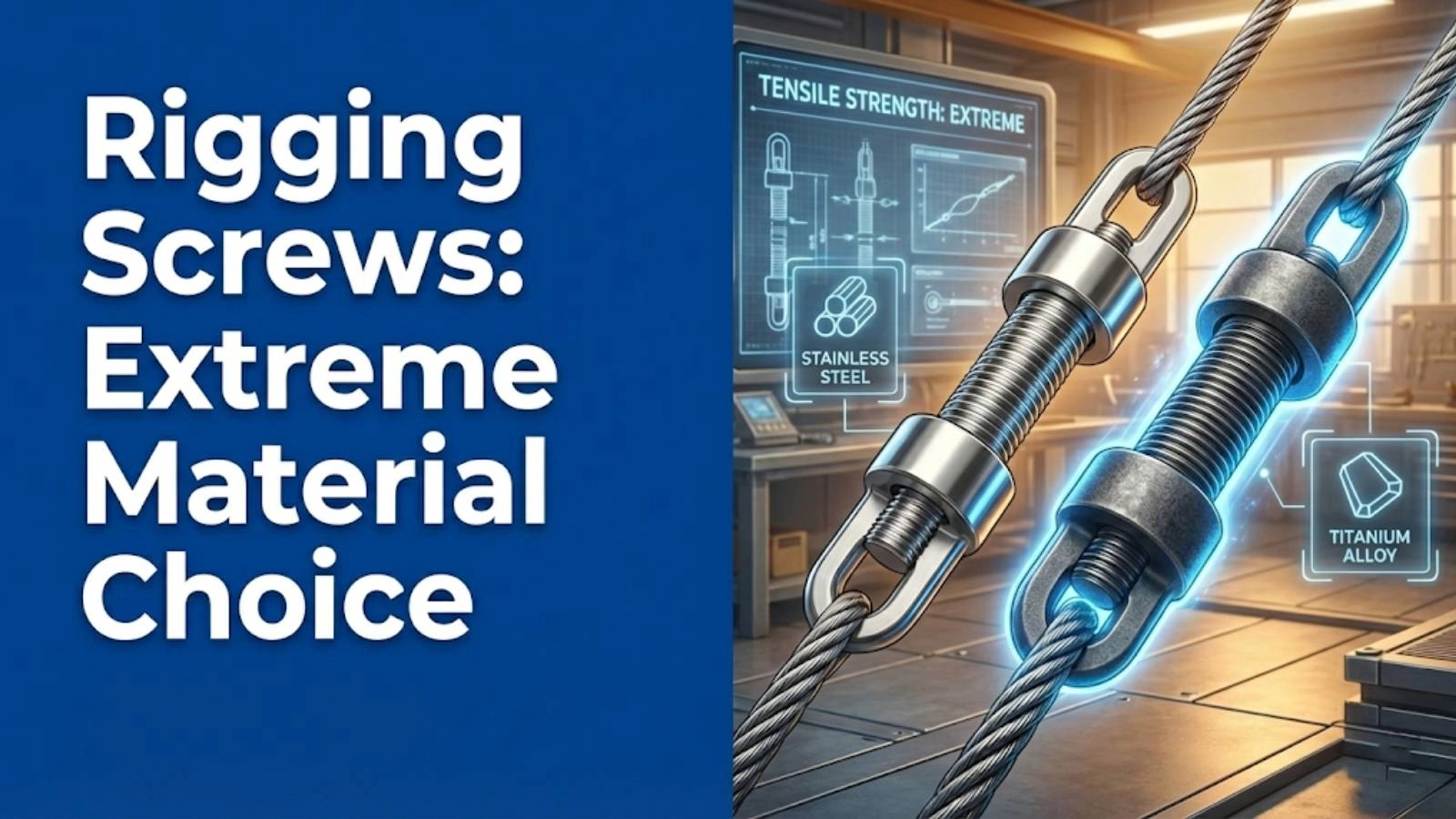
Ensure the rigging screw is made from the appropriate grade of steel or alloy specified for the intended load and environment. Using the wrong material grade can lead to premature failure. The material grade dictates the screw’s tensile strength, yield strength, and resistance to various environmental factors. We advise checking the manufacturer’s specifications to confirm the material grade matches the application requirements.
2.2. Check for Markings
Look for manufacturer markings that indicate the material type and load capacity. These markings should be clear and legible. Markings provide essential information about the screw’s capabilities and limitations. If the markings are missing or illegible, it’s impossible to verify the screw’s suitability for the intended use. SSTC recommends replacing any unmarked rigging screws to avoid potential hazards.
2.3. Traceability Documentation
Verify that the rigging screw has proper traceability documentation to confirm its origin and material composition. Traceability documentation provides a complete history of the screw, from manufacturing to distribution. This documentation helps ensure that the screw meets the required standards and has not been subjected to any unauthorized modifications. For many of our clients here in Dammam, we’ve seen that proper documentation is often overlooked, increasing the risk of using substandard equipment.
3. ➡️ Confirm Proper Thread Engagement
Proper thread engagement is crucial for ensuring the rigging screw can effectively bear the intended load. Insufficient thread engagement can lead to stripping, slippage, and ultimately, failure of the connection. Ensuring proper thread engagement is a fundamental aspect of screw pin safety. SSTC often encounters situations where this critical step is neglected, leading to potentially dangerous situations.
3.1. Measure Thread Depth
Use calipers or a thread gauge to measure the depth of thread engagement. Insufficient engagement can lead to stripping and failure. The depth of thread engagement directly affects the amount of load the screw can safely handle. We recommend consulting the manufacturer’s specifications to determine the minimum required thread engagement for the specific rigging screw.
3.2. Check for Cross-Threading
Ensure the threads are properly aligned and not cross-threaded, which can damage the threads and reduce holding power. Cross-threading occurs when the threads are forced together at an angle, damaging the threads and weakening the connection. It’s important to start threading the screw by hand to ensure proper alignment before applying any force. SSTC’s experience shows that cross-threading is a common issue that can be easily avoided with careful attention.
3.3. Use a Thread Lubricant
Apply a suitable thread lubricant to ensure smooth engagement and prevent galling, especially with stainless steel rigging screws. Thread lubricant reduces friction between the threads, allowing for smoother engagement and preventing galling, a form of wear that occurs when the threads seize together. We recommend using a lubricant specifically designed for the type of metal used in the rigging screw.
4. ⚖️ Validate Load Capacity
Validating the load capacity of a rigging screw is essential to ensure it can safely handle the intended load. Overloading rigging screws is a leading cause of failure, leading to accidents and injuries. Load capacity verification should be a routine part of any rigging operation. At SSTC, we provide comprehensive training to help our clients accurately assess load requirements.
4.1. Match to Application
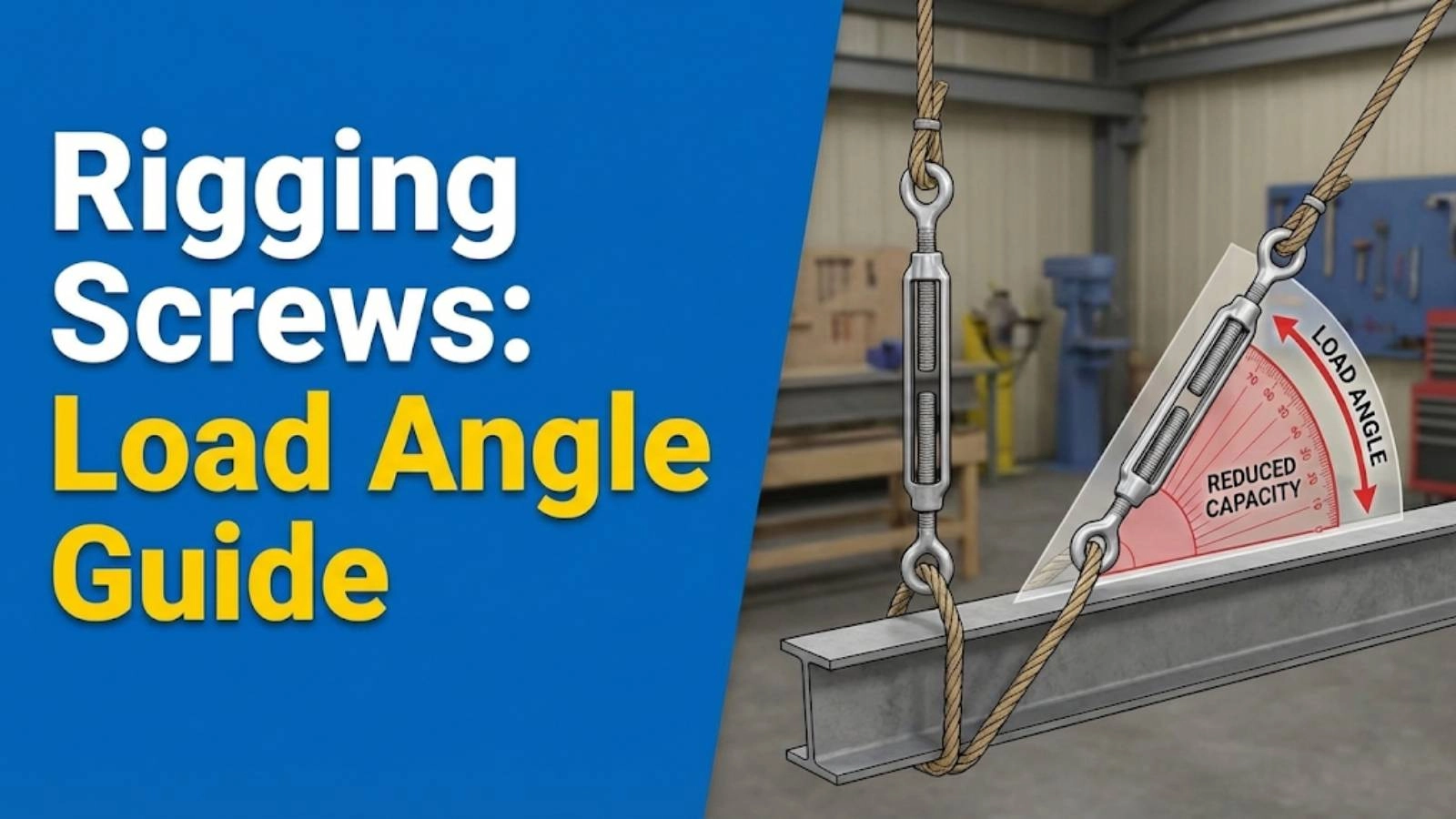
Ensure the rigging screw’s load capacity meets or exceeds the requirements of the specific lifting application. The load capacity must be sufficient to handle the maximum anticipated load, including any dynamic forces or shock loads. It’s crucial to consider the weight of the load, as well as any additional stresses that may be placed on the rigging screw during the lifting operation. We advise our clients to always err on the side of caution and choose a rigging screw with a higher load capacity than required.
4.2. Understand Working Load Limit (WLL)
Clearly understand the Working Load Limit (WLL) and never exceed it. This is the maximum load the screw is designed to handle safely. The WLL is typically marked on the rigging screw and in the manufacturer’s specifications. Exceeding the WLL can lead to catastrophic failure, resulting in serious accidents and injuries. SSTC emphasizes the importance of adhering to the WLL at all times.
4.3. Consider Shock Loading
Account for any potential shock loading, which can significantly increase the stress on the rigging screw. Shock loading occurs when the load is suddenly applied or jerked, creating a sudden increase in stress on the rigging screw. This can occur during lifting, hoisting, or any other operation where the load is not applied smoothly. We advise our clients to use rigging techniques that minimize shock loading, such as using soft starts and stops.
5. 🔩 Inspect the End Fittings
The end fittings of a rigging screw, such as eyes, jaws, and hooks, are critical components that connect the screw to the load. These fittings must be in good condition and properly attached to ensure a secure and reliable connection. Neglecting to inspect end fittings can lead to rigging hardware safety failures. SSTC always includes end fitting inspections in our comprehensive rigging safety audits.
5.1. Check for Compatibility
Ensure the end fittings (e.g., eyes, jaws, hooks) are compatible with the rigging screw and the intended application. The end fittings must be the correct size and type for the rigging screw, and they must be suitable for the load and environmental conditions. Using incompatible fittings can compromise the strength and stability of the connection. We recommend consulting the manufacturer’s specifications to ensure compatibility.
5.2. Examine for Wear
Inspect the end fittings for any signs of wear, cracks, or distortions. Damaged fittings can compromise the entire lifting system. Wear, cracks, and distortions can weaken the end fittings, reducing their load capacity and increasing the risk of failure. It’s important to pay close attention to areas that are subject to high stress or friction. SSTC advises replacing any end fittings that exhibit signs of damage.
5.3. Verify Secure Attachment
Confirm that the end fittings are securely attached to the rigging screw, using the correct pins or fasteners. The end fittings must be properly secured to the rigging screw to prevent them from coming loose during use. Use the correct pins or fasteners, and ensure they are properly tightened and secured. We recommend using locking devices, such as cotter pins, to prevent the fasteners from loosening.
6. 🌧️ Assess Environmental Factors
Environmental factors play a significant role in the lifespan and performance of rigging screws. Temperature, chemical exposure, and humidity can all affect the material properties and increase the risk of corrosion and failure. A comprehensive rigging inspection includes assessing environmental factors. SSTC provides specialized coatings and materials to mitigate environmental risks.
6.1. Consider Temperature
Account for the effects of temperature on the rigging screw’s strength and load capacity. Extreme temperatures can affect material properties. High temperatures can reduce the strength of the metal, while low temperatures can make it brittle. It’s important to consult the manufacturer’s specifications to determine the allowable temperature range for the specific rigging screw. We advise our clients to derate the load capacity of rigging screws when operating in extreme temperatures.
6.2. Check for Chemical Exposure
Identify any potential exposure to chemicals that could corrode or weaken the rigging screw. Exposure to chemicals, such as acids, solvents, and alkalis, can corrode or weaken the metal, reducing its load capacity and increasing the risk of failure. It’s important to identify any potential chemical exposure and take steps to protect the rigging screw, such as using corrosion-resistant materials or applying protective coatings. For our clients in the petrochemical industry, we always recommend using specialized materials resistant to chemical degradation.
6.3. Evaluate Humidity
Assess the level of humidity and take steps to protect the rigging screw from rust and corrosion in damp environments. High humidity can accelerate rust and corrosion, especially in areas exposed to saltwater. It’s important to store rigging screws in a dry, well-ventilated location and apply protective coatings to prevent rust and corrosion. We advise our clients to regularly inspect rigging screws for signs of rust and corrosion, especially in damp environments.
7. 📝 Maintain Inspection Records
Maintaining detailed inspection records is crucial for tracking the condition of rigging screws over time and identifying potential issues before they become serious problems. Rigging inspection and recordkeeping is crucial for compliance and safety. At SSTC, we offer digital solutions for managing inspection records efficiently.
7.1. Document Inspection Dates
Keep a detailed record of all rigging screw inspections, including the date, inspector’s name, and findings. This information provides a historical record of the rigging screw’s condition and helps track any changes or trends over time. We recommend using a standardized inspection form to ensure consistency and completeness.
7.2. Track Replacement Schedules
Establish a schedule for replacing rigging screws based on usage, environmental conditions, and manufacturer recommendations. Rigging screws have a finite lifespan, and it’s important to replace them before they become unsafe. The replacement schedule should be based on factors such as usage frequency, environmental conditions, and the manufacturer’s recommendations. We advise our clients to track the usage and condition of rigging screws to determine the appropriate replacement schedule.
7.3. Use a Checklist
Create a checklist to ensure all critical inspection points are covered consistently. A checklist helps ensure that all critical inspection points are covered and that nothing is overlooked. The checklist should be tailored to the specific type of rigging screw and the intended application. We recommend using a checklist that includes both visual inspection and functional testing.
8. 🧰 Proper Storage Techniques
Proper storage techniques are essential for preserving the condition of rigging screws and preventing damage or corrosion when they are not in use. Improper storage can lead to premature wear and tear, reducing the lifespan of the screws. Effective storage preserves the integrity of your rigging equipment. SSTC provides storage solutions designed to protect rigging hardware in harsh environments.
8.1. Clean Before Storing
Before storing rigging screws, clean them thoroughly to remove any dirt, debris, or contaminants. Dirt, debris, and contaminants can accelerate corrosion and damage the rigging screw. Use a brush or cloth to remove any loose material, and then wash the screw with soap and water. We advise our clients to dry the rigging screw thoroughly before storing it to prevent rust.
8.2. Apply Protective Coating
Apply a protective coating, such as oil or grease, to prevent rust and corrosion during storage. Protective coatings create a barrier between the metal and the environment, preventing rust and corrosion. Use a coating that is specifically designed for the type of metal used in the rigging screw. We recommend applying a thin, even coat of oil or grease to all surfaces of the rigging screw.
8.3. Store in Dry Place
Store the rigging screws in a dry, well-ventilated location away from direct sunlight and extreme temperatures. Direct sunlight and extreme temperatures can damage the rigging screw. A dry, well-ventilated location helps prevent rust and corrosion. We advise our clients to store rigging screws in a designated storage area that is protected from the elements.
9. 👨💼 Training and Competency
Proper training and competency are essential for ensuring that personnel who inspect and use rigging screws are knowledgeable and skilled in identifying potential hazards and following safe practices. Inadequate training can lead to accidents and injuries. Competency is key to safe rigging operations. SSTC offers comprehensive training programs that cover all aspects of rigging safety.
9.1. Certified Training
Ensure all personnel who inspect and use rigging screws have received certified training in proper rigging practices. Certified training provides personnel with the knowledge and skills they need to safely inspect and use rigging screws. The training should cover topics such as rigging hardware safety, lifting equipment checks, load capacity verification, and visual inspection rigging. We recommend using a training program that is accredited by a recognized organization.
9.2. Competency Assessment
Regularly assess the competency of rigging personnel to ensure they are proficient in identifying potential hazards. Competency assessment helps identify any gaps in knowledge or skills and ensures that personnel are able to perform their duties safely and effectively. The assessment should include both written tests and practical demonstrations. We advise our clients to conduct competency assessments at least annually.
9.3. Refresher Courses
Provide refresher courses to keep rigging personnel up-to-date on the latest safety standards and best practices. Safety standards and best practices are constantly evolving, and it’s important to keep personnel up-to-date on the latest changes. Refresher courses provide an opportunity to review key concepts and learn about new developments. We recommend providing refresher courses at least every two years.
10. ⚙️ Consider Proof Load Testing
Proof load testing involves subjecting the rigging screw to a load that is greater than its Working Load Limit (WLL) to verify its integrity and identify any potential weaknesses. Proof load testing is an important step in ensuring rigging equipment safety. SSTC offers certified proof load testing services to help our clients maintain the highest safety standards.
10.1. When to Test
Consider proof load testing for critical applications or when there is doubt about the rigging screw’s integrity. Proof load testing is particularly important for critical applications where failure could have serious consequences. It’s also recommended when there is any doubt about the rigging screw’s integrity, such as after it has been subjected to a shock load or exposed to corrosive chemicals.
10.2. Certified Testing Facility
Use a certified testing facility to conduct proof load testing according to industry standards. A certified testing facility has the equipment and expertise to conduct proof load testing safely and accurately. The testing should be conducted according to industry standards, such as those established by ASTM or ASME. We advise our clients to use a testing facility that is accredited by a recognized organization.
10.3. Documentation
Maintain records of all proof load testing, including the test date, load applied, and results. These records provide a historical record of the rigging screw’s performance and help track any changes or trends over time. The records should include the test date, the load applied, the duration of the test, and the results. We recommend keeping these records for the life of the rigging screw.
11. 🔎 Confirm Correct Assembly
Correct assembly is critical for ensuring that the rigging screw functions properly and safely. Improper assembly can lead to uneven stress distribution, reduced load capacity, and increased risk of failure. Assembly verification is a crucial step in rigging operations. SSTC provides detailed assembly instructions and training to ensure our clients follow best practices.
11.1. Alignment Check
Ensure all components are correctly aligned before applying any load. Misalignment can cause uneven stress and failure. Misalignment can cause the load to be distributed unevenly, leading to increased stress on certain components and reducing the overall load capacity. It’s important to check the alignment of all components before applying any load. We recommend using a level or other alignment tool to ensure that the components are properly aligned.
11.2. Tightening Torque
Use the correct tightening torque when assembling rigging screws to prevent over-tightening or loosening. Over-tightening can damage the threads or distort the components, while under-tightening can cause the components to loosen during use. It’s important to use a torque wrench to apply the correct tightening torque, as specified by the manufacturer. We advise our clients to consult the manufacturer’s specifications for the correct tightening torque.
11.3. Locking Devices
Employ locking devices, such as lock nuts or cotter pins, to prevent the rigging screw from loosening during use. Locking devices prevent the rigging screw from loosening due to vibration or other factors. Lock nuts and cotter pins are commonly used locking devices. We recommend using locking devices on all critical rigging screws to prevent loosening.
12. ⛔ Avoid Field Modifications
Field modifications, such as welding or grinding, can compromise the integrity of the rigging screw and increase the risk of failure. Unauthorized modifications can void warranties and create safety hazards. SSTC strongly advises against field modifications of rigging equipment.
12.1. No Welding
Never weld or modify rigging screws in the field, as this can weaken the material and compromise safety. Welding can change the material properties of the rigging screw, making it weaker and more susceptible to failure. It can also create stress concentrations that can lead to cracking. We strongly advise against welding rigging screws in the field.
12.2. Consult Manufacturer
Consult the manufacturer for any necessary repairs or modifications to ensure they are performed according to specifications. The manufacturer has the expertise and knowledge to perform repairs or modifications safely and effectively. Contact the manufacturer before attempting any repairs or modifications. We advise our clients to follow the manufacturer’s recommendations for all repairs and modifications.
12.3. Replacement over Repair
In many cases, it is safer and more cost-effective to replace a damaged rigging screw than to attempt a repair. Repairing a damaged rigging screw can be difficult and may not restore it to its original strength and integrity. Replacing the screw is often the safer and more cost-effective option. We recommend replacing any rigging screw that is damaged or shows signs of wear.
“Regular rigging screw checks are not just a best practice; they are a necessity for ensuring the safety and efficiency of lifting operations.” – John Smith, Lead Safety Inspector
Here’s a summary of the top 3 critical rigging screw checks:
1. Visual Inspection: Regularly check for cracks, bends, corrosion, and thread damage.
2. Load Capacity Validation: Ensure the rigging screw’s WLL meets or exceeds application requirements.
3. Proper Thread Engagement: Verify sufficient thread depth and use lubricant to prevent galling.
By following these guidelines, you can significantly enhance the safety and reliability of your rigging operations.
Conclusion
In conclusion, performing regular and thorough rigging screw checks is essential for maintaining a safe and efficient working environment. By following the steps outlined above, including visual inspections, material certification, load capacity validation, and proper storage techniques, you can identify potential issues early and prevent accidents. We are committed to providing our clients with the highest quality rigging hardware and expert guidance to ensure their operations are safe and secure. We empower you to lift with confidence and security.
FAQ Section
Q: How often should I perform rigging screw checks?
A: The frequency of rigging screw checks depends on the usage, environmental conditions, and manufacturer recommendations. However, as a general guideline, we recommend performing a visual inspection before each use and a more thorough inspection at least monthly. For critical applications or harsh environments, more frequent inspections may be necessary.
Q: What are the most common signs of rigging screw failure?
A: The most common signs of rigging screw failure include cracks, bends, distortions, worn or damaged threads, corrosion, and missing or illegible markings. Any of these signs should be cause for concern, and the rigging screw should be removed from service immediately.
Q: Can I repair a damaged rigging screw?
A: In most cases, we do not recommend repairing a damaged rigging screw. Repairing a damaged rigging screw can be difficult and may not restore it to its original strength and integrity. It is often safer and more cost-effective to replace the screw. Always consult the manufacturer for guidance on repairing or replacing rigging screws.
Q: What is the Working Load Limit (WLL)?
A: The Working Load Limit (WLL) is the maximum load that a rigging screw is designed to handle safely. It is typically marked on the rigging screw and in the manufacturer’s specifications. Never exceed the WLL of a rigging screw, as this can lead to catastrophic failure.
Q: How do I choose the right rigging screw for my application?
A: Choosing the right rigging screw for your application depends on several factors, including the load capacity, the environmental conditions, and the type of end fittings required. Consult the manufacturer’s specifications to ensure that the rigging screw is suitable for your application. We are always available to provide expert guidance on selecting the right rigging hardware for your specific needs.
Q: What should I do if I find a damaged rigging screw?
A: If you find a damaged rigging screw, remove it from service immediately and tag it to prevent it from being used again. Contact the manufacturer or a qualified rigging inspector for guidance on repairing or replacing the screw. Never attempt to use a damaged rigging screw, as this can lead to serious accidents and injuries.
Q: How does temperature affect the load capacity of a rigging screw?
A: Extreme temperatures can affect the strength and load capacity of a rigging screw. High temperatures can reduce the strength of the metal, while low temperatures can make it brittle. Consult the manufacturer’s specifications to determine the allowable temperature range for the specific rigging screw. Derate the load capacity of rigging screws when operating in extreme temperatures.
Q: What is the importance of material certification?
A: Material certification ensures that the rigging screw meets specific quality and safety standards. It confirms that the screw is made from the correct materials and can withstand the intended loads and environmental conditions. Verifying material certification is a critical step in ensuring the safety and reliability of rigging screws.
Q: How can I prevent corrosion on rigging screws?
A: You can prevent corrosion on rigging screws by storing them in a dry, well-ventilated location, applying protective coatings, and regularly inspecting them for signs of rust and corrosion. In harsh environments, consider using rigging screws made from corrosion-resistant materials, such as stainless steel.
Q: What is proof load testing, and why is it important?
A: Proof load testing involves subjecting the rigging screw to a load that is greater than its Working Load Limit (WLL) to verify its integrity and identify any potential weaknesses. It is an important step in ensuring the safety and reliability of rigging equipment. Proof load testing is particularly important for critical applications or when there is doubt about the rigging screw’s integrity.
Q: How do wire rope clips factor into rigging screw checks?
A: Wire rope clips are often used in conjunction with rigging screws to create secure connections. During rigging screw checks, it’s also crucial to inspect the wire rope clips for proper installation, tightness, and any signs of damage or corrosion. Ensuring the wire rope clips are in good condition is essential for maintaining the overall integrity of the rigging system.
Q: What is the significance of thread engagement in rigging screws?
A: Thread engagement is a critical factor in determining the strength and stability of a rigging screw connection. Insufficient thread engagement can lead to stripping and failure of the connection. During rigging screw checks, it’s essential to measure the depth of thread engagement to ensure it meets the manufacturer’s specifications. Proper lubrication can also help prevent galling and ensure smooth thread engagement.
Q: How does turnbuckle inspection relate to overall rigging screw checks?
A: Turnbuckles, which incorporate rigging screws, are commonly used for adjusting tension in rigging systems. Turnbuckle inspection should be an integral part of rigging screw checks. This includes verifying that the turnbuckle body is not bent or damaged, the threads are clean and lubricated, and the end fittings are properly secured. Regular turnbuckle inspection helps maintain the integrity and functionality of the entire rigging assembly.