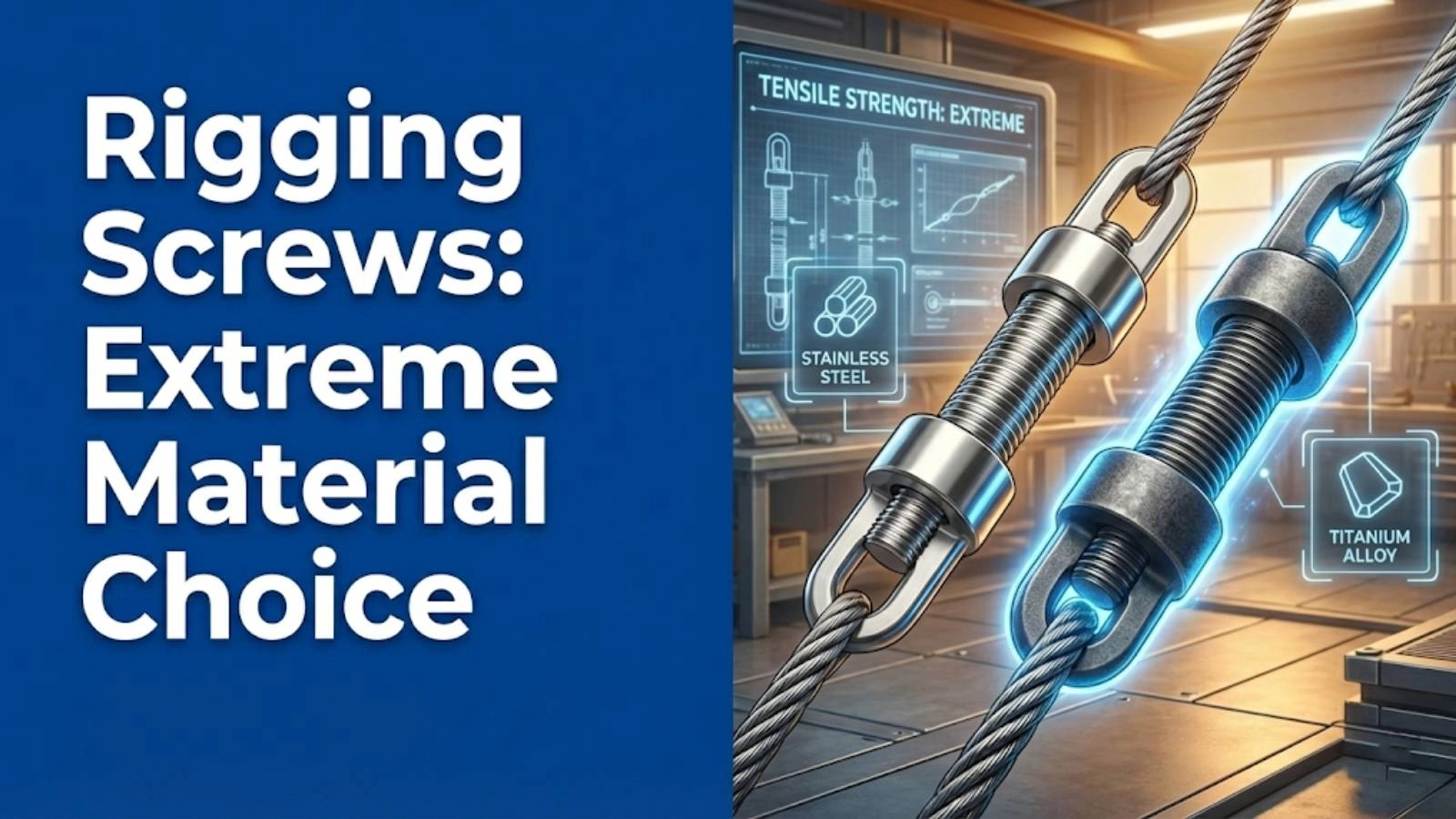
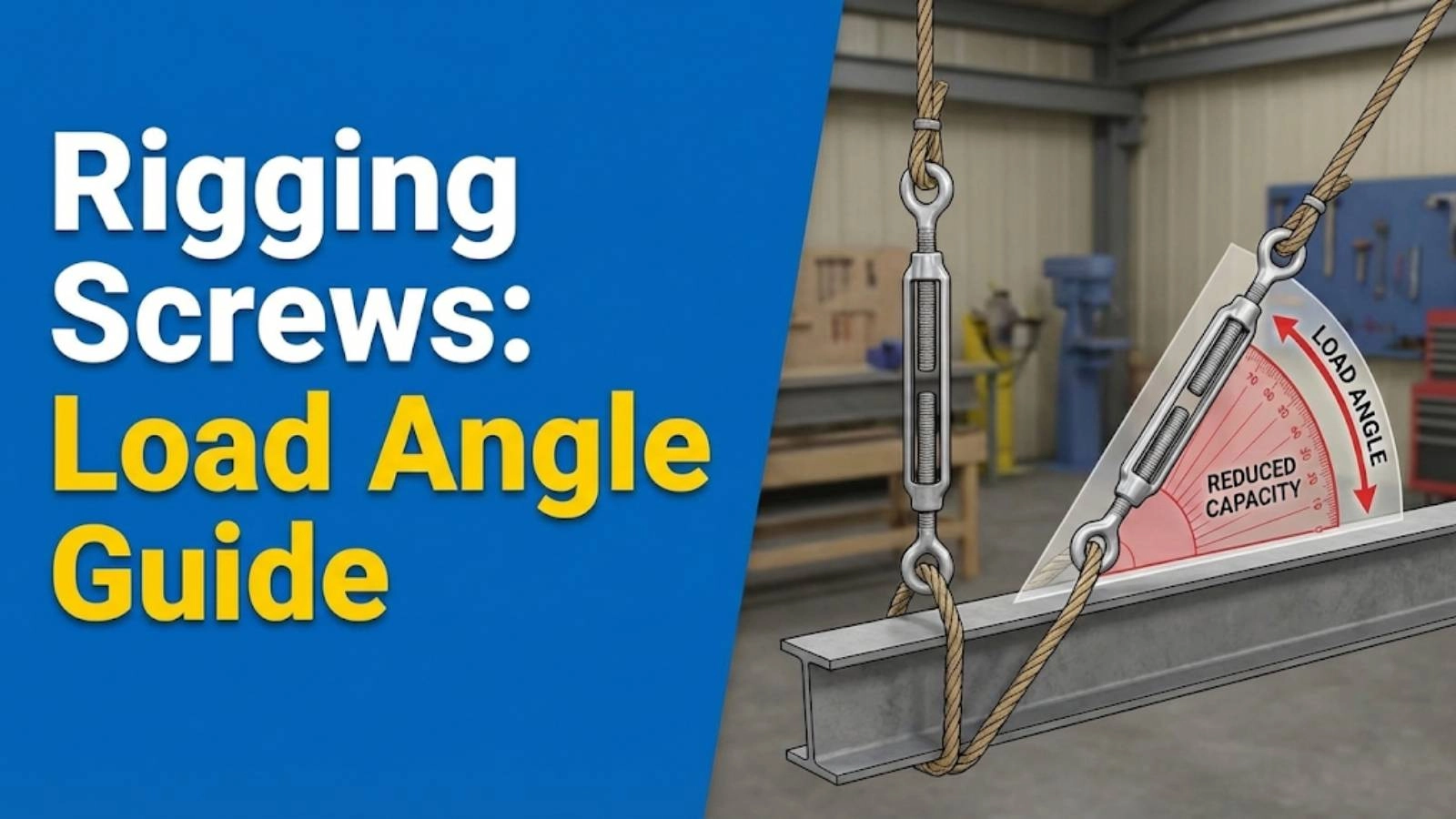
Rigging screws are essential components in various industries, from construction and manufacturing to marine and entertainment. These seemingly simple devices play a critical role in securing and adjusting tension in rigging systems. However, their reliability hinges on regular and thorough inspections. Neglecting rigging screw inspection can lead to catastrophic failures, resulting in injuries, property damage, and even fatalities.
1. ✅ Introduction: Why Rigging Screw Inspection Matters
Importance of Regular Inspections
Regular rigging screw inspection is not merely a procedural formality; it is a fundamental safety measure. Damaged or faulty rigging screws can compromise the integrity of entire rigging systems. The consequences of failure can be severe, leading to accidents that cause injuries, property damage, and even fatalities. In the bustling industrial zones of Jubail, where we have a significant operational presence, we’ve seen firsthand how diligent inspections have prevented potential disasters. This guide serves as your go-to resource for ensuring the safety and reliability of your rigging systems.
Scope of This Guide
This comprehensive guide will walk you through a detailed 5-point rigging screw inspection process. We will cover everything from visual checks for damage to assessing load ratings and examining locking mechanisms. By following these guidelines, you’ll be equipped to identify potential problems early, ensuring the safety and longevity of your rigging equipment.
2. 💡 Checkpoint 1: Visual Inspection for Obvious Damage
Surface Cracks and Deformations
The first step in any rigging screw inspection is a thorough visual examination. Look for any signs of surface cracks, bends, or other deformities. Cracks can propagate over time, weakening the screw and increasing the risk of failure. Deformations indicate that the screw has been subjected to excessive stress and may no longer be reliable. Even small imperfections can signal underlying problems that need further investigation.
Corrosion and Rust
Corrosion and rust are common enemies of rigging screws, especially in harsh environments like those near the Arabian Gulf. There are various types of corrosion, including uniform corrosion (general surface rusting), pitting corrosion (localized holes), and galvanic corrosion (caused by dissimilar metals in contact). Any sign of corrosion should be a red flag, as it weakens the metal and reduces the screw’s load-bearing capacity. A thorough corrosion inspection is critical for maintaining safety.
Thread Damage
The threads of a rigging screw are its lifeline, responsible for transferring load and maintaining tension. Check for damaged, stripped, or cross-threaded screw threads. Damaged threads reduce the contact area between the screw and its mating component, compromising its ability to hold load. Stripped or cross-threaded threads may prevent proper engagement, leading to instability and potential failure. Identifying thread damage early can prevent more serious problems down the line.
3. ➡️ Checkpoint 2: Assessing the Load Rating
Identifying the Load Rating
Every rigging screw should have a clearly marked load rating, indicating the maximum weight it can safely handle. This information is typically stamped directly onto the screw body or provided in accompanying documentation. Familiarize yourself with the different types of load ratings, such as working load limit (WLL) and breaking strength (BS), and understand their significance. Never use a rigging screw without knowing its load rating.
Matching the Load Rating to the Application
Using rigging screws with appropriate load ratings for the intended task is paramount. Overloading a screw can lead to immediate failure or, more insidiously, gradual weakening that eventually results in an accident. Always calculate the actual load the screw will be subjected to, taking into account factors like dynamic loading, shock loading, and angle of lift. For many of our clients here in Dammam, we’ve seen that carefully matching the load rating to the application drastically reduces the risk of equipment failure.
Understanding Safety Factors
Safety factors are crucial in rigging applications. A safety factor is a multiplier applied to the working load limit to account for uncertainties and potential overloads. For example, a safety factor of 5:1 means that the breaking strength of the screw is five times greater than its working load limit. Understanding and adhering to appropriate safety factors provides an extra margin of safety and helps prevent accidents.
4. 🔍 Checkpoint 3: Examining the Threads Closely
Using Magnification
While a visual inspection is essential, a closer examination of the threads is often necessary to identify subtle signs of wear or damage. Using a magnifying glass or other tools to inspect the threads in detail can reveal imperfections that might otherwise be missed. Proper lighting is also important to ensure a clear view of the threads. This meticulous approach is a cornerstone of thorough rigging hardware inspection.
Identifying Wear and Tear
Common signs of wear and tear on the threads include rounding of the thread crests, flattening of the thread flanks, and galling (material transfer between threads). These signs indicate that the threads have been subjected to repeated stress and friction, which can weaken them over time. Identifying wear and tear early allows you to take proactive measures, such as lubrication or replacement, to prevent further degradation.
Checking for Proper Engagement
Ensuring the threads are engaging correctly and fully is essential for proper load transfer. Misaligned or partially engaged threads can create stress concentrations, leading to premature failure. Verify that the screw threads are mating properly with the threads of the component it is connected to. If there is any difficulty engaging the threads, investigate the cause and correct it before using the screw.
5. ⚙️ Checkpoint 4: Verifying Locking Mechanisms
Types of Locking Mechanisms
Rigging screws often incorporate locking mechanisms to prevent loosening under vibration or dynamic loading. Common types of locking mechanisms include cotter pins, locking nuts, and chemical thread lockers. Each type has its own advantages and disadvantages, depending on the application. Understanding the different types of locking mechanisms is crucial for proper inspection and maintenance.
Checking for Functionality
Testing the functionality of the locking mechanisms is a critical step in the inspection process. Ensure that cotter pins are properly installed and not damaged. Verify that locking nuts are tightened to the specified torque. Check that chemical thread lockers are still effective. If the locking mechanism is not functioning correctly, it must be repaired or replaced before using the screw.
Ensuring Secure Locking
Properly securing the locking mechanism is essential to prevent loosening and maintain the integrity of the rigging system. Neglecting this step can lead to gradual loosening of the screw, which can eventually result in catastrophic failure. Double-check that the locking mechanism is properly engaged and secure before putting the screw into service.
6. 📏 Checkpoint 5: Measuring for Wear
Using Calipers or Gauges
Measuring wear on the rigging screw provides valuable data for assessing its condition and predicting its remaining lifespan. Calipers or gauges can be used to measure the diameter of the threads, the length of the screw, and the overall dimensions. These measurements can be compared to original specifications or baseline measurements to determine the extent of wear.
Establishing Baseline Measurements
Recording baseline measurements for future comparison is highly recommended. These measurements provide a reference point for tracking wear over time and determining when the screw needs to be replaced. Baseline measurements should be taken when the screw is new or in good condition and recorded in the inspection log.
Identifying Excessive Wear
Determining if wear is excessive requires comparing current measurements to baseline measurements or manufacturer specifications. If the diameter of the threads has decreased significantly, or if the length of the screw has changed beyond acceptable limits, the screw should be replaced. Following manufacturer recommendations for replacement intervals is also important.
> “Regular measurement of rigging screws is crucial for identifying wear and tear, ensuring timely replacement, and preventing accidents. Accurate measurements provide a reliable basis for making informed decisions about equipment maintenance and safety.” – Omar Hassan, Senior Mechanical Engineer
7. ⚠️ Documenting Inspections and Findings
Creating an Inspection Log
Creating a detailed inspection log is essential for tracking inspections, findings, and maintenance activities. The log should include information such as the date of inspection, the inspector’s name, the location of the screw, and a description of any findings. A well-maintained inspection log provides a valuable record of the screw’s history and helps ensure that inspections are performed regularly.
Recording Measurements and Observations
The inspection log should include detailed measurements and observations. Record the diameter of the threads, the length of the screw, and any signs of wear, corrosion, or damage. Include photographs or sketches to document the condition of the screw. The more detailed the information, the more useful the log will be for future reference.
Retaining Records for Future Reference
Retaining records for future inspections and audits is critical for demonstrating compliance with safety regulations and best practices. The inspection log should be stored in a safe and accessible location. Records should be retained for as long as the screw is in service, and possibly longer, depending on regulatory requirements.
8. 🛠️ Maintenance and Lubrication Tips
Cleaning Rigging Screws
Proper cleaning is essential for maintaining the condition of rigging screws. Remove dirt, debris, and corrosion using a wire brush, solvent, or other appropriate cleaning agents. Avoid using harsh chemicals that could damage the metal or protective coatings. After cleaning, inspect the screw for any signs of damage that may have been hidden by dirt or corrosion.
Lubricating Threads
Lubricating the threads of rigging screws reduces friction, prevents galling, and extends their lifespan. Use a high-quality lubricant specifically designed for threaded fasteners. Apply the lubricant liberally to the threads before installation and reapply periodically as needed. Regular lubrication is particularly important in harsh environments.
Preventing Corrosion
Preventing corrosion is crucial for maintaining the integrity of rigging screws. Apply a protective coating, such as paint, galvanizing, or plating, to the screw. Store screws in a dry, well-ventilated area when not in use. Inspect screws regularly for signs of corrosion and take corrective action promptly. For our clients in coastal regions, we emphasize the importance of using corrosion-resistant materials.
9. 🗑️ When to Replace Rigging Screws
Identifying Irreversible Damage
Certain types of damage warrant immediate replacement of rigging screws. These include cracks, severe corrosion, stripped threads, and significant deformations. Any of these conditions can compromise the screw’s load-bearing capacity and increase the risk of failure. When in doubt, err on the side of caution and replace the screw.
Exceeding Wear Limits
When wear measurements exceed safe limits, the rigging screw should be replaced. Refer to manufacturer specifications or established wear limits to determine when replacement is necessary. Regular measurement and documentation of wear are essential for making informed decisions about replacement.
Following Manufacturer Recommendations
Following manufacturer recommendations for replacement intervals is crucial for ensuring the safety and reliability of rigging screws. Manufacturers often provide guidelines based on the screw’s material, design, and intended application. Adhering to these recommendations can help prevent premature failure and ensure that the screw is always in good condition.
10. 📜 Safety Guidelines and Best Practices
Following Industry Standards
Adhering to relevant industry standards and regulations is essential for safe rigging practices. These standards provide guidelines for the design, inspection, and maintenance of rigging equipment. Familiarize yourself with standards such as those from OSHA (Occupational Safety and Health Administration) and ANSI (American National Standards Institute). Proper rigging maintenance includes knowing and following these standards.
Using Proper Rigging Techniques
Using proper rigging techniques is crucial for preventing accidents and ensuring the safe operation of rigging systems. This includes selecting the right equipment for the job, using correct hitch configurations, and avoiding overloading. Proper training and certification are essential for personnel involved in rigging operations.
Seeking Professional Assistance
Seeking professional assistance when needed is a sign of responsible rigging management. If you are unsure about any aspect of rigging screw inspection or maintenance, consult with a qualified rigging professional. Professional inspectors can provide expert guidance and help ensure the safety and reliability of your rigging systems.
11. 💰 Cost Savings Through Preventative Maintenance
Reduced Downtime
Regular turnbuckle inspection and maintenance can significantly reduce downtime. By identifying and addressing potential problems early, you can prevent unexpected failures that can disrupt operations and lead to costly delays. A proactive approach to maintenance saves time and money in the long run.
Extended Lifespan of Equipment
Preventative maintenance extends the lifespan of rigging equipment. By keeping screws clean, lubricated, and properly adjusted, you can reduce wear and tear and prevent corrosion. This extends the useful life of the equipment, reducing the need for frequent replacements.
Avoiding Costly Accidents
The cost savings associated with preventing accidents are substantial. Accidents can result in injuries, property damage, and legal liabilities. By investing in regular rigging screw inspection and maintenance, you can reduce the risk of accidents and avoid these costly consequences. We have seen firsthand how a commitment to safety translates into significant financial benefits for our clients.
12. 💡 Conclusion: Rigging Screw Inspection for Peace of Mind
Summarizing Key Inspection Points
Let’s recap the 5 key inspection points: First, perform a visual inspection for any obvious damage. Second, assess the load rating and ensure it matches your application. Third, closely examine the threads for wear and tear. Fourth, verify that the locking mechanisms are functioning correctly. And finally, measure the rigging screw for wear, keeping records for future reference.
Emphasizing Ongoing Responsibility
Rigging screw inspection and maintenance are not one-time tasks; they are ongoing responsibilities. Regular inspections are essential for identifying potential problems early and preventing accidents. A proactive approach to maintenance ensures the long-term safety and reliability of your rigging systems.
Prioritizing Safety
Ultimately, the goal of rigging screw inspection is to prioritize safety and prevent accidents. By following the guidelines outlined in this guide, you can create a safer working environment and protect your employees and assets. We, at Safe and Secure Trading Company, are committed to helping you achieve this goal.
FAQ Section
Q: How often should I perform a rigging screw inspection?
A: The frequency of rigging screw inspection depends on the application and environment. In general, screws should be inspected before each use and regularly thereafter. In harsh environments or under heavy use, more frequent inspections may be necessary.
Q: What are the most common causes of rigging screw failure?
A: The most common causes of rigging screw failure include overloading, corrosion, wear, and improper maintenance. Regular inspection and maintenance can help prevent these failures.
Q: What should I do if I find a damaged rigging screw?
A: If you find a damaged rigging screw, remove it from service immediately and replace it with a new one. Do not attempt to repair a damaged screw, as this can compromise its strength and reliability.
Q: What are the industry standards for rigging screw inspection?
A: Relevant industry standards for rigging screw inspection include those from OSHA and ANSI. Consult these standards for detailed guidelines on inspection procedures and requirements.
Q: What type of lubricant should I use for rigging screw threads?
A: Use a high-quality lubricant specifically designed for threaded fasteners. Avoid using general-purpose lubricants, as they may not provide adequate protection against friction and corrosion.
Q: Where can I find the load rating information on a rigging screw?
A: The load rating information is typically stamped directly onto the screw body or provided in accompanying documentation. If you cannot find the load rating information, do not use the screw.
Q: How do I measure wear on a rigging screw?
A: Use calipers or gauges to measure the diameter of the threads, the length of the screw, and the overall dimensions. Compare these measurements to original specifications or baseline measurements to determine the extent of wear.
Q: What is the purpose of a locking mechanism on a rigging screw?
A: The purpose of a locking mechanism is to prevent loosening under vibration or dynamic loading. Ensure that the locking mechanism is functioning correctly before using the screw.
Q: Can I use a rigging screw for lifting applications?
A: Rigging screws can be used for lifting applications, but it is essential to use screws with appropriate load ratings and safety factors. Consult with a qualified rigging professional to ensure that the screw is suitable for the intended application.
Q: How can I prevent corrosion on rigging screws?
A: Prevent corrosion by applying a protective coating, such as paint, galvanizing, or plating, to the screw. Store screws in a dry, well-ventilated area when not in use. Inspect screws regularly for signs of corrosion and take corrective action promptly.