Rigging screws are essential components in various applications, from construction and marine operations to theatrical rigging and heavy lifting. These seemingly simple devices play a critical role in ensuring the safety and stability of structures and equipment. However, their reliability hinges on regular and thorough rigging screw inspection. Neglecting this crucial task can lead to catastrophic failures, resulting in property damage, injuries, or even fatalities. This article focuses on the most common mistakes people make during rigging screw inspection, providing practical solutions to avoid these pitfalls and maintain a safe working environment.
1. Neglecting Visual Inspection
✅ Mistake: Ignoring Obvious Damage
Many users fail to notice visible signs of damage, such as cracks, bends, or deformation in the rigging screws. This oversight can have severe consequences, as even minor damage can compromise the screw’s structural integrity. Ignoring these red flags can lead to unexpected failures under load, putting personnel and equipment at risk.
✅ Solution: Regular Visual Checks
Implement a routine visual inspection schedule, paying close attention to any irregularities or signs of wear and tear. We recommend that our clients conduct visual inspections before each use and after any event that could potentially damage the rigging screws. Establishing this proactive approach ensures that any issues are identified and addressed promptly.
✅ Detail: What to Look For
During a visual inspection, look for several key indicators of potential problems. This includes rust, which indicates corrosion; cracks, which signify structural weakness; bending, which suggests overloading or impact damage; and deformation, which indicates that the screw has been stressed beyond its limits. Also, check for any signs of wear and tear, such as chipped paint or worn threads. For many of our clients here in Dammam, we’ve seen that implementing a checklist helps ensure nothing is missed during these critical visual checks.
2. Overlooking Thread Condition
💡 Mistake: Failing to Inspect Threads
Often, users overlook the condition of the threads on the rigging screws, which can significantly impact their strength. Damaged or worn threads reduce the contact area between the screw and its mating component, leading to decreased holding capacity and increased risk of slippage or failure. This is a common oversight during rigging hardware inspection.
💡 Solution: Thorough Thread Examination
Use a magnifying glass and thread gauges to thoroughly examine the threads for damage, wear, or corrosion. We suggest performing this examination in a well-lit area to ensure all defects are visible. Thread gauges help to accurately assess the thread pitch and diameter, ensuring they meet the required specifications. This meticulous approach is crucial for identifying potential weaknesses before they lead to failure.
💡 Detail: Why Threads Matter
Damaged threads reduce the holding capacity of the rigging screw because they decrease the amount of surface area available for load transfer. When threads are worn, corroded, or damaged, they can no longer effectively grip the mating component. This concentrates the load on fewer threads, increasing the stress on those points and making them more susceptible to failure. In extreme cases, stripped threads can cause the screw to completely disengage under load, leading to a catastrophic event. We always recommend replacing any rigging screws with compromised threads to maintain safety and reliability.
3. Ignoring Corrosion
➡️ Mistake: Ignoring Rust and Pitting
Corrosion is a silent killer of rigging screws. Failing to address even small signs of rust can lead to significant weakening. Rust and pitting compromise the metal’s integrity, reducing its ability to withstand loads. Ignoring these early warning signs can result in sudden and unexpected failures, even under normal operating conditions.
➡️ Solution: Implement Corrosion Prevention
Apply protective coatings, regularly clean the rigging screws, and store them properly when not in use to minimize corrosion. We advise our clients to use corrosion-resistant lubricants and coatings specifically designed for the operating environment. Regular cleaning removes contaminants that can accelerate corrosion, while proper storage in a dry, well-ventilated area prevents moisture buildup.
➡️ Detail: Best Practices for Corrosion Prevention
Several methods can effectively prevent corrosion on rigging screws. Applying protective coatings such as zinc plating, galvanizing, or specialized epoxy coatings creates a barrier between the metal and the environment. Regular cleaning with a wire brush and appropriate solvents removes dirt, salt, and other corrosive substances. Storing the rigging screws in a dry, climate-controlled environment is essential when they are not in use. For marine applications, consider using stainless steel rigging screws, which offer superior corrosion resistance compared to carbon steel.
4. Skipping Load Testing
✅ Mistake: Assuming Load Capacity
Assuming the rigging screws can handle a load without proper testing is a dangerous gamble. Over time, even well-maintained rigging screws can experience fatigue and degradation, reducing their load-bearing capacity. Relying on outdated assumptions or neglecting regular load testing rigging can lead to catastrophic failures and serious accidents.
✅ Solution: Conduct Regular Load Tests
Perform regular load testing rigging to verify the rigging screws’ capacity to handle the intended loads safely. We recommend conducting proof load testing at intervals recommended by the manufacturer or relevant safety standards. This practice ensures that the rigging screws can withstand the stresses they are subjected to during operation.
✅ Detail: Types of Load Testing
Several types of load testing rigging can be performed to assess the integrity of rigging screws. Proof load testing involves applying a specific load to the screw, typically higher than its working load limit, and verifying that it does not exhibit any signs of deformation or failure. Destructive testing involves subjecting the screw to increasing loads until it fails, providing valuable data on its ultimate strength. Non-destructive testing methods, such as ultrasonic testing and magnetic particle inspection, can detect internal flaws and cracks without damaging the screw. The choice of load testing rigging method depends on the application, the criticality of the component, and the available resources.
5. Improper Lubrication
💡 Mistake: Neglecting Lubrication
Failing to lubricate rigging screws can lead to increased friction, wear, and premature failure. Without proper lubrication, the threads can bind and gall, making it difficult to adjust the screw and increasing the risk of damage. Neglecting lubrication can also accelerate corrosion, especially in harsh environments.
💡 Solution: Apply Appropriate Lubricants
Use appropriate lubricants to reduce friction, protect against corrosion, and ensure smooth operation. We advise our clients to select lubricants specifically designed for the type of rigging screws and the operating environment. Apply the lubricant liberally to the threads and other moving parts, ensuring thorough coverage.
💡 Detail: Recommended Lubricants
Several lubricants are suitable for rigging screws, depending on the application and environmental conditions. Molybdenum disulfide (moly) grease is an excellent general-purpose lubricant that reduces friction and prevents galling. Lithium grease is another good option, offering good water resistance and corrosion protection. For marine applications, consider using a waterproof marine grease that can withstand saltwater exposure. Copper-based anti-seize compounds can prevent seizing and galling in high-temperature applications. Always consult the manufacturer’s recommendations for the appropriate lubricant for your specific rigging screws.
6. Mismatching Components
➡️ Mistake: Mixing Different Brands/Materials
Using rigging screw components from different manufacturers or materials can compromise the integrity of the system. Different manufacturers may use different tolerances, thread designs, and material specifications, leading to compatibility issues. Mixing materials can also create galvanic corrosion, which accelerates the degradation of one or both components.
➡️ Solution: Use Matching Components
Ensure all components are compatible, ideally from the same manufacturer and made of the same material. We always recommend using matched sets of rigging screws and their mating components to ensure proper fit and performance. If you must use components from different manufacturers, verify their compatibility and ensure they meet the same standards and specifications.
➡️ Detail: Why Compatibility Matters
Compatibility matters because it ensures that all components work together seamlessly and safely. When components are mismatched, they may not fit properly, leading to increased stress on certain parts and reducing the overall strength of the system. Galvanic corrosion occurs when two dissimilar metals are in contact in the presence of an electrolyte, such as saltwater. The more active metal corrodes at an accelerated rate, while the less active metal is protected. This can weaken the rigging screw and lead to premature failure.
7. Incorrect Installation
✅ Mistake: Over- or Under-Tightening
Improper tightening of rigging screws can either damage the threads or fail to provide adequate tension. Over-tightening can strip the threads, causing them to lose their grip and potentially leading to failure. Under-tightening, on the other hand, can result in insufficient tension, allowing the screw to loosen over time and reducing the stability of the system.
✅ Solution: Use a Torque Wrench
Use a calibrated torque wrench to tighten the screws to the manufacturer’s specified torque values. We advise our clients to always consult the manufacturer’s instructions for the correct torque specifications for their rigging screws. A torque wrench ensures that the screws are tightened to the optimal tension, providing a secure and reliable connection.
✅ Detail: Torque Specifications
Adhering to torque specifications is crucial for ensuring the proper installation and performance of rigging screws. Torque specifications are determined by the manufacturer based on the screw’s material, thread design, and intended application. These specifications indicate the amount of force required to tighten the screw to the optimal tension. Using a torque wrench allows you to apply the precise amount of force, preventing over- or under-tightening. Regularly calibrate your torque wrench to ensure its accuracy.
8. Lack of Documentation
💡 Mistake: No Inspection Log
Failing to keep a record of inspections makes it difficult to track wear and tear over time. Without a detailed inspection log, it’s impossible to identify trends, predict potential failures, and ensure that inspections are being conducted regularly. This lack of documentation can compromise safety and increase the risk of accidents.
💡 Solution: Maintain a Detailed Log
Create and maintain a detailed inspection log, documenting each inspection’s date, findings, and any corrective actions taken. We recommend that our clients use a standardized inspection form to ensure consistency and completeness. This log serves as a valuable record of the rigging screws’ condition and maintenance history.
💡 Detail: What to Include in the Log
A comprehensive inspection log should include the date and time of the inspection, the inspector’s name, the location of the rigging screw, a detailed description of its condition, any observed defects or damage, and any corrective actions taken. Also, include the date of the last load testing rigging, the results of the test, and any relevant comments or observations. The inspection log should be readily accessible and regularly reviewed to identify potential issues and ensure that inspections are being conducted according to schedule.
9. Neglecting Professional Inspections
➡️ Mistake: Relying Solely on In-House Inspections
While regular in-house inspections are important, they shouldn’t replace professional inspections by certified technicians. In-house inspections may not always be thorough enough to detect subtle flaws or hidden damage. Professional inspectors have the expertise, training, and specialized equipment to identify potential problems that may be missed during routine checks.
➡️ Solution: Schedule Professional Inspections
Schedule periodic inspections by qualified professionals to identify potential issues that may be missed during routine checks. We advise our clients to schedule professional inspections at least annually or more frequently if the rigging screws are used in demanding applications or harsh environments. These inspections provide an objective assessment of the rigging screws’ condition and can help prevent costly failures.
➡️ Detail: Benefits of Professional Inspections
Professional inspectors bring a wealth of expertise and specialized equipment to the rigging screw inspection process. They are trained to identify a wide range of potential problems, including internal flaws, hidden corrosion, and subtle signs of fatigue. They use advanced inspection techniques, such as ultrasonic testing, magnetic particle inspection, and dye penetrant inspection, to detect defects that are not visible to the naked eye. Their expertise and equipment can help identify potential problems early on, preventing costly failures and ensuring the safety of personnel and equipment.
10. Environmental Factors
✅ Mistake: Ignoring Environmental Impact
Exposure to harsh conditions like saltwater, extreme temperatures, or chemicals can accelerate wear and corrosion. Failing to consider the environmental factors can lead to premature failure of the rigging screws, even if they are properly maintained. Ignoring these factors can significantly reduce the lifespan of the screws and increase the risk of accidents.
✅ Solution: Environmental Considerations
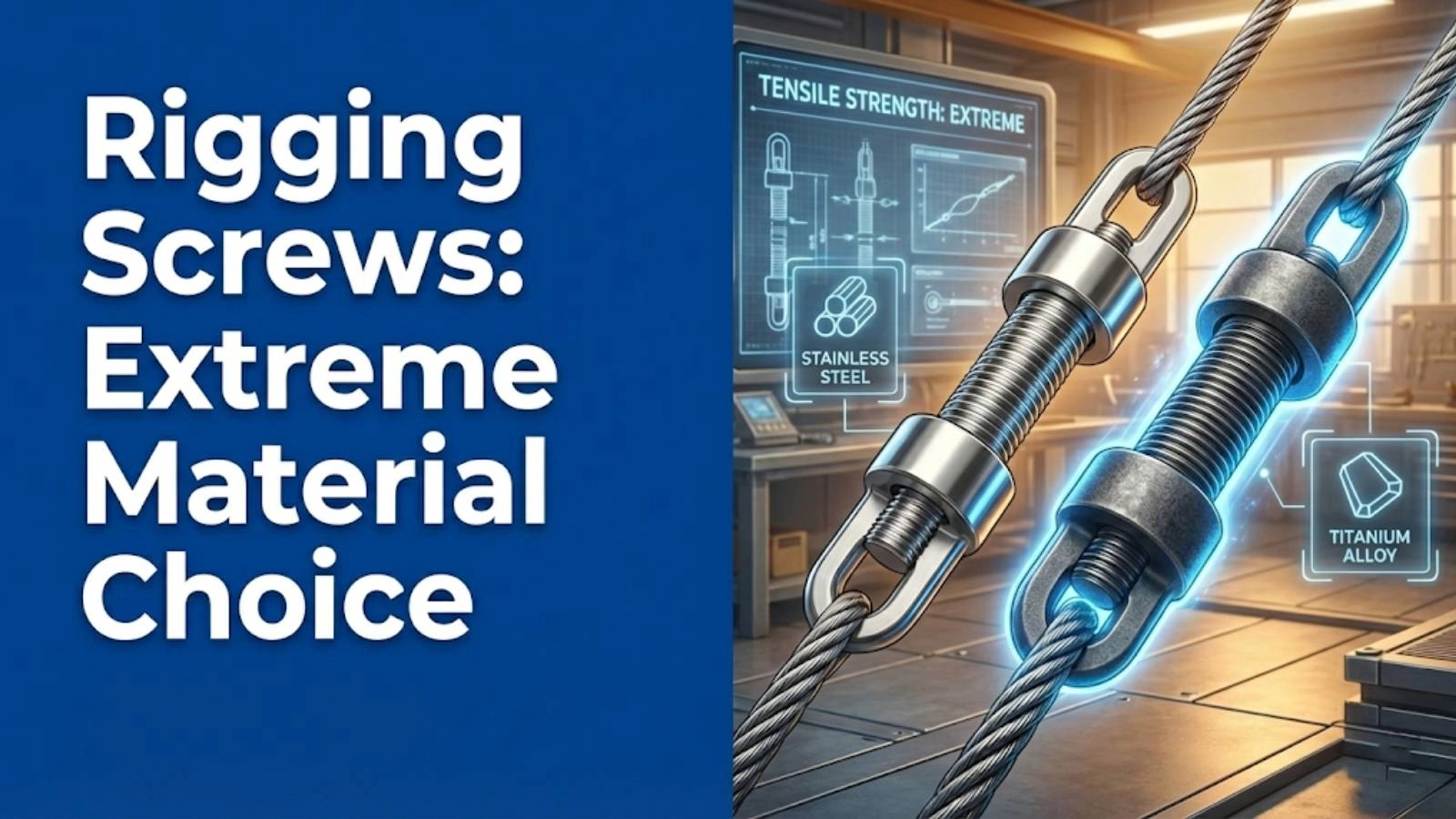
Consider the environmental conditions and adjust inspection and maintenance schedules accordingly. Use appropriate materials for the environment. We advise our clients to select rigging screws made from materials that are resistant to the specific environmental conditions they will be exposed to. For example, stainless steel rigging screws are ideal for marine applications, while alloy steel screws are better suited for high-temperature environments.
✅ Detail: Material Selection for Different Environments
| Environment |
Recommended Material |
Considerations |
| Marine (Saltwater) |
Stainless Steel (316 or higher) |
Excellent corrosion resistance; avoid contact with carbon steel to prevent galvanic corrosion. |
| High Temperature |
Alloy Steel (e.g., Chrome-Moly) |
Maintains strength at high temperatures; requires regular inspection for heat-related damage. |
| Chemical Exposure (Acids/Alkalis) |
Specialty Alloys (e.g., Hastelloy, Monel) |
Resistant to specific chemicals; consult a material compatibility chart before selection. |
| Cryogenic (Low Temperature) |
Austenitic Stainless Steel (304L or 316L) |
Maintains ductility at low temperatures; avoid ferritic steels that can become brittle. |
| General Industrial |
Carbon Steel (with protective coating) |
Cost-effective for less demanding environments; requires regular inspection for corrosion. |
“Regular rigging hardware inspection is non-negotiable; it’s the cornerstone of any safe operation.” – John Smith, Lead Safety Inspector
Conclusion
In summary, avoiding these common mistakes in rigging screw inspection is crucial for ensuring the safety and reliability of your operations. Regular visual inspection, thorough thread examination, corrosion prevention, load testing rigging, proper lubrication, component matching, correct installation, detailed documentation, professional inspections, and environmental considerations are all essential elements of a comprehensive maintenance program. By implementing these practices, you can minimize the risk of failures and create a safer working environment for everyone. At Safe and Secure Trading Company, we’re committed to providing our clients with the knowledge and resources they need to maintain the integrity of their rigging systems.
FAQ Section
Q: How often should I conduct visual inspections of my rigging screws?
A: We recommend conducting visual inspections before each use and after any event that could potentially damage the rigging screws.
Q: What are the key signs of damage to look for during a visual inspection?
A: Look for rust, cracks, bending, deformation, and worn threads.
Q: How can I prevent corrosion on my rigging screws?
A: Apply protective coatings, regularly clean the rigging screws, and store them properly when not in use.
Q: What is proof load testing and why is it important?
A: Proof load testing involves applying a specific load to the rigging screw, typically higher than its working load limit, to verify that it can withstand the intended stresses. It’s important to ensure that the rigging screws can handle the loads they are subjected to during operation.
Q: What type of lubricant should I use on my rigging screws?
A: The best lubricant depends on the application and environmental conditions. Molybdenum disulfide grease is a good general-purpose lubricant, while waterproof marine grease is ideal for marine applications.
Q: Why is it important to use matching components for my rigging screws?
A: Using matching components ensures proper fit and performance, preventing increased stress and reducing the risk of galvanic corrosion.
Q: How do I ensure that my rigging screws are tightened correctly?
A: Use a calibrated torque wrench to tighten the screws to the manufacturer’s specified torque values.
Q: What information should I include in my rigging screw inspection log?
A: Include the date and time of the inspection, the inspector’s name, the location of the rigging screw, a detailed description of its condition, any observed defects or damage, and any corrective actions taken.
Q: How often should I schedule professional inspections of my rigging screws?
A: We recommend scheduling professional inspections at least annually or more frequently if the rigging screws are used in demanding applications or harsh environments.
Q: What are the benefits of professional rigging screw inspections?
A: Professional inspectors have the expertise, training, and specialized equipment to identify potential problems that may be missed during routine checks, preventing costly failures and ensuring the safety of personnel and equipment.
Q: How do environmental factors affect the lifespan of rigging screws?
A: Exposure to harsh conditions like saltwater, extreme temperatures, or chemicals can accelerate wear and corrosion, reducing the lifespan of the rigging screws.
Q: What materials are best suited for rigging screws used in marine environments?
A: Stainless steel rigging screws are ideal for marine environments due to their excellent corrosion resistance.
Q: Can I perform screw failure analysis myself, or do I need a professional?
A: While simple visual checks can be done by trained personnel, a comprehensive screw failure analysis typically requires specialized equipment and expertise. We recommend consulting with a professional for thorough investigations.
Q: What is the difference between visual inspection rigging and more advanced rigging hardware inspection methods?
A: Visual inspection rigging involves looking for obvious signs of damage. Advanced methods, such as ultrasonic testing, can detect internal flaws not visible to the naked eye.
Q: How does thread inspection contribute to overall rigging safety?
A: Thorough thread inspection ensures that the rigging screw’s threads are in good condition to properly distribute the load, which is critical for rigging safety. Damaged threads can lead to premature failure.
Q: What are the implications of neglecting material defects rigging during inspections?
A: Neglecting material defects rigging during inspections can lead to catastrophic failures. Identifying material defects early can prevent accidents and extend the lifespan of the rigging hardware.
Q: How important is rigging safety training for personnel involved in rigging screw inspection and maintenance?
A: Rigging safety training is paramount. Personnel need to understand the proper procedures, potential hazards, and correct use of equipment to ensure a safe working environment. Inadequate training can lead to errors and accidents.