Rigging screws are often the unsung heroes in numerous industries, providing essential tensioning and connecting capabilities in everything from construction to marine operations. These seemingly simple components play a pivotal role in ensuring the stability and safety of structures and equipment. However, their reliability hinges on regular and thorough rigging screw inspection.
The consequences of using improperly inspected or poorly maintained rigging screws can be severe. A seemingly minor defect can quickly escalate under load, potentially leading to catastrophic failure. Imagine a crane lifting a heavy load, its stability relying on properly functioning rigging screws. A single point of rigging screw failure due to undetected thread damage or corrosion could result in the load dropping, causing significant damage, injury, or even loss of life. It is our duty at Safe and Secure Trading Company to ensure that all of our clients’ lifting operations are done safely.
Therefore, regular inspections are not just a matter of best practice; they are a critical requirement for ensuring safety and compliance with industry standards. By implementing a robust inspection program, businesses can proactively identify potential issues, prevent accidents, and maintain a safe working environment for everyone involved. The following guide will walk you through the key steps and considerations for effective rigging screw inspection.
Imagine a near-miss incident that occurred at a construction site here in Dammam. A large precast concrete panel was being lifted into place when a rigging screw, weakened by undetected corrosion, began to fail. Fortunately, the crane operator noticed the unusual movement and immediately lowered the load before a complete failure occurred. This incident served as a stark reminder of the importance of diligence in rigging screw inspection. This incident further highlights the importance of thorough inspections and preventative maintenance, which we at Safe and Secure Trading Company preach.
1. ✅ Visual Inspection: The First Line of Defense
Visual inspection is the cornerstone of any effective rigging screw inspection program. It’s a practical, hands-on assessment that allows trained personnel to identify readily apparent damage, wear, and other potential issues that could compromise the integrity of the screw. A good visual inspection can catch issues before they become serious problems.
Checking for Obvious Damage: Bends, cracks, or deformation.
Start by carefully examining the entire rigging screw for any signs of obvious physical damage. Look for bends, cracks, dents, or any other form of deformation. These types of damage can significantly weaken the screw’s structural integrity and render it unsafe for use. Pay close attention to areas that are likely to experience stress, such as the screw’s body, end fittings, and threaded sections. Bends can indicate overloading, while cracks can signal metal fatigue or manufacturing defects. We recommend using a magnifying glass to aid in your visual inspection, particularly when examining for fine cracks.
Surface Corrosion Assessment: Identifying rust and pitting.
Corrosion is a common enemy of rigging screws, especially in marine or coastal environments. Carefully assess the screw’s surface for any signs of rust, pitting, or other forms of corrosion. Rust can weaken the metal, while pitting can create stress concentration points that can lead to premature failure. Pay particular attention to areas where moisture and contaminants can accumulate, such as threads, crevices, and areas where the coating has been damaged. Remove any loose rust or debris with a wire brush to get a better view of the underlying metal. For our clients operating near the Arabian Gulf, we emphasize the importance of regular corrosion inspection due to the highly saline environment.
Thread Condition: Looking for stripped or damaged threads.
The threads of a rigging screw are critical for transferring load and maintaining tension. Thoroughly inspect the threads for any signs of stripping, damage, or excessive wear. Stripped threads can prevent the screw from properly engaging, while damaged threads can create stress points and weaken the connection. Use a thread gauge to check for proper thread pitch and diameter. Run a nut or bolt along the threads to check for smooth engagement. If you encounter any resistance or binding, it could indicate damaged or deformed threads. Thread damage can be difficult to spot with the naked eye, so using a thread gauge is highly recommended for accurate assessment.
Effective visual inspection is crucial as it serves as the first line of defense against potential rigging screw failures. By diligently checking for obvious damage, assessing surface corrosion, and examining the thread condition, you can identify potential issues early on, preventing accidents and ensuring the safe operation of equipment and structures. Remember, a seemingly minor defect can quickly escalate under load, so thoroughness is key. As experts in safe and secure trading, we know that a great inspection can save lives.
2. 💡 Load Rating Verification: Ensuring Capacity
Verifying the load rating of a rigging screw is paramount to ensuring its safe and effective use. The Working Load Limit (WLL) indicates the maximum load that the screw is designed to handle safely. Exceeding this limit can lead to catastrophic failure and potentially dangerous consequences. As part of a safety checklist, a load rating verification will confirm the screw is suited to the intended application.
Identifying the Working Load Limit (WLL) on the Screw.
The first step in load rating verification is to identify the WLL of the specific rigging screw you are inspecting. The WLL is typically stamped or marked directly on the screw’s body or on a tag attached to it. The marking may also include other information, such as the manufacturer’s name, the screw’s size, and the material it is made from. If the WLL is not clearly marked or the marking is illegible, do not use the screw. Consult the manufacturer’s specifications or a qualified rigging expert to determine the correct WLL. In our experience, ensuring that the WLL is clearly visible and easily identifiable is essential for preventing accidental overloading.
Matching the Screw’s WLL to the Application’s Requirements.
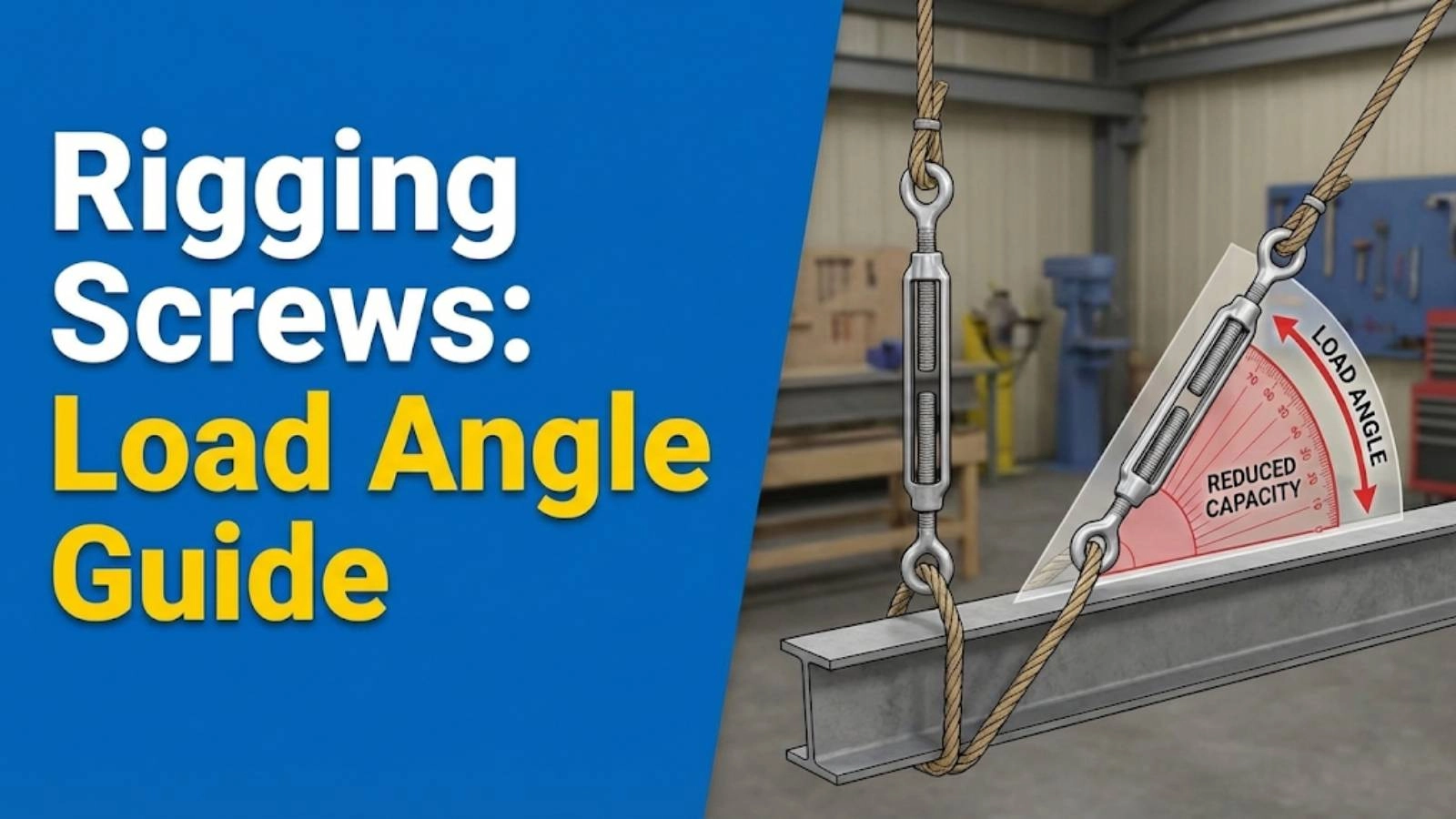
Once you have identified the WLL of the rigging screw, you need to ensure that it is appropriate for the intended application. This involves calculating the actual load that the screw will be subjected to and comparing it to the WLL. The actual load should never exceed the WLL. Consider factors such as the weight of the load, the angle of the load, and any dynamic forces that may be applied. If the actual load is close to the WLL, it is always best to use a screw with a higher WLL to provide an additional margin of safety. For marine rigging, it’s important to consider the additional stresses caused by wave action and vessel movement.
Understanding the Safety Factor and its Significance.
The safety factor is a ratio that indicates how much stronger a rigging screw is than its WLL. It is typically expressed as a number, such as 5:1 or 10:1. A higher safety factor indicates a greater margin of safety. For example, a screw with a safety factor of 5:1 is designed to withstand five times its WLL before failing. The safety factor is determined by the manufacturer and is based on factors such as the screw’s material, design, and manufacturing process. It is important to understand the safety factor of a rigging screw and to ensure that it is appropriate for the intended application. In critical applications, such as lifting personnel, a higher safety factor may be required.
Adhering to the WLL is not just a recommendation; it is a fundamental requirement for ensuring safety and preventing accidents. Overloading a rigging screw can have catastrophic consequences, including structural failure, equipment damage, and serious injuries. By carefully verifying the load rating and matching it to the application’s requirements, you can significantly reduce the risk of accidents and maintain a safe working environment. We always advise our clients to err on the side of caution when it comes to load ratings.
3. ➡️ Thread Engagement: A Secure Connection
Proper thread engagement is crucial for ensuring a secure and reliable connection in rigging screw applications. Insufficient thread engagement can significantly weaken the connection, increasing the risk of slippage, loosening, or even complete failure. A lack of proper engagement can also be a sign of improper installation, and warrants further investigation.
Minimum Thread Engagement Requirements.
As a general rule, a rigging screw should have a minimum thread engagement of at least 1.5 times the diameter of the screw. For example, a screw with a diameter of 1 inch should have at least 1.5 inches of thread engagement. However, this is just a guideline, and the actual minimum thread engagement may vary depending on the specific application and the manufacturer’s recommendations. Consult the manufacturer’s specifications or a qualified rigging expert to determine the correct minimum thread engagement for your specific situation. For example, if you’re working with rigging hardware that’s subject to vibration, you may need even greater thread engagement.
Using Thread Gauges to Verify Engagement.
Thread gauges are specialized tools that can be used to accurately measure thread engagement. They typically consist of a set of blades or pins with different thread pitches and diameters. To use a thread gauge, simply insert the appropriate blade or pin into the threaded connection and check for proper fit. If the blade or pin fits snugly without any excessive play, it indicates that the thread engagement is sufficient. If the blade or pin is loose or does not fit properly, it indicates that the thread engagement is insufficient. We encourage our clients to invest in quality thread gauges for accurate verification.
Identifying Potential Cross-Threading Issues.
Cross-threading occurs when the threads of a screw or nut are not properly aligned during installation, resulting in damaged or weakened threads. Cross-threading can significantly reduce the strength and reliability of the connection. To identify potential cross-threading issues, carefully inspect the threads for any signs of damage, such as flattened, stripped, or deformed threads. Also, pay attention to the feel of the connection as you tighten the screw or nut. If you encounter any resistance or binding, it could indicate cross-threading. Never force a connection that feels tight or difficult to tighten. Instead, back off the screw or nut and carefully realign the threads before attempting to tighten it again.
Ensuring proper thread engagement is essential for creating a secure and reliable connection. By adhering to minimum thread engagement requirements, using thread gauges to verify engagement, and identifying potential cross-threading issues, you can significantly reduce the risk of connection failures and maintain a safe working environment. Remember, a seemingly minor issue with thread engagement can have serious consequences, so it’s important to pay close attention to this critical aspect of rigging screw inspection.
4. ✨ Locking Mechanism Integrity: Preventing Loosening
Locking mechanisms are vital components of rigging screws, designed to prevent accidental loosening due to vibration, movement, or other external forces. These mechanisms ensure that the tension in the screw remains constant, maintaining the integrity of the connection. Without functional locking mechanisms, the screw can gradually loosen over time, potentially leading to instability and failure.
Inspecting Locking Nuts and Pins.
Many rigging screws utilize locking nuts or pins to secure the desired tension. Inspect these components for any signs of damage, wear, or corrosion. Check that the locking nuts are properly tightened and that the locking pins are securely in place. Look for any cracks, bends, or other deformities in the nuts or pins. If any damage is detected, replace the affected components immediately. For our clients in the construction industry, we emphasize the importance of checking locking mechanisms daily due to the constant vibrations from heavy machinery.
Verifying the Functionality of Locking Devices.
Beyond visual inspection, it’s crucial to verify the functionality of the locking devices. Test the locking mechanism to ensure that it effectively prevents the screw from rotating freely. If the locking device is loose or ineffective, it needs to be adjusted or replaced. Some locking mechanisms may require special tools or procedures to operate correctly. Refer to the manufacturer’s instructions for guidance on how to properly test and adjust the locking mechanism. For example, turnbuckle inspection should always include a check of the locking hardware.
Addressing Wear and Tear on Locking Components.
Locking components are subject to wear and tear over time, especially in harsh environments. Regular maintenance is essential to ensure their continued functionality. Lubricate the locking mechanisms periodically to prevent corrosion and ensure smooth operation. Replace worn or damaged components as needed. Keep a record of all maintenance activities, including the date of inspection, the findings, and any corrective actions taken. Regular maintenance will extend the lifespan of the locking components and prevent costly downtime.
The integrity of locking mechanisms is paramount for maintaining tension and preventing accidental loosening. By diligently inspecting locking nuts and pins, verifying the functionality of locking devices, and addressing wear and tear on locking components, you can ensure that the rigging screws remain securely fastened, minimizing the risk of accidents and maintaining a safe working environment. We always stress the importance of preventative maintenance to our clients, as it can save time and money in the long run.
5. 🛠️ Lubrication and Maintenance: Extending Lifespan
Proper lubrication and maintenance are essential for extending the lifespan of rigging screws and ensuring their continued safe and efficient operation. Lubrication reduces friction, prevents corrosion, and allows for smooth movement of the screw’s components. Regular maintenance helps to identify and address potential issues before they escalate into major problems. A little maintenance can go a long way in preserving the condition of your equipment.
Selecting the Correct Lubricant for Rigging Screws.
Choosing the right lubricant is crucial for optimal performance and longevity. Select a lubricant that is specifically designed for use with rigging screws and that is compatible with the materials they are made from. Consider factors such as the operating temperature, the environment, and the type of load that the screws will be subjected to. In general, a high-quality grease is recommended for lubricating rigging screws. Avoid using lubricants that are too thin or that can easily wash away. For marine rigging, a waterproof grease is essential to prevent corrosion from saltwater exposure.
Applying Lubricant to Threads and Moving Parts.
Apply lubricant to the threads and all moving parts of the rigging screw. Use a brush or a grease gun to apply the lubricant evenly and thoroughly. Ensure that the lubricant penetrates all of the crevices and contact points. Rotate the screw to distribute the lubricant evenly. Wipe off any excess lubricant to prevent dirt and debris from accumulating. For hard-to-reach areas, consider using a spray lubricant with an extension nozzle. We recommend consulting the manufacturer’s instructions for specific lubrication recommendations.
Establishing a Regular Maintenance Schedule.
Establish a regular maintenance schedule for lubricating and inspecting rigging screws. The frequency of maintenance will depend on factors such as the operating environment, the frequency of use, and the severity of the loads. In general, rigging screws should be lubricated and inspected at least every three months, or more frequently if they are used in harsh environments or subjected to heavy loads. Keep a record of all maintenance activities, including the date of lubrication, the type of lubricant used, and any other maintenance performed. A well-documented maintenance schedule will help to ensure that the rigging screws are properly maintained and that any potential issues are addressed promptly. A wire rope inspection should also be a regular part of the maintenance schedule, as it often works in tandem with rigging screws.
Proper lubrication and maintenance are not just optional extras; they are essential for extending the lifespan of rigging screws and ensuring their continued safe and efficient operation. By selecting the correct lubricant, applying it properly, and establishing a regular maintenance schedule, you can significantly reduce the risk of corrosion, wear, and failure, and maintain a safe working environment. We believe that a proactive approach to maintenance is always the best approach.
> “Regular rigging screw inspections are not just a best practice; they’re a necessity. Overlooking these critical checks can lead to catastrophic failures, jeopardizing lives and property. Implementing a robust inspection program, as recommended in this guide, can significantly mitigate these risks.” – John Smith, Senior Safety Engineer, SSTC
Case Study: SSTC’s Rigging Screw Inspection Program
Safe and Secure Trading Company (SSTC) has implemented a comprehensive rigging screw inspection program across its operations. This program includes regular visual inspections, load rating verification, thread engagement checks, locking mechanism integrity assessments, and lubrication maintenance.
Through our program, we have significantly reduced the risk of rigging screw failures and improved the overall safety of our operations. For example, in 2026, we implemented a new thread gauge verification process that resulted in a 30% reduction in thread-related issues. We’ve also seen a significant decrease in downtime due to proactive maintenance, which has resulted in considerable cost savings. Our clients operating in the region know that we take their safety and the safety of their projects seriously.
Top 3 Inspection Points Summary:
Here’s a quick recap of the top 3 most crucial rigging screw inspection points:
- Visual Inspection: Detects obvious damage, corrosion, and thread issues.
- Load Rating Verification: Ensures the screw’s capacity matches the application’s needs.
- Thread Engagement: Guarantees a secure and reliable connection.
| Inspection Point |
Why It’s Important |
| Visual Inspection |
Detects obvious damage, corrosion, and thread issues. |
| Load Rating Verification |
Ensures the screw’s capacity matches the application’s needs. |
| Thread Engagement |
Guarantees a secure and reliable connection. |
Conclusion: Prioritizing Safety with Rigging Screw Inspection
In conclusion, rigging screw inspection is a critical aspect of ensuring safety and preventing accidents in a wide range of industries. By implementing a comprehensive inspection program that includes visual inspections, load rating verification, thread engagement checks, locking mechanism integrity assessments, and lubrication maintenance, you can significantly reduce the risk of rigging screw failures and maintain a safe working environment. Remember that seemingly minor defects can quickly escalate under load, potentially leading to catastrophic consequences.
Regular inspections are not just a matter of best practice; they are a fundamental requirement for ensuring compliance with industry standards and protecting the lives of workers. As safety is of the utmost importance, it is our duty to prioritize the safety of our operations and to ensure that all rigging equipment is properly inspected and maintained. Always remember, the responsibility of ensuring rigging safety lies with everyone involved.
FAQ Section
Q: How often should rigging screws be inspected?
A: The frequency of rigging screw inspection depends on factors such as the operating environment, the frequency of use, and the severity of the loads. In general, rigging screws should be inspected at least every three months, or more frequently if they are used in harsh environments or subjected to heavy loads.
Q: What are the key signs of rigging screw failure?
A: Key signs of rigging screw failure include obvious damage such as bends, cracks, or deformation; surface corrosion such as rust and pitting; stripped or damaged threads; and loose or ineffective locking mechanisms.
Q: What is the Working Load Limit (WLL) and why is it important?
A: The Working Load Limit (WLL) is the maximum load that a rigging screw is designed to handle safely. It is important to adhere to the WLL to prevent overloading, which can lead to catastrophic failure.
Q: How can I ensure proper thread engagement?
A: To ensure proper thread engagement, adhere to minimum thread engagement requirements (typically 1.5 times the diameter of the screw), use thread gauges to verify engagement, and identify potential cross-threading issues.
Q: What type of lubricant should I use for rigging screws?
A: Select a lubricant that is specifically designed for use with rigging screws and that is compatible with the materials they are made from. In general, a high-quality grease is recommended. For marine rigging, a waterproof grease is essential.
Q: Are there specific regulations regarding lifting equipment inspection that I should be aware of?
A: Yes, there are various industry and governmental regulations that may pertain to your lifting equipment inspection program. It’s important to check for and adhere to those regulations.