Rigging Screw Material & Load: The Shocking Truth
Rigging screws are essential components in a wide range of applications, from marine rigging to construction and industrial lifting. The choice of rigging screw material directly impacts the load capacity, durability, and overall safety of these systems. Understanding the properties of different materials and their suitability for specific applications is crucial to preventing failures and ensuring reliable performance. This guide dives deep into the world of rigging screw materials, exploring their strengths, weaknesses, and practical implications for your projects.
Key Takeaways
- Different
rigging screw materials offer varying load capacities due to differences in tensile strength, yield strength, and corrosion resistance.
- Stainless steel offers excellent corrosion resistance but may have lower tensile strength compared to carbon or alloy steel.
- Understanding safety factors is crucial to ensure rigging screws are not overloaded, preventing catastrophic failures.
- Proper maintenance and inspection can prolong the lifespan of rigging screws and maintain their load-bearing capabilities.
Understanding the Basics of Rigging Screws 🪢
What are Rigging Screws?
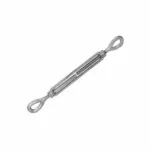
Rigging screws, also known as turnbuckles, are essential components used to adjust the tension or length of ropes, cables, and tie rods. They consist of two threaded eyelets or jaws screwed into a central body, allowing for precise adjustments. Rigging screws are commonly used in tensioning applications because they can easily tighten or loosen the connection with simple rotation. These seemingly simple devices are incredibly important to overall structural integrity, making selection and maintenance crucial to any project.
Why Material Matters: An Overview
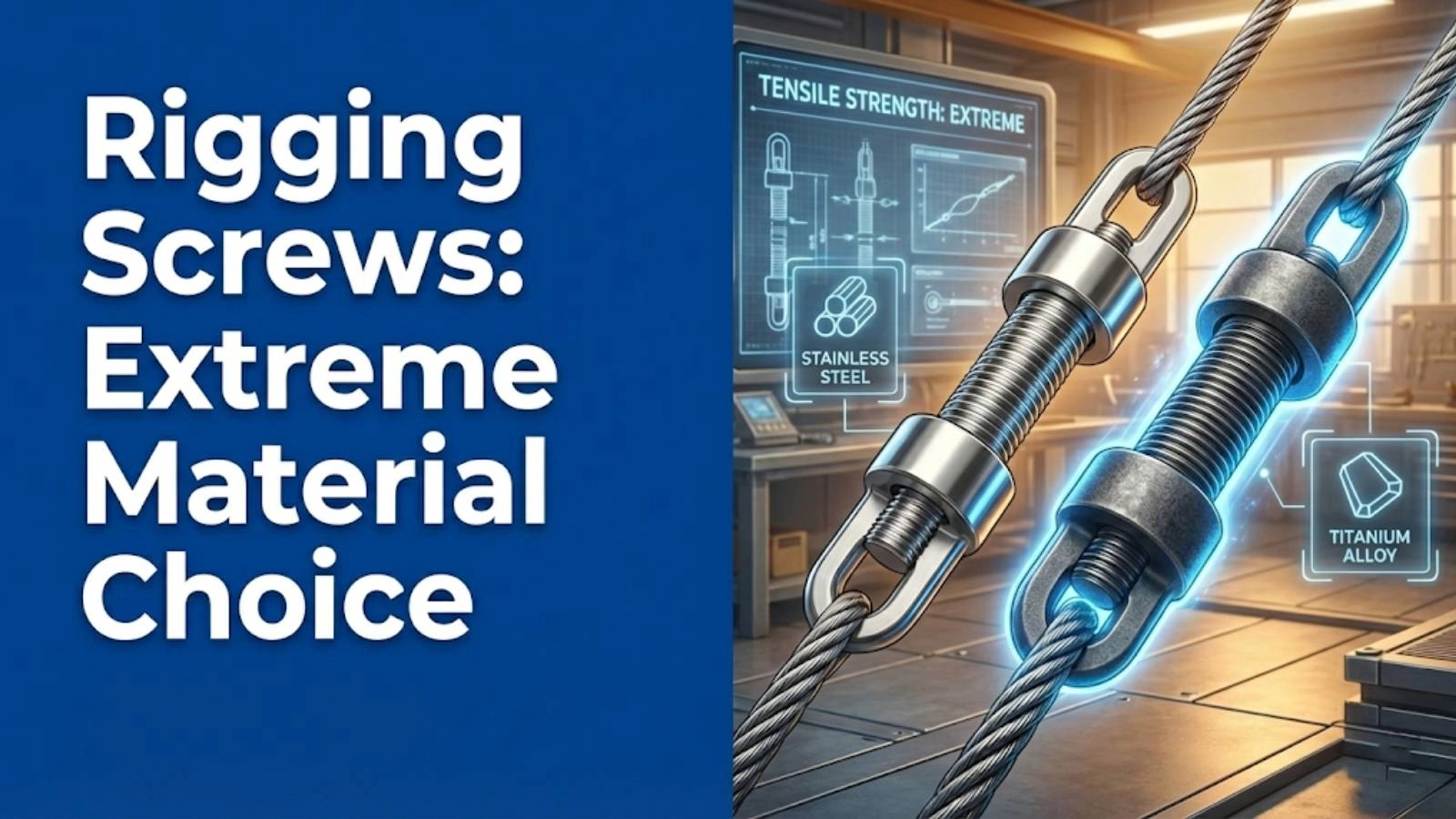
The material used in rigging screws directly impacts their load capacity, durability, and suitability for different environments. Choosing the right material is crucial for safety and performance. For example, a rigging screw made from stainless steel would be best suited in a highly corrosive environment such as a marine application. Whereas a high tensile strength steel would be better suited for an application needing to support a very high load. Factors such as corrosion resistance, tensile strength and yield strength are all critical when selecting which material to use.
The Science Behind Load Capacity 💪
Defining Load Capacity: Working Load Limit (WLL)
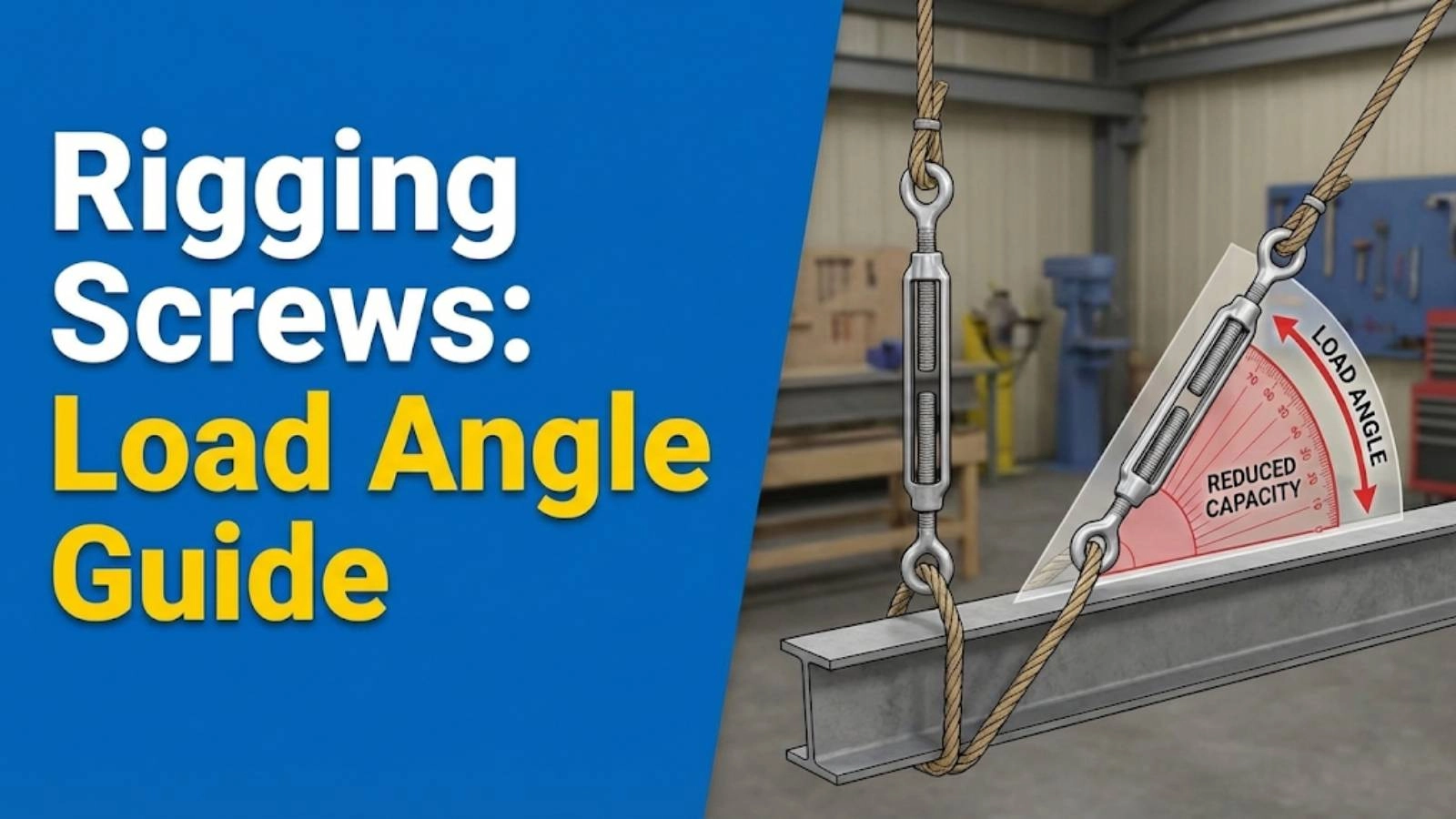
The Working Load Limit (WLL) is the maximum load that a rigging screw is designed to carry safely. This value is determined by engineering calculations, safety factors, and material properties. The WLL takes into account not only the material’s strength, but also factors such as potential dynamic loading, environmental conditions, and the desired lifespan of the rigging screw. Exceeding the WLL can lead to catastrophic failure, resulting in property damage, injury, or even loss of life. It’s important to note the WLL will be significantly less than the breaking strength of the component.
Tensile Strength and Yield Strength: Key Material Properties
Tensile strength is the maximum stress a material can withstand before breaking, while yield strength is the stress at which the material begins to deform permanently. Both properties are critical in determining load capacity. The tensile strength is the absolute maximum load the material can withstand, while the yield strength is the point at which permanent deformation occurs. Rigging screws are designed to operate well below both the tensile and yield strengths to ensure safety and longevity. Choosing a rigging screw material with adequate tensile and yield strength is paramount for a safe and reliable assembly.
Safety Factors: A Critical Multiplier
Safety factors are multipliers applied to the calculated load capacity to account for uncertainties, dynamic loads, and potential material defects. A higher safety factor ensures greater safety. For instance, a safety factor of 5:1 means that the rigging screw’s breaking strength is five times greater than its WLL. Safety factors can vary depending on the application, the criticality of the load, and any regulatory requirements. Ignoring safety factors is a significant oversight that can lead to dangerous situations. In our experience, a conservative approach to safety factors is always the wisest course.
Common Rigging Screw Materials: A Comparative Analysis 📊
Stainless Steel: Corrosion Resistance vs. Strength
Stainless steel offers excellent corrosion resistance, making it ideal for marine and outdoor applications. However, its tensile strength is generally lower than that of carbon or alloy steel. Different grades of stainless steel also vary in strength. Stainless steel’s superior corrosion resistance is due to the presence of chromium, which forms a passive layer on the surface, protecting the underlying metal from corrosion. While stainless steel may not match the sheer strength of some other materials, its long-term durability in harsh environments often makes it the preferred choice. We’ve consistently seen that stainless steel rigging lasts significantly longer in coastal environments compared to other materials without proper coating.
Carbon Steel: High Strength at a Cost
Carbon steel provides high tensile strength and is commonly used in heavy-duty rigging applications. However, it is susceptible to corrosion and requires protective coatings. Carbon steel’s high strength is a result of its composition and heat treatment processes. Coatings, such as galvanization or paint, are essential to prevent rust and degradation, especially in outdoor or humid conditions. Regular inspection and maintenance of these coatings are critical to maintaining the integrity of carbon steel rigging screws.
Alloy Steel: The Best of Both Worlds?
Alloy steel combines the high strength of carbon steel with improved corrosion resistance through the addition of alloying elements like chromium, nickel, and molybdenum. Alloy steel offers a balanced approach, providing a higher strength-to-weight ratio compared to stainless steel while exhibiting better corrosion resistance than standard carbon steel. This makes it suitable for demanding applications where both strength and durability are essential. The specific properties of alloy steel rigging can be tailored by adjusting the composition and heat treatment, making it a versatile choice for various applications.
Data-Driven Comparison: Load Capacity by Material ⚙️
Stainless Steel Grades (304, 316): WLL Data
Compare the Working Load Limits (WLL) of different stainless steel grades. For example, 316 stainless steel generally offers better corrosion resistance than 304. Provide typical WLL ranges based on screw size and grade. 304 stainless steel is a common austenitic stainless steel with good corrosion resistance and is suitable for many general-purpose applications. 316 stainless steel, which contains molybdenum, exhibits even better corrosion resistance, particularly in chloride environments, making it ideal for marine applications. The specific WLL for each grade will depend on the size and design of the rigging screw.
Carbon Steel Grades (e.g., 1045): WLL Data
Present WLL data for common carbon steel grades used in rigging screws. Highlight the higher strength compared to stainless steel but emphasize the need for corrosion protection. 1045 carbon steel is a medium carbon steel known for its high strength and hardness. It is commonly used in applications requiring high load-bearing capabilities. However, its susceptibility to corrosion necessitates the use of protective coatings or surface treatments. In our experience with clients here in Dammam, Saudi Arabia, we’ve seen that even with protective coatings, carbon steel requires diligent maintenance to prevent corrosion in the harsh desert climate.
Alloy Steel Grades: WLL Data
Showcase the WLL of various alloy steel rigging grades, demonstrating their superior strength and decent corrosion resistance. Include specific alloy compositions and their impact on performance. 4140 alloy steel is a high-strength, low-alloy steel that offers a good balance of strength, toughness, and corrosion resistance. It is often used in demanding applications where high load capacity and durability are required. The addition of chromium and molybdenum enhances its hardenability and tensile strength. Another common grade is 4340, which offers even higher strength and toughness than 4140 but comes at a higher cost.
| Material |
Grade |
Typical Tensile Strength (MPa) |
Corrosion Resistance |
Typical Applications |
| Stainless Steel |
304 |
520 |
Excellent |
Marine, Food Processing |
| Stainless Steel |
316 |
550 |
Superior |
Marine, Chemical Processing |
| Carbon Steel |
1045 |
620 |
Poor (Requires Coating) |
Construction, Heavy Lifting |
| Alloy Steel |
4140 |
760 |
Good (With Treatment) |
High-Stress Applications |
Environmental Factors: Corrosion and Temperature 🌡️
The Impact of Saltwater: Corrosion Considerations
Saltwater environments accelerate corrosion, making stainless steel or properly coated carbon steel essential for marine applications. Data showing corrosion rates of different materials in saltwater would be useful. The high chloride content in saltwater promotes rapid corrosion of many metals, including carbon steel. Stainless steel, particularly 316 grade, is highly resistant to saltwater corrosion due to the presence of molybdenum. However, even stainless steel can experience localized corrosion, such as pitting or crevice corrosion, under certain conditions. Proper maintenance, including regular cleaning and inspection, is crucial for preventing corrosion in marine environments.
Temperature Extremes: Material Behavior
Extreme temperatures can affect the strength and ductility of rigging screw materials. Discuss how temperature derating factors are applied in engineering calculations. High temperatures can reduce the tensile strength and yield strength of many metals, while low temperatures can cause embrittlement, making them more susceptible to fracture. Temperature derating factors are used to adjust the WLL of rigging screws based on the operating temperature. These factors account for the reduction in material strength at elevated temperatures and the increased risk of brittle failure at low temperatures. When our team in KSA tackles this issue, they often find that clients underestimate the impact of extreme heat on rigging components, leading to premature failures.
The Role of Manufacturing Processes 🏭
Cold Forging vs. Hot Forging: Strength Implications
The manufacturing process (cold forging vs. hot forging) can influence the grain structure and strength of the material. Explain how these processes affect load capacity. Cold forging involves shaping the metal at room temperature, resulting in a denser grain structure and higher tensile strength. Hot forging involves shaping the metal at elevated temperatures, allowing for more complex shapes and larger parts to be produced. While hot forging can reduce the risk of cracking and improve ductility, it may also result in a slightly lower tensile strength compared to cold forging.
Heat Treatment: Optimizing Material Properties
Heat treatment processes, such as quenching and tempering, are used to optimize the strength and toughness of steel. Describe how these treatments improve the performance of rigging screws. Quenching involves rapidly cooling the steel from a high temperature to increase its hardness and strength. Tempering involves reheating the quenched steel to a lower temperature to improve its toughness and reduce brittleness. These heat treatment processes can significantly enhance the mechanical properties of rigging screws, making them more resistant to wear, fatigue, and impact loading.
Practical Implications for Rigging Safety 🛡️
Selecting the Right Material for the Job
Provide guidance on selecting the appropriate rigging screw material based on the application, environmental conditions, and load requirements. Consider the following factors when selecting a rigging screw material: the magnitude and type of load (static, dynamic, shock), the environmental conditions (temperature, humidity, exposure to corrosive substances), the desired lifespan of the rigging screw, and any regulatory requirements or industry standards. Stainless steel is generally preferred for marine and outdoor applications due to its superior corrosion resistance. Carbon steel is suitable for heavy-duty lifting applications where high strength is required, but it must be properly coated to prevent corrosion. Alloy steel offers a good balance of strength and corrosion resistance and is often used in demanding applications.
Inspection and Maintenance: Preventing Failures
Regular inspection and maintenance are crucial for preventing rigging screw failures. Emphasize the importance of checking for signs of corrosion, wear, and deformation. Include information on proper lubrication and storage. Inspect rigging screws regularly for signs of corrosion, wear, deformation, cracks, and other damage. Replace any rigging screws that are damaged or show signs of excessive wear. Lubricate the threads of rigging screws regularly to reduce friction and prevent seizing. Store rigging screws in a dry, protected environment to prevent corrosion.
Common Mistakes to Avoid
A common mistake is neglecting the effects of dynamic loading or shock loading, which can significantly increase stress on rigging screws. Another mistake is using incorrect hardware or mixing materials improperly. Underestimating the effects of dynamic loading or shock loading is a frequent error that can lead to premature failure. Dynamic loads can significantly increase the stress on rigging screws, exceeding their WLL. Always consider the potential for dynamic loading and select rigging screws with an appropriate safety factor. Using incorrect hardware or mixing materials improperly can also compromise the integrity of the rigging system. Always use hardware that is compatible with the rigging screw material and follow the manufacturer’s recommendations for assembly and installation.
“The selection of rigging screw material is not just about meeting the minimum load requirements; it’s about understanding the long-term effects of the environment and usage on material integrity.” – Dr. Emily Carter, Materials Engineer
Case Studies: Real-World Examples 📚
Case Study 1: Failure Analysis of a Corroded Rigging Screw
Analyze a real-world case study of a rigging screw failure due to corrosion. Identify the root causes and recommend preventative measures. In a recent investigation, a carbon steel rigging screw used in a coastal construction project failed due to severe corrosion. The rigging screw had not been properly coated and was exposed to saltwater spray for an extended period. The corrosion weakened the material, reducing its tensile strength and load capacity, ultimately leading to catastrophic failure. Preventative measures include selecting stainless steel rigging screws for marine environments, applying protective coatings to carbon steel rigging screws, and implementing a regular inspection and maintenance program.
Case Study 2: Successful Application of Alloy Steel in a High-Stress Environment
Highlight a successful application of alloy steel rigging screws in a demanding environment, showcasing the benefits of using high-strength materials. In a high-stress industrial lifting application, alloy steel rigging screws were used to lift heavy machinery. The alloy steel provided the necessary strength and durability to withstand the high loads and dynamic forces involved. Regular inspections were conducted to monitor the condition of the rigging screws and ensure their continued safe operation. The successful application of alloy steel rigging screws demonstrated the importance of selecting the appropriate material for demanding environments.
Conclusion
Choosing the right rigging screw material is a critical decision that directly impacts the safety and efficiency of your operations. By understanding the material properties, environmental factors, and manufacturing processes involved, you can make informed choices that ensure the longevity and reliability of your rigging systems. We, at Safe and Secure Trading Company (SSTC), have seen firsthand the consequences of improper material selection. A failure can be catastrophic, potentially leading to expensive delays, personal injuries and even death.
FAQ Section
What is the best material for rigging screws in a marine environment?
316 stainless steel is generally the best choice for marine environments due to its superior corrosion resistance compared to other materials. The inclusion of molybdenum in 316 stainless steel enhances its resistance to chloride attack, making it ideal for prolonged exposure to saltwater. While more expensive than other options, the longevity and reliability of 316 stainless steel in marine environments often outweigh the initial cost.
How often should rigging screws be inspected?
Rigging screws should be inspected regularly, ideally before each use, and at least annually by a qualified professional. More frequent inspections may be necessary in harsh environments or when subjected to heavy loads. The inspection should include a visual examination for signs of corrosion, wear, deformation, cracks, and other damage. A record of all inspections should be maintained to track the condition of the rigging screws over time.
Can I use different materials for the eye and body of a rigging screw?
It is generally not recommended to mix materials in rigging screws, as this can lead to galvanic corrosion and reduce the overall strength of the assembly. Galvanic corrosion occurs when two dissimilar metals are in contact in the presence of an electrolyte, such as saltwater. The more active metal will corrode preferentially, weakening the joint. If different materials must be used, ensure they are galvanically compatible or use a non-conductive barrier to prevent direct contact.