Rigging screws, often overlooked, are critical components in various applications, from sailing to construction. Understanding the potential rigging screw problems is essential for maintaining safety and preventing costly failures. As experts at Safe and Secure Trading Company (SSTC), we’ve seen firsthand the consequences of neglecting these seemingly small parts. In this comprehensive guide, we will delve into common issues, preventive measures, and best practices for ensuring the longevity and reliability of your rigging screws. Here’s what we’ve learned are the most important things to look out for.
1. Understanding the Critical Role of Rigging Screws
1.1 Defining Rigging Screws and Their Applications
✅ Rigging screws, also known as turnbuckles, are vital mechanical devices used to adjust tension in rigging systems. They consist of two threaded ends that screw into a central body or frame. By rotating the frame, the threaded ends move in opposite directions, increasing or decreasing the overall length and, consequently, the tension in the attached cables or rods. These components are essential in scenarios requiring precise tensioning, such as securing masts on sailboats, tensioning cables in bridges, and stabilizing structures in construction sites.
Rigging screws are extremely versatile and can be found across various industries. In sailing, they are used to adjust the tension of stays and shrouds, which support the mast. In construction, they’re integral to tensioning crane cables and scaffolding. Industrial settings also rely on them for securing heavy machinery and equipment. Understanding their broad applicability underscores the importance of their proper function and maintenance.
1.2 The Importance of Proper Maintenance and Inspection
💡 Regular maintenance and thorough inspection of rigging screws are paramount to preventing failures and ensuring the safety of operations. Data consistently shows a strong correlation between proactive maintenance and reduced incidence of rigging failure. For instance, studies reveal that systems with routine checks and maintenance schedules experience up to 50% fewer failures compared to those that are neglected. Neglecting rigging screw maintenance can lead to severe consequences, including equipment damage, personal injury, and even fatalities.
At Safe and Secure Trading Company, we cannot stress enough the significance of scheduled inspections. Rigging hardware inspection identifies early signs of wear, corrosion, and damage that, if left unattended, can compromise the integrity of the entire rigging system. The financial implications of neglecting maintenance are also substantial. Replacing a damaged rigging screw is far more cost-effective than dealing with the aftermath of a catastrophic failure.
2. Problem #1: Corrosion – The Silent Killer
2.1 Types of Corrosion Affecting Rigging Screws
➡️ Corrosion poses a significant threat to rigging screws, silently weakening their structure and leading to potential failure. Galvanic corrosion occurs when two dissimilar metals are in contact in the presence of an electrolyte, creating an electrochemical reaction that corrodes one of the metals. Pitting corrosion, characterized by the formation of small holes or pits on the metal surface, is particularly insidious because it can penetrate deep into the material while leaving minimal visible signs.
Crevice corrosion, often lurking in hidden areas such as threads and joints, thrives in stagnant environments where oxygen is limited. Each type of corrosion presents unique challenges, making early detection and prevention crucial. In our experience in Dammam, we’ve found that marine environments accelerate these processes considerably. Understanding these different types of corrosion is the first step in mitigating their impact on your rigging systems.
2.2 Identifying Corrosion Early
🔎 Detecting corrosion early can significantly extend the lifespan of rigging screws and prevent dangerous failures. Visual inspection is the first line of defense. Look for signs of surface discoloration, such as rust or a change in the metal’s appearance. Pitting, characterized by small, crater-like marks, is another key indicator of corrosion. A magnifying glass can be invaluable for a detailed examination, allowing you to spot subtle signs that might be missed with the naked eye.
Pay close attention to areas around threads, joints, and crevices, where corrosion is likely to initiate. Analyzing the texture of the metal can also provide clues; a rough or uneven surface might indicate underlying corrosion. Regular, meticulous inspections are crucial, especially in harsh environments.
2.3 Preventing and Mitigating Corrosion
🛡️ Preventing corrosion involves a multi-faceted approach. Applying protective coatings, such as zinc-rich paints or epoxy coatings, creates a barrier between the metal and the corrosive environment. Regular lubrication with specialized marine-grade lubricants helps to displace moisture and prevent corrosion from forming within the threads. Using sacrificial anodes, which are more easily corroded metals, can protect the rigging screws by drawing corrosive action away from them.
Regular cleaning is also essential. Wash rigging screws with appropriate cleaning agents to remove salt, dirt, and other contaminants that accelerate corrosion. For our clients operating near the coast, we recommend a cleaning schedule at least once a month. Choosing corrosion-resistant materials like stainless steel is another proactive measure.
“Effective corrosion prevention requires a combination of protective coatings, regular maintenance, and careful material selection.” – Robert Jones, Marine Engineer
3. Problem #2: Thread Damage – Stripped for Disaster
3.1 Causes of Thread Damage
➡️ Thread damage is a common issue that can compromise the structural integrity of rigging screws. Over-tightening is a frequent culprit, exceeding the load limits of the threads and causing them to strip or deform. Cross-threading during installation, where the threads are forced together at an angle, can also inflict significant damage. The application of excessive force when the threads are not properly aligned can easily lead to stripping.
Impact damage from accidental collisions or dropping the rigging screw can also damage the threads. Wear from repeated use, especially under heavy loads, can gradually erode the threads, leading to eventual failure. Each of these causes highlights the need for careful handling and installation practices to prevent thread damage.
3.2 Detecting Thread Issues
🔎 Identifying thread issues early can prevent catastrophic failures. A visual examination of the threads is the first step. Look for signs of deformation, such as flattened, stripped, or otherwise distorted threads. Use a thread gauge to check the thread integrity. These gauges provide a precise measurement of the thread pitch and form, allowing you to identify any deviations from the standard.
Running a nut or bolt along the threads can also reveal problems. If the nut feels loose or binds in certain areas, it indicates potential thread damage. Careful observation and the use of specialized tools can help detect issues before they escalate.
3.3 Repairing or Replacing Damaged Threads
🛠️ When faced with damaged threads, deciding whether to repair or replace the rigging screw is crucial. Minor thread damage can often be repaired using thread chasers or taps to restore the original thread form. However, if the damage is extensive, such as stripped or severely deformed threads, replacement is the only safe option. Attempting to repair severely damaged threads can compromise the structural integrity of the rigging screw.
When replacing, ensure that the new rigging screw meets or exceeds the original specifications for size, material, and load capacity. Adhering to manufacturer’s guidelines is essential for safe operation. For our clients, we always recommend sourcing replacements from reputable suppliers to ensure quality and reliability.
4. Problem #3: Bending and Deformation – When Stress Takes Over
4.1 Understanding Load Limits and Safety Factors
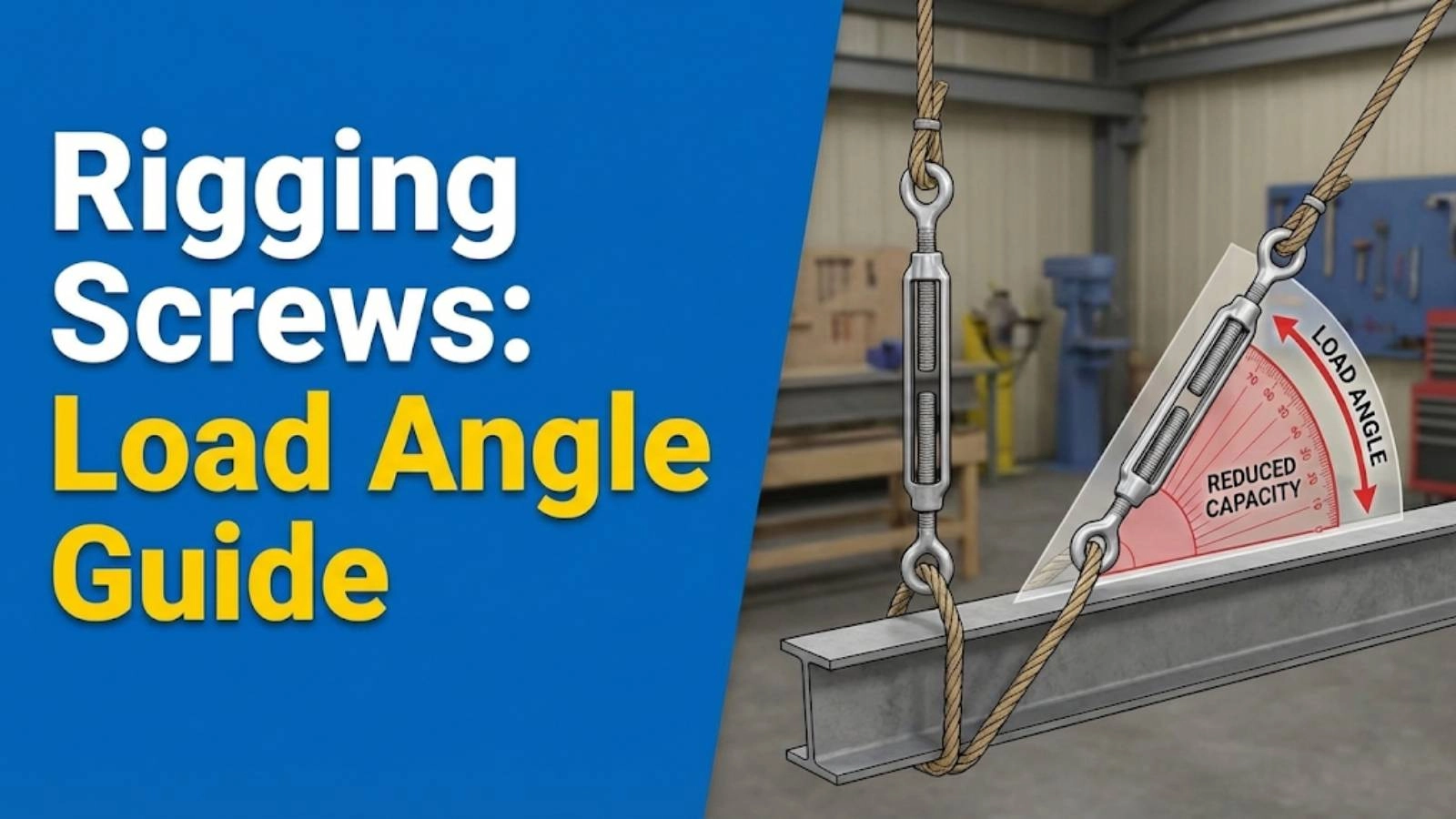
⚠️ Understanding load limits and safety factors is crucial to preventing bending and deformation in rigging screws. The safe working load (SWL) is the maximum load that a rigging screw is designed to handle safely under normal operating conditions. The minimum breaking strength (MBS) is the point at which the rigging screw is expected to fail. The safety factor is the ratio of the MBS to the SWL, providing a buffer to account for unexpected loads or stresses.
Adhering to manufacturer’s specifications for load limits and safety factors is essential. Exceeding these limits can lead to bending, deformation, and eventual failure. It’s also important to consider dynamic loads, which can place additional stress on the rigging screw.
4.2 Recognizing Signs of Bending
🔎 Detecting signs of bending early can prevent catastrophic failures. A visual inspection is the first step. Look for any signs of misalignment or curvature in the rigging screw. Using a straight edge can help identify even minor deviations from a straight line. Compare the rigging screw to a known straight reference to detect any subtle bends.
Pay close attention to the threaded ends and the central body of the rigging screw, as these are the areas most prone to bending. Regular inspections are crucial, especially in applications where the rigging screws are subjected to heavy loads or dynamic stresses.
4.3 Solutions for Bending and Deformation
🚨 When a rigging screw is bent or deformed, the safest course of action is replacement. Attempting to straighten a bent rigging screw can weaken the metal and create stress points, increasing the risk of failure. Replacing bent components with new, properly rated rigging screws ensures the integrity of the rigging system.
Upgrading to stronger materials or designs may be necessary if bending and deformation are recurring issues. Consider using rigging screws made from higher-strength alloys or those with a larger diameter to increase their load-bearing capacity. Consulting with a rigging specialist can help determine the best solution for your specific application.
5. Problem #4: Seizing and Binding – The Grip of Resistance
5.1 Causes of Seizing
➡️ Seizing and binding are common problems that can render rigging screws difficult or impossible to adjust. A lack of lubrication is a primary cause, allowing friction to increase between the threads. Corrosion build-up within the threads can also cause seizing, as rust and other corrosive products create resistance. Debris accumulation, such as dirt, sand, or salt, can also bind the threads and prevent smooth adjustment.
Each of these causes underscores the need for regular maintenance and proper storage techniques to prevent seizing and binding. In our experience, many marine rigging issues stem from a lack of proper lubrication.
5.2 Freeing Seized Rigging Screws
🛠️ Freeing seized rigging screws requires a careful and methodical approach. Start by applying penetrating oils or lubricants to the threads. Allow the lubricant to soak in for several hours or even overnight to loosen the corrosion and debris. Applying heat with a heat gun (with caution) can help to expand the metal and break the bond between the seized threads.
Mechanical methods, such as using a wrench or vise, can be employed to gently loosen the parts. Avoid using excessive force, as this can damage the threads. Alternate between applying lubricant, heat, and gentle mechanical force until the rigging screw begins to loosen.
5.3 Preventing Seizing
🛡️ Preventing seizing involves proactive measures to keep the threads clean and lubricated. Regular lubrication schedules are essential. Apply marine-grade grease or anti-seize compounds to the threads to prevent corrosion and reduce friction. Proper storage techniques can also prevent seizing. Store rigging screws in a dry, clean environment to prevent moisture and debris from accumulating on the threads.
Covering the rigging screws with protective caps or wrapping them in a moisture-resistant material can further protect them from the elements. Implementing these preventive measures can significantly extend the lifespan of rigging screws and ensure smooth, reliable adjustment.
6. Problem #5: Material Fatigue – The Unseen Weakness
6.1 Understanding Metal Fatigue
⚠️ Metal fatigue is a progressive and localized structural damage that occurs when a material is subjected to cyclical loading. Even if the stresses are below the material’s yield strength, repeated loading and unloading can cause microscopic cracks to form and grow over time, eventually leading to failure. The number of cycles required to cause failure depends on factors such as the material properties, the amplitude of the stress, and the frequency of the loading.
Understanding the mechanisms of metal fatigue is crucial for mitigating the risk of failure in rigging screws. Components subjected to high-frequency or high-amplitude loading are particularly susceptible to fatigue. In such cases, selecting materials with high fatigue resistance and implementing regular inspection programs are essential.
6.2 Identifying Fatigue Cracks
🔎 Detecting fatigue cracks early can prevent catastrophic failures. Visual inspection is the first step. Look for surface cracks, especially in areas of high stress concentration, such as the threads and shoulders of the rigging screw. These cracks may be very fine and difficult to see with the naked eye, so using a magnifying glass or other magnification device is recommended.
Dye penetrant testing is a non-destructive evaluation method that can be used to detect surface cracks that are not visible to the naked eye. This involves applying a dye to the surface of the rigging screw, allowing it to penetrate any cracks, and then removing the excess dye. A developer is then applied, which draws the dye out of the cracks, making them visible under ultraviolet light.
6.3 Mitigating Fatigue Risk
🛡️ Mitigating fatigue risk involves a combination of proactive measures. Regular replacement schedules based on usage and environmental conditions are essential. Components subjected to high-frequency or high-amplitude loading should be replaced more frequently than those used in less demanding applications. Implementing load monitoring systems can provide valuable data on the stresses experienced by the rigging screws.
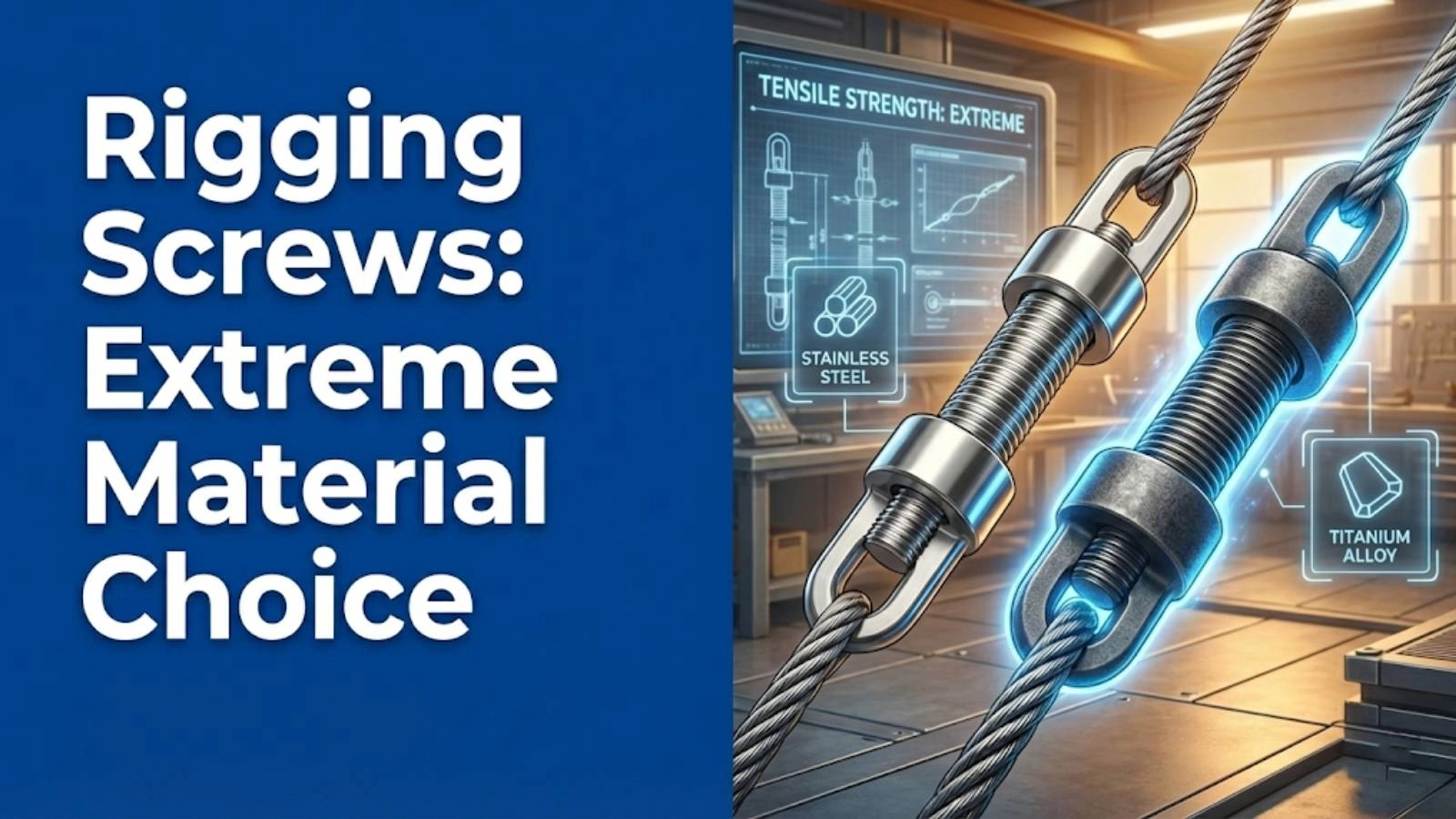
Selecting fatigue-resistant materials is another important consideration. Materials with high fatigue strength, such as certain grades of stainless steel and titanium alloys, can significantly extend the lifespan of rigging screws in demanding applications. Consider the implications of load capacity rigging when selecting materials.
7. Implementing a Rigging Screw Inspection Program
7.1 Creating a Checklist
📝 A detailed checklist is essential for a comprehensive rigging screw inspection program. The checklist should include specific items to check for each type of problem, such as corrosion, thread damage, bending, seizing, and fatigue. For corrosion, check for signs of rust, pitting, and discoloration. For thread damage, inspect the threads for deformation, stripping, and flattening.
For bending, look for misalignment or curvature in the rigging screw. For seizing, check for difficulty in adjusting the rigging screw. For fatigue, inspect for surface cracks. The checklist should also include functional checks, such as ensuring that the rigging screw can be adjusted smoothly and that the locking mechanisms are functioning properly.
7.2 Frequency of Inspections
📅 The frequency of inspections should be based on the application and environmental factors. Rigging screws used in harsh environments, such as marine or industrial settings, should be inspected more frequently than those used in less demanding applications. Adjust the frequency based on observed wear and tear. If inspections reveal signs of corrosion, thread damage, or other problems, increase the frequency of inspections.
For critical applications, such as those involving heavy loads or high-risk environments, daily or weekly inspections may be necessary. For less critical applications, monthly or quarterly inspections may be sufficient. The key is to establish a schedule that provides adequate monitoring of the rigging screws and allows for early detection of potential problems.
7.3 Documentation and Record Keeping
🗂️ Maintaining records of inspections, findings, and corrective actions is crucial for tracking the condition of rigging screws over time. The records should include the date of the inspection, the name of the inspector, the findings of the inspection, and any corrective actions taken. Using digital tools for tracking and analysis can streamline the documentation process and provide valuable insights into the performance of the rigging screws.
These tools can also generate reports that highlight trends and potential problems. Maintaining accurate and complete records is essential for demonstrating compliance with safety regulations and for making informed decisions about maintenance and replacement.
8. Choosing the Right Replacement Rigging Screws
8.1 Material Selection
🔩 Material selection is a critical factor when choosing replacement rigging screws. Stainless steel is a popular choice for its corrosion resistance. Grade 304 stainless steel is suitable for many applications, but grade 316 stainless steel offers superior corrosion resistance, especially in marine environments. Carbon steel options are available for applications where high strength is required, but they are more susceptible to corrosion.
Consider material compatibility with other rigging components. Using dissimilar metals can lead to galvanic corrosion. For example, avoid using aluminum rigging screws with stainless steel cables, as the aluminum will corrode. Selecting the right material is essential for ensuring the longevity and reliability of the rigging system.
8.2 Size and Load Capacity
⚖️ Properly sizing rigging screws based on load requirements is essential for safe operation. Understand the minimum breaking strength (MBS) and safe working load (SWL) of the rigging screw. The MBS is the load at which the rigging screw is expected to fail, while the SWL is the maximum load that the rigging screw is designed to handle safely under normal operating conditions.
Ensure that the SWL of the rigging screw is greater than the maximum load that it will be subjected to. Consider dynamic loads, which can place additional stress on the rigging screw. Use a safety factor to account for unexpected loads or stresses. Consulting with a rigging specialist can help determine the appropriate size and load capacity for your specific application.
8.3 Quality and Certification
✔️ Selecting reputable manufacturers with quality certifications is crucial for ensuring the reliability of replacement rigging screws. Look for manufacturers that comply with industry standards, such as ISO 9001. Ensure that the rigging screws are properly certified and that the certifications are traceable. Avoid purchasing rigging screws from unknown or unverified sources.
Inspecting the rigging screws upon arrival can also help ensure quality. Check for any signs of defects, such as cracks, corrosion, or thread damage. Using high-quality rigging screws from reputable manufacturers can significantly reduce the risk of failure.
9. Best Practices for Rigging Screw Installation and Adjustment
9.1 Proper Installation Techniques
🔧 Proper installation techniques are essential for preventing damage to rigging screws. Avoid cross-threading by ensuring that the threads are properly aligned before tightening. Use appropriate tools and torque settings. Over-tightening can damage the threads and reduce the load-bearing capacity of the rigging screw.
Use a torque wrench to ensure that the rigging screw is tightened to the manufacturer’s specified torque. Lubricate the threads with marine-grade grease or anti-seize compound to reduce friction and prevent corrosion. Following proper installation techniques can significantly extend the lifespan of rigging screws and ensure their safe operation.
9.2 Adjusting Tension Correctly
📏 Achieving proper tension without over-tightening is crucial for optimal performance. Use tension gauges for accurate adjustment. These gauges provide a precise measurement of the tension in the rigging system, allowing you to adjust the rigging screws to the desired tension. Avoid over-tightening, as this can damage the threads and reduce the load-bearing capacity of the rigging screw.
Adjust the tension gradually, checking the tension with a gauge after each adjustment. Ensure that the tension is evenly distributed across all of the rigging screws. Following proper adjustment techniques can improve the performance of the rigging system and reduce the risk of failure.
9.3 Locking Mechanisms
🔒 Using locking wires, cotter pins, or locking nuts to prevent loosening is essential for maintaining tension in rigging screws. Locking wires are used to secure the rigging screw in place, preventing it from rotating and loosening over time. Cotter pins are inserted through holes in the rigging screw to prevent the nuts from loosening. Locking nuts have a built-in locking mechanism that prevents them from loosening.
Choose the appropriate locking mechanism based on the application and the environment. Inspect the locking mechanisms regularly to ensure that they are functioning properly. Replacing worn or damaged locking mechanisms can prevent the rigging screws from loosening and compromising the integrity of the rigging system.
10. Advanced Diagnostic Techniques for Rigging Screws
10.1 Ultrasonic Testing
🔊 Ultrasonic testing is a non-destructive testing (NDT) technique that uses high-frequency sound waves to detect internal flaws and corrosion in rigging screws. The sound waves are transmitted through the material, and the reflections are analyzed to identify any discontinuities. Ultrasonic testing can detect flaws that are not visible to the naked eye, such as internal cracks, voids, and corrosion.
Interpreting results requires specialized training and experience. Areas of concern are identified by analyzing the reflections of the sound waves. Ultrasonic testing is a valuable tool for assessing the internal condition of rigging screws and identifying potential problems before they lead to failure.
10.2 Magnetic Particle Inspection
🧲 Magnetic particle inspection (MPI) is another NDT technique used to find surface cracks in rigging screws. The rigging screw is magnetized, and then magnetic particles are applied to the surface. If there are any surface cracks, the magnetic particles will be attracted to the cracks, making them visible.
MPI is particularly effective for detecting surface cracks in ferrous materials, such as carbon steel and certain types of stainless steel. Applications and limitations of this method should be understood before use. MPI is a valuable tool for detecting surface cracks that may not be visible to the naked eye.
11. Case Studies: Real-World Examples of Rigging Screw Failures
11.1 Analyzing Failure Modes
⚗️ Examining case studies of rigging screw failures due to corrosion, thread damage, and overloading can provide valuable insights into the causes and consequences of these failures. In one case study, a rigging screw failed due to severe corrosion, resulting in the collapse of a crane. The root cause was identified as a lack of regular maintenance and inspection. In another case study, a rigging screw failed due to thread damage caused by over-tightening, leading to the failure of a sailboat mast.
Identifying root causes and contributing factors is essential for preventing similar failures in the future. Analyzing the failure modes can help identify weaknesses in the rigging system and implement preventative measures.
11.2 Lessons Learned
🎓 Extracting actionable insights from case studies can improve rigging practices and prevent future failures. Implementing preventative measures based on real-world experiences is essential. For example, after analyzing a case study of a rigging screw failure due to corrosion, a company implemented a regular maintenance and inspection program to prevent corrosion.
After analyzing a case study of a rigging screw failure due to thread damage, a company implemented a training program to educate workers on proper installation techniques. Learning from past failures can significantly improve the safety and reliability of rigging systems.
12. Future Trends in Rigging Screw Technology
12.1 Smart Rigging Screws
✨ Smart rigging screws are equipped with sensors and IoT technology for real-time monitoring of load and stress. These sensors can measure the tension, temperature, and vibration of the rigging screw, providing valuable data on its performance. The data can be transmitted wirelessly to a central monitoring system, allowing for remote monitoring and analysis.
Predictive maintenance and early failure detection are key benefits of smart rigging screws. By monitoring the load and stress on the rigging screw in real-time, potential problems can be identified before they lead to failure. This allows for proactive maintenance and repairs, reducing the risk of catastrophic failures.
12.2 Advanced Materials
🔬 Investigating the use of new materials with improved strength, corrosion resistance, and fatigue life is an ongoing area of research. Nanomaterials and coatings are being developed to enhance the performance of rigging screws. For example, nanomaterials can be used to increase the strength and fatigue resistance of the rigging screw, while coatings can be used to improve its corrosion resistance.
These advanced materials have the potential to significantly extend the lifespan of rigging screws and improve their performance in demanding applications. As technology advances, we can expect to see even more innovative materials and designs emerge in the field of rigging screw technology.
Conclusion
In conclusion, understanding and addressing rigging screw problems is crucial for ensuring safety and preventing costly failures. From corrosion and thread damage to bending and material fatigue, these issues can compromise the integrity of rigging systems. By implementing regular inspection programs, choosing the right replacement screws, and adhering to best practices for installation and adjustment, you can significantly extend the lifespan and reliability of your rigging. At Safe and Secure Trading Company, we are committed to providing you with the knowledge and resources you need to maintain safe and secure rigging operations. We’ve seen the best results when these steps are followed closely.
FAQ Section
Q: How often should I inspect my rigging screws?
A: The frequency of inspections depends on the application and environmental factors. Rigging screws used in harsh environments should be inspected more frequently, potentially as often as daily or weekly for critical applications, while less critical applications may suffice with monthly or quarterly inspections.
Q: What are the signs of corrosion on rigging screws?
A: Signs of corrosion include surface discoloration (rust), pitting, and a change in the metal’s appearance. Pay close attention to areas around threads, joints, and crevices, where corrosion is likely to initiate.
Q: Can I repair damaged threads on a rigging screw?
A: Minor thread damage can often be repaired using thread chasers or taps. However, if the damage is extensive, such as stripped or severely deformed threads, replacement is the only safe option.
Q: What is the difference between MBS and SWL?
A: MBS (Minimum Breaking Strength) is the load at which the rigging screw is expected to fail. SWL (Safe Working Load) is the maximum load that the rigging screw is designed to handle safely under normal operating conditions. Always ensure that the SWL is greater than the maximum load that the rigging screw will be subjected to.
Q: What type of lubricant should I use on rigging screws?
A: Use marine-grade grease or anti-seize compound on the threads to reduce friction and prevent corrosion. Regular lubrication is essential for preventing seizing and binding.
Q: What are smart rigging screws?
A: Smart rigging screws are equipped with sensors and IoT technology for real-time monitoring of load and stress. They provide valuable data on the performance of the rigging screw, allowing for predictive maintenance and early failure detection.
Q: Why is material selection important for rigging screws?
A: The selection of materials affects corrosion in rigging screws. Material selection is critical as it impacts the strength, corrosion resistance, and fatigue life of the rigging screw. Stainless steel is a popular choice for its corrosion resistance, while carbon steel offers high strength but is more susceptible to corrosion.