Rigging screws and turnbuckles are essential components in various applications, from architectural projects to marine and construction rigging. Selecting the appropriate rigging hardware is critical to ensure safety, efficiency, and the longevity of the system. Choosing the wrong hardware can lead to inefficiency, increased maintenance costs, and, most importantly, significant safety risks.
Understanding the differences between rigging screws turnbuckles is crucial for making informed decisions. This comparison will provide a detailed analysis of their features, applications, and benefits, helping you choose the optimal solution for your specific needs. At Safe and Secure Trading Company (SSTC), we have extensive experience in providing and advising on rigging hardware, and we aim to share our expertise to guide you through this decision-making process.
What are Rigging Screws?
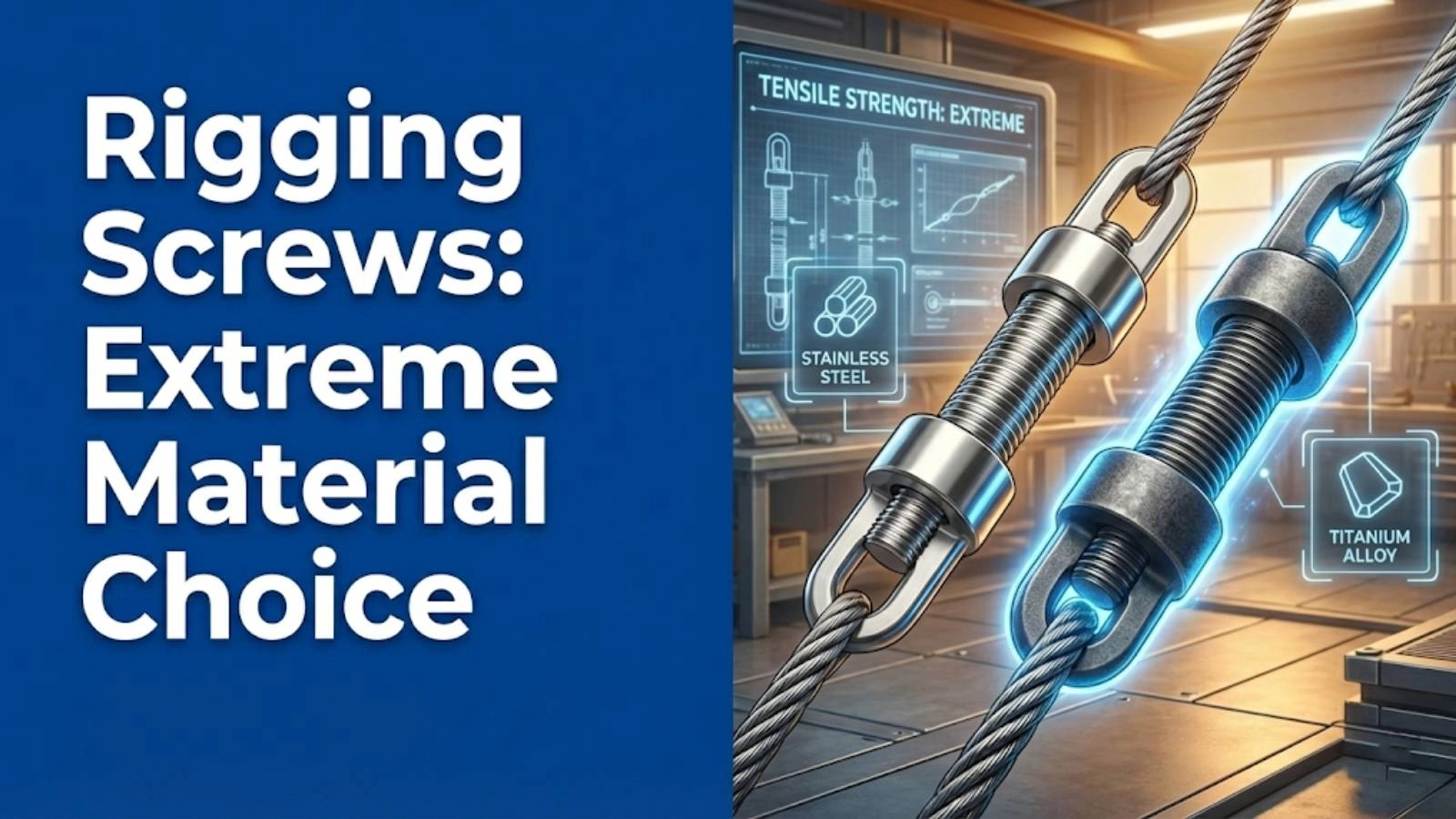
A rigging screw is a type of tensioning device designed to apply and adjust tension in a wire rope or cable system. Its primary components include a central body, typically enclosed, and end fittings that connect to the load or structure. These end fittings can vary, including jaw and eye configurations, threaded studs, or swage fittings, depending on the specific application. Rigging screws are known for their compact design and tamper-resistant features.
Rigging screws find typical applications in architectural rigging, such as cable railings and decorative structures, where aesthetics and security are paramount. They are also utilized in security-sensitive environments where minimizing the risk of tampering is essential. Their clean, streamlined appearance makes them a preferred choice for projects where visual appeal is a key consideration.
Why should you opt for rigging screws? There are several key advantages:
- ✅ Compact design. Their enclosed body provides a sleek appearance, making them suitable for architectural applications.
- ✅ Tamper-resistant. The enclosed design minimizes the risk of unauthorized adjustments or tampering, enhancing security.
- ✅ Clean aesthetic look. Rigging screws offer a more refined and visually appealing finish compared to turnbuckles.
However, rigging screws also have some disadvantages:
- ❌ Limited adjustment range. Compared to turnbuckles, they offer a smaller range for tension adjustment.
- ❌ Higher cost compared to turnbuckles. The sophisticated design and manufacturing process often result in a higher price point.
What are Turnbuckles?
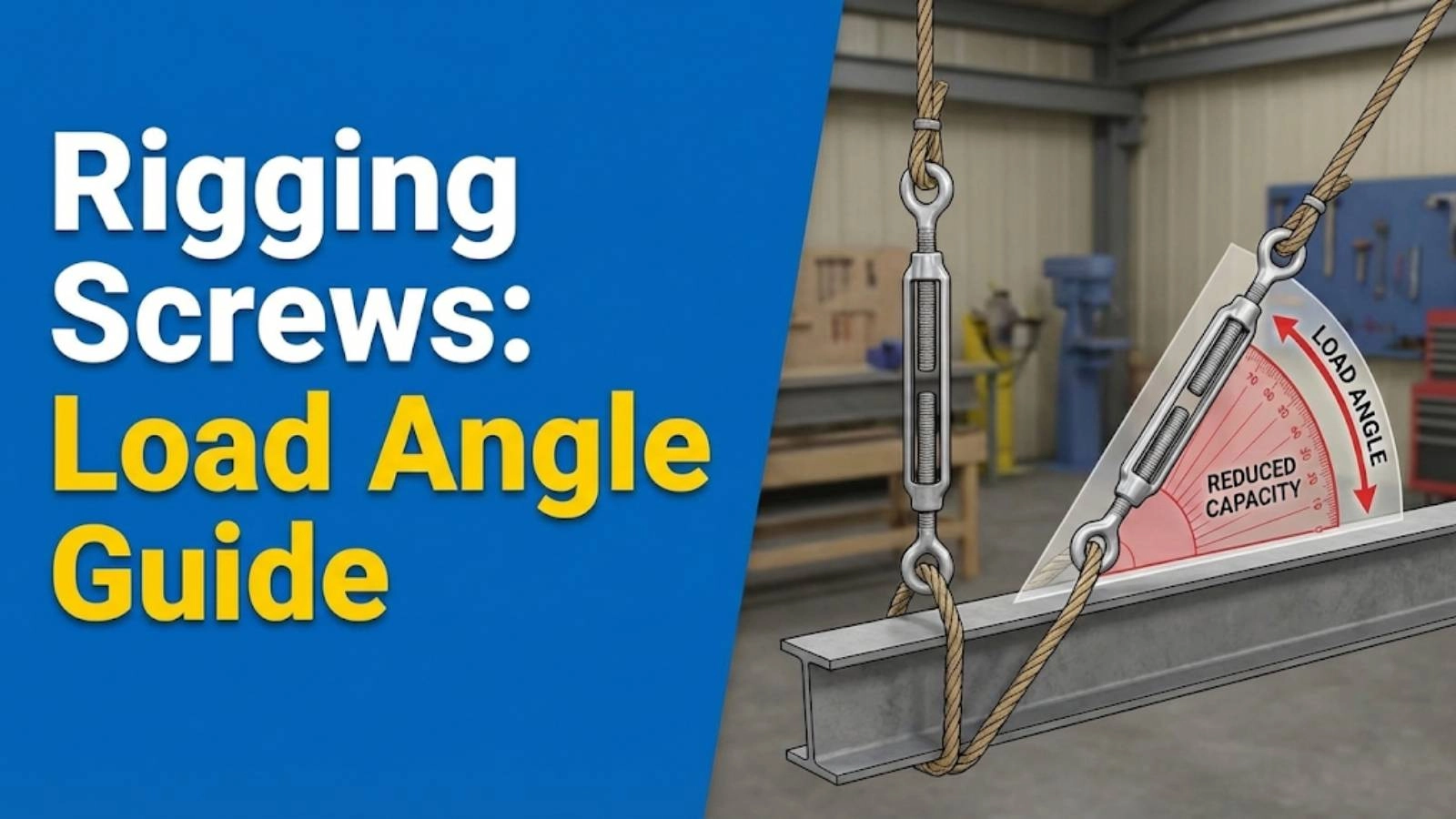
A turnbuckle is a tensioning device used to adjust the tension or length of wire rope, cables, and tie rods. It consists of a metal frame, or body, with threaded ends that accept different types of end fittings. These fittings commonly include jaw and eye, hook, or stub ends, allowing for versatile connections to various structures and loads. Turnbuckles are widely used in applications requiring frequent or significant tension adjustments.
Turnbuckles are commonly used in marine rigging, such as sailboat stays and shrouds, construction rigging for tensioning cables in bridges and buildings, and general load securing applications to stabilize and secure heavy loads during transportation. Their ease of adjustment and robust design make them a versatile choice for various industries.
Why choose turnbuckles? There are several advantages to consider:
- ✅ Easier to adjust tension. The open design allows for quick and easy adjustments using a wrench or similar tool.
- ✅ Wider range of adjustment. Turnbuckles typically offer a greater range of tension adjustment compared to rigging screws, accommodating varying application needs.
- ✅ Lower cost. Due to their simpler design and manufacturing process, turnbuckles are generally more cost-effective.
Despite these advantages, turnbuckles also have some drawbacks:
- ❌ More susceptible to tampering. The open design makes them more vulnerable to unauthorized adjustments.
- ❌ Less aesthetically pleasing. Their utilitarian appearance may not be suitable for applications where aesthetics are important.
Key Differences: Rigging Screws vs. Turnbuckles
Understanding the nuances between rigging screws turnbuckles is essential for making the right choice. Key differences in adjustment range, tamper resistance, aesthetics, cost, and load capacity all play a critical role. Let’s delve deeper into each aspect.
Adjustment Range
Rigging screws offer a limited adjustment range compared to turnbuckles. This limitation can be a significant drawback in applications where precise or extensive tension adjustments are necessary. The enclosed design of rigging screws restricts the amount of travel available for adjusting tension.
Inadequate adjustment range can hinder proper tensioning, leading to instability or failure of the system. For example, if a cable railing system requires frequent adjustments due to environmental factors or settling, rigging screws may not provide sufficient flexibility. This can result in loose or overly tight cables, compromising the integrity and safety of the railing.
Consider the required adjustment length before selecting hardware. For applications that demand frequent or significant tension adjustments, turnbuckles are generally the better choice due to their wider adjustment range. However, if the adjustment range is minimal and infrequent, rigging screws may suffice.
Tamper Resistance
Rigging screws offer better tamper resistance due to their enclosed design. The enclosed body makes it difficult for unauthorized individuals to access and adjust the tension, enhancing security. This feature is particularly important in public spaces or sensitive environments where the risk of tampering is a concern.
Easily tampered hardware can compromise safety, leading to potential accidents or structural failures. For instance, in a public art installation using wire ropes, tampering with the tensioning devices could destabilize the structure and pose a risk to the public. Similarly, in security fencing applications, tampered hardware could compromise the fence’s integrity, allowing unauthorized access.
Use rigging screws where security is a concern. Their tamper-resistant design provides an added layer of protection against unauthorized adjustments, making them ideal for applications where safety and security are paramount. In contrast, turnbuckles, with their open design, are more susceptible to tampering and may require additional security measures to prevent unauthorized adjustments.
Aesthetics
Rigging screws provide a cleaner, more streamlined appearance compared to turnbuckles. Their enclosed body and smooth finish contribute to a more aesthetically pleasing look, making them suitable for architectural applications where visual appeal is a key consideration. The sleek design of rigging screws can enhance the overall appearance of a structure or system.
Unsightly hardware detracts from visual appeal. In architectural projects, such as cable railings or decorative structures, the appearance of the rigging hardware can significantly impact the overall aesthetic. Turnbuckles, with their utilitarian design, may appear bulky or out of place in visually sensitive applications.
Opt for rigging screws in aesthetically sensitive applications. Their clean, streamlined appearance enhances the visual appeal of the structure, making them a preferred choice for architects and designers who prioritize aesthetics. In applications where visual appeal is less critical, turnbuckles may be a suitable and cost-effective alternative.
Cost
Turnbuckles are generally more cost-effective than rigging screws. Their simpler design and manufacturing process contribute to a lower price point, making them an attractive option for budget-conscious projects. The cost difference can be significant, especially in large-scale applications requiring numerous tensioning devices.
Budget constraints can limit hardware choices, forcing project managers to prioritize cost over other factors, such as aesthetics or tamper resistance. However, it’s crucial to balance cost with performance requirements to ensure the safety and longevity of the system. Sacrificing quality or functionality for cost savings can lead to long-term problems and increased maintenance expenses.
Balance cost with performance requirements. While turnbuckles offer a cost-effective solution, rigging screws may be a better investment in applications where aesthetics, security, or tamper resistance are paramount. Consider the long-term costs and benefits of each option before making a decision. For example, while rigging screws may have a higher initial cost, their tamper-resistant design can reduce the risk of unauthorized adjustments, saving time and money on maintenance and repairs.
Load Capacity
Both rigging screws turnbuckles are available in various load capacities, allowing you to select the appropriate hardware based on the specific application needs. The load capacity refers to the maximum weight or force that the hardware can safely support without failing. Choosing hardware with an inadequate load capacity can lead to catastrophic failures and safety hazards.
Mismatching load capacity causes potential failure. Overloading rigging hardware beyond its rated capacity can result in deformation, cracking, or complete breakage, leading to serious accidents or structural damage. It’s crucial to select hardware with a load capacity that meets or exceeds the anticipated loads and forces.
Consulting an expert ensures correct selection for the required load. Working with a qualified rigging specialist can help you determine the appropriate load capacity for your application, taking into account factors such as the weight of the load, dynamic forces, and safety factors. They can also advise on the proper installation and maintenance procedures to ensure the long-term safety and reliability of the system.
Selecting the right rigging hardware involves considering several factors, including the specific application needs, budget constraints, and safety requirements. Understanding the key differences between rigging screws turnbuckles is crucial for making an informed decision and ensuring the success of your project.
Here’s a table summarizing the differences:
| Feature |
Rigging Screws |
Turnbuckles |
| Adjustment Range |
Limited |
Wider |
| Tamper Resistance |
High |
Low |
| Aesthetics |
Cleaner |
Less Clean |
| Cost |
Higher |
Lower |
| Applications |
Architectural, secure settings |
General rigging, marine |
Applications of Rigging Screws
Rigging screws are particularly well-suited for applications that demand a combination of aesthetics, security, and durability. Their clean design and tamper-resistant features make them a popular choice for various industries and projects.
They are often found in architectural rigging, such as cable railings in modern homes and commercial buildings, where their sleek appearance enhances the overall design. Their use extends to security-sensitive applications, like prisons and high-security facilities, where the risk of tampering must be minimized. Situations where a clean, streamlined look is desired, such as in museum displays or high-end retail installations, also benefit from the use of rigging screws.
We advised a client in Dubai who valued aesthetics in their luxury apartment complex. They wanted a cable railing system that not only provided safety but also complemented the modern design of the building. Rigging screws were the perfect solution due to their clean lines and tamper-resistant features, ensuring both security and visual appeal. For many of our clients, the combination of form and function makes rigging screws an ideal choice.
Applications of Turnbuckles
Turnbuckles are widely used in applications that require frequent tension adjustments, high strength, and durability. Their robust design and ease of adjustment make them a versatile choice for various industries.
In marine rigging, turnbuckles are essential components of sailboat stays and shrouds, allowing sailors to fine-tune the tension of the rigging for optimal performance. They are also commonly used in construction rigging to tension cables in bridges, buildings, and other structures. General load securing applications, such as securing heavy machinery during transportation, also benefit from the use of turnbuckles. Their ability to withstand significant loads and provide easy tension adjustment makes them a reliable choice for these demanding applications.
We helped a client near Dammam choose turnbuckles for their construction project involving the erection of a large steel structure. The client needed a reliable and cost-effective solution for tensioning the cables that supported the structure. Turnbuckles were the ideal choice due to their high load capacity, ease of adjustment, and relatively low cost. The client was able to efficiently tension the cables and ensure the stability of the structure, thanks to the versatility and reliability of turnbuckles.
Safety Considerations for Rigging Hardware
Selecting the correct size and load rating for rigging hardware is paramount for ensuring safety and preventing accidents. Always consult with a qualified rigging specialist to determine the appropriate hardware for your specific application.
Regular inspection for wear and damage is essential for maintaining the integrity of rigging hardware. Look for signs of corrosion, cracks, deformation, or other damage that could compromise the strength and performance of the hardware. Replace any damaged or worn components immediately to prevent potential failures.
Proper installation and tensioning techniques are crucial for ensuring the safe and reliable operation of rigging hardware. Follow the manufacturer’s instructions and industry best practices for installation and tensioning. Use calibrated tools to ensure accurate tensioning and avoid over-tightening, which can damage the hardware or the surrounding structure.
These considerations are crucial for long-term safety because rigging hardware is subjected to constant stress and wear. Regular inspections, proper maintenance, and adherence to safety guidelines are essential for preventing accidents and ensuring the longevity of the system. Ignoring these considerations can lead to catastrophic failures, resulting in serious injuries or fatalities. Always prioritize safety and consult with qualified professionals to ensure the safe and reliable operation of rigging hardware. Ignoring regular inspection and maintenance of rigging hardware can lead to catastrophic failures, resulting in serious injuries or fatalities.
Expert Insight
“Choosing the right rigging hardware is not just about cost; it’s about safety and performance. Always prioritize quality and proper installation.” – John Smith, Senior Rigging Engineer
Conclusion: Which Should You Choose?
In summary, the decision between rigging screws turnbuckles hinges on specific application needs. Rigging screws are ideal for architectural applications, security-sensitive environments, and situations where aesthetics are paramount. Their clean design, tamper resistance, and durability make them a preferred choice for projects that demand both form and function.
On the other hand, turnbuckles are better suited for marine and general construction applications where frequent tension adjustments, high strength, and cost-effectiveness are critical. Their robust design and ease of adjustment make them a reliable choice for demanding applications.
Ultimately, choosing the right rigging hardware is crucial for ensuring safety and efficiency. By carefully considering the specific requirements of your project, you can select the optimal solution that meets your needs and provides long-term reliability. Remember, at SSTC, we’re committed to helping you make the best choice for your specific needs. We have a team of experts ready to provide tailored advice and support.
Contact SSTC for expert rigging consultation!
FAQ Section
Q: What are the key differences between rigging screws and turnbuckles?
A: Rigging screws offer limited adjustment range, high tamper resistance, and a cleaner aesthetic, making them suitable for architectural and security-sensitive applications. Turnbuckles provide a wider adjustment range, lower tamper resistance, and are more cost-effective, making them ideal for marine and construction rigging.
Q: Which type of rigging hardware is more cost-effective?
A: Turnbuckles are generally more cost-effective than rigging screws due to their simpler design and manufacturing process.
Q: Which type of rigging hardware is more tamper-resistant?
A: Rigging screws offer better tamper resistance due to their enclosed design, which makes it difficult for unauthorized individuals to access and adjust the tension.
Q: What applications are rigging screws best suited for?
A: Rigging screws are best suited for architectural rigging, security-sensitive applications, and situations where a clean, streamlined look is desired.
Q: What applications are turnbuckles best suited for?
A: Turnbuckles are best suited for marine rigging, construction rigging, and general load securing applications where frequent adjustment is required.
Q: How important is it to select the correct load rating for rigging hardware?
A: Selecting the correct load rating is crucial for ensuring safety and preventing accidents. Always consult with a qualified rigging specialist to determine the appropriate hardware for your specific application.
Q: How often should rigging hardware be inspected for wear and damage?
A: Rigging hardware should be inspected regularly for wear and damage. The frequency of inspections depends on the application and the severity of the operating conditions.
Q: What are some common signs of wear and damage to look for during inspection?
A: Common signs of wear and damage include corrosion, cracks, deformation, and other damage that could compromise the strength and performance of the hardware.
Q: What should I do if I find damaged or worn rigging hardware?
A: Replace any damaged or worn components immediately to prevent potential failures.
Q: Where can I get expert advice on selecting the right rigging hardware for my application?
A: Contact Safe and Secure Trading Company for expert rigging consultation. Our team of experts is ready to provide tailored advice and support to help you make the best choice for your specific needs.
Q: What safety factors should I consider when choosing rigging hardware?
A: Safety factors are crucial for ensuring the safe operation of rigging systems. These factors account for uncertainties in load calculations, material properties, and environmental conditions. A common safety factor for rigging hardware is 5:1, meaning the hardware’s breaking strength should be at least five times the anticipated working load. Consulting with a qualified engineer or rigging specialist is essential to determine the appropriate safety factors for your specific application.
Q: How do swage fittings relate to rigging screws and turnbuckles?
A: Swage fittings are often used as end terminations for wire rope or cable that connect to rigging screws or turnbuckles. These fittings are permanently attached to the wire rope through a process called swaging, which involves compressing the fitting onto the wire rope to create a strong and reliable connection. The choice of swage fittings depends on the specific application and the type of end connection required for the rigging screw or turnbuckle.
Q: What is the role of jaw and eye end fittings in rigging systems?
A: Jaw and eye end fittings are commonly used with both rigging screws and turnbuckles to provide versatile connection points. A jaw end fitting features a U-shaped clevis that can be easily attached to a pin or bolt, while an eye end fitting has a closed loop that can be connected to a shackle or other hardware. These fittings allow for quick and easy connections and disconnections, making them ideal for applications where frequent adjustments or changes are required.
Q: How do threaded fasteners impact the performance of rigging screws and turnbuckles?
A: Threaded fasteners are essential for adjusting the tension in rigging screws and turnbuckles. The quality and precision of the threads directly impact the smoothness and accuracy of the adjustment process. High-quality threaded fasteners ensure consistent and reliable tensioning, while poorly manufactured or damaged threads can lead to slippage, binding, or even failure. Regular inspection and maintenance of threaded fasteners are crucial for ensuring the safe and efficient operation of rigging systems.
Q: What are the best practices for load securing using rigging screws and turnbuckles?
A: Load securing using rigging screws and turnbuckles involves carefully selecting the appropriate hardware, calculating the required tension, and properly installing and tensioning the devices. It’s essential to distribute the load evenly and to use multiple securing points to prevent shifting or movement during transportation or operation. Regular inspections and adjustments are necessary to maintain the proper tension and ensure the load remains secure. Always follow industry best practices and consult with a qualified rigging specialist for guidance on load securing techniques.
Q: How does marine rigging differ from construction rigging in terms of hardware selection?
A: Marine rigging typically requires hardware that is resistant to corrosion from saltwater and other marine elements. Stainless steel or other corrosion-resistant materials are commonly used in marine applications to ensure longevity and reliability. Construction rigging, on the other hand, may prioritize strength and durability over corrosion resistance, depending on the specific environment and application. The choice of hardware also depends on the specific loads, tensions, and environmental conditions involved in each type of rigging.
Q: What types of wire rope are compatible with rigging screws and turnbuckles?
A: Rigging screws and turnbuckles are compatible with various types of wire rope, including galvanized steel, stainless steel, and high-strength alloy steel. The choice of wire rope depends on the specific application, the required strength, and the environmental conditions. It’s essential to select wire rope that is compatible with the end fittings and hardware used in the rigging system to ensure a safe and reliable connection.
Q: How can I adjust tension effectively using rigging screws and turnbuckles?
A: Adjusting tension effectively using rigging screws and turnbuckles involves using calibrated tools to measure the tension accurately. Avoid over-tightening, which can damage the hardware. Consistent measurements help ensure uniform tension across multiple cables. Finally, consult with a rigging expert for guidance.
Q: What are some common mistakes to avoid when using rigging screws and turnbuckles?
A: Common mistakes include overloading the hardware, using damaged or worn components, over-tightening the tension, and neglecting regular inspections and maintenance. Avoiding these mistakes requires prioritizing safety.
Q: What are tensioning devices?
A: Tensioning devices are any tool or mechanism used to apply and adjust tension in cables, ropes, or other structural elements. Rigging screws and turnbuckles fall into this category.