Chain Block Showdown: Steel vs. Aluminum
Introduction: Chain Block Basics for Beginners
What is a Chain Block and Why Do You Need One?
A chain block, also known as a manual chain block or chain hoist, is a simple yet indispensable lifting device used to raise and lower heavy loads using a chain. They operate on the principle of mechanical advantage, allowing a user to lift substantial weight with relatively little effort. Chain blocks are essential in a multitude of settings, from construction sites to automotive repair shops, offering a reliable and cost-effective solution for vertical lifting.
The benefits of using a chain block are numerous. First and foremost, they provide a significant mechanical advantage, reducing the force required to lift heavy objects. This makes lifting safer and easier, especially when dealing with loads that would otherwise be impossible to move manually. Chain blocks are also relatively simple to operate and require minimal training. Their compact design and portability make them ideal for use in confined spaces or remote locations where powered lifting equipment may not be feasible. From a safety perspective, quality chain blocks are designed with built-in safety mechanisms, such as load brakes, to prevent accidental lowering of the load.
Steel vs. Aluminum: A Quick Overview of the Core Difference
The two primary materials used in chain block construction are steel and aluminum. Each material offers distinct advantages and disadvantages, making them suitable for different applications. Steel chain blocks are known for their exceptional strength and durability, capable of handling very heavy loads. Aluminum chain blocks, on the other hand, are valued for their lightweight design and corrosion resistance.
The core differentiating factors between steel and aluminum chain blocks are weight, strength, and corrosion resistance. Steel is significantly heavier than aluminum, which can impact portability and ease of use. However, steel boasts a higher tensile strength, allowing it to withstand greater loads. Aluminum exhibits superior corrosion resistance compared to steel, making it ideal for use in harsh environments. Choosing between steel and aluminum depends on your specific lifting needs and the environmental conditions in which the chain block will be used.
Who Should Use This Guide?
This guide is designed for anyone looking to purchase a chain block, regardless of their experience level. Whether you’re a beginner unfamiliar with lifting equipment, a small business owner looking for a cost-effective lifting solution, or a DIY enthusiast tackling a home project, this guide will provide you with the information you need to make an informed decision.
Our goal is to provide clear, concise, and unbiased information to help you choose the best chain block for your specific needs. We’ll explore the pros and cons of both steel and aluminum chain blocks, discuss key factors to consider when making a purchase, and provide guidance on safe operating practices. This guide will help you navigate the world of chain blocks with confidence.
Deep Dive: Steel Chain Blocks
Strength and Durability: The Steel Advantage
Steel chain blocks are renowned for their exceptional strength and durability, making them a popular choice for heavy-duty lifting applications. The high tensile strength of steel allows these chain blocks to withstand immense loads without deforming or failing. This is particularly important in industries such as construction, manufacturing, and mining, where heavy and often unwieldy objects need to be lifted safely and efficiently.
The ability of steel chain blocks to handle heavy loads is a significant advantage. Steel can withstand a great deal of stress without bending, cracking, or breaking. This robustness translates to a longer lifespan and reduced maintenance costs, especially in demanding environments. Steel’s inherent strength also provides a greater margin of safety, reducing the risk of accidents caused by equipment failure. For many of our clients here in Dammam, we’ve seen that steel chain blocks are a dependable choice for robust operations.
Corrosion Resistance of Steel: What You Need to Know
While steel is incredibly strong, it is susceptible to rust and corrosion, especially in humid or marine environments. Rust can weaken the steel, reducing its load capacity and potentially leading to failure. Therefore, it’s crucial to take protective measures to prevent corrosion and prolong the lifespan of steel chain blocks.
Fortunately, several effective methods can protect steel from corrosion. Galvanization, a process of coating steel with a layer of zinc, provides excellent protection against rust. Powder coating, another popular option, involves applying a layer of polymer powder to the steel surface, creating a durable and corrosion-resistant barrier. Regular lubrication with a rust-inhibiting oil can also help to prevent corrosion. In high-corrosion environments, such as offshore platforms or coastal construction sites, it is essential to choose steel chain blocks that have been specifically treated for corrosion resistance.
Weight Considerations: Steel’s Downside
One of the primary disadvantages of steel chain blocks is their weight. Steel is a dense material, making steel chain blocks significantly heavier than their aluminum counterparts. This increased weight can impact portability and ease of use, especially when working in confined spaces or moving the chain block frequently.
The heavier weight of steel chain blocks can also make installation and setup more challenging. Lifting and positioning a heavy steel chain block can require additional manpower or specialized equipment. Additionally, the weight can contribute to operator fatigue, particularly during prolonged use. For applications where portability and maneuverability are paramount, aluminum chain blocks may be a more suitable option.
Cost Analysis: Steel’s Affordability
Despite its weight, steel offers an undeniable advantage in terms of cost. Steel chain blocks are typically more affordable than aluminum chain blocks. This affordability makes steel a budget-friendly choice for businesses and individuals looking for a reliable lifting solution without breaking the bank.
The long-term cost-effectiveness of steel chain blocks extends beyond the initial purchase price. Due to their durability and resistance to wear and tear, steel chain blocks typically require less maintenance and have a longer lifespan than aluminum chain blocks. This translates to lower operating costs over the long term. For many applications, the combination of affordability and durability makes steel chain blocks a financially sound investment.
Exploring Aluminum Chain Blocks
Lightweight Design: The Aluminum Advantage
Aluminum chain blocks offer a significant advantage in terms of weight. Aluminum is a much lighter material than steel, resulting in chain blocks that are considerably easier to handle and transport. This lightweight design is particularly beneficial in situations where portability and maneuverability are crucial.
The improved portability of aluminum chain blocks makes them ideal for applications where the chain block needs to be moved frequently between different locations. They are also easier to install and set up, reducing the risk of operator fatigue. The lighter weight of aluminum chain blocks can also be advantageous in confined spaces, where maneuvering a heavy steel chain block would be difficult.
Corrosion Resistance: Aluminum’s Natural Protection
Aluminum boasts a natural resistance to corrosion, making it an excellent choice for use in harsh environments. When exposed to air, aluminum forms a thin layer of aluminum oxide on its surface, which acts as a protective barrier against further corrosion. This natural protection eliminates the need for additional coatings or treatments in many applications.
Aluminum’s corrosion resistance makes it particularly well-suited for outdoor and marine environments, where exposure to moisture, salt, and other corrosive elements is common. Unlike steel, aluminum does not rust, ensuring long-term reliability and reducing maintenance costs. This is a key factor for industries such as shipbuilding, offshore oil and gas, and coastal construction. We once worked with a client choosing between A and B. They found B was better for their specific workflow because of the corrosion resistance.
Strength and Load Capacity: Aluminum Considerations
While aluminum is lightweight and corrosion-resistant, it has a lower tensile strength compared to steel. This means that aluminum chain blocks typically have a lower load capacity than steel chain blocks of comparable size. However, manufacturers have developed various techniques to compensate for this inherent limitation.
Aluminum chain blocks are often constructed using high-strength aluminum alloys and reinforced designs. These alloys contain other metals, such as magnesium and silicon, that increase the strength and durability of the aluminum. Reinforced construction techniques, such as thicker walls and strategically placed ribs, also enhance the load-bearing capacity of aluminum chain blocks. As a result, high-quality aluminum chain blocks can handle substantial loads while still maintaining their lightweight advantage.
Cost Analysis: Aluminum’s Premium Price
Aluminum chain blocks typically come with a higher price tag compared to their steel counterparts. The higher cost is primarily due to the cost of the raw materials and the more complex manufacturing processes involved in producing high-strength aluminum components.
The higher material cost of aluminum is a significant factor. Aluminum is more expensive to extract and refine than steel. The manufacturing process for aluminum chain blocks can also be more complex, requiring specialized equipment and skilled labor. Despite the higher initial cost, aluminum chain blocks can offer long-term cost savings in certain applications due to their corrosion resistance and reduced maintenance requirements.
Key Factors to Consider When Choosing
Load Capacity: Matching the Block to Your Lifting Needs
Choosing a chain block with the appropriate load capacity is crucial for safety and efficiency. The load capacity refers to the maximum weight that the chain block is designed to lift safely. Exceeding the rated load capacity can lead to equipment failure, accidents, and injuries.
To determine the required load capacity, you must first estimate the weight of the heaviest object you plan to lift. It’s always advisable to choose a chain block with a load capacity that exceeds the estimated weight by a significant margin, typically at least 25%. This provides a safety buffer and ensures that the chain block is not operating at its maximum capacity, which can accelerate wear and tear. If you’re unsure about the weight of the object, it’s always better to err on the side of caution and choose a chain block with a higher load capacity.
Lift Height: Ensuring Sufficient Chain Length
The lift height refers to the maximum vertical distance that the chain block can lift a load. Choosing a chain block with an adequate lift height is essential to ensure that you can lift the object to the desired level. Insufficient chain length can limit the versatility of the chain block and make it unsuitable for certain applications.
Determining the required lift height is relatively straightforward. Simply measure the vertical distance that you need to lift the object. When selecting a chain block, make sure that the lift height meets or exceeds your requirements. Chain blocks are available with various chain lengths, so you can choose one that is appropriate for your specific needs.
Environmental Conditions: Considering Corrosion and Temperature
Environmental conditions can significantly impact chain block performance and longevity. Factors such as humidity, temperature, and exposure to corrosive substances can accelerate wear and tear and potentially lead to equipment failure.
In corrosive environments, such as marine or chemical processing plants, aluminum chain blocks are often preferred due to their natural resistance to corrosion. Steel chain blocks can be used in these environments, but they must be properly protected with coatings or treatments to prevent rust. Extreme temperatures can also affect chain block performance. High temperatures can reduce the strength of steel, while low temperatures can make the chain brittle. Choose chain blocks that are specifically designed to operate within the expected temperature range.
Frequency of Use: Matching Durability to Usage Patterns
The frequency of use is another important factor to consider when choosing a chain block. If you plan to use the chain block frequently, you’ll need to choose a model that is built to withstand heavy use and has a long lifespan. Infrequent use may allow for a less robust model that is more cost-effective.
For applications that require frequent lifting, steel chain blocks are generally a better choice due to their superior durability. Aluminum chain blocks can also be used for frequent lifting, but they may require more frequent maintenance and may not last as long as steel chain blocks. Consider the expected usage patterns and choose a chain block that is durable enough to meet your needs.
Safety First: Essential Chain Block Practices
Pre-Use Inspection: Identifying Potential Hazards
Before each use, it is crucial to conduct a thorough pre-use inspection of the chain block to identify any potential hazards or defects. This inspection can help prevent accidents and ensure that the chain block is operating safely.
Key components to inspect include the chain, hooks, and housing. Check the chain for any signs of wear, damage, or corrosion. Look for cracks, bends, or distortions in the hooks. Inspect the housing for any damage, such as cracks or dents. Ensure that all safety mechanisms, such as load brakes, are functioning properly. If you identify any defects or hazards, do not use the chain block until the problem has been resolved.
Proper Lifting Techniques: Minimizing Strain and Risk
Using proper lifting techniques is essential to minimize strain and reduce the risk of injury. Incorrect lifting techniques can lead to back injuries, muscle strains, and other musculoskeletal problems.
When lifting with a chain block, always maintain a stable and balanced load. Avoid sudden movements or jerking. Use your legs, not your back, to provide the lifting force. Keep your back straight and your core engaged. If the load is too heavy or awkward to lift safely, seek assistance. Never stand directly under a suspended load.
Avoiding Overloading: Staying Within the Rated Capacity
Overloading a chain block is extremely dangerous and can lead to equipment failure and serious accidents. Always stay within the rated load capacity of the chain block.
Never attempt to lift an object that weighs more than the rated load capacity. Be aware of the weight of the object you are lifting. If you are unsure about the weight, use a scale or other weighing device to determine the exact weight. Remember that the rated load capacity is the maximum weight that the chain block is designed to lift safely. Exceeding this limit can have catastrophic consequences.
Regular Maintenance: Ensuring Long-Term Reliability
Regular maintenance is essential to ensure the long-term reliability and safety of your chain block. Proper maintenance can prevent wear and tear, identify potential problems early on, and extend the lifespan of the equipment.
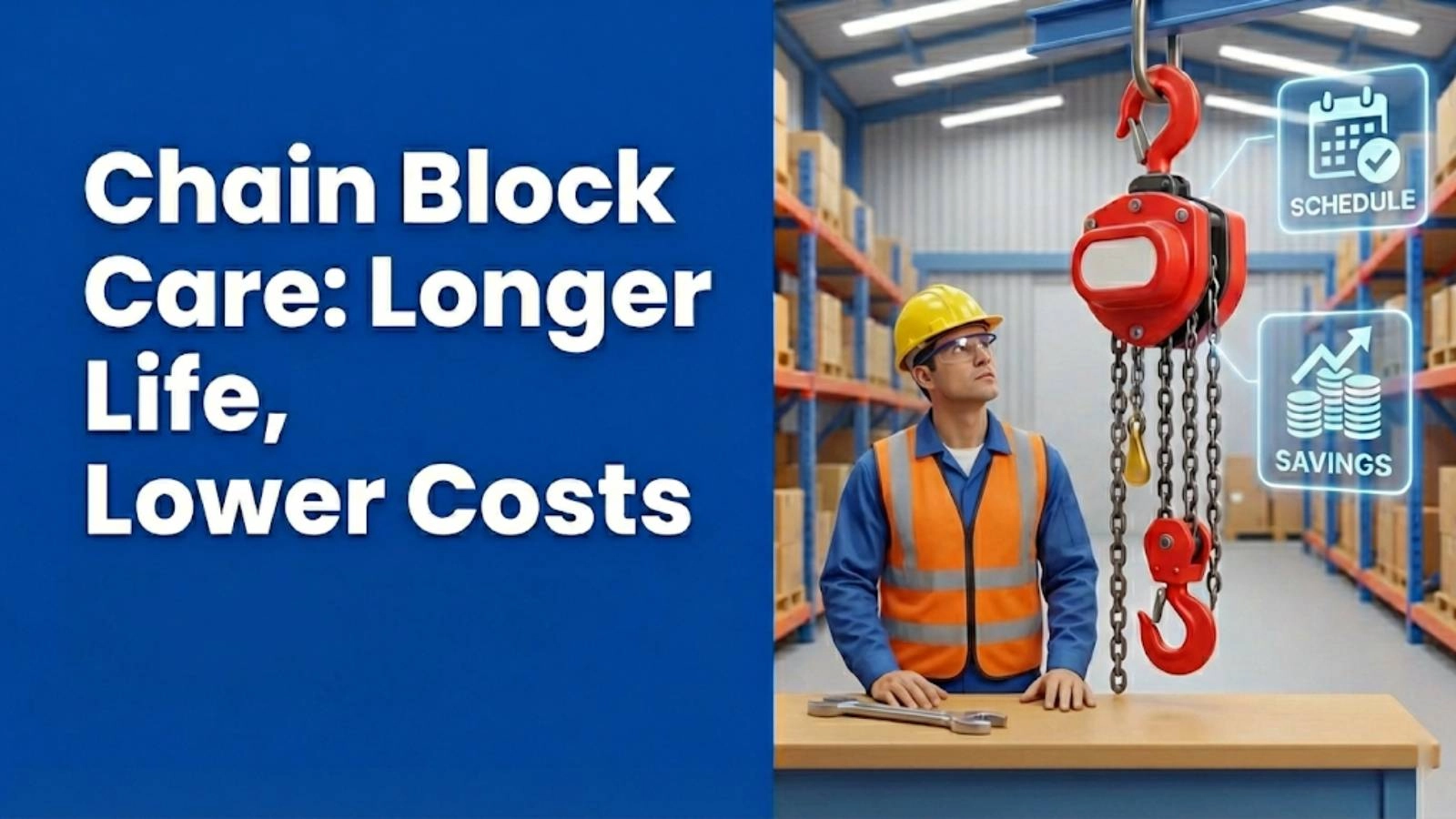
Key maintenance tasks include lubrication, cleaning, and inspection. Lubricate the chain regularly with a high-quality chain oil to reduce friction and prevent corrosion. Clean the chain block regularly to remove dirt, debris, and contaminants. Inspect the chain block frequently for any signs of wear, damage, or corrosion. Replace any worn or damaged parts immediately. Following a regular maintenance schedule can help you keep your chain block in good working condition and ensure its safe and reliable operation.
Real-World Scenarios: Examples for Different Applications
Construction Sites: Heavy-Duty Lifting with Steel
Construction sites often require heavy-duty lifting of materials such as steel beams, concrete blocks, and machinery. Steel chain blocks are frequently favored in this environment due to their strength, durability, and ability to handle heavy loads.
Steel chain blocks can withstand the rigors of construction site environments, where they are often exposed to dirt, dust, and harsh weather conditions. Their robust construction ensures long-term reliability, even under demanding conditions. The high load capacity of steel chain blocks makes them suitable for lifting even the heaviest construction materials.
Automotive Repair: Precision Lifting with Aluminum
Automotive repair shops often require precise lifting of engines, transmissions, and other vehicle components. Aluminum chain blocks can be advantageous in this environment due to their lightweight design and ease of maneuverability.
Aluminum chain blocks make it easier to position the load precisely, reducing the risk of damage to the vehicle or components. The lighter weight of aluminum chain blocks also reduces operator fatigue, especially during prolonged use. The corrosion resistance of aluminum is also beneficial, as automotive repair shops can be exposed to fluids and chemicals that can corrode steel.
Marine Environments: Corrosion Resistance with Aluminum
Marine environments pose a significant challenge for lifting equipment due to the constant exposure to saltwater, which is highly corrosive. Aluminum chain blocks are a good choice for marine applications due to their natural resistance to corrosion.
Aluminum chain blocks can withstand the harsh marine environment without rusting or corroding. This ensures long-term reliability and reduces maintenance costs. The lightweight design of aluminum chain blocks is also beneficial on boats and ships, where weight is a critical consideration.
Workshops and Garages: Versatility and Portability
Workshops and garages often require versatile lifting solutions for a variety of tasks, such as lifting engines, moving equipment, or assembling projects. Both steel and aluminum chain blocks can be suitable for this environment, depending on the specific needs of the user.
Steel chain blocks provide strength and durability for heavy-duty lifting tasks, while aluminum chain blocks offer portability and ease of use for lighter tasks. The choice between steel and aluminum depends on the frequency of use, the weight of the objects being lifted, and the available space in the workshop or garage.
Comparing Chain Block Brands and Models
Popular Steel Chain Block Brands
Several reputable brands manufacture high-quality steel chain blocks. These brands are known for their durability, reliability, and safety features.
- Ingersoll Rand: Ingersoll Rand offers a wide range of steel chain blocks with various load capacities and lift heights. Their chain blocks are known for their robust construction and long-lasting performance.
- CM (Columbus McKinnon): CM is a leading manufacturer of lifting and material handling equipment. Their steel chain blocks are designed for heavy-duty applications and feature advanced safety mechanisms.
- Yale: Yale is a well-known brand in the lifting industry. Their steel chain blocks are known for their durability, reliability, and ease of use.
Top Aluminum Chain Block Manufacturers
Several reputable brands specialize in manufacturing high-quality aluminum chain blocks. These brands are known for their lightweight designs, corrosion resistance, and performance.
- Harrington: Harrington offers a comprehensive line of aluminum chain blocks designed for various lifting applications. Their chain blocks are known for their lightweight construction, smooth operation, and long-term reliability.
- Kito: Kito is a Japanese manufacturer of lifting equipment. Their aluminum chain blocks are known for their precision engineering, high-quality materials, and exceptional performance.
- Vital: Vital chain blocks are a popular choice known for their durability and affordable price point.
Reading Chain Block Specifications: Decoding the Numbers
Understanding chain block specifications is essential for choosing the right model for your needs. Key specifications include load capacity, lift height, and chain diameter.
The load capacity is the maximum weight that the chain block is designed to lift safely. The lift height is the maximum vertical distance that the chain block can lift a load. The chain diameter refers to the thickness of the chain. A thicker chain generally indicates a higher load capacity.
When comparing specifications across different models, pay close attention to the load capacity. Choose a chain block with a load capacity that meets or exceeds your lifting needs. Also, consider the lift height and chain diameter to ensure that the chain block is suitable for your specific application.
Expert Advice: Chain Block Insights
Interview with a Lifting Equipment Specialist
Here’s some expert advice from James Miller, Lead Mechanical Engineer:
“The most common mistake I see is users exceeding the chain block’s load capacity. Always know the weight of your load and choose a chain block with an appropriate safety margin. Emerging trends include the use of lighter, stronger materials and the integration of smart technology for load monitoring. Also, ensure your manual chain block is certified to meet overhead lifting equipment standards.” – James Miller, Lead Mechanical Engineer
Conclusion: Making the Right Chain Block Buying Decision
Steel vs. Aluminum: A Final Summary
In summary, steel chain blocks offer strength, durability, and affordability, making them ideal for heavy-duty lifting applications in demanding environments. Aluminum chain blocks provide lightweight design, corrosion resistance, and ease of maneuverability, making them well-suited for applications where portability and corrosion resistance are paramount.
Choosing Based on Your Specific Needs: A Personalized Recommendation
For construction workers and industrial professionals who need to lift heavy loads regularly, steel chain blocks are the recommended choice. For mechanics and automotive technicians who require precision lifting and maneuverability, aluminum chain blocks offer a distinct advantage. For DIY enthusiasts and homeowners who need a versatile and portable lifting solution, either steel or aluminum chain blocks can be suitable, depending on the specific needs of the project.
Next Steps: Where to Buy and What to Look For
You can purchase chain blocks from various sources, including online retailers, industrial suppliers, and hardware stores. When making a purchase, be sure to consider the load capacity, lift height, material, brand reputation, and warranty. Choosing a reputable brand and reading customer reviews can help you ensure that you are purchasing a high-quality and reliable chain block. We can help find the perfect lifting solution for your operational requirements.
FAQ Section
Q: What is the difference between a chain block and a come along?
A: A chain block is primarily designed for vertical lifting, using a geared mechanism for mechanical advantage. A come along, also known as a lever hoist, can be used for both lifting and pulling horizontally, often using a racheting mechanism.
Q: How often should I inspect my chain block?
A: Conduct a pre-use inspection before each use. A more thorough inspection should be performed at least every three months, or more frequently depending on the intensity of use and environmental conditions.
Q: Can I use a steel chain block in a marine environment?
A: Yes, but it must be specifically designed and treated for marine use with features like stainless steel components or special anti-corrosion coatings. Regular maintenance is crucial.
Q: What is the maximum load capacity for a chain block?
A: Chain block capacity varies widely, from as little as 500 lbs to several tons. Always select a chain block with a capacity that exceeds your lifting needs by a safe margin.
Q: How do I maintain my chain block?
A: Regularly lubricate the chain with chain oil, clean the block to remove dirt and debris, inspect for wear and damage, and replace any worn or damaged parts immediately. Store the chain block in a dry, protected environment.
Q: Is it safe to use a chain block horizontally?
A: Chain blocks are primarily designed for vertical lifting. While some models may be used horizontally, it’s critical to check the manufacturer’s specifications and guidelines to ensure safe operation.
Q: What is a manual chain block made of?
A: Manual chain blocks are typically made of either steel or aluminum. The chain is usually made of high-strength alloy steel.
Q: What is the purpose of using a chain block?
A: The purpose of using a chain block is to lift heavy objects safely and efficiently using a mechanical advantage system, reducing the amount of force required by the user.
Q: What is an aluminum chain block made of?
A: An aluminum chain block is made of aluminum alloy, providing corrosion resistance and lightweight properties.
Q: Are chain blocks overhead lifting equipment?
A: Yes, chain blocks are classified as overhead lifting equipment, and their use is subject to safety regulations and standards. Always ensure proper training and inspection before use.