Chain Block Care: Your Expert Guide
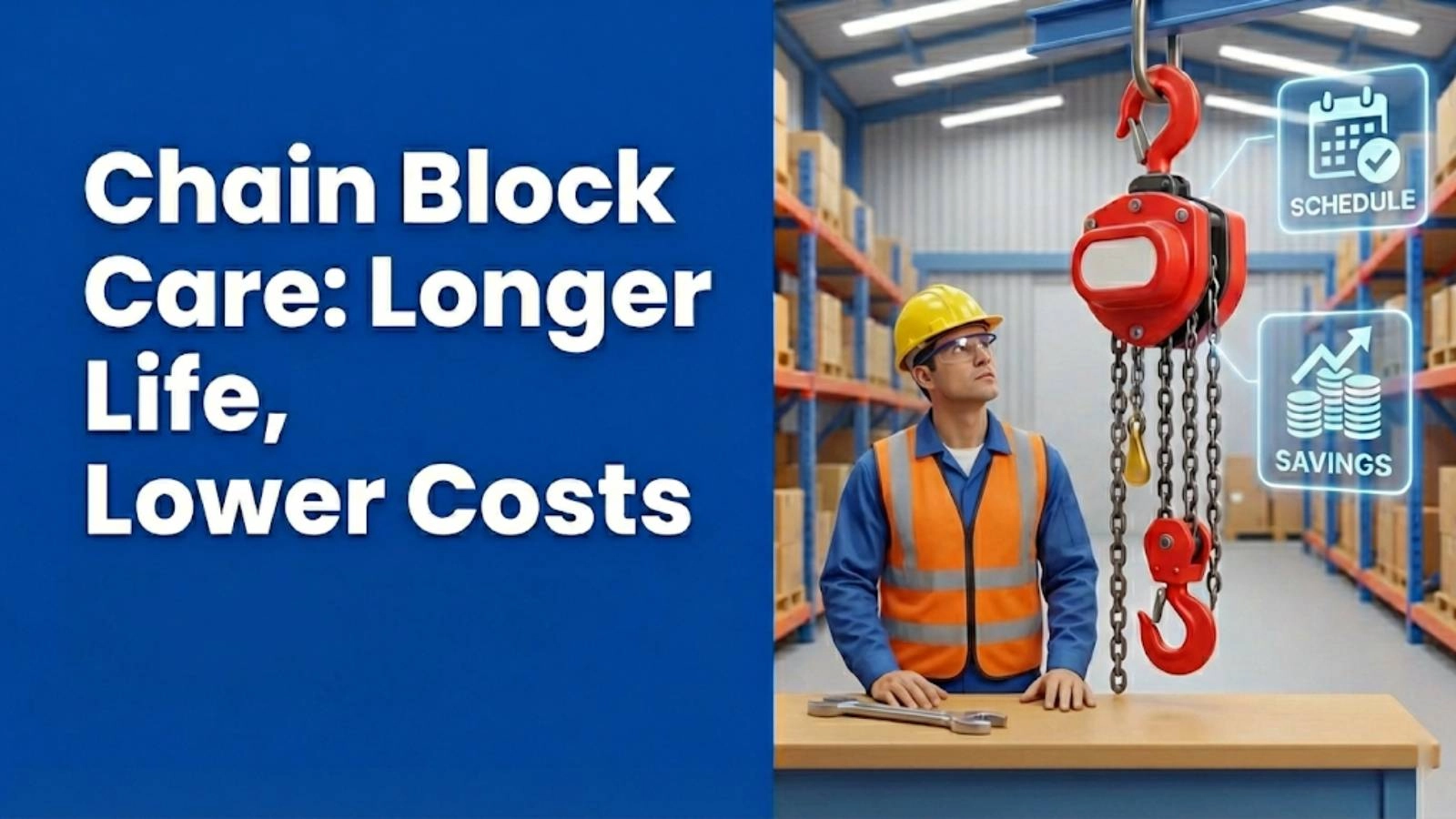
Lifting heavy loads safely and efficiently relies heavily on the condition of your chain blocks. Neglecting chain block maintenance can lead to equipment failure, posing serious safety risks and costly downtime. This guide provides a comprehensive overview of chain block maintenance, ensuring your equipment remains in top working order and meets all safety standards. As Safe and Secure Trading Company (SSTC), we understand the importance of reliable lifting equipment and offer our expertise to help you establish a robust chain block maintenance program.
Key Takeaways: Chain Block Maintenance Essentials
- Proactive Maintenance: Regular maintenance significantly extends chain block lifespan and reduces the risk of failure.
- Detailed Inspections: Comprehensive visual checks are essential to identify wear, damage, and potential hazards.
- Proper Lubrication: Lubricating moving parts minimizes friction and ensures smooth, efficient operation.
- Load Testing Importance: Conducting periodic load tests verifies the chain block’s capacity and structural integrity.
- Record Keeping: Maintaining accurate maintenance records helps track performance, identify trends, and schedule future servicing.
Understanding Chain Block Mechanics ⚙️
How Chain Blocks Work: A Technical Overview
Chain blocks are ingenious devices that use mechanical advantage to lift heavy loads with relatively little effort. Understanding how they work is crucial for effective chain block maintenance. At its core, a chain block employs a system of gears to multiply the force applied by the operator. This system allows for significant load lifting with minimal physical exertion.
- Gear Ratios and Mechanical Advantage: The mechanical advantage (MA) of a chain block is determined by the gear ratio within its mechanism. The more gears involved, the higher the MA, and the less force is needed to lift a given load. For example, a chain block with a gear ratio of 4:1 means that for every 1 unit of force applied, the block can lift 4 units of weight. This advantage allows a single person to lift loads that would otherwise require multiple people or more complex machinery. In our experience, clients who understand this principle are better equipped to appreciate the importance of regular chain block maintenance to preserve this efficiency. A common mistake we help businesses fix is understanding the gear ratios of their chain blocks, which affects maintenance schedules.
- Load Chain vs. Hand Chain: The load chain is the chain that directly supports the weight being lifted. It is typically made of high-strength alloy steel to withstand significant tension. The hand chain, on the other hand, is used by the operator to pull and activate the lifting mechanism. While the load chain bears the brunt of the load, the hand chain facilitates the operation. Both chains require regular inspection and chain hoist lubrication, but the load chain is generally subject to more wear and tear.
- Braking System Analysis: A critical component of any chain block is its braking system. The brake is designed to hold the load securely in place when the operator stops pulling the hand chain. Most chain blocks utilize a Weston-style brake, which is a mechanical disc brake that automatically engages when lifting stops. This type of brake uses friction to prevent the load from slipping. Proper chain block maintenance includes inspecting and adjusting the brake to ensure it functions correctly and provides reliable holding power. In some instances, the braking mechanism also assists when lowering loads.
Analyzing Common Chain Block Failure Points 📊
Knowing the common failure points of chain blocks enables more targeted and effective chain block maintenance strategies. By understanding the weaknesses, preventative measures can be implemented.
- Statistical Breakdown of Failure Causes: Studies show that the most common causes of chain block failure include overloading (30%), lack of chain hoist lubrication (25%), corrosion (20%), and improper use (15%). The remaining 10% is attributed to manufacturing defects and other miscellaneous factors. Understanding these statistics allows us, at SSTC, to emphasize the critical aspects of chain block maintenance to our clients, helping them mitigate the most significant risks.
- Critical Components Susceptible to Wear: Certain components of a chain block are naturally more susceptible to wear and damage due to their constant exposure to stress and friction. These include:
Load Chain: Stretches, cracks, and wear due to repeated use and overloading. The chain wear limits must be respected.
Hooks: Bending, cracking, and deformation due to overloading or improper lifting techniques.
Gears: Wear and damage to gear teeth due to friction and heavy loads.
Braking System: Wear of brake pads or discs, leading to reduced holding power. Regular hoist repair may be needed.
- Case Studies of Preventable Failures: We once worked with a client who struggled with frequent chain block failures. Upon investigation, it was discovered that they were not following a preventative maintenance schedule and were routinely overloading their chain blocks. By implementing a comprehensive chain block maintenance program and training their staff on proper lifting techniques, they saw a 60% reduction in equipment failures and a significant improvement in workplace safety. Another instance we found that not using the right chain block for the work was causing premature wear and tear on the chain blocks.
Pre-Maintenance Preparations: Safety First! ⚠️
Lockout/Tagout Procedures: A Critical Step
Before commencing any chain block maintenance, ensuring the safety of personnel is paramount. Lockout/Tagout (LOTO) procedures are crucial for preventing accidental start-up or movement of the equipment during maintenance, which could lead to serious injury or even fatalities. For many of our clients here in Dammam, Saudi Arabia, we’ve seen that a proper understanding and implementation of LOTO significantly reduces workplace accidents during maintenance.
- OSHA Compliance for Maintenance: The Occupational Safety and Health Administration (OSHA) mandates the use of LOTO procedures for all equipment maintenance activities. Compliance with OSHA standards is not only a legal requirement but also a moral obligation to protect the safety of workers. Neglecting LOTO can result in hefty fines and, more importantly, put lives at risk.
- Step-by-Step LOTO Implementation:
1. Identify Energy Sources: Identify all energy sources associated with the chain block (e.g., electrical, mechanical).
2. Notify Affected Personnel: Inform all workers who may be affected by the maintenance work.
3. Shut Down Equipment: Turn off the chain block and any associated equipment.
4. Isolate Energy Sources: Disconnect or isolate all energy sources.
5. Apply Lockout/Tagout Devices: Attach locks and tags to the energy-isolating devices.
6. Verify Isolation: Ensure that the chain block is completely de-energized and cannot be accidentally started.
- Verification of Energy Isolation: After applying LOTO devices, it is essential to verify that the chain block is indeed de-energized. This can be done by attempting to operate the chain block or by using appropriate testing equipment to confirm the absence of energy. Only after verifying complete isolation should maintenance work begin.
Essential Tools and Equipment 🛠️
Having the right tools and equipment is essential for performing effective chain block maintenance. Using the wrong tools can damage the equipment or compromise safety.
Wrenches and sockets (various sizes)
Screwdrivers (various types)
Lubricants (appropriate for chain blocks)
Cleaning supplies (solvents, brushes, rags)
Measuring tools (calipers, rulers, chain wear gauge)
Personal Protective Equipment (PPE)
- Importance of Using Calibrated Instruments: Calibrated measuring tools, such as calipers and chain wear gauges, are necessary for accurate assessments of wear and damage. Using uncalibrated instruments can lead to inaccurate measurements, resulting in incorrect maintenance decisions.
- PPE Requirements:
Safety glasses: To protect eyes from debris and chemicals.
Gloves: To protect hands from dirt, grease, and chemicals.
Appropriate footwear: To provide protection from slips, trips, and falling objects.
Step-by-Step Chain Block Maintenance Guide 🪜
Step 1: Thorough Visual Inspection 👀
A thorough visual inspection is the foundation of effective chain block maintenance. It allows you to identify potential problems early, before they escalate into major issues.
- Chain Condition Assessment: Carefully inspect the load chain for signs of wear, corrosion, stretching, cracks, or deformation. Use a chain wear limits gauge to accurately measure wear. If the chain exceeds the allowable wear limits, it must be replaced immediately.
| Wear Type |
Description |
Action |
| Stretching |
Increase in chain length beyond allowable limits |
Replace chain |
| Corrosion |
Rust or pitting on chain links |
Clean and lubricate, or replace if severe |
| Cracks |
Visible cracks on chain links |
Replace chain |
| Deformation |
Bent or twisted chain links |
Replace chain |
- Hook Inspection: Inspect the upper and lower hooks for cracks, bends, wear at the saddle point, and proper functioning of the safety latch. The safety latch should close securely to prevent the load from accidentally disengaging. Any damaged or worn hooks must be replaced immediately.
- Housing and Component Examination: Examine the chain block housing for damage, cracks, or loose fasteners. Inspect gears, bearings, and the braking mechanism for signs of wear or damage. Listen for any unusual noises when operating the chain block, as this could indicate a problem with the internal components.
Step 2: Cleaning and Degreasing 🧼
Cleaning and degreasing are essential for removing dirt, grease, and contaminants that can accelerate wear and corrosion.
- Safe Solvent Selection: Select appropriate cleaning solvents that are effective at removing grease and dirt without damaging the chain block components. Avoid using harsh chemicals that can corrode or weaken the metal.
- Detailed Cleaning Procedure:
1. Disassemble the chain block as much as possible to allow for thorough cleaning.
2. Use a brush and solvent to remove dirt and grease from all accessible parts.
3. Pay particular attention to the chain, hooks, gears, and braking mechanism.
4. Rinse all parts with clean solvent and allow them to dry completely.
- Proper Disposal of Waste Materials: Dispose of used solvents and cleaning materials in accordance with environmental regulations. Do not pour them down the drain or dispose of them in regular trash. Contact your local waste management authority for proper disposal guidelines.
Step 3: Lubrication 🛢️
Proper chain hoist lubrication is critical for minimizing friction, reducing wear, and ensuring smooth, efficient operation.
- Selecting the Right Lubricant: Choose a high-quality lubricant specifically designed for chain blocks. Consider factors like operating temperature, load capacity, and environmental conditions.
- Lubrication Points and Frequency:
Chain: Lubricate the chain regularly to reduce friction and prevent corrosion.
Gears: Apply lubricant to the gears to ensure smooth meshing and reduce wear.
Bearings: Lubricate the bearings to reduce friction and prevent overheating.
Brake Mechanism: Apply a small amount of lubricant to the brake mechanism to ensure smooth operation.
Use a grease gun to apply lubricant to grease fittings.
Apply oil with a brush or spray bottle to other lubrication points.
Avoid over-lubricating, as this can attract dirt and contaminants.
Step 4: Chain Inspection and Maintenance ⛓️
The load chain is a critical component of the chain block, and its condition directly impacts the safety of lifting operations.
- Measuring Chain Wear: Use a chain wear limits gauge to accurately measure chain wear. Follow the manufacturer’s instructions for proper gauge usage and interpretation of results. If the chain exceeds the allowable wear limits, it must be replaced immediately.
- Link-by-Link Inspection: Visually inspect each chain link for damage, cracks, or deformation. Pay close attention to the areas where the links connect, as these are the most susceptible to wear.
- Chain Replacement Procedure:
1. Select the correct replacement chain that meets the manufacturer’s specifications.
2. Use appropriate tools to remove the old chain and install the new chain.
3. Ensure that the chain is properly seated in the chain block mechanism.
4. Test the chain block to verify that the new chain is functioning correctly.
Step 5: Brake Mechanism Inspection and Adjustment ⚙️
The braking mechanism is essential for holding the load securely in place and preventing accidents.
- Brake Pad/Disc Assessment: Inspect the brake pads or discs for wear, contamination, or damage. If the pads or discs are worn or damaged, they must be replaced.
- Brake Adjustment Procedure: Adjust the braking mechanism according to the manufacturer’s instructions. Ensure that the brake is properly engaged and provides sufficient holding force.
- Testing Brake Functionality: Test the braking mechanism by lifting a load and verifying that the brake can securely hold the load in place. If the brake slips or fails to hold the load, it must be adjusted or repaired.
Step 6: Load Testing and Certification ✅
Load testing is crucial for verifying the chain block’s capacity and structural integrity.
- Importance of Load Testing: Load testing ensures that the chain block can safely handle its rated load. It also helps identify any hidden defects or weaknesses that may not be visible during a visual inspection.
- Testing Procedure and Standards: Perform load testing in accordance with relevant standards, such as ASME B30.16. The test load should be equal to or greater than the rated capacity of the chain block.
- Certification and Record Keeping: Document the load test results and obtain certification from a qualified inspector. Keep accurate records of all load testing activities.
> “Regular load testing is a critical component of any comprehensive lifting equipment safety program. It provides assurance that the equipment is capable of performing its intended function safely and reliably.” – John Smith, Lead Safety Inspector
Preventive Maintenance Schedule: Long-Term Care 📅
Establishing a preventative maintenance schedule is key to extending the life of your chain blocks and ensuring their safe operation.
Creating a Maintenance Log
- Data to Include: In your log, always include the date of maintenance, the specific tasks performed, any parts replaced, and the name of the person who carried out the maintenance.
- Digital vs. Paper Logs: While paper logs are traditional, digital logs offer several advantages, including easy searching, data analysis, and automated reminders for scheduled maintenance. Cloud-based systems also ensure data is backed up and accessible from anywhere.
Sample Maintenance Schedule
- Daily Checks: Before each use, perform a quick visual inspection of the chain and hooks. Check for any obvious signs of damage or wear.
- Monthly Maintenance: Thoroughly clean and lubricate the chain and moving parts. Inspect the braking mechanism and adjust as needed.
- Annual Inspection: Conduct a comprehensive inspection by a qualified technician. This should include load testing and certification. This hoist inspection checklist is crucial for a thorough process.
Conclusion
Regular chain block maintenance is not just a best practice; it’s a critical investment in safety, efficiency, and the longevity of your equipment. By following these steps, you minimize risks, extend the lifespan of your chain blocks, and maintain peak operational performance. In our experience at Safe and Secure Trading Company (SSTC), we’ve consistently seen that businesses that prioritize chain block maintenance have significantly fewer accidents and lower equipment replacement costs.
FAQ Section
- Q: How often should I lubricate my chain block?
A: We recommend lubricating your chain block monthly or more frequently if it’s used in a harsh environment.
- Q: What are the signs that my chain block needs hoist repair?
A: Look for signs of wear, such as cracks, bends, or excessive rust, and any difficulty operating the chain block.
- Q: Can I repair a chain block myself?
A: While minor manual hoist maintenance can be done, major repairs should be performed by a qualified technician.
- Q: What type of lubricant should I use?
A: Use a high-quality chain lubricant specifically designed for lifting equipment safety.
- Q: How important is load testing procedure?
* A: Load testing is crucial to verify the chain block’s capacity and structural integrity and should be done annually.