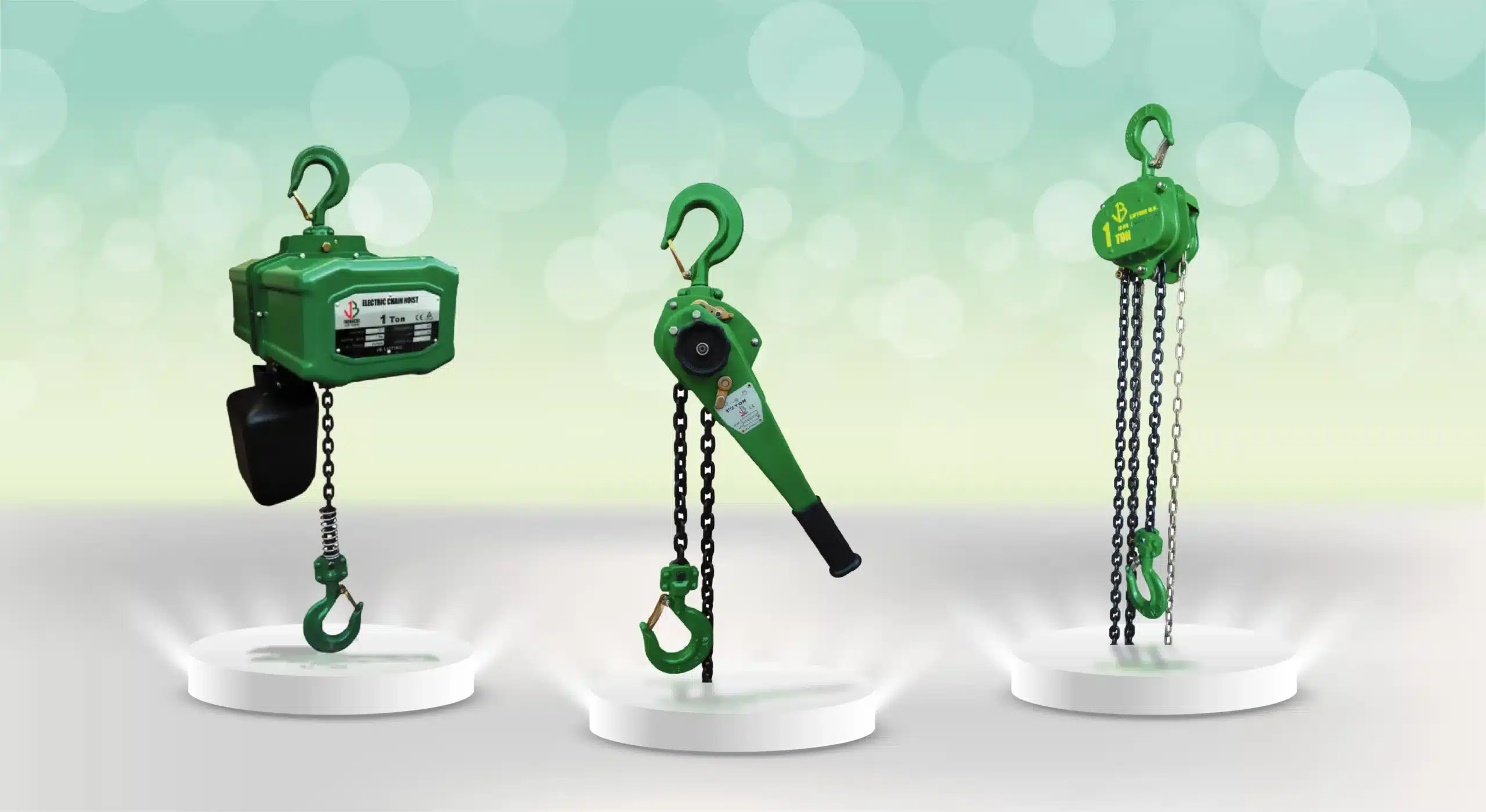
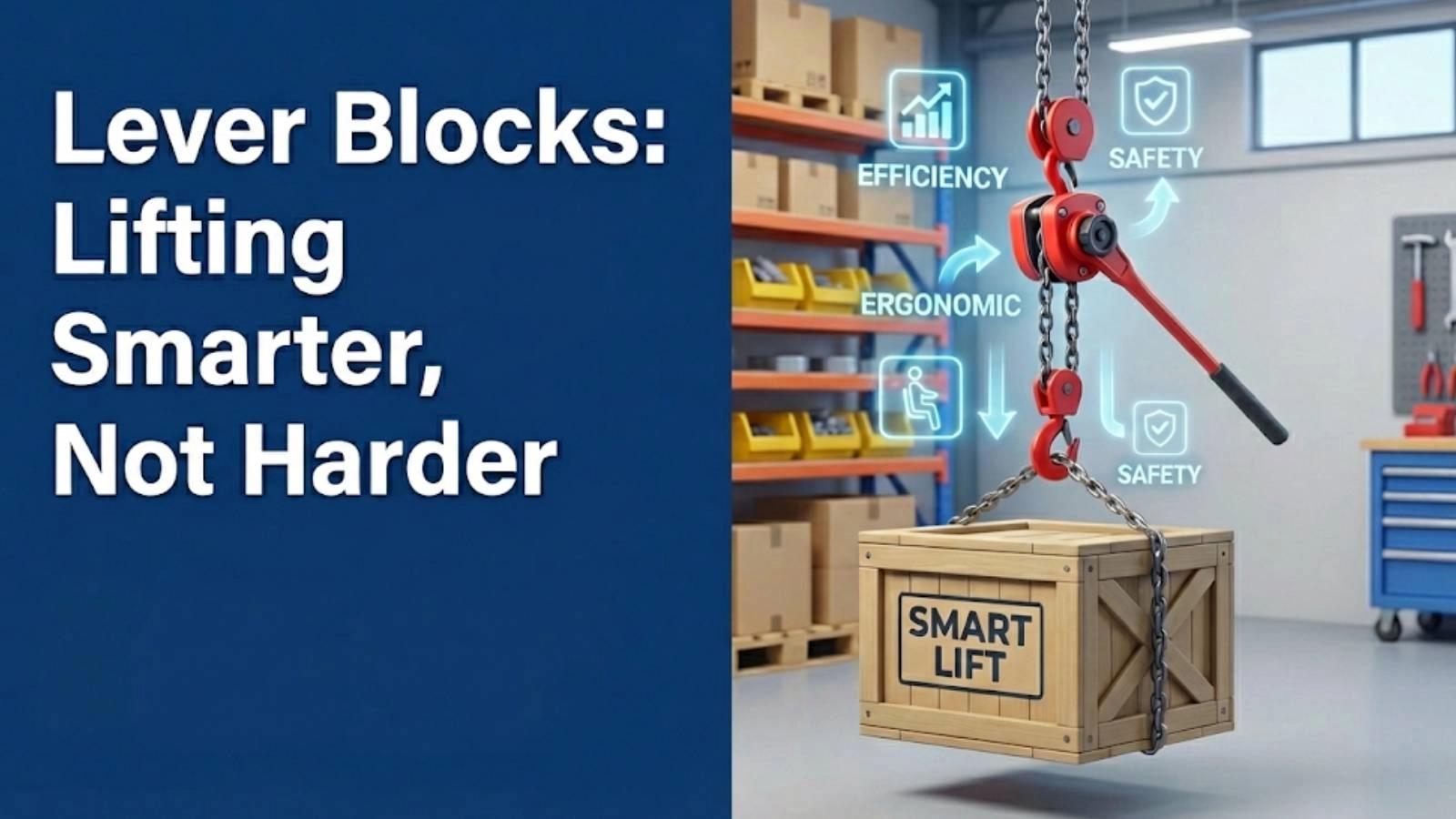
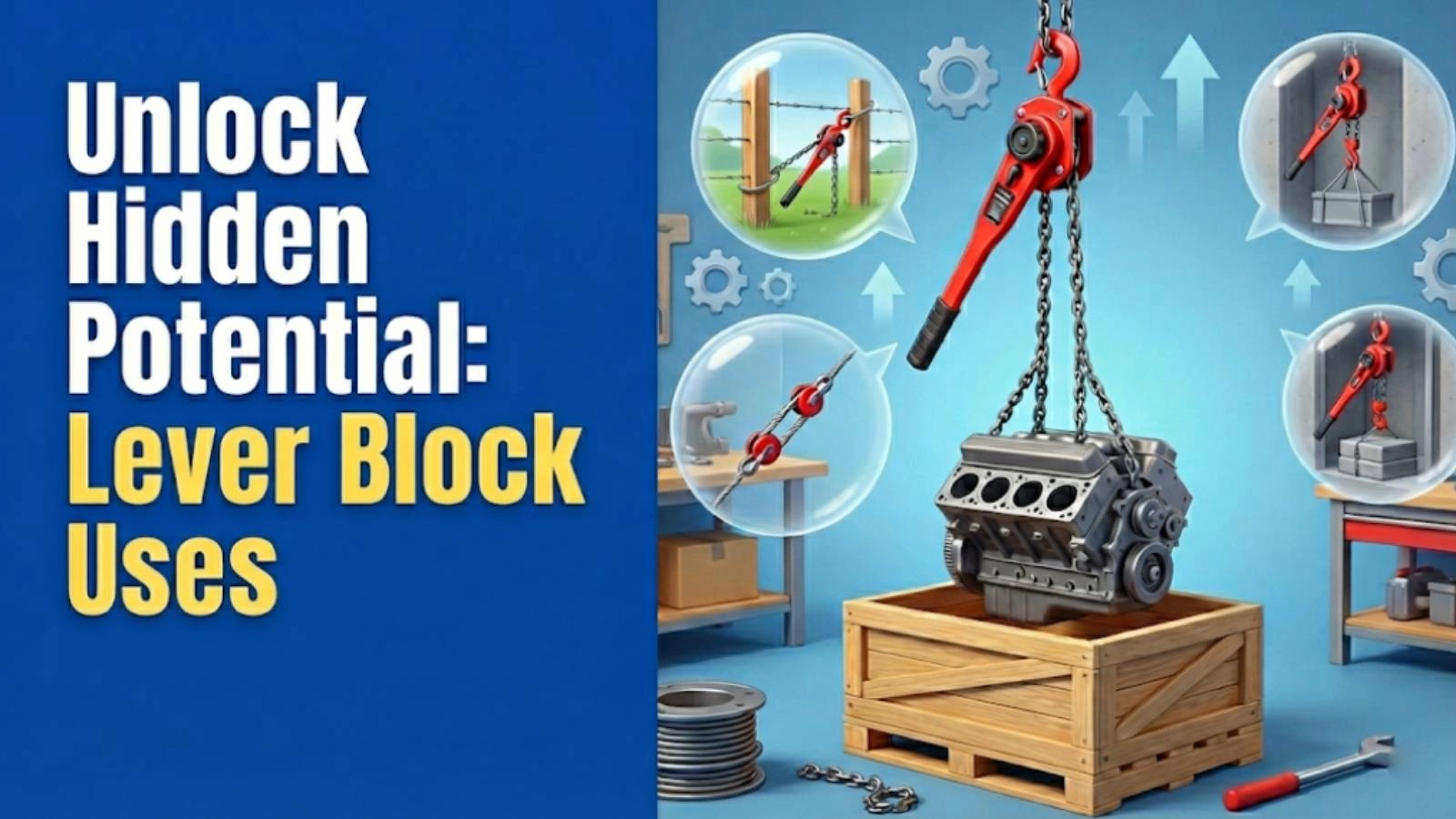
Manual hoists are essential tools in various industries, providing a reliable means of lifting heavy loads without the need for electricity. These hoists rely on human power, making them ideal for locations where power is unavailable or impractical. Among the different types of manual hoists, lever blocks and chain blocks stand out as popular choices, each with its unique mechanism and applications. Choosing the right hoist is crucial for ensuring safety and efficiency in your lifting operations.
This article aims to provide a comprehensive comparison of lever blocks and chain blocks. We’ll explore their mechanisms, key differences, safety considerations, and ideal applications. Our goal is to equip you with the knowledge you need to make an informed decision, ensuring you select the most appropriate hoist for your specific needs. As experts at Safe and Secure Trading Company (SSTC), we often guide our clients through these choices, ensuring they get the best lifting equipment for their tasks.
What is a Lever Block?
A lever block, also known as a come-along, is a type of manual hoist that uses a lever to create mechanical advantage for lifting, pulling, or positioning heavy objects. The mechanism of a lever block relies on a ratchet and pawl system. By repeatedly pulling on the lever, the operator incrementally tightens the chain, lifting the load.
The ratchet and pawl system ensures that the load remains securely in place each time the lever is operated. This system prevents the load from slipping back down, providing a safe and controlled lifting process. The compact design of lever blocks makes them particularly useful in confined spaces where larger hoists might not fit.
[IMAGE: Close-up of a lever block mechanism, highlighting the ratchet and pawl system.]
Lever blocks typically have load capacities ranging from 0.25 tons to 9 tons, making them suitable for a wide range of applications. They are commonly used in construction, rigging, and maintenance operations where portability and precision are essential. For many of our clients here in Dammam, we’ve seen that lever blocks are invaluable for tasks requiring fine adjustments.
What is a Chain Block?
A chain block, also known as a chain hoist, is another type of manual hoist designed for lifting heavy loads using a system of gears and a hand chain. The operator pulls on the hand chain, which rotates a series of gears to lift the load attached to the load chain. This gear system provides significant mechanical advantage, allowing the operator to lift heavy objects with relatively little effort.
The mechanism of a chain block involves a closed loop of chain that the operator pulls. As the chain is pulled, it engages a series of gears that multiply the pulling force. These gears are housed within the block, and they work together to provide a smooth and controlled lifting action. A braking mechanism is also integrated into the chain block to prevent the load from slipping.
[IMAGE: A diagram of a chain block’s internal gearing mechanism.]
Chain blocks typically offer lifting capacities ranging from 0.5 tons to 50 tons, making them suitable for heavier lifting applications than lever blocks. They are commonly used in factories, warehouses, and construction sites where high-capacity lifting is required. We at SSTC have observed that chain blocks are essential for tasks such as moving heavy machinery and assembling large structures.
Key Differences: Lever Block vs. Chain Block
While both lever blocks and chain blocks serve the purpose of manually lifting heavy loads, they differ significantly in their operation, lifting distance, portability, and precision. Understanding these core distinctions is essential for choosing the right hoist for your specific application.
Lever blocks are operated by repeatedly pulling a lever, which incrementally lifts the load. This method provides precise control over the lifting process, making it ideal for applications requiring fine adjustments.
Chain blocks, on the other hand, are operated by pulling a hand chain, which rotates a series of gears to lift the load. This method allows for a more continuous lifting action, making it suitable for tasks involving longer lifting distances.
Lever blocks typically offer shorter lifting distances compared to chain blocks. This is due to the incremental nature of the lever operation.
Chain blocks can achieve longer lifting distances because the hand chain allows for a continuous pulling action. This makes them ideal for applications where the load needs to be lifted over a significant vertical distance.
Lever blocks are generally more compact and lighter than chain blocks, making them easier to transport and maneuver in confined spaces.
Chain blocks tend to be heavier and bulkier due to their more complex gear system and higher lifting capacities. This can make them less convenient for applications requiring frequent relocation of the hoist.
Lever blocks offer a higher degree of precision during lifting and positioning. The incremental lever action allows for fine adjustments, making them ideal for tasks requiring accurate placement of the load.
Chain blocks, while providing a smooth lifting action, may not offer the same level of precision as lever blocks. The continuous pulling action can make it more challenging to make minute adjustments to the load’s position.
We once worked with a client choosing between a lever hoist and a chain hoist for their maintenance operations. They found the lever hoist was better for their specific workflow because of its portability and precision when installing equipment in tight spaces. This ability to make fine adjustments significantly reduced installation time.
Lifting Capacity: Which One Lifts More?
When comparing lever blocks and chain blocks, lifting capacity is a critical factor to consider. Chain blocks generally offer higher lifting capacities than lever blocks, making them suitable for heavier loads. However, the specific lifting capacity of each type of hoist can vary depending on the model and manufacturer.
Lever blocks typically have lifting capacities ranging from 0.25 tons to 9 tons. These hoists are designed for tasks that require precision and portability, but not necessarily the highest lifting capacity. The size of the chain and the strength of the lever mechanism limit the maximum load that a lever block can handle safely.
Chain blocks, on the other hand, offer lifting capacities ranging from 0.5 tons to 50 tons. The gear system in a chain block provides a significant mechanical advantage, allowing it to lift much heavier loads than a lever block. Chain blocks are commonly used in industrial settings where heavy machinery and equipment need to be lifted.
Several factors influence the lifting capacity of both lever blocks and chain blocks. These include the size and strength of the chain, the gear ratio of the mechanism, and the overall construction of the hoist. It’s crucial to choose a hoist with a lifting capacity that meets or exceeds the weight of the load you intend to lift. Always refer to the manufacturer’s specifications to ensure safe operation.
Determining the appropriate lifting capacity for a specific task involves carefully assessing the weight of the load and considering any additional factors that may affect the lifting requirements. For example, if the load is unevenly distributed or if the lifting operation involves dynamic loading, it may be necessary to choose a hoist with a higher lifting capacity than the actual weight of the load. Consulting with a qualified lifting equipment specialist can help you determine the appropriate lifting capacity for your needs.
Safety Considerations: Crucial for Both Types
Safety is paramount when using any type of manual hoist. Both lever blocks and chain blocks can be hazardous if not used correctly. Adhering to safety precautions and following best practices is crucial for preventing accidents and ensuring the well-being of operators and those nearby.
General safety precautions for using any manual hoist include:
- Always inspect the hoist before each use to ensure it is in good working condition.
- Never exceed the rated lifting capacity of the hoist.
- Ensure the load is properly secured and balanced before lifting.
- Keep the lifting area clear of obstructions and personnel.
- Use appropriate personal protective equipment (PPE), such as gloves and safety glasses.
- Follow the manufacturer’s instructions for safe operation and maintenance.
Specific safety tips for lever blocks include:
- Ensure the lever is operated smoothly and steadily to avoid sudden drops.
- Never use the lever block at an angle that could cause it to slip or become unstable.
- Regularly inspect the ratchet and pawl system for wear and damage.
- Do not extend the lever with pipes or other objects to increase leverage.
Specific safety tips for chain blocks include:
- Ensure the hand chain is free of kinks and obstructions before use.
- Pull the hand chain smoothly and steadily to avoid jerking or sudden movements.
- Never allow the hand chain to become twisted or tangled.
- Regularly inspect the load chain for wear, damage, and proper lubrication.
[IMAGE: A graphic illustrating safe lifting practices with manual hoists.]
> “Regular inspection and maintenance are key to ensuring the safe operation of manual hoists. Neglecting these procedures can lead to equipment failure and potential accidents.” – John Smith, Lead Safety Inspector
Pros and Cons: A Quick Overview
To summarize the key differences between lever blocks and chain blocks, let’s take a quick look at the pros and cons of each type of hoist.
- Lever Block Pros and Cons:
✅ Pros: Compact, portable, precise control, ideal for tight spaces
❌ Cons: Shorter lifting distance, lower capacity in some cases, requires more physical effort for heavier loads
- Chain Block Pros and Cons:
✅ Pros: Higher lifting capacity, longer lifting distance, suitable for heavy-duty applications
❌ Cons: Less portable, less precise control, can be more expensive
Applications: Where Each Excels
Lever blocks and chain blocks are used in a wide range of applications, each excelling in different scenarios. Understanding these ideal applications can help you choose the right hoist for your specific needs.
Ideal applications for lever blocks include:
- Tight spaces: The compact design of lever blocks makes them ideal for use in confined areas where larger hoists cannot fit.
- Horizontal pulling: Lever blocks are well-suited for horizontal pulling applications, such as aligning machinery or pulling cables.
- Precise positioning: The precise control offered by lever blocks makes them ideal for tasks requiring accurate placement of the load.
- Maintenance work: Because of their portability, lever blocks are often used for maintenance tasks that require lifting equipment to be moved to different locations.
Ideal applications for chain blocks include:
- High-capacity lifting: Chain blocks are designed for lifting heavy loads, making them suitable for applications requiring high lifting capacities.
- Vertical lifting: Chain blocks are well-suited for vertical lifting applications, such as lifting heavy equipment in factories or construction sites.
- Construction sites: Chain blocks are commonly used on construction sites for lifting materials and equipment to various levels.
- Manufacturing facilities: In manufacturing environments, chain blocks are essential for lifting and moving heavy components during the assembly process.
For many of our clients here in Dammam, we’ve seen chain hoists excel in the oil and gas industry, where heavy equipment needs frequent lifting and maintenance. Lever hoists, on the other hand, are often chosen for smaller, more precise tasks in the same industry.
Maintenance: Keeping Your Hoist in Top Condition
Proper maintenance is essential for ensuring the safe and reliable operation of both lever blocks and chain blocks. Regular maintenance can extend the lifespan of your hoist and prevent costly repairs or accidents.
General maintenance tips for both lever blocks and chain blocks include:
- Clean the hoist regularly to remove dirt, dust, and debris.
- Inspect the chain for wear, damage, and proper lubrication.
- Check the hooks for signs of bending, cracking, or distortion.
- Ensure all moving parts are properly lubricated.
- Store the hoist in a dry, protected environment when not in use.
Lubrication is a critical aspect of hoist maintenance. The chain, gears, and other moving parts should be lubricated regularly to reduce friction and prevent wear. Use a high-quality lubricant recommended by the manufacturer.
Inspection procedures should be performed regularly to identify any potential problems before they become serious. Inspect the chain for signs of stretching, kinking, or corrosion. Check the hooks for damage and ensure they are properly secured. Inspect the braking mechanism to ensure it is functioning correctly.
[IMAGE: A step-by-step guide on inspecting a chain block for wear and tear.]
Expert Quote:
“Preventative maintenance is crucial for ensuring the longevity and safety of your lifting equipment. Regular inspections and lubrication can help identify and address potential issues before they lead to equipment failure.” – Ali Khan, Maintenance Supervisor
Final Verdict: Choosing the Right Hoist for You
In summary, the choice between a lever block vs. chain block depends largely on the specific requirements of your lifting task. Lever blocks excel in situations demanding portability, precision, and operation in tight spaces, while chain blocks are better suited for heavy-duty lifting over longer distances.
For light-duty tasks in tight spaces where precise positioning is crucial, a lever block is the ideal choice. Its compact design and incremental lever action provide the control needed for delicate operations. For heavy-duty lifting over longer distances, a chain block offers the necessary capacity and reach. Its gear system and hand chain allow for efficient and continuous lifting of heavy loads. Remember to consider the safety implications and maintenance requirements of each type of hoist to ensure a safe and reliable lifting operation.
We at Safe and Secure Trading Company are committed to providing you with the best lifting equipment and expert advice to meet your specific needs. Understanding the nuances of each option will lead to safer and more efficient operations.
FAQ Section
Q: What is the main difference between a lever block and a chain block?
A: The main difference lies in their operation: lever blocks use a lever for incremental lifting, while chain blocks use a hand chain for continuous lifting. Lever blocks are more portable and precise, while chain blocks offer higher lifting capacities and longer lifting distances.
Q: Which type of hoist is better for tight spaces?
A: Lever blocks are better suited for tight spaces due to their compact design and precise control.
Q: Which type of hoist can lift heavier loads?
A: Chain blocks are designed for lifting heavier loads, with capacities ranging from 0.5 tons to 50 tons.
Q: How often should I inspect my lever block or chain block?
A: You should inspect your hoist before each use and perform a more thorough inspection at least every three months, or more frequently if the hoist is used heavily.
Q: What are some common safety precautions to follow when using a manual hoist?
A: Always inspect the hoist before use, never exceed the rated lifting capacity, ensure the load is properly secured, and use appropriate personal protective equipment (PPE).
Q: Can I use a lever block for horizontal pulling?
A: Yes, lever blocks are well-suited for horizontal pulling applications.
Q: What type of lubricant should I use on my chain block?
A: Use a high-quality lubricant recommended by the manufacturer for your specific model of chain block.
Q: How do I determine the appropriate lifting capacity for my needs?
A: Assess the weight of the load and consider any additional factors that may affect the lifting requirements. Choose a hoist with a lifting capacity that meets or exceeds the weight of the load.
Q: Where can I find high-quality lever blocks and chain blocks?
A: Safe and Secure Trading Company (SSTC) offers a wide selection of premium lever blocks and chain blocks to meet your specific lifting needs.
Q: What is mechanical advantage?
A: Mechanical advantage is the factor by which a mechanism multiplies the force applied to it. Both lever blocks and chain blocks use mechanical advantage to allow a user to lift heavy loads with less effort. The gear systems and lever systems create this advantage, making the task manageable.
Q: Are lever block advantages more useful than chain block advantages for construction?
A: It depends on the specific construction task. Lever blocks offer advantages in precision and portability, which are useful for tasks requiring fine adjustments in confined spaces. Chain blocks provide advantages in higher lifting capacity and longer lifting distance, which are crucial for heavy lifting operations on construction sites.
Q: What industrial hoist is safest for overhead lifting?
A: The safest industrial hoist for overhead lifting depends on the application and the load. Both lever blocks and chain blocks can be safe for overhead lifting if they are properly inspected, maintained, and used within their rated capacity. Redundancy should be considered by having two hoists do the work of one.
Q: What is hoist safety?
A: Hoist safety refers to the practices and procedures designed to prevent accidents and injuries when using hoists. It includes regular inspections, proper maintenance, adherence to lifting capacity limits, and the use of appropriate safety equipment. Proper training and understanding of the equipment are also crucial aspects of hoist safety.
Q: What manual hoist is the best for frequent transport?
A: Lever hoists, due to their lighter weight and more compact design, are the better choice for frequent transport between job sites. Chain blocks are effective but generally more cumbersome to move regularly.