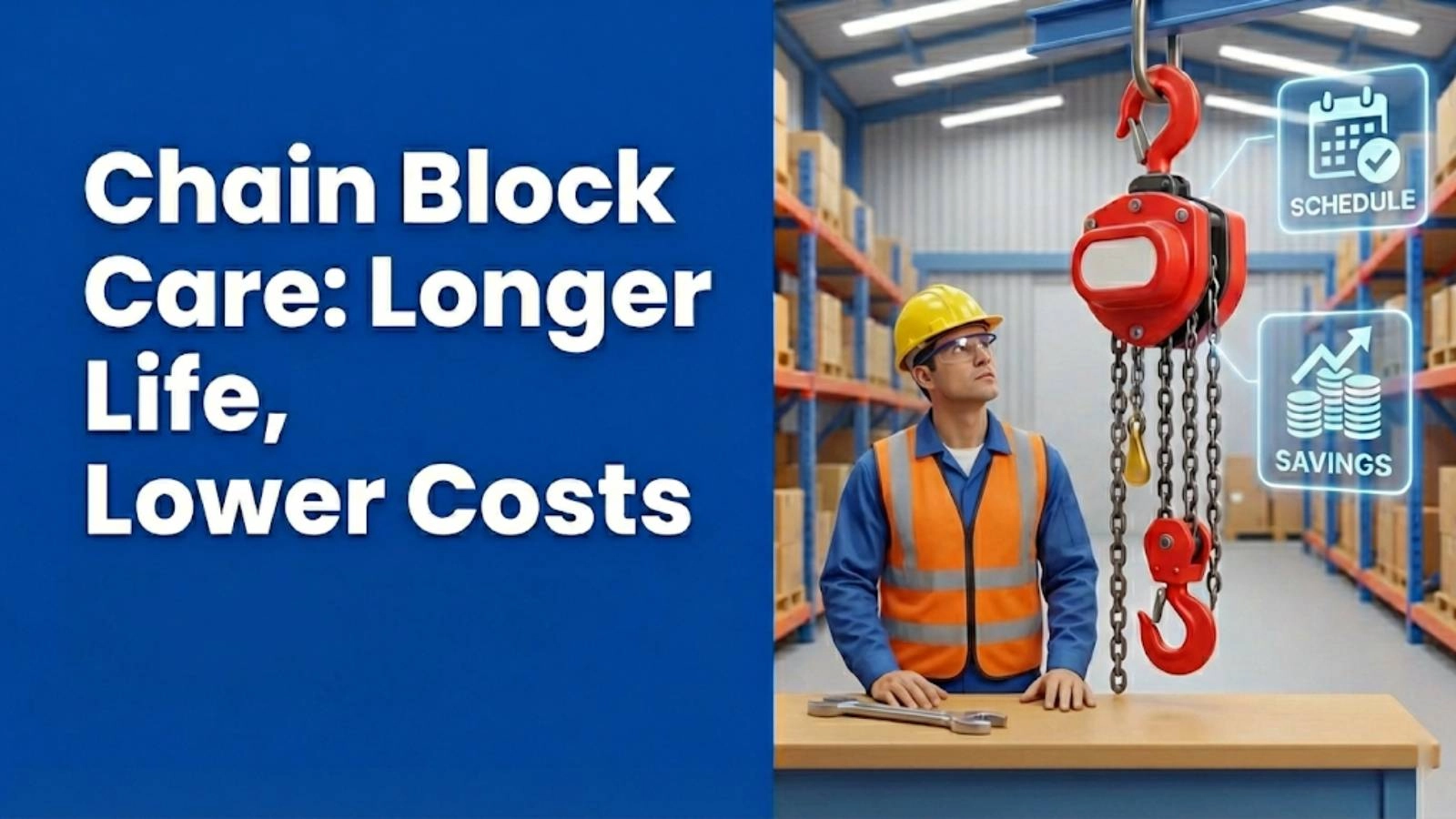
A manual chain block is an indispensable tool in various industries for lifting heavy loads without the need for electrical power. It utilizes a gear system to multiply the force applied to the hand chain, enabling users to lift significant weights with relative ease. Safe and Secure Trading Company recognizes the importance of using this equipment correctly to prevent accidents and ensure operational efficiency.
The purpose of this article is to outline the common mistakes that occur when using a manual chain block and provide actionable insights on how to avoid them. By understanding these pitfalls, operators can enhance their safety practices, extend the lifespan of their equipment, and maintain a secure working environment. Let’s delve into the critical aspects of using a chain block safely and effectively.
1. Ignoring Load Limits and Safety Factors
✅ One of the most critical mistakes is overlooking load limits and safety factors, which are essential for preventing accidents and equipment damage. We often see that exceeding these limits can lead to catastrophic failures and serious injuries. Understanding and adhering to these guidelines is non-negotiable for anyone operating a manual chain block.
Understanding WLL (Working Load Limit)
WLL, or Working Load Limit, is the maximum weight a chain block is designed to lift safely. Exceeding this limit places undue stress on the equipment, increasing the risk of component failure. Always verify the WLL marked on the chain block and ensure that the load does not exceed this value. At Safe and Secure Trading Company (SSTC), we emphasize that knowing the WLL is the first step in safe lifting practices.
Mismatching the Chain Block to the Load
Assessing the weight of the load before lifting is paramount. Using a chain block with a WLL lower than the load’s weight is a serious safety hazard. Select a chain block with a WLL that comfortably exceeds the load’s weight, considering factors like the lifting angle and any additional equipment. For our clients in Jubail, we always recommend a thorough load assessment before selecting lifting equipment.
Ignoring Safety Factors
Safety factors are design elements that ensure a piece of equipment can withstand forces greater than its WLL. These factors account for potential overloads, dynamic loading, and material fatigue. Ignoring these factors can significantly reduce the equipment’s lifespan and increase the risk of failure. Always adhere to the manufacturer’s recommendations for safety factors to maintain a secure lifting operation.
2. Neglecting Pre-Use Inspections
✨ Pre-use inspections are essential for identifying potential issues before they escalate into serious problems. Regularly checking the chain, hooks, latches, and body of the chain block can prevent accidents and extend the equipment’s lifespan. We at Safe and Secure Trading Company advocate for a thorough inspection every time before use.
Visual Inspection of the Chain
When visually inspecting the chain, look for signs of wear, kinks, rust, or deformation. Any of these defects can compromise the chain’s integrity and lead to failure. Pay close attention to areas where the chain links connect, as these are common points of stress. For example, if you notice any stretched or bent links, the chain block should be taken out of service immediately.
Checking Hooks and Latches
Inspect the hooks for any signs of deformation, cracks, or wear. Ensure that the safety latches are functioning correctly and securely close the hook’s opening. If the latch is damaged or missing, replace it immediately. In our experience, a malfunctioning latch is a common issue that can easily be overlooked.
Inspecting the Chain Block Body and Components
Carefully examine the chain block body for any cracks, damage, or excessive wear. Check the load sheave to ensure it moves freely and is properly lubricated. Look for any signs of oil leaks or unusual noises that may indicate internal damage. For many of our clients here in Dammam, we’ve seen that regular inspection of these components significantly reduces downtime.
3. Improper Rigging and Sling Use
➡️ Improper rigging and sling use can create dangerous situations that can lead to accidents. Using the wrong type of sling, incorrect angles, or damaged equipment can compromise the stability of the load and the safety of the operation. Safe and Secure Trading Company (SSTC) always emphasizes the importance of proper rigging techniques.
Incorrect Sling Angles
Sling angles significantly affect the load capacity of the rigging system. As the angle between the slings increases, the stress on each sling also increases. Use wider angles or longer slings to reduce stress and maintain a safe lifting operation. We advise our clients to consult load charts and use angle measurement tools to ensure they are within safe limits.
Using Damaged or Incompatible Slings
Always inspect slings for cuts, frays, and wear before use. Damaged slings can fail under load, leading to dropped objects and potential injuries. Ensure that the slings are compatible with the load and the lifting requirements. We recommend using slings made of high-strength materials and designed for the specific type of load being lifted.
Incorrect Hitching Methods
Using incorrect hitching methods can create instability and increase the risk of slippage. Different types of hitches have different load capacities and are suitable for different applications. Use proper hitching techniques, such as choker hitches for secure lifting and basket hitches for balanced loads. Ensure that the hitch is properly seated and that the load is evenly distributed.
4. Jerky Movements and Shock Loading
💡 Jerky movements and shock loading can severely damage the chain block and compromise the safety of the lift. Smooth, controlled movements are essential for maintaining stability and preventing sudden stress on the equipment. Shock loading, in particular, can exceed the WLL and cause catastrophic failure.
Understanding Shock Loading
Shock loading occurs when a sudden force is applied to the chain block, such as when the load is dropped or jerked. This sudden impact can create stresses far beyond the WLL, leading to component failure and potential accidents. Always handle the load with care and avoid any sudden or jerky movements. We at Safe and Secure Trading Company stress the importance of slow, deliberate actions.
Avoiding Sudden Stops and Starts
Starting and stopping lifts gradually minimizes stress on the chain block and the rigging system. Sudden stops and starts can create dynamic forces that exceed the WLL. Use a spotter to guide the lift and ensure smooth, controlled movements. Our clients have found that communication between the operator and spotter is crucial for safe lifting operations.
Using the Chain Block to Pull Loads Horizontally
Chain blocks are designed for vertical lifting and should not be used to pull loads horizontally. Horizontal pulling places undue stress on the chain and components, which can lead to damage and failure. Use alternative equipment, such as winches or come-alongs, for horizontal movements. For many of our clients in the construction sector, we emphasize the importance of using the right tool for the job.
5. Lack of Regular Maintenance and Lubrication
✅ A lack of regular maintenance and lubrication can significantly reduce the lifespan of a chain block and increase the risk of failure. Proper maintenance includes lubricating the chain, cleaning the components, and performing scheduled inspections. We at Safe and Secure Trading Company (SSTC) advocate for a proactive maintenance approach.
Importance of Lubrication
Lubrication reduces friction and wear between moving parts, extending the lifespan of the chain block. Use appropriate lubricants specifically designed for chain blocks to ensure optimal performance. Regularly lubricate the chain, gears, and other moving components to maintain smooth operation. We recommend following the manufacturer’s guidelines for lubrication frequency and type of lubricant.
Cleaning and Protecting the Chain
Cleaning the chain regularly removes dirt, debris, and contaminants that can cause corrosion and wear. Use a wire brush and a mild solvent to clean the chain, and then apply a protective coating to prevent rust. Protect the chain from harsh environments, such as exposure to chemicals or saltwater. In our experience, a clean chain is a safer and more reliable chain.
Scheduled Inspections and Servicing
Regular professional inspections and servicing are essential for identifying and addressing potential issues before they become serious problems. Follow the manufacturer’s guidelines for servicing intervals and have the chain block inspected by a qualified technician. Scheduled maintenance can help prevent unexpected breakdowns and ensure the chain block operates safely and efficiently.
6. Ignoring the Load Chain Path
➡️ Ignoring the load chain path can lead to obstructions, twisting, and misalignment, all of which can compromise the chain block’s performance and safety. A clear and properly aligned chain path is essential for smooth and reliable lifting operations. Proper planning and awareness can help prevent these issues.
Avoiding Obstructions
Ensure that the load chain path is free from obstructions, such as tools, equipment, or structural elements. Obstructions can cause the chain to snag or bind, leading to jerky movements and potential damage. Before starting the lift, clear the area and ensure that the chain can move freely. We advise our clients to conduct a thorough site assessment before each lifting operation.
Preventing Twisting or Kinking of the Chain
Twisting or kinking can severely damage the chain and compromise its strength. Avoid allowing the chain to become twisted or kinked during lifting operations. Use proper lifting techniques and ensure that the load is properly balanced to prevent these issues. If twisting or kinking occurs, stop the lift immediately and correct the problem before proceeding.
Ensuring Proper Alignment
Misalignment can place undue stress on the chain block and the rigging system. Ensure that the load is centered and aligned correctly before starting the lift. Use a level or plumb bob to verify alignment and make any necessary adjustments. Proper alignment helps distribute the load evenly and prevents uneven stress on the equipment.
7. Using the Chain Block as a Permanent Fixture
💡 Using a chain block as a permanent fixture can lead to premature wear and potential failure. Chain blocks are typically designed for temporary lifting and should not be used for prolonged load suspension. Understanding the intended use and limitations of the equipment is crucial for safe operation.
Understanding Temporary vs. Permanent Use
Chain blocks are generally designed for temporary lifting applications. Using them for permanent installations or prolonged load suspension can exceed their design limitations and lead to component failure. For permanent lifting solutions, use dedicated lifting equipment designed for continuous use. Safe and Secure Trading Company (SSTC) can provide guidance on selecting the right equipment for specific applications.
Environmental Considerations
Exposure to harsh environments, such as extreme temperatures, humidity, or corrosive substances, can degrade the chain block and its components. Protect the chain block from the elements by storing it in a dry, sheltered location. Regularly inspect the chain block for signs of corrosion or damage and take appropriate measures to prevent further degradation. Our clients in coastal areas often face unique challenges due to saltwater exposure, and we provide specialized maintenance recommendations to address these concerns.
Load Suspension Time Limits
Prolonged load suspension can stress the chain block and increase the risk of failure. Avoid suspending loads for extended periods of time. If necessary, transfer the load to a permanent support structure to relieve the stress on the chain block. Monitor the chain block for any signs of fatigue or deformation during load suspension.
8. Lack of Training and Competency
✅ A lack of training and competency is a significant contributor to accidents involving chain blocks. Proper training is essential for safe operation, and users should understand the equipment’s limitations and proper usage techniques. Competency assessments can help ensure that only qualified personnel are assigned to operate chain blocks.
Importance of Formal Training
Formal training provides users with the knowledge and skills necessary to operate chain blocks safely and effectively. Training should cover topics such as pre-use inspections, rigging techniques, load limits, and emergency procedures. Seek formal training from qualified instructors and ensure that all users are properly certified. We at Safe and Secure Trading Company (SSTC) offer comprehensive training programs to help our clients maintain a safe working environment.
Understanding Emergency Procedures
Knowing what to do in case of equipment failure or accidents is crucial for minimizing the impact of such events. Develop and practice emergency procedures, such as lowering the load safely or evacuating the area. Ensure that all users are familiar with these procedures and know how to respond in an emergency. Regular drills can help reinforce these procedures and improve response times.
Assessing User Competency
Evaluate user skills and knowledge to ensure that they are competent to operate chain blocks safely. Competency assessments can include written tests, practical demonstrations, and observation of lifting operations. Assign tasks only to personnel who have demonstrated the necessary skills and knowledge. Ongoing training and refresher courses can help maintain user competency and promote a culture of safety.
“Safety is not an intellectual exercise to keep us in work. It is a matter of life and death. It is the sum of our contributions to safety management that determines whether the people we work with live or die.” – Sir Brian Appleton, Chemical Engineer
The top 3 mistakes to avoid:
1. Ignoring Load Limits
2. Neglecting Pre-Use Inspections
3. Lack of Training
Chain Block Safety Checklist
| Item |
Check |
Pass/Fail |
Action if Fail |
| Chain Condition |
Inspect for kinks, rust, damage |
|
Replace chain |
| Hook Condition |
Check for deformation, cracks |
|
Replace hook |
| Latch Function |
Ensure latch closes securely |
|
Repair/replace latch |
| Body Inspection |
Check for cracks, damage |
|
Remove from service |
| Load Sheave |
Ensure free movement |
|
Lubricate/repair |
| Lubrication |
Check lubrication levels |
|
Lubricate chain block |
| WLL Marking |
Verify WLL is visible |
|
Remark/replace |
Conclusion
Avoiding these 5 common mistakes when using a manual chain block is crucial for ensuring a safe and efficient lifting operation. Prioritizing safety, conducting thorough pre-use inspections, using proper rigging techniques, avoiding jerky movements, and maintaining regular maintenance can significantly reduce the risk of accidents and extend the lifespan of the equipment. Remember, proper training and competency are essential for all users, and adherence to manufacturer’s guidelines is paramount. By following these recommendations, we can create a safer working environment and prevent potential injuries.
FAQ Section
Q: What is the most important thing to check before using a chain block?
A: The most important thing is to verify that the chain block’s Working Load Limit (WLL) is sufficient for the load you intend to lift. Exceeding the WLL is a leading cause of chain block failure and can result in serious accidents. Always double-check the WLL marked on the chain block and ensure it exceeds the weight of the load.
Q: How often should a chain block be inspected?
A: A chain block should be inspected before each use to identify any visible damage or defects. Additionally, it should undergo a thorough inspection by a qualified technician at regular intervals, as recommended by the manufacturer or regulatory guidelines. The frequency of these thorough inspections may vary depending on the usage and environmental conditions.
Q: What are the signs that a chain block chain needs to be replaced?
A: Signs that a chain block chain needs to be replaced include visible kinks, rust, wear, stretching, or deformation of the links. Any of these defects can compromise the chain’s integrity and increase the risk of failure. If you notice any of these signs, remove the chain block from service immediately and replace the chain with a new one that meets the manufacturer’s specifications.
Q: Can I use a chain block to lift a load horizontally?
A: No, chain blocks are designed for vertical lifting and should not be used to pull loads horizontally. Horizontal pulling places undue stress on the chain and components, which can lead to damage and failure. Use alternative equipment, such as winches or come-alongs, for horizontal movements.
Q: What type of lubricant should I use on a chain block?
A: Use a lubricant specifically designed for chain blocks. These lubricants are typically high-viscosity oils that provide excellent protection against friction and wear. Avoid using general-purpose lubricants or solvents that may degrade the chain block’s components. Follow the manufacturer’s recommendations for the type of lubricant and frequency of lubrication.
Q: What should I do if the chain block gets wet?
A: If the chain block gets wet, dry it thoroughly to prevent rust and corrosion. Use a clean cloth to wipe off any excess moisture and allow the chain block to air dry completely. Apply a protective coating of lubricant to the chain and other components to prevent rust. In particularly humid environments, consider using a desiccant to absorb moisture and protect the chain block from corrosion.
Q: How can I prevent shock loading when using a chain block?
A: Prevent shock loading by avoiding sudden stops, starts, or jerky movements. Handle the load with care and ensure smooth, controlled movements. Use a spotter to guide the lift and provide feedback to the operator. If necessary, use a load limiter or overload protection device to prevent exceeding the WLL.
Q: What type of training is required to operate a chain block safely?
A: Proper training should cover topics such as pre-use inspections, rigging techniques, load limits, emergency procedures, and safe operating practices. Seek formal training from qualified instructors and ensure that all users are properly certified. Refresher courses and ongoing training can help maintain user competency and promote a culture of safety.
Q: How should a chain block be stored when not in use?
A: Store the chain block in a dry, sheltered location to protect it from the elements. Clean the chain block before storing it and apply a protective coating of lubricant to prevent rust and corrosion. Hang the chain block from a hook or suspend it in a way that prevents the chain from dragging on the ground. This helps prevent damage and keeps the chain clean.
Q: What is the role of a safety latch on a chain block hook?
A: The safety latch on a chain block hook is designed to prevent the sling or load from accidentally slipping off the hook. Ensure that the safety latch is functioning correctly and securely closes the hook’s opening. If the latch is damaged or missing, replace it immediately. A properly functioning safety latch is an essential safety feature that can prevent dropped objects and potential injuries. Understanding overhead lifting safety is crucial.
Q: How does temperature affect the chain block’s load capacity?
A: Extreme temperatures, whether very high or very low, can affect the material properties of the chain and other components, potentially reducing the chain block’s load capacity. Consult the manufacturer’s specifications for temperature limitations. If operating in extreme temperatures, it may be necessary to derate the chain block’s WLL to ensure safe operation.
Q: What are some signs of chain block troubleshooting that require professional attention?
A: Signs of chain block troubleshooting that require professional attention include unusual noises, difficulty lifting or lowering loads, slipping or jerky movements, and any visible damage to the chain, hooks, or body. If you experience any of these issues, remove the chain block from service immediately and have it inspected and repaired by a qualified technician. Attempting to repair a damaged chain block yourself can be dangerous and may void the warranty. Chain block maintenance is key to long-term safe operation.
Q: What is the best way to communicate hand signals during manual hoist operation?
A: The best way to communicate hand signals during manual hoist operation is to ensure that all team members are trained and understand the standardized hand signal system. The signals should be clear, concise, and visible to all involved. Before the lift, the team should review the planned signals and agree on their meaning. In noisy environments, consider using radios for clear communication. Chain hoist safety relies on clear communication.
Q: How do I select the right size chain block for my needs?
A: To select the right size chain block, first, accurately determine the weight of the load you need to lift. Then, choose a chain block with a WLL that is equal to or greater than the load weight. It’s always better to overestimate the load weight and choose a chain block with a higher WLL than necessary. Also, consider the lifting height required and choose a chain block with an appropriate chain length. Ensure compliance with safe lifting practices.
Q: What is the legal responsibility for chain block operators in 2026?
A: In 2026, chain block operators are legally responsible for ensuring that they operate the equipment safely and in accordance with all applicable regulations and standards. This includes conducting pre-use inspections, using proper rigging techniques, adhering to load limits, and reporting any defects or malfunctions. Employers are responsible for providing adequate training and ensuring that all operators are competent. Failure to comply with these legal responsibilities can result in fines, penalties, and civil liability. Safe and Secure Trading Company (SSTC) can provide resources and training to help operators and employers meet their legal obligations.