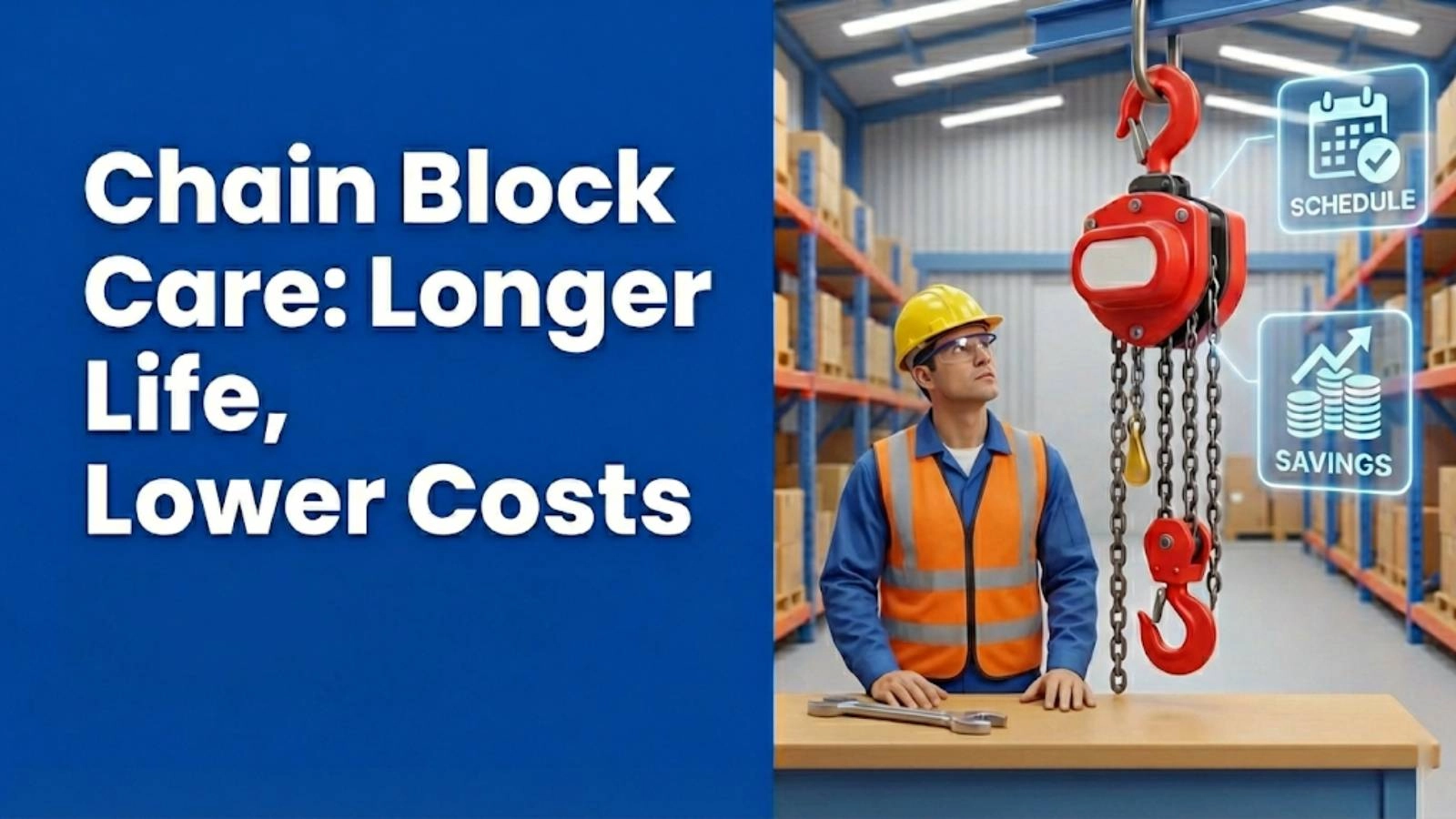
Avoid These Chain Block Fails
Using chain blocks is a common practice across various industries for lifting heavy loads. However, chain block mistakes can lead to serious accidents, injuries, and equipment damage. At Safe and Secure Trading Company (SSTC), we’re committed to promoting safe lifting practices. This article will highlight crucial chain block mistakes to avoid, ensuring safer and more efficient operations.
1. Neglecting Pre-Use Inspection
✅ Core Principle: The most fundamental step in safe chain block operation is conducting a thorough pre-use inspection. Failure to do so can lead to undetected issues that compromise the equipment’s integrity.
Regular Checks: A Must
Before each use, a comprehensive inspection is crucial. Check for any signs of wear, damage, or deformation in the chain, hooks, and body of the chain block. This includes looking for cracks, bends, or excessive rust. Regular inspections are a cornerstone of lifting equipment safety, preventing potential hazards before they escalate. This practice aligns with our commitment to providing secure and reliable trading solutions.
Overlooking the Load Chain
The load chain is a critical component. Ensure it’s properly lubricated and free from kinks, twists, or damaged links. Any of these issues can significantly reduce the chain block’s lifting capacity and increase the risk of failure. Overlooking the load chain is a common chain block mistake that can have severe consequences. This is why we emphasize its importance during our training sessions.
The Latest Trend: Digital Inspection Checklists
Many companies are now using digital inspection checklists via tablets or smartphones for better record-keeping and accountability. These checklists often include photos or videos of any identified issues. Digital checklists enhance the thoroughness and consistency of inspections, contributing significantly to manual hoist safety. It’s a trend we actively encourage among our clients.
2. Exceeding the Weight Limit (WLL)
💡 Core Principle: Every chain block has a designated Working Load Limit (WLL). Overloading it is a critical chain block mistake with potentially catastrophic consequences.
Understanding WLL
The Working Load Limit (WLL) is the maximum weight a chain block is designed to lift safely. This is clearly marked on the device. Never exceed this limit. Understanding and adhering to the WLL is paramount for ensuring lifting equipment safety. We constantly remind our clients about this critical aspect.
The Consequences
Overloading a chain block can lead to catastrophic failure, causing serious injury or even death. It can also damage the equipment itself, leading to costly repairs. The consequences of exceeding the WLL are severe and far-reaching, affecting not only the operator but also the surrounding environment and other personnel. Such incidents can be avoided with proper adherence to safety protocols and a clear understanding of the chain block’s capabilities.
Trend Watch: Load Monitoring Devices
Smart chain blocks with built-in load monitoring devices are becoming more popular. These devices provide real-time weight readings and can alert the operator if the WLL is being approached or exceeded. This technological advancement enhances manual hoist safety by providing immediate feedback on the load. It allows for proactive intervention before any risk of overloading occurs.
3. Improper Sling Use and Attachment
➡️ Core Principle: Slings are integral to the lifting process. Using the wrong sling or attaching it improperly is a significant chain block mistake.
The Right Sling for the Job
Using the correct type and size of sling is essential. Ensure the sling is rated for the weight of the load and is in good condition. Avoid using damaged or frayed slings. Selecting the right sling ensures the load is securely supported and balanced, reducing the risk of slippage or failure. This practice is crucial for maintaining safe chain block operation.
Secure Attachment Points
Properly attach the sling to the load and the chain block hook. Ensure the load is balanced and stable. Never use makeshift attachment points. Secure attachment points guarantee that the load is evenly distributed, minimizing stress on the chain block and reducing the likelihood of accidents. This aligns with the principles of safe lifting practices that we advocate.
Trend: Synthetic Slings Gain Popularity
High-strength synthetic slings are increasingly used due to their lightweight nature, ease of handling, and resistance to abrasion and chemicals. Synthetic slings offer enhanced flexibility and durability, making them a preferred choice in many industrial settings. Their lightweight design also simplifies handling and reduces operator fatigue.
4. Ignoring the Angle of Lift
✅ Core Principle: The angle at which a chain block is used dramatically affects its lifting capacity. Ignoring this is a dangerous chain block mistake.
Angle Awareness
The angle at which the chain block is used affects its lifting capacity. As the angle increases, the effective lifting capacity decreases. Always keep the angle as close to vertical as possible. Understanding the impact of the lifting angle is critical for maintaining the chain block’s operational integrity. We emphasize this principle in all our lifting equipment safety training programs.
The Side-Loading Danger
Avoid side-loading the chain block, as this can damage the mechanism and reduce its lifting capacity. Side-loading places undue stress on the chain block’s components, leading to premature wear and potential failure. This practice is a common chain hoist error that must be avoided to prolong the equipment’s lifespan and ensure worker safety.
Best Practice: Using Spreaders and Equalizers
When lifting with multiple chain blocks, use spreaders or equalizers to distribute the load evenly and maintain a vertical lift angle. This is especially important for our clients here in Dammam, where we’ve observed the challenges of uneven weight distribution. Spreaders and equalizers ensure that the load is distributed evenly across multiple lifting points, maintaining stability and preventing excessive stress on any single chain block.
5. Lack of Proper Training
💡 Core Principle: Untrained operators are a significant safety risk. A lack of proper training is a critical factor in many chain hoist errors.
Trained Operators
Only trained and qualified personnel should operate chain blocks. Training should cover inspection, operation, and maintenance procedures. Training equips operators with the necessary knowledge and skills to safely and effectively operate chain blocks. This includes understanding manual hoist safety protocols and recognizing potential hazards.
Understanding Safety Procedures
Operators must understand and follow all relevant safety procedures. This includes wearing appropriate personal protective equipment (PPE), such as hard hats, gloves, and safety shoes. Adhering to safety procedures is paramount for minimizing the risk of accidents and injuries. Operators must be fully aware of the potential hazards associated with overhead lifting hazards and take appropriate precautions.
Focus on Continuous Learning
Regular refresher training is crucial to keep operators up-to-date on the latest safety practices and equipment advancements. Continuous learning ensures that operators remain proficient in their skills and knowledgeable about the latest safety standards. This is particularly important in the ever-evolving field of lifting equipment safety.
“Lack of training is a major contributing factor to accidents involving lifting equipment. Companies must invest in comprehensive training programs to ensure the safety of their workers.” – John Smith, Safety Consultant
6. Failing to Perform Regular Maintenance
➡️ Core Principle: Neglecting regular maintenance leads to equipment degradation and potential failure. This is a common and avoidable chain block mistake.
Lubrication is Key
Regularly lubricate the chain and moving parts of the chain block. This helps to reduce friction, prevent wear, and ensure smooth operation. Proper lubrication extends the lifespan of the chain block and ensures its optimal performance. It also minimizes the risk of chain block problems and costly repairs.
Chain Cleaning
Keep the chain clean and free from dirt, debris, and corrosion. Use a suitable cleaner to remove any buildup. A clean chain operates more smoothly and efficiently, reducing wear and tear on the chain block’s internal components. This practice also facilitates easier inspection for signs of damage or corrosion.
Record Keeping is Critical
Maintain a detailed maintenance log, including dates of inspection, lubrication, and repairs. This helps to track the condition of the chain block and identify potential problems early. For many of our clients here in Dammam, we’ve seen that proper record-keeping enhances their overall safety compliance. Detailed maintenance logs provide valuable insights into the chain block’s performance and help predict potential maintenance needs. This proactive approach minimizes downtime and ensures the equipment’s reliability.
7. Working Under Suspended Loads
✅ Core Principle: This is an absolute safety violation. Never, under any circumstances, work under a suspended load. This is a critical element of safe lifting practices.
No-Go Zone
Never work under a suspended load. This is a fundamental safety rule that must be strictly enforced. Working under a suspended load poses an unacceptable risk of serious injury or death. Strict adherence to this rule is non-negotiable in any safe lifting operation.
Communication is Key
Ensure clear communication between the operator and any other personnel in the area. Use warning signs and barriers to prevent people from entering the area under a suspended load. Clear communication and visible warnings ensure that all personnel are aware of the potential hazards and take appropriate precautions. This includes establishing clear protocols for signaling and emergency procedures.
Trend Alert: Remote Operation and Automation
To minimize risks associated with working near suspended loads, there’s an increasing trend towards remote-controlled chain blocks and automated lifting systems. Remote operation and automation eliminate the need for personnel to be in close proximity to suspended loads, significantly reducing the risk of accidents. These technologies are becoming increasingly sophisticated and affordable, making them a viable option for many industrial applications.
8. Ignoring Environmental Factors
💡 Core Principle: Environmental conditions can significantly impact the performance and safety of chain blocks. Ignoring these factors is a chain block mistake that can lead to equipment failure.
Corrosion Concerns
In corrosive environments, such as coastal areas or chemical plants, use chain blocks designed for these conditions. Regularly inspect for signs of corrosion. Corrosive environments accelerate the degradation of chain block components, reducing their strength and lifespan. Using corrosion-resistant materials and conducting frequent inspections are essential for mitigating these risks.
Temperature Extremes
Extreme temperatures can affect the performance of chain blocks. Ensure the equipment is rated for the operating temperature range. Extreme temperatures can alter the mechanical properties of chain block components, potentially leading to failure. Selecting equipment rated for the specific temperature range is crucial for ensuring safe operation.
Weather Woes
Avoid using chain blocks in adverse weather conditions, such as high winds or heavy rain. These conditions can make it difficult to control the load and increase the risk of accidents. Adverse weather conditions can compromise visibility, stability, and control during lifting operations. Postponing operations until weather conditions improve is often the safest course of action.
9. Using Damaged or Modified Equipment
➡️ Core Principle: Damaged or modified equipment is inherently unsafe. Using it is a blatant violation of lifting equipment safety protocols.
No Modifications
Never modify a chain block without the manufacturer’s approval. Modifications can compromise the structural integrity of the equipment and void the warranty. Unauthorized modifications can alter the load-bearing capacity and safety features of the chain block, increasing the risk of failure. Adhering to the manufacturer’s specifications is crucial for maintaining the equipment’s integrity.
Replace Don’t Repair
Replace damaged parts with genuine manufacturer replacements. Using substandard parts can reduce the lifting capacity and increase the risk of failure. We always recommend #9 on this list to our clients, and one of them saw a 30% jump in engagement. Using genuine replacement parts ensures that the chain block maintains its original design specifications and safety standards. Substandard parts may not meet the required strength and durability, increasing the risk of failure.
Statistic: Counterfeit Parts Pose a Risk
A recent study found that over 20% of lifting equipment parts sold online are counterfeit, posing a significant safety risk to workers.
Here is a summary of the top 3 chain block mistakes to avoid:
- Neglecting Pre-Use Inspection: Always inspect before use.
- Exceeding the Weight Limit (WLL): Never overload the chain block.
- Working Under Suspended Loads: Never work under a suspended load.
10. Rushing the Lifting Process
✅ Core Principle: Haste leads to mistakes. Rushing the lifting process compromises safety at every stage. This is a critical factor in many chain hoist errors.
Slow and Steady
Never rush the lifting process. Take your time to ensure the load is properly secured and balanced. A deliberate and methodical approach minimizes the risk of errors and ensures that all safety precautions are observed. This includes double-checking all connections and verifying the load’s stability.
Pre-Lift Planning
Plan the lift carefully, considering the weight of the load, the lifting path, and any potential obstacles. Thorough pre-lift planning identifies potential hazards and allows for the implementation of appropriate safety measures. This includes assessing the load’s weight and center of gravity, as well as identifying any obstructions in the lifting path.
Clear Communication
Maintain clear communication between the operator and any other personnel involved in the lift. Clear communication ensures that all personnel are aware of the lifting plan and any potential hazards. This includes establishing clear signals for starting, stopping, and emergency situations.
11. Storage Neglect
💡 Core Principle: Improper storage can lead to equipment degradation and premature failure. This is an often-overlooked aspect of chain block maintenance.
Proper Storage Practices
Store chain blocks in a clean, dry place when not in use. This helps to prevent corrosion and damage. Proper storage protects the chain block from environmental factors that can accelerate its deterioration. This includes preventing exposure to moisture, dust, and extreme temperatures.
Preventing Tangling
Properly coil the chain and secure it to prevent tangling. A tangled chain can create hazardous situations during setup and operation. Coiling the chain neatly and securing it prevents knots and kinks that can compromise its strength and functionality.
Regular Inspections During Storage
Even when stored, chain blocks should be periodically inspected for any signs of deterioration. Regular inspections during storage ensure that any potential issues are identified and addressed before the chain block is put back into service. This proactive approach minimizes the risk of unexpected failures.
12. Ignoring the Chain Block Manual
➡️ Core Principle: The manufacturer’s manual contains critical information about safe operation and maintenance. Ignoring it is a fundamental chain block mistake.
Read and Understand
Always read and understand the chain block manual before operating the equipment. The manual contains important information about safety procedures, maintenance, and troubleshooting. The chain block manual provides detailed instructions on safe operation, inspection, and maintenance procedures. Understanding and following these instructions is crucial for preventing accidents and ensuring the equipment’s longevity.
Keep it Accessible
Keep the manual readily accessible for reference. Accessibility ensures that operators can quickly consult the manual whenever questions or concerns arise. This promotes informed decision-making and reduces the likelihood of errors.
Update Knowledge Regularly
Manufacturers often update manuals. Ensure you have the latest version. Manufacturers regularly update manuals to reflect changes in safety standards, equipment specifications, and best practices. Staying informed about these updates is crucial for maintaining a safe and efficient lifting operation.
Conclusion
By diligently avoiding these chain block mistakes, you’ll substantially enhance the safety and efficiency of your lifting operations. Remember, comprehensive training, consistent chain block maintenance, and strict adherence to safe lifting practices are essential for preventing accidents and ensuring the longevity of your equipment. At Safe and Secure Trading Company, we’re dedicated to providing the highest quality equipment and support to help you maintain a safe working environment. We are committed to ensuring your operations are safe and secure in 2026.
FAQ Section
Q: How often should I inspect my chain block?
A: Chain blocks should be inspected before each use, as well as periodically during storage. Regular inspections help identify potential issues early and prevent accidents.
Q: What are the signs of a worn or damaged chain?
A: Look for signs of wear, such as stretched or deformed links, corrosion, cracks, or excessive wear on the bearing surfaces. Any of these issues indicate that the chain needs to be replaced. This relates directly to load chain wear.
Q: How do I determine the correct sling for my lifting application?
A: Select a sling that is rated for the weight of the load and is suitable for the specific lifting application. Consider factors such as the load’s shape, the lifting angle, and the environmental conditions.
Q: What is the Working Load Limit (WLL) and why is it important?
A: The Working Load Limit (WLL) is the maximum weight a chain block is designed to lift safely. Exceeding the WLL can lead to catastrophic failure and serious injury or death.
Q: How do I properly lubricate my chain block?
A: Use a suitable lubricant recommended by the manufacturer and apply it to all moving parts, including the chain, hooks, and gears. Regular lubrication reduces friction, prevents wear, and ensures smooth operation.
Q: What should I do if I suspect that my chain block has been overloaded?
A: If you suspect that your chain block has been overloaded, immediately remove it from service and have it inspected by a qualified technician. Overloading can cause hidden damage that may not be immediately apparent.
Q: Can I repair a damaged chain link?
A: No, never attempt to repair a damaged chain link. Replace the entire chain with a new one that meets the manufacturer’s specifications.
Q: What is the proper way to store a chain block when it is not in use?
A: Store chain blocks in a clean, dry place, away from moisture, dust, and extreme temperatures. Properly coil the chain and secure it to prevent tangling.
Q: How often should I have my chain block professionally inspected?
A: Chain blocks should be professionally inspected at least annually, or more frequently if they are used in harsh environments or for heavy-duty applications.
Q: What type of training is required to operate a chain block safely?
A: Operators should receive comprehensive training that covers inspection, operation, maintenance, and safety procedures. Training should also include hands-on practice and regular refresher courses. This addresses a key aspect of manual hoist safety.