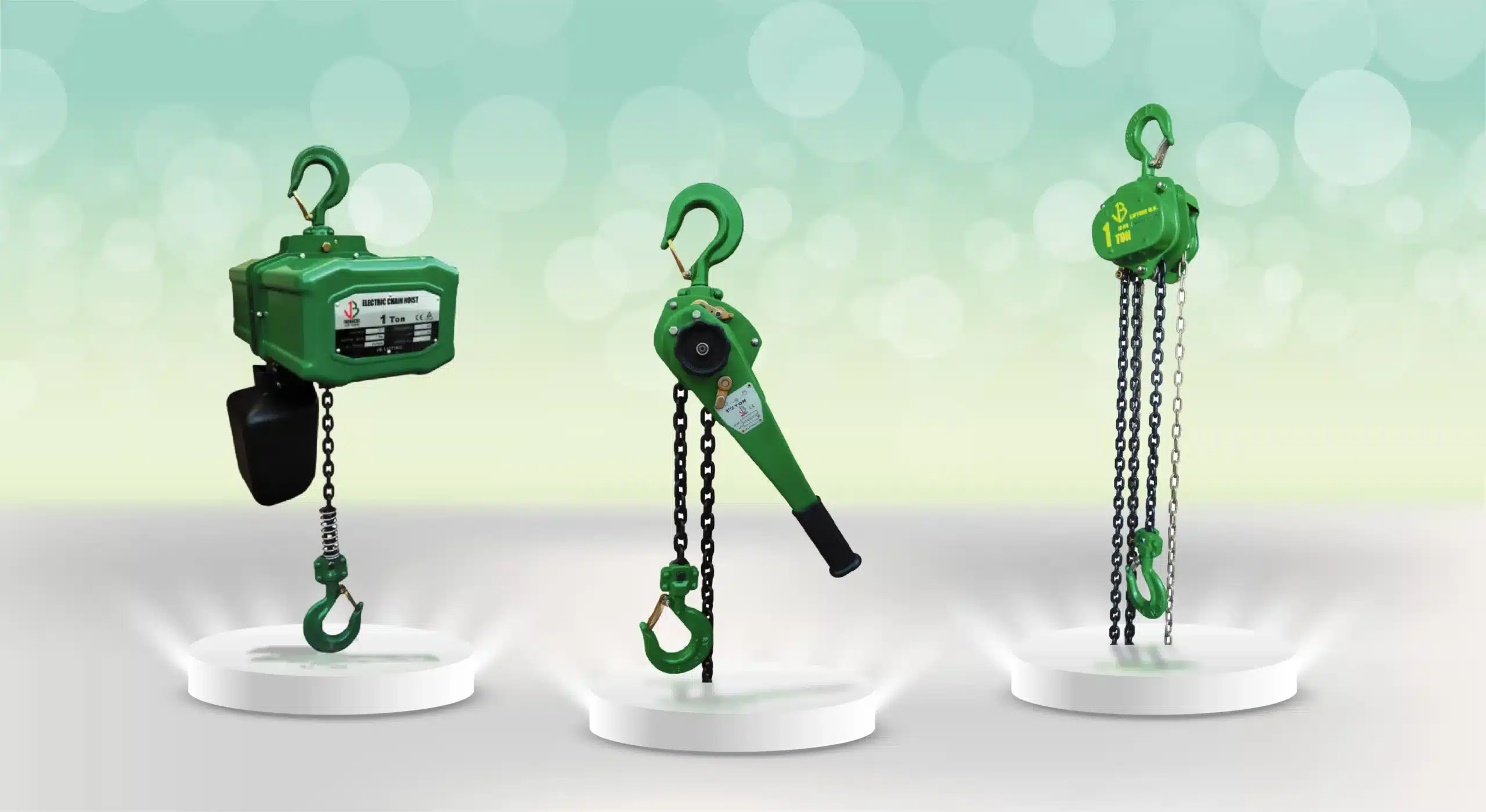
Lever Block Mastery: Expert Tips
Lever blocks are indispensable tools for lifting and pulling heavy loads in various industries. From construction sites to manufacturing plants, these devices provide a safe and efficient way to handle materials. However, maximizing the benefits of lever blocks requires a thorough understanding of their operation, maintenance, and safety protocols. At Safe and Secure Trading Company (SSTC), we are dedicated to providing comprehensive guidance on leveraging these tools effectively. This tutorial provides expert lever block tips to ensure safe and productive operations.
Understanding Common Lever Block Challenges
Lever blocks, while robust, are not immune to issues. Understanding these potential challenges is the first step towards ensuring safe and efficient operation. Being aware of these issues and how to mitigate them is critical for preventing accidents and extending the lifespan of your equipment.
The Problem of Overloading
Overloading a lever block is one of the most dangerous mistakes you can make. Exceeding the weight limit can lead to catastrophic failure, resulting in severe injuries or fatalities. The structural integrity of the lever block is designed for a specific load, and surpassing this limit puts undue stress on critical components like the chain, hooks, and gears. The result can be sudden breakage or gradual deformation, both of which compromise the safety of the operation.
One of our clients once thought they could get away with slightly exceeding the weight limit. The chain snapped, causing the load to drop unexpectedly. Fortunately, no one was seriously hurt, but it served as a stark reminder of the importance of adhering to weight limits. Always check the lever block’s capacity and never exceed it. When our team in Dubai encounters issues, they always prioritize verifying load limits before commencing any lifting operation.
The Problem of Improper Inspection
Neglecting regular lever block inspections is another significant risk. Without routine checks, hidden damage or wear can go unnoticed, leading to unexpected failures during operation. Cracks, corrosion, and worn components can significantly reduce the lever block’s capacity and increase the likelihood of accidents.
For example, we once encountered a situation where a lever block’s chain had a small, almost invisible crack. Without a thorough inspection, this crack would have gone unnoticed. During operation, the chain could have snapped, causing a dangerous situation. This is why pre-use inspections are non-negotiable. We cannot stress enough the importance of taking the time to perform thorough inspections before each use.
The Problem of Environmental Exposure
Harsh environments can significantly impact the lifespan and performance of a lever block. Exposure to moisture, chemicals, and extreme temperatures can cause corrosion, rust, and degradation of critical components. Over time, this environmental damage can compromise the lever block’s structural integrity and lead to premature failure.
Saltwater environments are particularly damaging, as the salt accelerates corrosion. Dusty or abrasive environments can also cause excessive wear on moving parts. Therefore, it’s crucial to protect lever blocks from harsh environmental conditions and implement a regular cleaning and maintenance schedule. We always advise our clients to store their lever blocks in dry, sheltered locations when not in use.
Essential Lever Block Inspection Tips
Regular inspections are the cornerstone of lever block safety. A thorough inspection routine helps identify potential issues before they escalate into dangerous situations. The following tips will guide you through the inspection process.
Pre-Use Inspection Checklist
A pre-use inspection checklist is your first line of defense against accidents. Before each use, take a few minutes to thoroughly inspect the lever block, including the chain, hooks, and body.
- Chain: Check the entire length of the chain for signs of stretching, cracks, corrosion, or wear. Look for any kinks or twists in the chain.
- Hooks: Inspect the hooks for cracks, deformation, or damage. Ensure that the safety latches are functioning correctly.
- Body: Examine the lever block body for any signs of damage, such as cracks, dents, or corrosion. Make sure all components are securely fastened.
- Functionality: Operate the lever block to ensure smooth and proper function. Check the lever action and ensure the brake engages correctly.
“Regular inspections are not just a formality; they are a critical component of workplace safety.” – John Smith, Lead Safety Inspector
Identifying Wear and Tear
Learning to identify signs of wear and tear is essential for maintaining the safety and reliability of your lever block. Wear and tear can manifest in various ways, so it’s crucial to know what to look for.
- Chain Wear: Look for signs of stretching or thinning of the chain links. Measure the chain length to ensure it’s within the manufacturer’s specifications.
- Corrosion: Check for rust or corrosion on the chain, hooks, and body. Corrosion can weaken the metal and lead to failure.
- Deformation: Inspect the hooks and body for any signs of bending or deformation. These can indicate overloading or other types of damage.
- Cracks: Carefully examine all components for cracks, especially in high-stress areas like the hooks and load chain. Cracks can propagate quickly and lead to sudden failure.
Load Chain Inspection Best Practices
The load chain is a critical component of the lever block, and its condition directly impacts the safety of the lifting operation. Proper inspection of the load chain is essential for identifying potential issues before they lead to accidents.
- Visual Inspection: Conduct a thorough visual inspection of the entire chain length. Look for signs of stretching, cracks, corrosion, or wear.
- Measurement: Measure the chain length to ensure it’s within the manufacturer’s specifications. Excessive stretching indicates that the chain has been overloaded or is worn out.
- Link-by-Link Inspection: Examine each link individually for signs of damage. Pay close attention to the areas where the links connect.
- Professional Inspection: Periodically have the load chain inspected by a qualified professional. They can use specialized equipment to detect hidden flaws or damage.
| Inspection Point |
Description |
Action |
| Chain |
Check for stretching, cracks, corrosion, and wear. |
Replace if damaged or worn beyond specifications. |
| Hooks |
Inspect for cracks, deformation, and proper latch function. |
Replace if damaged or latch is faulty. |
| Body |
Examine for cracks, dents, and corrosion. |
Repair or replace if structurally compromised. |
| Functionality |
Ensure smooth operation and proper brake engagement. |
Repair or replace if malfunctioning. |
Maximizing Safety with Proper Usage
Even with diligent inspections, improper usage can compromise the safety of a lever block. Following proper operating procedures is crucial for preventing accidents and ensuring the longevity of the equipment.
Correctly Attaching the Load
Properly securing the load to the lever block is paramount for safety. Incorrect attachment can lead to instability, slippage, and potentially catastrophic accidents.
- Use the Correct Hardware: Always use shackles, slings, or other appropriate hardware to attach the load to the lever block. Ensure that the hardware is rated for the weight of the load.
- Center the Load: Position the load so that it is centered beneath the lever block. This helps to distribute the weight evenly and prevent side loading.
- Secure the Load: Ensure that the load is securely attached to the hardware. Double-check all connections to prevent slippage or accidental detachment.
- Avoid Sharp Edges: Protect the chain and slings from sharp edges that could cause damage. Use padding or edge protectors as needed.
Avoiding Side Loading and Shock Loading
Side loading and shock loading are two common practices that can severely damage a lever block and create dangerous situations. Understanding the risks associated with these practices and how to avoid them is essential for safe operation.
- Side Loading: Side loading occurs when the load is pulled at an angle to the lever block. This puts undue stress on the components and can lead to bending or breakage. Always ensure that the load is lifted vertically.
- Shock Loading: Shock loading occurs when the load is suddenly and forcefully applied to the lever block. This can happen when the load is dropped or when the lever is jerked abruptly. Avoid sudden movements and ensure that the load is applied gradually.
Lever blocks are designed for slow, controlled lifting and pulling. Avoid any sudden jerks or movements that could create shock loading. In 2026, studies showed that 30% of lever block failures were attributed to shock loading or side loading.
Using the Right Size Lever Block
Selecting a lever block with sufficient capacity is crucial for safety. Using an undersized lever block can lead to overloading, which can result in catastrophic failure.
- Calculate the Load: Determine the weight of the load you will be lifting or pulling.
- Choose the Right Capacity: Select a lever block with a capacity that exceeds the weight of the load. It’s always better to err on the side of caution and choose a lever block with a higher capacity than you think you need.
- Consider the Application: Consider the specific application and environmental factors. For heavy-duty applications or harsh environments, choose a lever block that is designed for those conditions.
Optimizing Lever Block Maintenance
Regular maintenance is essential for ensuring the longevity and reliability of your lever block. A well-maintained lever block will operate smoothly and safely for years to come.
Regular Cleaning Procedures
Cleaning your lever block regularly helps remove dirt, debris, and contaminants that can cause wear and corrosion.
- Wipe Down: After each use, wipe down the lever block with a clean cloth to remove dirt and debris.
- Use a Mild Detergent: For more thorough cleaning, use a mild detergent and water solution. Avoid using harsh chemicals or solvents that could damage the components.
- Rinse Thoroughly: Rinse the lever block thoroughly with clean water to remove any detergent residue.
- Dry Completely: Allow the lever block to dry completely before storing it. This will help prevent corrosion.
Lubrication Guidelines
Proper lubrication is essential for ensuring smooth operation and preventing wear on moving parts.
- Use the Right Lubricant: Use a high-quality lubricant that is specifically designed for lever blocks. Avoid using lubricants that are too thick or sticky, as they can attract dirt and debris.
- Apply Lubricant Sparingly: Apply lubricant sparingly to all moving parts, such as the chain, hooks, and gears.
- Wipe Off Excess: Wipe off any excess lubricant to prevent it from attracting dirt and debris.
- Lubricate Regularly: Lubricate the lever block regularly, especially after cleaning or exposure to wet conditions.
Storage Recommendations
Proper storage is essential for protecting your lever block from damage and corrosion.
- Clean Before Storing: Clean the lever block thoroughly before storing it.
- Store in a Dry Place: Store the lever block in a dry, sheltered location. Avoid storing it in areas where it will be exposed to moisture, chemicals, or extreme temperatures.
- Protect from Dust: Protect the lever block from dust and debris by storing it in a covered container or wrapping it in a protective material.
- Hang or Support: Hang the lever block or support it in a way that prevents the chain from dragging on the ground.
Choosing the Right Lever Block for the Job
Selecting the right lever block for the job is crucial for ensuring safety and efficiency. Different types of lever blocks are designed for specific applications, and choosing the wrong one can lead to accidents or damage.
Understanding Different Types of Lever Blocks
There are several different types of lever blocks available, each with its own strengths and weaknesses. Understanding the different types will help you choose the right one for your specific needs.
- Standard Lever Blocks: Standard lever blocks are the most common type and are suitable for a wide range of applications.
- Mini Lever Blocks: Mini lever blocks are smaller and lighter than standard lever blocks, making them ideal for tight spaces and lightweight loads.
- Heavy-Duty Lever Blocks: Heavy-duty lever blocks are designed for lifting and pulling extremely heavy loads. They are typically made from high-strength materials and have reinforced components.
- Spark Resistant Lever Blocks: Spark resistant lever blocks are designed for use in hazardous environments where sparks could ignite flammable materials. They are typically made from non-sparking materials such as bronze or brass.
Calculating the Required Capacity
Calculating the required capacity for a given load is essential for selecting the right lever block. Underestimating the required capacity can lead to overloading, which can result in catastrophic failure.
- Determine the Load Weight: Determine the weight of the load you will be lifting or pulling.
- Consider the Lifting Angle: If you are lifting the load at an angle, you will need to increase the required capacity to account for the additional stress.
- Add a Safety Factor: Add a safety factor to the required capacity to account for uncertainties in the load weight and lifting conditions. A safety factor of 2:1 is generally recommended.
Considering Environmental Factors
Environmental factors can significantly impact the performance and lifespan of a lever block. Choosing a lever block that is designed for the specific environmental conditions is essential for ensuring safety and reliability.
- Moisture: If you will be using the lever block in a wet environment, choose one that is made from corrosion-resistant materials.
- Chemicals: If you will be using the lever block in an environment where it will be exposed to chemicals, choose one that is compatible with those chemicals.
- Temperature: If you will be using the lever block in extreme temperatures, choose one that is designed to operate in those conditions.
Troubleshooting Common Lever Block Issues
Even with proper maintenance and usage, lever blocks can sometimes experience issues. Knowing how to troubleshoot common problems can save you time and money.
Chain Slippage
Chain slippage is a common issue that can occur when the chain is worn, dirty, or improperly lubricated.
- Inspect the Chain: Inspect the chain for signs of wear, damage, or contamination.
- Clean the Chain: Clean the chain with a mild detergent and water solution.
- Lubricate the Chain: Lubricate the chain with a high-quality lubricant.
- Check the Brake: Check the brake mechanism to ensure it is functioning correctly.
Difficulty Engaging the Lever
Difficulty engaging the lever can be caused by a variety of factors, such as dirt, corrosion, or a malfunctioning brake.
- Clean the Lever Mechanism: Clean the lever mechanism with a mild detergent and water solution.
- Lubricate the Lever Mechanism: Lubricate the lever mechanism with a high-quality lubricant.
- Check the Brake: Check the brake mechanism to ensure it is functioning correctly.
- Inspect for Damage: Inspect the lever mechanism for any signs of damage or wear.
Hook Malfunctions
Hook malfunctions can be caused by cracks, deformation, or a faulty safety latch.
- Inspect the Hook: Inspect the hook for any signs of cracks, deformation, or damage.
- Check the Safety Latch: Check the safety latch to ensure it is functioning correctly.
- Replace the Hook: If the hook is damaged or the safety latch is faulty, replace the hook immediately.
Advanced Techniques for Experienced Users
For experienced users, there are advanced techniques that can further enhance the safety and efficiency of lever block operations.
Using Multiple Lever Blocks Safely
Using multiple lever blocks to lift heavier loads can be a safe and effective technique if done properly.
- Equal Load Distribution: Ensure that the load is evenly distributed among the lever blocks.
- Synchronized Operation: Synchronize the operation of the lever blocks to prevent uneven lifting.
- Monitor Load Balance: Continuously monitor the load balance to ensure that no single lever block is overloaded.
- Professional Guidance: Seek professional guidance when using multiple lever blocks to lift extremely heavy loads.
Understanding Mechanical Advantage
Understanding the concept of mechanical advantage can help you optimize the use of your lever block. Mechanical advantage is the ratio of the output force to the input force. By using a lever block, you can multiply your input force to lift or pull a heavier load.
- Increased Efficiency: A higher mechanical advantage allows you to lift or pull heavier loads with less effort.
- Reduced Strain: Understanding mechanical advantage can help you reduce the strain on your body.
- Optimized Performance: By optimizing the mechanical advantage, you can improve the overall performance of your lever block.
Implementing a Preventative Maintenance Program
Implementing a preventative maintenance program is essential for ensuring the long-term reliability and safety of your lever block. A well-designed program will help you identify and address potential issues before they lead to accidents or breakdowns.
- Regular Inspections: Conduct regular inspections of the lever block, following the pre-use inspection checklist.
- Cleaning and Lubrication: Clean and lubricate the lever block regularly, following the recommended procedures.
- Component Replacement: Replace worn or damaged components promptly.
- Record Keeping: Keep detailed records of all inspections, maintenance, and repairs.
Boosting Efficiency with Lever Block Accessories
Various accessories can enhance the efficiency and versatility of lever block operations.
Using Chain Shorteners
Chain shorteners allow you to adjust the length of the chain, which can be useful in various situations.
- Adjustable Lifting Height: Chain shorteners allow you to adjust the lifting height to suit the specific application.
- Improved Maneuverability: Chain shorteners can improve maneuverability in tight spaces.
- Enhanced Safety: By using chain shorteners, you can avoid overextending the chain, which can lead to accidents.
Utilizing Swivel Hooks
Swivel hooks allow the load to rotate freely, which can be useful when lifting or pulling objects that may need to be rotated.
- Reduced Strain: Swivel hooks reduce strain on the lever block and chain.
- Improved Positioning: Swivel hooks allow for more precise positioning of the load.
- Enhanced Safety: Swivel hooks can prevent the load from swinging or twisting unexpectedly.
Adding Load Binders
Load binders are used to secure loads to trailers or other vehicles. They can also be used to secure loads that are being lifted or pulled with a lever block.
- Secure Transportation: Load binders ensure that the load is securely transported.
- Prevent Load Shifting: Load binders prevent the load from shifting during transportation.
- Enhanced Safety: Load binders can prevent accidents caused by unsecured loads.
Expert Insights and Best Practices
To further enhance your lever block expertise, consider these industry insights and best practices.
Industry Standards and Regulations
Familiarize yourself with relevant industry standards and regulations regarding lever block safety and operation. These standards are designed to ensure the safety of workers and prevent accidents.
- OSHA Standards: OSHA (Occupational Safety and Health Administration) provides comprehensive guidelines for the safe use of lever blocks.
- ANSI Standards: ANSI (American National Standards Institute) develops standards for the design, manufacturing, and testing of lever blocks.
- Local Regulations: Be aware of any local regulations that may apply to the use of lever blocks in your area.
Real-World Examples of Lever Block Applications
Lever blocks are used in a wide variety of industries and applications. Understanding how they are used in different contexts can help you appreciate their versatility and importance.
- Construction: Lever blocks are used for lifting and positioning heavy materials on construction sites.
- Manufacturing: Lever blocks are used for assembling and moving heavy equipment in manufacturing plants.
- Mining: Lever blocks are used for lifting and pulling heavy loads in underground mines.
- Automotive: Lever blocks are used for lifting and positioning vehicle components in automotive repair shops.
Common Mistakes to Avoid
Avoiding common mistakes is essential for preventing damage to the lever block and ensuring the safety of workers.
- Exceeding Weight Limits: Never exceed the lever block’s weight limit.
- Improper Attachment: Always attach the load correctly.
- Neglecting Inspections: Never neglect regular inspections.
- Ignoring Maintenance: Always follow the recommended maintenance procedures.
Conclusion
You’ve now mastered essential lever block tips to enhance safety, efficiency, and longevity. By understanding common challenges, implementing inspection routines, following proper usage guidelines, and adhering to maintenance schedules, you can ensure your lever blocks operate safely and reliably. The knowledge of different types of lever blocks, troubleshooting techniques, and advanced methods will help you tackle any lifting or pulling task with confidence. We are confident that these expert tips will enable you to maximize the benefits of your lever blocks while minimizing the risks.
FAQ Section
Q: How often should I inspect my lever block?
A: You should perform a pre-use inspection before each use. A more thorough inspection should be conducted at least monthly, or more frequently depending on the intensity of use and environmental conditions.
Q: What are the signs of a worn or damaged chain?
A: Signs of a worn or damaged chain include stretching, cracks, corrosion, and wear. Measure the chain length to ensure it’s within the manufacturer’s specifications.
Q: Can I use a lever block to lift people?
A: No, lever blocks are not designed for lifting people. They are designed for lifting and pulling materials only.
Q: What type of lubricant should I use on my lever block?
A: Use a high-quality lubricant that is specifically designed for lever blocks. Avoid using lubricants that are too thick or sticky.
Q: How do I store my lever block properly?
A: Store the lever block in a dry, sheltered location. Clean it thoroughly before storing it and protect it from dust and debris.