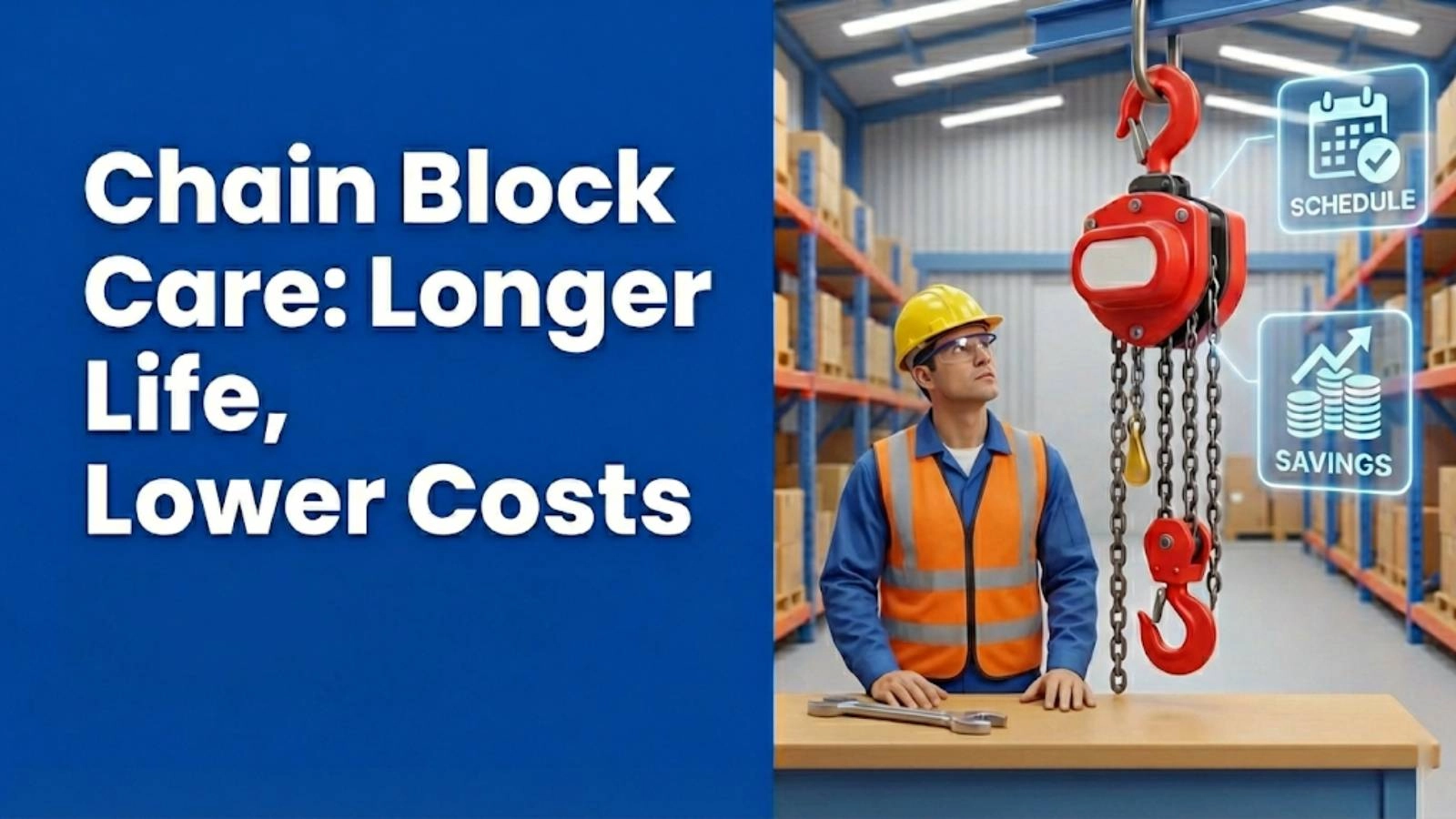
Chain blocks are indispensable tools in various industries, offering a reliable means of lifting heavy loads. From construction sites to manufacturing plants, their robust design and ease of use make them a staple for vertical lifting applications. However, like any mechanical device, chain blocks are susceptible to wear and tear, misuse, and environmental factors that can lead to malfunctions.
A malfunctioning chain block is more than just an inconvenience; it can pose significant safety risks to operators and those working nearby. A sudden failure can result in dropped loads, equipment damage, and, in the worst-case scenario, serious injuries or fatalities. Recognizing the early signs of trouble and addressing them promptly is crucial for maintaining a safe and productive working environment.
This article serves as a comprehensive guide to understanding, troubleshooting, and preventing common chain block problems. We, at Safe and Secure Trading Company (SSTC), aim to equip you with the knowledge and practical steps necessary to keep your chain blocks in optimal working condition. We’ll explore frequent issues, provide detailed solutions, and emphasize the importance of preventative maintenance and safety precautions. Our goal is to ensure that you can confidently address chain block issues, minimize downtime, and maintain a safe operational environment.
Problem #1: Chain Slippage – Causes and Solutions
Chain slippage is one of the most common and potentially dangerous chain block problems. It occurs when the chain fails to grip the load wheel properly, causing the load to descend unexpectedly. This can happen gradually or suddenly, posing a significant risk to personnel and property. Addressing chain slippage promptly is crucial to prevent accidents and ensure safe lifting operations.
Identifying Chain Slippage
Chain slippage is characterized by the load descending or failing to hold its position when the operator is not actively pulling the hand chain. You might notice the load slowly creeping downwards or experiencing sudden, jerky movements.
It’s important to differentiate between minor slippage and critical failures. Minor slippage might involve a slight downward drift over an extended period, while critical failures involve a sudden and uncontrolled drop. Any degree of slippage should be investigated immediately, but a critical failure necessitates immediate removal of the chain block from service until repairs are completed. Pay attention to any unusual noises, such as clicking or grinding, as these can indicate internal chain block problems contributing to slippage.
Common Causes of Chain Slippage
Several factors can contribute to chain slippage in chain blocks. Understanding these causes is the first step toward effective troubleshooting and prevention.
- Overloading the chain block beyond its capacity: This is a primary cause of chain slippage. Exceeding the Safe Working Load (SWL) puts excessive stress on the chain, load wheel, and brake mechanism, leading to slippage or even catastrophic failure. Ensure that the load never exceeds the SWL marked on the chain block.
- Worn or damaged chain links: Over time, the chain links can wear down due to friction, corrosion, or repeated stress. Damaged links, such as those that are stretched, bent, or cracked, compromise the chain’s ability to properly engage with the load wheel.
- Contamination of the chain with dirt or grease: Dirt, grime, and excessive grease can accumulate on the chain, reducing friction between the chain and load wheel. This contamination can cause the chain to slip, especially under heavy loads.
- Improper chain lubrication: While some lubrication is necessary, using the wrong type or applying too much lubricant can also cause slippage. Excessive lubricant can attract dirt and debris, creating a slippery paste that interferes with the chain’s grip.
Troubleshooting Chain Slippage
Addressing chain slippage requires a systematic approach, starting with the most common causes and progressing to more complex issues. Here are several solutions that we, at Safe and Secure Trading Company, recommend, in order of simplicity and frequency of success:
- Solution 1: Checking and correcting the load weight.
Verify that the weight of the load does not exceed the chain block’s Safe Working Load (SWL). This information is typically displayed prominently on the chain block itself.
If the load is close to the SWL, use a calibrated weighing device to ensure accuracy. It’s always best to err on the side of caution. We once had a client whose team in Jakarta overloaded the block regularly because they estimated the weight. They didn’t realize until our safety team visited!
If the load is too heavy, use a chain block with a higher SWL or find an alternative lifting method.
- Solution 2: Inspecting the chain for wear and damage.
Visually inspect the entire length of the chain for any signs of wear, damage, or deformation. Look for stretched links, bent links, cracks, corrosion, or excessive wear on the link surfaces.
Pay close attention to the areas where the chain contacts the load wheel, as these are subject to the most wear.
Use a chain gauge to measure the chain link diameter. If the diameter is below the manufacturer’s specified minimum, the chain must be replaced.
Replace any damaged or excessively worn chain links immediately. If the damage is widespread, consider replacing the entire chain.
Here’s an example of what to look for when inspecting your chain:
| Issue |
| Description |
| Action |
| Stretched Links |
| Links appear elongated compared to others. |
| Replace the entire chain. |
| Bent Links |
| Links are visibly deformed or out of alignment. |
| Replace the entire chain. |
| Cracks |
| Small fissures or breaks are visible on the link surface. |
| Replace the entire chain immediately. |
| Corrosion |
| Rust or oxidation is present on the chain links. |
| Clean and lubricate; replace if corrosion is severe. |
| Excessive Wear |
| Links are noticeably thinner or have flattened surfaces. |
| Replace the entire chain. |
- Solution 3: Cleaning and lubricating the chain properly.
Clean the chain thoroughly to remove any dirt, grease, or debris. Use a wire brush and a suitable solvent or degreaser. Ensure the solvent is compatible with the chain material.
Rinse the chain with clean water and allow it to dry completely.
Apply a light coat of high-quality chain lubricant specifically designed for lifting equipment. Avoid using excessive lubricant, as this can attract more dirt and debris.
Work the lubricant into the chain by manually running it through the chain block mechanism several times.
- Solution 4: Replacing worn or damaged chain links or the entire chain.
If the chain has only a few damaged links, you may be able to replace them individually, provided you use the correct type and size of replacement links. However, this is generally not recommended, as it can create weak points in the chain.
If the chain has widespread damage, excessive wear, or has been subjected to overloading, it’s best to replace the entire chain.
When replacing the chain, use a chain that meets or exceeds the manufacturer’s specifications for the chain block. Ensure that the new chain is properly installed and tested before use.
> “Regular chain inspection and maintenance are critical for preventing chain slippage and ensuring safe lifting operations. A well-maintained chain will last longer and perform more reliably.” – John Smith, Lead Safety Inspector
Problem #2: Jammed Chain – Diagnosis and Repair
A jammed chain is another common issue that can plague chain blocks. When the chain becomes jammed, it prevents the chain block from operating smoothly, making it difficult or impossible to lift or lower loads. This can lead to operational delays, increased operator fatigue, and potentially dangerous situations if the load is not properly supported.
Recognizing a Jammed Chain
The symptoms of a jammed chain block are usually quite obvious. You will likely notice that the chain is difficult or impossible to pull, and the load will not move. The chain may appear twisted, kinked, or stuck within the chain block mechanism. You might also hear unusual noises, such as clicking, grinding, or popping, as you attempt to operate the chain block.
Jamming can lead to operational delays and safety risks. If a chain block jams while holding a load, it can create a precarious situation, especially if the load is heavy or unstable. Attempting to force a jammed chain block can also damage the mechanism or cause the chain to break, leading to a dropped load.
Root Causes of Chain Jamming
Several factors can cause a chain to jam within a chain block. Identifying the root cause is essential for effective repair and prevention.
- Twisted or kinked chain links: Twists and kinks in the chain can prevent it from running smoothly through the chain block mechanism, causing it to jam. This is especially common if the chain has been improperly stored or handled.
- Foreign objects lodged within the chain block mechanism: Debris such as dirt, grit, metal shavings, or small tools can become lodged within the chain block mechanism, obstructing the chain’s movement and causing it to jam.
- Corrosion or rust buildup inside the chain block: Corrosion and rust can accumulate on the internal components of the chain block, such as the gears, pawls, and chain guides. This buildup can increase friction and prevent the chain from moving freely. Our team in Dubai frequently sees issues with corrosion due to the heat and humidity.
- Internal mechanical failure: In some cases, a jammed chain may be caused by a failure of an internal component, such as a broken gear, a damaged pawl, or a malfunctioning brake mechanism.
Unjamming a Chain Block
Unjamming a chain block requires a careful and methodical approach to avoid further damage to the mechanism or injury to the operator. Here are several solutions, starting with the least invasive and progressing to more complex repairs:
- Solution 1: Safely removing twists or kinks from the chain.
Carefully inspect the chain for any visible twists or kinks.
Attempt to straighten the twists or kinks by hand, gently working the chain back into its proper alignment. Avoid using excessive force, as this can damage the chain.
If the twists or kinks are severe, you may need to use a pair of pliers or a similar tool to carefully manipulate the chain. Be sure to protect the chain from damage by using a soft cloth or padding between the tool and the chain.
Once the twists or kinks are removed, test the chain block to ensure that it operates smoothly.
- Solution 2: Disassembling the chain block to remove foreign objects.
If you suspect that a foreign object is lodged within the chain block mechanism, you may need to disassemble the chain block to remove it.
Before disassembling the chain block, be sure to consult the manufacturer’s instructions and take all necessary safety precautions.
Carefully disassemble the chain block, paying attention to the location of all components.
Remove any foreign objects that are obstructing the chain’s movement.
Clean all components thoroughly before reassembling the chain block.
Reassemble the chain block according to the manufacturer’s instructions, ensuring that all components are properly aligned and tightened.
Test the chain block to ensure that it operates smoothly.
- Solution 3: Cleaning and lubricating internal components to prevent corrosion.
If corrosion or rust buildup is suspected, disassemble the chain block and clean all internal components thoroughly.
Use a wire brush, solvent, or rust remover to remove any corrosion or rust.
Rinse all components with clean water and allow them to dry completely.
Lubricate all moving parts with a high-quality chain lubricant.
Reassemble the chain block and test it to ensure that it operates smoothly.
- Solution 4: Identifying and replacing damaged internal parts (pawls, gears, etc.).
If the chain jamming is caused by a damaged internal part, such as a broken gear or a damaged pawl, you will need to replace the part.
Identify the damaged part and obtain a replacement from the manufacturer or a reputable supplier.
Disassemble the chain block and remove the damaged part.
Install the new part, ensuring that it is properly aligned and secured.
Reassemble the chain block and test it to ensure that it operates smoothly.
Here are some chain block troubleshooting tips as a quick summary:
- Visual Inspection: Check for obvious signs of damage or obstruction.
- Gentle Manipulation: Try to gently work the chain free without forcing it.
- Component Check: If the jam persists, inspect internal components for wear or breakage.
Problem #3: Difficulty Lifting – Identifying the Source
Difficulty lifting occurs when a chain block requires excessive effort to raise a load, or when it fails to lift the load smoothly. This issue can significantly reduce efficiency, increase operator fatigue, and indicate underlying lifting equipment problems that need to be addressed. Identifying the source of the difficulty is essential for restoring the chain block’s performance and ensuring safe operation.
Recognizing Lifting Difficulty
The signs that indicate a chain block is struggling to lift a load can vary. You might notice that you need to apply significantly more force to the hand chain than usual. The load might rise slowly or jerkily, instead of smoothly and steadily. You might also hear unusual noises, such as straining, grinding, or clicking, as you attempt to lift the load.
Lifting difficulty can have a significant impact on efficiency and operator fatigue. It takes longer to lift loads, reducing productivity and increasing the strain on the operator. Over time, this can lead to muscle fatigue, discomfort, and even injuries.
Potential Causes of Lifting Difficulty
Several factors can contribute to lifting difficulty in chain blocks. Understanding these causes is crucial for effective troubleshooting and resolution.
- Insufficient lubrication within the mechanism: Lack of lubrication can increase friction between moving parts, making it more difficult to lift loads. This is particularly common in chain blocks that have not been properly maintained.
- Worn or damaged gears: The gears within the chain block are responsible for transmitting power from the hand chain to the load chain. If the gears are worn, damaged, or misaligned, they can reduce the efficiency of the lifting mechanism and make it more difficult to lift loads.
- Brake mechanism malfunction: The brake mechanism is designed to hold the load in place when the operator is not actively pulling the hand chain. If the brake is malfunctioning, it can create excessive friction or drag, making it more difficult to lift loads.
- Excessive friction: Friction can occur due to internal mechanical issues or external factors such as rust.
Resolving Lifting Difficulty
Resolving lifting difficulty requires a systematic approach, starting with the most common causes and progressing to more complex issues. Here are several solutions that we, at Safe and Secure Trading Company, recommend:
- Solution 1: Lubricating all moving parts thoroughly.
Disassemble the chain block and clean all moving parts with a solvent or degreaser.
Apply a high-quality chain lubricant to all moving parts, including the gears, pawls, chain guides, and brake mechanism.
Reassemble the chain block and test it to ensure that it operates smoothly.
- Solution 2: Inspecting and replacing worn gears.
Disassemble the chain block and inspect the gears for signs of wear, damage, or misalignment.
Replace any worn or damaged gears with new ones that meet the manufacturer’s specifications.
Ensure that the gears are properly aligned and meshing correctly before reassembling the chain block.
Test the chain block to ensure that it operates smoothly.
- Solution 3: Adjusting or repairing the brake mechanism.
Consult the manufacturer’s instructions for adjusting the brake mechanism.
If the brake is damaged or malfunctioning, you may need to replace it.
Ensure that the brake is properly adjusted and functioning correctly before using the chain block.
- Solution 4: Ensuring proper alignment of the chain block.
Ensure that the chain block is properly aligned with the load and the supporting structure.
Misalignment can create excessive friction and make it more difficult to lift loads.
Adjust the position of the chain block as needed to ensure proper alignment.
* Test the chain block to ensure that it operates smoothly.
"A well-maintained chain block should operate smoothly and efficiently. If you’re experiencing difficulty lifting loads, it’s essential to address the issue promptly to prevent further damage or safety hazards.” – John Smith, Lead Safety Inspector
Preventative Maintenance: Avoiding Future Problems
Preventative maintenance is crucial for ensuring the long-term reliability and safety of chain blocks. Regular maintenance can help identify and address potential problems before they lead to breakdowns, accidents, or costly repairs. A proactive approach to maintenance can significantly extend the lifespan of your chain blocks and minimize downtime.
Key Maintenance Tasks
Here are some key maintenance tasks that should be included in your chain block maintenance schedule:
- Regular inspection of the chain and components: Inspect the chain, hooks, gears, pawls, and other components for signs of wear, damage, corrosion, or misalignment.
- Proper cleaning and lubrication: Clean the chain and all moving parts regularly to remove dirt, grease, and debris. Lubricate all moving parts with a high-quality chain lubricant.
- Load testing to verify capacity: Periodically test the chain block with a known load to verify that it can safely lift its rated capacity.
- Safe storage practices: Store chain blocks in a clean, dry environment to protect them from corrosion and damage.
To create a chain block maintenance schedule, consider these steps:
1. Establish Inspection Frequency: Set regular intervals for inspecting chain blocks based on usage frequency and environmental conditions.
2. Develop Checklist: Create a detailed checklist covering all critical components and maintenance tasks.
3. Document Findings: Keep records of inspections, maintenance performed, and any repairs made.
4. Address Issues Promptly: Implement corrective actions immediately upon identifying any problems during inspections.
Here’s an example of a Chain Block Maintenance Schedule. This schedule ensures proactive care, prolongs equipment life, and maintains optimal performance.
| Task |
| Frequency |
| Description |
| Visual Inspection |
| Weekly |
| Check for damage, wear, and proper alignment. |
| Lubrication |
| Monthly |
| Apply lubricant to moving parts. |
| Load Testing |
| Annually |
| Verify capacity with a known load. |
| Chain Cleaning |
| Quarterly |
| Remove dirt and debris from the chain. |
| Component Check |
| Semi-Annually |
| Inspect gears, pawls, and hooks for wear. |
Safety Precautions When Troubleshooting
Working with chain blocks involves inherent risks, especially during troubleshooting and repair. It’s essential to prioritize safety and follow established safety guidelines to prevent accidents and injuries. Understanding these risks is crucial for maintaining a safe operational environment.
Essential Safety Measures
Here are some essential safety measures to follow when troubleshooting manual chain block issues:
- Wearing appropriate personal protective equipment (PPE): Always wear safety glasses, gloves, and steel-toed boots when working with chain blocks.
- Ensuring the work area is clear and safe: Keep the work area clear of obstructions and hazards.
- Locking out and tagging out the chain block before maintenance: Before performing any maintenance or repairs, lock out and tag out the chain block to prevent accidental operation.
- Properly supporting the load before working on the chain block: Never work on a chain block while it is supporting a load. Always ensure that the load is properly supported by other means before beginning any maintenance or repairs.
Quick Safety Checklist:
- ✅ Wear PPE
- ✅ Clear Work Area
- ✅ Lockout/Tagout
- ✅ Support Load
Advanced Troubleshooting: When to Call a Professional
While many chain block problems can be resolved with basic troubleshooting and maintenance, some situations require the expertise of a qualified professional. Recognizing when to seek professional help is crucial for ensuring the safety and reliability of your lifting equipment.
Scenarios Requiring Professional Help
Consider seeking professional assistance in the following scenarios:
- Extensive internal damage: If the chain block has suffered extensive internal damage, such as broken gears, a damaged brake mechanism, or a cracked housing, it’s best to have it repaired by a qualified technician.
- Brake system failures: Brake system failures can be particularly dangerous, as they can lead to dropped loads and serious accidents. If you suspect a brake system failure, remove the chain block from service immediately and have it inspected by a professional.
- Unresolvable chain slippage or jamming: If you have tried the troubleshooting steps outlined in this article and are still experiencing chain slippage or jamming, it’s likely that there is a more complex underlying problem that requires professional attention.
Professional chain block repair services offer several benefits, including:
- Expert diagnosis and repair: Qualified technicians have the knowledge, skills, and experience to accurately diagnose and repair complex chain block problems.
- Access to specialized tools and equipment: Professional repair services have access to specialized tools and equipment that are necessary for performing certain repairs.
- Compliance with safety standards: Professional repair services are familiar with relevant safety standards and regulations and can ensure that your chain blocks are repaired to meet those standards.
Conclusion: Maintaining Safe and Efficient Lifting Operations
In this comprehensive guide, we’ve covered common chain block problems, their causes, and practical solutions to address them effectively. From chain slippage and jamming to difficulty lifting, understanding these issues is crucial for maintaining safe and efficient lifting operations. Additionally, we emphasized the importance of preventative maintenance, safety precautions, and knowing when to seek professional help.
By implementing the troubleshooting steps, maintenance tasks, and safety measures outlined in this article, you can significantly extend the lifespan of your chain blocks, minimize downtime, and ensure a safe working environment. Remember, regular inspections, proper lubrication, and adherence to safety guidelines are key to preventing accidents and keeping your lifting equipment in optimal condition. We are confident that by following this guide, you’ll be well-equipped to handle common chain block problems and maintain safe and efficient lifting operations.
FAQ Section
Q: How often should I inspect my chain block?
A: Chain blocks should be inspected regularly, ideally before each use. A more thorough inspection should be conducted at least monthly, or more frequently depending on the intensity of use and environmental conditions. Always follow the manufacturer’s recommendations for inspection frequency.
Q: What are the signs of a worn chain?
A: Signs of a worn chain include stretched links, bent links, cracks, corrosion, and excessive wear on the link surfaces. Use a chain gauge to measure the chain link diameter and compare it to the manufacturer’s specified minimum.
Q: Can I repair a damaged chain link?
A: It is generally not recommended to repair a damaged chain link. Replacing the entire chain is the safest and most reliable option.
Q: What type of lubricant should I use on my chain block?
A: Use a high-quality chain lubricant specifically designed for lifting equipment. Avoid using excessive lubricant, as this can attract more dirt and debris.
Q: How do I clean my chain block?
A: Clean the chain and all moving parts with a solvent or degreaser to remove dirt, grease, and debris. Rinse all components with clean water and allow them to dry completely before lubricating.
Q: What is the Safe Working Load (SWL)?
A: The Safe Working Load (SWL) is the maximum weight that a chain block is designed to lift safely. Never exceed the SWL marked on the chain block.
Q: What should I do if my chain block is overloaded?
A: If you suspect that your chain block has been overloaded, remove it from service immediately and have it inspected by a qualified technician. Overloading can cause permanent damage to the chain block and create a dangerous situation.
Q: How do I store my chain block properly?
A: Store chain blocks in a clean, dry environment to protect them from corrosion and damage. Hang the chain block or store it in a container to prevent it from coming into contact with moisture or other contaminants.
Q: What are some common overhead crane problems that relate to chain blocks?
A: While chain blocks are self-contained lifting devices, related overhead crane problems can sometimes indirectly affect their performance. For instance, issues with the crane’s hoist mechanism, such as a malfunctioning trolley or a damaged suspension point, could place undue stress on the chain block, leading to premature wear or failure. Additionally, improper crane operation or maintenance can increase the risk of the chain block being subjected to shock loads or side loads, which can cause damage and reduce its lifespan. Therefore, it’s essential to ensure that the overhead crane itself is properly maintained and operated in accordance with safety guidelines to minimize the risk of related problems affecting the chain block.
Q: How can I prevent hoist chain slipping?
A: To prevent hoist chain slipping, regularly inspect the chain for wear, damage, and proper lubrication. Ensure the load does not exceed the safe working load (SWL) and that the chain is free from contaminants. Replace worn or damaged chains promptly.