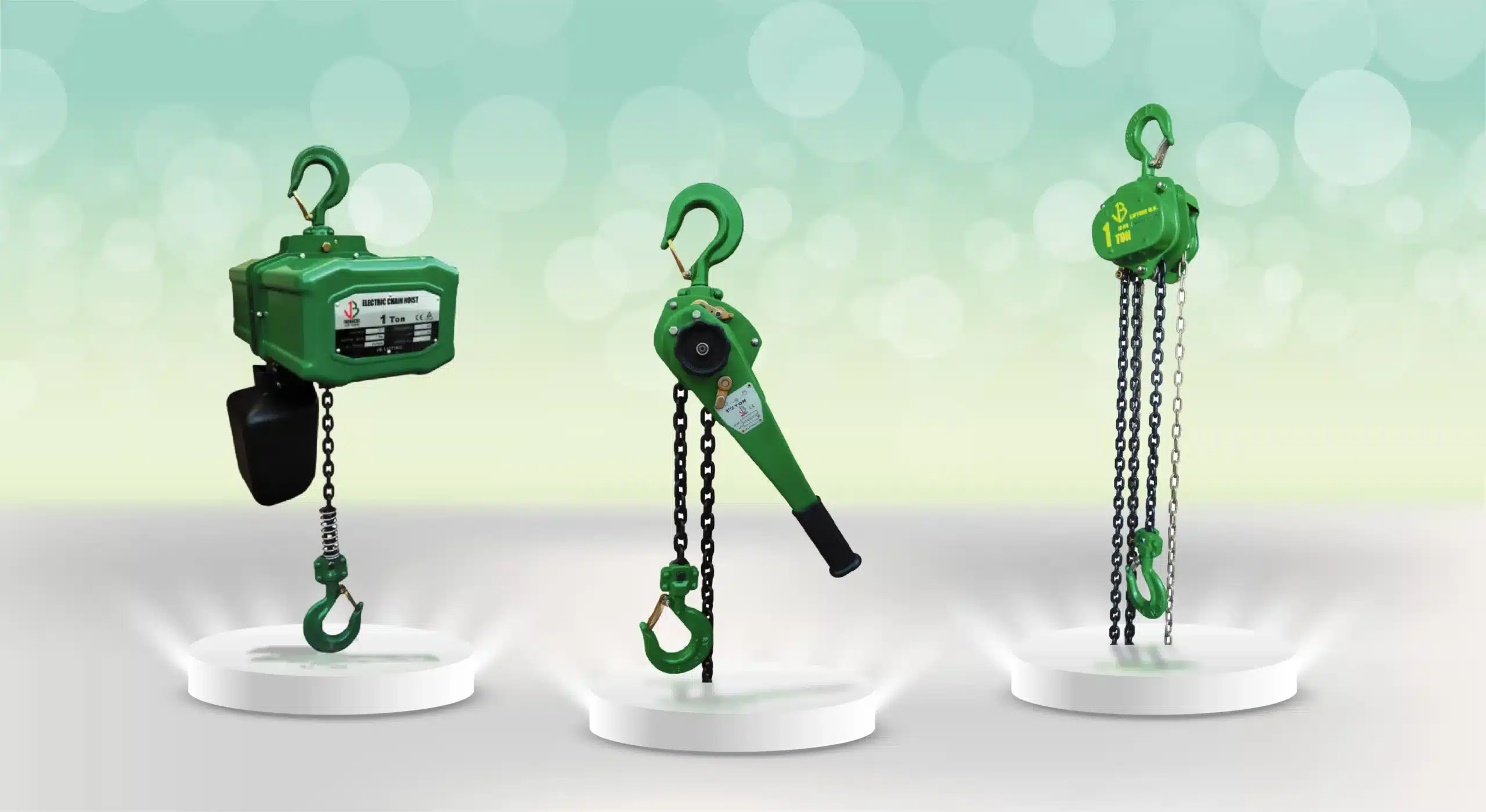
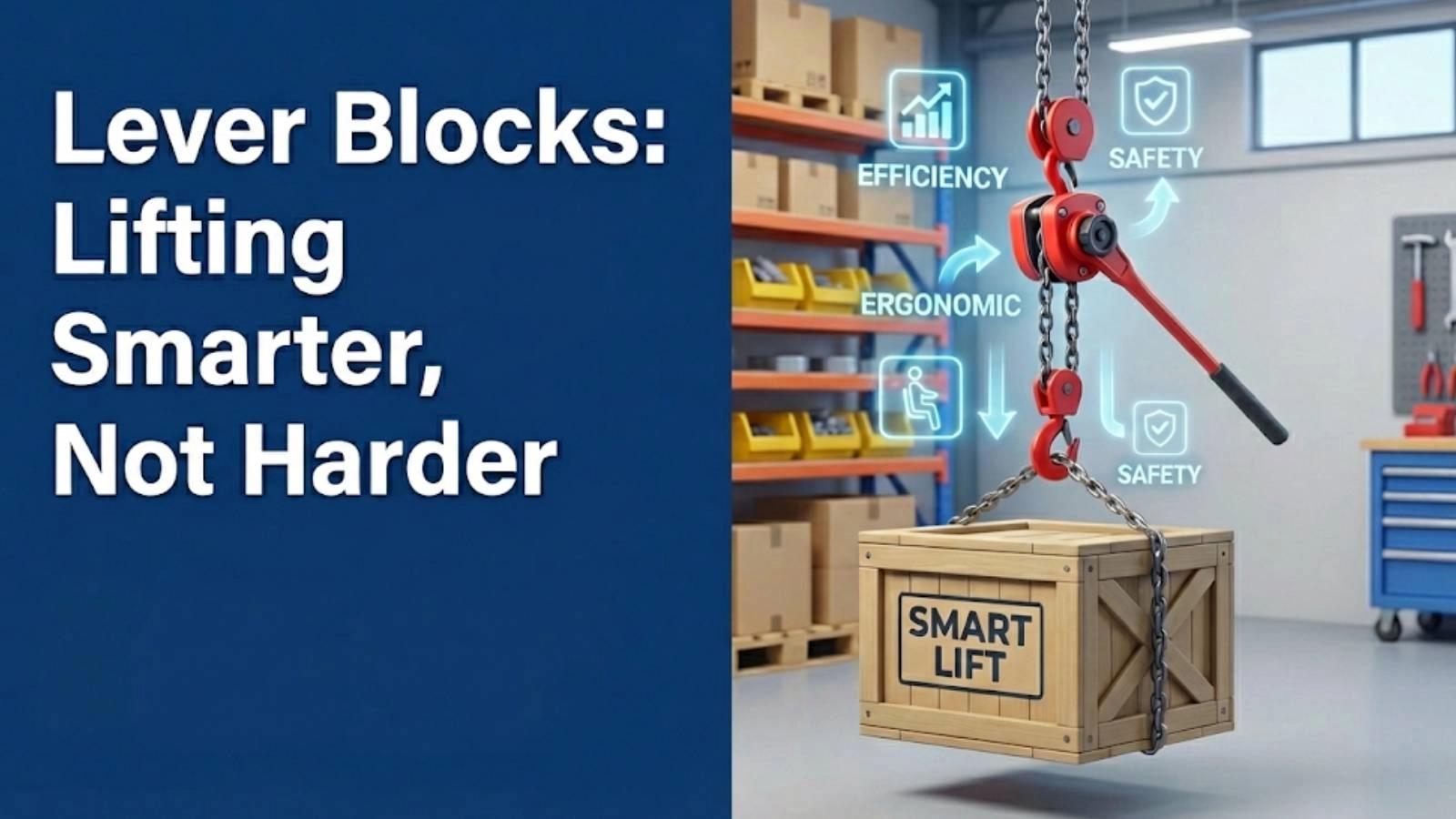
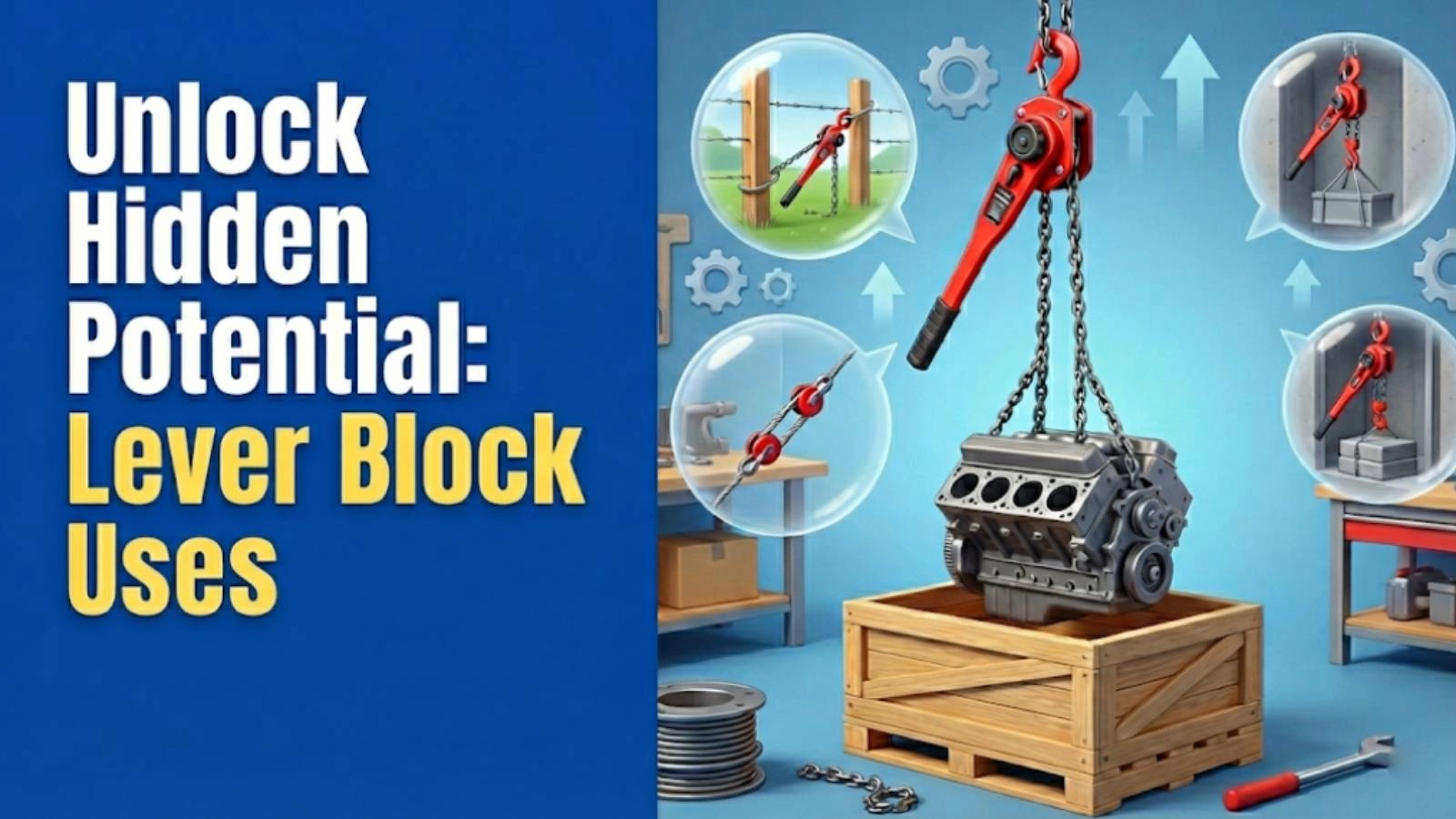
The lever block, a seemingly simple tool, plays a critical role in countless lifting operations. Often overlooked, consistent lever block maintenance is essential for ensuring safety, efficiency, and longevity. Neglecting this maintenance can lead to equipment failure, potential injuries, and costly downtime. This guide from Safe and Secure Trading Company will walk you through the essential steps to keep your lever blocks in peak condition, maximizing their lifespan and safeguarding your operations. We’ll share our expertise and address common pitfalls so you can confidently maintain your lifting equipment.
The Silent Guardian: Why Lever Block Maintenance Matters
A Story from the Field: The Price of Neglect
We once consulted on a project where a construction team routinely skipped their pre-use inspection on their lever blocks. They figured, “It worked yesterday, it’ll work today.” One afternoon, while lifting a heavy steel beam, the load chain on one of their lever blocks snapped. Fortunately, no one was injured, but the incident caused a significant delay and required immediate hoist repair. Upon investigation, we found the chain was severely corroded and lacked proper lever block lubrication – issues that would have been caught during a simple inspection. This experience highlighted the critical importance of regular lever block maintenance.
The Ripple Effect: Safety, Efficiency, and Savings
The benefits of consistent lever block maintenance extend far beyond just preventing accidents. Proper maintenance ensures smooth and efficient operation, reducing strain on the equipment and minimizing wear and tear. This translates into longer equipment lifespan, fewer repairs, and reduced downtime. Investing in regular maintenance is an investment in safety, productivity, and cost savings. Our team in Dubai always emphasizes the importance of preventative measures because they see the harsh conditions impacting equipment lifespan daily.
Understanding Your Lever Block: Anatomy 101
To effectively maintain your lever block, it’s important to understand its basic components. Each part plays a crucial role in the lifting process, and each requires specific attention during maintenance.
The Load Chain: The Lifeline
The load chain is the most critical component of the lever block. It’s responsible for bearing the entire load and is subjected to significant stress during lifting operations. Made from high-strength alloy steel, the load chain must be regularly inspected for wear, damage, and corrosion. Any signs of damage can compromise the chain’s integrity and lead to catastrophic failure. Using the right type of chain is essential for safety.
The Hook and Latch: Secure Connections
The hook and latch are used to connect the lever block to the load and the anchor point. The hook must be strong enough to support the load without bending or breaking. The latch prevents the load from accidentally disengaging from the hook. Both the hook and latch should be regularly inspected for damage, such as cracks, bends, and deformation.
The Gear System: Powerhouse Inside
The gear system is the heart of the lever block, providing the mechanical advantage needed to lift heavy loads. This intricate system of gears multiplies the force applied to the lever, allowing the operator to lift significant weight with minimal effort. Regular lever block lubrication is crucial for keeping the gear system functioning smoothly.
The Housing: Protecting the Core
The housing protects the internal components of the lever block from dirt, debris, and the elements. It also provides structural support for the entire assembly. The housing should be inspected for damage, such as cracks, dents, and corrosion, which can compromise its integrity and allow contaminants to enter the mechanism.
The Pre-Use Ritual: Your Daily Safety Check
Before each use, a thorough inspection of the lever block is essential. This pre-use inspection should be a standard practice to identify any potential issues before they become serious problems. This is the minimum standard for safe lifting practices.
Visual Inspection: Eyes on the Prize
Begin with a visual inspection of the entire lever block, paying close attention to the load chain, hooks, latch, and housing. Look for any signs of damage, such as cracks, bends, corrosion, or deformation. Check for missing or damaged parts.
Chain Condition: Kinks, Twists, and Corrosion
Carefully examine the load chain for any signs of kinks, twists, or corrosion. Kinks and twists can weaken the chain and cause it to bind during operation. Corrosion can significantly reduce the chain’s strength and lead to failure. If any of these issues are present, the lever block should be taken out of service immediately.
Hook Integrity: Bends and Cracks
Inspect the hooks for any signs of bending, cracking, or deformation. Pay close attention to the hook throat, the area where the load is supported. Any damage to the hook can compromise its ability to safely support the load. Check the latch mechanism to ensure it is functioning properly and securely engaging the hook.
Functionality Test: Smooth Operation
Perform a functionality test by operating the lever block without a load. Ensure that the lever moves smoothly and easily, and that the chain engages and disengages properly. Listen for any unusual noises, such as grinding or clicking, which may indicate a problem with the gear system.
The Art of Cleaning: Removing Grime and Grit
Regular cleaning is essential for maintaining the lever block‘s performance and extending its lifespan. Dirt, grime, and debris can accumulate on the lever block, interfering with its operation and accelerating wear and tear.
Choosing the Right Cleaning Products: Gentle but Effective
When cleaning your lever block, it’s important to use cleaning products that are effective at removing dirt and grime but won’t damage the equipment. Avoid using harsh chemicals or solvents that can corrode metal parts or damage seals and bearings. We recommend using a mild detergent and warm water.
The Cleaning Process: A Step-by-Step Guide
1. Disassemble (If Necessary): Depending on the design of your lever block, some disassembly may be required to properly clean all the components. Consult the manufacturer’s instructions for guidance.
2. Apply Cleaning Solution: Apply the mild detergent and warm water solution to all surfaces of the lever block, using a brush or cloth to remove dirt and grime.
3. Rinse Thoroughly: Rinse the lever block thoroughly with clean water to remove all traces of the cleaning solution.
4. Dry Completely: Allow the lever block to air dry completely before reassembling or using it.
Drying and Inspection: Spotting Hidden Issues
After cleaning, carefully inspect all the components of the lever block for any signs of damage that may have been hidden by dirt and grime. Pay close attention to the load chain, hooks, latch, and gear system. This is a good opportunity to identify any potential problems before they become serious issues.
Lubrication is Key: Keeping Things Moving Smoothly
Proper lever block lubrication is crucial for reducing friction, minimizing wear and tear, and ensuring smooth operation. Without adequate lubrication, the moving parts of the lever block can grind against each other, leading to premature failure.
Selecting the Right Lubricant: Matching the Application
Choosing the right lubricant is essential for effective lever block lubrication. Use a high-quality lubricant that is specifically designed for use in lifting equipment. Avoid using general-purpose lubricants, which may not provide adequate protection. Consider a lubricant with anti-corrosion properties.
Lubrication Points: Where to Apply the Grease
- Load Chain: Lubricate the entire length of the load chain, paying close attention to the links and connecting points.
- Gear System: Apply lubricant to the gears and bearings inside the lever block housing.
- Hooks and Latch: Lubricate the hook swivel and the latch mechanism.
- Lever Pivot Points: Apply lubricant to the pivot points on the lever.
The Lubrication Process: Ensuring Full Coverage
1. Clean the Surfaces: Before applying lubricant, clean the surfaces to remove any dirt or debris.
2. Apply Lubricant Sparingly: Apply the lubricant sparingly, using a brush or applicator to ensure full coverage.
3. Work the Lubricant In: Work the lubricant into the moving parts by operating the lever block several times.
4. Wipe Away Excess: Wipe away any excess lubricant to prevent it from attracting dirt and grime.
Deep Dive: Periodic Inspection and Overhaul
In addition to daily pre-use inspections, regular periodic inspections and overhauls are necessary to ensure the long-term safety and reliability of your lever blocks. These inspections should be performed by qualified personnel who are trained to identify potential problems.
When to Call the Pros: Recognizing Major Issues
While some maintenance tasks can be performed in-house, certain issues require the attention of qualified professionals. These include:
- Damaged Load Chain: Any signs of significant wear, corrosion, or deformation on the load chain.
- Cracked or Bent Hooks: Any cracks or bends on the hooks.
- Gear System Problems: Unusual noises, such as grinding or clicking, coming from the gear system.
- Slipping Load: The lever block is unable to hold a load or the load slips during lifting.
The Inspection Checklist: A Detailed Overview
A comprehensive lifting equipment inspection checklist should include the following:
- Load Chain: Measurement of chain stretch, inspection for wear, corrosion, and damage.
- Hooks: Inspection for cracks, bends, and deformation.
- Latches: Verification of proper operation and secure engagement.
- Gear System: Inspection for wear, damage, and proper lubrication.
- Housing: Inspection for cracks, dents, and corrosion.
- Markings: Verification that all markings are legible.
Here’s an example of an inspection checklist:
| Component |
| Inspection Item |
| Pass/Fail |
| Notes |
| Load Chain |
| Wear |
|
|
| Load Chain |
| Corrosion |
|
|
| Load Chain |
| Damage |
|
|
| Hooks |
| Cracks |
|
|
| Hooks |
| Bends |
|
|
| Hooks |
| Deformation |
|
|
| Latches |
| Operation |
|
|
| Latches |
| Engagement |
|
|
| Gear System |
| Wear |
|
|
| Gear System |
| Damage |
|
|
| Gear System |
| Lubrication |
|
|
| Housing |
| Cracks |
|
|
| Housing |
| Dents |
|
|
| Housing |
| Corrosion |
|
|
| Markings |
| Legibility |
|
|
Component Replacement: When Enough is Enough
Sometimes, despite regular maintenance, components of the lever block will reach the end of their lifespan and need to be replaced. It is essential to use only genuine replacement parts that meet the manufacturer’s specifications. Replacing worn or damaged parts with non-approved parts can compromise the safety and reliability of the lever block.
Storage Strategies: Protecting Your Investment
Proper storage is just as important as regular maintenance. Storing your lever blocks correctly can protect them from damage, corrosion, and other environmental factors that can shorten their lifespan.
Clean and Dry: The Ideal Environment
The ideal storage environment for lever blocks is clean, dry, and free from extreme temperatures. Avoid storing lever blocks in damp or humid locations, as this can promote corrosion. Before storing a lever block, clean it thoroughly and lubricate all moving parts.
Hanging vs. Storage Box: Which is Better?
Both hanging and storage boxes can be effective storage methods, depending on your specific needs and circumstances. Hanging the lever block can help prevent it from coming into contact with dirt and debris. A storage box can provide added protection from the elements and physical damage.
Preventing Corrosion: Long-Term Storage Tips
- Apply Corrosion Inhibitor: Apply a corrosion inhibitor to all metal surfaces to protect them from rust and corrosion.
- Store in a Sealed Container: If possible, store the lever block in a sealed container to prevent moisture from entering.
- Regular Inspection: Even when in storage, inspect the lever block periodically for any signs of corrosion or damage.
Troubleshooting Common Problems: Quick Fixes
Even with regular maintenance, problems can still arise with lever blocks. Knowing how to troubleshoot common issues can help you quickly resolve problems and get your equipment back in service.
Chain Binding: Causes and Solutions
Chain binding can occur when the load chain becomes twisted or kinked, preventing it from moving smoothly through the lever block. Common causes include:
- Overloading: Exceeding the lever block’s load capacity.
- Improper Use: Using the lever block at an angle or in a way that puts undue stress on the chain.
- Lack of Lubrication: Insufficient lever block lubrication can cause the chain to bind.
To resolve chain binding:
1. Inspect the Chain: Carefully inspect the chain for any kinks or twists.
2. Straighten the Chain: Gently straighten any kinks or twists in the chain.
3. Lubricate the Chain: Apply lubricant to the entire length of the chain.
Slipping Load: Addressing Clutch Issues
A slipping load indicates that the lever block is unable to hold the weight, which can be a dangerous situation. This is often caused by problems with the clutch mechanism.
- Worn Clutch Plates: The clutch plates may be worn and need to be replaced.
- Contamination: The clutch mechanism may be contaminated with dirt or grease.
- Adjustment Issues: The clutch may need to be adjusted to provide proper tension.
If you experience a slipping load, take the lever block out of service immediately and have it inspected by a qualified technician.
Handle Resistance: Identifying Gear Problems
If the lever handle becomes difficult to operate, it may indicate a problem with the gear system. Common causes include:
- Lack of Lubrication: Insufficient lubrication can cause the gears to bind.
- Damaged Gears: The gears may be damaged or worn.
- Debris in the Gear System: Dirt or debris may have entered the gear system.
To resolve handle resistance:
1. Lubricate the Gear System: Apply lubricant to the gears and bearings inside the lever block housing.
2. Inspect the Gears: Inspect the gears for any signs of damage.
3. Clean the Gear System: Clean the gear system to remove any dirt or debris.
> “Regular inspection and maintenance are the cornerstones of safe lifting practices. Don’t underestimate the importance of a thorough pre-use check.” – John Smith, Lead Safety Inspector
Maintenance Schedule: A Proactive Approach
Implementing a regular lifting equipment maintenance schedule is crucial for preventing problems and ensuring the long-term safety and reliability of your lever blocks.
Daily Checks: A Quick Rundown
- Visual inspection of the load chain, hooks, and housing.
- Check for any signs of damage, such as cracks, bends, or corrosion.
- Functionality test to ensure smooth operation.
Weekly Tasks: Deeper Inspection
- Thorough inspection of the load chain for wear, kinks, and twists.
- Inspection of the hooks and latches for damage.
- Lubrication of the load chain and hooks.
Monthly Procedures: Thorough Maintenance
- Cleaning of the lever block to remove dirt and grime.
- Inspection of the gear system for wear and damage.
- Lubrication of the gear system.
Annual Overhaul: Professional Assessment
- Comprehensive inspection of all components by a qualified technician.
- Load testing to verify the lever block’s capacity.
- Replacement of worn or damaged parts.
Maximizing Lever Block Lifespan: A Recap
Consistent lever block maintenance is the key to maximizing the lifespan of your equipment and ensuring safe and efficient lifting operations. By following the steps outlined in this guide, you can significantly reduce the risk of accidents, minimize downtime, and save money on repairs.
Consistent Maintenance: The Cornerstone
Regular cleaning, lubrication, and inspection are the cornerstones of effective lever block maintenance. Make maintenance a priority and implement a proactive maintenance schedule.
Proper Usage: Avoiding Overloads and Misuse
Using the lever block properly is just as important as maintaining it. Avoid overloading the lever block, using it at an angle, or subjecting it to other forms of misuse.
Invest in Quality: Choosing Durable Equipment
Investing in high-quality lever blocks from reputable manufacturers can also contribute to a longer lifespan. Choose equipment that is designed to withstand the rigors of your specific application.
By implementing these strategies, you can ensure that your lever blocks remain in peak condition for years to come. We at Safe and Secure Trading Company are committed to providing you with the knowledge and resources you need to maintain your lifting equipment safely and effectively. You’ve now learned how to properly maintain your lever block, ensuring its safety, efficiency, and longevity.
FAQ Section
Q: How often should I lubricate my lever block?
A: Lubricate the load chain and hooks weekly. The gear system should be lubricated monthly. Always lubricate after cleaning.
Q: What type of lubricant should I use?
A: Use a high-quality lubricant specifically designed for lifting equipment. Avoid general-purpose lubricants.
Q: Can I use a pressure washer to clean my lever block?
A: No, avoid using a pressure washer as it can force water and debris into the gear system.
Q: How do I know if my load chain needs to be replaced?
A: If you notice any signs of significant wear, corrosion, or deformation, the load chain needs to be replaced immediately. Consult a qualified technician.
Q: What do I do if my lever block fails inspection?
A: Take the lever block out of service immediately and have it inspected and repaired by a qualified technician. Do not attempt to use the lever block until it has been properly repaired.
Q: Where can I find genuine replacement parts for my lever block?
A: Contact the manufacturer of your lever block or a reputable supplier of lifting equipment parts, like Safe and Secure Trading Company.