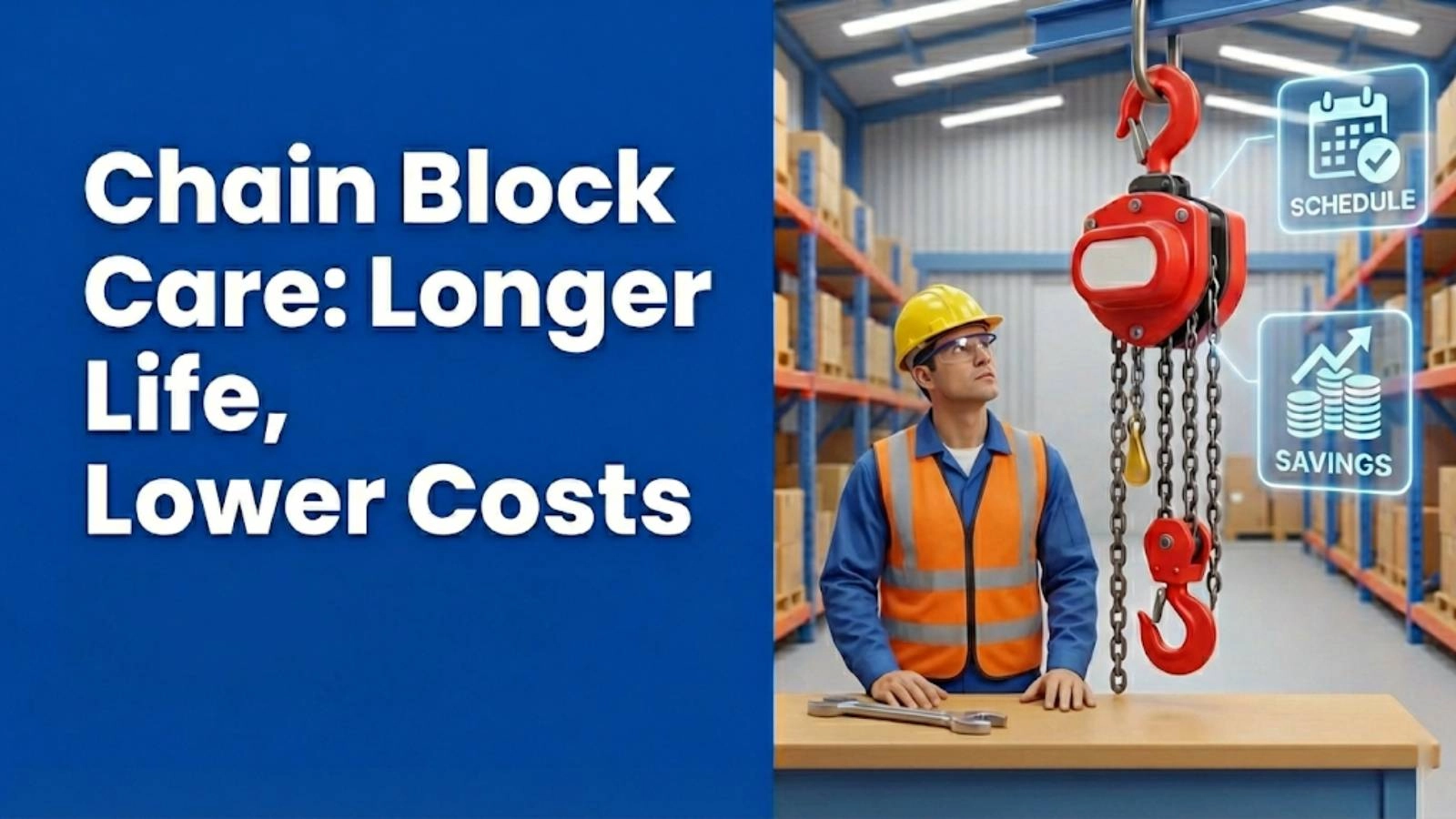
Chain Block Safety: A Complete Guide
The Evolving Landscape of Chain Block Safety
Why Chain Block Safety is More Critical Than Ever
In the realm of material handling, chain blocks stand as indispensable tools, facilitating the lifting and maneuvering of heavy loads with relative ease. However, their widespread use also brings inherent risks if proper safety protocols are not meticulously followed. With increasing emphasis on workplace safety and stringent regulations, the importance of chain block safety has never been more critical. A single oversight can lead to catastrophic accidents, resulting in severe injuries, property damage, and even fatalities.
The rise of automation and increasingly complex industrial processes means that chain blocks are often operating in more demanding environments and handling heavier, more valuable loads. This heightened operational tempo necessitates a proactive approach to safety, one that encompasses rigorous inspection routines, comprehensive operator training, and adherence to the latest industry standards. Ignoring these crucial aspects can have dire consequences, making robust chain block safety practices paramount in today’s industrial landscape. Our experience at Safe and Secure Trading Company (SSTC) has shown us time and again that a strong safety culture significantly reduces workplace accidents.
Brief History of Chain Blocks and Their Role in Modern Industry
The chain block, also known as a hand chain hoist, has a rich history that traces back to the late 19th century. Initially developed as a mechanical advantage system for lifting heavy objects, its invention revolutionized industries such as construction, manufacturing, and shipbuilding. Early chain blocks were relatively simple in design, but they provided a significant improvement over manual lifting methods. Over time, advancements in materials and engineering have led to the development of more robust, efficient, and safer chain blocks.
Today, chain blocks continue to play a vital role in modern industry. They are used in a wide array of applications, from lifting engines in automotive repair shops to positioning heavy components in aerospace manufacturing. Their portability, ease of use, and ability to operate without electricity make them invaluable tools in diverse work environments. As industries evolve, chain blocks have adapted, incorporating new safety features and technologies to meet the ever-increasing demands of modern material handling. The core principle remains the same – providing a safe and effective means of lifting heavy loads, but the methods and materials used have greatly improved.
New Technologies and Safety Innovations in Chain Blocks
The field of chain block safety is constantly evolving, driven by technological advancements and a growing emphasis on risk mitigation. One notable innovation is the integration of overload protection devices, which automatically prevent lifting beyond the rated capacity, thereby minimizing the risk of accidents and equipment damage. These devices often feature visual or audible alarms to alert operators when the load is approaching its limit.
Another significant advancement is the development of chain blocks with improved braking systems. Modern chain blocks typically utilize dual braking mechanisms, providing redundant safety in case of failure of the primary brake. These braking systems are designed to hold the load securely in place, even in the event of a power outage or accidental release of the hand chain. Furthermore, the use of high-strength alloy steel in load chains has enhanced their durability and resistance to wear and tear, extending their lifespan and reducing the likelihood of chain failure. Smart chain blocks with integrated sensors, AI-powered predictive maintenance systems, and remote monitoring capabilities represent further exciting frontiers in chain block technology.
Understanding Chain Block Components and Functionality
The Load Chain: Material, Grade, and Wear Indicators
The load chain is arguably the most critical component of a chain block, responsible for bearing the entire weight of the load. The material and grade of the load chain are paramount to its strength and durability. High-quality load chains are typically made from alloy steel, which offers exceptional tensile strength and resistance to deformation. The grade of the chain, often indicated by markings on the chain links, specifies its load-bearing capacity and should never be exceeded.
Regular inspection for wear and tear is essential to maintaining the safety of the load chain. Common wear indicators include elongation, pitting, corrosion, and link distortion. Elongation, measured as the increase in length of a chain segment, indicates that the chain has been subjected to excessive stress and may be nearing its breaking point. Pitting and corrosion weaken the chain’s structural integrity, while link distortion can indicate overloading or improper use. Any load chain exhibiting these wear indicators must be immediately removed from service and replaced with a new, certified chain. We at SSTC emphasize that neglecting load chain inspection is a leading cause of chain block failure.
Hooks, Latches, and Safety Mechanisms
Hooks are another crucial component of chain blocks, serving as the primary interface between the chain block and the load. Hooks must be manufactured from high-strength steel and designed with a safety factor to withstand the intended load. They should also be equipped with latches to prevent accidental disengagement of the load. These latches ensure that the load remains securely attached to the hook throughout the lifting operation.
Regular inspection of hooks is vital to identify any signs of damage or wear. Common issues include bends, cracks, twists, and latch malfunctions. Hooks that are bent or cracked should be immediately replaced, as their structural integrity has been compromised. Twists in the hook can indicate overloading or side loading, which should be avoided at all costs. Latch malfunctions, such as broken or missing latches, must be addressed promptly to ensure proper load retention. In addition to hooks and latches, many chain blocks incorporate other safety mechanisms, such as overload limiters and brake interlocks, to further enhance safety. These mechanisms provide an additional layer of protection against accidents and equipment damage.
The Housing, Gear System, and Hand Chain
The housing of a chain block serves as the protective enclosure for the internal components, including the gear system and braking mechanism. It is typically constructed from durable materials such as steel or aluminum to withstand the rigors of industrial use. The housing should be regularly inspected for any signs of damage, such as cracks, dents, or corrosion, which could compromise its structural integrity and affect the performance of the internal components.
The gear system is responsible for providing the mechanical advantage that allows operators to lift heavy loads with minimal effort. It consists of a series of gears that multiply the force applied to the hand chain. The gear system should be properly lubricated to ensure smooth operation and minimize wear and tear. Regular inspection of the gear system is essential to identify any signs of damage, such as worn or broken gears, which could affect its efficiency and safety. The hand chain is used to operate the chain block, allowing operators to raise or lower the load. It should be inspected regularly for wear and tear, such as broken or corroded links. The hand chain should also be properly lubricated to ensure smooth operation.
Mandatory Pre-Use Inspections: A Daily Checklist
Visual Inspection: Checking for Obvious Damage
Before each use of a chain block, a thorough visual inspection is mandatory. This inspection should focus on identifying any obvious damage or defects that could compromise the safety of the equipment. Start by examining the load chain for signs of wear, such as elongation, pitting, corrosion, or link distortion. Next, inspect the hooks for bends, cracks, twists, or latch malfunctions. Check the housing for any signs of damage, such as cracks, dents, or corrosion.
Also, inspect the hand chain for broken or corroded links. Ensure that all labels and markings are legible and intact. These markings provide critical information about the chain block’s rated capacity and safe operating procedures. If any damage or defects are identified during the visual inspection, the chain block must be immediately removed from service and tagged for repair or replacement. Never use a chain block that is known to be damaged or defective. One of our clients in Vancouver had a near miss due to a damaged load chain. This highlights the importance of daily visual inspections.
Functional Testing: Ensuring Smooth Operation
In addition to a visual inspection, a functional test should be performed before each use of a chain block. This test involves operating the chain block through its full range of motion to ensure smooth and reliable operation. Start by pulling the hand chain to raise and lower the load hook. Observe the movement of the load chain and ensure that it travels smoothly and evenly through the chain block. Listen for any unusual noises, such as grinding or clicking, which could indicate a problem with the gear system or braking mechanism.
Next, test the braking system by applying a load to the hook and releasing the hand chain. The load should remain securely in place without any slippage or creep. If the load slips or creeps, the braking system may be malfunctioning and the chain block should not be used until it has been inspected and repaired. Finally, check the operation of the latch on the hook to ensure that it opens and closes smoothly and securely. A malfunctioning latch could allow the load to disengage from the hook, creating a serious safety hazard.
Load Testing: Verifying Capacity (When Applicable)
Load testing is a more rigorous form of inspection that involves applying a known load to the chain block to verify its rated capacity. Load testing is typically performed during annual inspections or after repairs to ensure that the chain block can safely handle its intended load. The load used for testing should be equal to or slightly greater than the chain block’s rated capacity. During the load test, carefully observe the chain block for any signs of stress or deformation.
Check the load chain for elongation, the hooks for bending or twisting, and the housing for cracking or distortion. If any of these signs are present, the chain block has failed the load test and must be removed from service. It is important to note that load testing should only be performed by qualified personnel with the appropriate equipment and training. Attempting to perform a load test without the necessary expertise can be dangerous and could damage the chain block. When our team in Dubai tackles this issue, they often find that improper load testing can void the manufacturer’s warranty.
Regular Inspections: Frequency and Scope
Monthly Inspections: A Deeper Dive
Monthly inspections are a more in-depth assessment of the chain block’s condition than the daily pre-use inspection. These inspections should be conducted by a trained individual and documented in a log. The monthly inspection should include all the elements of the daily inspection, as well as a closer examination of critical components. Check the load chain for wear, corrosion, and damage. Measure the chain’s elongation to determine if it exceeds the allowable limit.
Inspect the hooks for signs of bending, cracking, or twisting. Pay close attention to the latch mechanism, ensuring it functions properly. Examine the housing for any signs of damage or distortion. Check the hand chain for wear, corrosion, and proper lubrication. Operate the chain block through its full range of motion, listening for any unusual noises or signs of malfunction. Lubricate the chain block according to the manufacturer’s recommendations. Clean the chain block to remove any dirt, grease, or debris.
Quarterly Inspections: Focus on Key Components
Quarterly inspections build upon the monthly inspections, focusing on the thorough evaluation of key components and safety mechanisms. In addition to the monthly inspection checklist, quarterly inspections should include a detailed assessment of the braking system. Disassemble the braking system, if necessary, to inspect the brake pads, springs, and other components for wear or damage. Clean and lubricate the braking system according to the manufacturer’s recommendations.
Check the gear system for proper alignment and lubrication. Inspect the gears for wear, cracks, or broken teeth. Adjust the gear system as needed to ensure smooth and efficient operation. Verify the proper functioning of any overload protection devices. Test the devices to ensure they activate at the correct load limit. Recalibrate the devices as needed to maintain accuracy. Ensure that all safety labels and markings are legible and intact. Replace any damaged or missing labels.
Annual Inspections: Comprehensive Overhaul and Certification
Annual inspections are the most comprehensive assessment of the chain block’s condition. These inspections should be conducted by a qualified inspector and documented in detail. The annual inspection should include all the elements of the monthly and quarterly inspections, as well as a complete disassembly and inspection of all components. Disassemble the chain block completely, cleaning and inspecting each component for wear, damage, or corrosion. Replace any worn or damaged components with new, certified parts.
Perform a load test to verify the chain block’s rated capacity. The load test should be conducted according to industry standards and documented in detail. Certify the chain block as safe for use. The certification should be valid for one year and should be prominently displayed on the chain block. Maintain detailed records of all inspections, repairs, and certifications. These records should be readily available for review.
What to Look for During Chain Block Inspections
Identifying Wear and Tear on the Load Chain
The load chain is the lifeline of a chain block, and its condition is paramount to safe operation. During inspections, carefully examine each link for signs of wear and tear. Look for elongation, which indicates that the chain has been stretched beyond its elastic limit. Measure the length of a section of chain and compare it to the original length. If the elongation exceeds the allowable limit, the chain must be replaced. Check for pitting and corrosion, which weaken the chain’s structural integrity.
Pitting appears as small, localized areas of corrosion, while general corrosion affects the entire surface of the chain. Chains with significant pitting or corrosion should be removed from service. Inspect for link distortion, such as bending or twisting, which can indicate overloading or improper use. Distorted links should be carefully examined for cracks or other damage. Any chain exhibiting these wear indicators must be immediately removed from service and replaced with a new, certified chain.
Inspecting Hooks for Bends, Cracks, and Twists
Hooks are another critical component of chain blocks, and their condition must be carefully assessed during inspections. Look for bends, which can indicate overloading or side loading. Bent hooks should be replaced immediately, as their load-bearing capacity has been compromised. Check for cracks, which can propagate and lead to catastrophic failure. Cracks can be difficult to detect, so use a magnifying glass and a bright light to aid in the inspection.
Pay close attention to the area around the hook’s throat and shank, as these are common areas for crack formation. Inspect for twists, which can indicate improper use or damage. Twisted hooks should be replaced, as they can create stress concentrations and increase the risk of failure. Ensure that the hook latch is functioning properly. The latch should open and close smoothly and securely, preventing accidental disengagement of the load.
Checking the Load Binders and Components
Load binders, also known as chain binders or load securement binders, are used to tighten and secure chains around a load for transport. These binders are subject to significant stress and wear, so regular inspections are crucial. Look for signs of bending, cracking, or distortion in the binder’s frame and handle. Inspect the chain attachment points for wear or damage. Ensure that the binder’s locking mechanism is functioning properly, preventing accidental release of the load.
Check the threads on the binder’s screw mechanism for wear or damage. Lubricate the threads as needed to ensure smooth operation. Replace any worn or damaged load binders immediately. Other components of the chain block, such as the housing, gear system, and hand chain, should also be inspected regularly. Check the housing for cracks, dents, or corrosion. Inspect the gear system for worn or broken gears. Examine the hand chain for broken or corroded links. Lubricate all moving parts as needed to ensure smooth operation.
Reviewing the Gear System and Housing Integrity
The gear system is the heart of the chain block, providing the mechanical advantage needed to lift heavy loads. During inspections, listen for any unusual noises, such as grinding or clicking, which could indicate a problem with the gears. Check the gears for wear, cracks, or broken teeth. Ensure that the gears are properly aligned and lubricated. The housing protects the internal components of the chain block from damage and the environment.
Inspect the housing for cracks, dents, or corrosion. Cracks can weaken the housing and compromise its ability to protect the internal components. Dents can indicate impact damage that may have also damaged the internal components. Corrosion can weaken the housing and make it more susceptible to cracking. Ensure that all access panels and covers are securely fastened to the housing. Missing or loose panels can allow dirt and debris to enter the housing, damaging the internal components.
Creating a Detailed Inspection Log and Record-Keeping System
Why Maintain Accurate Records of Inspections
Maintaining accurate records of chain block inspections is essential for several reasons. First, it helps to track the condition of the equipment over time, allowing for early detection of potential problems. By comparing inspection records from different dates, you can identify trends in wear and tear and take proactive measures to prevent failures. Second, it provides a documented history of maintenance and repairs, which can be valuable for troubleshooting and warranty claims.
Third, it demonstrates compliance with safety regulations and industry standards. Many regulations require employers to maintain records of equipment inspections and maintenance. Accurate records can help you avoid fines and penalties in the event of an audit. Fourth, it promotes a culture of safety within the organization. By documenting inspections and repairs, you send a clear message that safety is a priority.
What Information Should Be Included in the Log
A detailed inspection log should include the following information: Date and time of the inspection. Name of the inspector. Chain block identification number. Location of the chain block. Checklist of inspection items. Condition of each item (e.g., satisfactory, needs repair, replaced). Description of any defects or damage found. Corrective actions taken (e.g., repair, replacement, adjustment). Date of repair or replacement. Name of the person who performed the repair or replacement.
Next scheduled inspection date. Signature of the inspector. In addition to this basic information, you may also want to include photographs or videos of any defects or damage found. This can provide a visual record of the condition of the equipment and help to track the progress of repairs. It’s essential to have an effective system for archiving and retrieving inspection logs. Whether you use a paper-based system or a digital system, make sure that the logs are easily accessible and organized in a way that makes sense for your organization.
Digital Inspection Tools: Streamlining the Process
Digital inspection tools can significantly streamline the process of chain block inspections, improving efficiency, accuracy, and record-keeping. These tools typically consist of a mobile app or software platform that allows inspectors to record inspection data electronically. Digital inspection tools offer several advantages over traditional paper-based systems. First, they eliminate the need for manual data entry, reducing the risk of errors and saving time. Second, they can automatically generate reports and alerts, making it easier to track the condition of the equipment and identify potential problems.
Third, they can store inspection data securely in the cloud, ensuring that it is always accessible and protected from loss or damage. Fourth, they can integrate with other maintenance management systems, providing a comprehensive view of equipment performance and maintenance history. When selecting a digital inspection tool, consider the following factors: Ease of use. Functionality. Reporting capabilities. Integration capabilities. Cost. Support. Choose a tool that is easy to use, offers the features you need, and fits within your budget.
Common Chain Block Safety Hazards and How to Prevent Them
Overloading: Staying Within the Rated Capacity
Overloading is one of the most common and dangerous chain block safety hazards. Overloading occurs when the weight of the load exceeds the chain block’s rated capacity. This can lead to catastrophic failure of the chain block, resulting in serious injuries or fatalities. To prevent overloading, always verify the weight of the load before lifting it. Compare the weight of the load to the chain block’s rated capacity, which is typically marked on the chain block’s housing.
Never attempt to lift a load that exceeds the chain block’s rated capacity. Use a chain block with a higher rated capacity if necessary. Be aware of the potential for dynamic loading, which can occur when the load is lifted suddenly or unevenly. Dynamic loading can significantly increase the stress on the chain block, potentially exceeding its rated capacity even if the static weight of the load is within limits. Lift loads smoothly and evenly to minimize dynamic loading.
Side Loading: Avoiding Angular Pulls
Side loading occurs when the load is pulled at an angle to the vertical axis of the chain block. Side loading can create excessive stress on the chain block’s components, leading to damage or failure. To prevent side loading, always ensure that the load is directly below the chain block. Use a spreader bar or other device to distribute the load evenly if necessary. Avoid pulling the load at an angle. If it is necessary to pull the load at an angle, reduce the chain block’s rated capacity accordingly.
The amount of reduction will depend on the angle of the pull. Consult the manufacturer’s instructions for guidance. Be aware of the potential for swing loading, which can occur when the load swings during lifting. Swing loading can create side loading and increase the risk of accidents. Control the load to prevent swinging. Use tag lines or other methods to stabilize the load. We once had a user who got stuck on this step because they didn’t account for swing loading.
Environmental Factors: Corrosion and Extreme Temperatures
Environmental factors, such as corrosion and extreme temperatures, can significantly affect chain block safety. Corrosion can weaken the chain block’s components, making them more susceptible to failure. Extreme temperatures can also affect the strength and ductility of the chain block’s materials. To protect chain blocks from corrosion, store them in a dry, well-ventilated area. Clean the chain blocks regularly to remove dirt, grease, and other contaminants.
Apply a corrosion-resistant coating to the chain blocks if necessary. Avoid using chain blocks in corrosive environments, such as marine environments or chemical plants. If it is necessary to use chain blocks in corrosive environments, inspect them frequently for signs of corrosion. Protect chain blocks from extreme temperatures. Avoid using chain blocks in temperatures that exceed the manufacturer’s recommendations. If it is necessary to use chain blocks in extreme temperatures, reduce the chain block’s rated capacity accordingly.
Neglecting Maintenance: Lack of Lubrication and Cleaning
Neglecting maintenance, such as lack of lubrication and cleaning, can significantly reduce chain block safety. Lack of lubrication can cause excessive wear and tear on the chain block’s components, leading to premature failure. Cleaning removes dirt, grease, and other contaminants that can damage the chain block’s components. To ensure proper maintenance, lubricate the chain block regularly according to the manufacturer’s recommendations.
Use a high-quality lubricant that is designed for use with chain blocks. Clean the chain block regularly to remove dirt, grease, and other contaminants. Use a mild detergent and water to clean the chain block. Rinse the chain block thoroughly with clean water and allow it to dry completely before using it. Inspect the chain block regularly for signs of wear and tear. Replace any worn or damaged components immediately.
Training and Competency: Ensuring Safe Operation
Importance of Proper Training for Operators
Proper training is essential for ensuring safe operation of chain blocks. Operators must be trained on the proper use of chain blocks, including pre-use inspections, load handling techniques, and emergency procedures. Training should be conducted by a qualified instructor and should include both classroom instruction and hands-on practice. Operators should be trained on the specific type of chain block they will be using.
They should also be trained on the specific hazards associated with chain block operation, such as overloading, side loading, and environmental factors. Training should emphasize the importance of following safety procedures and using personal protective equipment. Operators should be trained on how to identify and report any defects or damage to the chain block. Refresher training should be provided periodically to ensure that operators maintain their competency.
Certification Programs and Refresher Courses
Certification programs provide a standardized way to verify the competency of chain block operators. Certification programs typically involve a written exam and a practical assessment. Operators who pass the exam and assessment are certified to operate chain blocks. Certification programs can help to ensure that operators have the knowledge and skills necessary to operate chain blocks safely. Refresher courses provide an opportunity for operators to review safety procedures and learn about new technologies and regulations.
Refresher courses should be offered periodically to ensure that operators maintain their competency. Refresher courses can also help to address any specific safety concerns that may have arisen in the workplace. “Investing in training is not just about compliance; it’s about empowering your team to make informed decisions that protect themselves and others.” – John Smith, Lead Safety Inspector.
Emphasizing Communication and Reporting
Effective communication and reporting are essential for maintaining chain block safety. Operators should be encouraged to communicate any safety concerns or potential hazards to their supervisors. Supervisors should be responsive to these concerns and take appropriate action to address them. Operators should be trained on how to report any defects or damage to the chain block. A clear and easy-to-use reporting system should be in place.
Reports should be reviewed regularly and any necessary repairs should be made promptly. Safety meetings should be held regularly to discuss chain block safety issues and to share best practices. Safety meetings provide an opportunity for operators to ask questions and to provide feedback on safety procedures.
Latest Regulations and Compliance Standards for Chain Block Safety
OSHA Requirements: Staying Compliant
The Occupational Safety and Health Administration (OSHA) sets forth specific requirements for chain block safety in the United States. Employers are responsible for ensuring that their workplaces are safe and healthful for their employees. This includes providing employees with the necessary training, equipment, and information to operate chain blocks safely. OSHA regulations cover a wide range of topics, including chain block inspection, maintenance, and operation.
Employers must comply with all applicable OSHA regulations to avoid fines and penalties. Some key OSHA requirements for chain block safety include: Regular inspection of chain blocks. Proper maintenance of chain blocks. Training of chain block operators. Use of personal protective equipment. Reporting of accidents and injuries. Employers should consult the OSHA website or a qualified safety professional for more information on OSHA requirements for chain block safety.
ANSI/ASME Standards: Industry Best Practices
The American National Standards Institute (ANSI) and the American Society of Mechanical Engineers (ASME) develop voluntary consensus standards for chain block safety. These standards represent industry best practices and can help employers to improve their chain block safety programs. ANSI/ASME standards cover a wide range of topics, including chain block design, manufacturing, testing, and use.
Compliance with ANSI/ASME standards is not legally required, but it can demonstrate a commitment to safety and can help to reduce the risk of accidents and injuries. Some key ANSI/ASME standards for chain block safety include: ANSI/ASME B30.9, Slings. ANSI/ASME B30.10, Hooks. ANSI/ASME B30.16, Overhead Hoists (Underhung). Employers should consult the ANSI and ASME websites or a qualified safety professional for more information on ANSI/ASME standards for chain block safety.
Global Safety Standards: Adapting to International Norms
In addition to OSHA and ANSI/ASME standards, there are a number of other global safety standards that may be relevant to chain block safety. These standards are developed by international organizations such as the International Organization for Standardization (ISO) and the European Committee for Standardization (CEN). Global safety standards can help employers to ensure that their chain block safety programs are consistent with international best practices.
Compliance with global safety standards may be required in some countries or regions. Some key global safety standards for chain block safety include: ISO 4309, Cranes — Wire ropes — Care and maintenance, inspection and discard. EN 818-7, Short link chain for lifting purposes — Safety — Part 7: Fine tolerance chain for chain slings — Grade T(8). Employers should consult the ISO and CEN websites or a qualified safety professional for more information on global safety standards for chain block safety.
Troubleshooting Common Chain Block Issues
Chain slippage and binding: Causes and solutions
Chain slippage and binding are common issues that can occur with chain blocks. Chain slippage occurs when the load chain slips over the load sheave, causing the load to drop unexpectedly. Chain binding occurs when the load chain becomes jammed in the chain block, preventing it from moving smoothly. Both chain slippage and binding can be dangerous and can lead to accidents.
Some common causes of chain slippage include: Worn or damaged load chain. Overloading of the chain block. Improper lubrication of the load chain. Contamination of the load chain with dirt or debris. Some common causes of chain binding include: Bent or twisted load chain links. Corrosion of the load chain. Improper alignment of the load chain. Obstructions in the chain path.
To prevent chain slippage and binding, regularly inspect the load chain for wear, damage, and contamination. Lubricate the load chain regularly according to the manufacturer’s recommendations. Avoid overloading the chain block. Ensure that the load chain is properly aligned. Remove any obstructions from the chain path. If chain slippage or binding occurs, stop using the chain block immediately and inspect it for the cause of the problem. Repair or replace any worn or damaged components.
Difficulty lifting or lowering loads: Identifying the problem
Difficulty lifting or lowering loads can be a sign of a problem with the chain block. Some common causes of this issue include: Overloading of the chain block. Insufficient lubrication of the chain block. Worn or damaged gears. Malfunctioning braking system. Obstructions in the chain path. To troubleshoot this issue, first verify that the load is within the chain block’s rated capacity. Lubricate the chain block according to the manufacturer’s recommendations.
Inspect the gears for wear or damage. Check the braking system for proper operation. Remove any obstructions from the chain path. If the problem persists, consult a qualified technician for assistance.
Unusual noises during operation: Investigating the source
Unusual noises during chain block operation can be a sign of a problem with the equipment. The type of noise can often provide clues as to the source of the problem. Grinding noises may indicate worn or damaged gears. Clicking noises may indicate a loose or broken component. Squealing noises may indicate a lack of lubrication. To investigate the source of unusual noises, stop using the chain block immediately and inspect it carefully.
Listen for the noise while operating the chain block slowly. Try to pinpoint the location of the noise. Check the gears, braking system, and other components for wear, damage, or loose connections. Lubricate the chain block according to the manufacturer’s recommendations. If you cannot identify the source of the noise or if you are not comfortable making repairs, consult a qualified technician for assistance.
The Future of Chain Block Safety: Emerging Technologies
Smart Chain Blocks with Integrated Sensors
The future of chain block safety is being shaped by emerging technologies, particularly the development of smart chain blocks with integrated sensors. These smart chain blocks are equipped with sensors that can monitor various parameters, such as load weight, chain tension, and operating temperature. The data collected by these sensors can be used to provide real-time feedback to operators, helping them to avoid overloading, side loading, and other unsafe conditions.
The data can also be used to track the chain block’s usage and performance over time, providing valuable insights for maintenance and inspection planning. Smart chain blocks can also be integrated with other safety systems, such as emergency stop systems and alarm systems, to provide an additional layer of protection.
AI-Powered Predictive Maintenance Systems
Artificial intelligence (AI) is playing an increasingly important role in predictive maintenance systems for chain blocks. AI algorithms can analyze data from sensors and other sources to predict when a chain block is likely to fail. This allows maintenance to be performed proactively, before a failure occurs, reducing the risk of accidents and downtime.
AI-powered predictive maintenance systems can also be used to optimize maintenance schedules, ensuring that chain blocks are maintained at the right time, not too early and not too late. This can help to reduce maintenance costs and extend the lifespan of the equipment.
Remote Monitoring and Control Capabilities
Remote monitoring and control capabilities are becoming increasingly common in chain block systems. Remote monitoring allows supervisors to monitor the operation of chain blocks from a central location, providing real-time visibility into safety and performance. Remote control allows supervisors to remotely control the operation of chain blocks, for example, to stop the lifting operation in an emergency.
Remote monitoring and control capabilities can improve safety, efficiency, and productivity. They can also help to reduce the need for on-site inspections and maintenance. These advanced systems represent a significant leap forward in ensuring safer and more efficient lifting operations, underscoring the importance of embracing innovation in chain block safety.
Conclusion: Ensuring a Safe Lifting Environment
Recap of Key Inspection Points and Safety Measures
In this comprehensive guide, we have covered the essential aspects of chain block safety. We’ve emphasized the importance of understanding chain block components, conducting thorough pre-use, monthly, quarterly, and annual inspections. Key inspection points include checking for wear and tear on the load chain, inspecting hooks for damage, reviewing the gear system, and ensuring housing integrity. Crucially, adhering to rated capacities, avoiding side loading, and protecting against environmental factors are vital safety measures. The training and competency of operators, alongside a commitment to communication and reporting, significantly contribute to a safer lifting environment.
The Importance of Continuous Improvement in Chain Block Safety
Chain block safety is not a one-time achievement but a continuous process of improvement. By staying informed about the latest regulations, compliance standards, and emerging technologies, organizations can proactively enhance their safety programs. Implementing digital inspection tools, AI-powered predictive maintenance systems, and smart chain blocks can further optimize safety and efficiency. Emphasizing a culture of safety, where employees are empowered to identify and report hazards, is paramount. Through continuous improvement, we can create a safer working environment for all.
FAQ Section
Q: How often should chain blocks be inspected?
A: Chain blocks should undergo daily pre-use inspections, monthly in-depth inspections, quarterly component-focused inspections, and comprehensive annual inspections by certified professionals.
Q: What are the key signs of wear and tear on a load chain?
A: Key signs include elongation, pitting, corrosion, and link distortion. Any of these signs necessitate immediate removal of the chain from service.
Q: What should I do if I suspect a chain block is overloaded?
A: Immediately stop the lifting operation and verify the weight of the load. If the load exceeds the chain block’s rated capacity, use a chain block with a higher capacity.
Q: How can I prevent side loading of a chain block?
A: Ensure the load is directly below the chain block. Use a spreader bar if necessary to distribute the load evenly. Avoid pulling the load at an angle.
Q: What type of training is required for chain block operators?
A: Operators require comprehensive training on pre-use inspections, load handling techniques, emergency procedures, and specific hazards associated with chain block operation.
Q: Where can I find the rated capacity of a chain block?
A: The rated capacity is typically marked on the chain block’s housing. Ensure that the markings are legible and intact.
Q: What are the potential consequences of neglecting chain block maintenance?
A: Neglecting maintenance can lead to excessive wear and tear, premature failure of components, increased risk of accidents, and potential injuries or fatalities.
Q: What is the role of OSHA in chain block safety?
A: OSHA sets forth specific requirements for chain block safety, including inspection, maintenance, training, and the use of personal protective equipment. Employers must comply with these regulations to ensure a safe working environment.
Q: How can AI improve chain block safety?
A: AI can analyze data from sensors to predict potential failures, optimize maintenance schedules, and provide real-time feedback to operators to prevent unsafe conditions.
Q: Are digital inspection tools worth the investment?
A: Yes, digital inspection tools streamline the inspection process, improve accuracy, and provide secure data storage. They can also integrate with other maintenance management systems for a comprehensive view of equipment performance.