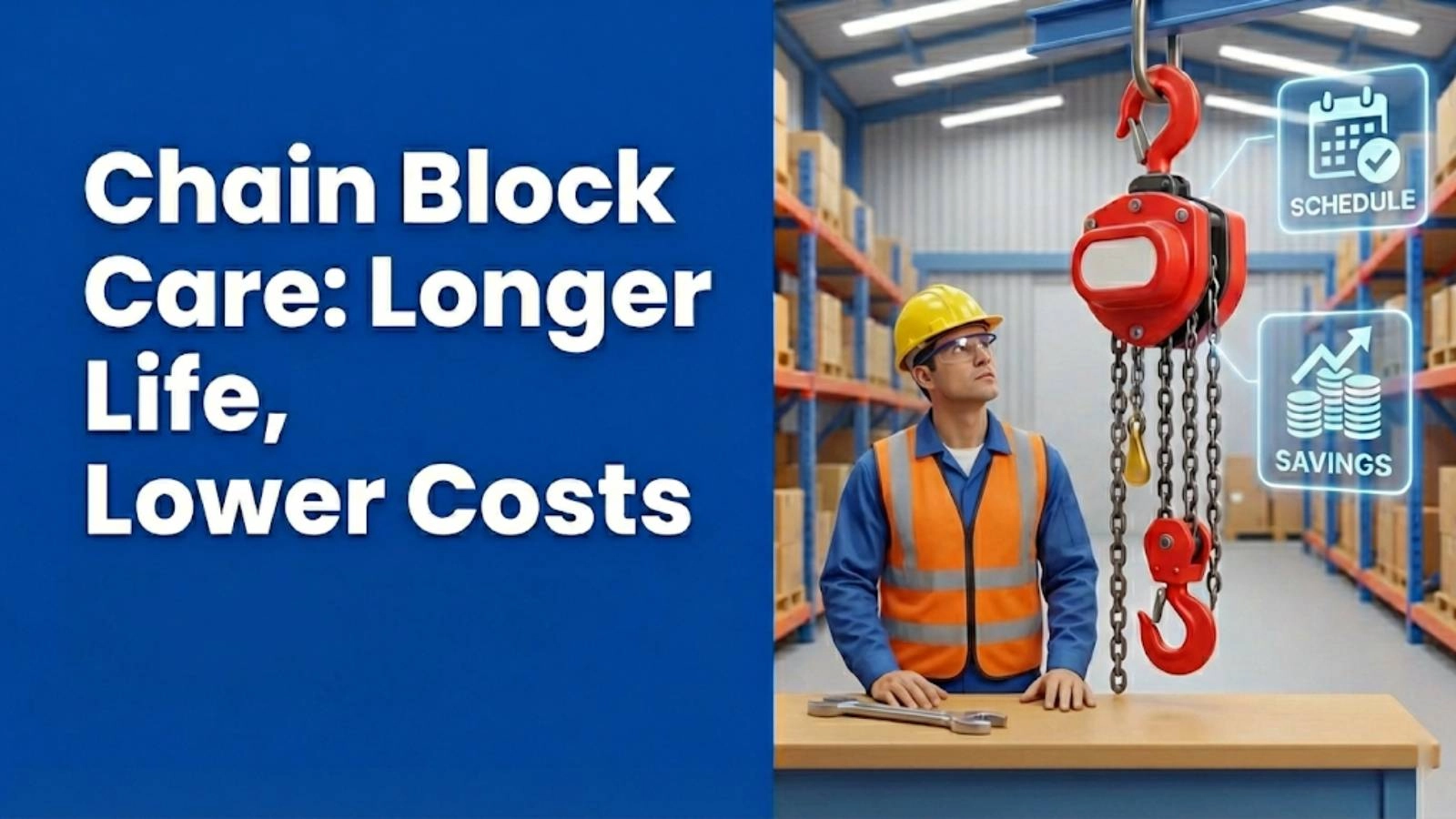
Manual lifting in various industries relies heavily on efficient and safe equipment. The manual chain block stands out as a versatile tool. These devices provide a mechanical advantage. This allows workers to lift heavy loads with significantly less effort. Beyond their primary function, manual chain blocks offer a range of benefits that might not be immediately obvious. Let’s explore these unexpected advantages and see how they can improve your operations.
1. Enhanced Portability and Versatility
✅ One of the most significant advantages of a manual chain block is its portability. Unlike larger, stationary lifting systems, these blocks can be easily transported and set up in various locations. This makes them invaluable for tasks that require lifting in different environments.
1.1. Adaptability to Diverse Environments
Manual chain blocks excel in environments lacking power sources or with limited accessibility. Imagine a construction site without readily available electricity. A manual chain block can still operate efficiently. This adaptability makes them ideal for remote job sites or emergency situations where power is unreliable. The ability to function independently of electrical grids enhances their utility across various industries.
1.2. Lightweight Design for Easy Transportation
Their compact and relatively lightweight design makes them ideal for on-the-go use. You can easily carry a manual chain block in a service vehicle, move it between workstations, or store it in a small space. This ease of transportation reduces setup time and allows for quick deployment whenever and wherever a lifting task arises. This contrasts sharply with heavier, more cumbersome lifting equipment.
1.3. Applications in Remote Locations
Discuss use cases in fields such as forestry, mining, and field maintenance. In forestry, workers might need to lift fallen trees or equipment in dense, wooded areas. Mining operations often require heavy load lifting in underground or remote sites. Field maintenance crews rely on portable lifting equipment to repair machinery in isolated locations. A manual chain block offers a reliable and efficient solution in these challenging environments.
1.4. Benefit: On-site flexibility for immediate lifting needs.
With a manual chain block, you’re not tethered to a power outlet or a fixed location. This translates to unparalleled on-site flexibility. Whether it’s a quick repair, an unexpected adjustment, or a one-time heavy lifting task, the manual chain block is ready to go. This immediacy can significantly reduce downtime and improve overall productivity.
2. Cost-Effective Lifting Solution
✅ Manual chain blocks represent a cost-effective alternative to more complex and expensive lifting systems. Their affordability extends beyond the initial purchase price, encompassing reduced maintenance and operational costs. This makes them a practical choice for businesses of all sizes.
2.1. Lower Initial Investment
Compared to electric hoists or cranes, manual chain blocks offer a significantly lower upfront cost. This makes them accessible to smaller businesses or departments with limited budgets. The savings on initial investment can be redirected to other essential areas of operation. This is especially true for companies who need crane alternatives.
2.2. Reduced Maintenance Requirements
Fewer moving parts translate to simpler and less frequent maintenance. Unlike electric hoists, which require regular inspections and complex repairs, manual chain blocks have a simpler design. This reduces the likelihood of breakdowns and minimizes maintenance costs. Simple chain block maintenance is critical for their longevity.
2.3. Elimination of Electricity Costs
No electricity consumption results in ongoing savings. This not only reduces operational expenses but also contributes to a more sustainable and environmentally friendly operation. In many of our projects here in Riyadh, we are keen to reduce energy usage and carbon footprint. A manual chain block aligns perfectly with these goals.
2.4. Benefit: Long-term savings with minimal operational expenses.
The combination of lower initial costs, reduced maintenance, and zero electricity consumption makes the manual chain block a smart financial choice. Over the lifespan of the equipment, these savings can be substantial, contributing to improved profitability and a better return on investment.
3. Improved Safety and Control
✅ Safety is paramount in any lifting operation. Manual chain blocks offer enhanced control and reduced risk compared to some powered alternatives. This makes them a safer option, especially in situations where precision and operator awareness are crucial.
3.1. Precise Load Control
Manual operation allows for fine-tuned control over lifting and lowering speeds. This level of control is particularly important when handling delicate or sensitive materials. Operators can make small adjustments with ease, minimizing the risk of damage or accidents.
3.2. Reduced Risk of Electrical Hazards
Eliminating electrical components minimizes the risk of shocks and short circuits. This is a significant safety advantage, particularly in wet or humid environments. By removing the potential for electrical hazards, manual chain blocks create a safer working environment for everyone involved.
3.3. Enhanced Operator Awareness
Direct engagement with the lifting process promotes greater operator awareness and caution. Unlike automated systems, manual operation requires the operator to be fully engaged and attentive. This heightened awareness reduces the likelihood of errors and promotes safer lifting practices.
3.4. Benefit: Safer lifting operations with increased control and reduced hazards.
The improved safety and control offered by manual chain blocks contribute to a more secure working environment. The ability to precisely control the load, the absence of electrical hazards, and the enhanced operator awareness all work together to minimize risks and prevent accidents.
4. The Mechanics of Mechanical Advantage
✅ A manual chain block is fundamentally a simple but ingenious application of mechanical advantage. It uses a system of gears and pulleys to multiply the force applied by the operator. This allows for the lifting of loads that would otherwise be impossible to move manually.
4.1. Understanding Gear Ratios
Explain how gear ratios within the chain block system multiply the applied force. The gear ratio determines how much the force is multiplied. A higher gear ratio means less force is required to lift a given load, but it also means more chain must be pulled. Understanding gear ratios is crucial for selecting the right chain block for a specific task.
4.2. Calculating Lifting Capacity
Detail the relationship between input force, gear ratio, and maximum lifting capacity. The maximum load lifting capacity is determined by the gear ratio and the strength of the components. Always ensure that the weight of the load does not exceed the rated capacity of the chain hoist. Failing to do so can result in equipment failure and serious injury.
4.3. Examples of Mechanical Advantage in Action
Provide practical examples of how a small force can lift a heavy load. For instance, a manual chain block with a 20:1 gear ratio allows an operator to lift a 2,000-pound load by applying only 100 pounds of force to the hand chain. This mechanical advantage is what makes these devices so useful for heavy lifting.
5. Choosing the Right Chain Block
✅ Selecting the appropriate manual chain block is essential for ensuring safe and efficient lifting operations. Factors such as load capacity, chain material, and lifting height must be carefully considered to match the specific requirements of the task.
5.1. Determining Load Capacity Requirements
Emphasize the importance of accurately assessing the weight of loads. Always overestimate the weight of the load rather than underestimate it. Exceeding the rated capacity of the chain hoist is extremely dangerous and can lead to catastrophic failure. Inaccurate load lifting estimates are a major cause of accidents.
5.2. Selecting Chain Material and Grade
Discuss the properties of different chain materials and their suitability for various applications. Chains are typically made of steel, but different grades of steel offer varying levels of strength and resistance to wear. For demanding applications, high-grade alloy steel chains are recommended. Regular inspection of the chain hoist is critical, no matter the grade.
5.3. Evaluating Lifting Height and Reach
Consider the vertical distance and horizontal reach needed for specific tasks. The length of the chain determines the maximum lifting height. Ensure that the chain is long enough to accommodate the task at hand. Also, consider any obstructions that might limit horizontal reach.
6. Safe Operating Procedures
✅ Operating a manual chain block safely requires adherence to established procedures and best practices. This includes pre-use inspections, proper lifting techniques, and awareness of potential hazards. Following these guidelines is crucial for preventing accidents and ensuring the well-being of workers.
6.1. Pre-Use Inspection Checklist
Outline the critical components to inspect before each use, including chain condition, hooks, and brakes. Before each use, inspect the chain for signs of wear, damage, or corrosion. Check the hooks for cracks or deformation. Ensure that the brake mechanism is functioning properly. A thorough inspection can identify potential problems before they lead to accidents.
6.2. Proper Lifting Techniques
Describe the correct procedures for attaching loads, applying force, and maintaining stability. Always attach the load securely to the hook using appropriate slings or shackles. Apply force smoothly and evenly to the hand chain. Avoid sudden jerks or stops. Maintain a stable stance and keep your body clear of the load path. These techniques are essential for safe load lifting.
6.3. Avoiding Overloading
Highlight the dangers of exceeding the rated capacity and the consequences of doing so. Overloading a chain hoist can lead to chain breakage, hook failure, or brake malfunction. These failures can result in dropped loads, equipment damage, and serious injuries. Always stay within the safe working load limit.
7. Chain Block Maintenance and Care
✅ Regular maintenance and proper care are essential for extending the lifespan and ensuring the safe operation of a manual chain block. This includes lubrication, cleaning, chain inspection, and proper storage. A well-maintained chain block will provide years of reliable service.
7.1. Lubrication and Cleaning
Explain the importance of regular lubrication to prevent wear and corrosion. Lubricate the chain and other moving parts regularly with a suitable lubricant. This reduces friction and prevents wear. Clean the chain block periodically to remove dirt, grime, and other contaminants.
7.2. Chain Inspection and Replacement
Detail the criteria for identifying worn or damaged chains that need replacement. Inspect the chain regularly for signs of wear, stretching, or damage. Replace the chain immediately if any of the following conditions are present: cracks, nicks, gouges, excessive wear, or deformation.
7.3. Proper Storage Techniques
Describe the best practices for storing chain blocks to protect them from environmental damage. Store the chain hoist in a dry, clean environment. Protect it from exposure to moisture, chemicals, and extreme temperatures. Hanging the chain block from a hook or suspending it in a cabinet can help prevent damage and prolong its life.
8. Common Chain Block Applications
✅ Manual chain blocks find widespread use across various industries due to their versatility, portability, and cost-effectiveness. From automotive repair to construction and manufacturing, these devices provide a reliable solution for a wide range of lifting tasks.
8.1. Automotive Repair and Maintenance
Lifting engines, transmissions, and other heavy components. Mechanics use manual chain blocks to lift engines, transmissions, and other heavy components during repairs and maintenance. The precise control offered by these devices is particularly valuable when working on delicate or intricate machinery.
8.2. Construction and Infrastructure Projects
Positioning materials, erecting structures, and performing maintenance. Construction workers use chain blocks to position materials, erect structures, and perform maintenance on equipment. Their portability allows them to be used in various locations on a construction site. This makes them a valuable tool for any construction project.
8.3. Manufacturing and Assembly Lines
Moving parts, assembling products, and loading/unloading materials. Manufacturing facilities rely on chain blocks to move parts, assemble products, and load/unload materials. Their ease of use and low maintenance requirements make them well-suited for the demands of a manufacturing environment.
9. Comparing Manual Chain Blocks to Other Lifting Devices
✅ While manual chain blocks offer numerous advantages, it’s important to understand their limitations and compare them to other lifting devices. Electric hoists, lever hoists, and cranes all have their own strengths and weaknesses. The best choice depends on the specific requirements of the lifting task.
9.1. Manual Chain Blocks vs. Electric Hoists
Discuss the trade-offs between portability, cost, and lifting speed. Electric hoists offer faster lifting speeds and require less physical effort than manual chain blocks. However, they are more expensive, less portable, and require a power source. Manual chain blocks are a better choice for applications where portability, cost, and control are more important than speed.
9.2. Manual Chain Blocks vs. Lever Hoists
Compare the suitability of each device for different types of lifting tasks. Lever hoists are similar to chain blocks, but they use a lever instead of a hand chain. Lever hoists are typically used for horizontal pulling or tensioning applications. Manual chain blocks are better suited for vertical load lifting.
9.3. Manual Chain Blocks vs. Cranes
Contrast the versatility and lifting capacity of chain blocks with those of larger cranes. Cranes offer much higher lifting capacities and greater reach than manual chain blocks. However, they are also much larger, more expensive, and less portable. Chain blocks are a good choice for applications where a crane is not practical or necessary.
10. The Future of Manual Lifting Equipment
✅ Despite advancements in powered lifting equipment, manual chain blocks are likely to remain a valuable tool for many applications. Innovations in design, materials, and safety features will continue to enhance their performance and usability.
10.1. Innovations in Chain Block Design
Discuss advancements in materials, ergonomics, and safety features. Manufacturers are constantly developing new and improved chain block designs. These include lighter materials, ergonomic handles, and enhanced safety features. These innovations will make manual chain blocks even more efficient and user-friendly.
10.2. Integration with Smart Technologies
Explore the potential for incorporating sensors and data analytics to improve performance and safety. The integration of sensors and data analytics could provide valuable information about chain block performance and usage. This information could be used to optimize maintenance schedules, identify potential problems, and improve safety.
10.3. The Continued Relevance of Manual Solutions
Argue that manual chain blocks will remain a valuable tool for specific applications, despite advancements in powered lifting equipment. While powered lifting equipment offers speed and convenience, manual chain blocks provide portability, cost-effectiveness, and precise control. These advantages will ensure their continued relevance in various industries.
11. Case Studies: Real-World Examples
✅ Examining real-world examples of how manual chain blocks are used in different industries can illustrate their practical benefits and versatility. These case studies highlight the advantages of chain blocks in terms of efficiency, safety, and cost-effectiveness.
11.1. Optimizing Maintenance in a Remote Mining Operation
Describe how manual chain blocks improved efficiency and safety in a mining environment. A remote mining operation used manual chain blocks to perform maintenance on heavy equipment in underground locations where electricity was unavailable. This improved efficiency and reduced downtime.
11.2. Enhancing Safety in a Construction Site
Illustrate how chain blocks reduced the risk of accidents during critical lifting tasks. A construction site used manual chain blocks to lift and position heavy materials, reducing the risk of accidents and injuries. The precise control offered by the manual chain block allowed workers to safely maneuver loads in tight spaces.
11.3. Increasing Productivity in a Manufacturing Facility
Show how chain blocks streamlined assembly processes and reduced downtime. A manufacturing facility used manual chain blocks to streamline assembly processes, reducing downtime and increasing productivity. The portable lifting capability of the chain blocks allowed workers to quickly move parts and materials to different workstations.
12. Troubleshooting Common Chain Block Problems
✅ Even with proper maintenance and care, manual chain blocks can sometimes experience problems. Knowing how to troubleshoot these common issues can help you quickly resolve them and minimize downtime.
12.1. Chain Binding or Jamming
Identify the causes of chain binding and provide solutions. Chain binding or jamming can be caused by dirt, corrosion, or a damaged chain. Clean and lubricate the chain. Inspect the chain for damage and replace it if necessary. Ensure that the chain is properly aligned in the chain block.
12.2. Slipping or Jerky Movement
Explain the possible causes of slipping and how to correct them. Slipping or jerky movement can be caused by a worn or contaminated brake mechanism. Clean the brake mechanism and replace worn brake pads. Ensure that the brake is properly adjusted.
12.3. Difficulty Applying Force
Discuss factors that can increase the effort required to lift a load. Difficulty applying force can be caused by a lack of lubrication, a damaged chain, or an overloaded chain block. Lubricate the chain and other moving parts. Inspect the chain for damage and replace it if necessary. Ensure that the load does not exceed the rated capacity of the chain block.
Conclusion
From enhanced portability and cost-effectiveness to improved safety and control, the benefits of a manual chain block extend far beyond simple load lifting. By understanding these advantages and following best practices for operation and maintenance, you can maximize the value and lifespan of your lifting equipment. At Safe and Secure Trading Company, we’re committed to providing our clients with the best tools and knowledge to ensure safe and efficient operations. For many of our clients here in Dammam, we’ve seen that incorporating manual chain blocks into their workflow has significantly improved productivity and safety. We are confident that a manual chain block will remain a valuable asset for years to come.
FAQ Section
Q: What is the maximum load capacity of a manual chain block?
A: The maximum load capacity varies depending on the specific model. It’s crucial to always check the manufacturer’s specifications and never exceed the rated capacity.
Q: How often should I inspect my manual chain block?
A: We recommend inspecting your chain block before each use and performing a more thorough inspection at least every three months, or more frequently if used heavily.
Q: Can I use a manual chain block in wet or humid environments?
A: Yes, but it’s essential to ensure that the chain block is properly lubricated and protected from corrosion. Regular cleaning and maintenance are particularly important in these conditions.
Q: What type of lubricant should I use on my manual chain block?
A: Use a high-quality lubricant specifically designed for chains and gears. Consult the manufacturer’s recommendations for the best lubricant for your specific model.
Q: How do I store my manual chain block when it’s not in use?
A: Store the chain block in a dry, clean environment away from moisture, chemicals, and extreme temperatures. Hanging it from a hook or suspending it in a cabinet can help prevent damage.
Q: What are some common signs that my manual chain block needs repair?
A: Common signs include chain binding, slipping or jerky movement, difficulty applying force, and visible damage to the chain or hooks. If you notice any of these issues, discontinue use and have the chain block inspected by a qualified technician.
Q: What is the difference between a manual chain block and a lever hoist?
A: A manual chain block uses a hand chain to lift loads vertically, while a lever hoist uses a lever to pull or tension loads horizontally. Lever hoists are also generally used for shorter distances than chain blocks.
Q: Are manual chain blocks suitable for all types of lifting tasks?
A: Manual chain blocks are well-suited for a wide range of lifting tasks, but they are not ideal for extremely heavy loads or applications that require high lifting speeds. Consider using an electric hoist or crane for these types of tasks.
Q: How do I choose the right size manual chain block for my needs?
A: Determine the weight of the heaviest load you will be lifting and select a chain block with a rated capacity that exceeds that weight. Also, consider the lifting height and reach required for your specific tasks.
Q: What are some safety precautions I should take when using a manual chain block?
A: Always inspect the chain block before each use, use proper lifting techniques, avoid overloading, wear appropriate personal protective equipment, and keep your body clear of the load path.