Ergonomic Material Handling: Safer Workplaces
Ergonomic material handling is essential for creating safer and more efficient workplaces. By focusing on fitting the job to the worker, rather than forcing the worker to fit the job, companies can significantly reduce the risk of injuries and improve overall productivity. This approach not only benefits employees but also contributes to a more positive and sustainable work environment.
1. Introduction to Ergonomic Material Handling
1.1 What is Ergonomic Material Handling?
Ergonomic material handling is the practice of designing and arranging workplace tasks, equipment, and environments to best fit the human body’s capabilities and limitations. The core principle is to reduce physical stress and fatigue on workers, thereby minimizing the risk of musculoskeletal disorders (MSDs) and other injuries. This involves assessing how materials are moved, lifted, carried, and positioned, and then implementing changes that make these tasks safer and more comfortable. Ergonomic design considers factors like posture, force, repetition, and environmental conditions to create a workspace that supports worker well-being and efficiency.
1.2 Why is Ergonomic Material Handling Important?
Ergonomic material handling is vital because it directly impacts employee health, productivity, and morale. Implementing ergonomic solutions reduces the incidence of workplace injuries, particularly MSDs, which are a leading cause of lost workdays and workers’ compensation claims. Improved ergonomics can boost productivity by minimizing physical strain and allowing workers to perform tasks more efficiently. Moreover, ergonomic material handling demonstrates a company’s commitment to employee well-being, fostering a positive work environment and increasing job satisfaction. Studies show that companies investing in ergonomics can see up to a 25% reduction in injury rates and a corresponding increase in productivity.
1.3 Common Injuries in Material Handling
Common injuries in material handling include back strains, sprains, carpal tunnel syndrome, and other musculoskeletal disorders (MSDs). Back strains often occur when workers lift heavy objects improperly, twist while lifting, or maintain awkward postures. Sprains can result from sudden movements or overexertion, particularly in the wrists, ankles, and shoulders. Carpal tunnel syndrome is a repetitive stress injury affecting the wrist and hand, often caused by repetitive motions or prolonged use of vibrating tools. These injuries not only cause pain and discomfort but also lead to lost work time, reduced productivity, and increased healthcare costs. Proper ergonomic practices are crucial in preventing these common injuries.
2. ✅ Tip 1: Implementing Adjustable Workstations
2.1 Benefits of Adjustable Workstations
Adjustable workstations offer numerous benefits by reducing strain and fatigue on workers. These stations allow employees to customize their working environment to match their individual body sizes and work preferences. By adjusting the height of desks, chairs, and equipment, workers can maintain a neutral posture, reducing the risk of musculoskeletal disorders. Adjustable workstations also promote comfort, which can lead to increased focus and productivity. This flexibility accommodates different tasks and working styles, ultimately enhancing the overall work experience and well-being of employees.
2.2 Types of Adjustable Workstations
There are several types of adjustable workstations designed to meet various needs. Sit-stand desks allow workers to alternate between sitting and standing positions throughout the day, promoting better circulation and reducing sedentary behavior. Height-adjustable conveyors can be raised or lowered to accommodate different product sizes and worker heights, minimizing the need for bending or reaching. Mobile workstations, equipped with adjustable components and wheels, provide flexibility to move tasks and equipment to different locations as needed. Each type of adjustable workstation offers unique benefits for improving ergonomics in the workplace.
2.3 How to Choose the Right Workstation
Choosing the right adjustable workstation requires careful consideration of specific tasks and employee needs. Evaluate the types of tasks performed at the workstation and identify potential ergonomic risks. Consider the weight capacity of the workstation to ensure it can safely support equipment and materials. Check the adjustability range to accommodate workers of different heights and body sizes. Ease of use is also crucial; the workstation should be simple to adjust and maintain. Engaging employees in the selection process can also help ensure that the chosen workstation meets their individual needs and preferences. For many of our clients here in Dammam, we’ve found this collaborative approach yields the best results.
2.4 Setup and Training
Proper setup and training are essential for maximizing the benefits of adjustable workstations. Begin by ensuring the workstation is assembled correctly and that all components are functioning properly. Provide employees with comprehensive training on how to adjust the workstation to achieve optimal comfort and efficiency. Emphasize the importance of maintaining a neutral posture, using proper lifting techniques, and taking regular breaks to stretch and move around. Regular follow-up and feedback can help reinforce proper workstation use and address any issues or concerns. We at Safe and Secure Trading Company always advise our clients that this training is critical.
3. 💡 Tip 2: Utilizing Lifting and Handling Equipment
3.1 Importance of Lifting Equipment
Lifting equipment plays a crucial role in reducing the risk of back injuries and other strains associated with manual handling. These tools help to minimize the physical demands of lifting, carrying, and moving heavy objects, thereby protecting workers from overexertion and musculoskeletal disorders. By using the right lifting equipment for the task, companies can significantly reduce the incidence of workplace injuries and improve overall safety. Implementing lifting equipment is a proactive approach to safeguarding employee health and promoting a safer work environment.
3.2 Types of Lifting Equipment
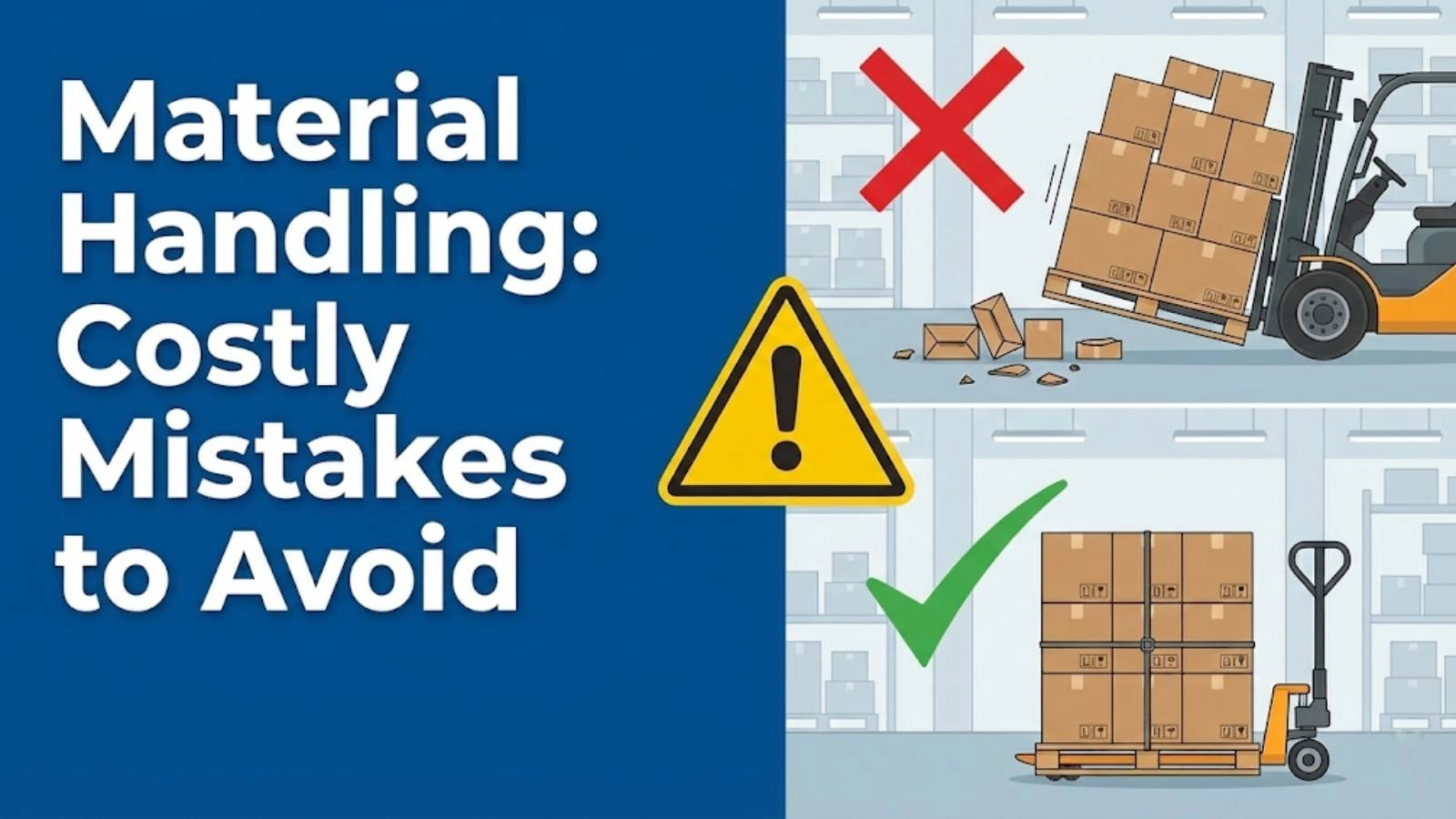
Various types of lifting equipment are available to address different material handling needs. Pallet jacks are used for moving pallets of goods, reducing the need for manual lifting and carrying. Forklifts provide a more powerful solution for lifting and transporting heavy loads over longer distances. Cranes are ideal for lifting extremely heavy objects, such as machinery or construction materials, and can be stationary or mobile. Vacuum lifters use suction to lift and move items, particularly those with smooth surfaces, reducing the risk of dropped objects and worker strain. Each type of lifting equipment is designed for specific applications, making it essential to select the appropriate equipment for the task.
3.3 Proper Lifting Techniques
Even when using lifting equipment, proper lifting techniques are essential to prevent injuries. Always maintain a neutral spine, keeping your back straight and avoiding twisting. Use your leg muscles to lift, rather than your back, by bending at the knees and keeping the load close to your body. Avoid lifting objects that are too heavy or awkward, and ask for assistance when needed. When placing an object down, follow the same principles, maintaining a straight back and bending at the knees. Regular training and reinforcement of proper lifting techniques can help prevent injuries and promote safe material handling practices.
3.4 Maintenance and Inspection
Regular maintenance and inspection of lifting equipment are crucial for ensuring its safe and reliable operation. Before each use, inspect the equipment for any signs of damage or wear, such as frayed cables, cracked welds, or leaking fluids. Check that all safety devices, such as brakes and alarms, are functioning properly. Follow the manufacturer’s recommendations for routine maintenance, including lubrication, adjustments, and component replacements. Keep a detailed record of all inspections and maintenance activities to track the equipment’s condition and ensure compliance with safety regulations.
4. ➡️ Tip 3: Optimizing Work Area Layout
4.1 Importance of Work Area Layout
A well-designed work area layout is vital for reducing unnecessary movements and strain, thereby improving ergonomics in material handling. An optimized layout minimizes the need for reaching, bending, and twisting, which are common causes of musculoskeletal disorders. By strategically arranging workstations, equipment, and materials, companies can create a more efficient and comfortable working environment. A thoughtful layout not only reduces the risk of injuries but also enhances productivity and workflow.
4.2 Principles of Ergonomic Layout
Several principles guide the creation of an ergonomic work area layout. Place frequently used items within easy reach, minimizing the need for workers to stretch or strain. Reduce travel distances between workstations to minimize wasted time and physical exertion. Ensure adequate space for movement, allowing workers to perform tasks without feeling cramped or restricted. Arrange equipment and materials in a logical sequence, following the natural flow of work. Consider the height and orientation of workstations to promote a neutral posture and reduce the risk of repetitive strain injuries.
4.3 Implementing Lean Principles
Lean principles, such as 5S (Sort, Set in order, Shine, Standardize, Sustain), can significantly improve work area organization and efficiency. Sorting involves removing unnecessary items from the work area, reducing clutter and freeing up space. Setting in order means arranging items in a logical and accessible manner, so they are easy to find and use. Shining involves cleaning and maintaining the work area, ensuring a safe and pleasant environment. Standardizing involves establishing consistent procedures and practices to maintain organization and efficiency. Sustaining involves making 5S a regular part of the work routine, ensuring long-term improvements.
4.4 Visual Management
Visual management involves using visual cues, such as color-coded labels and signage, to improve workflow and reduce errors. Color-coded labels can help workers quickly identify and locate materials, reducing the risk of confusion and delays. Signage can provide clear instructions and warnings, promoting safe work practices. Visual aids, such as diagrams and charts, can help workers understand processes and procedures. By implementing visual management techniques, companies can create a more intuitive and efficient work environment, reducing the risk of errors and improving overall productivity. We see this working extremely well for our clients in the manufacturing sector.
5. Incorporating Assistive Devices
5.1 Understanding Assistive Devices
Assistive devices are tools and equipment designed to reduce physical strain and support workers in performing tasks more easily and safely. These devices help to minimize the physical demands of lifting, carrying, and manipulating materials, thereby reducing the risk of musculoskeletal disorders. Assistive devices can range from simple hand tools to sophisticated robotic systems, each designed to address specific ergonomic challenges in material handling. By incorporating assistive devices into the workplace, companies can enhance worker safety, improve productivity, and promote a more comfortable and sustainable work environment.
5.2 Examples of Assistive Devices
Several types of assistive devices are commonly used in material handling. Exoskeletons are wearable devices that provide support and reduce strain on the back, shoulders, and legs, enabling workers to lift heavier objects with less effort. Tool balancers suspend tools, reducing the weight and strain on workers’ arms and hands during repetitive tasks. Specialized carts and dollies are designed to move materials with minimal effort, reducing the risk of back injuries and other strains. Each assistive device offers unique benefits for improving ergonomics and reducing physical demands in the workplace.
5.3 Evaluating the Need for Assistive Devices
Assessing workplace tasks is essential for identifying situations where assistive devices would be most beneficial. Consider tasks that involve repetitive motions, heavy lifting, awkward postures, or prolonged standing. Evaluate the physical demands of each task and identify potential ergonomic risks. Gather feedback from workers to understand their experiences and concerns. Conduct a risk assessment to identify areas where assistive devices could significantly reduce the risk of injuries and improve overall safety. This proactive approach ensures that assistive devices are implemented where they can provide the greatest benefit.
5.4 Integration and Training
Integrating assistive devices into the workflow requires careful planning and thorough training. Begin by selecting the appropriate device for the specific task and work environment. Provide employees with comprehensive training on how to use the device safely and effectively. Emphasize the importance of proper usage and maintenance to ensure the device’s longevity and performance. Monitor employee feedback and make adjustments to the workflow as needed to optimize the device’s integration. Regular follow-up and reinforcement can help ensure that assistive devices are used correctly and contribute to a safer and more productive work environment.
6. Risk Assessment and Training Programs
6.1 Conducting a Risk Assessment
A thorough risk assessment is essential for identifying potential ergonomic hazards in the workplace. Begin by observing workers performing their tasks, noting any awkward postures, repetitive motions, or heavy lifting. Conduct employee interviews to gather feedback on their experiences and concerns. Analyze data on injury rates and workers’ compensation claims to identify areas where ergonomic improvements are needed. Use checklists and assessment tools to systematically evaluate the workplace for ergonomic risks. This comprehensive approach helps to identify and prioritize ergonomic hazards, enabling companies to develop targeted solutions.
6.2 Developing a Training Program
An effective ergonomic training program should cover key topics, such as proper lifting techniques, workstation setup, and the use of assistive devices. Provide employees with hands-on training and demonstrations to reinforce proper techniques. Use visual aids, such as videos and diagrams, to illustrate ergonomic principles. Incorporate interactive exercises and simulations to engage employees and promote active learning. Customize the training program to address the specific ergonomic risks in the workplace. Regular refresher courses can help reinforce proper techniques and keep employees up-to-date on best practices.
6.3 Employee Involvement
Involving employees in the risk assessment and training process is crucial for creating a successful ergonomic program. Encourage employees to provide feedback on potential ergonomic hazards and suggest solutions. Include employees in the development of ergonomic training materials and activities. Recognize and reward employees for their contributions to ergonomic improvements. By empowering employees to take an active role in ergonomics, companies can foster a culture of safety and continuous improvement.
6.4 Regular Program Evaluation
Regular evaluation and updates are essential for ensuring the long-term effectiveness of the ergonomic program. Track injury rates, workers’ compensation claims, and employee satisfaction to measure the program’s impact. Conduct regular workplace inspections to identify any new or emerging ergonomic hazards. Solicit feedback from employees on the effectiveness of the program and identify areas for improvement. Update the training program to reflect new best practices and address any identified gaps. This continuous improvement cycle ensures that the ergonomic program remains relevant and effective over time.
7. Choosing the Right Equipment Supplier
7.1 Importance of Supplier Selection
Selecting the right equipment supplier is critical for the successful implementation of ergonomic solutions. The supplier should offer high-quality, reliable equipment that meets the specific needs of the workplace. A good supplier should also provide excellent customer service, including technical support, training, and maintenance. Choosing a reputable supplier can help ensure that the ergonomic equipment is effective, durable, and safe to use.
7.2 Factors to Consider
Consider several factors when choosing an ergonomic equipment supplier. Evaluate the quality and durability of the supplier’s products. Check the supplier’s warranty and return policies. Inquire about the supplier’s customer service and technical support capabilities. Consider the supplier’s customization options to ensure that the equipment meets the specific needs of the workplace. Compare prices from different suppliers to ensure that you are getting the best value for your money.
7.3 Evaluating Supplier Credentials
Evaluate the supplier’s credentials, including certifications, industry experience, and customer testimonials. Check if the supplier has any certifications related to ergonomics or safety. Inquire about the supplier’s experience in providing ergonomic solutions to similar companies. Read customer testimonials and reviews to get an idea of the supplier’s reputation. Contact the supplier’s references to ask about their experience working with the supplier.
7.4 Long-Term Partnership
Establishing a long-term partnership with a trusted equipment supplier can provide numerous benefits. A long-term partner can provide ongoing support, maintenance, and training. They can also help identify new ergonomic solutions and technologies that can benefit the workplace. A strong partnership can also lead to better pricing and service. By building a long-term relationship with a reliable supplier, companies can ensure that they have access to the best ergonomic equipment and support for years to come.
8. Monitoring and Evaluating Ergonomic Improvements
8.1 Setting Measurable Goals
Setting measurable goals is essential for tracking the progress of ergonomic improvements. These goals should be specific, measurable, achievable, relevant, and time-bound (SMART). Examples of measurable goals include reducing injury rates by a certain percentage, increasing employee satisfaction scores, and improving productivity levels. By setting clear and measurable goals, companies can track their progress and determine the effectiveness of their ergonomic interventions.
8.2 Data Collection Methods
Various methods can be used to collect data on ergonomic improvements. Incident reports can provide valuable information on the types and causes of workplace injuries. Employee surveys can gauge employee satisfaction and identify potential ergonomic concerns. Observational studies can provide insights into work practices and identify areas where improvements are needed. Data on productivity levels can be used to assess the impact of ergonomic interventions on efficiency.
8.3 Analyzing Results
Analyzing the collected data is crucial for identifying trends and patterns. Look for any significant changes in injury rates, employee satisfaction, or productivity levels. Identify areas where improvements have been successful and areas where further action is needed. Use statistical analysis to determine the significance of the results. Share the results with employees and management to inform future ergonomic initiatives.
8.4 Continuous Improvement
Continuous improvement is essential for maintaining the effectiveness of the ergonomic program. Regularly monitor and evaluate the program to identify areas for improvement. Solicit feedback from employees on the program’s strengths and weaknesses. Make adjustments to the program based on the data and feedback. Implement new ergonomic solutions and technologies as they become available. By embracing a culture of continuous improvement, companies can ensure that their ergonomic program remains effective and up-to-date.
9. The Role of Management Support
9.1 Securing Management Buy-In
Securing management buy-in is crucial for the success of any ergonomic initiative. Demonstrate the benefits of ergonomics to the bottom line by highlighting the potential for reduced injury rates, improved productivity, and decreased workers’ compensation costs. Present a clear and compelling business case that outlines the costs and benefits of investing in ergonomics. Engage management in the risk assessment and training process to demonstrate the importance of ergonomics. By securing management buy-in, companies can ensure that they have the resources and support needed to implement effective ergonomic solutions.
9.2 Creating a Supportive Culture
Creating a supportive culture that values employee health and safety is essential for fostering a successful ergonomic program. Encourage open communication and feedback on ergonomic issues. Promote a culture of teamwork and collaboration in addressing ergonomic challenges. Recognize and reward employees for their contributions to ergonomic improvements. By creating a supportive culture, companies can empower employees to take ownership of their health and safety.
9.3 Providing Resources and Support
Management needs to provide adequate resources and support for ergonomic initiatives, including funding for training, equipment, and consulting services. Ensure that employees have access to the necessary tools and equipment to perform their jobs safely and efficiently. Provide ongoing training and support to help employees understand and implement ergonomic principles. Support employee-led initiatives to improve ergonomics in the workplace.
9.4 Recognizing and Rewarding Success
Recognizing and rewarding employees for their contributions to ergonomic improvements can help to reinforce positive behaviors and foster a culture of safety. Publicly acknowledge employees who have made significant contributions to ergonomics. Provide incentives for employees who participate in ergonomic training and initiatives. Celebrate successes and share lessons learned with the entire organization. By recognizing and rewarding success, companies can motivate employees to continue improving ergonomics in the workplace.
10. Case Studies: Successful Ergonomic Implementations
10.1 Real-World Examples
Several companies have successfully implemented ergonomic material handling solutions, resulting in significant improvements in safety, productivity, and employee satisfaction. One example is a manufacturing company that implemented adjustable workstations and lifting equipment, resulting in a 40% reduction in back injuries and a 25% increase in productivity. Another example is a distribution center that optimized its work area layout and implemented visual management techniques, resulting in a 30% reduction in errors and a 20% improvement in efficiency. These case studies demonstrate the tangible benefits of investing in ergonomic solutions.
10.2 Key Strategies
The companies that have successfully implemented ergonomic solutions share several key strategies. They conducted thorough risk assessments to identify potential ergonomic hazards. They involved employees in the development and implementation of ergonomic solutions. They provided comprehensive training on proper lifting techniques, workstation setup, and the use of assistive devices. They monitored and evaluated the effectiveness of their ergonomic interventions. They created a supportive culture that values employee health and safety.
10.3 Quantifiable Results
The quantifiable results achieved by these companies are impressive. Reduced injury rates have led to lower workers’ compensation costs and improved employee morale. Improved productivity has resulted in increased efficiency and profitability. Higher employee satisfaction has led to reduced turnover and improved employee retention. These quantifiable results demonstrate the significant return on investment that can be achieved by investing in ergonomic solutions.
11. Future Trends in Ergonomic Material Handling
11.1 Technological Advancements
Emerging technologies are rapidly transforming the field of ergonomic material handling. Robotics and automation are being used to automate repetitive and physically demanding tasks, reducing the risk of injuries. Wearable sensors are being used to monitor employee posture and movement, providing real-time feedback to prevent ergonomic risks. Virtual reality (VR) and augmented reality (AR) are being used to simulate work environments and train employees on proper ergonomic techniques.
11.2 The Role of AI and Machine Learning
AI and machine learning are being used to optimize material handling processes and reduce ergonomic risks. AI-powered systems can analyze data on work practices and identify potential ergonomic hazards. Machine learning algorithms can be used to predict and prevent injuries based on historical data. AI and machine learning can also be used to optimize work area layouts and equipment placement, minimizing the need for unnecessary movements and strain.
11.3 Focus on Sustainability
There is a growing focus on sustainability in material handling, including the use of eco-friendly materials and energy-efficient equipment. Companies are increasingly adopting sustainable material handling practices to reduce their environmental impact and improve their corporate social responsibility. This includes using recyclable materials, reducing waste, and minimizing energy consumption. Sustainable material handling practices not only benefit the environment but also improve employee health and safety.
12. Conclusion: Prioritizing Ergonomic Material Handling
12.1 Recap of Key Benefits
Ergonomic material handling offers a multitude of benefits, including reduced injuries, improved productivity, increased employee morale, and decreased costs. By prioritizing ergonomics, companies can create a safer, more efficient, and more sustainable work environment. Investing in ergonomic solutions is an investment in employee well-being and the long-term success of the organization.
12.2 Call to Action
Take action today to improve ergonomics in your workplace. Conduct a thorough risk assessment, implement adjustable workstations, provide ergonomic training, and create a supportive culture. By taking these steps, you can create a safer, more efficient, and more productive work environment for your employees.
12.3 SSTC’s Commitment
We at Safe and Secure Trading Company are committed to providing ergonomic solutions and supporting workplace safety. We offer a wide range of ergonomic products and services to help companies create safer and more efficient work environments. Contact us today to learn more about how we can help you improve ergonomics in your workplace.
FAQ Section
Q: What is ergonomics?
A: Ergonomics is the science of designing and arranging workplaces, products, and systems so that they fit the people who use them. It focuses on improving human well-being and performance by optimizing the interaction between people and their environment. The ultimate goal is to reduce stress and eliminate injuries and disorders associated with poor posture, repetitive motions, and other workplace hazards.
Q: Why is ergonomics important in the workplace?
A: Ergonomics is crucial in the workplace because it helps prevent injuries, improves productivity, and enhances employee morale. By implementing ergonomic principles, companies can reduce the risk of musculoskeletal disorders (MSDs), such as back strains, carpal tunnel syndrome, and tendinitis. A comfortable and well-designed workspace allows employees to work more efficiently and with less physical strain, leading to increased productivity. Additionally, when employees feel that their health and well-being are valued, their job satisfaction and morale improve.
Q: What are some common ergonomic hazards in the workplace?
A: Common ergonomic hazards include repetitive motions, awkward postures, excessive force, vibration, and prolonged sitting or standing. Repetitive motions, such as typing or assembly line work, can lead to strain injuries. Awkward postures, like bending, twisting, or reaching, can put stress on the spine and joints. Excessive force, such as lifting heavy objects, can cause muscle strains and back injuries. Vibration from power tools can damage nerves and blood vessels. Prolonged sitting or standing can lead to fatigue, discomfort, and long-term health problems.
Q: How can I assess ergonomic risks in my workplace?
A: To assess ergonomic risks, begin by observing employees as they perform their tasks. Look for signs of discomfort, awkward postures, or repetitive movements. Conduct employee interviews to gather feedback on their experiences and concerns. Use checklists or assessment tools to systematically evaluate workstation setup, equipment design, and workflow processes. Review incident reports and workers’ compensation claims to identify patterns and areas where injuries are occurring. You can also consult with an ergonomics professional for a comprehensive assessment.
Q: What are some examples of ergonomic solutions for the office?
A: Ergonomic solutions for the office include adjustable chairs, sit-stand desks, ergonomic keyboards and mice, monitor arms, and footrests. Adjustable chairs allow employees to customize seat height, back support, and armrest position for optimal comfort. Sit-stand desks enable employees to alternate between sitting and standing throughout the day. Ergonomic keyboards and mice are designed to reduce strain on the wrists and hands. Monitor arms allow employees to position their screens at the correct height and distance. Footrests can help improve posture and reduce leg fatigue.
Q: What are some examples of ergonomic solutions for manual handling?
A: Ergonomic solutions for manual handling include lifting equipment, assistive devices, and proper lifting techniques. Lifting equipment, such as pallet jacks, forklifts, and cranes, reduces the need for manual lifting and carrying. Assistive devices, like exoskeletons and tool balancers, provide support and reduce strain on the body. Proper lifting techniques involve bending at the knees, keeping the back straight, and holding objects close to the body. Training on proper lifting techniques is essential for preventing injuries.
Q: How can I create an ergonomic training program for my employees?
A: To create an ergonomic training program, start by identifying the specific ergonomic risks in your workplace. Develop training materials that cover topics such as proper posture, lifting techniques, workstation setup, and the use of assistive devices. Provide hands-on training and demonstrations to reinforce proper techniques. Use visual aids, such as videos and diagrams, to illustrate ergonomic principles. Encourage employee participation and feedback. Offer regular refresher courses to keep employees up-to-date on best practices.
Q: How can I encourage employee participation in ergonomic programs?
A: Encourage employee participation by involving them in the risk assessment and training process. Solicit their feedback on potential ergonomic hazards and suggest solutions. Recognize and reward employees for their contributions to ergonomic improvements. Create a supportive culture where employees feel comfortable reporting concerns and suggesting ideas. Communicate the benefits of ergonomics and how it can improve their health and well-being. Lead by example and demonstrate your commitment to ergonomics.
Q: What are some key performance indicators (KPIs) for measuring the success of an ergonomic program?
A: Key performance indicators (KPIs) for measuring the success of an ergonomic program include injury rates, workers’ compensation costs, employee satisfaction scores, and productivity levels. Track the number of musculoskeletal disorders (MSDs) and other work-related injuries. Monitor workers’ compensation costs and lost workdays due to injuries. Conduct employee surveys to gauge their satisfaction with the ergonomic program. Measure productivity levels before and after implementing ergonomic interventions.
Q: How can I stay up-to-date on the latest ergonomic best practices?
A: Stay up-to-date by following industry publications, attending conferences, and consulting with ergonomics professionals. Subscribe to newsletters and journals that cover ergonomics and workplace safety. Attend conferences and workshops to learn about the latest research and best practices. Join professional organizations, such as the Human Factors and Ergonomics Society (HFES), to network with other professionals and access resources. Regularly review and update your ergonomic program to reflect new knowledge and technologies. We at Safe and Secure Trading Company are constantly reviewing these best practices for our clients, for example, the best practices in ergonomics in the workplace.
| Ergonomic Solution |
Benefits |
Implementation Tips |
| Adjustable Workstations |
Reduces strain, accommodates different body sizes, improves comfort |
Choose the right type, provide setup training, encourage use |
| Lifting Equipment |
Reduces back injuries, minimizes physical demands, improves safety |
Select appropriate equipment, train on proper use, maintain equipment |
| Optimized Work Area Layout |
Reduces unnecessary movements, minimizes reaching and bending |
Place items within reach, minimize travel distances, ensure adequate space |
| Assistive Devices |
Reduces physical strain, supports workers, improves productivity |
Evaluate need, integrate into workflow, provide thorough training |
| Risk Assessment & Training |
Identifies hazards, educates employees, improves safety culture |
Conduct thorough assessment, develop effective program, involve employees |
“Ergonomics is not just about preventing injuries; it’s about creating a work environment that supports human performance and well-being.” – Dr. Emily Carter, Ergonomics Consultant