The Critical Distinction Between Fall Arrest and Fall Restraint
Understanding the difference between fall arrest and fall restraint systems is crucial for ensuring workplace safety. Both are vital components of a comprehensive fall protection program, but they serve distinct purposes. Many mistakenly assume that all fall protection is the same, which can lead to serious injuries or fatalities.
Understanding Fall Arrest Systems: Stopping a Fall in Progress
A fall arrest system is designed to protect a worker after a fall has occurred. It’s engineered to safely stop a person who has already fallen from a working surface, minimizing the impact forces and preventing contact with lower levels or obstructions. Fall arrest is a critical part of any robust workplace safety plan.
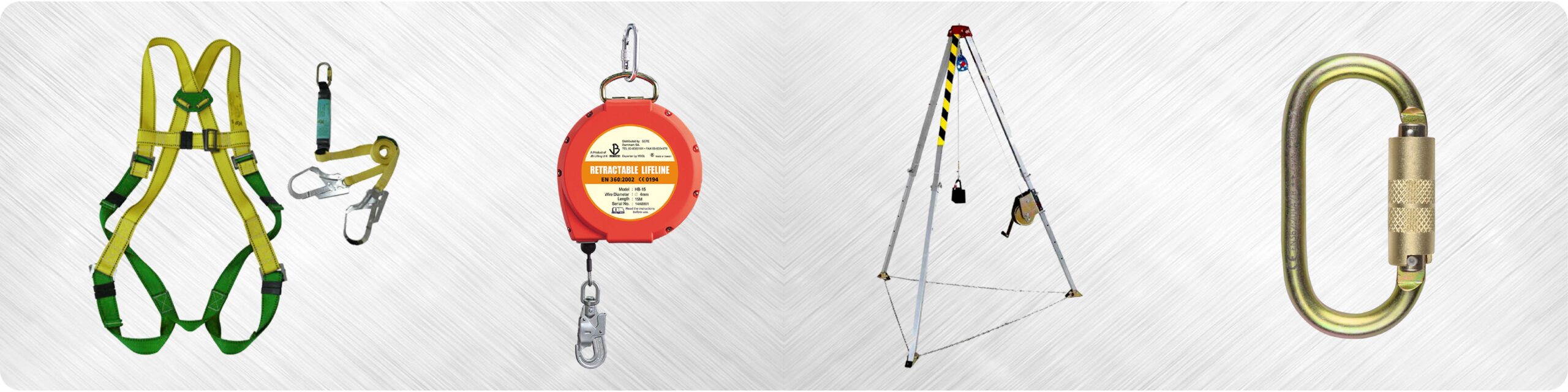
The components of a typical personal fall arrest system (PFAS) include a full-body safety harness, a lanyard or self-retracting lifeline (SRL), and a secure anchorage point. The safety harness distributes the fall forces across the worker’s body, reducing the risk of injury. The lanyard connects the harness to the anchorage, and its energy-absorbing design helps to decelerate the fall. The anchorage must be capable of supporting at least 5,000 pounds per worker, or be designed by a qualified person.
When a fall occurs, the lanyard extends, and the energy absorber activates, gradually slowing the descent and limiting the maximum arresting force (MAF) on the worker. This controlled deceleration minimizes the risk of internal injuries. It is crucial that the entire personal fall arrest system is rated to handle the weight of the user and any tools or equipment they are carrying. Regular inspection of each component is vital.
One common mistake we see among our clients is not calculating the fall distance properly. This can lead to the worker impacting the ground or an object below before the fall arrest system can fully engage. This miscalculation renders the entire system ineffective, turning a potentially survivable fall into a catastrophe. Always account for lanyard length, deceleration distance, harness stretch, and a safety factor when determining the required fall clearance.
Understanding Fall Restraint Systems: Preventing a Fall from Happening
Unlike fall arrest, a fall restraint system is designed to prevent a fall from happening in the first place. It restricts a worker’s movement, preventing them from reaching a location where a fall hazard exists. Fall restraint is a proactive approach to safety, aiming to eliminate the possibility of a fall.
A typical fall restraint system also consists of a safety harness, a lanyard, and an anchorage point. However, in a fall restraint system, the lanyard is shorter than those used in fall arrest systems. The lanyard is specifically chosen to restrict the worker’s range of motion, preventing them from reaching an edge or opening where a fall could occur. The anchorage placement is also crucial, strategically positioned to limit movement towards the hazard.
The primary function of a fall restraint system is to keep the worker within a safe zone. The system must be designed to withstand the forces generated by a worker moving towards the fall hazard. It’s critical that the anchorage point is substantial enough to handle these forces, preventing the worker from exceeding the safe area.
One common mistake is using a fall restraint system in situations where a fall is still possible. For instance, if the lanyard is too long, or if the anchorage is not properly positioned, the worker could still reach the fall hazard. In such cases, a fall arrest system would be more appropriate. Always assess the specific work environment and potential hazards to determine the most suitable type of fall protection.
Key Differences: A Detailed Comparison
The core distinction between fall arrest and fall restraint lies in their primary function: one stops a fall in progress, while the other prevents a fall from occurring altogether. Understanding these key differences is paramount to selecting the correct system for a particular job.
Fall Arrest | Fall Restraint |
—————————————————- | ————————————————– |
Stopping a fall | Preventing a fall |
Longer, designed for fall distance | Shorter, limits movement |
Above worker | Strategically placed to restrict movement |
Requires calculated fall clearance | Minimal fall clearance needed |
Primary Function: Fall Arrest (stopping a fall) vs. Fall Restraint (preventing a fall).
Fall arrest systems are designed as a last line of defense. When a fall occurs, the system is activated to stop the worker’s descent as safely as possible. The system must be carefully designed to minimize the impact forces on the body, reducing the risk of injury. In contrast, fall restraint systems act as a first line of defense. They proactively prevent the worker from reaching a fall hazard, eliminating the need for a fall arrest system.
Lanyard Length: Fall Arrest (longer, designed for fall distance) vs. Fall Restraint (shorter, limits movement).
The lanyard length is a critical difference between the two types of systems. Fall arrest lanyards are longer, allowing for a greater range of motion, but also requiring careful calculation of fall distance. They incorporate energy-absorbing features to reduce the impact forces during a fall. Fall restraint lanyards, on the other hand, are significantly shorter, limiting the worker’s movement and preventing them from reaching the fall hazard.
Anchorage Placement: Fall Arrest (above worker) vs. Fall Restraint (strategically placed to restrict movement).
In a fall arrest system, the anchorage point should ideally be located directly above the worker. This minimizes the swing fall hazard, which can occur when the worker swings like a pendulum after a fall. For fall restraint systems, the anchorage point is strategically placed to limit the worker’s movement in the direction of the fall hazard. The placement must ensure that the worker cannot reach the edge or opening.
Fall Clearance: Fall Arrest (requires calculated fall clearance) vs. Fall Restraint (minimal fall clearance needed).
Fall arrest systems require a calculated fall clearance to ensure that the worker does not strike the ground or any other obstruction during a fall. This calculation must take into account the lanyard length, the deceleration distance of the energy absorber, the height of the worker, and a safety factor. Fall restraint systems, because they prevent a fall, require minimal fall clearance.
A common mistake is using the wrong lanyard length for the application. A lanyard that is too long in a restraint system won’t prevent a fall. A lanyard that is too short in a fall arrest system may not properly arrest the fall.
> “Understanding the specific requirements of your work environment is paramount to selecting the appropriate fall protection system. Don’t compromise on safety; choose the system that best mitigates the risks.” – John Smith, Lead Safety Inspector
Common Mistakes and Misconceptions About Fall Protection
Several common mistakes and misconceptions can compromise the effectiveness of fall protection systems. These errors often stem from a lack of understanding of the equipment or a failure to properly assess the hazards. Here are some of the most frequent issues we encounter:
Mistake #1: Thinking any harness and lanyard provides adequate protection.
Not all harnesses and lanyards are created equal. Different types of equipment are designed for specific applications and weight capacities. Using the wrong equipment can significantly reduce the level of protection. It’s crucial to select equipment that is specifically designed for the task at hand and that meets all relevant safety standards. For many of our clients here in Dammam, we’ve seen that taking the time to select the right tools makes all the difference.
Mistake #2: Neglecting proper inspection of equipment.
Regular inspection of fall protection equipment is essential to ensure its continued effectiveness. Harnesses, lanyards, and anchorages should be inspected before each use for signs of damage, wear, or corrosion. Damaged equipment should be immediately removed from service and replaced. ANSI requires competent person inspection at least annually.
Mistake #3: Insufficient training on the use of fall protection systems.
Proper training is critical for workers who use fall protection equipment. Training should cover the correct use of the equipment, proper fitting of harnesses, inspection procedures, and emergency rescue procedures. Workers who are not properly trained may misuse the equipment or fail to recognize potential hazards.
Mistake #4: Improper anchorage selection and placement.
The anchorage point is a critical component of any fall protection system. It must be capable of supporting the required load and be properly located to provide adequate protection. Improper anchorage selection or placement can compromise the entire system. Always ensure that the anchorage point meets the manufacturer’s specifications and is inspected by a competent person.
Mistake #5: Not considering the swing fall hazard in fall arrest systems.
The swing fall hazard occurs when a worker falls while attached to an anchorage point that is not directly overhead. The worker can swing like a pendulum, potentially striking an object or structure. To minimize the swing fall hazard, the anchorage point should be located as directly overhead as possible.
Factors to Consider When Choosing Between Fall Arrest and Fall Restraint
Selecting the appropriate fall protection system requires careful consideration of several factors. These factors include the work environment, worker mobility requirements, fall clearance available, and applicable safety regulations. By thoroughly evaluating these factors, you can make an informed decision that prioritizes worker safety.
Work environment and specific fall hazards.
The specific fall hazards present in the work environment should be the primary consideration when selecting a fall protection system. Are workers exposed to open edges, holes, or elevated surfaces? Are there potential obstructions that could be struck during a fall? The answers to these questions will help determine whether a fall arrest or fall restraint system is more appropriate.
Worker mobility requirements.
Worker mobility is another important consideration. Fall restraint systems, by their nature, restrict movement. If workers need to move freely around a work area, a fall arrest system may be a better option. However, if the work can be performed within a limited area, a fall restraint system can provide a higher level of safety.
Fall clearance available.
Fall clearance is a critical factor when using a fall arrest system. The system must be designed to ensure that the worker does not strike the ground or any other obstruction during a fall. If there is limited fall clearance available, a fall restraint system may be the only viable option.
Anchorage point availability and strength.
The availability and strength of anchorage points must also be considered. Both fall arrest and fall restraint systems require secure anchorage points that can support the required load. If suitable anchorage points are not available, alternative fall protection measures may need to be implemented.
OSHA and ANSI regulations.
All fall protection systems must comply with relevant OSHA and ANSI regulations. These regulations provide specific requirements for the design, installation, and use of fall protection equipment. It is essential to stay up-to-date with the latest regulations and standards to ensure compliance.
A common mistake we see is not conducting a proper risk assessment before selecting a fall protection system. This assessment should identify all potential fall hazards and evaluate the likelihood and severity of a fall. The results of the risk assessment should then be used to inform the selection of the appropriate fall protection system.
Implementing a Comprehensive Fall Protection Program
A comprehensive fall protection program is essential for creating a safe work environment. The program should include a written fall protection plan, training requirements for workers, regular inspection and maintenance of equipment, and emergency rescue procedures. By implementing a comprehensive program, you can significantly reduce the risk of fall-related injuries and fatalities.
Importance of a written fall protection plan.
A written fall protection plan is a critical component of a comprehensive program. The plan should outline the procedures and practices that will be used to prevent falls. It should also identify the specific fall hazards present in the workplace and the control measures that will be used to mitigate those hazards.
Training requirements for workers using fall protection equipment.
Workers who use fall protection equipment must receive comprehensive training on its proper use. The training should cover the correct use of the equipment, proper fitting of harnesses, inspection procedures, and emergency rescue procedures. Training should be conducted by a qualified person and should be documented.
Regular inspection and maintenance of equipment.
Regular inspection and maintenance of fall protection equipment is essential to ensure its continued effectiveness. Harnesses, lanyards, and anchorages should be inspected before each use for signs of damage, wear, or corrosion. Damaged equipment should be immediately removed from service and replaced.
Emergency rescue procedures.
Emergency rescue procedures should be in place to address the event that a worker falls while using a fall arrest system. The procedures should outline the steps that will be taken to rescue the worker and provide medical attention. Workers should be trained on these procedures and be familiar with the location of rescue equipment.
One common mistake we see is the lack of a documented and enforced fall protection program. Without a written plan and consistent enforcement, workers may not follow proper procedures, and the risk of falls can increase significantly. A well-documented and consistently enforced program demonstrates a commitment to safety and helps to ensure that workers are protected.
Real-World Examples: When to Use Fall Arrest vs. Fall Restraint
To further illustrate the differences between fall arrest and fall restraint, here are some real-world examples of when each type of system would be most appropriate:
Scenario 1: Working on a sloped roof (Fall Restraint preferred).
When working on a sloped roof, a fall restraint system is often the preferred choice. By using a short lanyard and strategically placed anchorage points, workers can be prevented from reaching the edge of the roof. This eliminates the risk of a fall and provides a high level of safety.
Scenario 2: Welding on a high steel beam (Fall Arrest required).
Welding on a high steel beam typically requires a fall arrest system. In this scenario, workers need to move freely along the beam, and a fall restraint system would be too restrictive. A fall arrest system, with a self-retracting lifeline and a properly fitted safety harness, will protect the worker in the event of a fall.
Scenario 3: Inspecting equipment near an open edge (Fall Restraint preferred).
When inspecting equipment near an open edge, a fall restraint system can be used to prevent workers from getting too close to the edge. By using a short lanyard and a strategically placed anchorage point, workers can be kept within a safe zone. This is especially useful when the inspection task requires workers to focus on the equipment and may inadvertently move towards the edge.
Scenario 4: Working inside a confined space (Fall Arrest with retrieval system).
Working inside a confined space often requires a fall arrest system with a retrieval system. In this scenario, workers may be exposed to various hazards, including the risk of falling into the confined space. A fall arrest system with a retrieval system allows rescuers to quickly and safely retrieve the worker in the event of a fall or other emergency.
The Role of Proper Training and Certification
Proper training and certification are essential for ensuring that workers understand how to use fall protection equipment correctly and safely. Training should be hands-on and should cover all aspects of fall protection, including equipment inspection, proper fitting of harnesses, and emergency rescue procedures.
Importance of hands-on training for workers.
Hands-on training is critical for workers who use fall protection equipment. This type of training allows workers to practice using the equipment in a safe and controlled environment. They can learn how to properly fit a harness, connect a lanyard to an anchorage point, and inspect the equipment for damage.
Certification requirements for fall protection equipment.
Certification requirements for fall protection equipment vary depending on the specific type of equipment and the applicable regulations. However, in general, workers should be certified by a qualified person to use fall protection equipment. Certification demonstrates that the worker has the knowledge and skills necessary to use the equipment safely.
Regular refresher training to reinforce knowledge and skills.
Regular refresher training is essential to reinforce knowledge and skills and to keep workers up-to-date on the latest fall protection techniques. Refresher training should be conducted at least annually and should cover any changes in regulations or equipment. It also reinforces a culture of safety.
One common mistake is insufficient or infrequent training. Workers may forget important information or develop unsafe habits if they do not receive regular refresher training. Consistent and comprehensive training is a cornerstone of any effective safety program.
Staying Compliant with OSHA and ANSI Standards
Compliance with OSHA and ANSI standards is essential for ensuring that fall protection systems are safe and effective. These standards provide specific requirements for the design, installation, and use of fall protection equipment. By adhering to these standards, you can significantly reduce the risk of fall-related injuries and fatalities.
Overview of relevant OSHA regulations for fall protection (e.g., 1926.501).
OSHA regulations for fall protection are found in 29 CFR 1926.501, which covers fall protection in the construction industry. These regulations outline the specific requirements for fall protection in various work environments, including scaffolding, roofs, and elevated platforms. Employers are required to provide fall protection whenever workers are exposed to a fall hazard of 6 feet or more.
Understanding ANSI standards for fall protection equipment (e.g., ANSI Z359).
ANSI standards for fall protection equipment provide detailed specifications for the design, testing, and performance of fall protection equipment. These standards cover a wide range of equipment, including harnesses, lanyards, anchorages, and lifelines. Compliance with ANSI standards helps to ensure that fall protection equipment is reliable and effective. ANSI Z359 is the main umbrella standard for personal fall arrest system and components.
Importance of staying up-to-date with the latest regulations and standards.
Staying up-to-date with the latest regulations and standards is essential for ensuring compliance and maintaining a safe work environment. OSHA and ANSI standards are periodically updated to reflect changes in technology, best practices, and industry experience. Employers should regularly review these standards and update their fall protection programs accordingly.
One common mistake we see is not knowing or adhering to OSHA and ANSI standards. This can result in non-compliance, fines, and, most importantly, an increased risk of worker injury. It is vital to have a designated safety professional who stays informed about the latest regulations and standards and ensures that the company’s fall protection program is in full compliance.
Conclusion: Choosing the Right System for Your Specific Needs
In conclusion, the difference between fall arrest and fall restraint systems is crucial, and understanding their applications is essential for maintaining workplace safety. Fall arrest systems are designed to stop a fall in progress, while fall restraint systems prevent a fall from happening altogether. The choice between the two depends on the specific work environment, worker mobility requirements, and available fall clearance.
Proper planning, comprehensive training, and the selection of appropriate equipment are vital components of an effective fall protection program. Compliance with OSHA and ANSI standards is also essential. By prioritizing worker safety and implementing robust fall protection measures, we can significantly reduce the risk of fall-related injuries and fatalities in the workplace.
We at Safe and Secure Trading Company are dedicated to helping you choose the correct safety equipment for your specific job. Remember, your team’s safety is paramount.
FAQ Section
Q: What is the main difference between fall arrest and fall restraint?
A: The primary difference is that fall arrest stops a fall that has already occurred, while fall restraint prevents a fall from happening in the first place.
Q: When should I use a fall restraint system?
A: Use a fall restraint system when you want to prevent a worker from reaching a fall hazard, such as an open edge or hole.
Q: When should I use a fall arrest system?
A: Use a fall arrest system when there is a risk of a worker falling from a height, and you need a system to safely stop their fall and minimize injury.
Q: What are the components of a typical fall arrest system?
A: A typical fall arrest system includes a full-body safety harness, a lanyard or self-retracting lifeline (SRL), and a secure anchorage point.
Q: What are the components of a typical fall restraint system?
A: A typical fall restraint system includes a full-body safety harness, a short lanyard, and a strategically placed anchorage point.
Q: How important is training for workers using fall protection equipment?
A: Training is crucial. Workers must be trained on the proper use, inspection, and maintenance of fall protection equipment to ensure their safety.
Q: What is the role of OSHA in fall protection?
A: OSHA sets regulations for workplace safety, including fall protection. Employers must comply with OSHA regulations to protect their workers from fall hazards.
Q: What is the role of ANSI in fall protection?
A: ANSI develops standards for fall protection equipment, providing detailed specifications for design, testing, and performance.
Q: How often should fall protection equipment be inspected?
A: Fall protection equipment should be inspected before each use and at least annually by a competent person.
Q: What should I do if I find damaged fall protection equipment?
A: Remove the damaged equipment from service immediately and replace it with new, undamaged equipment.