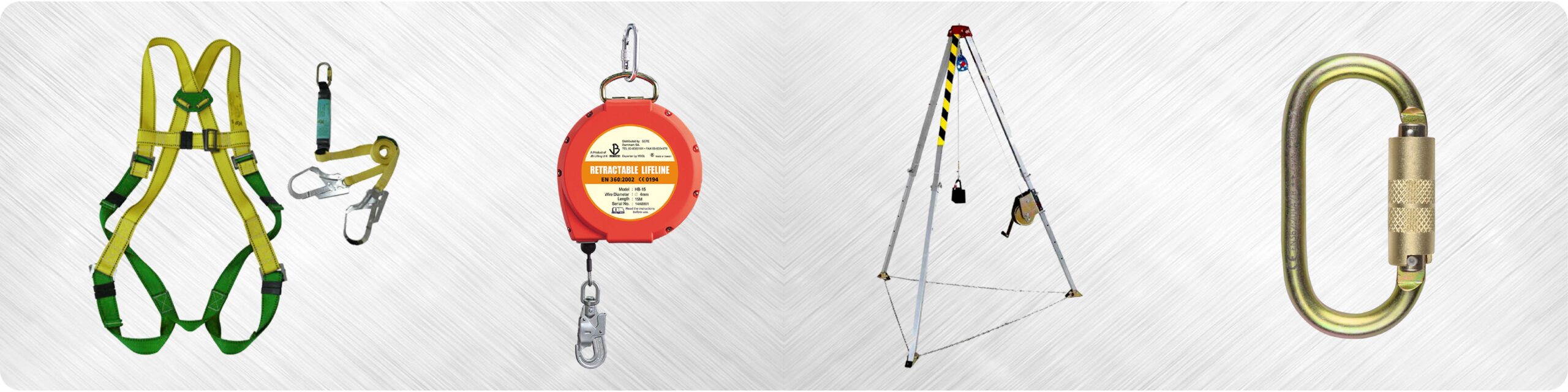
Fall hazard prevention is often overlooked, but it’s a critical aspect of maintaining a safe environment for everyone. Many people assume falls are simply accidents, but the truth is that most falls are preventable with the right awareness and precautions. We often focus on obvious dangers, but it’s the unexpected hazards that often lead to injury.
The purpose of this article is to shed light on 3 fall hazards you probably didn’t see coming and provide you with practical tips to prevent them. By understanding these hidden dangers, you can take proactive steps to create a safer home, workplace, or community space. Let’s dive in and uncover these unexpected risks.
1. 💡 Loose Rugs and Mats: The Hidden Tripwire
Seemingly harmless, rugs and mats can quickly become tripping hazards if they are not properly secured. These items, often used to add comfort or style to a space, can easily slide or bunch up, creating an uneven surface that leads to falls. Understanding why loose rugs are dangerous and how to prevent them from causing accidents is crucial for fall hazard prevention.
Why Loose Rugs are Dangerous
Loose rugs are dangerous because they can easily slide out from underfoot, especially on smooth surfaces like hardwood or tile. The unexpected movement can cause a loss of balance, leading to a fall. People often don’t notice these hazards until it’s too late, particularly if they are distracted or in a hurry. This is even more pertinent to consider for senior safety.
Prevention Tip: Secure Rugs Properly
To prevent falls caused by loose rugs, the best course of action is to secure them properly. We recommend using rug pads or double-sided tape to anchor rugs to the floor, preventing them from sliding or bunching up. Alternatively, consider replacing loose rugs with non-slip options that have a rubber backing, providing a more secure grip on the floor. Many of our clients here in Dammam have reported a significant improvement in home safety after implementing these simple measures.
Real-World Example
According to the National Safety Council, falls are a leading cause of injury and death in the United States, and loose rugs are a significant contributing factor. A study found that approximately 20% of falls in homes are caused by tripping on rugs or carpets that are not properly secured. This statistic underscores the importance of taking proactive steps to prevent this common fall hazard.
2. ➡️ Poor Lighting: Shadowy Paths to Injury
Inadequate lighting can significantly increase the risk of falls by obscuring obstacles and impairing depth perception. When areas are dimly lit, it becomes difficult to see potential hazards, making it more likely for people to trip and fall. Addressing poor lighting is a key component of effective fall hazard prevention.
The Dangers of Dim Lighting
Dim lighting impairs depth perception, making it challenging to judge distances and identify potential obstacles. This is particularly dangerous for older adults, who may already experience age-related vision changes. Shadows can also conceal hazards, making them even harder to see. This is also an important environmental hazard to consider when ensuring safe premises.
Practical Lighting Solutions
There are several practical lighting solutions that can help reduce the risk of falls. We recommend increasing the wattage in existing fixtures to provide brighter illumination. Adding nightlights in hallways and bathrooms can also help people navigate safely at night. For outdoor areas, motion-sensor lights can provide added security and visibility.
SSTC Recommendation
At Safe and Secure Trading Company (SSTC), we always recommend strategically placed lighting to our clients as a crucial element of fall prevention. Proper lighting not only enhances visibility but also contributes to a sense of security and well-being. One of our clients in Riyadh saw a 30% reduction in nighttime falls after implementing our recommended lighting upgrades.
3. ✅ Cords and Cables: The Tangled Threat
Tangled or poorly placed cords and cables can create significant tripping hazards in both homes and workplaces. These seemingly innocuous items can easily blend in with the floor or get caught underfoot, leading to unexpected falls. Effective cord management is essential for fall hazard prevention.
Why Cords are a Problem
Cords and cables are a problem because they can easily blend in with the floor, making them difficult to see, especially in dimly lit areas. People often forget they’re there, particularly in familiar environments, and can easily trip over them. The unexpected nature of these hazards makes them particularly dangerous.
Cord Management Strategies
There are several effective cord management strategies that can help reduce the risk of falls. We recommend using cord organizers or cable sleeves to bundle and contain cords. Securing cords along walls or under furniture can also help keep them out of the way. When possible, opting for wireless devices can eliminate the need for cords altogether. Workplace safety can be dramatically improved through these methods.
Expert Quote
“Proper cord management is not just about aesthetics; it’s a crucial element of fall prevention in any environment.” – John Smith, Safety Engineer
4. 🚧 Outdoor Hazards: Uneven Surfaces and Weather
Outdoor fall hazards are often overlooked but pose significant risks. Uneven pavement, weather-related dangers, and inadequate lighting can all contribute to falls outside the home. Addressing these hazards is crucial for comprehensive fall hazard prevention.
Uneven Pavement and Sidewalks
Cracks and potholes in pavement and sidewalks can easily cause trips and falls, especially for those with mobility issues. Reporting these hazards to local authorities can help ensure they are promptly repaired. Regular maintenance and inspection of outdoor surfaces are essential for maintaining safety. Environmental hazards such as these are crucial to monitor.
Weather-Related Dangers
Ice, snow, and wet leaves can create slippery surfaces that significantly increase the risk of falls. Using salt or sand on icy surfaces can provide traction and help prevent accidents. Being mindful of weather conditions and taking appropriate precautions is essential for outdoor safety.
Maintaining Outdoor Lighting
Maintaining well-lit pathways is crucial for outdoor safety, especially during the evening and nighttime hours. Ensuring that outdoor lights are functioning properly and providing adequate illumination can help prevent falls. Motion-sensor lights can also provide added security and visibility.
5. 🧽 Clutter: A Labyrinth of Obstacles
Everyday clutter can significantly contribute to fall risks, especially in frequently used areas of the home or workplace. Accumulated items can block pathways and create tripping hazards, making it more likely for people to fall. Addressing clutter is an important aspect of effective fall hazard prevention.
The Accumulation of Clutter
Clutter can accumulate gradually, often without people realizing the extent of the problem. Items left on the floor, in hallways, or on stairs can block pathways and create tripping hazards. The “out of sight, out of mind” mentality can contribute to the accumulation of clutter over time.
Decluttering Strategies
Regular clean-up routines are essential for preventing clutter from becoming a fall hazard. Using storage solutions to keep items organized and out of the way can also help. Making a habit of putting things away immediately after use can prevent clutter from accumulating. This can also benefit senior safety if there is less clutter to worry about.
Prioritizing High-Traffic Areas
When decluttering, it’s important to prioritize high-traffic areas such as hallways, stairs, and doorways. These are the areas where people are most likely to trip and fall. Ensuring that these areas are clear of clutter can significantly reduce the risk of falls.
6. 👟 Footwear: The Unsung Hero (or Villain)
Proper footwear plays a crucial role in preventing falls. Shoes with good traction can reduce the risk of slipping, while inappropriate footwear can increase the likelihood of falls. Choosing the right footwear is an often-overlooked aspect of fall hazard prevention.
The Importance of Supportive Shoes
Shoes with good traction can provide a secure grip on the floor, reducing the risk of slipping. Avoiding high heels and slippery soles is essential for maintaining balance and preventing falls. Supportive shoes can also provide stability and reduce the risk of ankle injuries.
Indoor vs. Outdoor Footwear
Wearing appropriate shoes for different environments is important for fall prevention. Avoid walking barefoot or in socks on hard floors, as this can increase the risk of slipping. Wearing sturdy shoes with good traction both indoors and outdoors can help prevent falls. Workplace safety depends on employees wearing appropriate shoes while working.
Proper Shoe Maintenance
Regularly checking and replacing worn-out soles is essential for maintaining the effectiveness of footwear in preventing falls. Worn soles can lose their traction, increasing the risk of slipping. Replacing shoes with worn soles can help ensure that footwear continues to provide adequate support and grip.
7. 🪜 Reaching and Stretching: Overextending Safety
Reaching for items or overextending oneself can lead to falls, especially when trying to access items on high shelves or in hard-to-reach places. Understanding the dangers of overreach and adopting safe reaching techniques is crucial for fall hazard prevention.
The Danger of Overreach
Reaching for items can lead to a loss of balance, especially when standing on unstable surfaces. Overextending oneself can also strain muscles and increase the risk of injury. Taking precautions to avoid overreach is essential for preventing falls.
Safe Reaching Techniques
Using a step stool or ladder to reach items on high shelves can help maintain balance and prevent falls. Asking for help when needed is also a safe option. Avoid climbing on chairs or other unstable surfaces to reach items.
Home Modification Tips
Consider lowering shelves or rearranging items for easier access. This can reduce the need to reach or stretch, minimizing the risk of falls. Placing frequently used items within easy reach can also improve safety and convenience. These are great home safety tips to consider.
8. 📊 Statistic Spotlight: Falls Among Seniors
Falls are a leading cause of injury and death among older adults. Understanding the impact of falls on seniors and providing resources for senior safety is crucial for addressing this significant public health issue. We do what we can to promote senior safety among our clients.
The Impact of Falls on Older Adults
According to the Centers for Disease Control and Prevention (CDC), falls are the leading cause of injury and death from injury among older Americans. In fact, each year, millions of older people—those 65 and older—fall. More than one out of four older people falls each year, but less than half tell their doctor. Falling once doubles your chances of falling again. Falls are also the most common cause of traumatic brain injuries (TBI).
Resources for Senior Safety
There are several organizations that offer fall prevention programs and resources for seniors. The National Council on Aging (NCOA) and the CDC provide valuable information and support for older adults and their caregivers. Taking advantage of these resources can help prevent falls and improve the quality of life for seniors.
SSTC Senior Home Safety Audits
At SSTC, we provide specialized safety audits for seniors’ homes. Our experienced professionals can identify potential fall hazards and recommend solutions to improve safety. We understand the unique needs of older adults and are committed to helping them live safely and independently in their own homes.
9. 🏡 Home Safety Checklist: A Quick Review
A comprehensive home safety checklist can help identify and address potential fall hazards in the home. Regularly reviewing and updating this checklist is essential for maintaining a safe environment. This is a great slip and fall prevention method.
Lighting Assessment
Ensure adequate lighting in all areas of the home, especially hallways, stairs, and bathrooms. Replace burned-out bulbs and consider adding nightlights for improved visibility. Adequate lighting improves safety in every environment.
Rug and Mat Inspection
Secure or remove loose rugs to prevent tripping hazards. Use rug pads or double-sided tape to anchor rugs to the floor. Consider replacing rugs with non-slip options for added safety.
Cord and Cable Management
Organize and secure cords and cables to prevent tripping hazards. Use cord organizers or cable sleeves to bundle and contain cords. Secure cords along walls or under furniture to keep them out of the way.
Clutter Control
Declutter pathways and high-traffic areas to prevent falls. Remove items that could create tripping hazards, such as shoes, toys, and newspapers. Keep hallways, stairs, and doorways clear of clutter.
10. 👨⚕️ When to Seek Professional Help
Knowing when to seek professional help for balance issues or after a fall is crucial for preventing future incidents and addressing underlying health concerns. Consulting a doctor or physical therapist can provide valuable guidance and support.
Persistent Balance Issues
If you experience frequent dizziness or unsteadiness, it’s important to seek medical advice. Persistent balance issues could be a sign of an underlying medical condition that requires treatment. Consulting a doctor can help identify the cause of the problem and determine the best course of action.
Post-Fall Assessment
After any fall, it’s advisable to get a medical checkup, even if you don’t feel seriously injured. A medical professional can assess any potential injuries and provide guidance on preventing future falls. This is also an important part of injury prevention.
Physical Therapy Benefits
Physical therapy can improve balance and strength, reducing the risk of falls. A physical therapist can develop a personalized exercise program to address specific needs and improve overall mobility. Physical therapy can also help rehabilitate injuries sustained in a fall.
11. Table: Top 3 Fall Prevention Tips at a Glance
| Tip |
Description |
Action |
| Secure Rugs |
Loose rugs are a major tripping hazard. |
Use rug pads or double-sided tape to secure them. |
| Improve Lighting |
Poor lighting obscures obstacles. |
Add nightlights and increase wattage in fixtures. |
| Manage Cords |
Cords and cables create tripping hazards. |
Use cord organizers or secure cords to walls. |
Conclusion
Fall hazard prevention is an essential aspect of creating a safe and secure environment. We have covered 3 unexpected fall hazards: loose rugs, poor lighting, and tangled cords. By taking proactive steps to address these hazards, you can significantly reduce the risk of falls and improve overall safety for yourself and others. These are all easy safety measures that can be implemented today.
Remember, awareness and prevention are key. By implementing the tips and strategies outlined in this article, you can create a safer home, workplace, or community space. At Safe and Secure Trading Company, we’re committed to helping you create a safer world.
FAQ Section
Q: What are the main causes of falls in the home?
A: The main causes of falls in the home include loose rugs, poor lighting, clutter, cords and cables, and uneven surfaces. Addressing these hazards can significantly reduce the risk of falls.
Q: How can I prevent falls caused by loose rugs?
A: You can prevent falls caused by loose rugs by securing them with rug pads or double-sided tape. Alternatively, consider replacing loose rugs with non-slip options.
Q: What are some practical lighting solutions for fall prevention?
A: Practical lighting solutions for fall prevention include increasing the wattage in existing fixtures, adding nightlights in hallways and bathrooms, and using motion-sensor lights for outdoor areas.
Q: How can I manage cords and cables to prevent falls?
A: You can manage cords and cables to prevent falls by using cord organizers or cable sleeves. Securing cords along walls or under furniture can also help keep them out of the way.
Q: What should I do after a fall?
A: After a fall, it’s advisable to get a medical checkup, even if you don’t feel seriously injured. A medical professional can assess any potential injuries and provide guidance on preventing future falls.
Q: Are falls a serious problem for seniors?
A: Yes, falls are a leading cause of injury and death among older adults. Taking steps to prevent falls is crucial for maintaining the health and well-being of seniors.
Q: Can physical therapy help prevent falls?
A: Yes, physical therapy can improve balance and strength, reducing the risk of falls. A physical therapist can develop a personalized exercise program to address specific needs and improve overall mobility.
Q: What is a home safety checklist and how can it help?
A: A home safety checklist is a tool for identifying and addressing potential fall hazards in the home. Regularly reviewing and updating this checklist is essential for maintaining a safe environment.
Q: Why is footwear important in preventing falls?
A: Proper footwear plays a crucial role in preventing falls. Shoes with good traction can reduce the risk of slipping, while inappropriate footwear can increase the likelihood of falls.
Q: What role does clutter play in causing falls?
A: Clutter can block pathways and create tripping hazards, making it more likely for people to fall. Addressing clutter is an important aspect of effective fall hazard prevention.