Ignoring Fall Protection: The Real Cost
The true fall protection cost extends far beyond the initial purchase of equipment. Many businesses mistakenly view fall protection solely as an upfront expense, overlooking the numerous direct and indirect costs associated with falls. This article aims to provide a comprehensive cost analysis, revealing the hidden financial burdens of neglecting fall protection.
The Hidden Fall Protection Cost: Beyond the Initial Investment
Too often, businesses see fall protection cost as simply the price of harnesses, lanyards, and guardrails. This perspective is dangerously incomplete. A comprehensive cost analysis must consider the potential for accidents, injuries, and the resulting financial repercussions.
This article will delve into the various factors contributing to the total fall protection cost, including direct medical expenses, lost productivity, legal liabilities, and the impact on employee morale. By understanding the true scope of these costs, businesses can make informed decisions about investing in proactive safety measures. We’ll explore each of these aspects in detail.
The goal is to demonstrate that a robust fall protection program isn’t just a regulatory requirement—it’s a smart financial decision that safeguards both your employees and your bottom line. We will provide evidence and real-world examples to support this argument throughout the following sections.
Direct Costs of Fall Accidents: A Statistical Overview
Fall accidents in the workplace result in significant direct costs. Analyzing data from organizations like OSHA provides a stark picture of the financial burden. These direct costs primarily encompass medical expenses and workers’ compensation claims.
OSHA’s data reveals that falls are consistently among the leading causes of workplace injuries and fatalities. This underscores the critical need for effective fall protection cost management through proactive safety measures. The data helps us understand the frequency and severity of these incidents.
Medical expenses constitute a significant portion of the direct fall protection cost. These include hospital bills, doctor’s fees, rehabilitation services, and prescription medications. The severity of the injury directly correlates with the magnitude of these expenses.
Workers’ compensation claims arising from fall accidents add another layer to the direct fall protection cost. These claims cover lost wages, medical treatment, and potential disability payments. The average cost per claim can vary widely depending on the nature and extent of the injury.
| Type of Injury |
Average Workers’ Compensation Claim Cost (2026) |
| Fractures |
$45,000 |
| Sprains/Strains |
$30,000 |
| Head Injuries |
$60,000 |
| Fatalities |
$1,500,000+ |
These figures highlight the substantial financial impact of fall-related injuries. Investing in adequate fall protection equipment cost pales in comparison to the potential costs associated with a single serious fall accident. A proactive approach is therefore not just ethically sound, but also fiscally responsible.
Average cost per claim figures
The average cost per workers’ compensation claim for a fall injury is significant. These figures typically include not only the employee’s medical bills but also lost wages during their recovery period. The specifics of each case greatly determine the final cost.
Consider that the average cost can easily exceed tens of thousands of dollars per incident, making workplace safety investment a far more economical alternative. These costs are a preventable drain on company resources.
Impact of severity on claim amount
The severity of the fall injury directly impacts the workers’ compensation claim amount. A minor sprain will result in a lower claim than a severe fracture or head trauma. Fatalities, of course, result in the highest claim amounts.
Serious injuries often involve extensive medical treatment, long-term rehabilitation, and potential permanent disability. This pushes the cost of fall accidents significantly higher. Therefore, preventing serious injuries through robust fall protection is crucial for controlling claim costs.
Indirect Costs: The Iceberg Below the Surface
The indirect costs of fall accidents are often overlooked, but they can be significantly greater than the direct costs. These “hidden” costs impact productivity, administrative overhead, and equipment. Understanding these indirect impacts is crucial for a comprehensive fall protection cost analysis.
Indirect costs are those not immediately apparent, such as productivity losses, administrative burdens, and equipment damage. These expenses can quickly accumulate and negatively impact a company’s bottom line. They represent the “iceberg” below the surface of the direct costs.
Productivity losses are a major component of indirect fall protection cost. These losses stem from several factors, including downtime due to injury investigations, slowdowns due to a reduced workforce, and the disruption of project timelines.
Administrative burdens also contribute to the indirect costs. Increased paperwork and reporting requirements, along with the time spent on accident investigations, divert resources from other essential business functions.
Equipment damage and replacement resulting from falls further add to the indirect expenses. Damaged tools, machinery, or structures require repair or replacement, leading to additional financial strain.
Downtime due to injury investigations
Following a fall accident, work often grinds to a halt while an investigation is conducted. This downtime impacts not only the injured employee but also their colleagues and supervisors. The duration of the investigation depends on the severity and complexity of the incident.
During this period, valuable work hours are lost, and project deadlines may be jeopardized. This downtime represents a significant indirect fall protection cost that is often underestimated.
Slowdowns due to reduced workforce
When an employee is injured in a fall accident, their absence creates a gap in the workforce. This can lead to slowdowns in production, delays in service delivery, and increased workload for remaining employees. The longer the employee is out of work, the greater the impact on productivity.
A reduced workforce can also negatively impact employee morale, as remaining workers may feel overworked and stressed. This can further contribute to decreased productivity and an increase in errors.
Impact on project timelines and deadlines
Fall accidents can have a cascading effect on project timelines and deadlines. Delays caused by injury investigations, reduced workforce, and administrative burdens can quickly derail project schedules. This can result in missed deadlines, dissatisfied clients, and potential financial penalties.
The impact on project timelines is particularly significant in industries with tight schedules and demanding clients. Proactive risk management fall protection is essential for preventing these costly disruptions.
Increased paperwork and reporting requirements
Following a fall accident, companies face increased paperwork and reporting requirements. This includes completing accident reports, filing insurance claims, and complying with OSHA regulations. The time spent on these administrative tasks diverts resources from other essential business functions.
The complexity of the paperwork and reporting requirements can be overwhelming, especially for small businesses with limited administrative staff.
Time spent on accident investigations
Accident investigations are a necessary but time-consuming process. Investigating a fall accident involves gathering evidence, interviewing witnesses, and analyzing the causes of the incident. This process can take hours or even days, depending on the severity and complexity of the accident.
The time spent on accident investigations represents a significant indirect fall protection cost. This is especially true if the investigation reveals deficiencies in the company’s safety protocols.
Equipment damage and replacement resulting from falls
Falls can cause significant damage to equipment, tools, and structures. Damaged items may require repair or replacement, adding to the overall fall protection cost. In some cases, equipment damage can be so severe that it requires a complete shutdown of operations.
The cost of equipment damage can vary widely depending on the type and value of the damaged items. However, even seemingly minor damage can accumulate over time and significantly impact a company’s bottom line.
Legal Liabilities and Fines: A Costly Oversight
Failure to comply with fall protection standards can expose companies to significant legal liabilities and fines. OSHA’s rigorous enforcement of fall protection regulations means that non-compliance can be an expensive mistake. Understanding these potential legal ramifications is a critical component of assessing the true fall protection cost.
OSHA’s fall protection standards are designed to protect workers from falls and related injuries. These standards outline specific requirements for fall protection equipment, training, and procedures. Companies that fail to comply with these standards face the risk of hefty fines and penalties.
OSHA conducts regular inspections of workplaces to ensure compliance with fall protection standards. If a violation is found, the company may be issued a citation and required to pay a fine. The amount of the fine depends on the severity of the violation and the company’s history of violations.
In addition to OSHA fines, companies may also face lawsuits and legal settlements resulting from fall-related injuries or fatalities. Injured workers or their families may sue the company for negligence or wrongful death. Legal settlements can be substantial, adding significantly to the fall protection cost.
Finally, a fall accident can severely damage a company’s brand and reputation. Negative publicity surrounding a workplace accident can erode customer trust and lead to a loss of business.
Explaining OSHA’s fall protection standards and enforcement
OSHA’s fall protection standards are comprehensive and cover a wide range of industries and work environments. The standards outline specific requirements for fall protection in areas such as construction, manufacturing, and warehousing. They aim to prevent falls from heights, slips, and trips.
OSHA actively enforces these standards through inspections, citations, and penalties. The agency prioritizes inspections in industries with a high risk of falls. Companies found in violation of the standards face significant fines, which increase with repeated offenses.
Illustrating the potential for significant fines and penalties for non-compliance
The potential for significant fines and penalties should serve as a strong deterrent to non-compliance. OSHA fines can range from thousands of dollars for minor violations to hundreds of thousands of dollars for willful or repeated violations. The agency also has the authority to shut down worksites that pose an imminent danger to workers.
These fines can have a devastating impact on a company’s financial stability, especially for small businesses with limited resources. Investing in fall protection equipment cost is a far more prudent financial decision than risking OSHA fines.
| Type of Violation |
Maximum Fine (2026) |
| Serious Violation |
$15,625 per violation |
| Willful or Repeated Violation |
$156,259 per violation |
Examples of OSHA fines levied against companies
Numerous examples exist of companies that have faced substantial OSHA fines for fall protection violations. These cases underscore the importance of complying with fall protection standards. The penalties can be severe and can significantly impact a company’s bottom line.
For instance, a construction company was fined over $200,000 after a worker fell from a roof due to inadequate fall protection. In another case, a manufacturing company was fined over $100,000 after a worker fell from a ladder that was not properly secured.
Discussing potential lawsuits and legal settlements resulting from fall-related injuries or fatalities
In addition to OSHA fines, companies may also face lawsuits and legal settlements resulting from fall-related injuries or fatalities. Injured workers or their families may sue the company for negligence, seeking compensation for medical expenses, lost wages, and pain and suffering. Legal settlements can be substantial, potentially reaching millions of dollars.
The prospect of a lawsuit should be a major concern for companies that neglect fall protection. Legal fees, settlement costs, and reputational damage can quickly add up, significantly increasing the overall fall protection cost.
Brand Reputation Damage: Negative PR and loss of customer trust
A fall accident can severely damage a company’s brand and reputation. Negative publicity surrounding a workplace accident can erode customer trust and lead to a loss of business. In today’s interconnected world, news of a workplace accident can spread quickly through social media and online news outlets.
Consumers are increasingly conscious of companies’ commitment to safety and ethical practices. A company with a poor safety record may face boycotts, negative reviews, and a decline in sales. Rebuilding a damaged reputation can be a long and costly process.
> “Investing in fall protection is not just about compliance; it’s about protecting your most valuable asset: your employees. A safe workplace fosters trust, improves morale, and enhances productivity.” – Michael Davis, Certified Safety Professional
Impact on Insurance Premiums: A Long-Term Expense
Workplace accidents, including falls, can significantly impact a company’s insurance premiums. A history of accidents signals increased risk to insurance providers, leading to higher premiums. Understanding this correlation is essential for accurately assessing the long-term fall protection cost.
Workplace accidents are a key factor in determining insurance rates. Insurance companies assess the risk of insuring a company based on its safety record. Companies with a history of accidents are considered higher risk and therefore face higher premiums.
Following a fall accident, a company can expect to see an increase in its insurance premiums. The magnitude of the increase depends on the severity of the accident and the company’s overall safety record. Repeated accidents can lead to even more significant premium increases.
A strong safety record, on the other hand, can result in lower insurance premiums. Companies that prioritize safety and invest in proactive fall protection equipment cost can often negotiate more favorable insurance rates.
Explaining how workplace accidents affect insurance rates
Insurance companies use a variety of factors to determine insurance rates, including the company’s industry, size, and safety record. Workplace accidents, particularly those involving serious injuries or fatalities, are a major red flag. They indicate a higher risk of future claims and therefore justify higher premiums.
Insurance companies also consider the frequency of accidents. A company with multiple minor accidents may still face higher premiums, as this suggests a systemic problem with safety protocols.
Quantifying the potential increase in premiums following a fall accident
The potential increase in insurance premiums following a fall accident can be substantial. Depending on the severity of the accident and the company’s safety record, premiums could increase by 25% or more. For companies with a history of accidents, the increase could be even higher.
Over time, these premium increases can add up to a significant expense. Proactive workplace safety investment is therefore a smart way to control insurance costs in the long run.
Exploring the benefits of a strong safety record in negotiating lower premiums
A strong safety record can be a powerful negotiating tool when it comes to insurance premiums. Companies that can demonstrate a commitment to safety and a track record of preventing accidents may be able to negotiate lower rates with their insurance provider.
Insurers often offer discounts or incentives to companies with robust safety programs. This recognizes the reduced risk associated with insuring a company that prioritizes safety.
Employee Morale and Retention: The Human Factor
The absence of adequate fall protection can negatively impact employee morale and increase turnover rates. Employees who feel unsafe at work are more likely to experience stress, anxiety, and decreased job satisfaction. Addressing this human factor is crucial for understanding the true fall protection cost.
Employee morale is directly linked to workplace safety. Employees who feel that their employer is not prioritizing their safety are more likely to experience low morale. This can lead to decreased productivity, increased absenteeism, and a higher risk of accidents.
A lack of fall protection can also contribute to increased employee turnover. Employees may leave their jobs in search of a safer work environment. High turnover rates can be costly, as companies must invest in recruiting and training new employees.
The human factor is an often-overlooked aspect of the fall protection cost. However, the impact on employee morale and retention can be significant, both financially and in terms of overall business performance.
Analyzing the impact of a lack of fall protection on employee morale
A lack of fall protection can create a climate of fear and anxiety among employees. Workers may feel that their employer is not valuing their safety and well-being. This can lead to decreased trust, resentment, and a decline in morale.
Low morale can manifest in various ways, including decreased productivity, increased absenteeism, and a higher risk of accidents. Employees who are stressed and anxious are less likely to be focused and attentive, increasing the likelihood of errors and injuries.
Discussing the potential for increased employee turnover due to safety concerns
Employees who feel unsafe at work are more likely to leave their jobs in search of a safer environment. High turnover rates can be costly, as companies must invest in recruiting, hiring, and training new employees.
Turnover also disrupts workflow and can negatively impact productivity. Experienced employees are valuable assets, and their departure can create a significant void in the workforce.
Quantifying the costs associated with recruiting and training new employees
The costs associated with recruiting and training new employees can be substantial. These costs include advertising expenses, recruiter fees, background checks, onboarding materials, and training programs. The time spent by existing employees on training new hires also represents a significant cost.
According to industry estimates, the cost of replacing an employee can range from 50% to 200% of their annual salary. This highlights the significant financial burden associated with high turnover rates.
Lost Productivity: A Chain Reaction
A fall accident triggers a chain reaction that leads to significant lost productivity. The initial disruption of the accident itself, combined with subsequent investigations, training, and staff shortages, can severely impact a company’s output. Accurately calculating this loss is vital for a comprehensive fall protection cost analysis.
The ripple effect of a fall accident on team productivity is significant. The immediate aftermath of the accident involves downtime for investigations, medical assistance, and emotional distress. This initial disruption sets off a chain reaction that can impact the entire team.
Calculating lost work hours due to investigations, training, and reduced staff is essential for quantifying the impact of a fall accident. These lost hours represent a direct reduction in productivity and can significantly impact project deadlines and overall business performance.
Understanding the impact on project deadlines and overall business performance is crucial for appreciating the true fall protection cost. Delays, missed deadlines, and reduced output can negatively impact revenue, customer satisfaction, and overall profitability.
Detailing the ripple effect of a fall accident on team productivity
The ripple effect of a fall accident extends far beyond the injured employee. The initial shock and disruption can impact the entire team, leading to decreased focus, increased stress, and a decline in productivity.
Colleagues may be distracted by the accident, concerned about the injured employee, or fearful of experiencing a similar incident themselves. This can lead to errors, delays, and a general decline in team performance.
Calculating lost work hours due to investigations, training, and reduced staff
Calculating lost work hours is essential for quantifying the impact of a fall accident on productivity. Lost hours include time spent on accident investigations, attending safety training sessions, and covering the workload of the injured employee.
These lost hours represent a direct reduction in productivity and can significantly impact project deadlines and overall business performance. Accurate tracking of lost work hours is crucial for assessing the true fall protection cost.
Exploring the impact on project deadlines and overall business performance
The impact of a fall accident on project deadlines and overall business performance can be significant. Delays, missed deadlines, and reduced output can negatively impact revenue, customer satisfaction, and overall profitability.
In industries with tight schedules and demanding clients, even a minor delay can have a cascading effect on project timelines. This can lead to penalties, lost business, and damage to the company’s reputation.
Case Studies: Real-World Examples of Fall Protection Cost
Examining real-world case studies provides concrete examples of the financial consequences of neglecting fall protection. By analyzing these examples, businesses can gain a deeper understanding of the potential costs and the importance of proactive safety measures. These case studies offer compelling evidence of the true fall protection cost.
Case studies of companies that experienced significant financial losses due to fall accidents offer valuable insights. These examples illustrate the various factors that contributed to the accidents and the resulting costs. They highlight the importance of proactive fall protection measures.
Analyzing the factors that contributed to the accidents and the resulting costs is crucial for understanding the root causes of fall-related incidents. This analysis can help businesses identify potential vulnerabilities in their own safety programs and take corrective action.
Highlighting the importance of proactive fall protection measures is the key takeaway from these case studies. By investing in comprehensive safety programs, businesses can significantly reduce the risk of fall accidents and the associated financial losses.
| Company |
Industry |
Accident Description |
Estimated Cost |
| ABC Construction |
Construction |
Worker fell from scaffolding due to missing guardrail. |
$500,000 (Medical, Legal, Lost Productivity) |
| XYZ Manufacturing |
Manufacturing |
Worker fell from ladder while retrieving materials. |
$250,000 (Medical, Workers’ Comp, Production Delay) |
Presenting case studies of companies that experienced significant financial losses due to fall accidents
Case studies provide concrete examples of the financial consequences of neglecting fall protection. These examples demonstrate the real-world impact of fall accidents on businesses across various industries. They serve as a cautionary tale for companies that are not prioritizing safety.
These case studies often involve a combination of direct costs, such as medical expenses and workers’ compensation claims, and indirect costs, such as lost productivity and legal fees. The total fall protection cost can be substantial, often exceeding hundreds of thousands of dollars.
Analyzing the factors that contributed to the accidents and the resulting costs
Analyzing the factors that contributed to fall accidents is crucial for identifying the root causes and preventing future incidents. These factors often include inadequate training, lack of proper equipment, failure to follow safety protocols, and poor supervision.
By understanding the underlying causes of fall accidents, businesses can develop targeted interventions to address specific vulnerabilities in their safety programs. This proactive approach is essential for reducing the risk of future accidents and minimizing the associated costs.
Highlighting the importance of proactive fall protection measures
The case studies consistently highlight the importance of proactive fall protection measures. Companies that invest in comprehensive safety programs, provide adequate training, and enforce safety protocols are significantly less likely to experience fall accidents and the associated financial losses.
Proactive measures include regular safety inspections, hazard assessments, and the implementation of effective fall protection equipment and procedures. These measures are not only ethically responsible but also financially prudent.
Return on Investment: The Value of Prevention
Demonstrating the return on investment (ROI) of fall protection programs is essential for convincing businesses to prioritize safety. By comparing the costs of prevention versus the costs of accidents, companies can clearly see the financial benefits of investing in proactive safety measures. Calculating return on investment fall protection is crucial.
Demonstrating the ROI of investing in comprehensive fall protection programs is a powerful way to justify the expense. By comparing the costs of prevention to the potential costs of accidents, businesses can clearly see the financial benefits of prioritizing safety.
Comparing the costs of prevention versus the costs of accidents is a key step in calculating the ROI of fall protection. Prevention costs include the expense of equipment, training, and safety inspections. Accident costs include medical expenses, workers’ compensation claims, lost productivity, and legal fees.
Providing data and examples to support the argument for proactive safety measures is essential for convincing businesses to invest in fall protection. This data can include statistics on the frequency and severity of fall accidents, as well as case studies of companies that have successfully reduced their accident rates through proactive safety programs.
Demonstrating the ROI of investing in comprehensive fall protection programs
Demonstrating the ROI of fall protection requires a careful analysis of the costs and benefits. The costs of prevention are relatively easy to quantify, as they include the expense of equipment, training, and safety inspections. The benefits, however, are more difficult to measure, as they involve avoiding potential accidents and the associated costs.
Despite the challenges in quantifying the benefits, numerous studies have shown that fall protection programs offer a significant return on investment. By preventing accidents, these programs can save companies substantial amounts of money in medical expenses, workers’ compensation claims, and lost productivity.
Comparing the costs of prevention versus the costs of accidents
Comparing the costs of prevention versus the costs of accidents is a crucial step in calculating the ROI of fall protection. Prevention costs include the expense of equipment, training, and safety inspections. Accident costs include medical expenses, workers’ compensation claims, lost productivity, and legal fees.
In most cases, the costs of prevention are significantly lower than the potential costs of accidents. Even a single serious fall accident can easily wipe out any savings from neglecting fall protection.
Providing data and examples to support the argument for proactive safety measures
Providing data and examples is essential for supporting the argument for proactive safety measures. This data can include statistics on the frequency and severity of fall accidents, as well as case studies of companies that have successfully reduced their accident rates through proactive safety programs.
For example, a study by the National Safety Council found that every dollar invested in safety programs yields a return of $4 to $6 in reduced costs. This demonstrates the significant financial benefits of prioritizing safety.
Common Misconceptions About Fall Protection Costs
Addressing common misconceptions about fall protection cost is vital for promoting informed decision-making. Many businesses mistakenly believe that fall protection is too expensive or only necessary for inexperienced workers. Debunking these myths is crucial for fostering a culture of safety.
Several common misconceptions surround the topic of fall protection cost. These misconceptions often lead businesses to underestimate the true costs of neglecting fall protection or to believe that fall protection is not necessary for their specific operations.
One common myth is that fall protection is too expensive for small businesses. This myth often stems from a lack of awareness of the affordable options available and the potential financial consequences of accidents.
Another common myth is that falls only happen to inexperienced workers. This myth ignores the fact that even experienced workers can be vulnerable to falls if they are not properly trained and equipped.
Myth: Fall protection is too expensive for small businesses
This myth is often perpetuated by a lack of awareness of the affordable fall protection options available. Safe and Secure Trading Company (SSTC) offers a range of solutions to fit various budgets.
SSTC also offers flexible payment plans to make fall protection more accessible for small businesses. These plans allow businesses to spread the fall protection equipment cost over time, making it easier to manage their cash flow.
We are committed to providing affordable fall protection solutions without compromising on quality or safety. Our team of experts can help small businesses assess their needs and find the most cost-effective options.
Myth: Falls only happen to inexperienced workers
This myth is dangerous because it can lead to complacency and a lack of attention to safety protocols. Falls can happen to anyone, regardless of their experience level.
Even experienced workers can be vulnerable to falls if they are not properly trained and equipped. Changes in work environments, new tasks, and distractions can all increase the risk of falls.
Regular training and reinforcement of safety protocols are essential for all employees, regardless of their experience level. A culture of safety should be promoted throughout the organization.
Safe and Secure Trading Company (SSTC): Your Partner in Fall Protection
Safe and Secure Trading Company (SSTC) is a leading provider of fall protection solutions. We are committed to helping businesses create safe work environments and prevent fall accidents. Our team of experts has extensive experience in the field of fall protection.
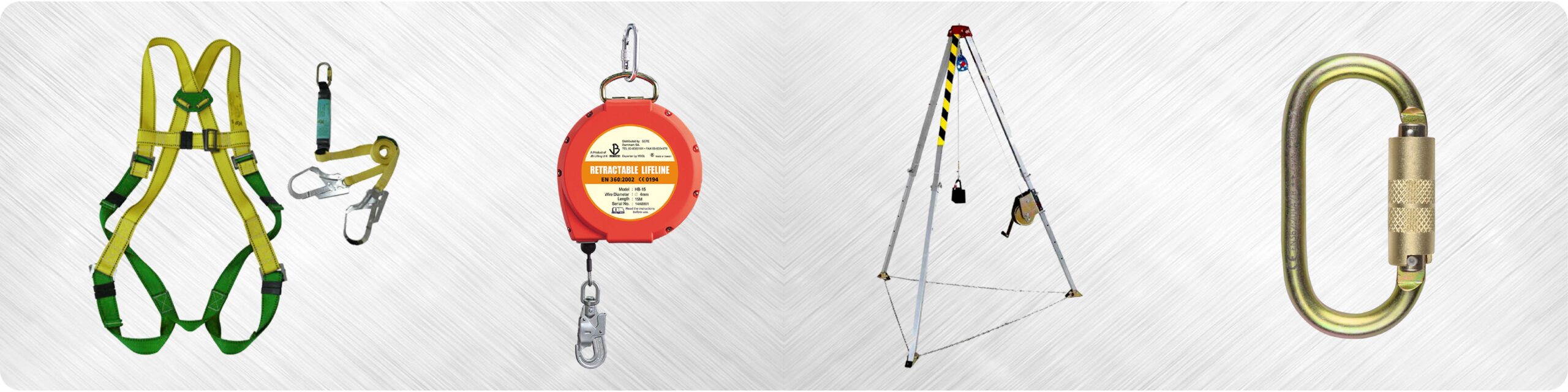
SSTC offers a comprehensive range of fall protection equipment, including harnesses, lanyards, lifelines, and guardrails. We also provide training and consulting services to help businesses develop and implement effective fall protection programs.
Our commitment to workplace safety is unwavering. We believe that every worker deserves to return home safely at the end of the day. Our certifications and qualifications demonstrate our expertise and commitment to quality.
Our operational presence in Dubai allows us to serve clients across the Middle East and beyond. Our Dubai team has specialized expertise in addressing the unique challenges of fall protection in the region.
Briefly introduce SSTC and its expertise in fall protection solutions
Safe and Secure Trading Company (SSTC) is a trusted provider of fall protection solutions. We have a proven track record of helping businesses create safe work environments and prevent fall accidents.
Our expertise extends to a wide range of industries, including construction, manufacturing, and warehousing. We understand the specific challenges and requirements of each industry.
Highlighting the company’s commitment to workplace safety
Our commitment to workplace safety is at the heart of everything we do. We believe that every worker has the right to a safe and healthy work environment.
We are dedicated to providing our clients with the highest quality fall protection equipment and services. We work closely with our clients to develop customized solutions that meet their specific needs.
Mentioning relevant certifications and qualifications
Our team of experts holds relevant certifications and qualifications in the field of fall protection. This demonstrates our expertise and commitment to quality.
We are constantly staying up-to-date on the latest industry standards and best practices. This ensures that we are providing our clients with the most effective and reliable solutions.
Reference our Dubai operations and specialized expertise
Our operational presence in Dubai allows us to serve clients across the Middle East and beyond. Our Dubai team has specialized expertise in addressing the unique challenges of fall protection in the region.
We understand the local regulations and cultural nuances that can impact fall protection practices. We are committed to providing our clients with tailored solutions that meet their specific needs.
Conclusion: Prioritizing Safety for a Healthy Bottom Line
This article has highlighted the multifaceted fall protection cost, demonstrating that it extends far beyond the initial investment in equipment. By considering the direct and indirect costs of fall accidents, the potential for legal liabilities and fines, and the impact on employee morale and productivity, businesses can gain a comprehensive understanding of the true financial burden of neglecting fall protection.
The key findings underscore the importance of proactive safety measures. Investing in comprehensive fall protection programs is not only ethically responsible but also financially prudent. The return on investment is significant, as preventing accidents can save companies substantial amounts of money in medical expenses, workers’ compensation claims, lost productivity, and legal fees.
We encourage readers to prioritize safety and invest in proactive measures to protect their employees and their bottom line. A safe workplace is a productive workplace, and a commitment to safety is a sign of a responsible and successful organization.
FAQ Section
Q: What are the main direct costs associated with fall accidents?
A: The main direct costs include medical expenses (hospital bills, rehabilitation, medication) and workers’ compensation claims (lost wages, disability payments). The cost of fall accidents can quickly escalate with serious injuries.
Q: What are some examples of indirect costs related to falls?
A: Indirect costs include productivity losses due to downtime, administrative burdens (paperwork, investigations), equipment damage, and increased insurance premiums. These often-overlooked costs can significantly impact a company’s bottom line.
Q: How can a strong safety record lower insurance premiums?
A: A strong safety record demonstrates to insurance providers that a company is a lower risk. This can lead to more favorable insurance rates and potential discounts. Investing in workplace safety investment directly translates to lower premiums.
Q: What is the average cost of a workers’ compensation claim for a fall injury?
A: The average cost varies depending on the severity of the injury. However, claims can easily exceed tens of thousands of dollars for serious injuries like fractures or head trauma. The cost of fall accidents highlights the value of prevention.
Q: How does neglecting fall protection impact employee morale?
A: Neglecting fall protection can create a climate of fear and anxiety among employees, leading to decreased morale, increased absenteeism, and higher turnover rates. This ultimately affects productivity and profitability.
Q: What role does OSHA play in enforcing fall protection standards?
A: OSHA sets and enforces fall protection standards to protect workers from falls and related injuries. Companies that fail to comply with these standards face the risk of hefty fines and penalties. Understanding OSHA fall protection fines is crucial.
Q: Is fall protection too expensive for small businesses?
A: No, this is a common myth. Safe and Secure Trading Company (SSTC) offers a range of affordable fall protection solutions and flexible payment plans to make safety accessible for businesses of all sizes. Considering the potential costs of accidents, fall protection equipment cost is a wise investment.
Q: How can companies calculate the ROI of fall protection programs?
A: Companies can calculate the ROI by comparing the costs of prevention (equipment, training) versus the potential costs of accidents (medical expenses, lost productivity, legal fees). Numerous studies demonstrate a significant return on investment fall protection.
Q: What is the best way to prevent falls in the workplace?
A: The best way to prevent falls is to implement a comprehensive fall protection program that includes hazard assessments, proper equipment, regular training, and consistent enforcement of safety protocols. Effective risk management fall protection is key.
Q: How does Safe and Secure Trading Company (SSTC) help businesses with fall protection?
A: SSTC provides a wide range of fall protection equipment, training, and consulting services. Our team of experts can help businesses assess their needs, develop customized solutions, and create safe work environments. We offer expertise in the region, including our indirect costs of falls.