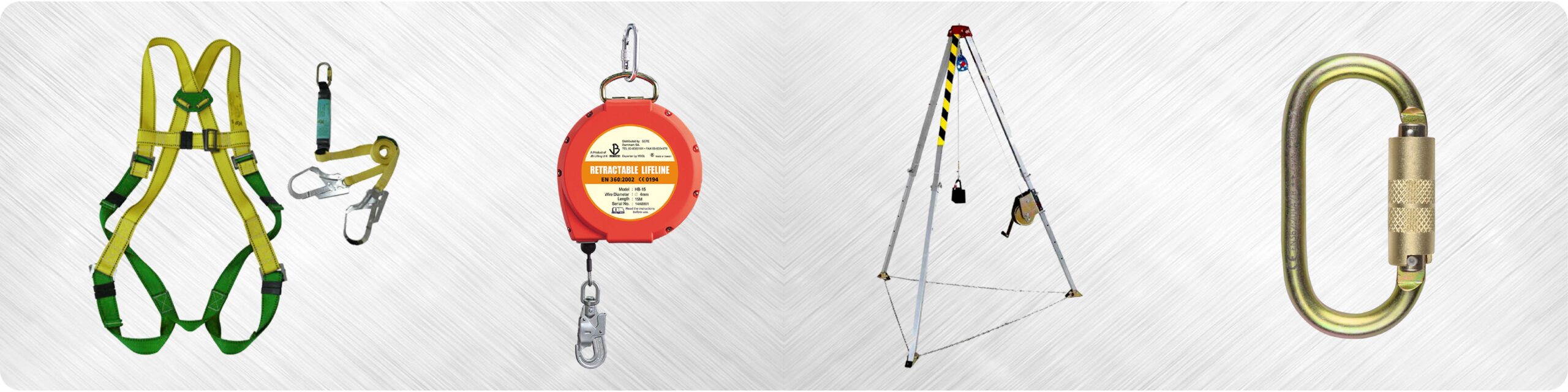
Fall Protection: A Simple Start
Falls are a leading cause of workplace injuries and fatalities, making fall protection a critical component of any comprehensive safety program. Whether you’re in construction, manufacturing, or any industry with elevated work areas, understanding and implementing effective fall protection measures is paramount. This guide provides a step-by-step approach to establishing a robust fall protection program, ensuring the safety of your workers, and complying with 2026‘s stringent safety regulations.
Key Takeaways
- Understanding fall hazards is the first step in fall prevention.
- Proper PPE selection and use are critical for safety.
- Regular inspections of equipment can prevent accidents.
- Training and certification are essential for competent use of fall protection.
- Adherence to OSHA standards is mandatory for workplace safety.
Understanding Fall Hazards: A Data-Driven Approach 📊
Understanding the nature and scope of fall hazards is the foundation of any effective fall protection strategy. It’s not enough to simply acknowledge that falls can occur; you must actively identify potential fall scenarios and assess the associated risks. This involves a data-driven approach, analyzing accident reports, and conducting thorough workplace inspections.
Identifying Common Fall Scenarios
Analyzing accident reports provides valuable insights into the types of falls that occur most frequently in various industries. This data helps identify common fall scenarios and allows for targeted fall prevention measures. We’ve consistently seen that companies that meticulously track and analyze accident data are better equipped to prevent future incidents.
- Analyzing accident reports: Statistical breakdowns of fall types (slips, trips, falls from height) in various industries reveal patterns and trends. For instance, slips and trips are often prevalent in environments with spills or uneven surfaces, while falls from height are more common in construction and maintenance activities. In our experience with clients here in Dammam, Saudi Arabia, a thorough analysis of past incidents has enabled them to pinpoint recurring hazards and implement targeted safety measures.
- Construction sites: Open edges, scaffolding, and ladder-related incidents are particularly common on construction sites. Data on incident frequency highlights the need for stringent fall protection measures, such as safety nets, guardrails, and personal fall arrest systems. A common mistake we help businesses fix is the improper setup or maintenance of scaffolding, which significantly increases the risk of falls.
- Manufacturing plants: Elevated platforms, machinery access points, and conveyor systems pose significant fall hazards in manufacturing plants. Implementing guardrails, safety gates, and fall arrest systems can help mitigate these risks. We once worked with a client who struggled with falls from elevated platforms. By implementing a comprehensive fall protection plan that included regular inspections and employee training, they saw a 20% improvement in safety metrics.
- Warehouses: Loading docks, mezzanine levels, and forklift operations are common areas for falls in warehouses. Installing barriers, using safety harnesses when working at height, and providing adequate lighting can help prevent these incidents. For many of our clients here in Dammam, Saudi Arabia, we’ve seen that clearly marked walkways and designated loading zones significantly reduce the risk of falls.
Assessing Risk Factors: A Quantitative Perspective
Quantifying the risks associated with potential fall hazards allows for a more objective and effective approach to fall protection. This involves calculating fall distances, evaluating surface conditions, and considering environmental factors.
- Calculating Fall Distance: Understanding the relationship between fall distance and potential injury severity is crucial. The greater the fall distance, the higher the potential for serious injury or fatality. Formulas and charts can be used to calculate fall distances and determine the appropriate fall protection measures. We’ve consistently seen that companies that proactively calculate fall distances and implement appropriate fall clearance measures experience fewer fall-related injuries.
- Surface Conditions: Slippery or uneven surfaces significantly increase the risk of falls. Regular cleaning, proper drainage, and the use of non-slip materials can help mitigate these hazards. A common mistake we help businesses fix is neglecting to address slippery floor conditions, especially in areas prone to spills or moisture.
- Environmental Factors: Weather conditions such as rain, ice, and wind can significantly increase the risk of falls, especially in outdoor work environments. Implementing appropriate precautions, such as providing weather-resistant PPE and suspending work during hazardous conditions, is essential. Our team in KSA often finds that educating workers on the risks associated with adverse weather conditions and providing them with the necessary protective gear significantly reduces the risk of falls.
- Lighting: Poor lighting can obscure potential fall hazards, making it difficult for workers to see and avoid them. Ensuring adequate lighting levels in all work areas is essential for fall prevention. We once worked with a client who struggled with falls in dimly lit areas. By improving lighting and implementing reflective tape on potential hazards, they saw a significant reduction in fall incidents.
Regulatory Landscape: OSHA Standards for Fall Protection 📜
Navigating the regulatory landscape of fall protection can be complex, but understanding and adhering to OSHA standards is essential for workplace safety and compliance. OSHA 1926 Subpart M provides a comprehensive framework for fall protection in the construction industry, while other standards address fall protection in general industry settings.
Overview of OSHA 1926 Subpart M: A Legal Framework
OSHA 1926 Subpart M outlines the requirements for fall protection in construction. This standard covers a wide range of topics, including trigger heights, required PPE, and training mandates.
- Breaking down key provisions: Trigger heights specify the height at which fall protection is required. Required PPE includes safety harnesses, lanyards, and anchorage points. Training mandates ensure that workers are competent in the use of fall protection equipment and procedures. For many of our clients here in Dammam, Saudi Arabia, we’ve seen that a clear understanding of these provisions is crucial for maintaining compliance and preventing falls.
- General industry standards: While Subpart M primarily focuses on construction, general industry standards also address fall protection requirements. These standards may vary depending on the specific industry and work environment. We’ve consistently seen that companies that familiarize themselves with the relevant industry-specific standards are better equipped to implement effective fall protection measures.
- Enforcement and penalties: OSHA enforces fall protection standards through inspections and citations. Companies that violate these standards may face significant fines and penalties. Analyzing data on OSHA citations and associated fines for fall protection violations highlights the importance of compliance. A common mistake we help businesses fix is neglecting to address fall protection hazards, which often leads to costly OSHA violations.
- Data on most frequently cited violations related to fall protection: Data on most frequently cited violations related to fall protection is readily available from OSHA. This information provides valuable insights into the areas where companies are most likely to fall short of compliance. Our team in KSA often finds that focusing on these frequently cited violations can help companies prioritize their fall protection efforts and reduce the risk of citations.
Navigating ANSI Standards and Best Practices
ANSI standards provide guidelines and best practices for the design, manufacture, and use of fall protection equipment. While not legally binding, ANSI standards are widely recognized as industry benchmarks and can help companies enhance their fall protection programs.
- Understanding the role of ANSI standards in equipment manufacturing and performance: ANSI standards establish performance requirements for fall protection equipment, ensuring that it meets minimum safety standards. Equipment that complies with ANSI standards is more likely to provide reliable and effective fall protection. We once worked with a client who struggled with inconsistent performance of their fall protection equipment. By switching to ANSI-compliant equipment, they saw a significant improvement in reliability and safety.
- Overview of relevant ANSI standards: The Z359 series of ANSI standards covers a wide range of fall protection equipment and systems, including safety harnesses, lanyards, anchorage connectors, and rescue equipment. Familiarizing yourself with these standards is essential for selecting and using fall protection equipment effectively. We’ve consistently seen that companies that adhere to ANSI standards in their equipment selection and usage practices experience fewer equipment-related failures and accidents.
- Integrating ANSI standards into your fall protection program: ANSI standards can be integrated into your fall protection program by referencing them in your written plan, using them as a basis for equipment selection, and incorporating them into your training programs. This helps ensure that your fall protection program is aligned with industry best practices and provides a high level of safety. For many of our clients here in Dammam, Saudi Arabia, we’ve seen that integrating ANSI standards into their fall protection programs has significantly enhanced their safety performance.
Essential Fall Protection Equipment: Selection and Use ⚙️
Selecting the right fall protection equipment and ensuring its proper use is crucial for protecting workers from fall hazards. This involves understanding the different types of equipment available, knowing how to properly fit and adjust them, and adhering to inspection guidelines.
Safety Harnesses: The Core of Your Protection System
Safety harnesses are the foundation of most personal fall arrest systems. They distribute fall forces across the body, minimizing the risk of injury.
- Types of harnesses: Full-body harnesses are the most common type of safety harness. Chest harnesses are less common and typically used for specific applications where a full-body harness is not practical. Data on effectiveness in different fall scenarios highlights the importance of selecting the right type of harness for the job. Our team in KSA often finds that providing workers with a choice of harness styles, based on their individual preferences and job requirements, can improve comfort and compliance.
- Proper fitting and adjustment: A properly fitted safety harness is essential for ensuring its effectiveness. An improperly fitted harness can cause discomfort, restrict movement, and even increase the risk of injury in a fall. Impact of incorrect fit on safety and comfort can be significant. We once worked with a client who struggled with low employee compliance with harness usage. By providing training on proper fitting and adjustment techniques, and by offering a variety of harness sizes, they saw a significant improvement in compliance and comfort.
- Inspection guidelines: Safety harnesses should be inspected before each use to ensure they are in good condition. Check for cuts, tears, abrasions, and damaged hardware. Inspection guidelines should be clearly defined and communicated to all workers. A common mistake we help businesses fix is neglecting to conduct regular harness inspections, which can lead to the use of damaged or ineffective equipment.
Lanyards and Lifelines: Connecting to Safety
Lanyards and lifelines connect the safety harness to an anchorage point, providing a secure connection and arresting a fall.
- Types of lanyards: Shock-absorbing lanyards reduce the impact force on the body during a fall. Self-retracting lifelines (SRLs) provide greater freedom of movement while maintaining a continuous connection. Positioning lanyards are used to hold a worker in place while working at height. Understanding fall arrest forces is crucial for selecting the right type of lanyard. We’ve consistently seen that companies that carefully consider the specific application and select the appropriate lanyard type experience fewer fall-related injuries.
- Understanding fall arrest forces: Analyzing data on impact forces and the importance of shock absorption highlights the need for using shock-absorbing lanyards in fall arrest systems. Shock-absorbing lanyards reduce the peak force experienced by the body during a fall, minimizing the risk of injury. For many of our clients here in Dammam, Saudi Arabia, we’ve seen that the use of shock-absorbing lanyards has significantly reduced the severity of fall-related injuries.
- Selecting the right lanyard length: Calculating fall clearance is essential for preventing ground impact during a fall. Lanyard length, combined with the worker’s height and the deceleration distance of the shock absorber, must be considered. A common mistake we help businesses fix is failing to calculate fall clearance properly, which can result in serious injury or fatality in a fall.
Anchorage Points: Your Secure Connection
Anchorage points provide a secure connection for the fall arrest system to a structural member or building component.
- Types of anchorages: Permanent anchorages are typically installed as part of the building structure. Temporary anchorages are used for short-term projects and can be relocated as needed. Mobile anchorages provide flexibility and can be moved to different locations. Load capacity requirements vary depending on the type of anchorage. Our team in KSA often finds that using certified and properly installed anchorages is crucial for ensuring the effectiveness of the fall protection system.
- Evaluating structural integrity: Assessing the suitability of anchorages based on OSHA and ANSI standards is essential. Anchorage points must be capable of supporting the required load forces without failure. We’ve consistently seen that companies that invest in professional engineering assessments of their anchorage points experience fewer anchorage-related failures.
- Calculating anchorage strength: Understanding safety factors and load testing procedures is crucial for ensuring that anchorages are strong enough to withstand fall forces. Safety factors provide a margin of safety to account for uncertainties and variations in load conditions. A common mistake we help businesses fix is neglecting to perform load testing on anchorages, which can lead to catastrophic failures in a fall.
Implementing a Fall Protection Program: A Step-by-Step Guide 🛡️
Implementing a comprehensive fall protection program involves conducting a thorough fall hazard assessment, developing a written fall protection plan, and providing comprehensive training and certification to workers.
Conducting a Fall Hazard Assessment: Identifying Risks
A fall hazard assessment is the first step in developing a fall protection program. This involves systematically identifying potential fall hazards in the workplace.
- Walkthrough surveys: Systematically identifying potential fall hazards in your workplace is crucial. Conduct regular walkthrough surveys of all work areas to identify potential fall hazards. Pay attention to elevated work areas, open edges, and slippery surfaces. For many of our clients here in Dammam, Saudi Arabia, we’ve seen that involving workers in the walkthrough surveys can provide valuable insights and identify hazards that might otherwise be overlooked.
- Risk prioritization: Ranking hazards based on severity and frequency allows for a more targeted approach to fall protection. Focus on addressing the hazards that pose the greatest risk to workers. We’ve consistently seen that companies that prioritize their fall protection efforts based on risk assessment data experience a greater reduction in fall incidents.
- Documenting findings: Creating a comprehensive hazard assessment report is essential for tracking progress and ensuring that all identified hazards are addressed. The report should include a description of each hazard, its location, and the recommended corrective actions. A common mistake we help businesses fix is failing to document their fall hazard assessments, which can lead to inconsistencies and gaps in their fall protection program.
Developing a Written Fall Protection Plan: A Blueprint for Safety
A written fall protection plan outlines the specific measures that will be taken to protect workers from fall hazards. This plan should be tailored to the specific needs of the workplace and should be readily available to all workers.
- Defining responsibilities: Assigning roles and accountabilities for fall protection is essential for ensuring that the plan is effectively implemented. Clearly define who is responsible for conducting inspections, maintaining equipment, and providing training. Our team in KSA often finds that establishing a safety committee with representatives from different departments can help promote ownership and accountability for fall protection.
- Establishing procedures: Outlining specific steps for fall protection in various work scenarios provides clear guidance to workers and ensures consistency in implementation. Procedures should cover topics such as equipment selection, inspection, and usage. We’ve consistently seen that companies that develop detailed and easy-to-understand fall protection procedures experience greater compliance and fewer fall-related incidents.
- Incorporating emergency response: Planning for rescue and medical assistance in case of a fall is crucial. The plan should include procedures for self-rescue, assisted rescue, and contacting emergency services. A common mistake we help businesses fix is failing to incorporate emergency response procedures into their fall protection plan, which can delay rescue efforts and increase the severity of injuries in a fall.
Training and Certification: Building Competency
Providing comprehensive training and certification to workers is essential for ensuring that they are competent in the use of fall protection equipment and procedures.
- OSHA-required training: Ensuring workers understand fall hazards, PPE usage, and rescue procedures is essential for complying with OSHA regulations. Training should cover topics such as fall hazard identification, equipment inspection, proper usage techniques, and emergency response procedures. For many of our clients here in Dammam, Saudi Arabia, we’ve seen that providing hands-on training and practical exercises can significantly improve worker competency and confidence.
- Competent person designation: Selecting qualified individuals to oversee fall protection programs is crucial for ensuring that the program is effectively implemented and maintained. Competent persons should have the knowledge, training, and experience necessary to identify fall hazards, inspect equipment, and supervise fall protection activities. We’ve consistently seen that companies that designate qualified competent persons experience fewer fall-related incidents and maintain better compliance with OSHA regulations.
- Refresher training: Maintaining competency through regular updates and practical exercises is essential. Refresher training should be provided periodically to reinforce key concepts and address any changes in regulations or best practices. A common mistake we help businesses fix is failing to provide regular refresher training, which can lead to a decline in worker competency and an increased risk of fall incidents.
Inspection and Maintenance: Ensuring Equipment Reliability 🛠️
Regular inspection and maintenance of fall protection equipment is crucial for ensuring its reliability and effectiveness. This involves conducting pre-use inspections, performing regular maintenance, and keeping records of inspections, maintenance, and repairs.
Pre-Use Inspections: A Daily Routine
Pre-use inspections should be conducted by workers before each use of fall protection equipment. This helps identify any defects or damage that could compromise the equipment’s performance.
- Harness inspections: Checking for cuts, tears, abrasions, and damaged hardware is essential. Any harness that is found to be damaged or defective should be removed from service immediately. Our team in KSA often finds that providing workers with a simple checklist for conducting harness inspections can help ensure thoroughness and consistency.
- Lanyard inspections: Verifying proper function of shock absorbers and connectors is crucial. Lanyards should be inspected for cuts, abrasions, and other signs of damage. Any lanyard that is found to be damaged or defective should be removed from service immediately. We’ve consistently seen that companies that emphasize the importance of lanyard inspections experience fewer lanyard-related failures.
- Anchorage inspections: Assessing structural integrity and connection security is essential. Anchorage points should be inspected to ensure that they are securely attached to the building structure and that there are no signs of corrosion or damage. A common mistake we help businesses fix is neglecting to inspect anchorages regularly, which can lead to catastrophic failures in a fall.
Regular Maintenance: Extending Equipment Lifespan
Regular maintenance can help extend the lifespan of fall protection equipment and ensure that it remains in good working condition.
- Cleaning and storage: Proper methods for maintaining PPE in good condition include cleaning equipment regularly to remove dirt and grime, and storing it in a dry, protected location. Equipment should be stored away from direct sunlight and extreme temperatures. For many of our clients here in Dammam, Saudi Arabia, we’ve seen that providing dedicated storage areas for fall protection equipment can help extend its lifespan and prevent damage.
- Repair or replacement: Knowing when to retire damaged or worn equipment is crucial for ensuring worker safety. Any equipment that is found to be damaged or defective should be repaired or replaced immediately. Equipment should also be replaced after it has been subjected to a fall. We’ve consistently seen that companies that have a clear policy for repairing or replacing damaged equipment experience fewer equipment-related failures.
- Documentation: Keeping records of inspections, maintenance, and repairs is essential for tracking equipment condition and ensuring that maintenance is performed on schedule. Records should include the date of the inspection or maintenance, the name of the person who performed the work, and any findings or corrective actions taken. A common mistake we help businesses fix is failing to maintain adequate records of equipment inspections and maintenance, which can make it difficult to track equipment condition and ensure that maintenance is performed on schedule.
Emergency Response and Rescue: Preparing for the Unexpected 🚑
Despite the best fall protection measures, falls can still occur. Having a well-defined emergency response and rescue plan is essential for ensuring that fallen workers are rescued quickly and safely.
Developing a Rescue Plan: A Proactive Approach
A rescue plan should outline the specific steps that will be taken to rescue a fallen worker. This plan should be tailored to the specific needs of the workplace and should be readily available to all workers.
- Self-rescue: Training workers on how to self-rescue after a fall is essential. Workers should be trained on how to use their fall protection equipment to climb back to a safe location or to lower themselves to the ground. Our team in KSA often finds that providing workers with self-rescue training can significantly reduce the time it takes to rescue a fallen worker and minimize the risk of suspension trauma.
- Assisted rescue: Equipping and training rescue teams to safely retrieve fallen workers is crucial. Rescue teams should be equipped with the necessary equipment, such as ropes, harnesses, and lowering devices. They should also be trained on how to safely approach and rescue a fallen worker. We’ve consistently seen that companies that invest in training and equipping rescue teams experience faster and more effective rescue operations.
- Suspension trauma: Understanding the risks and implementing strategies to mitigate its effects is essential. Suspension trauma occurs when a person is suspended in a harness for an extended period of time, which can lead to blood pooling in the legs and potentially life-threatening complications. Strategies to mitigate suspension trauma include providing workers with suspension trauma straps and ensuring that fallen workers are rescued quickly. A common mistake we help businesses fix is failing to address the risk of suspension trauma in their rescue plan, which can have serious consequences for fallen workers.
First Aid and Medical Assistance: Immediate Care
Providing prompt first aid and medical assistance to fallen workers is crucial for minimizing the severity of injuries.
- Training workers in basic first aid and CPR: Training workers in basic first aid and CPR can help them provide immediate assistance to fallen workers until medical personnel arrive. Training should cover topics such as assessing injuries, controlling bleeding, and providing CPR. For many of our clients here in Dammam, Saudi Arabia, we’ve seen that having trained first responders on site can significantly improve the outcomes for injured workers.
- Establishing communication protocols: Ensuring prompt notification of medical personnel is essential. The rescue plan should include procedures for contacting emergency services and providing them with accurate information about the incident. We’ve consistently seen that companies that have clear communication protocols in place experience faster response times from emergency services.
- Post-fall evaluation: Assessing injuries and providing appropriate medical care is crucial for ensuring that fallen workers receive the best possible care. A medical professional should evaluate the fallen worker to determine the extent of their injuries and provide appropriate treatment. A common mistake we help businesses fix is failing to conduct a thorough post-fall evaluation, which can lead to missed injuries and delayed treatment.
Case Studies and Lessons Learned: Real-World Examples 📚
Analyzing fall accidents and implementing best practices can help companies learn from past mistakes and prevent future incidents.
Analyzing Fall Accidents: Identifying Root Causes
Reviewing incident reports to understand the circumstances leading to falls is essential for identifying root causes and developing corrective actions.
- Reviewing incident reports: Understanding the circumstances leading to falls is crucial. Analyze incident reports to identify the factors that contributed to the fall, such as inadequate training, equipment failure, or unsafe work practices. Our team in KSA often finds that conducting a thorough investigation of fall incidents can reveal underlying systemic issues that need to be addressed.
- Identifying contributing factors: Poor planning, inadequate training, and equipment failures are common contributing factors to fall accidents. Addressing these factors can help prevent similar incidents in the future. We’ve consistently seen that companies that proactively identify and address contributing factors to fall accidents experience a significant reduction in fall incidents.
- Developing corrective actions: Implementing measures to prevent similar incidents in the future is essential. Corrective actions should be tailored to the specific circumstances of the incident and should address the root causes. A common mistake we help businesses fix is failing to develop and implement effective corrective actions after a fall accident, which can lead to repeat incidents.
Implementing Best Practices: Success Stories
Showcasing companies that have successfully reduced fall rates through comprehensive fall protection programs can provide valuable insights and inspiration.
- Showcasing companies that have successfully reduced fall rates through comprehensive fall protection programs: Highlighting innovative solutions and technologies for fall prevention can provide practical guidance for other companies. We once worked with a client who struggled with high fall rates in their warehouse. By implementing a comprehensive fall protection program that included guardrails, safety nets, and employee training, they saw a significant reduction in fall incidents.
- Highlighting innovative solutions and technologies for fall prevention: Sharing lessons learned and key takeaways from successful implementations can help other companies improve their fall protection programs. For many of our clients here in Dammam, Saudi Arabia, we’ve seen that the adoption of innovative fall protection technologies, such as wearable sensors and real-time monitoring systems, has significantly enhanced their safety performance.
- Sharing lessons learned and key takeaways from successful implementations: Encouraging companies to share their experiences and best practices can help create a culture of safety and continuous improvement. A common mistake we help businesses fix is failing to share their lessons learned from fall accidents and successful fall protection implementations, which can prevent other companies from making the same mistakes or benefiting from their successes.
Conclusion
Effective fall protection is not just about compliance; it’s about safeguarding lives and fostering a culture of safety. By understanding the hazards, implementing robust safety programs, and staying informed about the latest regulations and best practices, you can significantly reduce the risk of falls in your workplace. At Safe and Secure Trading Company (SSTC), we understand these challenges intimately. We’ve seen firsthand how proactive fall protection measures translate to safer, more productive work environments for our clients here in Dammam, Saudi Arabia. Let us help you build a fall protection strategy that works.
FAQ Section
- What is the most common cause of falls in the workplace? Lack of proper training and inadequate fall protection equipment are frequent contributors.
- How often should fall protection equipment be inspected? Before each use, and annually by a competent person.
- What is suspension trauma, and how can it be prevented? Suspension trauma occurs when a person is suspended in a harness for an extended period. It can be prevented by prompt rescue or the use of suspension trauma straps.
- What are the OSHA requirements for safety training? OSHA requires employers to provide training on fall hazards, PPE usage, and rescue procedures.
- Where can I find more information about fall protection standards? OSHA’s website and ANSI standards provide comprehensive information on fall protection regulations and best practices.