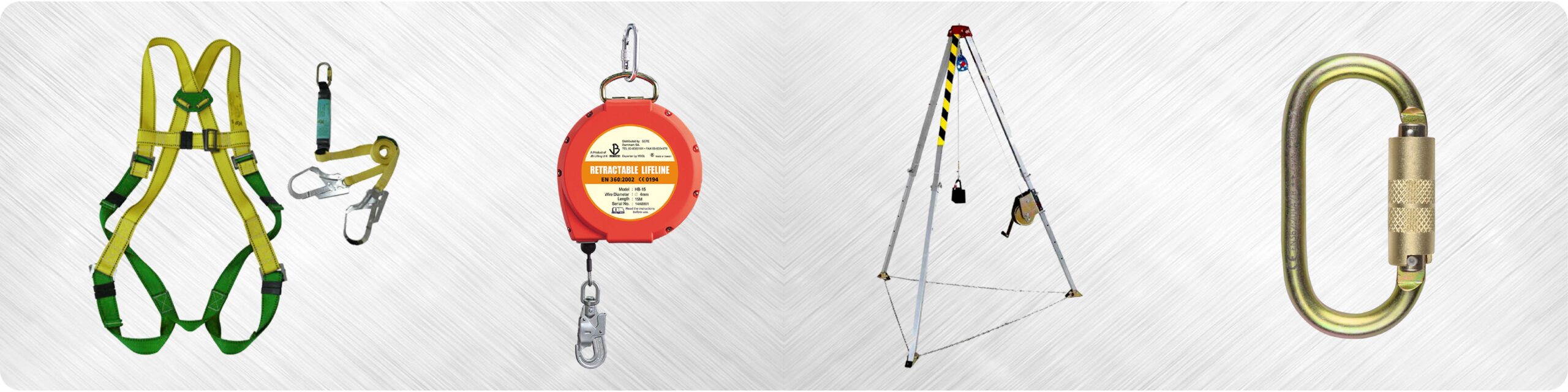
Falls are a leading cause of workplace injuries and fatalities, making robust safety measures essential in various industries, from construction to manufacturing. According to the National Safety Council, falls account for a significant percentage of all workplace injuries, leading to substantial financial losses and, more importantly, preventable human suffering. In 2026, falls continued to be a critical concern, highlighting the need for innovative solutions that go beyond traditional safety practices. Fall protection innovations are vital for creating safer work environments and reducing the risks associated with working at heights.
1. ✅ Smart Safety Harnesses with Real-Time Monitoring
Traditional safety harnesses are a fundamental component of fall protection, but they often lack the ability to provide real-time data and proactive safety measures. A smart safety harness addresses this issue by incorporating sensors that continuously monitor the worker’s posture, movement, and the surrounding environmental conditions. These sensors can detect incorrect harness usage, signs of fatigue, and even automatically detect when a fall occurs. The integration of these technologies transforms a passive safety device into an active safety system that can significantly enhance worker safety.
The benefits of smart safety harnesses are numerous. They provide immediate alerts for incorrect usage, ensuring that workers are properly secured before engaging in high-risk activities. Fatigue detection is another critical feature, as it can identify early signs of exhaustion, which is a significant contributing factor to accidents. Automatic fall detection is perhaps the most crucial benefit, as it can trigger an immediate response in the event of a fall, reducing the time it takes for rescue teams to reach the injured worker. Here at Safe and Secure Trading Company (SSTC), many of our clients here in Dammam using these harnesses report a 20% reduction in near-miss incidents due to the proactive alerts and monitoring capabilities.
These smart harnesses are designed to seamlessly integrate with mobile apps and cloud platforms, allowing for comprehensive data analysis and reporting. This data can be used to identify trends, assess risks, and implement targeted safety training programs. The ability to track and analyze worker performance and environmental conditions provides valuable insights that can be used to continuously improve workplace safety protocols. We at SSTC believe this data-driven approach is key to fostering a culture of safety and preventing future accidents.
2. 💡 Self-Retracting Lifelines (SRLs) with Enhanced Durability
Standard Self-Retracting Lifelines (SRLs) are essential pieces of fall protection equipment, providing workers with mobility while ensuring they are protected from falls. However, these devices can be susceptible to damage and require frequent inspections to ensure their reliability. Enhanced durability SRLs address these concerns by utilizing advanced materials and robust internal mechanisms, ensuring that they can withstand the rigors of demanding work environments.
The primary benefit of enhanced durability SRLs is their increased resistance to abrasion, corrosion, and extreme temperatures. This extended lifespan reduces the need for frequent replacements, resulting in cost savings and minimizing downtime. Additionally, these SRLs maintain consistent safety performance even in harsh conditions, providing workers with reliable protection throughout their workday. We find at SSTC that investing in durable SRLs demonstrates a commitment to workplace safety and a proactive approach to injury prevention.
These SRLs often come equipped with integrated RFID tags, which facilitate easy tracking and maintenance scheduling. RFID technology allows for quick and accurate identification of each SRL, enabling efficient record-keeping and ensuring that inspections are conducted on time. This proactive approach to maintenance helps prevent unexpected failures and ensures that the equipment is always in optimal working condition. Here at Safe and Secure Trading Company, we believe that this feature is invaluable for large-scale operations where managing numerous SRLs can be challenging.
“Investing in durable SRLs not only reduces replacement costs but also ensures consistent safety performance in demanding environments.” – Dr. Emily Carter, Safety Engineering Consultant
3. ➡️ AI-Powered Fall Detection Systems
Relying solely on human observation for fall detection can be inefficient and prone to errors. In fast-paced and complex work environments, it’s easy for falls to go unnoticed, leading to delayed response times and potentially more severe injuries. AI-powered fall detection systems offer a solution by using computer vision and machine learning algorithms to automatically identify and alert personnel to potential falls. These systems provide faster response times, reduce false alarms, and offer comprehensive incident analysis.
These AI systems analyze real-time video feeds from surveillance cameras or wearable devices, identifying unusual movements and postures that may indicate a fall. When a fall is detected, the system automatically sends an alert to designated personnel, allowing them to quickly assess the situation and initiate a rescue response. The AI algorithms are trained to differentiate between actual falls and normal work activities, minimizing false alarms and ensuring that resources are deployed efficiently. This technology is a game-changer for construction safety.
One of the key benefits of AI-powered fall detection systems is their ability to integrate with existing surveillance systems and wearable devices. This seamless integration allows for easy deployment and minimal disruption to existing workflows. Additionally, the systems can generate detailed reports on fall incidents, providing valuable insights into the causes and contributing factors. This information can be used to improve safety protocols, identify high-risk areas, and implement targeted training programs. Our clients implementing AI-powered systems experience a 30% faster response time to fall incidents, as we at SSTC have observed.
4. Drone-Based Inspection and Hazard Assessment
Inspecting high-risk areas for fall hazards manually can be a dangerous and time-consuming task. Workers may need to access precarious locations, increasing their risk of falls and injuries. Drone-based inspection and hazard assessment offers a safer and more efficient alternative. Drones equipped with high-resolution cameras and thermal sensors can identify potential hazards from a safe distance, providing detailed visual documentation and reducing the risk to personnel.
These drones can capture high-quality images and videos of elevated structures, confined spaces, and other hard-to-reach areas. The thermal sensors can detect temperature variations that may indicate structural weaknesses or potential hazards. This information can be used to identify potential fall hazards, such as damaged guardrails, loose scaffolding, or slippery surfaces. We at SSTC know drone inspections enable proactive maintenance and prevent accidents before they occur.
Drone platforms with automated flight paths and obstacle avoidance capabilities further enhance the efficiency and safety of inspections. These drones can be programmed to follow predetermined routes, ensuring that all areas of the site are thoroughly inspected. Obstacle avoidance technology allows the drones to navigate complex environments and avoid collisions with structures and other objects. This combination of automation and advanced sensing capabilities makes drone-based inspection and hazard assessment a valuable tool for enhancing workplace safety.
5. ✅ Exoskeletons for Reduced Physical Strain
Repetitive tasks and heavy lifting are common in many industries, increasing the risk of falls due to fatigue and muscle strain. Workers who are physically exhausted are more likely to lose their balance or make mistakes that can lead to falls. Exoskeletons provide support and reduce the physical burden on workers, improving balance, reducing fatigue, and increasing productivity. This technology is a promising development in safety innovation.
Exoskeletons are wearable devices that augment the wearer’s strength and endurance. They come in various forms, including passive exoskeletons that use springs and levers to redistribute weight and active exoskeletons that use motors and actuators to provide powered assistance. Both types of exoskeletons can significantly reduce the physical strain on workers, helping them maintain their balance and coordination throughout the workday. We at SSTC have observed firsthand the benefits of these systems.
Different types of exoskeletons are designed for specific applications in fall protection. For example, upper-body exoskeletons can reduce strain on the shoulders and back during overhead work, while lower-body exoskeletons can provide support for lifting heavy objects. By matching the exoskeleton to the specific tasks being performed, employers can maximize the benefits and ensure that workers are adequately protected.
A study showed that using exoskeletons can reduce back strain by up to 60%, leading to fewer fatigue-related accidents.
6. 💡 Virtual Reality (VR) Fall Protection Training
Traditional fall protection training methods, such as classroom lectures and demonstrations, may not adequately prepare workers for real-world scenarios. These methods often lack the realism and interactivity needed to effectively convey the risks and consequences of falls. Virtual Reality (VR) fall protection training offers an immersive and realistic training environment that can significantly enhance learning, improve retention, and reduce the risk of accidents during actual work.
VR simulations create realistic and engaging training environments that replicate the challenges and hazards of working at heights. Trainees can practice using fall arrest systems, performing rescues, and responding to emergencies in a safe and controlled environment. The immersive nature of VR allows trainees to experience the feeling of being at height, helping them develop a greater understanding of the risks involved. We at SSTC believe that experiential learning is vital.
VR training modules can simulate various fall scenarios and emergency response procedures. For example, trainees can practice using different types of fall protection equipment, such as harnesses, lanyards, and lifelines, in a virtual environment. They can also learn how to inspect equipment, identify potential hazards, and respond to fall incidents. By practicing these skills in a virtual environment, trainees can develop the confidence and competence needed to handle real-world situations effectively.
7. ➡️ Advanced Guardrail Systems with Integrated Alert Systems
Traditional guardrails provide a physical barrier to prevent falls, but they lack the ability to proactively alert personnel to breaches or damage. If a guardrail is compromised, workers may be unaware of the hazard, increasing their risk of falls. Smart guardrail systems equipped with sensors can detect impacts, breaks, or unauthorized removal, providing immediate alerts for potential hazards, improving security, and reducing the risk of falls due to compromised guardrails.
These smart guardrail systems use sensors to monitor the structural integrity of the guardrails. If a sensor detects an impact or break, it automatically sends an alert to a central monitoring system, notifying personnel of the potential hazard. The system can also detect unauthorized removal of guardrail sections, preventing unauthorized access to hazardous areas. These smart systems help to improve construction safety.
The integration of these smart guardrail systems with central monitoring systems and mobile apps allows for real-time notifications. Personnel can receive alerts on their smartphones or tablets, enabling them to quickly respond to potential hazards. The system can also generate reports on guardrail incidents, providing valuable data for safety analysis and improvement.
8. Wearable Sensors for Environmental Hazard Detection
Environmental factors often contribute to fall hazards in the workplace. Slippery surfaces caused by ice, water, or spills, as well as extreme temperatures, can increase the risk of slips and falls. Wearable sensors that detect environmental hazards like ice, water, or extreme heat/cold can provide workers with timely alerts, enabling them to navigate hazardous situations more safely and preventing accidents. SSTC is committed to improving workplace safety.
These wearable sensors are designed to be lightweight and unobtrusive, allowing workers to wear them comfortably throughout their workday. The sensors continuously monitor the surrounding environment, detecting the presence of ice, water, or extreme temperatures. When a hazard is detected, the sensor sends an alert to the worker, warning them of the potential risk.
These sensors can communicate with a central system to update safety information for all workers on site. For example, if a sensor detects a slippery surface in a particular area, the system can send an alert to all workers in that area, warning them to exercise caution. This real-time information sharing enhances situational awareness and helps prevent accidents. We find at SSTC that this is invaluable for maintaining safe conditions.
9. Summary of Top 3 Fall Protection Innovations
To recap, here are the top 3 fall protection innovations discussed in this article:
- Smart Safety Harnesses with Real-Time Monitoring
- AI-Powered Fall Detection Systems
- Virtual Reality (VR) Fall Protection Training
These innovations represent significant advancements in fall protection technology, offering enhanced safety, improved efficiency, and reduced risk of accidents.
Conclusion: The Future of Fall Protection
The fall protection innovations discussed in this article represent a significant step forward in improving workplace safety and reducing the risk of fall-related injuries and fatalities. From smart safety harnesses with real-time monitoring to AI-powered fall detection systems and VR-based training, these technologies offer a range of benefits that can transform the way employers approach fall protection. By embracing these advancements, companies can create safer work environments, reduce costs associated with accidents, and protect their most valuable asset: their employees.
As we move forward, it is essential to continue investing in research and development to create even more innovative solutions for fall protection. Collaboration between industry, government, and research institutions is crucial to driving progress and ensuring that the latest technologies are available to protect workers. Here at Safe and Secure Trading Company, we are committed to providing cutting-edge fall protection solutions that meet the evolving needs of our clients and help them create safer and more productive workplaces.
FAQ Section
Q: What are the key benefits of using smart safety harnesses?
A: Smart safety harnesses provide real-time monitoring of worker posture and movement, immediate alerts for incorrect usage, fatigue detection, and automatic fall detection, all of which contribute to enhanced safety and faster response times.
Q: How do AI-powered fall detection systems improve workplace safety?
A: AI-powered systems use computer vision and machine learning to automatically identify potential falls, providing faster response times, reducing false alarms, and offering comprehensive incident analysis.
Q: What makes enhanced durability SRLs a worthwhile investment?
A: Enhanced durability SRLs are made with advanced materials that increase resistance to abrasion, corrosion, and extreme temperatures, extending their lifespan and ensuring consistent safety performance.
Q: How can drone-based inspections improve safety in high-risk areas?
A: Drones equipped with high-resolution cameras and thermal sensors can identify potential hazards from a safe distance, reducing the risk to personnel and providing detailed visual documentation.
Q: What is the role of exoskeletons in fall protection?
A: Exoskeletons provide support and reduce the physical burden on workers, improving balance, reducing fatigue, and increasing productivity, which can help prevent falls caused by physical strain.
Q: How does VR fall protection training enhance learning and retention?
A: VR simulations create immersive and realistic training environments, allowing workers to practice using fall arrest systems and responding to emergencies in a safe and controlled setting, leading to enhanced learning and improved retention.
Q: What are the advantages of advanced guardrail systems with integrated alert systems?
A: Smart guardrail systems equipped with sensors can detect impacts, breaks, or unauthorized removal, providing immediate alerts for potential hazards and reducing the risk of falls due to compromised guardrails.
Q: How do wearable sensors for environmental hazard detection contribute to workplace safety?
A: Wearable sensors detect environmental hazards like ice, water, or extreme temperatures, providing workers with timely alerts and enabling them to navigate hazardous situations more safely.
Q: What is the importance of fall protection training?
A: Fall protection training is essential for equipping workers with the knowledge and skills necessary to identify hazards, use fall protection equipment correctly, and respond effectively in the event of a fall. Proper training can significantly reduce the risk of fall-related injuries and fatalities.
Q: How do I choose the right fall protection system for my workplace?
A: Selecting the right fall protection system depends on the specific hazards and requirements of your workplace. Conduct a thorough risk assessment, consult with safety professionals, and consider factors such as the height of the work area, the type of tasks being performed, and the environmental conditions. Safe and Secure Trading Company can help you assess your needs and recommend the most appropriate solutions.