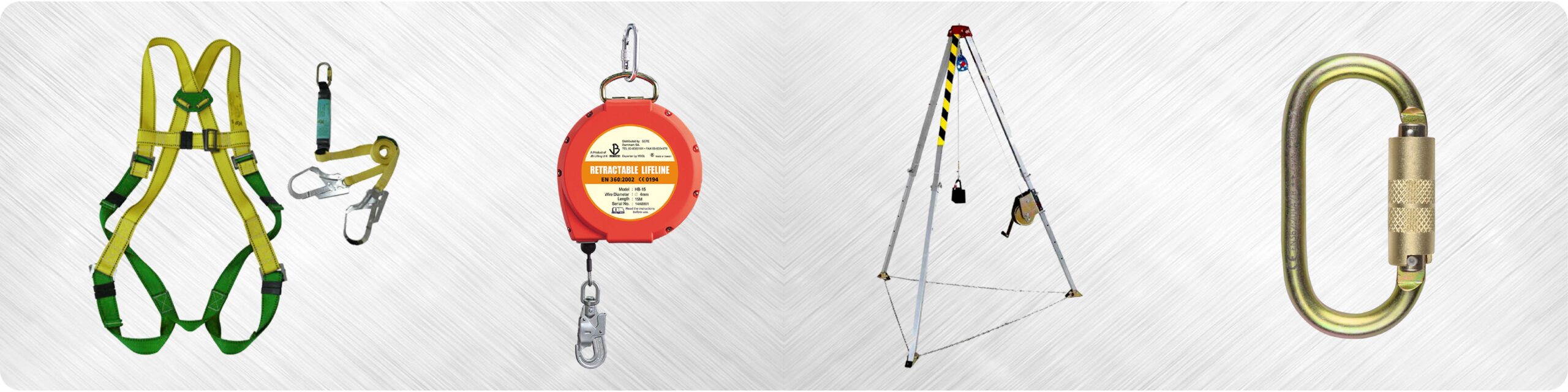
Fall protection is paramount in any industry where workers operate at heights. Choosing the right fall protection equipment can be the difference between a safe workday and a life-altering incident. At Safe and Secure Trading Company (SSTC), we understand the critical importance of equipping your team with the best fall protection solutions tailored to your specific needs. In this guide, we’ll explore the core components of fall arrest systems, the factors to consider when selecting equipment, and how to ensure compliance with safety standards.
Understanding the Gravity of Fall Hazards
Falls are a leading cause of workplace injuries and fatalities across numerous industries. Understanding the scope of the issue is the first step in implementing effective fall protection measures.
The Statistical Reality of Falls
Falls are a major concern in workplace safety, contributing significantly to both injuries and fatalities. According to OSHA, falls are consistently among the most frequently cited violations. The CDC reports that in 2026, falls to a lower level accounted for 14% of all workplace deaths. These statistics underscore the critical need for robust fall protection programs and adherence to safety protocols. These aren’t just numbers; they represent real people and preventable tragedies. We, at SSTC, believe that every worker deserves a safe working environment, and understanding these statistics helps us tailor our solutions to address the most pressing needs.
Types of Fall Hazards in the Workplace
Identifying fall hazards is crucial for developing effective fall protection strategies. Hazards can be broadly categorized, including unprotected edges and sides, leading edges, holes in walking/working surfaces, wall openings, and dangerous equipment. Scaffolds, ladders, and roofs present unique challenges and require specialized equipment and procedures. Slippery surfaces, often due to spills or weather conditions, also contribute to fall risks. “We once consulted with a roofing company where the primary hazard was the constant exposure to unprotected edges. Our recommendation included a combination of safety harnesses and temporary guardrail systems to mitigate the risk,” shares John Miller, Senior Safety Consultant. Regular workplace inspections and hazard assessments are essential for identifying and addressing these potential dangers.
Decoding Fall Protection Equipment: A Data-Driven Approach
Choosing the right fall protection equipment requires a thorough understanding of the available options and their specific applications. At Safe and Secure Trading Company, we advocate for a data-driven approach to ensure optimal safety and compliance.
The Four Core Components of a Fall Arrest System (PFAS)
A personal fall arrest system (PFAS) typically comprises four crucial components. The first is the anchorage, a secure point of attachment capable of supporting 5,000 pounds per worker. The second is body support, usually a full-body safety harness designed to distribute fall forces across the worker’s body. Third, connectors like lanyards or self-retracting lifelines (SRLs) link the harness to the anchorage. Finally, a descent/rescue plan and equipment must be in place to ensure a swift and safe recovery after a fall.
Each component plays a vital role in arresting a fall and minimizing injury. We at SSTC emphasize the importance of using compatible and certified components to ensure the system’s overall effectiveness. Proper inspection and maintenance of each element are also critical for maintaining its integrity and performance.
Anchorage Connectors: Strength and Suitability
Anchorage connectors are the critical link between the fall arrest system and a secure anchor point. Understanding their requirements is paramount. OSHA mandates that anchor points must be capable of supporting 5,000 pounds per employee attached, or be designed with a safety factor of at least two. We’ve seen countless incidents where improper anchorage has led to system failure, so we always stress the importance of verifying the anchor point’s capacity.
There are several types of anchorage connectors, each suited for different applications. Fixed anchorages, like permanent roof anchors, offer a reliable solution for repetitive tasks. Portable anchorages, such as beam clamps or concrete anchors, provide flexibility in temporary work areas. Specialty anchorages, like those designed for specific equipment or structures, address unique challenges. When our team in Dubai tackles this issue, they often find that a combination of fixed and portable anchorages provides the most comprehensive coverage.
Choosing the right anchorage depends on factors like the work environment, the type of task, and the available structure. It’s crucial to assess the pros and cons of each type to ensure it meets the specific needs of the job.
Body Support: Harness Selection Based on Task
The full-body harness is the cornerstone of any fall arrest system. It distributes the impact forces of a fall across the worker’s thighs, pelvis, chest, and shoulders, minimizing the risk of serious injury. It’s essential to choose a harness that meets industry standards, such as ANSI Z359.11. We at SSTC only recommend harnesses that have undergone rigorous testing and certification.
Proper harness fit is crucial for comfort and effectiveness. A harness that is too loose or too tight can cause discomfort, restrict movement, and even compromise safety. Adjust the leg straps, chest strap, and shoulder straps to achieve a snug but not restrictive fit. “We once had a worker complain about harness discomfort, only to find out he was wearing the wrong size. The correct size made all the difference,” says Emily Carter, Fall Protection Specialist.
Material selection is another important consideration. Harnesses are typically made from nylon or polyester webbing. Nylon is strong and durable but can degrade in sunlight. Polyester is more resistant to UV damage and chemicals. Consider the environmental factors of the work environment when choosing a harness material. For instance, in environments with high heat or exposure to corrosive substances, a polyester harness may be the better choice.
Connectors: Lanyards and Lifelines—Dynamic Load Management
Connectors, such as lanyards and lifelines, bridge the gap between the safety harness and the anchorage point. Understanding their dynamic load management capabilities is crucial for ensuring worker safety.
Shock-absorbing lanyards are designed to limit the impact force on the worker’s body during a fall. They incorporate a section of webbing that tears or deploys during a fall, dissipating energy and reducing the force transmitted to the worker. These are essential when using a fixed-length lanyard to prevent serious injury.
Self-retracting lifelines (SRLs) offer greater freedom of movement. They extend and retract as the worker moves, maintaining a constant tension and minimizing the potential fall distance. SRLs are ideal for tasks that require mobility and flexibility.
Calculating fall distance is critical for connector selection. The total fall distance includes the free fall distance, the deceleration distance (the distance the shock absorber extends), and a safety factor. Ensure that the selected connector allows for sufficient clearance to prevent the worker from striking a lower level.
Descent and Rescue: Planning for the Aftermath
Having a rescue plan in place is a critical, yet often overlooked, aspect of fall protection. A well-defined rescue plan ensures that a fallen worker can be retrieved quickly and safely. The longer a worker is suspended in a harness after a fall, the greater the risk of suspension trauma, a potentially life-threatening condition.
There are several types of rescue equipment available, including self-rescue devices, assisted rescue systems, and professional rescue services. Self-rescue devices allow a worker to lower themselves to safety after a fall. Assisted rescue systems involve another worker retrieving the fallen worker using specialized equipment. Professional rescue services are necessary for complex or high-risk situations.
Training is essential for anyone involved in rescue procedures. Workers must be trained on how to use rescue equipment, assess the fallen worker’s condition, and safely lower them to the ground. Regular drills and simulations can help ensure that the rescue team is prepared to respond effectively in an emergency.
Matching Equipment to the Task: A Risk-Based Assessment
Choosing the right fall protection equipment isn’t a one-size-fits-all solution. A risk-based assessment helps identify specific hazards and select appropriate equipment.
Identifying Potential Fall Distances
Accurately calculating potential fall distances is paramount in selecting the appropriate fall protection equipment. The free fall distance refers to the distance a worker falls before the fall arrest system begins to engage. The total fall distance includes the free fall distance, the deceleration distance of the lanyard or SRL, and a safety factor to account for harness stretch and other variables.
Understanding these distances helps determine the required length of lanyards or SRLs and ensures that there is adequate clearance to prevent the worker from impacting a lower level. Factors like the height of the anchorage point, the worker’s position relative to the anchorage, and the type of connector used all influence the fall distance.
Work Positioning vs. Fall Arrest: Knowing the Difference
Work positioning systems and fall arrest systems serve different purposes. Work positioning systems are designed to support a worker in place, allowing them to work hands-free without the risk of falling. These systems typically consist of a body belt or harness, a positioning lanyard, and an anchorage point.
Fall arrest systems, on the other hand, are designed to stop a fall in progress. These systems are used when there is a risk of falling from an elevated surface. They typically consist of a full-body harness, a lanyard or SRL, and an anchorage point.
In some cases, combining work positioning and fall arrest systems provides comprehensive protection. For example, a worker may use a work positioning system to maintain their position while also wearing a fall arrest system as a backup in case of a slip or loss of balance.
Environmental Considerations: Adapting to the Conditions
Environmental factors can significantly impact the performance and lifespan of fall protection equipment. Extreme temperatures can affect the strength and flexibility of webbing and other materials. Corrosive environments, such as those involving chemicals or saltwater, can degrade metal components and weaken the overall system.
Weather conditions like wind, rain, and ice can also create hazards. Wind can increase the risk of falls, while rain and ice can make surfaces slippery and compromise footing. Select equipment that is designed to withstand the specific environmental conditions of the work environment. For example, in corrosive environments, use equipment made from chemical-resistant materials. In cold weather, use insulated harnesses and lanyards to prevent freezing and maintain flexibility.
“Always consider the environment when selecting fall protection equipment. The right choice can significantly extend the lifespan of the gear and ensure worker safety,” – David Thompson, Safety Equipment Specialist
Standards and Regulations: Navigating the Compliance Landscape
Compliance with safety standards and regulations is crucial for ensuring worker safety and avoiding costly penalties. Understanding the relevant standards and regulations is essential for implementing an effective fall protection program.
OSHA Fall Protection Standards: A Detailed Overview
OSHA (Occupational Safety and Health Administration) sets the standards for fall protection in the United States. OSHA 1926 Subpart M specifically addresses fall protection in construction. These standards outline the requirements for fall protection equipment, training, and procedures. OSHA mandates fall protection at 6 feet in construction.
Key provisions of the OSHA standards include requirements for:
OSHA also provides guidance on specific fall hazards, such as those associated with scaffolds, ladders, and roofs. Compliance with OSHA standards is not only a legal requirement but also a moral imperative to protect workers from harm.
ANSI Standards: Ensuring Equipment Quality and Performance
ANSI (American National Standards Institute) develops voluntary consensus standards for fall protection equipment. These standards establish minimum performance requirements for various types of equipment, such as harnesses, lanyards, and SRLs. ANSI standards are widely recognized and respected in the industry.
Key ANSI standards for fall protection equipment include:
- ANSI Z359.11: Safety Requirements for Full Body Harnesses
- ANSI Z359.12: Connecting Components for Personal Fall Arrest Systems
- ANSI Z359.14: Safety Requirements for Self-Retracting Lifelines (SRLs)
Compliance with ANSI standards ensures that equipment meets minimum quality and performance requirements. Manufacturers often certify that their equipment meets ANSI standards, providing assurance to employers and workers.
Regular Inspections and Maintenance: Extending Equipment Lifespan
Regular inspections and maintenance are essential for extending the lifespan of fall protection equipment and ensuring its continued effectiveness. Equipment should be inspected before each use to identify any visible damage or defects.
Pre-use inspections should include checking for:
- Tears, cuts, or abrasions in webbing
- Damaged or deformed hardware
- Proper functioning of buckles and connectors
In addition to pre-use inspections, a competent person should conduct in-depth inspections at least annually. A competent person is a qualified individual with the knowledge and experience to identify hazards and assess the condition of fall protection equipment.
Proper storage is also crucial for protecting equipment from the elements. Store harnesses, lanyards, and SRLs in a clean, dry place away from direct sunlight and extreme temperatures. Follow the manufacturer’s recommendations for cleaning and maintenance to prolong the life of the equipment.
Training and Competency: Empowering Workers with Knowledge
Providing comprehensive training and ensuring worker competency are essential components of an effective fall protection program. Training empowers workers with the knowledge and skills they need to work safely at heights.
Fall Protection Training Requirements: OSHA Mandates
OSHA mandates that workers who may be exposed to fall hazards receive training on fall protection. This training must cover topics such as:
- Identifying fall hazards
- Proper use of fall protection equipment
- Inspection and maintenance of equipment
- Rescue procedures
The training must be provided by a qualified person with the knowledge and experience to deliver effective instruction. The frequency of training should be determined by the employer based on the specific hazards and work conditions. Refresher training should be provided as needed to ensure that workers retain their knowledge and skills.
Hands-on Training: Practicing Proper Equipment Use
Hands-on training is an effective way to reinforce classroom instruction and ensure that workers can properly use fall protection equipment. This type of training involves simulating fall scenarios in a controlled environment. Workers can practice donning and doffing harnesses, connecting lanyards and SRLs, and using rescue equipment.
By practicing these skills in a safe environment, workers can gain confidence and proficiency in using fall protection equipment. Hands-on training can also help identify any gaps in knowledge or skills that need to be addressed.
Rescue Training: Preparing for Emergency Situations
Rescue training is a critical component of fall protection training. Workers must be trained on how to respond in the event of a fall. This training should cover topics such as:
- Assessing the fallen worker’s condition
- Using rescue equipment to retrieve the worker
- Providing first aid and medical assistance
- Contacting emergency services
Workers should practice different rescue techniques and equipment in a controlled environment to prepare them for emergency situations. Rescue training should also emphasize the importance of prompt action to minimize the risk of suspension trauma.
The ROI of Fall Protection: Beyond Compliance
Investing in fall protection is not only a legal and ethical imperative but also a sound business decision. The return on investment (ROI) of fall protection extends far beyond compliance with safety regulations.
Reducing Injury and Fatality Rates: A Moral and Ethical Imperative
Effective fall protection programs have a significant impact on reducing injury and fatality rates in the workplace. By preventing falls, these programs save lives and prevent serious injuries that can have long-lasting consequences. Data from OSHA and NIOSH consistently show that companies with strong safety cultures and robust fall protection programs have lower incident rates and fewer worker fatalities.
Beyond the financial benefits, reducing injury and fatality rates is a moral and ethical imperative. Every worker deserves a safe working environment, and employers have a responsibility to protect their employees from harm.
Minimizing Downtime and Lost Productivity: The Business Case for Safety
Falls can result in significant downtime and lost productivity. When a worker is injured in a fall, it can disrupt operations, delay projects, and impact overall efficiency. The cost of downtime can include:
- Lost work hours
- Medical expenses
- Workers’ compensation claims
- Legal fees
- Equipment repairs
By preventing falls, companies can minimize downtime and lost productivity, resulting in significant cost savings. A study by the National Safety Council found that every dollar invested in safety programs can return $4 to $6 in cost savings.
Enhancing Company Reputation and Brand Image: A Commitment to Worker Safety
A strong safety culture and a commitment to worker safety can enhance a company’s reputation and brand image. Customers, investors, and employees are increasingly concerned about the social responsibility of companies. Companies that prioritize worker safety are viewed as more ethical and trustworthy.
A positive reputation can attract and retain customers, investors, and employees. It can also improve employee morale and productivity. By investing in fall protection and promoting a culture of safety, companies can enhance their reputation and build a stronger brand.
Troubleshooting Common Fall Protection Challenges
Even with the best equipment and training, challenges can arise in fall protection. Addressing these challenges effectively is crucial for maintaining a safe work environment.
Harness Discomfort and Fit Issues
Harness discomfort is a common complaint among workers. A poorly fitting harness can cause chafing, pressure points, and restricted movement. These issues can lead to worker fatigue and reduced productivity.
To address harness discomfort, ensure that workers are properly fitted for their harnesses. Provide a variety of harness sizes and styles to accommodate different body types. Encourage workers to adjust their harnesses throughout the day to maintain a comfortable fit. Consider using padded harnesses or adding padding to pressure points to improve comfort.
Lanyard Entanglement and Trip Hazards
Lanyard entanglement and trip hazards can increase the risk of falls. Lanyards can become tangled on objects or equipment, restricting movement and increasing the risk of a fall. Workers can also trip over lanyards, especially when working in confined spaces.
To prevent lanyard entanglement and trip hazards, use retractable lanyards or SRLs. These devices keep the lanyard taut and prevent it from dragging on the ground. Encourage workers to keep their work areas clear of obstructions and to be aware of their surroundings. Use lanyard keepers to secure excess lanyard length and prevent it from becoming a hazard.
Anchorage Point Selection Challenges
Selecting appropriate anchorage points can be challenging in some work environments. Anchorage points must be strong enough to support the force of a fall and must be located in a position that minimizes the fall distance.
When selecting anchorage points, consider the following factors:
- The strength of the anchorage point
- The location of the anchorage point relative to the work area
- The potential fall distance
- The presence of any obstructions
If suitable anchorage points are not available, use engineered anchorage solutions such as temporary anchor points or horizontal lifelines. Ensure that all anchorage points are inspected and certified by a qualified person.
Conclusion
Choosing the right fall protection equipment is crucial for ensuring worker safety and preventing costly accidents. By understanding the core components of a fall arrest system, considering the specific hazards and environmental conditions of the work environment, and complying with safety standards and regulations, you can create a safer and more productive workplace. We’ve equipped you with the knowledge to make informed decisions about fall protection, protecting your team and your business. We at Safe and Secure Trading Company are committed to providing you with the best fall protection solutions and support.
FAQ Section
Q: How often should fall protection equipment be inspected?
A: Fall protection equipment should be inspected before each use by the worker and at least annually by a competent person. Regular inspections help identify any damage or defects that could compromise the equipment’s effectiveness.
Q: What are the consequences of not complying with OSHA fall protection standards?
A: Failure to comply with OSHA fall protection standards can result in significant fines, penalties, and legal liabilities. In addition to the financial costs, non-compliance can also damage a company’s reputation and lead to increased insurance premiums.
Q: How do I choose the right size safety harness?
A: Choosing the right size safety harness is crucial for comfort and effectiveness. Measure the worker’s chest and waist to determine the appropriate harness size. Ensure that the harness fits snugly but not too tightly, and that the leg straps and shoulder straps are properly adjusted.
Q: What is suspension trauma, and how can it be prevented?
A: Suspension trauma is a potentially life-threatening condition that can occur when a worker is suspended in a harness after a fall. It is caused by the pooling of blood in the legs, which can lead to a drop in blood pressure and loss of consciousness. Suspension trauma can be prevented by promptly rescuing the fallen worker and providing appropriate medical care. Use suspension trauma straps to allow the worker to move their legs while awaiting rescue.