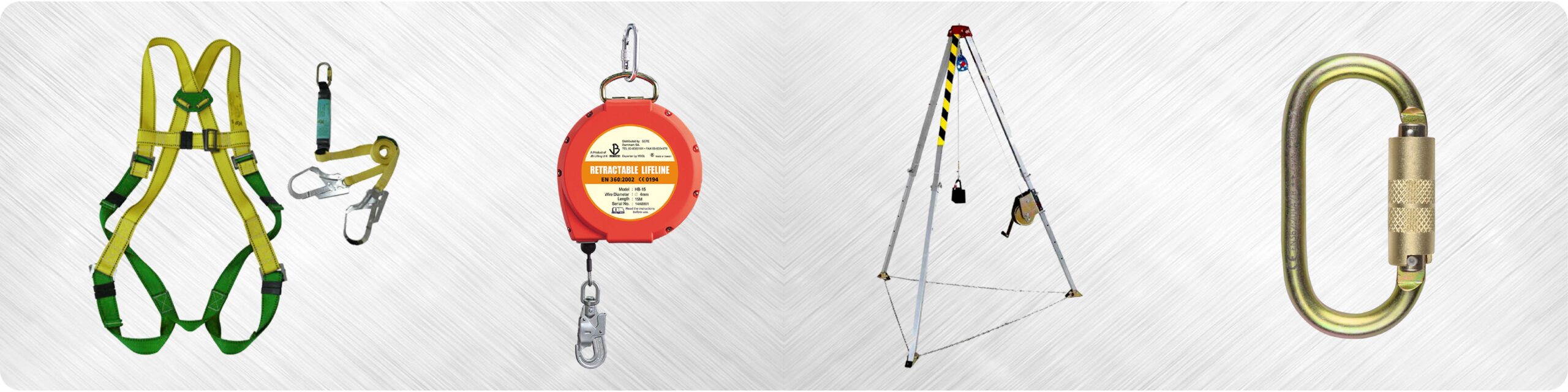
Fall protection is essential in various industries, especially construction and manufacturing, where workers face potential hazards every day. Understanding the realities versus the myths surrounding fall protection is critical for ensuring workplace safety. Many misconceptions can lead to inadequate safety measures, increasing the risk of severe injuries or fatalities. As a leading provider of safety solutions, Safe and Secure Trading Company (SSTC) is committed to debunking these myths and promoting a culture of safety. Our goal is to help businesses create safer work environments and protect their employees from fall-related accidents. In this article, we will address common fall protection myths and provide accurate information to promote better safety practices.
1. Myth: Fall Protection is Only Needed for High Heights
💡 One of the most pervasive fall protection myths is that fall protection is only necessary at significant heights. This misconception often leads to overlooking potential hazards at lower levels, where serious injuries can still occur. Recognizing the danger at any height is crucial for maintaining a safe workplace. Ignoring the need for fall protection equipment at lower levels can result in preventable accidents.
1.1 The Reality of Low-Height Falls
Many believe fall protection is only necessary at extreme heights. However, serious injuries can occur from falls as low as 4-6 feet. For many of our clients here in Dammam, we’ve seen that failing to recognize this risk is a common and dangerous mistake. These low-height falls can lead to fractures, sprains, and head injuries, impacting workers’ health and productivity. It’s important to assess all potential fall hazards, regardless of height.
1.2 OSHA’s Height Requirements vs. Best Practices
OSHA sets specific height thresholds for requiring fall protection, but these are minimum standards, not optimal practices. Some regulations require fall protection at heights as low as 6 feet. We advise exceeding these standards where possible. While OSHA’s guidelines provide a baseline, a proactive approach to safety involves implementing measures that go beyond these minimums. A comprehensive fall arrest system should be considered for any work environment where a fall hazard exists, no matter the height.
1.3 Case Studies: Low-Fall Injuries
Consider a recent incident where a construction worker fell from a ladder at a height of 5 feet while installing drywall. He sustained a fractured wrist and a concussion, requiring extensive medical treatment and time off work. Another example includes a warehouse employee who slipped on a wet surface and fell from a loading dock that was 4 feet high, resulting in a broken ankle. These real-world examples underscore the serious consequences of low-height falls and reinforce the need for comprehensive fall safety measures.
2. Myth: Any Anchorage Point Will Do
➡️ Another dangerous myth is that any sturdy structure can serve as an anchorage point. Selecting proper anchorage points is critical for the effectiveness of a fall arrest system. Using substandard anchorage can lead to system failure and severe injuries. Ensuring that anchorage points meet safety standards is a fundamental aspect of fall protection.
2.1 The Importance of Rated Anchorage Points
A frequent error is assuming any sturdy structure can serve as an anchorage point. Proper anchorage points must be load-rated to withstand the forces generated during a fall, often at least 5,000 pounds per worker attached. These points are specifically designed to handle the dynamic forces of a fall, ensuring that the system can safely arrest the worker’s descent. Using non-rated anchorage points can result in catastrophic failure.
2.2 Inspecting and Certifying Anchorage Points
Detail the process of inspecting and certifying anchorage points, including visual checks for damage and professional load testing. Explain what our SSTC clients should be doing to properly inspect these crucial parts of their fall protection plans. Regular inspections should include checking for corrosion, cracks, and deformation. Load testing should be conducted by qualified professionals to ensure the anchorage points meet the required standards.
2.3 Consequences of Using Unsafe Anchorage
Using unsafe anchorage points can have severe consequences, including anchorage failure, which can negate the entire fall protection system. In such cases, the worker may fall without any restraint, leading to serious injury or death. It’s essential to understand that the integrity of the anchorage point is as critical as the harness and lanyard in a fall arrest system. Proper workplace safety hinges on these often overlooked structural components.
3. Myth: One-Size-Fits-All Harnesses are Sufficient
✅ A common misconception is that one-size-fits-all harnesses are adequate for all workers. Proper harness fit is crucial for the effectiveness of fall protection. Ill-fitting harnesses can cause discomfort, reduce mobility, and, most importantly, fail to provide adequate protection in a fall. Investing in properly sized and adjustable harnesses is a key component of harness safety.
3.1 The Problem with Ill-Fitting Harnesses
Using incorrectly sized harnesses is a common error that can compromise safety. Harnesses must fit snugly to distribute fall forces effectively. Loose harnesses can cause injury. When a harness is too large, the worker may slip out during a fall, and when it’s too small, it can cause discomfort and restrict movement, potentially leading to other accidents.
3.2 Proper Harness Fitting and Adjustment
Provide a step-by-step guide to properly fitting and adjusting a fall protection harness. Include visual cues and instructions on checking strap tightness and placement. Start by loosening all straps, then put on the harness like a vest, ensuring the D-ring is centered on the back. Tighten the leg straps first, followed by the chest strap, ensuring a snug but not overly tight fit. Finally, adjust the shoulder straps to ensure the harness sits correctly on the body.
3.3 The Importance of Regular Harness Inspections
Explain the need for regular harness safety inspections to identify wear, damage, and improper fit, and describe how those inspections are done, along with SSTC’s recommendations for inspections. Inspect harnesses before each use, checking for cuts, abrasions, chemical damage, and any signs of wear on the straps and hardware. Ensure the D-rings are not bent or damaged, and the buckles function correctly. SSTC recommends a thorough inspection by a qualified person at least annually.
4. Myth: Lanyards Don’t Need Inspection
➡️ Many believe that lanyards are durable and maintenance-free, but this is another significant misconception. Lanyard safety is critical, and regular inspections are necessary to ensure their integrity. Damaged or worn lanyards can fail during a fall, negating the fall protection system. Maintaining lanyards in good condition is essential for workplace safety.
4.1 The Hazards of Damaged Lanyards
Many assume lanyards are durable and maintenance-free. However, lanyards can be damaged by cuts, abrasions, chemicals, or UV exposure, rendering them unsafe. These damages can significantly reduce the lanyard’s ability to withstand the forces of a fall. Regularly used lanyards should be inspected more frequently to ensure they remain in optimal condition.
4.2 Lanyard Inspection Procedures
Outline the proper inspection procedures for lanyards, including checking for frayed fibers, damaged hardware, and proper shock-absorbing function. Look for cuts, burns, or abrasions on the webbing or rope. Ensure the snap hooks and D-rings are not bent, cracked, or corroded, and that they lock securely. Check the shock absorber pack for any signs of deployment or damage.
4.3 Replacing Worn or Damaged Lanyards
Emphasize that damaged lanyards must be immediately replaced. Never use a compromised lanyard. Worn or damaged lanyards should be taken out of service immediately and replaced with new ones that meet the required safety standards. Using damaged fall protection equipment can have catastrophic consequences.
5. Myth: Fall Protection Training is a One-Time Event
💡 Treating fall protection training as a one-time event is a significant mistake. Safety regulations and best practices evolve, and workers’ knowledge can fade over time. Ongoing training and refresher courses are essential to maintain a high level of workplace safety. Continuous education ensures that workers stay informed and competent in fall protection procedures.
5.1 The Need for Ongoing Training and Refreshers
A significant mistake is treating fall protection training as a one-time event. Knowledge and skills degrade over time, and regulations change. Ongoing training is essential. Refresher courses help reinforce best practices, update workers on new technologies and regulations, and address any gaps in knowledge or skills.
5.2 Elements of Effective Fall Protection Training Programs
Describe the key elements of a comprehensive fall protection training program, including hazard identification, equipment inspection, and rescue procedures. Training should cover topics such as proper harness fitting, lanyard safety, anchorage points, and the use of various fall arrest systems. It should also include hands-on practice sessions to ensure workers can correctly use and inspect their equipment.
5.3 Frequency of Refresher Training
Recommend the frequency of refresher training sessions (e.g., annually) to reinforce best practices and address new developments. We recommend annual refresher training to reinforce best practices and address any new developments in fall protection. This ensures that workers remain competent and up-to-date with the latest safety standards and procedures. We’ve observed in our work with clients that annual training results in dramatically improved safety performance.
6. Myth: Swing Fall is Not a Significant Hazard
✅ Swing fall occurs when a worker falls horizontally while attached to an anchorage point, potentially swinging into obstructions. Many fail to recognize the dangers of swing fall. Swing fall can significantly increase the risk of serious injury. Understanding and mitigating swing fall hazards is critical for construction safety.
6.1 Understanding Swing Fall Hazards
Swing fall occurs when a worker falls horizontally while attached to an anchorage point, potentially swinging into obstructions. This increases the risk of serious injury. The distance of the swing can amplify the impact forces, leading to severe injuries or even fatalities. This is a critical aspect of fall safety that must be considered.
6.2 Calculating Swing Fall Distance
Explain how to calculate swing fall distance based on anchorage point location and worker movement. The swing fall distance depends on the length of the lanyard and the horizontal distance between the worker and the anchorage point. A longer lanyard and greater horizontal distance result in a larger swing fall distance, increasing the risk of striking an object.
6.3 Minimizing Swing Fall Risk
Offer strategies for minimizing swing fall risk, such as using shorter lanyards or relocating anchorage points. To minimize swing fall risk, position the anchorage point directly overhead or as close as possible to the work area. Use shorter lanyards or self-retracting lifelines to reduce the potential swing distance. Ensure the area is clear of obstructions that could be struck during a swing fall.
7. Myth: Fall Protection Guarantees Safety
➡️ A critical misconception is believing fall protection eliminates all risk. Fall protection is a system that minimizes, but doesn’t eliminate, the risk of injury. Proper use and maintenance are critical. Fall protection is a crucial component of workplace safety, but it’s not a foolproof solution. A comprehensive safety plan, proper training, and diligent adherence to safety protocols are all necessary to create a safe work environment.
7.1 Fall Protection as a System, Not a Guarantee
A critical misconception is believing fall protection eliminates all risk. Fall protection is a system that minimizes, but doesn’t eliminate, the risk of injury. Proper use and maintenance are critical. The system’s effectiveness depends on proper selection, use, and maintenance of fall protection equipment.
7.2 The Importance of a Comprehensive Safety Plan
Emphasize the need for a comprehensive safety plan that includes hazard identification, risk assessment, and emergency procedures. A comprehensive safety plan should include regular hazard assessments to identify potential fall hazards, risk assessments to evaluate the likelihood and severity of potential falls, and emergency procedures to address post-fall rescue and medical response. For many of our clients in the construction industry, we’ve developed customized safety plans that have reduced incidents significantly.
7.3 Human Error and Fall Protection
Acknowledge that human error can still lead to accidents, even with proper fall protection. Stress the importance of vigilance and adherence to safety protocols. Workers must be vigilant in following safety procedures and using fall protection equipment correctly. Regular safety meetings and toolbox talks can help reinforce the importance of vigilance and adherence to safety protocols.
“Fall protection is not merely about compliance; it’s about creating a culture of safety where every worker understands the risks and takes proactive measures to prevent falls.” – John Smith, Certified Safety Professional
8. Myth: You Don’t Need Fall Protection If You’re Only Up There for a Minute
💡 A very common mistake is thinking that short durations negate the need for fall protection. Most accidents happen when people are complacent. Even brief exposure to a fall hazard requires the use of appropriate fall protection equipment. Always prioritize safety, regardless of the task’s duration.
8.1 The Danger of Complacency
A very common mistake is thinking that short durations negate the need for fall protection. Most accidents happen when people are complacent. Complacency can lead to shortcuts and neglecting safety protocols.
8.2 Risk Exposure Doesn’t Discriminate
Remind readers that gravity doesn’t care how long you’re exposed to a fall hazard. A fall in one minute can be just as deadly as a fall in one hour. The potential for serious injury or death is the same regardless of the time spent at height.
8.3 Make Fall Protection a Habit
Promote the idea of always using fall protection, no matter how brief the task. Make it a consistent habit. By consistently using fall protection, it becomes second nature and reduces the likelihood of accidents. This is one of the key points we stress with our clients during workplace safety consultations.
9. Myth: Fall Protection is Too Expensive
✅ Some believe that fall protection is too costly, but this is a shortsighted view. The cost of accidents (medical bills, lost productivity, lawsuits) far outweighs the cost of fall protection. Investing in fall protection is a smart business decision that protects both workers and the company’s bottom line. Providing adequate fall protection equipment demonstrates a commitment to workplace safety and can improve employee morale.
9.1 The Cost of Accidents
Argue that the cost of accidents (medical bills, lost productivity, lawsuits) far outweighs the cost of fall protection. Accidents can result in significant financial losses due to medical expenses, workers’ compensation claims, lost productivity, and potential lawsuits.
9.2 Affordable Fall Protection Solutions
Highlight various affordable fall protection solutions suitable for different budgets and needs. At SSTC, we offer a range of competitive options. These include basic harness and lanyard kits, retractable lifelines, and temporary anchorage points. We work with businesses of all sizes to find cost-effective solutions that meet their specific needs.
9.3 ROI of a Safer Workplace
Explain how a safer workplace can lead to higher employee morale, lower insurance premiums, and increased productivity. A safer workplace can reduce the number of accidents, leading to lower insurance premiums and reduced workers’ compensation costs. Higher employee morale can result in increased productivity and reduced turnover.
10. Myth: Fall Clearance is Only a Minor Concern
➡️ Many underestimate the importance of fall clearance. Insufficient fall clearance can lead to serious injuries or fatalities. Fall clearance is a critical factor in determining the effectiveness of a fall arrest system.
10.1 What is Fall Clearance?
Define fall clearance as the unobstructed vertical distance required below a worker to safely arrest a fall without striking a lower level or object. Fall clearance includes the length of the lanyard, the deceleration distance of the shock absorber, and a safety factor.
10.2 The Dangers of Insufficient Fall Clearance
Describe the serious injuries that can occur if there isn’t enough fall clearance, such as hitting the ground or an object below. Insufficient fall clearance can result in serious injuries, such as head trauma, spinal cord injuries, and broken bones. It’s crucial to ensure there is adequate fall clearance to prevent these types of injuries.
10.3 Calculating Fall Clearance Requirements
Provide a clear method for calculating the required fall clearance, including lanyard length, deceleration distance, and a safety factor. Start by measuring the lanyard length, then add the deceleration distance provided by the shock absorber, and finally add a safety factor (typically 2-3 feet). The total distance should be greater than the distance to the nearest obstruction or lower level.
| Component |
Description |
Measurement |
| Lanyard Length |
The length of the lanyard when fully extended. |
Measure from the attachment point on the harness to the snap hook. |
| Deceleration Distance |
The distance the shock absorber extends during a fall. |
Refer to the manufacturer’s specifications. |
| Safety Factor |
An additional buffer to ensure adequate clearance. |
Typically 2-3 feet. |
| Total Fall Clearance |
The sum of the lanyard length, deceleration distance, and safety factor. |
Lanyard Length + Deceleration Distance + Safety Factor |
11. Myth: There’s No Need for a Rescue Plan
✅ A critical oversight is the absence of a rescue plan. Suspension trauma can occur when a worker is suspended in a harness after a fall. A well-defined rescue plan is essential to ensure a timely and effective response.
11.1 The Reality of Post-Fall Suspension
Explain the dangers of suspension trauma, which can occur when a worker is suspended in a harness after a fall. Suspension trauma, also known as orthostatic intolerance, can occur within minutes of suspension and can lead to serious injury or death if not addressed promptly.
11.2 Elements of a Comprehensive Rescue Plan
Describe the key elements of a rescue plan, including trained personnel, rescue equipment, and communication protocols. A comprehensive rescue plan should include a designated rescue team, readily available rescue equipment (such as descent devices and ropes), and clear communication protocols to ensure a coordinated response. SSTC often assists our clients in developing and implementing these plans.
11.3 Practicing Rescue Procedures
Emphasize the need for regular drills and practice sessions to ensure the rescue team can respond effectively in an emergency. Regular drills and practice sessions help the rescue team become familiar with the rescue procedures and equipment, ensuring they can respond quickly and effectively in an emergency.
12. Top 3 Most Dangerous Fall Protection Myths: A Quick Summary
To recap, here are the three most dangerous fall protection myths:
12.1 Myth #1: Low Heights are Safe
Briefly restate the danger of ignoring fall protection at lower heights. Low-height falls can still result in serious injuries and should not be overlooked. Fall protection should be implemented at any height where a fall hazard exists.
12.2 Myth #2: Any Anchorage Point is OK
Reiterate the importance of using rated anchorage points. Using non-rated anchorage points can lead to system failure and serious injury or death. Always ensure anchorage points are properly rated and inspected.
12.3 Myth #3: No Need for Rescue Plans
Highlight the critical need for a post-fall rescue strategy. Without a rescue plan, a worker suspended after a fall is at risk of suspension trauma, which can be fatal. A well-defined and practiced rescue plan is essential.
Conclusion
Understanding and dispelling these fall protection myths is crucial for creating safer work environments. By recognizing the dangers of low-height falls, using properly rated anchorage points, ensuring correct harness fit, regularly inspecting fall protection equipment, providing ongoing training, and developing comprehensive safety plans, businesses can significantly reduce the risk of fall-related accidents. We, at Safe and Secure Trading Company, are committed to helping you create a safer workplace.
FAQ Section
Q: At what height is fall protection required?
A: OSHA generally requires fall protection at 4 feet in general industry, 5 feet in maritime, and 6 feet in construction. However, best practices often dictate using fall protection at any height where a fall hazard exists.
Q: How often should fall protection equipment be inspected?
A: Fall protection equipment should be inspected before each use and at least annually by a competent person.
Q: What are the key components of a fall arrest system?
A: The key components of a fall arrest system include a full-body harness, a lanyard or self-retracting lifeline, and a properly rated anchorage point.
Q: What is suspension trauma, and how can it be prevented?
A: Suspension trauma is a condition that can occur when a worker is suspended in a harness after a fall, leading to reduced blood flow and potential organ damage. It can be prevented by having a rescue plan in place and ensuring a prompt rescue.
Q: How can I ensure my employees are properly trained in fall protection?
A: Provide comprehensive fall protection training that covers hazard identification, equipment inspection, proper use of fall protection equipment, and rescue procedures. Conduct refresher training regularly to reinforce best practices.
Q: What should I do if fall protection equipment is damaged?
A: Immediately remove the damaged equipment from service and replace it with new equipment that meets the required safety standards. Never use compromised fall protection equipment.
Q: What are some affordable fall protection solutions for small businesses?
A: Affordable solutions include basic harness and lanyard kits, temporary anchorage points, and mobile fall protection carts. Consider renting equipment for short-term projects to reduce costs.
Q: How can I calculate the required fall clearance for a specific work area?
A: Calculate fall clearance by adding the lanyard length, deceleration distance, and a safety factor (typically 2-3 feet). Ensure the total distance is greater than the distance to the nearest obstruction or lower level.
Q: What are the benefits of implementing a comprehensive safety plan?
A: A comprehensive safety plan can reduce the number of accidents, lower insurance premiums, increase employee morale, and improve productivity.
Q: How can Safe and Secure Trading Company (SSTC) help my business with fall protection?
A: SSTC offers a range of fall protection solutions, including equipment sales, training programs, safety consultations, and customized safety plans. We can help you assess your fall hazards, select the appropriate equipment, and implement effective safety measures to protect your workers. We can also help ensure you meet OSHA fall protection guidelines and other safety regulations. In the past 2026, we’ve increased workplace safety and reduced injuries in dozens of businesses across Saudi Arabia.