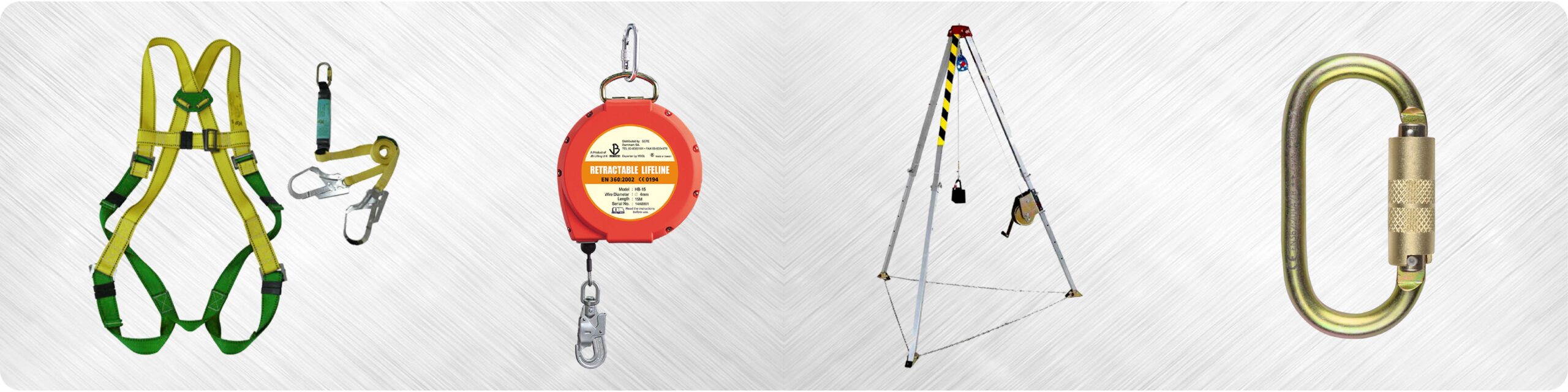
Protecting Lives: Your Fall Protection Plan is a critical component of workplace safety, especially in industries like construction and manufacturing. A well-defined fall protection plan not only safeguards your employees from injury but also protects your business from financial losses and legal liabilities. In this comprehensive guide, provided by Safe and Secure Trading Company (SSTC), we’ll walk you through the essential steps of creating an effective fall protection plan, ensuring a safer and more productive work environment.
The Unseen Cost of Falls: A Story from the Field
The Day We Almost Lost John
At Safe and Secure Trading Company, we’ve seen firsthand the devastating impact of falls in the workplace. One incident, in particular, sticks with us. It involved John, a seasoned construction worker on a site we were consulting in Phoenix, Arizona. John was working on scaffolding, securing a beam, when a section of the platform gave way. Luckily, he was wearing a safety harness, which caught him before he hit the ground. The immediate aftermath was a flurry of activity: ensuring John’s safety, calling paramedics, and securing the site.
But the real cost went beyond the initial chaos. John was shaken and unable to work for weeks. His family suffered emotional distress, and the project timeline was significantly delayed. The financial impact was considerable, including medical bills, workers’ compensation, and lost productivity. This near-miss served as a stark reminder: falls in the workplace are more than just accidents; they’re potential tragedies with far-reaching consequences. A robust fall protection plan could have prevented this entire incident. As a leading safety provider, we always emphasize the value of a comprehensive workplace safety and risk management strategy.
Falls in the Workplace: More Than Just Accidents
Falls are a pervasive and serious issue in the workplace. According to the National Safety Council, falls are a leading cause of workplace injuries and fatalities. Data from the Bureau of Labor Statistics indicates that in 2026, falls accounted for a significant percentage of all workplace deaths. What’s more alarming is that many of these incidents are preventable with the right precautions and a comprehensive fall protection plan.
Falls are costly, too. Beyond the immediate medical expenses and workers’ compensation claims, falls lead to lost productivity, increased insurance rates, and potential legal liabilities. Ignoring fall prevention is not only a safety hazard but also a financial risk. Industries like construction, manufacturing, and warehousing are particularly susceptible to fall-related incidents due to the nature of the work performed. A solid safety plan, encompassing aspects like fall protection equipment, safety training, and regular hazard assessments, is crucial to mitigate these risks.
“Falls are consistently one of the leading causes of workplace fatalities. Investing in fall protection isn’t just about compliance; it’s about valuing human life and preventing devastating losses.” – Jane Smith, Certified Safety Professional
What Exactly is a Fall Protection Plan?
Defining a Fall Protection Plan
A fall protection plan is a comprehensive, written document that outlines the measures an employer will take to protect employees from fall hazards. It’s more than just a set of rules; it’s a detailed strategy that includes hazard identification, risk management, the selection and use of fall protection equipment, safety training programs, and procedures for rescue and incident reporting. The plan should be tailored to the specific hazards and work environments of the workplace.
A comprehensive fall protection plan also includes details about safety regulations, including OSHA compliance, and how the company intends to adhere to these guidelines. It addresses topics such as guardrail installation, the use of personal fall arrest systems (PFAS), and the implementation of controlled access zones. Regular updates and reviews are essential to ensure the plan remains effective and reflects any changes in the work environment or safety regulations.
Why Every Workplace Needs One
Every workplace that involves working at heights or near potential fall hazards needs a fall protection plan. The reasons are multifaceted, encompassing legal, ethical, and financial considerations. From a legal standpoint, OSHA regulations mandate that employers provide a safe working environment and implement measures to protect employees from falls. Failure to comply with these regulations can result in hefty fines and legal repercussions.
Ethically, employers have a moral obligation to protect their employees from harm. Implementing a fall protection plan demonstrates a commitment to employee well-being and creates a culture of safety. Employees who feel safe and valued are more likely to be productive and engaged. Financially, a fall protection plan can save money in the long run by reducing the likelihood of accidents, injuries, and associated costs. The costs associated with a comprehensive fall protection plan, including safety training and fall protection equipment, are minimal compared to the potential financial fallout from a single fall-related incident. We at Safe and Secure Trading Company believe a robust fall protection plan is fundamental to responsible business practices.
The Financial Fallout: How Falls Impact Your Bottom Line
Direct Costs: Medical Bills and Workers’ Compensation
The direct costs associated with workplace falls are significant and can quickly add up. These costs primarily include medical bills and workers’ compensation claims. When an employee suffers a fall injury, the employer is responsible for covering the costs of medical treatment, including ambulance services, hospital stays, surgeries, and rehabilitation. These expenses can range from a few thousand dollars for minor injuries to hundreds of thousands of dollars for severe injuries or fatalities.
Workers’ compensation insurance is designed to cover these costs, but premiums can increase significantly following a fall-related incident. The higher the number and severity of fall injuries, the higher the workers’ compensation premiums. Additionally, employers may be required to pay lost wages to injured employees while they are unable to work. These direct costs can place a substantial financial burden on the business, particularly small and medium-sized enterprises.
Indirect Costs: Lost Productivity and Legal Fees
In addition to the direct costs, falls in the workplace also result in a range of indirect costs that can be even more substantial over time. These indirect costs include lost productivity, training replacement employees, damage to equipment, increased insurance rates, and potential legal fees. When an employee is injured in a fall, their work stops, and other employees may need to stop working to provide assistance or investigate the incident. This disruption can lead to significant productivity losses, especially if the injured employee is a key member of the team.
If the injured employee is unable to return to work, the employer may need to hire and train a replacement. This process can be time-consuming and costly, especially if the job requires specialized skills or experience. Damage to equipment or property resulting from the fall can also add to the indirect costs. Legal fees can arise if the injured employee files a lawsuit against the employer, alleging negligence or failure to provide a safe working environment. These indirect costs can accumulate over time, significantly impacting the business’s overall financial health.
The ROI of a Fall Protection Plan: A Smart Investment
Investing in a comprehensive fall protection plan is not just an expense; it’s a smart investment that can provide a significant return on investment (ROI). By preventing falls, employers can avoid the direct and indirect costs associated with fall injuries, saving money in the long run. The costs of implementing a fall protection plan, including safety training, hazard assessments, and the purchase of fall protection equipment, are minimal compared to the potential financial losses from a single fall-related incident.
Moreover, a robust fall protection plan can improve employee morale and productivity. Employees who feel safe and protected are more likely to be engaged and productive. A positive safety culture can also enhance the company’s reputation, making it easier to attract and retain top talent. The reduced risk of accidents and injuries can also lead to lower insurance rates over time. All of these factors contribute to a healthier bottom line and a more sustainable business. As we’ve seen with our clients, the savings from implementing a proactive fall protection plan can far outweigh the initial investment.
Creating Your Fall Protection Plan: Step-by-Step Guide
Step 1: Conducting a Thorough Hazard Assessment
The first step in creating an effective fall protection plan is to conduct a thorough hazard assessment of the workplace. This involves identifying all potential fall hazards and evaluating the risks associated with each hazard. A hazard assessment should be conducted by a competent person who has the knowledge and experience to identify fall hazards and recommend appropriate control measures. The assessment should cover all areas of the workplace where employees may be exposed to fall hazards, including elevated work platforms, roofs, scaffolding, ladders, and stairways.
During the hazard assessment, it’s important to consider the type of work being performed, the equipment being used, and the environmental conditions. For example, slippery surfaces, poor lighting, and cluttered work areas can increase the risk of falls. The hazard assessment should also take into account the frequency and duration of exposure to fall hazards. The goal is to identify all potential fall hazards and prioritize them based on the severity of the potential injury and the likelihood of occurrence.
Step 2: Selecting the Right Fall Protection Equipment
Once the hazard assessment is complete, the next step is to select the appropriate fall protection equipment. The type of equipment needed will depend on the specific fall hazards identified in the assessment. Common types of fall protection equipment include harnesses, lanyards, self-retracting lifelines, guardrails, safety nets, and personal fall arrest systems (PFAS). It’s important to select equipment that meets applicable safety standards and is appropriate for the specific work being performed.
Harnesses should fit properly and be comfortable to wear. Lanyards should be of the appropriate length and have the correct connectors. Guardrails should be sturdy and properly installed. Safety nets should be positioned to catch falling workers. PFAS should be inspected regularly to ensure they are in good working condition. Employees should be trained on how to properly use and maintain fall protection equipment. The selection of fall protection equipment should be based on a hierarchy of controls, with the most effective control measures being implemented first.
Step 3: Implementing Engineering Controls
Engineering controls are physical changes to the workplace that eliminate or reduce fall hazards. These controls are generally the most effective way to prevent falls because they remove the hazard entirely or isolate workers from the hazard. Examples of engineering controls include installing guardrails around elevated work platforms, covering floor openings, and providing non-slip surfaces. When our team in Dubai tackles this issue, they often find installing permanent guardrails around frequently accessed elevated platforms significantly reduces the risk of falls.
Engineering controls should be implemented whenever feasible to eliminate or reduce fall hazards. These controls are more effective than administrative controls or personal protective equipment (PPE) because they don’t rely on worker behavior to be effective. Engineering controls can also improve productivity by making the work environment safer and more efficient. The implementation of engineering controls should be documented in the fall protection plan.
Step 4: Developing Safe Work Procedures
In addition to engineering controls and fall protection equipment, it’s important to develop safe work procedures for working at heights. These procedures should outline the steps employees must take to protect themselves from falls. Safe work procedures should be clear, concise, and easy to understand. They should be communicated to all employees who work at heights. We once had a user who got stuck on this step. Here’s the trick to avoid that common issue: Involve employees in the development of safe work procedures to ensure they are practical and effective.
Safe work procedures should address topics such as how to inspect fall protection equipment, how to set up and use ladders and scaffolding safely, and how to work around floor openings and edges. The procedures should also outline the steps to take in the event of a fall. Employees should be trained on safe work procedures and be required to follow them at all times. Regular audits should be conducted to ensure that employees are following safe work procedures.
Step 5: Providing Comprehensive Training
Comprehensive training is essential for ensuring that employees understand fall hazards and know how to protect themselves from falls. Training should be provided to all employees who work at heights or who may be exposed to fall hazards. The training should cover topics such as hazard identification, fall protection equipment, safe work procedures, and rescue procedures. The training should be conducted by a competent person who has the knowledge and experience to provide effective training.
The training should be interactive and include hands-on practice. Employees should be given the opportunity to ask questions and receive feedback. The training should be documented, and records should be kept of all employees who have completed the training. Refresher training should be provided periodically to ensure that employees retain the knowledge and skills they need to work safely at heights. Safety training is not a one-time event; it’s an ongoing process that should be integrated into the company’s safety culture. Workplace safety is significantly improved with robust training programs.
Step 6: Regular Inspections and Maintenance
Regular inspections and maintenance are essential for ensuring that fall protection equipment is in good working condition and that the fall protection plan is effective. Fall protection equipment should be inspected before each use to ensure that it is not damaged or worn. Inspections should be conducted by a competent person who has the knowledge and experience to identify defects in fall protection equipment. Any defective equipment should be removed from service immediately.
The fall protection plan should be reviewed and updated regularly to ensure that it remains effective. The review should take into account any changes in the workplace, such as new equipment, new processes, or new hazards. The review should also consider any feedback from employees. Regular audits should be conducted to ensure that the fall protection plan is being implemented effectively. Inspections and maintenance are crucial for maintaining a safe work environment and preventing falls.
Essential Components of a Robust Fall Protection Plan
Rescue Procedures: Planning for the Worst-Case Scenario
A critical component of any robust fall protection plan is a detailed rescue procedure. This outlines the steps to take in the event of a fall, ensuring that the fallen worker is rescued quickly and safely. The rescue procedure should include provisions for prompt medical attention, proper suspension trauma management, and the use of appropriate rescue equipment. It should also designate trained personnel who are responsible for carrying out the rescue.
Planning for the worst-case scenario is not about being pessimistic; it’s about being prepared. Rescue procedures should be practiced regularly through drills and simulations to ensure that everyone knows their role and responsibilities. The rescue procedure should be documented and readily available to all employees. Failing to plan for rescue can turn a fall incident into a tragedy.
Documentation: Keeping Accurate Records
Maintaining accurate records is essential for demonstrating compliance with safety regulations and for continuously improving the fall protection plan. Documentation should include records of hazard assessments, equipment inspections, safety training, and incident reports. These records should be kept organized and readily accessible. Documentation provides evidence that the employer is taking steps to protect employees from falls.
Moreover, documentation can be used to identify trends and patterns that may indicate weaknesses in the fall protection plan. By analyzing incident reports and inspection records, employers can identify areas where improvements are needed. Documentation is not just about compliance; it’s about using data to make informed decisions and improve safety performance. Accurate record-keeping also aids in workplace safety audits and legal defense, should an incident occur.
Continuous Improvement: Adapting to Changing Conditions
A fall protection plan should not be a static document; it should be continuously reviewed and updated to adapt to changing conditions in the workplace. This includes changes in equipment, processes, personnel, and regulations. Regular reviews should be conducted to identify areas where the plan can be improved. Feedback from employees should be incorporated into the review process.
Continuous improvement is essential for ensuring that the fall protection plan remains effective and relevant. It demonstrates a commitment to safety and a willingness to learn from experience. The fall protection plan should be a living document that evolves over time to meet the changing needs of the workplace. A proactive approach to continuous improvement can help prevent falls and create a safer work environment. A robust fall protection plan is a cornerstone of any solid workplace safety strategy.
Real-World Examples: Success Stories
Case Study 1: A Construction Company Transforms Its Safety Culture
A construction company in Austin, Texas, faced a high number of fall-related incidents, resulting in significant financial losses and reputational damage. The company decided to transform its safety culture by implementing a comprehensive fall protection plan. The plan included thorough hazard assessments, the selection of appropriate fall protection equipment, the development of safe work procedures, and comprehensive safety training. The company also invested in engineering controls, such as installing guardrails around elevated work platforms.
As a result of these efforts, the company reduced fall-related incidents by 80% within one year. The company also saw a significant decrease in workers’ compensation premiums and an improvement in employee morale. The transformation of the company’s safety culture not only protected its employees from falls but also improved its bottom line. This case study demonstrates the power of a comprehensive fall protection plan to create a safer and more productive work environment.
Case Study 2: A Manufacturing Plant Prioritizes Fall Protection
A manufacturing plant in Detroit, Michigan, had several near-miss incidents involving falls from ladders and platforms. The plant decided to prioritize fall protection by implementing a robust fall protection plan. The plan included regular inspections of ladders and platforms, the provision of fall protection equipment, and the development of safe work procedures for working at heights. The plant also implemented a training program to ensure that all employees understood fall hazards and knew how to protect themselves.
The implementation of the fall protection plan had a positive impact on employee morale and productivity. Employees felt safer and more confident while working at heights. The plant also saw a decrease in near-miss incidents and a reduction in workers’ compensation claims. This case study highlights the positive impact of fall protection on employee morale and productivity.
Common Mistakes to Avoid
Neglecting Training: The Importance of Knowledge
One of the most common mistakes employers make is neglecting to provide adequate training on fall hazards and fall protection equipment. Training is essential for ensuring that employees understand the risks associated with working at heights and know how to protect themselves from falls. Without proper training, employees may not know how to identify fall hazards, how to use fall protection equipment correctly, or how to respond in the event of a fall.
Neglecting training can lead to serious injuries or fatalities. Training should be provided to all employees who work at heights or who may be exposed to fall hazards. The training should be interactive and include hands-on practice. Employees should be given the opportunity to ask questions and receive feedback. Training is an investment in employee safety and should not be overlooked. The importance of knowledge cannot be overstated when it comes to fall prevention.
Using Improper Equipment: Selecting the Right Tools
Another common mistake is using improper or poorly maintained fall protection equipment. Fall protection equipment must be selected based on the specific fall hazards present in the workplace. It must also be properly maintained and inspected regularly to ensure that it is in good working condition. Using the wrong type of equipment or using equipment that is damaged or worn can increase the risk of falls.
For example, using a lanyard that is too long can increase the fall distance and increase the risk of injury. Using a harness that does not fit properly can also increase the risk of injury. Fall protection equipment should be inspected before each use to ensure that it is in good working condition. Any defective equipment should be removed from service immediately. Selecting the right tools and ensuring they are properly maintained is crucial for fall prevention.
Failing to Update the Plan: Staying Current
Failing to update the fall protection plan regularly is another common mistake. The workplace is constantly changing, and the fall protection plan must be updated to reflect these changes. New equipment, new processes, and new hazards may require changes to the fall protection plan. The plan should be reviewed and updated at least annually, or more frequently if there are significant changes in the workplace.
Feedback from employees should be incorporated into the review process. Failing to update the plan can result in the plan becoming outdated and ineffective. Staying current with the latest safety standards and best practices is essential for maintaining a safe work environment.
Resources and Tools for Implementing Your Plan
OSHA Guidelines and Regulations
OSHA provides a wealth of information and resources on fall protection. Employers should familiarize themselves with OSHA’s fall protection standards, which outline the requirements for protecting employees from falls. OSHA also provides guidance on how to develop a fall protection plan, conduct hazard assessments, and select appropriate fall protection equipment. Compliance with OSHA regulations is essential for ensuring a safe work environment and avoiding penalties.
OSHA’s website provides access to a variety of resources, including fact sheets, training materials, and compliance assistance tools. Employers can also contact their local OSHA office for assistance. Staying informed about OSHA guidelines and regulations is crucial for maintaining a safe workplace and preventing falls. The best way to avoid workplace accidents is to ensure the workplace is in line with the most up to date guidelines.
Free Templates and Checklists
Numerous free templates and checklists are available online to help employers develop and implement a fall protection plan. These templates and checklists can streamline the planning process and ensure that all essential elements are included. Some examples of free resources include fall protection plan templates, hazard assessment checklists, equipment inspection checklists, and training checklists.
These resources can be customized to fit the specific needs of the workplace. They can save time and effort in the planning process and help ensure that the fall protection plan is comprehensive and effective. However, it’s important to remember that templates and checklists are just a starting point. The fall protection plan should be tailored to the specific hazards and work environments of the workplace.
Online Training Programs
Several reputable online training programs are available to help employers train their employees on fall hazards and fall protection equipment. These programs offer a convenient and cost-effective way to provide comprehensive training to employees. Many online training programs are interactive and include hands-on practice. They also provide certificates of completion to document that employees have completed the training.
Online training programs can be a valuable resource for employers who want to ensure that their employees are properly trained on fall protection. It is important to select a training program that is reputable and meets applicable safety standards. These programs offer an efficient and effective way to enhance workplace safety.
The Moral Imperative: Protecting Your Team
Beyond Compliance: A Culture of Safety
While compliance with safety regulations is essential, it’s not enough to truly protect employees from falls. Creating a culture of safety is about going beyond compliance and making safety a core value in the workplace. This means fostering an environment where employees feel empowered to speak up about safety concerns, where safety is prioritized over productivity, and where everyone is committed to preventing accidents. Creating a culture of safety requires leadership support, employee involvement, and continuous improvement.
When safety is a core value, employees are more likely to follow safe work procedures, use fall protection equipment correctly, and report potential hazards. A culture of safety also promotes teamwork and communication, which can help prevent accidents. Beyond compliance, a culture of safety is about creating a workplace where everyone is looking out for each other and committed to preventing falls.
Investing in Your Employees’ Well-being
Investing in a fall protection plan is not just about protecting your business from financial losses; it’s also about investing in your employees’ well-being. A fall protection plan demonstrates that you care about their health and safety and that you are committed to providing a safe working environment. Employees who feel valued and protected are more likely to be engaged and productive.
Investing in your employees’ well-being can also improve employee morale and reduce turnover. A positive safety culture can make your company a more attractive place to work, making it easier to attract and retain top talent. Ultimately, investing in a fall protection plan is an investment in your employees and in the future of your business.
Conclusion: Securing Your Future with a Fall Protection Plan
Recap of Achievement: Protecting Lives and Saving Money
Creating and implementing a comprehensive fall protection plan is crucial for protecting your employees from falls and saving your business money. A well-designed plan includes hazard assessments, the selection of appropriate fall protection equipment, the development of safe work procedures, comprehensive safety training, regular inspections and maintenance, rescue procedures, documentation, and continuous improvement. By following these steps, you can create a safer and more productive work environment, reduce the risk of accidents and injuries, and improve your bottom line. At Safe and Secure Trading Company, we’re here to help you every step of the way.
With a proactive fall protection plan, you’re not just preventing accidents; you’re building a foundation for a safer, more productive, and financially secure future. Falls are preventable, and a well-executed fall protection plan can make all the difference. We stand by our commitment to help you protect your most valuable asset: your people.
FAQ Section
Q: What is the primary goal of a fall protection plan?
A: The primary goal of a fall protection plan is to prevent workplace falls and protect employees from fall-related injuries and fatalities. It aims to identify and mitigate fall hazards, provide appropriate fall protection equipment, and ensure that employees are properly trained on safe work procedures.
Q: Who is responsible for creating and implementing a fall protection plan?
A: The employer is responsible for creating and implementing a fall protection plan. The employer should designate a competent person to oversee the plan and ensure that it is effectively implemented and maintained.
Q: How often should a fall protection plan be reviewed and updated?
A: A fall protection plan should be reviewed and updated at least annually, or more frequently if there are significant changes in the workplace, such as new equipment, new processes, or new hazards.
Q: What are some common types of fall protection equipment?
A: Common types of fall protection equipment include harnesses, lanyards, self-retracting lifelines, guardrails, safety nets, and personal fall arrest systems (PFAS).
Q: What is a hazard assessment, and why is it important?
A: A hazard assessment is a process of identifying potential fall hazards in the workplace and evaluating the risks associated with each hazard. It is important because it provides the foundation for developing a fall protection plan that addresses the specific hazards present in the workplace.
Q: What is the role of training in a fall protection plan?
A: Training is essential for ensuring that employees understand fall hazards and know how to protect themselves from falls. Training should cover topics such as hazard identification, fall protection equipment, safe work procedures, and rescue procedures.
Q: What are engineering controls, and how do they help prevent falls?
A: Engineering controls are physical changes to the workplace that eliminate or reduce fall hazards. Examples include installing guardrails around elevated work platforms, covering floor openings, and providing non-slip surfaces. They are generally the most effective way to prevent falls because they remove the hazard entirely or isolate workers from the hazard.
Q: What should be included in a rescue procedure?
A: A rescue procedure should outline the steps to take in the event of a fall, ensuring that the fallen worker is rescued quickly and safely. It should include provisions for prompt medical attention, proper suspension trauma management, and the use of appropriate rescue equipment.
Q: Why is documentation important in a fall protection plan?
A: Documentation is important for demonstrating compliance with safety regulations and for continuously improving the fall protection plan. Documentation should include records of hazard assessments, equipment inspections, safety training, and incident reports.
Q: How can employers create a culture of safety in the workplace?
A: Employers can create a culture of safety by fostering an environment where employees feel empowered to speak up about safety concerns, where safety is prioritized over productivity, and where everyone is committed to preventing accidents. This requires leadership support, employee involvement, and continuous improvement.
Q: What are some resources available to help employers develop and implement a fall protection plan?
A: Resources available to help employers develop and implement a fall protection plan include OSHA guidelines and regulations, free templates and checklists, and online training programs.