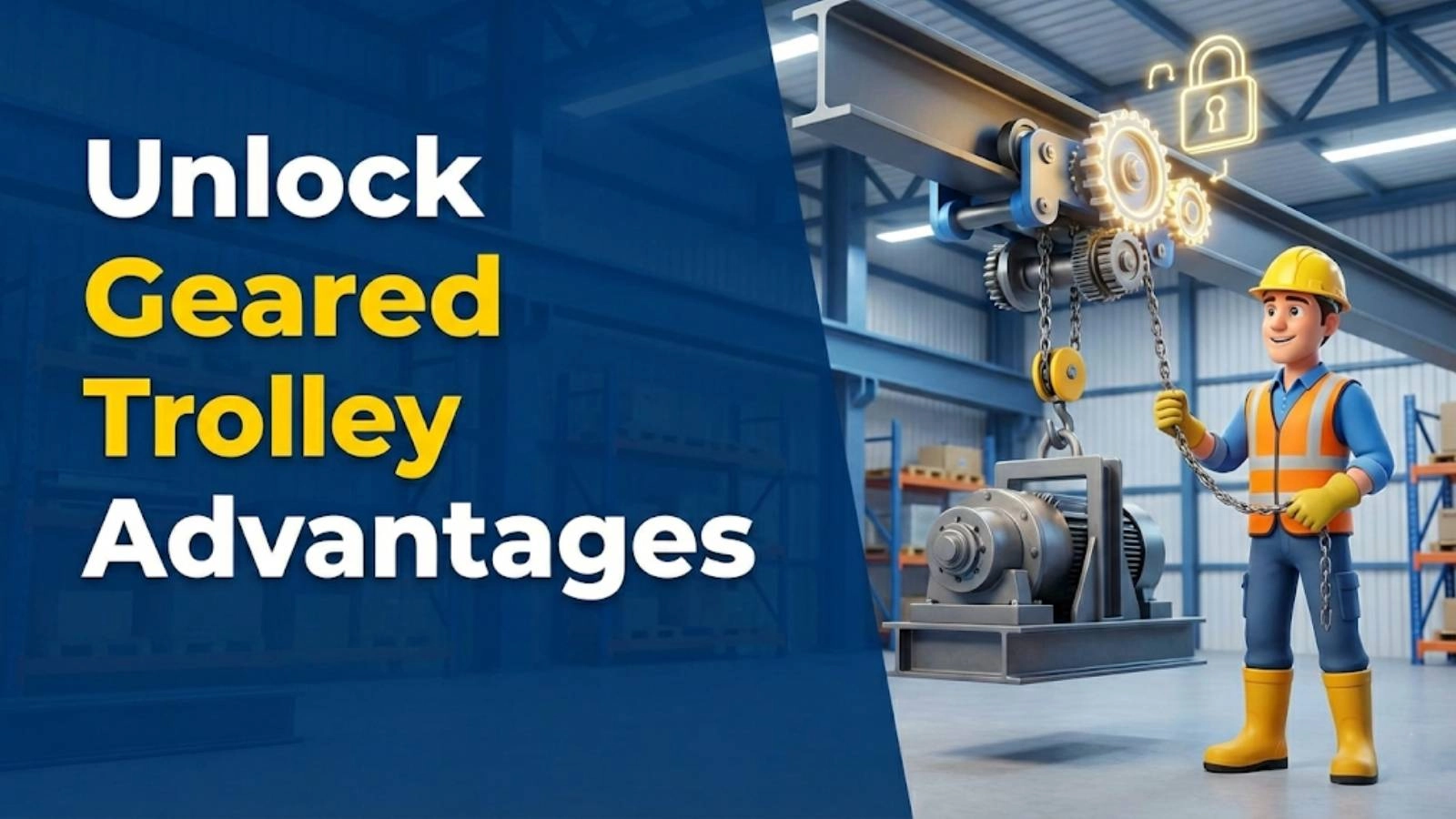
Choosing the right geared trolley is essential for any operation that involves lifting and moving heavy loads. A geared trolley features a hand chain that allows for precise horizontal movement along an I-beam or similar track. Selecting the appropriate trolley can significantly improve efficiency, safety, and overall productivity. This guide provides a comprehensive overview of the key considerations when choosing a geared trolley.
1. ✅ Robust Construction and Materials
A geared trolley must be built to withstand the rigors of heavy use. The quality of materials and construction directly impacts its durability and safety. Choosing a robustly built trolley ensures a longer lifespan and reduces the risk of failure.
1.1. Steel Grade: High-Tensile Steel
Using high-tensile steel is critical for the structural integrity of a geared trolley. This type of steel offers superior strength and resistance to deformation when subjected to heavy loads. Ensuring the trolley is constructed from high-tensile steel guarantees it can handle the intended weight safely and reliably. For our clients here in Dammam, we recommend high-tensile steel for harsh environments. Always check the steel grade specifications to ensure they meet your operational demands.
1.2. Welding Quality: Certified Welding Processes
The welding quality is paramount in a geared trolley as it holds the entire structure together. Strong, reliable welds are essential to prevent failure points and ensure the trolley’s longevity. Trolleys manufactured using certified welding processes, such as those compliant with AWS standards, offer enhanced safety and durability. This guarantees that the welds can withstand the stresses of lifting and moving heavy loads.
1.3. Corrosion Resistance: Powder Coating or Galvanization
Protecting a geared trolley from rust and corrosion is essential, especially in harsh environments. Powder coating and galvanization are effective methods to enhance corrosion resistance, extending the trolley’s lifespan. Opting for a trolley with a durable powder coating or galvanization is particularly important for outdoor or humid conditions. This protective layer prevents degradation, ensuring the trolley remains reliable over time.
2. ⚙️ Precision Gearing System
The gearing system is the heart of a geared trolley, providing the mechanical advantage needed to move heavy loads with precision. A well-designed gearing system ensures smooth, efficient operation and reduces the effort required to maneuver the load. The materials and design of the gears are crucial for its performance and longevity.
2.1. Gear Material: Hardened Alloy Steel
Hardened alloy steel is an ideal material for the gears in a geared trolley. Hardened gears offer exceptional durability and smooth operation with minimal wear. Prioritizing trolleys with hardened alloy steel gears ensures increased durability and a longer service life. This material withstands the constant stress and friction involved in moving heavy loads, making it a reliable choice.
2.2. Gear Ratio: Optimal Ratio for Load Capacity
The gear ratio plays a critical role in the ease of movement of a geared trolley, particularly when handling varying load weights. The correct gear ratio ensures that the operator can move the load efficiently without excessive effort. Choosing a gear ratio that matches your typical load requirements is essential; consulting the manufacturer’s recommendations can help. This optimization enhances productivity and reduces operator fatigue.
2.3. Enclosed Gearbox: Sealed and Lubricated
An enclosed gearbox provides essential protection for the gears in a geared trolley. This design protects the gears from contamination and ensures consistent lubrication, significantly reducing maintenance needs. Verifying that the trolley has a sealed gearbox is crucial for low maintenance and extended gear life. The sealed environment prevents dust, dirt, and other contaminants from affecting the gears’ performance, ensuring smooth and reliable operation.
3. ➡️ Adjustable Flange Width
The ability to adjust the flange width of a geared trolley is a significant advantage, allowing it to be used on various I-beam sizes. This versatility makes the trolley a more adaptable tool for different work environments. Ensuring a secure and user-friendly adjustment mechanism is essential for safety and convenience.
3.1. Wide Adjustment Range: Accommodate Various Beam Sizes
A wide adjustment range is a key feature of a versatile geared trolley. It allows the trolley to be used on different I-beam sizes, increasing its adaptability across various applications. Selecting a trolley with a wide flange width adjustment range ensures it fits your existing infrastructure. This flexibility is particularly useful in environments with diverse beam configurations.
3.2. Secure Locking Mechanism: Prevents Slippage
A secure locking mechanism is vital for the safety of a geared trolley. This feature ensures the trolley remains securely attached to the beam, even under load, preventing dangerous slippage. Checking for a robust locking mechanism with clear indicators of secure engagement is essential before use. This ensures the trolley stays in place, protecting both the load and the operator.
3.3. Easy Adjustment: User-Friendly Design
An easily adjustable flange width simplifies the installation and adjustment process of a geared trolley. A user-friendly design saves time and effort, making the trolley more convenient to use. Looking for trolleys with easily accessible and adjustable flange width settings streamlines operations. This feature reduces downtime and makes adjustments quick and hassle-free.
4. 💡 Load Capacity and Safety Factor
Understanding the load capacity and safety factor of a geared trolley is paramount for safe operation. Exceeding the rated load capacity can lead to catastrophic failure, posing serious risks. Adhering to industry standards and choosing the right trolley for the job is crucial.
4.1. Rated Load Capacity: Exceeds Expected Loads
The rated load capacity of a geared trolley must be sufficient for the maximum anticipated weight. Ensuring the trolley can safely handle the load is critical for preventing accidents and equipment damage. Always choose a trolley with a rated load capacity that exceeds your heaviest expected load by at least 20%. This safety margin provides an extra layer of protection and ensures reliable performance.
4.2. Safety Factor: Adherence to Industry Standards
The safety factor is a critical aspect of a geared trolley’s design, providing a margin of safety to prevent failure due to unexpected stresses. Verifying that the trolley meets or exceeds industry safety standards, such as ASME or OSHA, is essential. A sufficient safety factor, typically 4:1 or 5:1, ensures the trolley can withstand forces beyond its rated capacity. This adherence to standards guarantees a safer working environment.
4.3. Clear Load Markings: Visible and Durable
Clear and durable load markings are essential for the safe operation of a geared trolley. These markings provide a visible indication of the trolley’s load capacity, preventing accidental overloading. Ensuring the trolley has clearly marked and durable load capacity labels is a simple yet crucial safety measure. This ensures that operators are always aware of the trolley’s limitations.
5. 🛡️ Safety Features
Safety features are integral to the design of a geared trolley, protecting both the operator and the load. These features mitigate the risks associated with lifting and moving heavy objects, creating a safer working environment. Prioritizing trolleys with comprehensive safety features is essential for responsible operation.
5.1. Anti-Drop Plates: Prevents Accidental Dislodgement
Anti-drop plates are a critical safety feature in a geared trolley, preventing accidental dislodgement from the beam. This feature keeps the trolley on the beam in case of wheel failure or other issues. Looking for trolleys equipped with anti-drop plates as a standard safety feature is highly recommended. These plates add an extra layer of security, minimizing the risk of accidents.
5.2. Wheel Guards: Protects Wheels and Prevents Snagging
Wheel guards are essential for protecting the wheels of a geared trolley and preventing snagging. These guards prevent debris from interfering with the wheels and protect them from damage, ensuring smooth and reliable operation. Ensuring the trolley has wheel guards is a simple way to enhance safety and prolong the lifespan of the wheels. This feature keeps the trolley running smoothly, reducing maintenance needs.
5.3. Overload Protection: Prevents Damage from Excessive Loads
Overload protection is a valuable safety feature that prevents damage to the geared trolley and the load. This mechanism protects against excessive loads, which can cause structural failure and potential accidents. Consider trolleys with built-in overload protection mechanisms to enhance safety and prevent costly damage. This feature provides an additional layer of protection, ensuring the trolley operates within safe limits.
6. 🔩 Durable Wheels and Bearings
The wheels and bearings are crucial components of a geared trolley, responsible for smooth and efficient movement. The quality of these components directly impacts the trolley’s performance and longevity. Selecting durable materials and designs is essential for reliable operation.
6.1. Wheel Material: Forged Steel or High-Strength Polymer
The choice of wheel material is critical for a geared trolley. Forged steel wheels are ideal for heavy-duty applications, offering superior strength and durability. High-strength polymer wheels are suitable for lighter loads and provide quieter operation. Choosing the appropriate wheel material ensures optimal performance for the intended application. Forged steel provides maximum strength, while polymer offers a quieter, smoother ride.
6.2. Sealed Bearings: Low Maintenance and Smooth Operation
Sealed bearings are essential for low maintenance and smooth operation of a geared trolley. These bearings protect against contamination and ensure consistent performance. Verifying that the trolley has sealed bearings is crucial for long life and reduced maintenance. Sealed bearings prevent dust and debris from affecting performance, ensuring the trolley operates smoothly.
6.3. Wheel Diameter: Appropriate Size for Load and Beam
The wheel diameter of a geared trolley must be appropriate for the load and beam size. The correct wheel diameter ensures proper load distribution and smooth rolling, preventing excessive stress on the wheels and beam. Selecting a wheel diameter appropriate for your beam size and load requirements is essential for optimal performance. This ensures the trolley moves smoothly and safely, without damaging the beam or wheels.
7. 🔧 Ease of Installation and Maintenance
A geared trolley should be easy to install and maintain to minimize downtime and ensure long-term reliability. Simple design, accessible lubrication points, and readily available spare parts are key factors to consider. Prioritizing these features can significantly reduce maintenance costs and improve overall efficiency.
7.1. Simple Design: Easy to Assemble and Install
A simple design makes a geared trolley easy to assemble and install, reducing installation time and effort. Looking for trolleys with a straightforward design and clear installation instructions can streamline the setup process. This simplicity minimizes the risk of errors during installation, ensuring the trolley is ready for use quickly.
7.2. Accessible Lubrication Points: Simplified Maintenance
Accessible lubrication points are essential for simplified maintenance of a geared trolley. These points allow for easy lubrication of moving parts, extending the trolley’s lifespan. Ensuring the trolley has readily accessible lubrication points makes maintenance tasks quicker and more efficient. Regular lubrication prevents wear and tear, ensuring the trolley operates smoothly.
7.3. Readily Available Spare Parts: Minimizes Downtime
Having readily available spare parts is crucial for minimizing downtime in case of component failure in a geared trolley. Choosing a trolley from a manufacturer with readily available spare parts and service support ensures quick repairs. This availability reduces the impact of breakdowns, keeping operations running smoothly.
8. 🏢 Manufacturer Reputation and Certifications
The reputation of the manufacturer and the certifications held by a geared trolley are important indicators of its quality and safety. Established brands with a proven track record and compliance with industry standards offer greater assurance of reliability. Verifying these aspects can help ensure you are investing in a high-quality product.
8.1. Established Brand: Proven Track Record
Opting for a geared trolley from an established manufacturer with a proven track record is a wise decision. This indicates reliability and quality, ensuring the trolley is built to last. These manufacturers have a history of producing high-quality equipment. This track record provides confidence in the trolley’s performance and durability.
8.2. Industry Certifications: Compliance with Safety Standards
Industry certifications are critical for ensuring that a geared trolley complies with relevant safety and performance standards. Verifying that the trolley is certified by recognized industry organizations such as ASME or CE is essential. These certifications demonstrate that the trolley has been tested and meets specific safety requirements. This compliance ensures a safer working environment.
8.3. Warranty and Support: Protection Against Defects
A comprehensive warranty and reliable support provide protection against defects in a geared trolley. Checking the warranty terms and the availability of technical support before purchasing a trolley is essential. This provides peace of mind and ensures that any manufacturing defects will be addressed promptly. A good warranty and support system are indicators of the manufacturer’s confidence in their product.
“Selecting a geared trolley with the appropriate certifications and safety features is paramount for ensuring worker safety and operational efficiency.” – John Smith, Lead Safety Inspector
9. 📊 Consider the Operating Environment
The operating environment plays a significant role in the performance and longevity of a geared trolley. Factors such as temperature range, humidity, and dust levels can impact its reliability. Selecting a trolley designed for the specific environmental conditions is crucial for ensuring optimal performance.
9.1. Temperature Range: Suitability for Extreme Conditions
The temperature range in which a geared trolley will operate is an important consideration. Ensuring suitability for extreme conditions, whether hot or cold, is essential for reliable operation. Selecting a trolley designed for your specific temperature range, especially in extreme environments, ensures consistent performance. This prevents issues such as lubrication problems or material degradation.
9.2. Humidity and Moisture: Corrosion Protection
Humidity and moisture can significantly impact the lifespan of a geared trolley. Corrosion protection is essential to prevent rust and degradation in humid or wet environments. Choosing a trolley with enhanced corrosion protection if operating in humid or wet conditions ensures longevity. This protection helps maintain the trolley’s structural integrity and performance.
9.3. Dust and Debris: Sealed Components
Dust and debris can contaminate moving parts in a geared trolley, affecting its performance. Sealed components are essential to prevent this contamination in dusty or dirty environments. Opting for trolleys with sealed components minimizes dust and debris ingress, ensuring smooth operation. This feature reduces maintenance needs and prolongs the trolley’s lifespan.
10. 💰 Budget and Value
Balancing budget and value is crucial when selecting a geared trolley. Considering initial cost, long-term expenses, and potential return on investment is essential for making a cost-effective decision. A high-quality trolley can improve efficiency, safety, and reduce downtime, justifying a higher initial investment.
10.1. Initial Cost: Balance Price and Features
Finding a geared trolley that fits your budget while meeting your needs requires balancing price and features. Comparing prices from different manufacturers and weighing the cost against the features and benefits offered is essential. This ensures you get the best value for your investment, without compromising on essential features.
10.2. Long-Term Costs: Consider Maintenance and Repairs
Factoring in potential maintenance and repair costs over the trolley’s lifespan is crucial when assessing the long-term costs of a geared trolley. Choosing a trolley with a reputation for reliability and low maintenance requirements can save money in the long run. This reduces the total cost of ownership, making it a more economical choice.
10.3. Return on Investment: Improved Efficiency and Safety
Evaluating the potential benefits of a high-quality geared trolley, such as increased productivity and reduced downtime, is essential for determining its return on investment. Considering the potential return on investment when making your purchasing decision can justify a higher initial cost. Improved efficiency and safety contribute to long-term cost savings.
11. 🏋️♂️ Ergonomic Design
Ergonomic design is an often overlooked, but crucial, aspect of a geared trolley. A trolley designed with ergonomics in mind reduces operator fatigue, improves productivity, and ensures a safer working environment. Features such as easy operation, comfortable handles, and smooth movement are key considerations.
11.1. Easy to Operate: Minimal Effort Required
A geared trolley that is easy to operate requires minimal effort, reducing operator fatigue and improving productivity. Choosing a trolley that is easy to move and control, even with heavy loads, is essential. This ease of operation ensures that operators can work efficiently without unnecessary strain.
11.2. Handle Design: Comfortable Grip
The handle design of a geared trolley should provide a secure and comfortable grip for the operator. This ensures better control and reduces the risk of accidents. Looking for trolleys with ergonomic handles that are easy to grip and control is essential for operator comfort and safety. A well-designed handle minimizes strain and improves overall usability.
11.3. Smooth Movement: Reduces Strain
Smooth movement is essential for minimizing the effort required to move a load using a geared trolley. This reduces strain on the operator and improves overall efficiency. Opting for trolleys with smooth-rolling wheels and a well-lubricated gearing system ensures easy and effortless movement. This feature contributes to a more comfortable and productive work environment.
12. 🚦 Pre-use Inspection Checklist
A pre-use inspection checklist is a critical step in ensuring the safe operation of a geared trolley. Regularly inspecting the trolley for any signs of wear, damage, or malfunction can prevent accidents and prolong its lifespan. This checklist should include key components such as wheel condition, locking mechanisms, and load capacity verification.
12.1. Wheel Condition: Check for Wear and Damage
Regularly checking the wheel condition of a geared trolley is essential for safe operation. Inspecting the wheels for wear, cracks, and other damage ensures they are in good condition. This simple check can prevent wheel failure and potential accidents. Damaged wheels should be replaced immediately to maintain safety.
12.2. Locking Mechanisms: Verify Secure Engagement
Verifying the secure engagement of locking mechanisms is crucial before using a geared trolley. This ensures the trolley is securely attached to the beam, preventing slippage or dislodgement. Always verify that the locking mechanisms are properly engaged before using the trolley to ensure safety. Properly engaged locks provide a secure connection, minimizing the risk of accidents.
12.3. Load Capacity: Confirm Within Limits
Confirming that the load is within the limits of the geared trolley’s capacity is a vital safety measure. Overloading can cause damage to the trolley and create a hazardous situation. Double-checking that the load does not exceed the trolley’s rated capacity prevents overloading and potential accidents. Adhering to the load capacity ensures the trolley operates safely and reliably.
Selecting the best geared trolley involves careful consideration of several key factors, including robust construction, precision gearing, adjustable flange width, load capacity, safety features, and ergonomic design. By prioritizing these features, you can ensure a safe, efficient, and productive working environment. We at Safe and Secure Trading Company are committed to helping our clients make informed decisions to optimize their operations.
Conclusion
Choosing the right geared trolley features is crucial for safety and efficiency. Consider construction, gearing, adjustability, capacity, and safety. We’re here to help you find the perfect fit!
FAQ Section
Q: What is a geared trolley, and how does it differ from a plain trolley?
A: A geared trolley uses a hand chain and gears to provide precise horizontal movement along a beam, offering more control than a plain trolley, which is simply pushed along the beam.
Q: How do I determine the appropriate load capacity for a geared trolley?
A: Always choose a geared trolley with a rated load capacity that exceeds your heaviest expected load by at least 20% to provide a safety margin.
Q: What are the key safety features to look for in a geared trolley?
A: Look for features like anti-drop plates, wheel guards, and overload protection to ensure safe operation.
Q: How important is the material of the wheels on a geared trolley?
A: The wheel material is very important; forged steel wheels are best for heavy-duty applications, while high-strength polymer wheels are suitable for lighter loads and quieter operation.
Q: How often should I inspect my geared trolley?
A: A pre-use inspection should be performed before each use, checking the wheel condition, locking mechanisms, and load capacity.
Q: What certifications should I look for when purchasing a geared trolley?
A: Verify that the geared trolley is certified by recognized industry organizations such as ASME or CE to ensure it meets safety and performance standards.
Q: How do I maintain a geared trolley to ensure its longevity?
A: Regularly lubricate moving parts, inspect for wear and damage, and ensure all components are in good working order. Follow the manufacturer’s maintenance recommendations.
Q: Can I adjust the flange width on all geared trolleys?
A: No, not all geared trolleys have adjustable flange widths. Choose a trolley with a wide adjustment range to accommodate various beam sizes if needed.
Q: What should I do if my geared trolley is making unusual noises?
A: Immediately stop using the trolley and inspect it for any signs of damage or wear. Contact a qualified technician for repair if necessary.
Q: How does the operating environment affect the choice of a geared trolley?
A: Consider the temperature range, humidity, and dust levels of the operating environment. Choose a trolley designed for those specific conditions, with features like corrosion protection and sealed components as needed.
| Feature |
Importance |
Actionable Takeaway |
| Robust Construction and Materials |
Ensures durability and resistance to deformation under heavy loads. |
Always check the steel grade specifications and opt for trolleys with durable powder coating or galvanization. |
| Precision Gearing System |
Provides smooth and efficient operation with minimal wear. |
Prioritize trolleys with hardened alloy steel gears and a sealed gearbox for low maintenance. |
| Adjustable Flange Width |
Allows the trolley to be used on different I-beam sizes, increasing versatility. |
Select a trolley with a wide flange width adjustment range and a robust locking mechanism. |
| Load Capacity and Safety Factor |
Ensures the trolley can safely handle the maximum anticipated weight. |
Always choose a trolley with a rated load capacity that exceeds your heaviest expected load by at least 20%. |
| Safety Features |
Keeps the trolley on the beam and protects it from damage, ensuring safe operation. |
Look for trolleys equipped with anti-drop plates and wheel guards. |
| Durable Wheels and Bearings |
Provides durability and smooth rolling action. |
Choose forged steel wheels for heavy-duty applications and verify that the trolley has sealed bearings. |
| Ease of Installation and Maintenance |
Reduces installation time and effort, and extends the trolley’s lifespan. |
Look for trolleys with a straightforward design and readily accessible lubrication points. |
| Manufacturer Reputation and Certifications |
Indicates reliability and quality, and ensures compliance with safety standards. |
Opt for trolleys from established manufacturers with a proven track record and industry certifications. |
| Operating Environment |
Ensures reliable operation in varying temperatures and conditions. |
Select a trolley designed for your specific temperature range and with enhanced corrosion protection if operating in humid conditions. |
| Budget and Value |
Balances price and features, and considers long-term costs and potential ROI. |
Compare prices from different manufacturers and choose a trolley with a reputation for reliability and low maintenance requirements. |