Lever blocks are indispensable tools across various industries, providing a reliable and portable solution for lifting heavy loads. Selecting the right lever block requires careful consideration of several factors, including capacity, safety features, and intended use. This comprehensive lever block buyer guide will walk you through the essential aspects to consider, ensuring you make an informed decision that meets your specific lifting needs and keeps your operations safe and efficient. We at Safe and Secure Trading Company (SSTC) have years of experience helping clients choose the best equipment for their needs, and we’re here to guide you through the process.
Key Takeaways
- Capacity Matters: Understand how the lever block’s capacity relates to your lifting needs.
- Safety First: Prioritize safety features like overload protection.
- Chain Quality: Invest in high-quality chains for durability.
- Regular Inspection: Implement a routine inspection schedule to ensure safety.
- Match the Task: Choose the right type of lever block for the specific job.
Understanding Lever Blocks: A Beginner’s Guide ✨
What is a Lever Block?
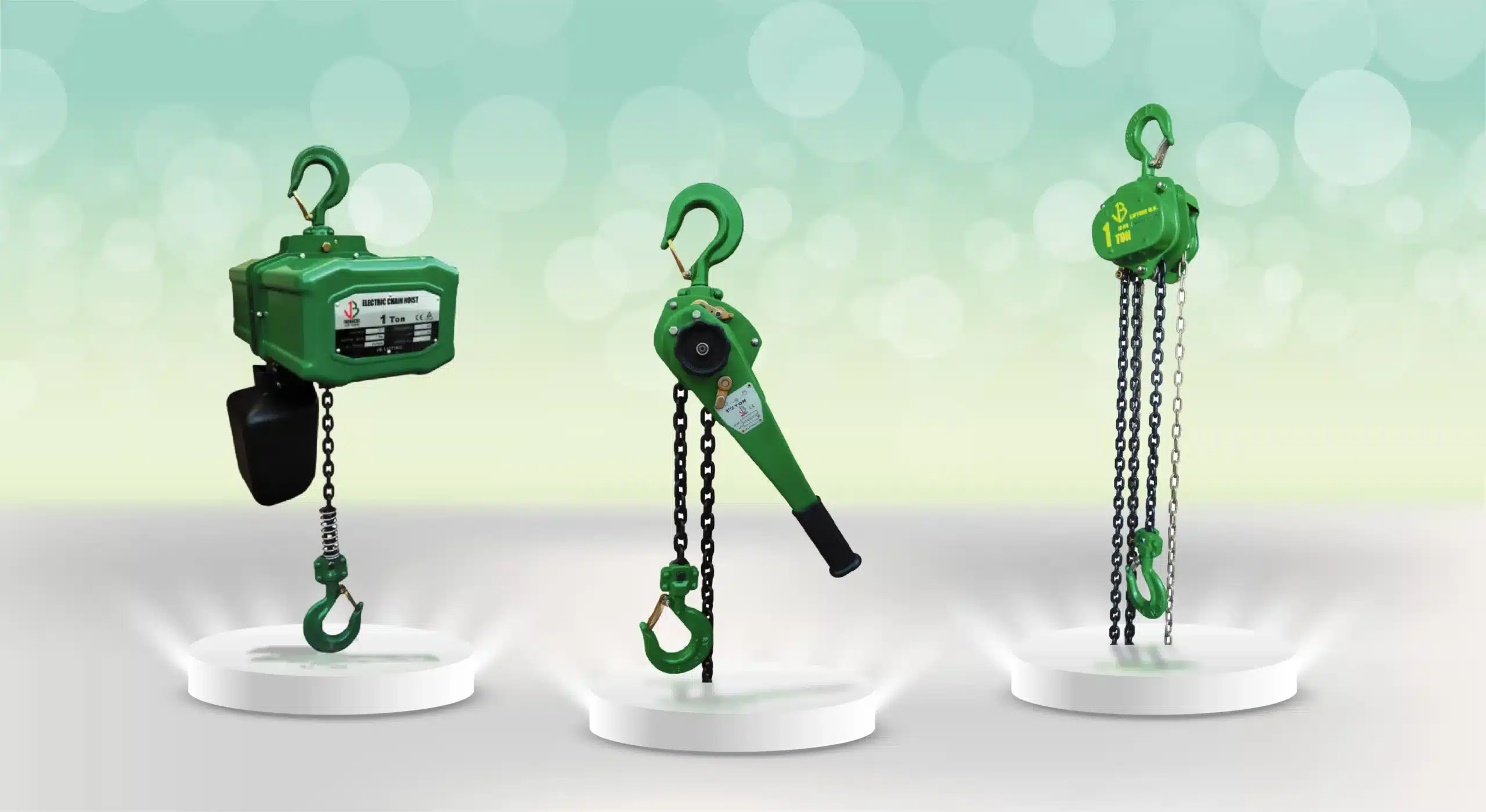
A lever block, also known as a chain lever hoist or simply a lever hoist, is a manual lifting device designed to lift, pull, and position heavy loads using a lever mechanism. Unlike electric hoists, lever blocks rely on manual power, making them ideal for situations where electricity is unavailable or impractical. These tools are commonly used in construction, manufacturing, and maintenance applications. They are valuable tools, providing a great way to manually lift loads.
How Does It Work?
Lever blocks operate on the principle of mechanical advantage. The lever is connected to a ratchet-and-pawl mechanism that engages with a load chain. When the lever is pulled, it rotates the ratchet, which in turn pulls the chain and lifts the load. The mechanical advantage allows the operator to lift heavy objects with relatively little effort. The force applied to the lever is multiplied through the internal mechanism, enabling the hoist to handle loads far exceeding what a person could lift manually. In our experience at SSTC, many clients initially underestimate the power of this mechanical advantage.
Why Choose a Lever Block?
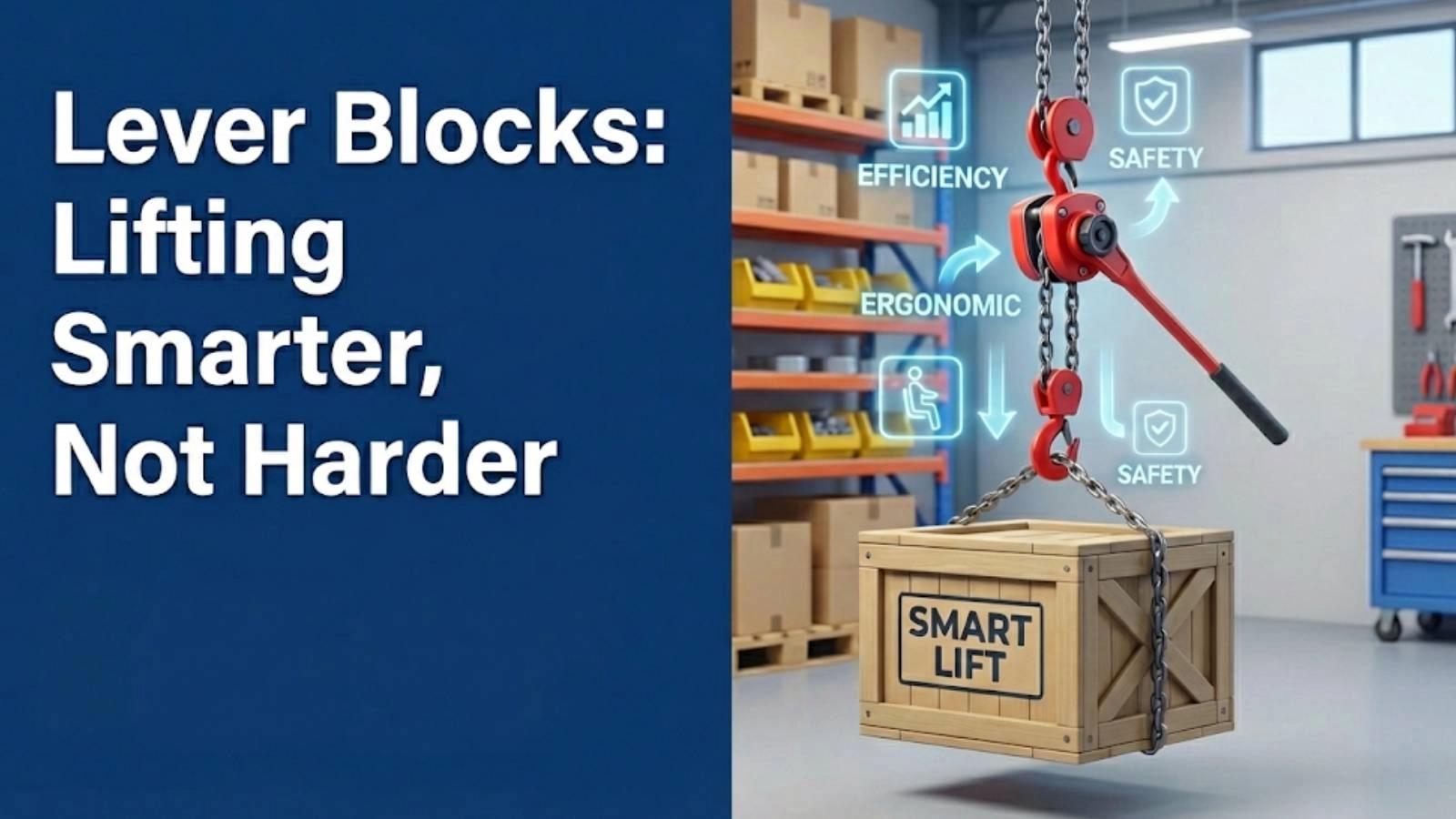
There are several compelling reasons to choose a lever block over other lifting solutions. Firstly, lever blocks are highly portable, making them easy to transport to different job sites. Secondly, they are simple to use, requiring minimal training for operation. Finally, they are perfect for use in remote locations or areas where access to power is limited. A common mistake we help businesses fix is relying solely on electric hoists, overlooking the versatility and cost-effectiveness of manual lever blocks for specific tasks. For many of our clients here in Dammam, Saudi Arabia, we’ve seen that lever blocks are an essential tool for field operations.
Determining Your Lifting Needs 🏋️♀️
Calculating Load Weight
Accurately determining the weight of the loads you need to lift is paramount for safety. Always consult the manufacturer’s specifications or use a calibrated weighing device to ascertain the precise weight. It’s always better to overestimate the weight slightly to ensure you select a lever block with an adequate capacity. This practice provides an additional margin of safety, preventing potential overloads that can lead to equipment failure or accidents. We once worked with a client who consistently underestimated load weights, leading to near-miss incidents. By implementing a strict weight verification process, they significantly improved their safety record.
Assessing Lifting Height Requirements
Carefully measure the necessary lifting height for your applications. Consider the distance from the ground to the highest point the load needs to reach. This measurement will determine the required chain length for your lever block. Ensure that the chain length provides enough vertical travel to complete the lift safely and efficiently. It’s better to have a little extra chain length than to come up short, which can create a hazardous situation.
Frequency of Use Considerations
The frequency of lifting operations should influence your choice of lever block. For occasional use, a standard-duty lever block may suffice. However, for daily or high-frequency lifting, it’s wise to invest in a heavy-duty model designed to withstand the rigors of continuous operation. Heavy-duty lever blocks typically feature more robust construction, higher-quality materials, and enhanced wear resistance, ensuring long-term reliability and performance. When our team in KSA tackles this issue, they often find businesses using light-duty equipment for heavy-duty tasks, leading to premature wear and potential safety hazards.
Decoding Lever Block Capacity Ratings 🔢
Understanding WLL (Working Load Limit)
The Working Load Limit (WLL) is the maximum safe load that a lever block is designed to handle. This rating is clearly marked on the lever block and should never be exceeded. The WLL takes into account the safety factors built into the equipment to ensure safe operation. Exceeding the WLL can compromise the structural integrity of the lever block, leading to catastrophic failure. Always adhere to the WLL to prevent accidents and ensure the longevity of your equipment.
The Importance of Safety Factors
Safety factors are multipliers applied to the WLL to provide an additional margin of safety. For example, a lever block with a safety factor of 4:1 can theoretically withstand a load four times greater than its WLL before failing. These safety factors account for potential variations in load weight, material strength, and operating conditions. Understanding and respecting safety factors is crucial for maintaining a safe working environment.
Avoiding Overloading: Risks and Consequences
Overloading a lever block is extremely dangerous and can have severe consequences. Exceeding the WLL can cause the chain to break, the hooks to deform, or the internal mechanism to fail. These failures can result in dropped loads, equipment damage, and serious injuries to personnel. In addition to the immediate risks, overloading can also void the manufacturer’s warranty and lead to legal liabilities. Always prioritize safety by adhering to the WLL and implementing proper load management practices. We’ve consistently seen that companies that prioritize safety training and load management have fewer accidents and lower insurance costs.
Key Features to Look For 👀
Chain Type and Quality
The chain is a critical component of a lever block, and its quality directly impacts the safety and reliability of the equipment. High-quality alloy steel chains are preferred for their strength, durability, and resistance to wear and tear. Look for chains that meet recognized industry standards, such as those set by the American Society of Mechanical Engineers (ASME) or the European Norm (EN). Regularly inspect the chain for signs of damage, such as cracks, kinks, or excessive wear, and replace it immediately if any defects are found.
Hook Design and Safety Latches
The hooks on a lever block are responsible for securely attaching the load to the hoist. Choose lever blocks with sturdy hook designs made from high-strength steel. Safety latches are essential for preventing accidental disengagement of the load. Ensure that the safety latches are functional and properly engaged before each lift. Inspect the hooks regularly for signs of deformation or damage, and replace them if necessary. The hooks are a crucial connection point.
Overload Protection Mechanisms
Overload protection systems are designed to prevent the lever block from being overloaded beyond its WLL. These mechanisms typically consist of a slip clutch or a load limiter that automatically disengages the lever block when the load exceeds the safe limit. Overload protection is a valuable safety feature that can help prevent accidents and protect the equipment from damage. Prioritizing lever blocks with overload protection is a smart investment in workplace safety.
“Overload protection is not just a feature; it’s a necessity for ensuring the safety of your lifting operations.” – John Smith, Lead Safety Inspector
Different Types of Lever Blocks ⚙️
Standard Lever Blocks
Standard lever blocks are general-purpose lifting devices suitable for a wide range of applications. They typically feature a robust construction, a durable chain, and a reliable lever mechanism. Standard lever blocks are available in various capacities to accommodate different lifting needs. They are commonly used in construction sites, manufacturing plants, and maintenance workshops.
Mini Lever Blocks
Mini lever blocks are compact and lightweight versions of standard lever blocks. They are designed for lighter loads and applications where space is limited. Mini lever blocks are ideal for tasks such as installing equipment in tight spaces or performing maintenance in confined areas. Despite their small size, mini lever blocks offer the same level of safety and reliability as their larger counterparts.
Ratchet Lever Hoists
Ratchet lever hoists are a type of lever block that utilizes a ratchet mechanism to lift and lower loads. The ratchet allows for precise control and smooth operation, making them suitable for delicate lifting tasks. Ratchet lever hoists are commonly used in rigging, construction, and industrial applications. They are particularly useful for positioning loads with accuracy and control.
Essential Safety Considerations ⚠️
Pre-Use Inspections Checklist
Before each use, conduct a thorough inspection of the lever block to ensure it is in safe working condition. Use this checklist:
- Chain: Check for signs of damage, such as cracks, kinks, or excessive wear.
- Hooks: Inspect for deformation, cracks, or damaged safety latches.
- Lever: Ensure the lever operates smoothly and the ratchet mechanism engages properly.
- Housing: Look for any signs of damage to the lever block housing.
- Markings: Verify that the WLL and other safety markings are legible.
- Overall Condition: Ensure there are no loose or missing parts.
Proper Lifting Techniques
Follow these guidelines for safe lifting practices:
1. Vertical Lift: Always ensure the load is lifted vertically to prevent side pulls, which can damage the lever block.
2. Secure Attachment: Securely attach the load to the hooks using appropriate slings or rigging hardware.
3. Controlled Lifting: Lift and lower the load in a controlled manner, avoiding sudden jerks or stops.
4. Clearance: Ensure there is adequate clearance around the load to prevent collisions or obstructions.
5. Communication: Establish clear communication signals with other workers involved in the lifting operation.
6. Avoid Shock Loading: Never drop or shock load the lever block.
Personal Protective Equipment (PPE)
Always wear appropriate personal protective equipment (PPE) when operating lever blocks. This may include:
- Gloves: To protect your hands from cuts and abrasions.
- Safety Glasses: To protect your eyes from flying debris.
- Hard Hat: To protect your head from falling objects.
- Safety Shoes: To protect your feet from heavy loads or dropped objects.
Maintenance and Care for Longevity 🛠️
Regular Cleaning and Lubrication
Regular cleaning and lubrication are essential for maintaining the performance and longevity of your lever block. Clean the lever block after each use to remove dirt, grime, and debris. Lubricate the chain, hooks, and lever mechanism with a high-quality lubricant to prevent corrosion and ensure smooth operation. A light coating of oil will help protect the metal parts from rust and extend the life of the lever block.
Chain Inspection and Replacement
Inspect the chain regularly for signs of wear, damage, or corrosion. Pay close attention to the links that come into contact with the load-bearing surfaces. Replace the chain immediately if you notice any of the following:
- Cracks or fractures in the links.
- Excessive wear or elongation of the links.
- Corrosion or rust that weakens the chain.
- Kinks or bends that prevent smooth operation.
Professional Servicing Recommendations
In addition to regular maintenance, it is recommended to have your lever block professionally serviced at least once a year. A qualified technician can perform a thorough inspection, identify potential problems, and make necessary repairs or adjustments. Professional servicing can help ensure that your lever block remains in optimal condition and meets all safety standards.
Budget Considerations 💰
Balancing Cost and Quality
When purchasing a lever block, it’s essential to strike a balance between cost and quality. While it may be tempting to opt for the cheapest option, investing in a high-quality lever block is a smart long-term investment. High-quality lever blocks are typically made from better materials, feature more robust construction, and offer superior performance and reliability. They are also more likely to meet safety standards and provide a longer service life.
Long-Term Cost Savings
Investing in a durable, high-quality lever block can lead to significant long-term cost savings. High-quality lever blocks require less frequent maintenance and repairs, reducing downtime and labor costs. They are also less likely to fail prematurely, preventing costly replacements. Over the long run, the initial investment in a high-quality lever block will more than pay for itself through reduced operating costs and increased productivity.
Reading Customer Reviews and Testimonials
Before making a purchase, take the time to read customer reviews and testimonials. This can provide valuable insights into the performance, reliability, and durability of different lever block models. Look for reviews from customers who have used the lever block in similar applications to your own. Pay attention to comments about the ease of use, safety features, and overall satisfaction. Customer reviews can help you make an informed decision and choose a lever block that meets your specific needs.
Where to Buy Lever Blocks 🛒
Authorized Dealers vs. Online Marketplaces
You can purchase lever blocks from authorized dealers or online marketplaces. Authorized dealers typically offer a wider selection of lever blocks, provide expert advice and support, and honor manufacturer warranties. Online marketplaces may offer lower prices, but it’s essential to verify the seller’s reputation and ensure that the lever block meets relevant safety standards. Buying from a reputable source is crucial for ensuring product quality and safety.
Checking for Certifications and Compliance
Before purchasing a lever block, verify that it meets relevant safety standards and certifications. Look for markings such as CE (Conformité Européenne) or ASME (American Society of Mechanical Engineers), which indicate that the lever block has been tested and certified to meet specific safety requirements. Ensure that the lever block complies with all applicable local and national regulations. Compliance with safety standards is a critical factor in choosing a lever block that will protect your workers and equipment.
Warranty and Return Policies
Always check the warranty and return policies before making a purchase. A reputable manufacturer will offer a warranty that covers defects in materials and workmanship. The warranty should provide protection against premature failure or malfunction. Also, review the return policy to ensure that you can return the lever block if it does not meet your expectations or if it is not suitable for your intended application. Understanding the warranty and return policies can provide peace of mind and protect your investment.
Conclusion
Choosing the right lever block requires careful consideration of your lifting needs, safety requirements, and budget. By following the guidelines outlined in this lever block buyer guide, you can make an informed decision that ensures safe, efficient, and reliable lifting operations. Remember to prioritize safety, invest in quality, and maintain your equipment properly to maximize its lifespan. At Safe and Secure Trading Company, we are committed to providing our customers with the best lifting solutions and expert support. We believe that by understanding the factors that influence the performance and safety of lever blocks, you can make a purchase that will serve you well for years to come.
FAQ Section
What is the Working Load Limit (WLL)?
The Working Load Limit (WLL) is the maximum safe load that a lever block is designed to handle. It is the maximum weight the lever block can lift without risking failure or damage. Never exceed the WLL.
How often should I inspect my lever block?
You should inspect your lever block before each use. Regular inspections help identify potential problems before they lead to accidents. A thorough inspection should include checking the chain, hooks, lever, and overall condition of the hoist.
What PPE should I wear when using a lever block?
When using a lever block, you should wear appropriate personal protective equipment (PPE), including gloves, safety glasses, a hard hat, and safety shoes. This PPE will help protect you from potential hazards such as falling objects, sharp edges, and dropped loads.
Can I use a lever block for overhead lifting?
Yes, lever blocks can be used for overhead lifting, but it is crucial to ensure that the lever block is specifically designed and certified for overhead lifting applications. Always follow the manufacturer’s instructions and adhere to all safety regulations.
How do I maintain my lever block?
To maintain your lever block, regularly clean and lubricate the chain, hooks, and lever mechanism. Inspect the chain for wear, damage, and corrosion, and replace it if necessary. Have the lever block professionally serviced at least once a year to ensure it remains in optimal condition. Regular maintenance will help extend the life of your lever block and ensure safe operation.