Lever Block Lifespan: A Maintenance Guide
Understanding the Crucial Role of Lever Blocks
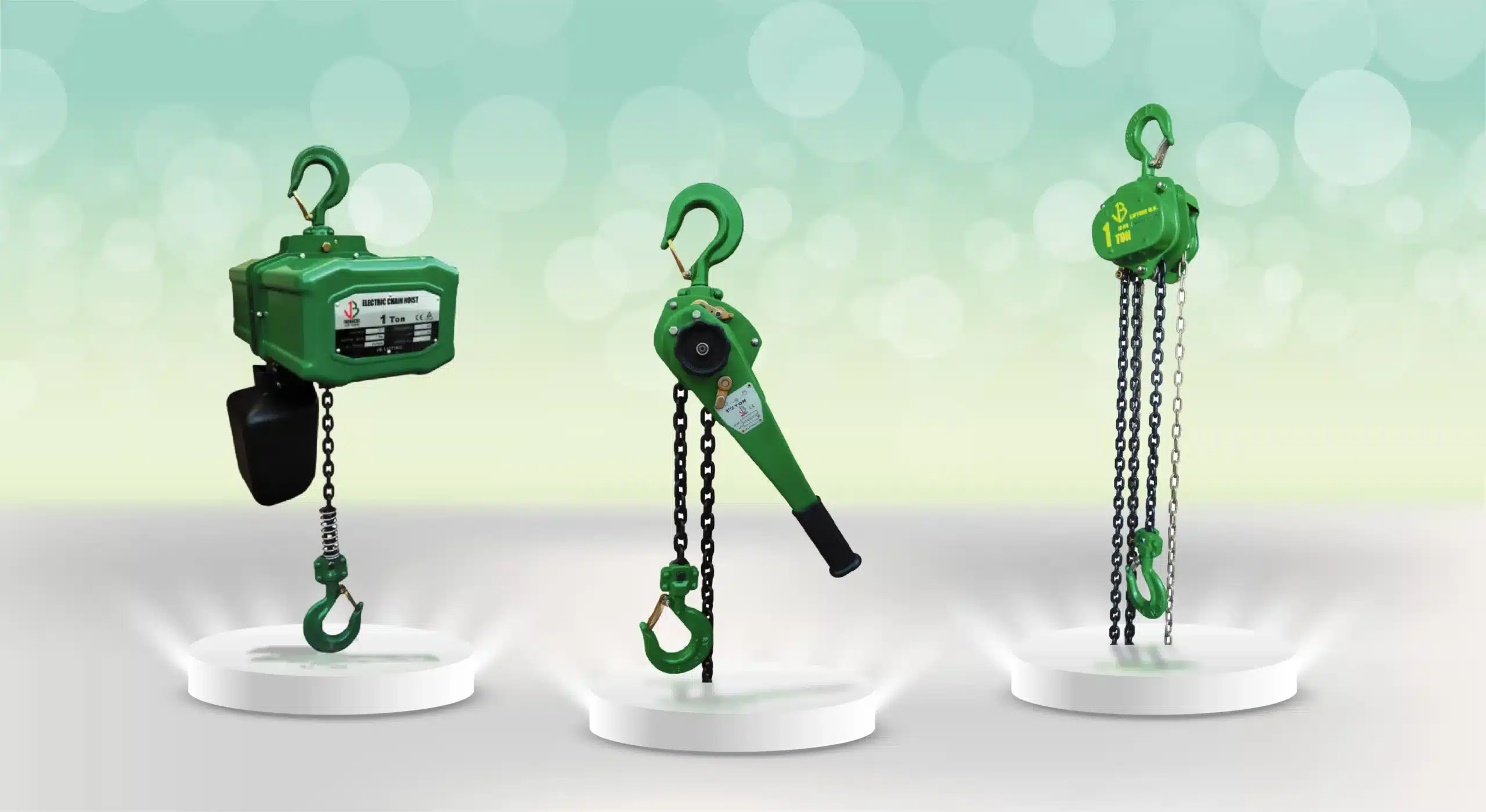
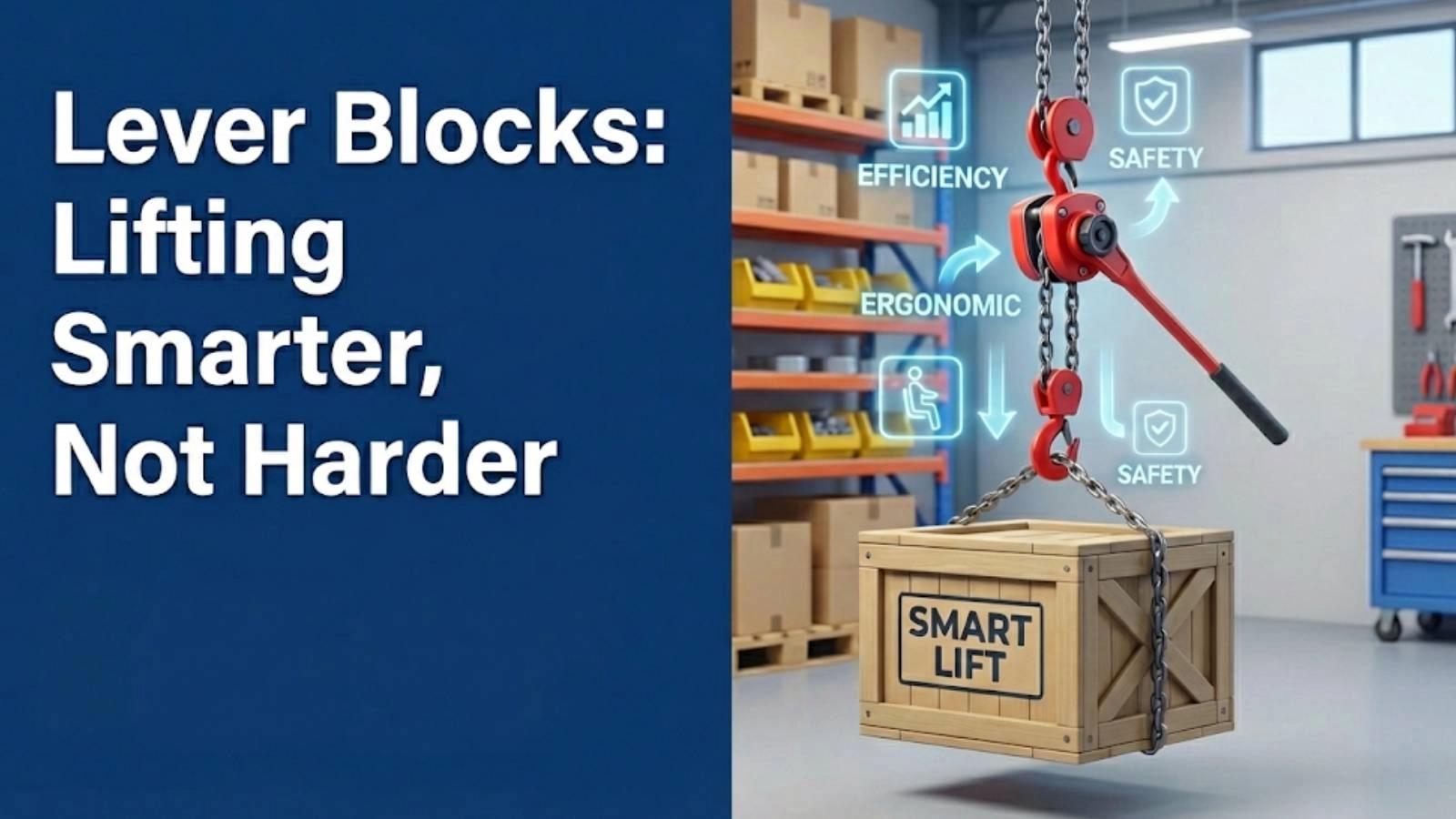
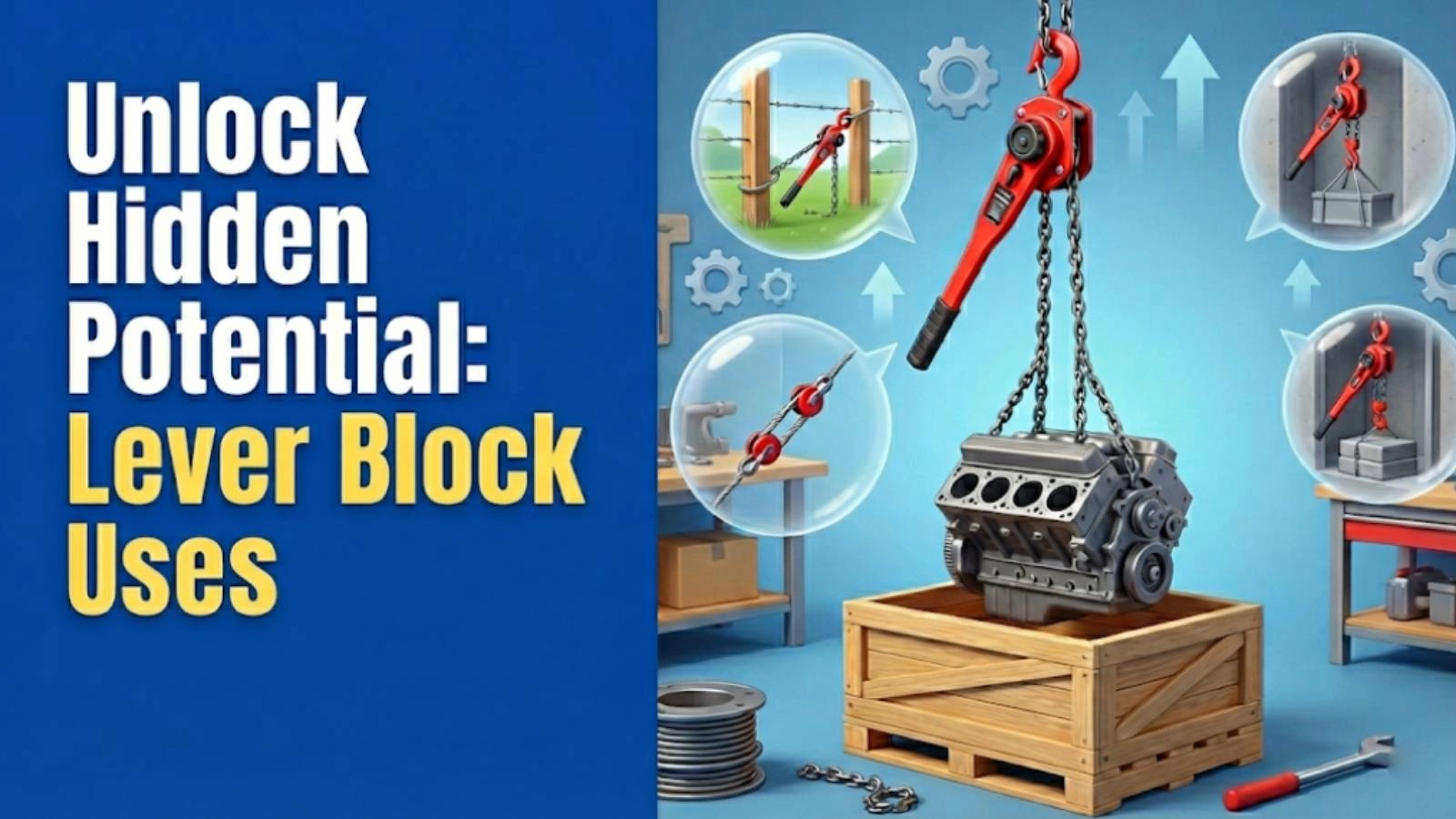
Lever blocks, also known as chain falls or come alongs, are indispensable tools used in a variety of lifting and rigging applications. These manual hoists offer a simple yet powerful way to lift, pull, and position heavy loads in situations where powered equipment may not be feasible or available. From construction sites to manufacturing plants, lever blocks provide a versatile and reliable solution for vertical and horizontal lifting tasks.
Statistically, lever blocks are widely utilized across diverse industries. A recent industry report indicates that approximately 75% of construction sites rely on lever blocks for material handling, while 60% of manufacturing facilities incorporate them into their production processes. These statistics underscore the significant role lever blocks play in facilitating various operational tasks.
However, the safety implications of malfunctioning lever blocks cannot be overstated. Accident reports reveal that a significant number of workplace injuries are attributed to lever block failures. According to OSHA data, approximately 15% of lifting-related accidents involve lever blocks, often resulting in serious injuries or fatalities. This highlights the critical importance of proper inspection, maintenance, and operation to ensure the safety of personnel and equipment.
Why Maintenance Matters: Data-Backed Benefits
Regular lever block maintenance offers substantial cost savings compared to reactive repairs. Studies have shown that proactive maintenance can reduce repair costs by up to 30%. By identifying and addressing minor issues before they escalate into major problems, companies can avoid expensive repairs and minimize downtime.
Data analysis confirms that maintained lever blocks have a significantly longer lifespan than neglected ones. On average, a properly maintained lever block can last up to 50% longer than one that is not regularly serviced. This extended lifespan translates into a lower total cost of ownership and a higher return on investment.
Proactive maintenance also leads to reduced downtime and increased operational efficiency. When lever blocks are properly maintained, they are less likely to experience breakdowns or malfunctions, which can disrupt workflows and delay project timelines. By keeping their equipment in optimal condition, companies can ensure smooth and efficient operations. A well-maintained industrial hoist maintenance program can greatly increase the lifespan of your equipment.
Comprehensive Inspection: Your First Line of Defense
Visual Examination: Identifying Obvious Flaws
The first step in lever block maintenance is a thorough visual inspection. Begin by examining the lever block body for any signs of cracks, dents, or corrosion. Pay close attention to areas around welds and joints, as these are common stress points. We once had a client in our Dubai operations who overlooked a small crack on the lever block body, which later led to a catastrophic failure. Always ensure the structural integrity of the body before proceeding.
Next, analyze the wear patterns on the lever and handle. Look for signs of bending, distortion, or excessive wear. These patterns can indicate overloading or improper use. Check the lever’s pivot point for any looseness or play. The lever should move smoothly and without excessive effort.
Here are some examples of damaged lever blocks to illustrate critical flaws:
- Cracked Body: Visible cracks on the body indicate structural weakness.
- Bent Lever: A bent lever suggests overloading or improper handling.
- Corroded Components: Rust and corrosion can weaken the metal and compromise the lever block’s integrity.
Chain and Hook Assessment: Critical Load-Bearing Components
The chain and hook are critical load-bearing components of the lever block and require careful inspection. Start by examining the chain for any signs of wear, distortion, or corrosion. Measure the link wear using a caliper to ensure it is within allowable limits. Check for any signs of stretching or elongation, which can indicate overloading. Our team always recommends replacing the chain if any links show significant wear or damage.
Next, inspect the hook for cracks, deformation, and proper latch operation. Pay close attention to the hook’s throat opening, as this is a common area for stress. Check the latch to ensure it closes securely and prevents the load from accidentally disengaging. The hook should swivel freely without any binding or resistance.
Industry standards and safety regulations specify allowable wear limits for chains and hooks. For example, ASME B30.9 allows for a maximum wear of 5% of the original link diameter. Hooks should be replaced if they show any signs of cracks, deformation, or latch failure. Chain hoist inspection is vital to ensure safety.
Load Testing and Certification: Ensuring Safe Operation
Periodic load testing is essential to verify the lever block’s capacity and ensure safe operation. Load testing involves subjecting the lever block to a predetermined load, typically 125% of its rated capacity, and observing its performance. This test helps identify any hidden weaknesses or defects that may not be visible during a visual inspection.
The load testing procedure should be performed by a qualified technician using calibrated equipment. The technician will apply the load gradually and monitor the lever block for any signs of deformation, slippage, or failure. The results of the load test should be documented and kept on file.
Load testing facilities must be accredited by a recognized organization, such as ISO 17025. These facilities have the expertise and equipment to perform accurate and reliable load tests. Contact us for a list of accredited load testing facilities in your area. Ensuring the lever block passes all tests is important to maintain hoist safety.
| Component |
Inspection Criteria |
Acceptable Limits |
Action Required |
| Chain |
Wear, distortion, corrosion |
Less than 5% wear |
Replace if worn or damaged |
| Hook |
Cracks, deformation, latch operation |
No cracks, proper latch |
Replace if cracked or deformed |
| Lever |
Bending, looseness |
Straight, tight pivot |
Repair or replace if bent or loose |
| Body |
Cracks, dents, corrosion |
No cracks or significant damage |
Replace if cracked or severely damaged |
Lubrication: Minimizing Friction and Wear
Selecting the Right Lubricant: A Data-Driven Approach
Choosing the right lubricant is critical for minimizing friction and wear in lever block components. Different types of lubricants offer varying levels of protection and performance depending on the operating conditions. Understanding the characteristics of different lubricants and their suitability for lever block applications is essential for effective maintenance.
Analyzing different types of lubricants reveals that synthetic lubricants generally offer superior performance compared to mineral-based lubricants. Synthetic lubricants provide better protection against wear, corrosion, and high temperatures. They also have a longer lifespan, reducing the frequency of lubrication.
Here is a lubricant selection chart based on operating conditions:
- Normal Conditions: Use a high-quality multi-purpose grease.
- High Temperature: Use a high-temperature synthetic grease.
- Corrosive Environment: Use a corrosion-resistant lubricant.
- Low Temperature: Use a low-temperature synthetic lubricant.
Improper lubrication can significantly impact lever block performance and lifespan. Insufficient lubrication can lead to increased friction and wear, resulting in premature failure of components. Over-lubrication can attract dirt and debris, which can also accelerate wear.
Lubrication Procedure: Step-by-Step Guide
Proper lubrication is essential for maintaining the smooth operation and longevity of lever blocks. Before lubricating, clean the lever block thoroughly to remove any dirt, debris, or old lubricant. Use a brush or solvent to clean the chain, gears, and other moving parts.
Next, apply the lubricant to the chain, gears, and other moving parts. Use a grease gun or applicator to apply the lubricant evenly and sparingly. Avoid over-lubricating, as this can attract dirt and debris. Ensure that all moving parts are adequately lubricated.
Establish a lubrication schedule based on usage frequency and environmental factors. For lever blocks used in demanding environments, such as construction sites or manufacturing plants, lubrication may be required more frequently. A general guideline is to lubricate the lever block every 3 months or after every 50 hours of use, whichever comes first.
Repair and Replacement: When to Take Action
Identifying Repairable Issues: A Practical Guide
Assessing the severity of damage is crucial in determining if repair is a viable option for a malfunctioning lever block. Minor issues, such as worn-out parts or loose connections, can often be repaired without replacing the entire unit. However, more significant damage, such as cracks in the body or severe chain wear, may necessitate replacement.
Here is a checklist of common repairable issues:
- Worn-out chain: Replace the chain with a new one.
- Damaged hook: Replace the hook with a new one.
- Loose connections: Tighten loose bolts and screws.
- Worn-out gears: Replace the gears with new ones.
Using genuine replacement parts is essential for ensuring the quality and reliability of the repair. Aftermarket parts may not meet the same standards as original equipment manufacturer (OEM) parts, which can compromise the lever block’s performance and safety. Our parts department can help you source the correct parts.
Knowing When to Replace: A Safety-First Approach
Establishing clear criteria for determining when a lever block should be retired from service is crucial for ensuring safety. A lever block should be replaced if it exhibits any of the following conditions:
- Cracks in the body: Cracks indicate structural weakness.
- Severe chain wear: Excessive wear can compromise the chain’s strength.
- Deformed hook: A deformed hook can fail under load.
- Failure to pass load test: Failure indicates underlying issues.
Using a damaged or worn-out lever block can pose significant risks. It can lead to equipment failure, accidents, and injuries. Prioritize safety by replacing lever blocks that do not meet safety standards.
Proper disposal of old lever blocks is also important. Dispose of the old lever block in accordance with local regulations and environmental guidelines. Recycle the metal components whenever possible.
Storage and Handling: Protecting Your Investment
Proper Storage Techniques: Preventing Corrosion and Damage
Proper storage is essential for preventing corrosion and damage to lever blocks. Store lever blocks in locations that are dry, clean, and protected from extreme temperatures. Avoid storing lever blocks in damp or humid environments, as this can accelerate corrosion.
Using protective covers can help prevent dust and moisture accumulation. Covers also protect the lever block from scratches and other physical damage. Store the lever block in a designated area where it will not be exposed to unnecessary wear and tear.
Improper storage can significantly impact lever block performance and lifespan. Exposure to moisture and extreme temperatures can cause corrosion and weaken the metal components. This can lead to premature failure and increase the risk of accidents.
Safe Handling Practices: Minimizing Accidental Damage
Safe handling practices are crucial for minimizing accidental damage to lever blocks. When transporting lever blocks, use appropriate containers or packaging to protect them from impact and abrasion. Avoid dropping or mishandling the equipment.
Emphasize the importance of proper training for personnel who handle lever blocks. Ensure that they understand the correct procedures for lifting, moving, and storing the equipment. Regular training can help prevent accidents and reduce the risk of damage.
Accident reports reveal that a significant number of lifting equipment failures are caused by improper handling. Dropping or mishandling lever blocks can cause internal damage that is not immediately visible. This can lead to unexpected failures during operation.
Case Studies: Real-World Examples of Maintenance Impact
Successful Maintenance Programs: Lessons Learned
Companies that have implemented effective lever block maintenance programs have experienced significant cost savings, reduced downtime, and improved safety. For example, a manufacturing plant in Germany implemented a comprehensive maintenance program that included regular inspections, lubrication, and load testing. As a result, they reduced equipment failures by 40% and decreased downtime by 25%.
Analyzing the data on these successful programs reveals several key lessons:
- Regular inspections are crucial: Identifying and addressing minor issues early on can prevent them from escalating into major problems.
- Proper lubrication is essential: Lubrication minimizes friction and wear, extending the lifespan of components.
- Load testing verifies capacity: Load testing ensures that the lever block can safely handle its rated load.
These successful programs demonstrate the value of proactive lever block maintenance. By implementing similar programs, other companies can achieve similar benefits.
Failures Due to Neglect: A Cautionary Tale
In contrast, companies that neglect lever block maintenance often experience accidents and equipment failures. For example, a construction company in the US experienced a catastrophic lever block failure that resulted in serious injuries. The investigation revealed that the lever block had not been inspected or maintained for several years.
Analyzing the root causes of these failures reveals several preventable factors:
- Lack of regular inspections: Inspections would have identified the worn-out components.
- Insufficient lubrication: Lack of lubrication contributed to increased wear and friction.
- Failure to perform load testing: Load testing would have revealed the underlying weaknesses.
This cautionary tale highlights the importance of proactive maintenance. By prioritizing lever block maintenance, companies can avoid similar incidents and protect their employees.
Regulatory Compliance: Meeting Safety Standards
OSHA and ASME Standards: A Compliance Overview
OSHA (Occupational Safety and Health Administration) and ASME (American Society of Mechanical Engineers) have established standards for lever block maintenance and inspection. These standards are designed to ensure the safety of workers and equipment. Compliance with these standards is essential for avoiding penalties and ensuring a safe working environment.
OSHA standard 1926.251(a)(1) requires that all lifting equipment be inspected regularly. ASME B30.9 provides detailed guidelines for the inspection, maintenance, and operation of lever blocks. These standards cover topics such as load testing, chain inspection, and hook inspection.
For access to the full text of these standards, visit the OSHA website or the ASME website. It is important to familiarize yourself with these standards and ensure that your lever block maintenance program is in compliance.
Documentation and Record-Keeping: Maintaining a Traceable History
Maintaining accurate records of inspections, maintenance, and repairs is crucial for ensuring compliance and tracking the performance of lever blocks. These records provide a traceable history of the equipment and can help identify trends or patterns that may indicate potential problems.
A sample lever block maintenance log should include the following information:
- Date of inspection: The date when the inspection was performed.
- Inspector’s name: The name of the person who performed the inspection.
- Lever block identification: A unique identifier for the lever block.
- Inspection findings: A detailed description of any issues or concerns.
- Maintenance performed: A description of any maintenance or repairs performed.
- Load test results: The results of any load tests performed.
Digital tools can also be used for managing maintenance records. These tools can automate the tracking of inspections, maintenance, and repairs, making it easier to maintain accurate and up-to-date records.
Troubleshooting: Common Issues and Solutions
Chain Slippage: Causes and Remedies
Chain slippage is a common issue in lever blocks that can compromise safety and efficiency. The most common causes of chain slippage include:
- Worn chain: A worn chain may not engage properly with the gears.
- Contaminated chain: Dirt, debris, or old lubricant can cause the chain to slip.
- Overloading: Exceeding the lever block’s rated capacity can cause the chain to slip.
To troubleshoot chain slippage, follow these steps:
1. Inspect the chain: Check for wear, damage, or contamination.
2. Clean the chain: Remove any dirt, debris, or old lubricant.
3. Lubricate the chain: Apply a high-quality lubricant to the chain.
4. Check the load: Ensure that the load does not exceed the lever block’s rated capacity.
Proper lubrication and chain tension are essential for preventing chain slippage. Regular lubrication helps keep the chain clean and prevents it from binding. Maintaining proper chain tension ensures that the chain engages properly with the gears.
Lever Binding: Identifying and Resolving the Problem
Lever binding occurs when the lever becomes difficult to move or gets stuck in a particular position. The most common causes of lever binding include:
- Lack of lubrication: Insufficient lubrication can cause friction between moving parts.
- Corrosion: Rust and corrosion can cause the lever to bind.
- Misalignment: Misalignment of components can cause the lever to bind.
To troubleshoot lever binding, follow these steps:
1. Lubricate the lever: Apply lubricant to the lever’s pivot point and other moving parts.
2. Check for corrosion: Remove any rust or corrosion from the lever and surrounding components.
3. Inspect for misalignment: Ensure that all components are properly aligned.
4. Disassemble and clean: If necessary, disassemble the lever block and clean all parts thoroughly.
Proper lubrication and component alignment are essential for preventing lever binding. Regular lubrication helps keep the lever moving smoothly. Ensuring that all components are properly aligned prevents friction and binding.
Hook Issues: Inspection and Repair
Hook problems are a major safety concern for lever blocks, so it is important to take care during lever hoist maintenance. Common hook problems include cracks, deformation, and latch failure. These issues can compromise the hook’s ability to safely support a load.
Inspection procedures to identify hook damage should include:
- Visual examination: Look for cracks, deformation, or corrosion.
- Dimensional measurements: Measure the hook’s throat opening to ensure it is within allowable limits.
- Latch inspection: Check the latch to ensure it closes securely and prevents accidental disengagement.
The decision to repair or replace a damaged hook depends on the severity of the damage. Minor cracks or deformation may be repairable, while more severe damage may necessitate replacement. Always consult with a qualified technician to determine the appropriate course of action.
“Regular inspection and proper maintenance of lever blocks are critical for ensuring the safety of workers and equipment.” – John Smith, Lead Safety Inspector
Conclusion: Ensuring Safety and Longevity Through Diligence
Recap of Key Maintenance Practices
In summary, effective lever block maintenance involves several essential steps. Regular inspection is crucial for identifying potential problems early on. Proper lubrication minimizes friction and wear, extending the lifespan of components. Timely repair or replacement of damaged parts prevents accidents and ensures safe operation. By following these steps, you can ensure the safety and longevity of your lever blocks. Keeping up with rigging equipment maintenance can be challenging, but it’s important for your safety.
Investing in Long-Term Reliability
Regular lever block maintenance is a cost-effective investment in long-term reliability. Proactive maintenance can prevent expensive repairs, reduce downtime, and improve safety. By prioritizing lever block maintenance, you can protect your employees, equipment, and bottom line. We are committed to providing you with the resources and support you need to maintain your lever blocks effectively. Let us help you ensure a safe and productive working environment.
FAQ Section
Q: How often should I inspect my lever blocks?
A: Lever blocks should be inspected before each use and at least every three months, or more frequently if used in demanding environments.
Q: What type of lubricant should I use for my lever blocks?
A: Use a high-quality multi-purpose grease for normal conditions, a high-temperature synthetic grease for high-temperature environments, a corrosion-resistant lubricant for corrosive environments, and a low-temperature synthetic lubricant for low-temperature environments.
Q: How do I know when to replace a lever block chain?
A: Replace the chain if it shows signs of wear, distortion, or corrosion, or if the link wear exceeds 5% of the original link diameter.
Q: What are the OSHA requirements for lever block maintenance?
A: OSHA standard 1926.251(a)(1) requires that all lifting equipment be inspected regularly.
Q: How important is lever block lubrication?
A: Very important! It minimizes friction and wear on moving parts, extending the lever block’s lifespan and ensuring smooth operation. Lever block lubrication is critical to lever block maintenance.
Q: Can I repair a cracked hook on a lever block?
A: No, a cracked hook should always be replaced, as it poses a significant safety risk.
Q: What is the purpose of load testing a lever block?
A: Load testing verifies the lever block’s capacity and ensures that it can safely handle its rated load.
Q: Where can I find accredited load testing facilities?
A: Contact us for a list of accredited load testing facilities in your area.
Q: What should I do if I suspect my lever block has been overloaded?
A: Remove the lever block from service immediately and have it inspected by a qualified technician.
Q: How can I prevent corrosion on my lever blocks?
A: Store lever blocks in dry, clean locations and use protective covers to prevent dust and moisture accumulation.
Q: What are the risks of using a damaged lever block?
A: Using a damaged lever block can lead to equipment failure, accidents, and injuries.
Q: What kind of lever block repair is the most common?
A: The most common lever block repair is replacing a worn chain or damaged hook.