Lever Block Inspection: Is It Safe?
Introduction: The Importance of Lever Block Inspection
The Critical Role of Lever Blocks in Lifting Operations
Lever blocks are indispensable tools in various industries, from construction and manufacturing to rigging and transportation. These seemingly simple devices are critical for lifting, pulling, and positioning heavy loads with precision and safety. A properly functioning lever block ensures smooth operations, protects workers from potential injuries, and prevents costly damage to equipment and materials. Safe and Secure Trading Company (SSTC) understands the paramount importance of reliable lifting solutions, and we emphasize that neglecting proper lever block inspection can have severe consequences.
Statistics on Lifting Equipment Accidents: A Data-Driven Perspective
Lifting equipment accidents, unfortunately, are more common than many realize. According to recent data from the Bureau of Labor Statistics, lifting equipment malfunctions account for a significant percentage of workplace injuries annually. These accidents often result in severe injuries, including fractures, lacerations, and even fatalities. A proactive lever block inspection program is crucial to mitigating these risks. We, at SSTC, are committed to providing the knowledge and resources needed to create a safer working environment.
The Cost of Neglecting Inspections: Financial and Human Impact
The financial cost of neglecting lever block inspections can be substantial. Equipment damage, project delays, and potential legal liabilities can quickly add up. However, the human cost is even greater. Workplace accidents can lead to long-term disabilities, emotional trauma, and, tragically, loss of life. A thorough lever block inspection can identify potential hazards before they lead to catastrophic failures. Our experience at SSTC has shown us that investing in regular inspections is an investment in the well-being of your workforce and the long-term success of your operations.
Understanding Lever Block Components and Functionality
Detailed Anatomy of a Lever Block: A Visual Guide
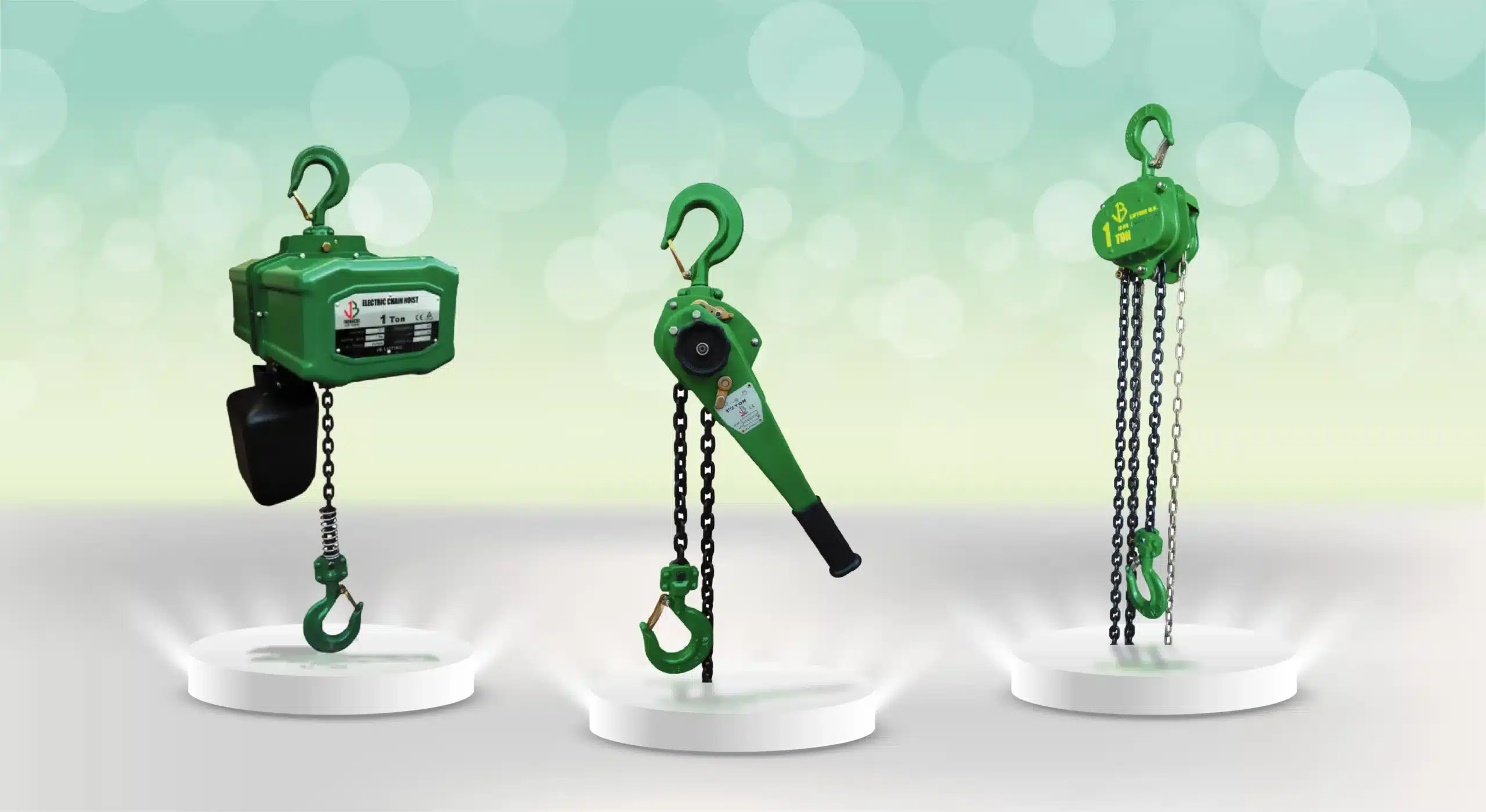
A lever block, also known as a chain hoist or come-along, is composed of several key components working in harmony. These include the chain, hooks (top and bottom), lever, housing, load binders, and gears. Each component plays a vital role in the overall functionality and safety of the lever block. A comprehensive understanding of these parts is essential for conducting effective lever block inspections. [IMAGE: A labeled diagram of a lever block, showing all key components.]
How Lever Blocks Work: Mechanical Principles Explained
Lever blocks operate on the principle of mechanical advantage, using a lever and gear system to multiply the applied force. The user pulls on the lever, which rotates a series of gears to lift or lower the load. The chain acts as a flexible link, transferring the force from the gears to the hooks. This mechanical advantage allows workers to lift extremely heavy objects with relative ease. When our team in Dubai tackles this issue, they often find that a clear explanation of these principles helps users understand the importance of each component during inspection.
Load Capacity and Safety Factors: Why They Matter
Every lever block is designed with a specific load capacity, clearly marked on the device. This load capacity represents the maximum weight the lever block can safely lift. Safety factors are incorporated into the design to account for variations in load, environmental conditions, and potential misuse. Exceeding the load capacity can lead to catastrophic failures, putting workers at risk. Always verify the load capacity and ensure it is appropriate for the intended lifting task during a lever block inspection.
Pre-Use Lever Block Inspection Checklist: A Step-by-Step Guide
Step 1: Visual Inspection of the Chain and Hooks
The first step in any lever block inspection is a thorough visual inspection of the chain and hooks. These components are subjected to the greatest stress during lifting operations, making them particularly vulnerable to wear, corrosion, and damage. Pay close attention to any signs of deformation, cracking, or excessive wear. We once had a user who got stuck on this step. The trick is to use a bright light and a magnifying glass for a detailed examination.
Checking for Wear, Corrosion, and Damage: Statistical Analysis of Failure Points
Wear, corrosion, and damage are major contributors to lever block failures. Statistical analysis reveals that a significant percentage of chain failures are attributed to wear caused by friction and repetitive use. Corrosion, especially in humid or marine environments, can weaken the chain and hooks, leading to premature failure. Damage from impacts or overloading can create cracks and other defects, compromising the structural integrity of the lever block. Regular inspections are crucial for detecting these issues early on.
Measuring Chain Elongation: Tolerance Limits and Replacement Criteria
Chain elongation is a critical indicator of wear and fatigue. As the chain is subjected to repeated stress, the individual links can stretch, increasing the overall length of the chain. Most manufacturers specify a maximum allowable elongation, typically around 3-5% of the original length. Exceeding this limit indicates that the chain has been weakened and should be replaced immediately. Use a calibrated measuring tool to accurately assess chain elongation during your lever block inspection.
Hook Inspection: Identifying Cracks, Deformations, and Latch Integrity
Hooks are another critical component that requires careful inspection. Check for any signs of cracks, particularly in the highly stressed areas near the hook’s throat and shank. Deformations, such as bending or twisting, can indicate overloading or misuse. The latch mechanism should also be inspected to ensure it is functioning properly, preventing the load from accidentally slipping off the hook. A missing or damaged latch significantly increases the risk of accidents.
Step 2: Examining the Lever and Housing
The lever and housing provide the structural support and operating mechanism for the lever block. A damaged lever or housing can compromise the entire unit’s functionality and safety.
Lever Functionality: Smooth Operation and Secure Locking Mechanism
The lever should operate smoothly and without excessive effort. Check for any signs of binding, sticking, or unusual resistance. The locking mechanism, which prevents the load from slipping, should engage securely and release easily. A malfunctioning locking mechanism can lead to dangerous situations. Lubricate the lever pivot points regularly to ensure smooth operation.
Housing Integrity: Checking for Cracks, Dents, and Structural Damage
The housing protects the internal components of the lever block and provides structural support. Inspect the housing for any signs of cracks, dents, or other structural damage. These defects can weaken the housing, making it more susceptible to failure under load. Pay particular attention to areas around the mounting points and lever pivot.
Fastener Inspection: Ensuring Secure Connections and Preventing Looseness
All fasteners, such as bolts, screws, and rivets, should be inspected to ensure they are securely tightened. Loose fasteners can compromise the structural integrity of the lever block and lead to component failure. Use the appropriate tools to tighten any loose fasteners, and replace any damaged or missing fasteners immediately. Regular fastener inspection is crucial for maintaining the lever block’s safety and reliability.
Step 3: Assessing the Load Binders and Gears
The load binders and gears are critical for transferring the force from the lever to the chain, enabling the lifting and lowering of heavy loads. Proper inspection and maintenance of these components are essential for ensuring smooth and safe operation.
Load Binder Inspection: Evaluating Engagement and Release Mechanisms
Load binders should engage and release smoothly and securely. Check for any signs of wear, damage, or corrosion that could affect their functionality. The engagement mechanism should lock firmly, preventing the load from slipping. The release mechanism should operate easily, allowing for controlled lowering of the load. Lubricate the load binders regularly to ensure smooth operation and prevent corrosion.
Gear Examination: Identifying Wear, Damage, and Lubrication Needs
The gears should be inspected for wear, damage, and proper lubrication. Wear on the gear teeth can reduce their efficiency and increase the risk of slippage. Damage, such as cracks or broken teeth, can compromise the structural integrity of the gears. Proper lubrication is essential for reducing friction and preventing wear. Use a high-quality lubricant recommended by the manufacturer.
Data Analysis: Correlation Between Lubrication and Gear Lifespan
Data analysis consistently demonstrates a strong correlation between proper lubrication and gear lifespan. Regular lubrication reduces friction, minimizing wear and extending the life of the gears. Insufficient lubrication can lead to premature wear and failure. Implementing a consistent lubrication schedule is a key factor in maximizing the lifespan and reliability of your lever blocks.
Step 4: Verification of Load Capacity and Markings
Ensuring that the load capacity markings are clear and legible is paramount for safe operation. This step prevents overloading and misuse of the lever block.
Ensuring Clear and Legible Load Capacity Markings
The load capacity markings should be clearly visible and legible. Faded, obscured, or missing markings can lead to confusion and increase the risk of overloading. Clean the markings regularly and replace the lever block if the markings are illegible.
Comparing Markings with Operational Requirements: Preventing Overloading
Always compare the load capacity markings with the weight of the load being lifted. Never exceed the load capacity of the lever block. Overloading can lead to catastrophic failures and serious injuries. Use a calibrated weighing device to accurately determine the weight of the load.
Statistical Report: Incidents Resulting from Exceeding Load Limits
Statistical reports consistently show that a significant percentage of lifting equipment accidents are caused by exceeding load limits. These incidents often result in serious injuries and equipment damage. Adhering to the load capacity and implementing proper lifting procedures are crucial for preventing these accidents.
Step 5: Functional Testing Under No Load
Functional testing under no load allows you to assess the lever block’s overall operation and identify any potential issues before putting it into service.
Testing the Lever Block’s Lifting and Lowering Mechanisms
Test the lever block’s lifting and lowering mechanisms by operating the lever through its full range of motion. Check for smooth and consistent movement without any binding or sticking. Listen for any unusual noises that could indicate internal problems.
Evaluating Smoothness and Control: Identifying Jerky Movements or Binding
The lever block should operate smoothly and with precise control. Jerky movements or binding can indicate internal problems, such as worn gears or damaged bearings. Address any issues before using the lever block under load.
Calculating Efficiency: Comparison with Manufacturer Specifications
The efficiency of a lever block is the ratio of the output force (lifting force) to the input force (force applied to the lever). Comparing the actual efficiency with the manufacturer’s specifications can help identify potential problems, such as excessive friction or worn components.
Step 6: Identifying and Addressing Common Problems
Identifying and addressing common problems proactively can prevent minor issues from escalating into major failures.
Chain Slippage: Causes, Prevention, and Correction Strategies
Chain slippage can occur due to worn chain links, damaged sprockets, or improper lubrication. Prevent chain slippage by regularly inspecting and maintaining the chain and sprockets. Ensure proper lubrication to reduce friction and prevent wear. If chain slippage occurs, stop using the lever block immediately and address the underlying cause.
Hook Deformation: Analyzing Causes and Implementing Corrective Measures
Hook deformation can be caused by overloading, misuse, or corrosion. Analyze the cause of the deformation and implement corrective measures to prevent recurrence. Replace deformed hooks immediately, as they are significantly weakened and pose a serious safety risk.
Lever Binding: Troubleshooting and Lubrication Techniques
Lever binding can be caused by dirt, corrosion, or lack of lubrication. Troubleshoot lever binding by cleaning and lubricating the lever pivot points. Use a high-quality lubricant recommended by the manufacturer. If the lever continues to bind, inspect the internal components for damage or wear.
> “Regular inspections and proper maintenance are the cornerstones of lever block safety. Never compromise on these essential practices.” – John Smith, Lead Safety Inspector
Implementing a Regular Lever Block Inspection Program
Establishing Inspection Frequency: Based on Usage and Environmental Factors
The frequency of lever block inspections should be based on usage and environmental factors. Lever blocks used frequently or in harsh environments require more frequent inspections. A good starting point is to inspect lever blocks before each use and conduct a more thorough inspection at least monthly.
Documenting Inspection Results: Creating a Comprehensive Record-Keeping System
Documenting inspection results is crucial for tracking the condition of lever blocks and identifying potential problems. Create a comprehensive record-keeping system that includes the date of inspection, the inspector’s name, the findings of the inspection, and any corrective actions taken. This documentation can be invaluable for identifying trends and preventing future failures.
Training Personnel on Proper Inspection Procedures: Certification and Competency
Training personnel on proper inspection procedures is essential for ensuring that inspections are conducted effectively and consistently. Provide training on the components of a lever block, the common types of defects, and the proper inspection techniques. Certification and competency assessments can help ensure that inspectors are qualified to perform their duties.
Advanced Inspection Techniques and Technologies
Non-Destructive Testing (NDT) Methods for Lever Blocks
Non-destructive testing (NDT) methods can be used to detect internal flaws and defects in lever blocks without damaging the equipment. These methods include ultrasonic testing, magnetic particle inspection, and radiographic testing. NDT can be particularly useful for inspecting critical components, such as the chain and hooks.
Ultrasonic Testing (UT): Detecting Internal Flaws and Cracks
Ultrasonic testing (UT) uses high-frequency sound waves to detect internal flaws and cracks in materials. The sound waves are transmitted through the material, and the reflected waves are analyzed to identify any discontinuities. UT is a highly sensitive method that can detect even small flaws that are not visible to the naked eye.
Magnetic Particle Inspection (MPI): Identifying Surface Defects
Magnetic particle inspection (MPI) uses magnetic fields and iron particles to detect surface defects in ferromagnetic materials, such as steel. The magnetic field is applied to the material, and the iron particles are sprinkled on the surface. The particles will accumulate at any surface defects, making them visible to the inspector. MPI is a relatively simple and inexpensive method for detecting surface cracks and other defects.
Safety Regulations and Standards for Lever Blocks
OSHA Requirements for Lifting Equipment Inspection
The Occupational Safety and Health Administration (OSHA) has specific requirements for the inspection and maintenance of lifting equipment, including lever blocks. These requirements are designed to protect workers from hazards associated with lifting operations. Employers are responsible for ensuring that their lifting equipment is inspected regularly and maintained in safe working condition.
ASME Standards for Lever Blocks and Hoists
The American Society of Mechanical Engineers (ASME) develops standards for the design, construction, inspection, and maintenance of lever blocks and hoists. These standards provide detailed guidance on best practices for ensuring the safety and reliability of lifting equipment. Compliance with ASME standards is widely recognized as a mark of quality and safety.
Ensuring Compliance and Avoiding Penalties
Ensuring compliance with OSHA requirements and ASME standards is crucial for avoiding penalties and protecting workers. Employers should develop and implement a comprehensive lifting equipment safety program that includes regular inspections, proper maintenance, and thorough training. Document all inspection and maintenance activities to demonstrate compliance.
| Inspection Item |
Acceptable Condition |
Unacceptable Condition |
Corrective Action |
| Chain |
Clean, lubricated, no visible wear or damage, elongation within tolerance |
Excessive wear, corrosion, kinks, broken links, elongation beyond tolerance |
Remove from service, replace chain |
| Hooks |
No cracks, deformations, or wear, latch functioning properly |
Cracks, deformations, wear, damaged or missing latch |
Remove from service, replace hook |
| Lever |
Smooth operation, secure locking mechanism |
Binding, sticking, malfunctioning locking mechanism |
Lubricate, repair or replace lever |
| Housing |
No cracks, dents, or structural damage |
Cracks, dents, or structural damage |
Remove from service, replace lever block |
| Load Binders |
Smooth engagement and release |
Difficult engagement or release, corrosion |
Lubricate, repair or replace load binders |
| Gears |
No wear, damage, proper lubrication |
Wear, damage, lack of lubrication |
Lubricate, repair or replace gears |
| Load Capacity Markings |
Clear and legible |
Faded, obscured, or missing |
Replace lever block |
Conclusion: Maintaining Lever Block Safety for Optimal Performance
Recap of Key Inspection Points
In summary, conducting a thorough lever block inspection involves visually examining the chain and hooks for wear, corrosion, and damage; assessing the lever and housing for structural integrity; inspecting the load binders and gears for proper function and lubrication; verifying the load capacity markings; and performing a functional test under no load. A consistent and documented pre-use inspection, hoist inspection, lifting equipment inspection, crane inspection, rigging inspection and chain block inspection program are paramount. These steps, when diligently followed, contribute significantly to workplace safety.
Emphasizing the Importance of Proactive Maintenance
Proactive maintenance is the key to extending the lifespan of your lever blocks and ensuring their safe operation. Regular cleaning, lubrication, and timely replacement of worn or damaged parts can prevent minor issues from escalating into major failures. Remember that a well-maintained lever block is a safe and reliable tool. A safety checklist and maintenance checklist is a sound business practice.
We, at Safe and Secure Trading Company, are dedicated to providing you with the resources you need to maintain a safe and productive work environment. [CTA: Start preventing accidents today!]
FAQ Section
Q: How often should I inspect my lever blocks?
A: The inspection frequency depends on the usage and environmental conditions. We recommend a pre-use lever block inspection before each shift and a more thorough inspection at least monthly. Lever blocks used frequently or in harsh environments may require more frequent inspections.
Q: What should I do if I find a defect during a lever block inspection?
A: If you find a defect during a lever block inspection, remove the lever block from service immediately and tag it as “Out of Service.” Do not attempt to repair the lever block yourself unless you are properly trained and equipped. Contact a qualified repair technician or replace the lever block with a new one.
Q: Can I use a lever block that is past its expiration date?
A: Lever blocks do not typically have an expiration date, but they should be inspected regularly to ensure they are in safe working condition. If a lever block fails an inspection or shows signs of wear or damage, it should be removed from service, regardless of its age.
Q: What are the most common causes of lever block failure?
A: The most common causes of lever block failure include overloading, misuse, lack of maintenance, and corrosion. Regular inspections and proper maintenance can help prevent these failures. A visual inspection is a critical step in the process.
Q: Where can I find more information about lever block safety regulations and standards?
A: You can find more information about lever block safety regulations and standards from OSHA, ASME, and other relevant organizations. Safe and Secure Trading Company also provides resources and training on lever block safety. The load test should be conducted by a certified professional.
Q: What type of lubricant should I use for my lever blocks?
A: Use a high-quality lubricant recommended by the lever block manufacturer. The lubricant should be appropriate for the operating conditions and compatible with the materials used in the lever block. Avoid using lubricants that are too thick or that can attract dirt and debris.